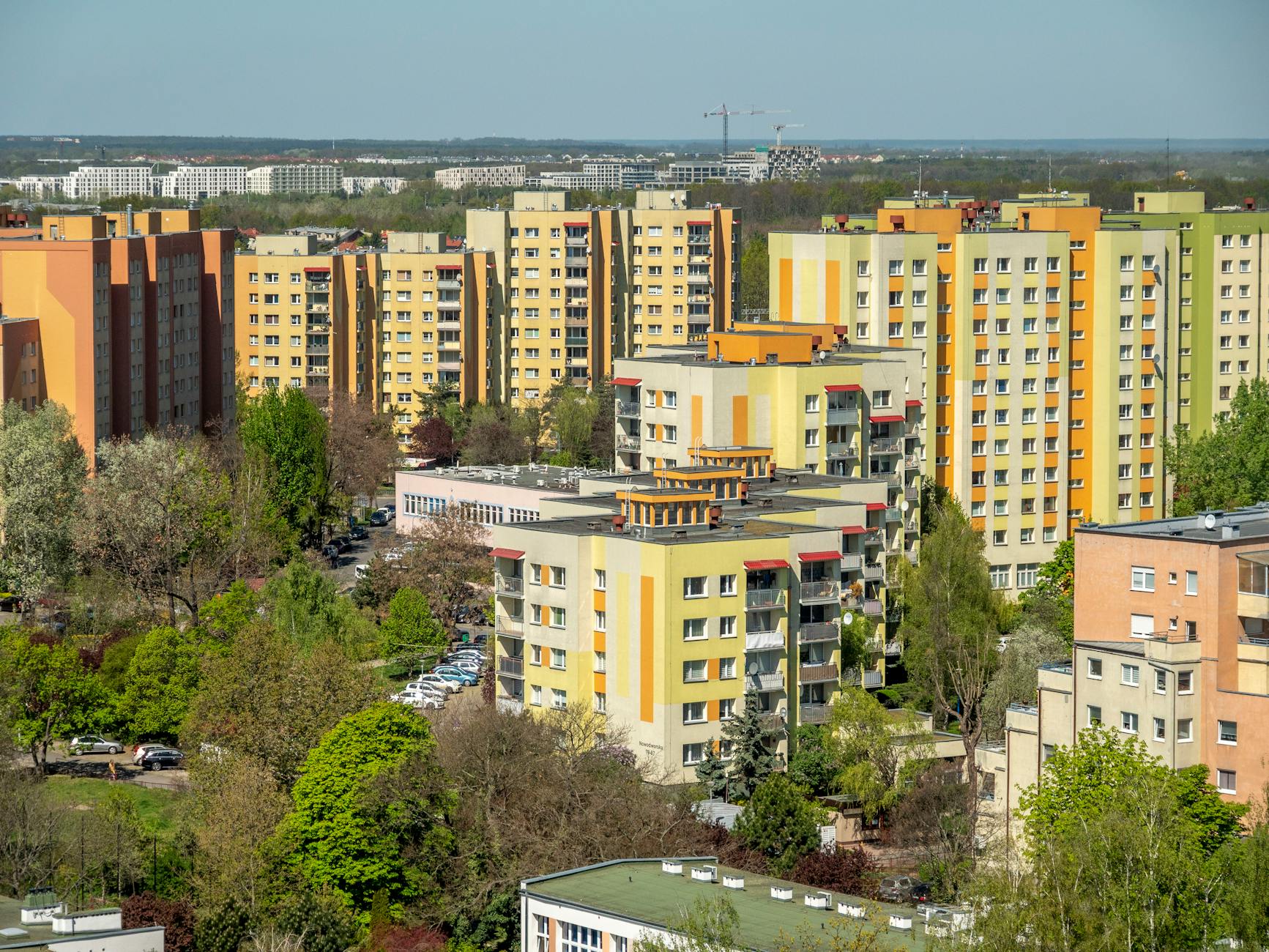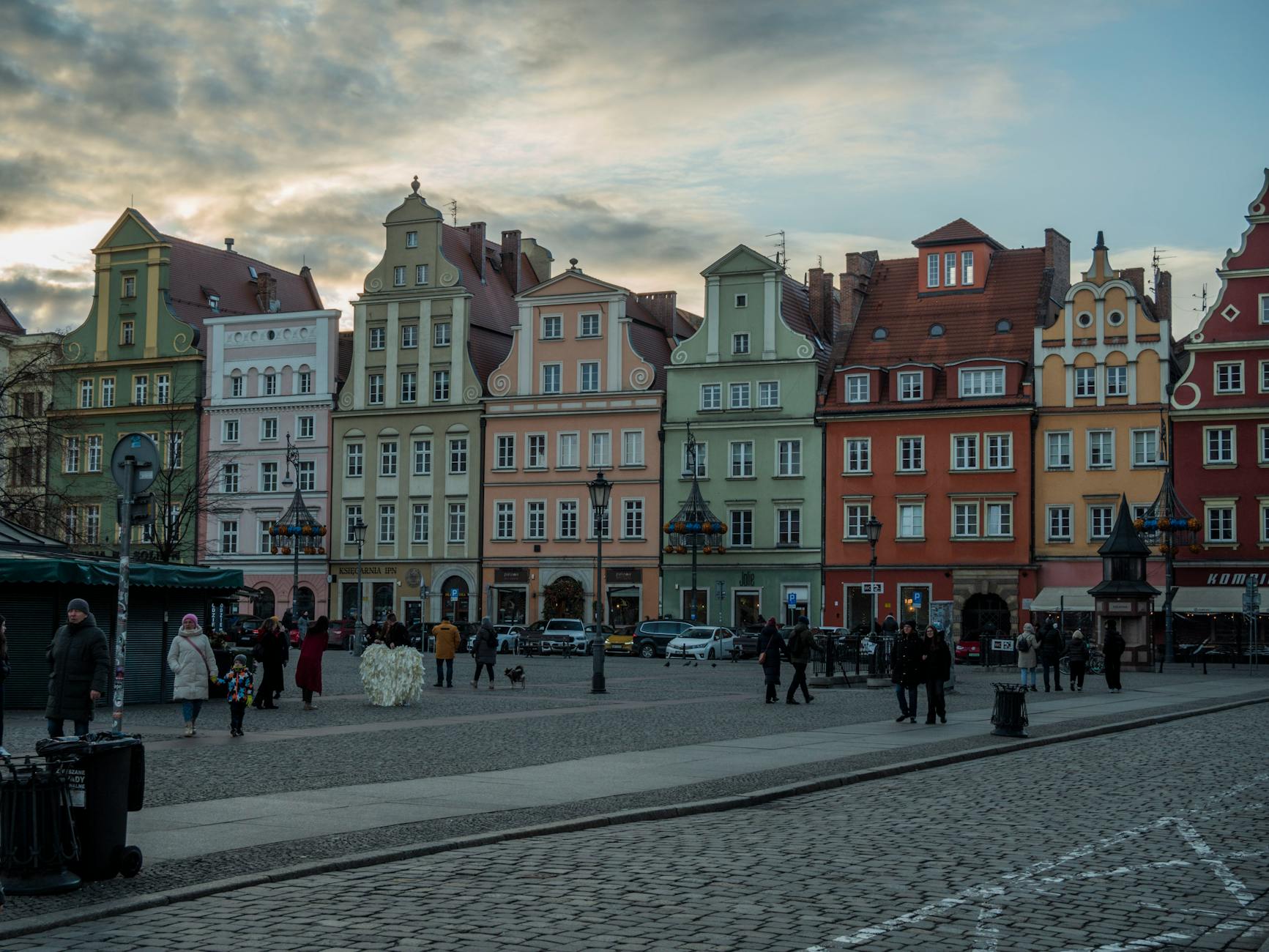
A short academic or language program in Wroclaw works best when the student treats the trip as both study and temporary city life. Program address, lodging, transit, meals, budget, class rhythm, health needs, evening plans, and departure timing all need enough structure to make the city easier to learn.
Confirm the program location and rhythm
A student should know the exact program building, entrance, first-day meeting point, class schedule, attendance rules, and evening obligations before choosing lodging or activities. Short programs leave little time to recover from a confusing first day.
The academic rhythm should shape the trip.
- Confirm classroom address, orientation time, program contacts, ID needs, and daily schedule.
- Check whether activities, excursions, or group meals happen away from the main building.
- Save emergency contacts, program rules, insurance details, and local support information offline.

Choose lodging by supervision and commute
Student lodging should be judged by safety, supervision needs, commute simplicity, check-in rules, laundry, kitchen access, quiet study space, and cost. The cheapest room is not useful if it makes every morning stressful.
The lodging should support the program.
- Compare student housing, hostels, hotels, and apartments by commute, safety, kitchen access, and quiet hours.
- Check check-in timing, late arrival rules, luggage storage, laundry, Wi-Fi, and study space.
- Keep parent, guardian, or program requirements visible if supervision or curfew matters.
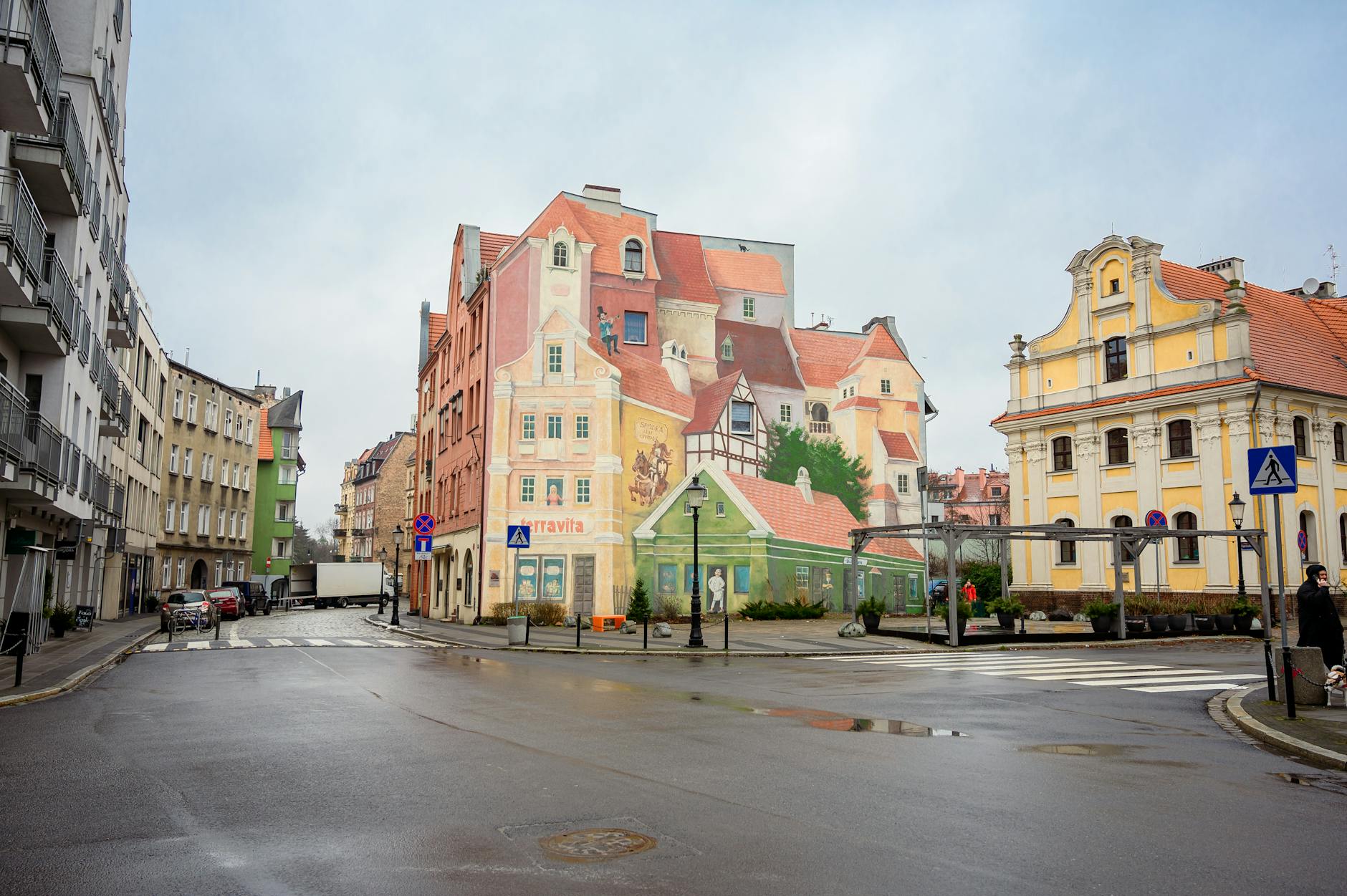
Learn transit before the first class
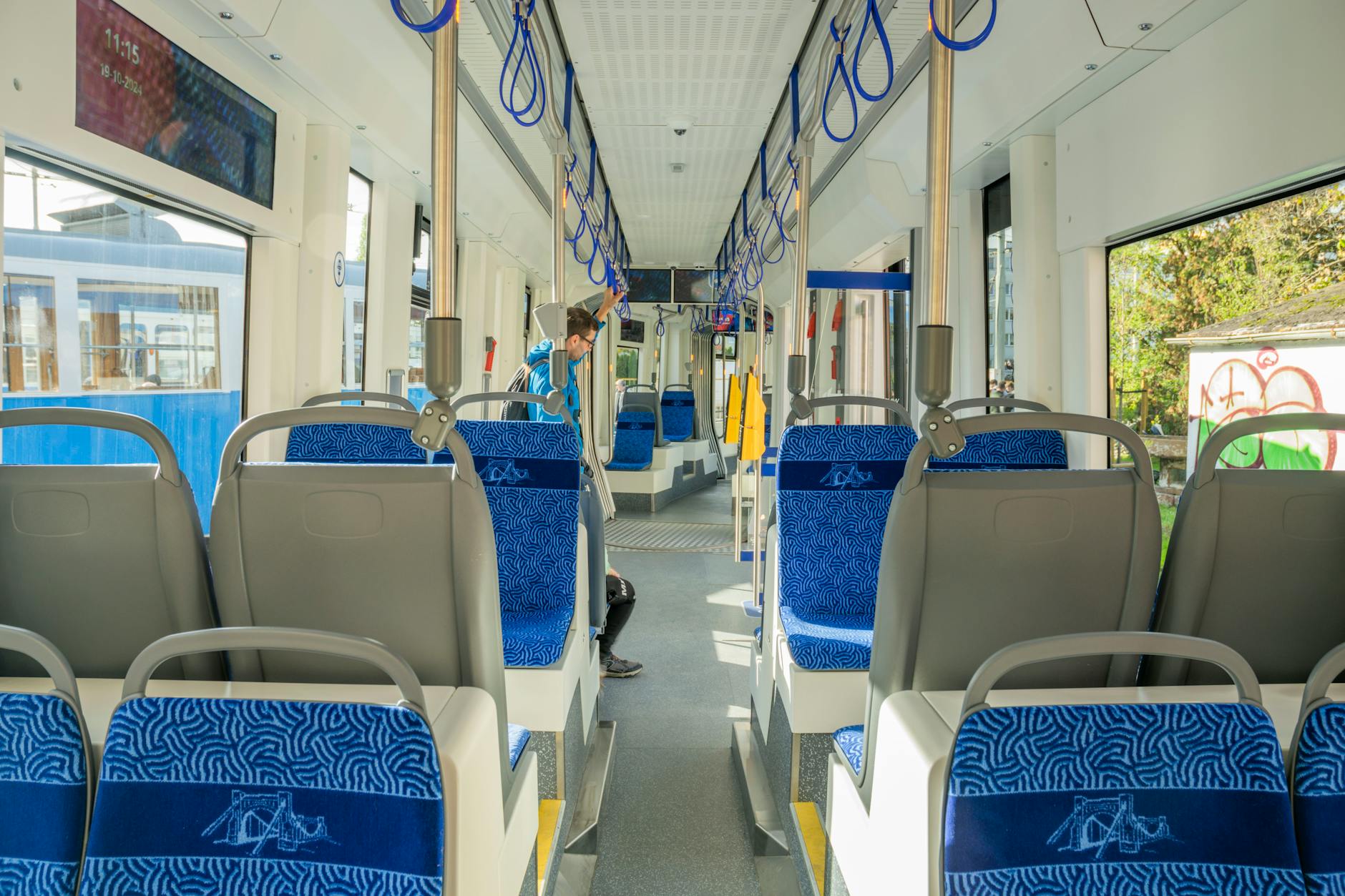
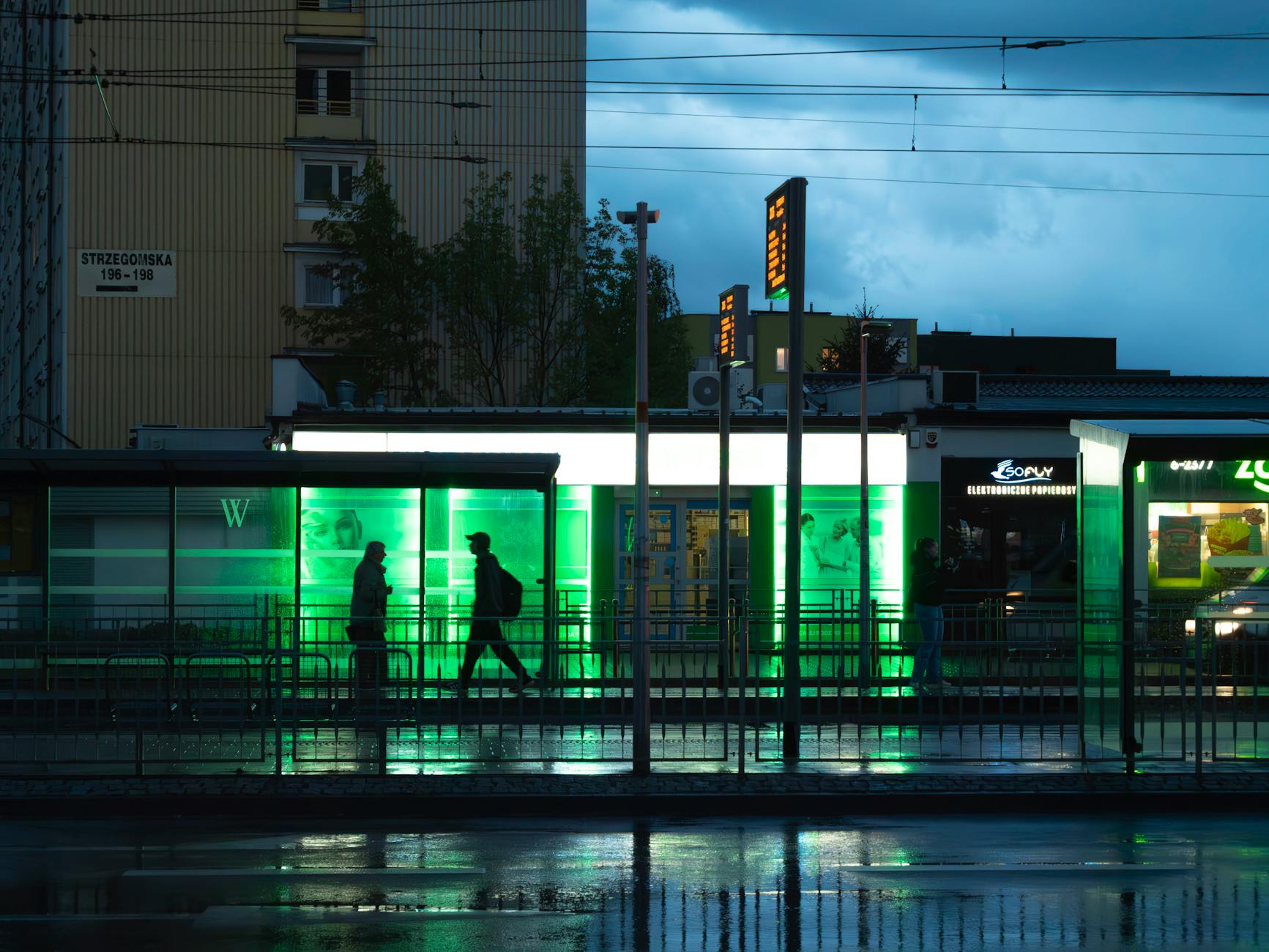
Wroclaw trams and walking routes can work well for students, but the first commute should not be tested under pressure. Ticket rules, validation, stop names, transfer points, and late returns should be understood before classes begin.
The first morning needs rehearsal.
- Save walking, tram, station, airport, lodging, classroom, and evening routes offline.
- Check ticket options, validation rules, student discounts, and late service.
- Walk or ride the route once before the first required session if timing allows.
Budget meals and study breaks
A short program can become expensive if every meal is bought near the most visible parts of the old town. Students should plan groceries, simple breakfasts, lunch options, cafes, and study breaks before hunger and deadlines decide.
Budget planning protects the week.
- Identify grocery stores, bakeries, student-friendly cafes, and affordable lunch areas near class and lodging.
- Set a daily food and transport budget with a separate emergency amount.
- Plan study breaks where Wi-Fi, power, noise, and cost match the assignment load.
Balance city time with coursework
Wroclaw's market square, river routes, bridges, museums, and restaurants are worth seeing, but short programs can leave less free time than expected. City plans should fit class energy, assignment deadlines, and group obligations.
The city should add to the program, not weaken it.
- Choose one main city route for each free half day instead of overloading the week.
- Keep museum, river, and old-town plans close to class or lodging when time is short.
- Leave room for reading, group work, laundry, rest, and practical errands.

Plan safe evenings and check-ins
Evenings may include group dinners, language practice, old-town walks, or student social plans. The student should know return routes, check-in expectations, phone battery, payment backup, and what to do if separated from the group.
Evening freedom still needs structure.
- Save lodging address, program contact, taxi app, tram routes, and emergency numbers.
- Set check-in habits with classmates, family, guardians, or program staff when appropriate.
- Avoid late unfamiliar routes before early classes, exams, excursions, or departure.
When to order a short-term travel report
A student with strong program support and provided lodging may not need a custom report. A report becomes useful when the student must choose lodging, commute independently, manage a strict budget, handle health or dietary needs, coordinate family requirements, or leave soon after the program ends.
The report should test program geography, lodging, first-day arrival, transit, meals, study space, budget, safe evenings, health needs, and departure timing. The value is a Wroclaw short program where practical planning gives the student more attention for learning.
- Order when lodging, commute, meals, budget, safety, health, program timing, or departure planning need exact support.
- Provide dates, program address, schedule, lodging candidates, budget, supervision needs, health constraints, and arrival details.
- Use the report to make the short program easier to navigate from the first day.