A short sales trip to Wroclaw works best when the traveler treats each hour as part of the commercial plan. Prospect locations, first-call readiness, samples or demo gear, hotel choice, client meals, follow-up work, and return timing all affect whether the trip creates useful pipeline rather than just movement.
Map prospects before booking
Sales travel should begin with a map of prospects, current customers, meeting venues, hotel candidates, and evening locations. Wroclaw can feel compact, but scattered meetings can still create wasted transfers and weak arrival timing.
The sales route should be built before the flight.
- Confirm prospect addresses, visitor entrances, meeting lengths, and decision-maker availability.
- Group meetings by geography so the day does not cross the city repeatedly.
- Leave open space for a high-value meeting that moves after the trip is booked.

Arrive ready for the first call
A sales traveler should not depend on a rushed hotel check-in or airport transfer before the first important call. Arrival timing needs room for clothing, demo setup, documents, sample handling, and a short review of account notes.
Readiness is part of the sale.
- Build a buffer between arrival and the first prospect or customer meeting.
- Carry demo files, chargers, adapters, samples, notes, ID, and backup presentation material.
- Know where to print, buy supplies, or take a quiet call if travel changes the plan.
Choose lodging around client coverage
The right hotel is the one that makes the meeting sequence easier. A scenic old-town location can be useful, but only if it also supports early starts, work calls, receipts, transit, and realistic movement between prospects.
Hotel choice should serve the route.
- Compare hotels by travel time to prospects, station or airport routes, and client dinner locations.
- Check desk setup, Wi-Fi, breakfast timing, ironing, luggage storage, and receipt handling.
- Avoid lodging that adds repeated transfers before important meetings.
Move with samples and presentation gear
Sales travelers often carry more than a laptop. Samples, brochures, demo devices, formal clothing, and customer materials can change whether walking, trams, taxis, or direct rides make sense.
The load should decide the transport.
- Use direct transport when carrying samples, fragile items, branded material, or demo equipment.
- Save taxi, tram, walking, hotel, prospect, station, and airport routes offline.
- Allow extra time for building security, bridge crossings, road work, and weather delays.
Keep meals tied to pipeline goals
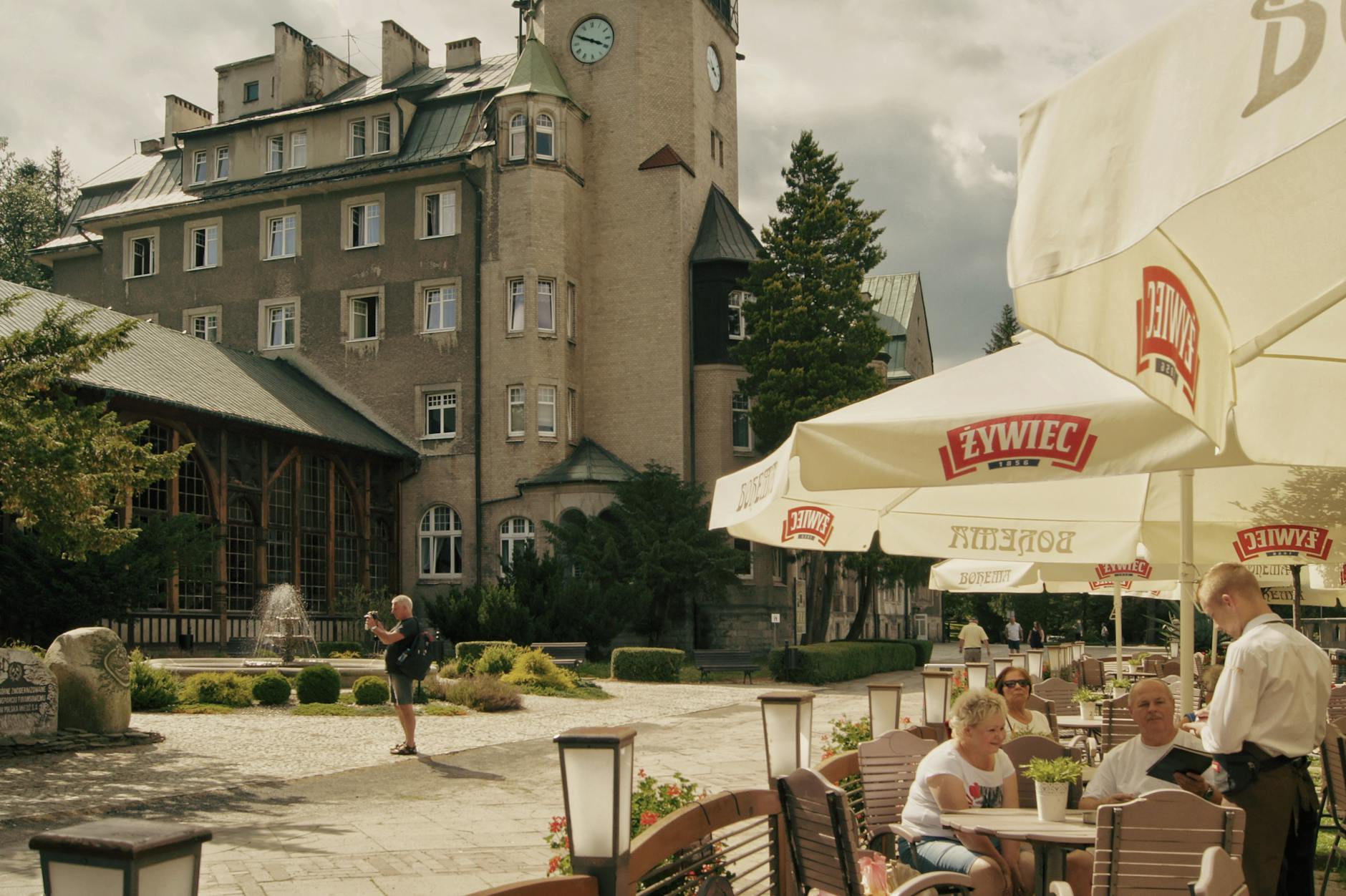
A client meal should support a specific sales purpose: discovery, renewal, relationship repair, proposal discussion, or expansion. Location, noise, timing, dietary needs, and the route back all affect whether the meal helps or distracts.
Hospitality should be useful, not random.
- Choose restaurants by conversation quality, route simplicity, reservation reliability, and receipt needs.
- Keep meal timing aligned with the customer's decision process and the next meeting.
- Avoid late or distant meals before early calls, demos, or departure.
Protect follow-up time
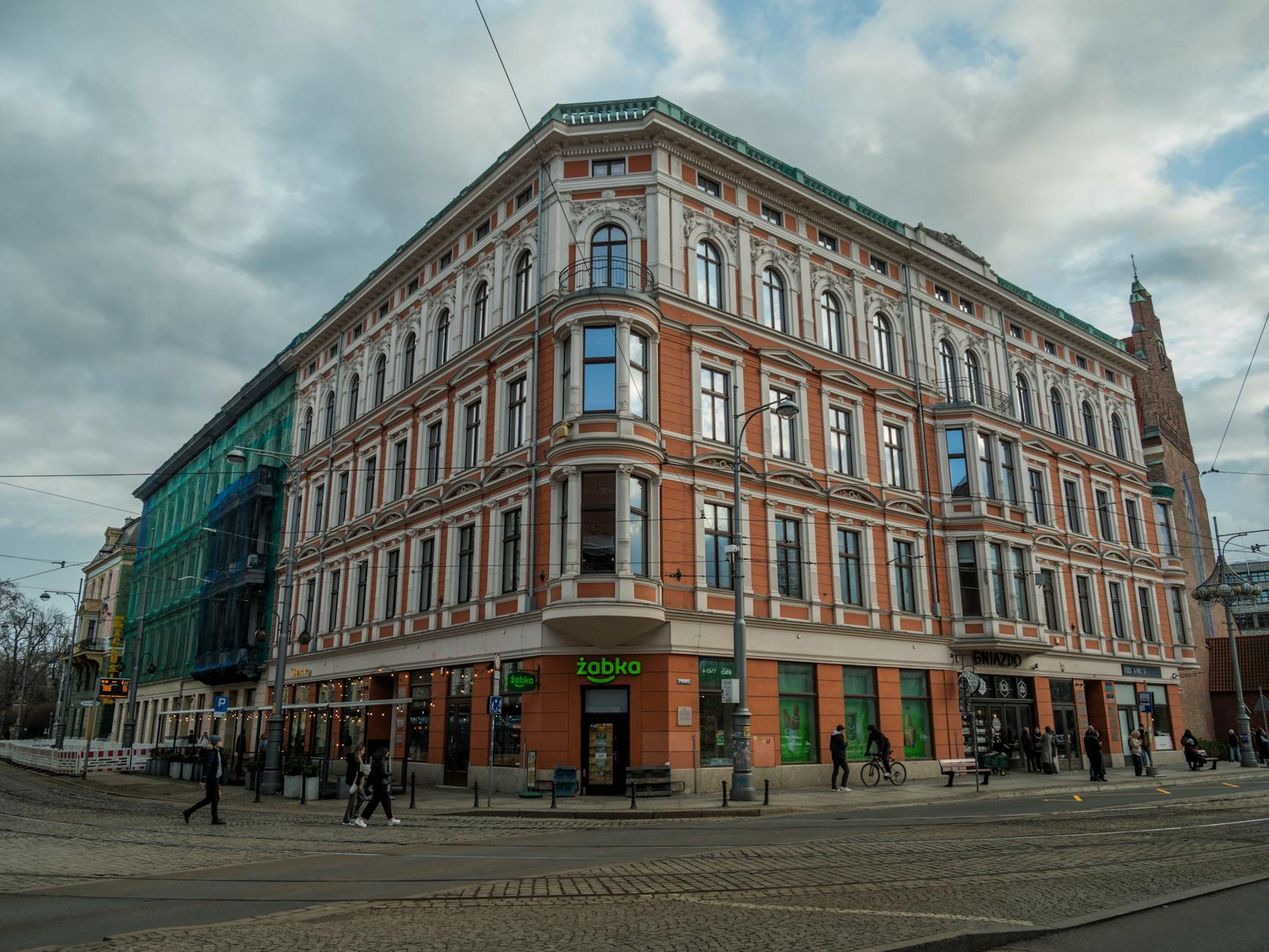
The value of a sales trip often appears after the meeting, when notes, quotes, next steps, CRM updates, and internal messages are handled while the details are fresh. The itinerary should reserve quiet time instead of leaving follow-up for the airport.
Follow-up should not be squeezed into leftovers.
- Block time after important meetings for notes, CRM updates, proposals, and next-step messages.
- Identify quiet hotel, cafe, lobby, or coworking spaces for short work sessions.
- Capture receipts, mileage, taxi records, meal notes, and customer commitments daily.
When to order a short-term travel report
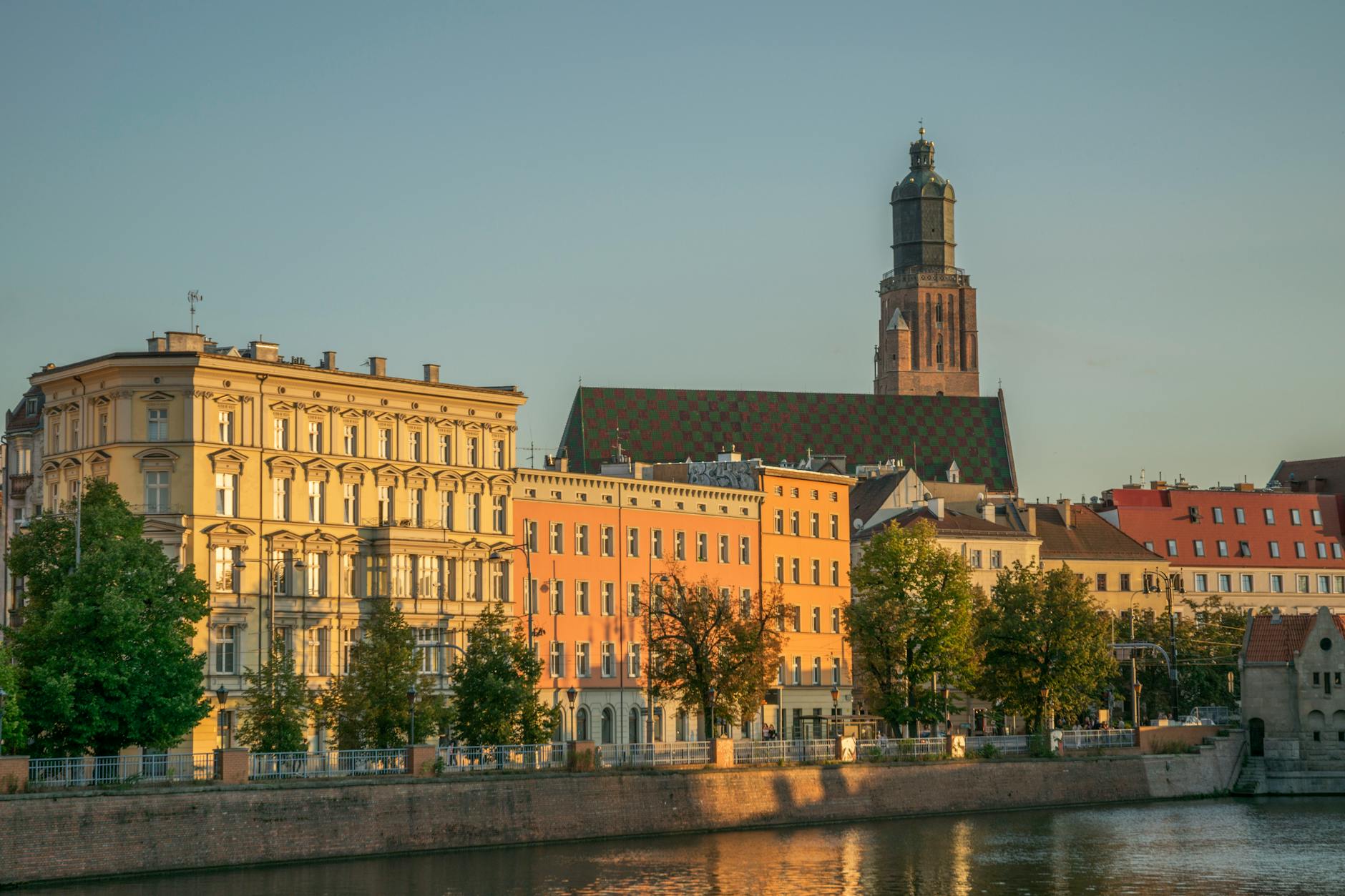
A sales traveler with one familiar customer visit may not need a custom report. A report becomes useful when the trip includes multiple prospects, demo equipment, client meals, a tight arrival, strict expense rules, weather risk, or a departure soon after the final meeting.
The report should test prospect geography, hotel placement, arrival buffers, transport with materials, client meals, work gaps, expense friction, weather, and departure timing. The value is a Wroclaw sales trip that keeps the traveler focused on revenue activity instead of logistics.
- Order when prospects, hotels, arrival timing, transport, meals, follow-up, expenses, or departure timing need exact planning.
- Provide dates, prospect addresses, meeting schedule, hotel candidates, materials carried, budget, expense rules, and arrival details.
- Use the report to keep the sales trip punctual, focused, and commercially useful.