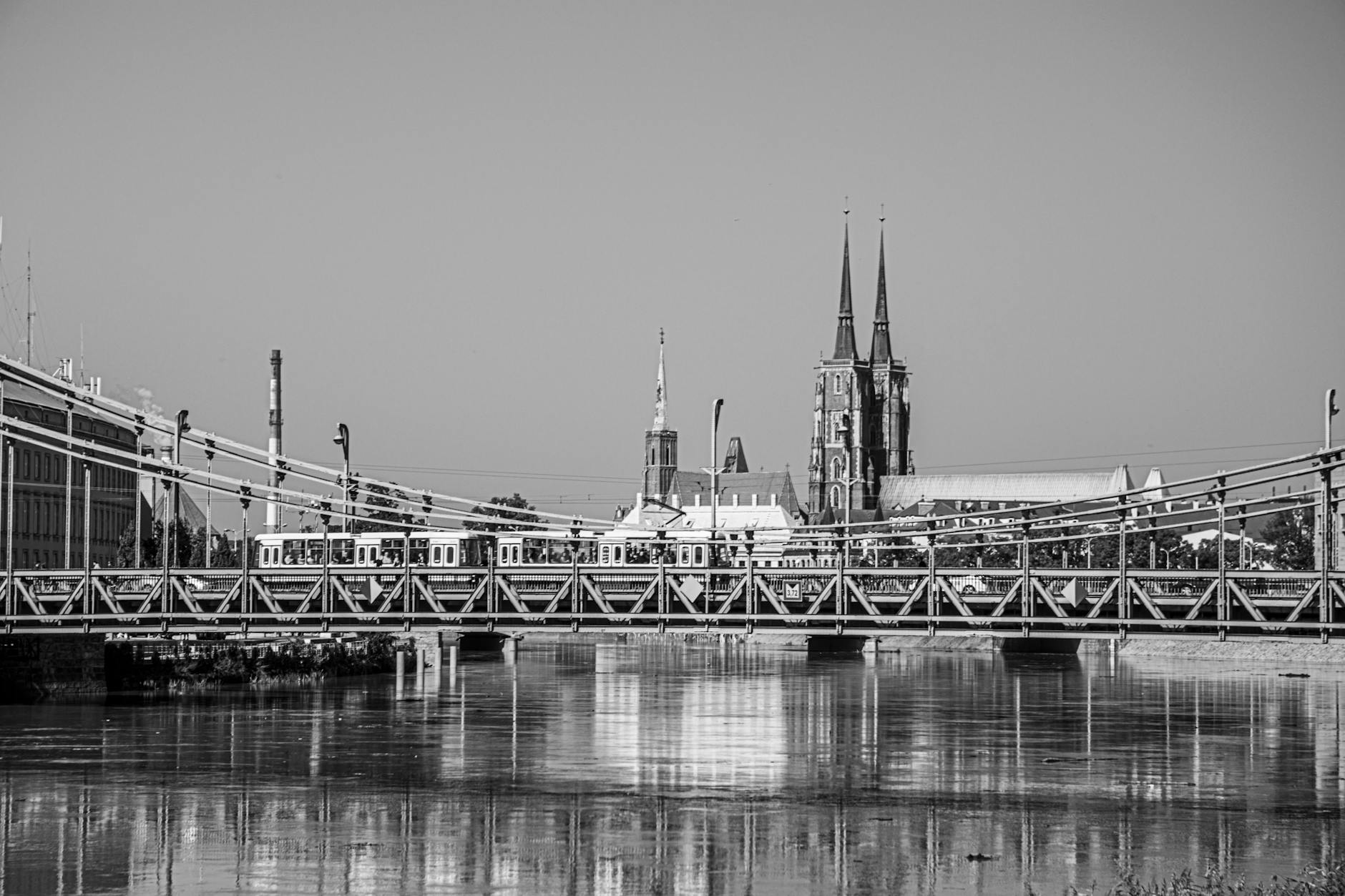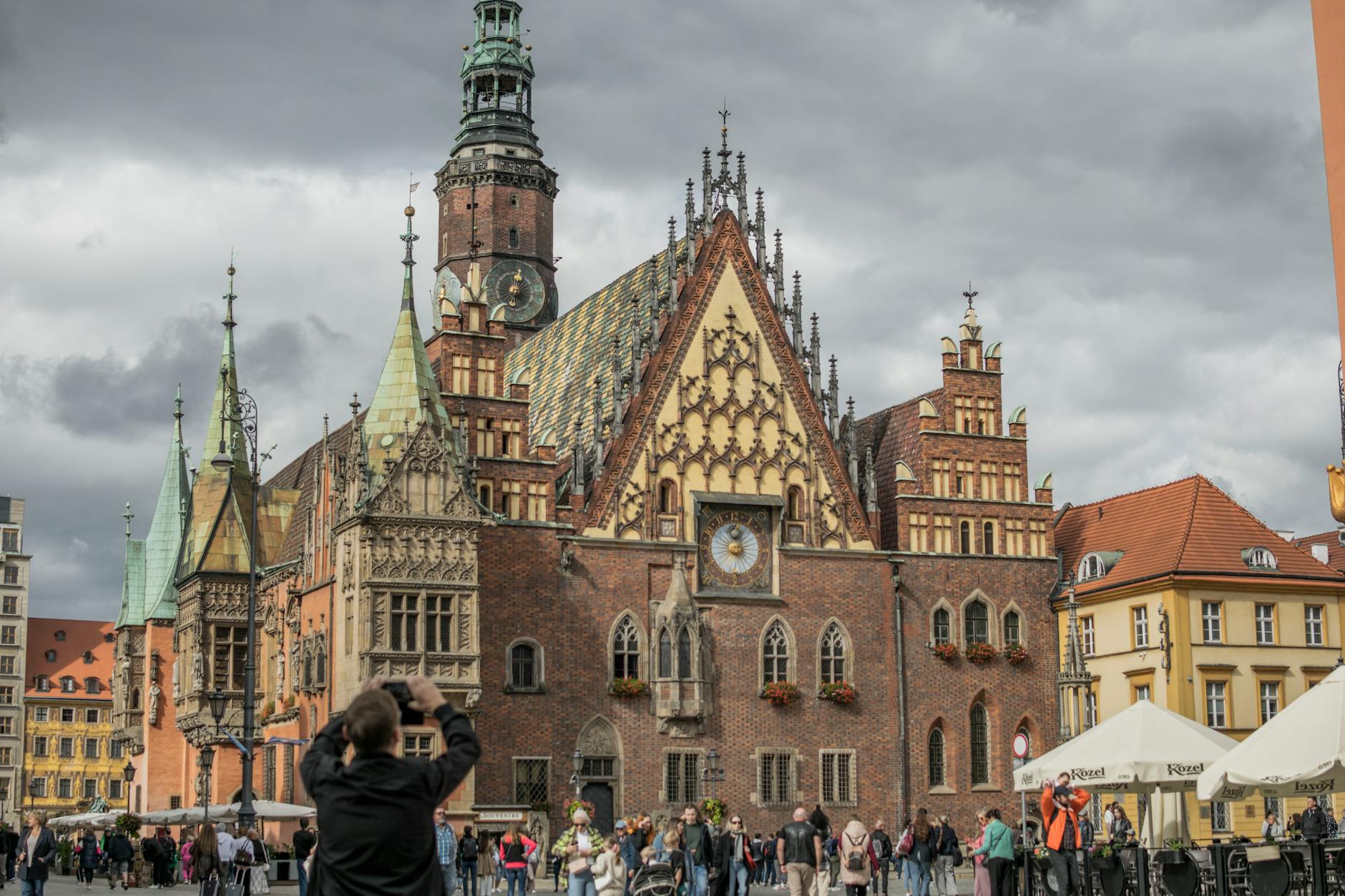
A short journalism trip to Wroclaw should be built around the story rather than a general city route. Interview locations, access rules, equipment, quiet filing time, transport, safety, permissions, and backup angles all need attention so the reporting window is not lost to avoidable logistics.
Define the story geography
A journalist should map interview sites, official buildings, neighborhoods, archives, photo locations, hotel options, and transport links before arrival. Wroclaw can be easy to enjoy, but reporting time disappears quickly when locations are scattered.
The story should shape the route.
- List confirmed interviews, backup sources, public locations, archives, and visuals by neighborhood.
- Group reporting stops by geography and daylight needs.
- Keep one flexible block for a source who changes time or place.
Protect interviews and access
Interviews need more than an address. The journalist should confirm names, entrances, recording permission, language support, privacy expectations, security screening, and whether the setting is suitable for audio, video, or notes.
Access details protect the reporting.
- Confirm source names, phone numbers, meeting points, recording consent, and interpreter needs.
- Check building access, visitor ID requirements, bag rules, and quiet places for interviews.
- Keep backup source contacts ready if an interview cancels or runs short.
Choose lodging for filing and movement
A journalist's lodging should support sleep, secure equipment, late writing, fast upload, receipts, and movement between sources. A scenic location is helpful only if it also protects deadlines and equipment.
The hotel is part of the newsroom for the trip.
- Check Wi-Fi, desk setup, noise, late access, storage, laundry, and receipt handling.
- Compare hotels by travel time to interviews, station, airport, photo locations, and filing spots.
- Keep a secondary quiet place for writing if the room is too loud or cramped.
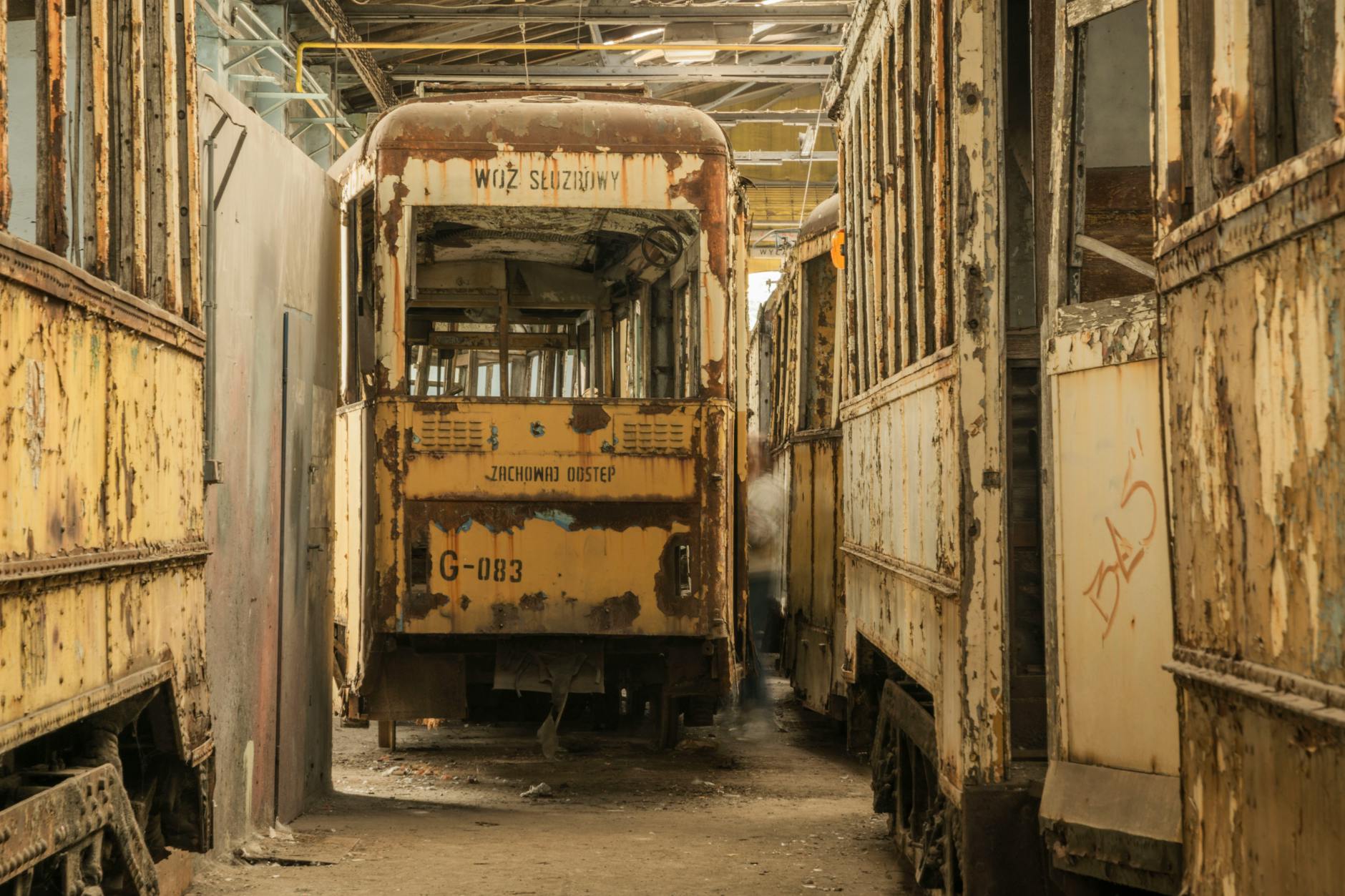
Move with equipment and backups
Cameras, recorders, microphones, notebooks, chargers, batteries, laptops, and secure storage change the transport decision. Walking and trams can work, but heavy or sensitive gear may require direct rides.
Equipment should not slow the story.
- Pack batteries, chargers, adapters, media cards, notebooks, backup storage, rain cover, and power bank.
- Save taxi, tram, walking, interview, hotel, station, and airport routes offline.
- Use direct transport when gear is heavy, weather is poor, timing is tight, or safety is uncertain.
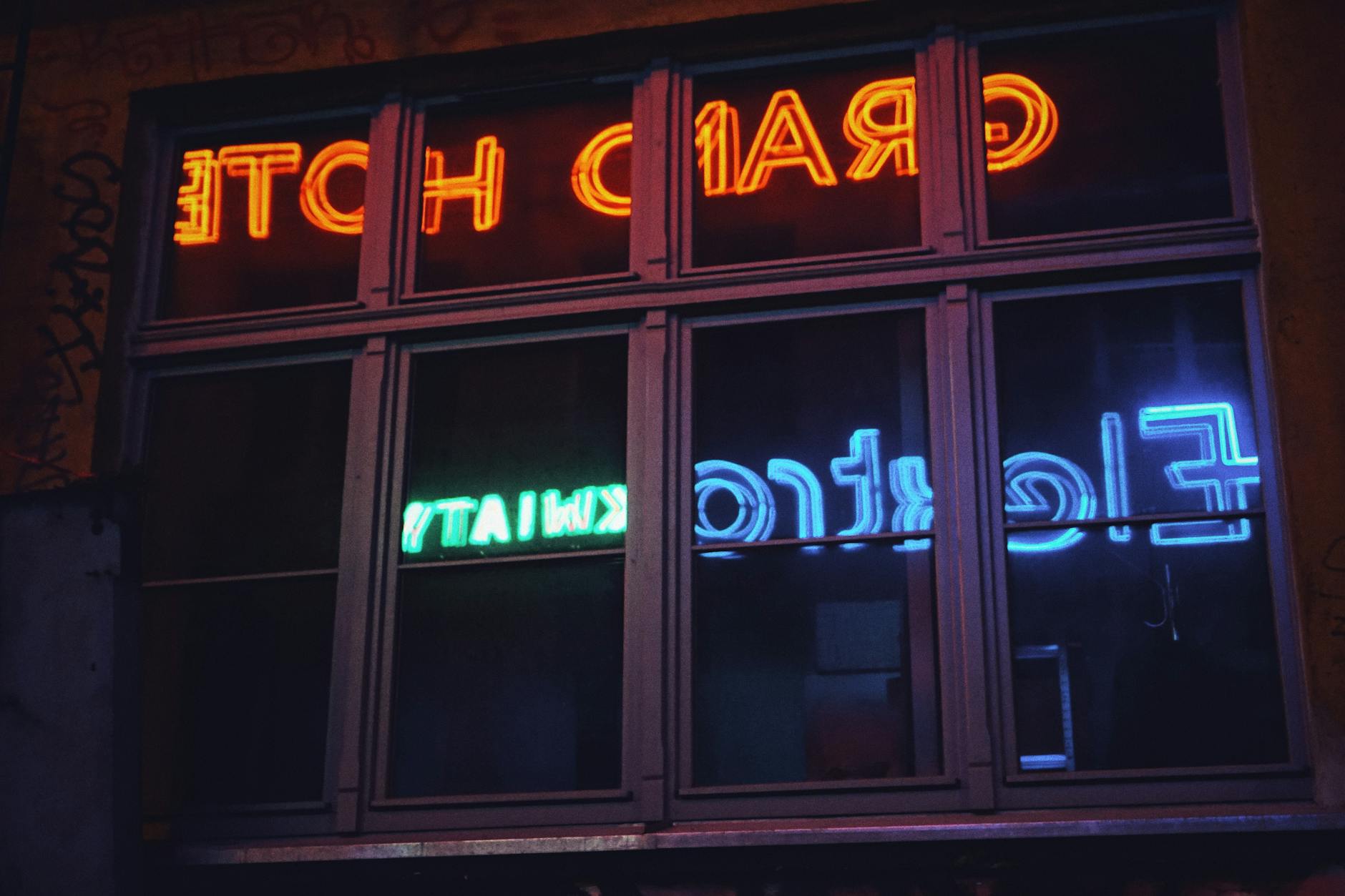
Plan filing windows before deadlines
Reporting days can fill with interviews, travel, transcription, fact checks, photos, and edits. The itinerary should reserve filing windows in places with quiet, power, connectivity, and enough time to think.
Deadlines need protected space.
- Block time for notes, transcription, fact checks, photo handling, and editor calls.
- Identify hotel, cafe, library, coworking, or lobby spaces where writing is realistic.
- Keep backup connectivity and offline documents ready in case Wi-Fi fails.
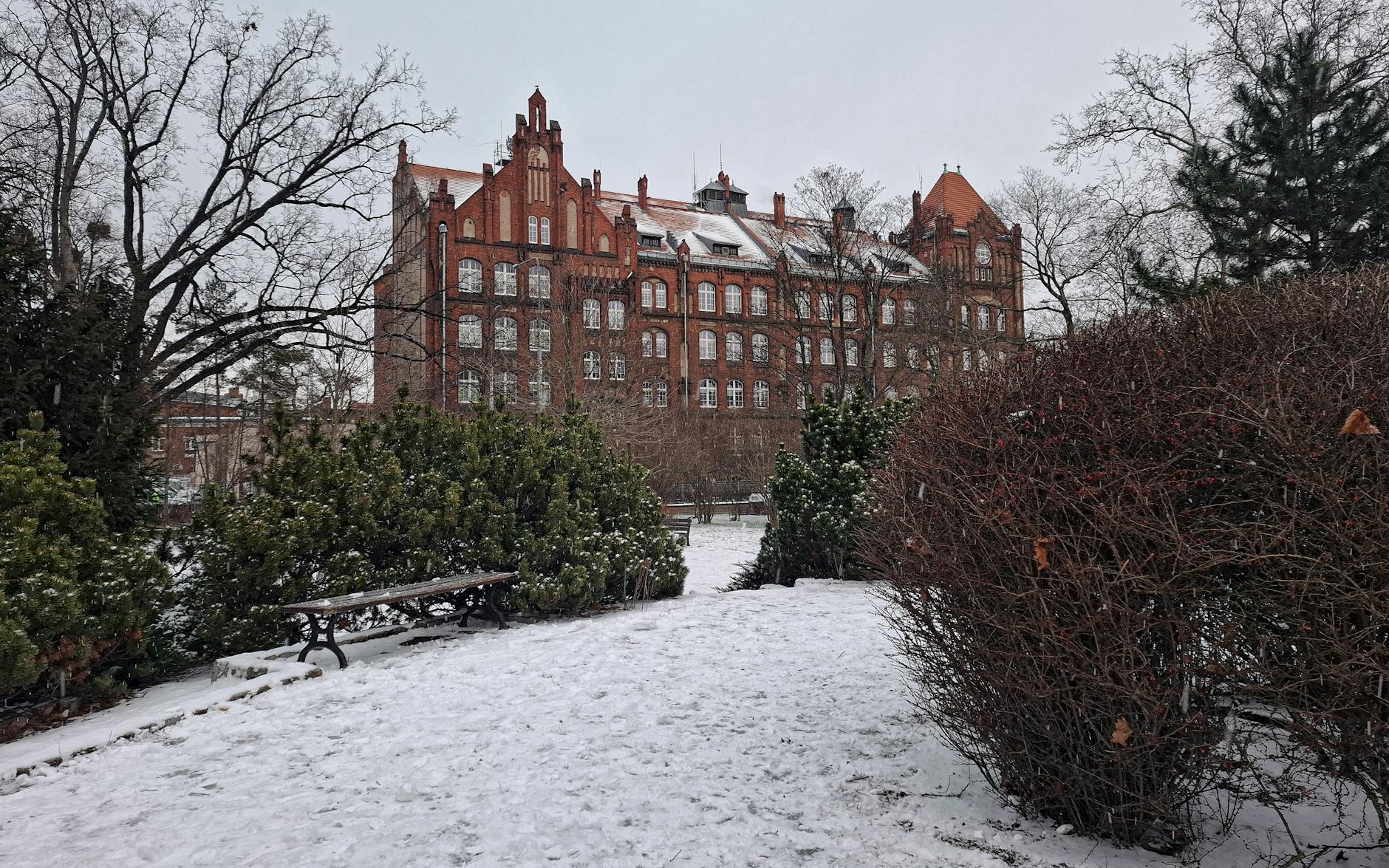
Manage safety, permissions, and context
Journalists should consider personal safety, source privacy, photography rules, drone restrictions, sensitive locations, crowd dynamics, and local context before working in public. The goal is to report thoroughly without creating unnecessary risk.
A good plan protects both the journalist and the source.
- Check rules for photography, filming, protected sites, private property, and public events.
- Avoid exposing vulnerable sources through careless photos, captions, or location details.
- Share itinerary and check-in habits with an editor, colleague, or trusted contact when needed.
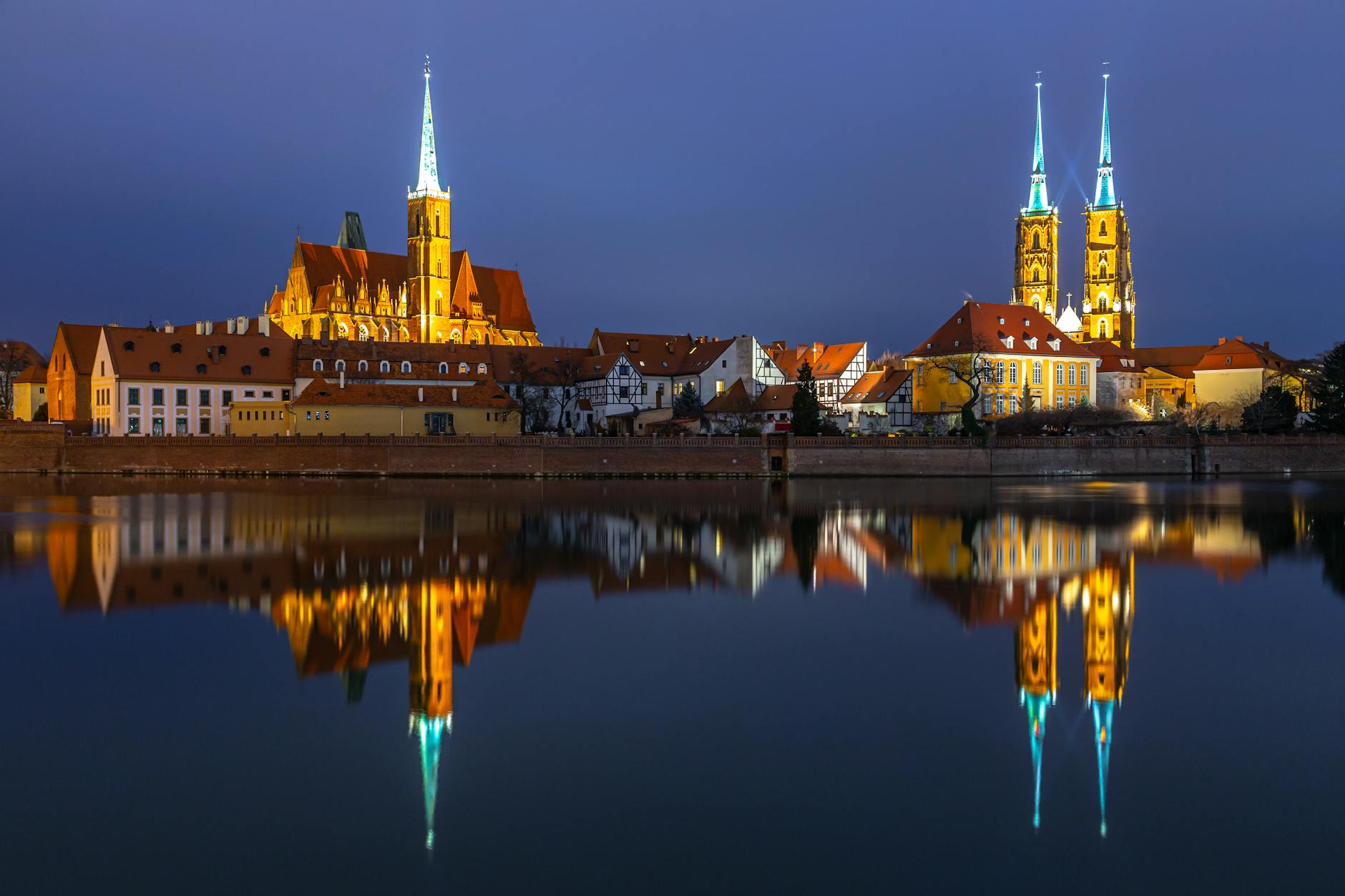
When to order a short-term travel report
A journalist with a single arranged interview may not need a custom report. A report becomes useful when the trip includes multiple sources, access uncertainty, equipment, sensitive locations, tight deadlines, safety concerns, weather-dependent visuals, or a departure soon after filing.
The report should test story geography, interview access, hotel work setup, equipment movement, filing windows, safety, permissions, weather, and departure buffers. The value is a Wroclaw reporting trip where the logistics support the story rather than consuming the reporting time.
- Order when sources, access, equipment, filing windows, safety, permissions, weather, or departure timing need exact planning.
- Provide dates, story focus, interview addresses, access needs, gear list, hotel candidates, deadlines, and arrival details.
- Use the report to keep the reporting trip focused, flexible, and deadline-ready.