A Wroclaw deal trip needs more than a convenient hotel and a few meeting addresses. Investors and deal teams should protect diligence time, confidentiality, secure work gaps, transport between sites, private discussion space, and flexible departure planning because deal schedules often change while the trip is underway.
Anchor the trip around diligence sites
The first planning step is to map company offices, facility visits, adviser meetings, hotel candidates, dinner locations, and departure points. A deal team should understand where the real work happens before adding city time.
Diligence geography should drive the itinerary.
- Confirm office addresses, facility entrances, adviser locations, meeting windows, and security requirements.
- Group site visits and adviser meetings to reduce cross-city movement.
- Leave space for added meetings, longer facility walks, or late document review.
Protect confidentiality and documents
Deal travel often involves sensitive notes, financial materials, management discussions, and internal calls. The team should know where secure conversations, private review, printing, charging, and document handling can happen.
Confidentiality needs practical support.
- Carry privacy screens, headphones, offline files, chargers, secure bags, and backup connectivity.
- Avoid discussing sensitive details in taxis, crowded cafes, hotel lobbies, or open restaurant areas.
- Identify quiet hotel or meeting spaces for internal calls and document review.
Choose lodging for secure work gaps
A deal team's hotel should support sleep, quiet calls, late document review, fast transport, receipts, and coordination among travelers. The best location may be near a target company, adviser office, or station rather than the prettiest part of town.
The hotel should protect decision quality.
- Check Wi-Fi, desk setup, noise, breakfast timing, meeting space, receipt handling, and late arrival access.
- Compare hotels by route reliability to diligence sites, advisers, restaurants, station, and airport.
- Avoid room setups that make confidential calls or late work difficult.
Plan transport around meeting sequence
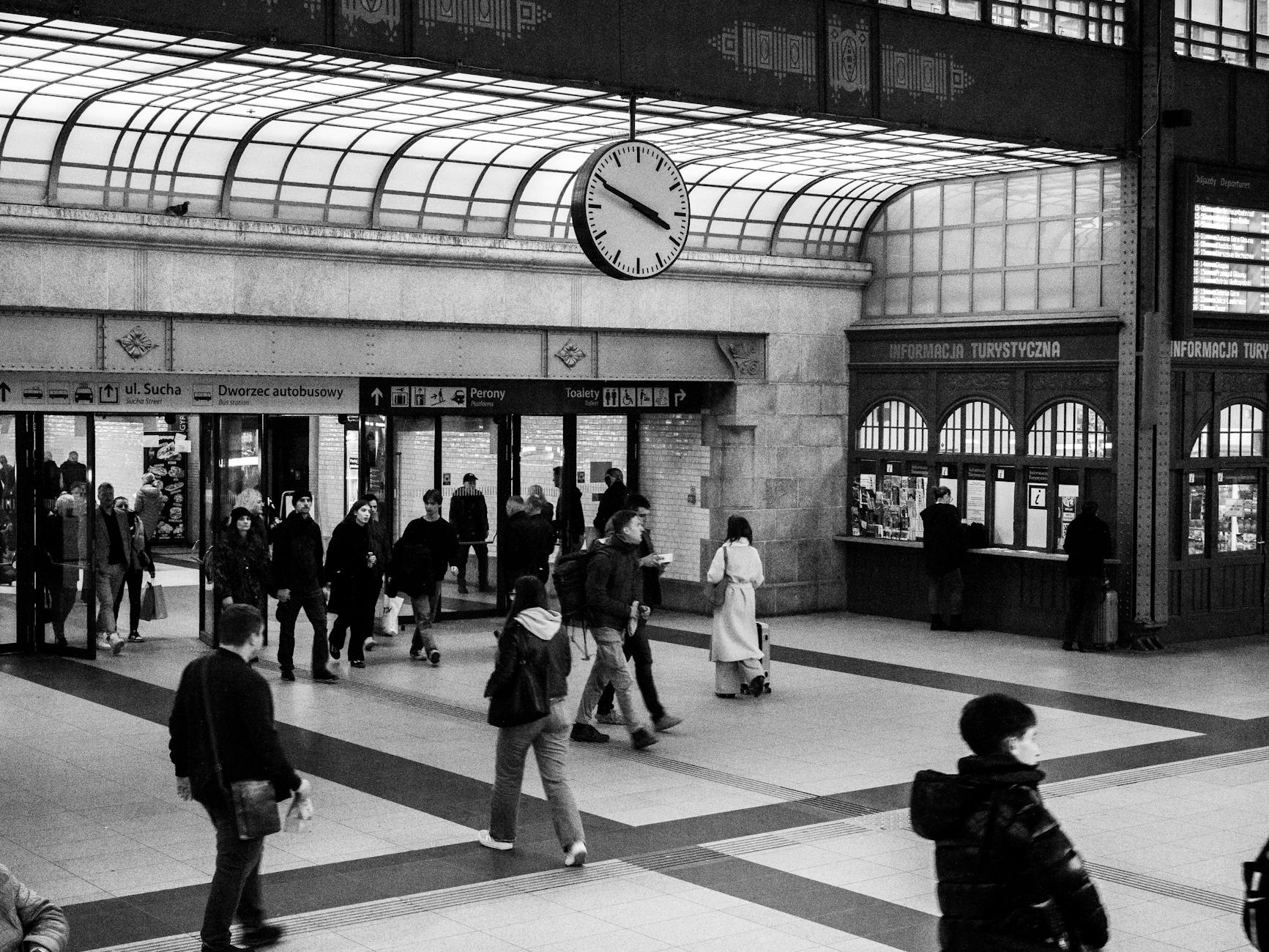
Investors and deal teams need predictable movement between offices, facilities, adviser meetings, hotels, and dinners. Walking or trams may work for some segments, but direct rides can be the better choice when confidentiality, timing, weather, or fatigue matters.
Transport should preserve attention for the deal.
- Save all meeting, hotel, dinner, station, airport, taxi, tram, and walking routes offline.
- Use direct transport for confidential calls, tight timing, bad weather, or formal meetings.
- Build extra time for building access, visitor registration, bridge crossings, road work, and delays.

Use meals for private discussion
Meals can support management meetings, adviser debriefs, team alignment, or relationship-building, but only if the setting works. Noise, table spacing, location, reservation reliability, dietary needs, and return transport should be checked before the booking.
A deal dinner needs privacy as well as food.
- Choose restaurants by privacy, conversation quality, route simplicity, and receipt handling.
- Use smaller rooms or quieter times when sensitive topics may come up.
- Keep meals close enough to hotels or meeting sites to avoid losing work time.

Leave room for revised schedules
Deal trips change quickly when a meeting runs long, a data question opens, a facility visit shifts, or an adviser becomes available. The itinerary should include flexible work blocks and departure choices that do not collapse under one schedule change.
Flexibility is a deal-team requirement.
- Hold unbooked time for document review, internal debriefs, added meetings, or management follow-up.
- Keep alternate transport and later departure options visible.
- Avoid tight tourism plans that compete with the deal if the schedule moves.
When to order a short-term travel report
An investor or deal team member with one known meeting may not need a custom report. A report becomes useful when the trip includes multiple diligence sites, confidential calls, advisers, management meals, facility visits, team coordination, schedule volatility, or a departure soon after final meetings.
The report should test diligence geography, hotel work setup, secure work gaps, transport, private meals, weather, schedule-change buffers, and departure timing. The value is a Wroclaw deal trip where logistics support judgment instead of competing with it.
- Order when diligence sites, hotels, confidentiality, transport, meals, schedule changes, or departure timing need exact planning.
- Provide dates, meeting addresses, adviser locations, hotel candidates, team size, confidentiality needs, budget, and arrival details.
- Use the report to keep the deal trip focused, private, and resilient.