A consultant's Wroclaw trip should be built around client work first and city time second. The right plan checks where meetings happen, how the consultant arrives ready, whether the hotel supports focused work, and how transport, meals, calls, and departure timing affect the professional outcome.
Build the trip around the client site
A consultant should map the client office, meeting rooms, visitor entrance, security process, hotel options, and dinner locations before committing to the trip shape. Wroclaw's center can be convenient, but the client geography decides what convenient means.
The client site is the anchor.
- Confirm client address, visitor entrance, security requirements, meeting schedule, and arrival instructions.
- Compare hotels by door-to-door reliability to the client site, not only by old-town appeal.
- Check whether meetings, workshops, dinners, and work sessions happen in one area or several.
Separate arrival from client work
A late or tight arrival can make the first meeting weaker. Consultants should account for airport or rail transfer, hotel check-in, clothing, materials, time-zone fatigue, and a quiet review window before client work begins.
Arrival should create readiness.
- Build a buffer between arrival and the first client obligation.
- Carry presentation files, chargers, adapters, notes, ID, and professional clothing in reliable luggage.
- Know where to print, buy supplies, take a call, or adjust materials if travel disrupts the plan.
Choose lodging for work reliability
A consultant's hotel should support sleep, calls, document work, ironing, breakfast timing, expense rules, and fast exits. A memorable location is less valuable if the room is noisy, the desk is weak, or the morning route is uncertain.
The hotel is a work tool.
- Check desk setup, Wi-Fi reliability, noise risk, breakfast hours, laundry, ironing, and receipt handling.
- Favor predictable access to the client site, station, airport, and client dinner venues.
- Keep a quiet backup workspace in mind if the hotel room does not work for calls.
Plan transport between meetings
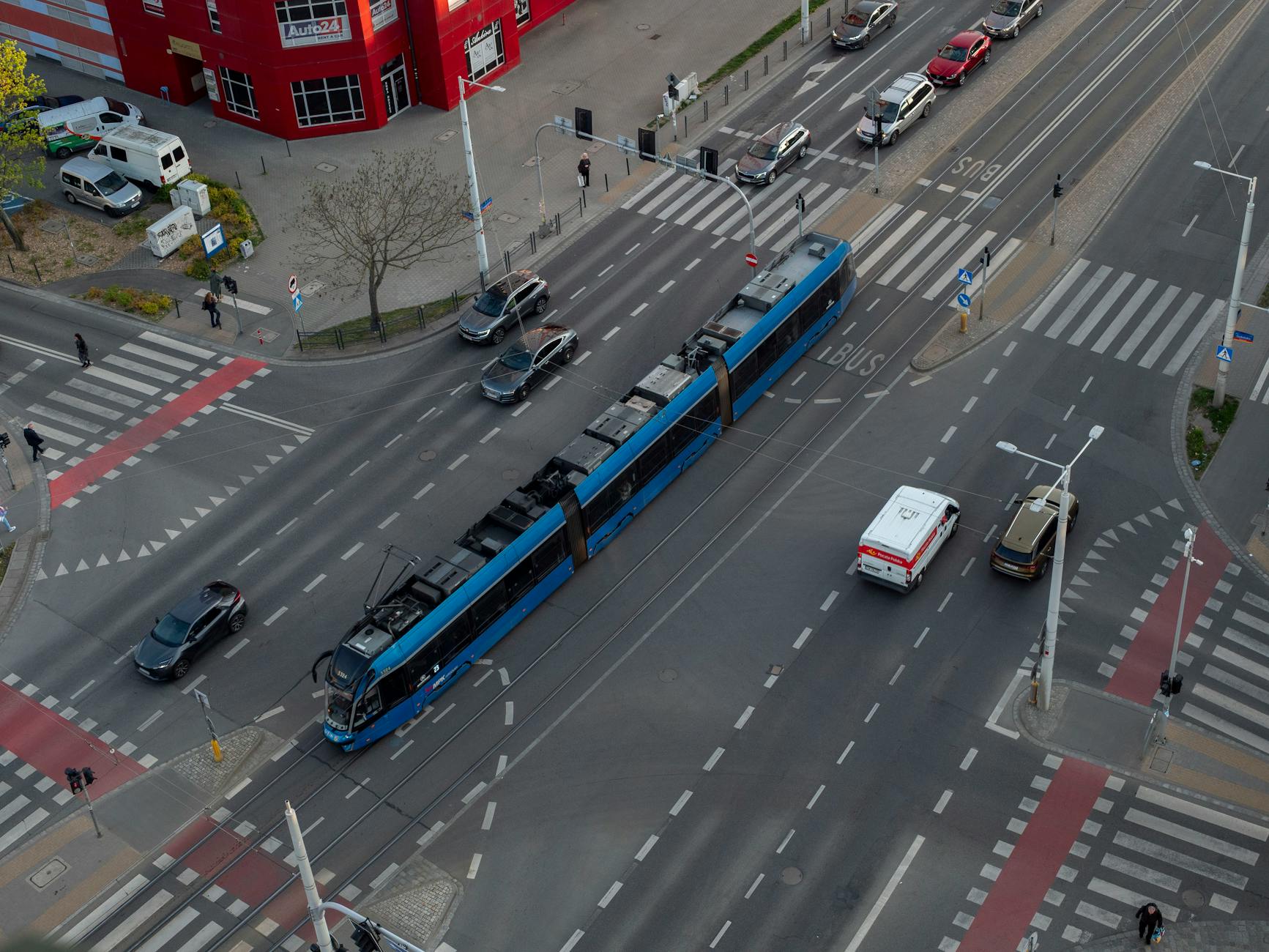
Consultants often need to move with laptops, formal clothing, confidential notes, and a tight schedule. Trams can work, taxis can work, and walking can work, but each meeting day needs a chosen method and a backup.
Professional timing needs redundancy.
- Save client-site, hotel, restaurant, station, airport, tram, taxi, and walking routes offline.
- Use direct transport when weather, luggage, client timing, or presentation readiness matters.
- Build extra time for building entry, reception, bridge crossings, road work, and delays.
Protect work gaps and call privacy
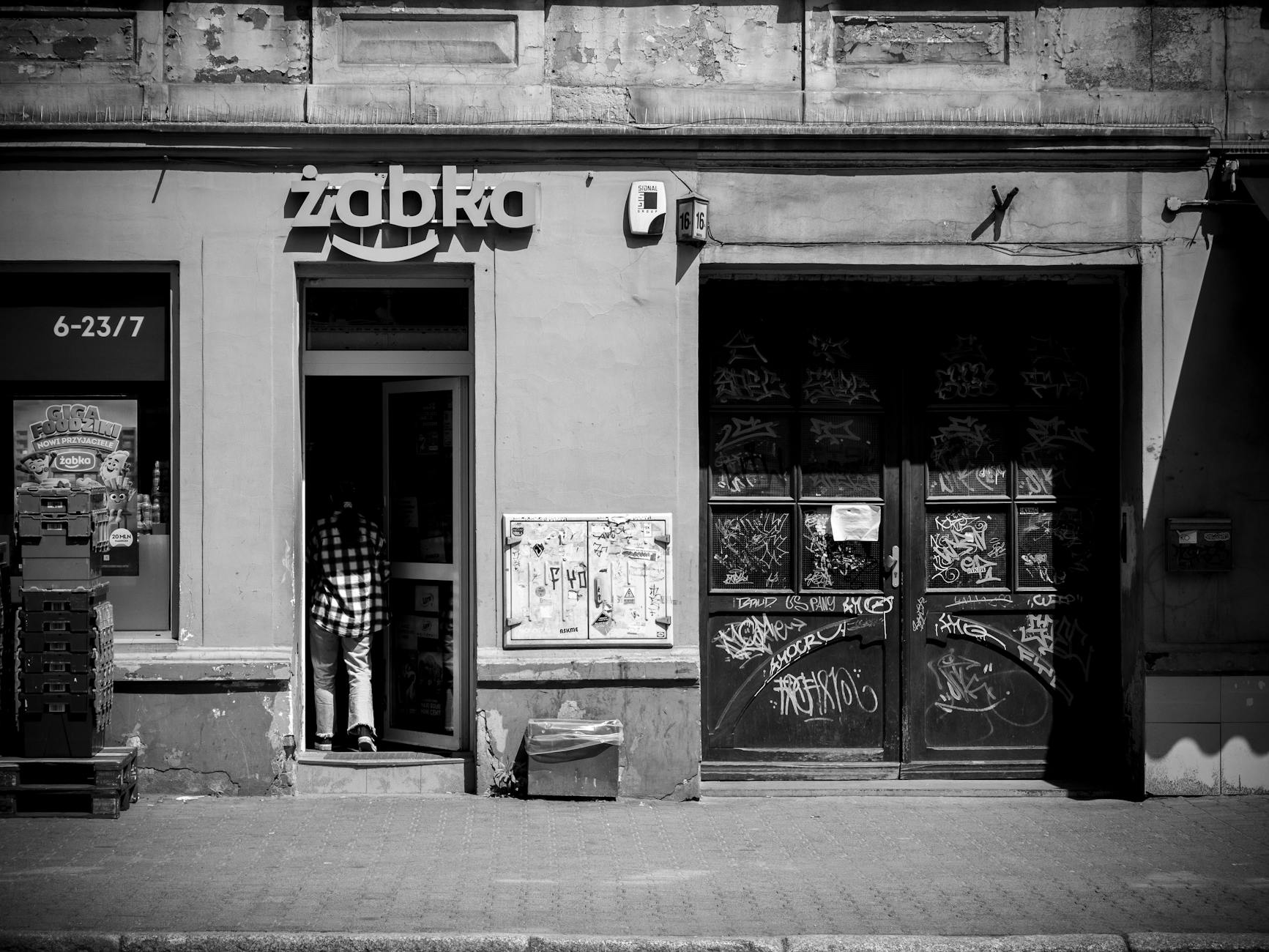
The work between meetings often decides whether the trip succeeds. Notes, decks, follow-up emails, internal calls, expense capture, and next-day preparation need quiet, power, connectivity, and enough time.
Gaps should be designed, not leftover.
- Schedule quiet blocks for notes, deck edits, calls, and client follow-up.
- Identify hotel, cafe, coworking, lobby, or client spaces where confidential work is appropriate.
- Carry a power bank, headphones, privacy screen, offline files, and backup connectivity.
Keep meals professional and practical
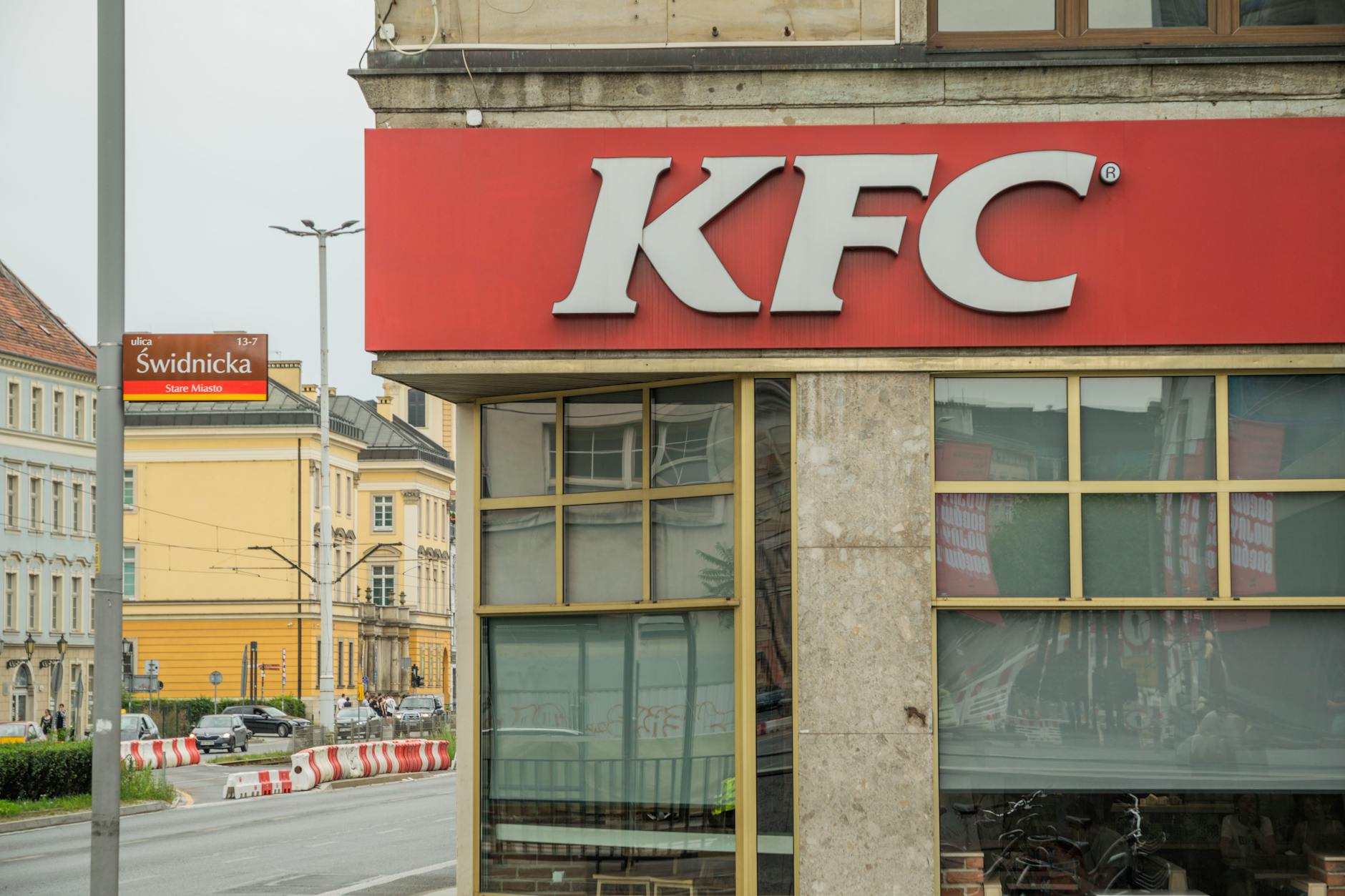
Client meals should support the working relationship without complicating the schedule. Noise, distance, reservation reliability, dietary needs, expense policy, alcohol pacing, and return transport all matter.
A business meal should reduce friction.
- Choose restaurants by conversation quality, route simplicity, reservation reliability, and receipt handling.
- Keep dietary requirements, client preferences, and expense limits visible before booking.
- Avoid late or distant meals before early workshops, flights, or final presentations.
When to order a short-term travel report
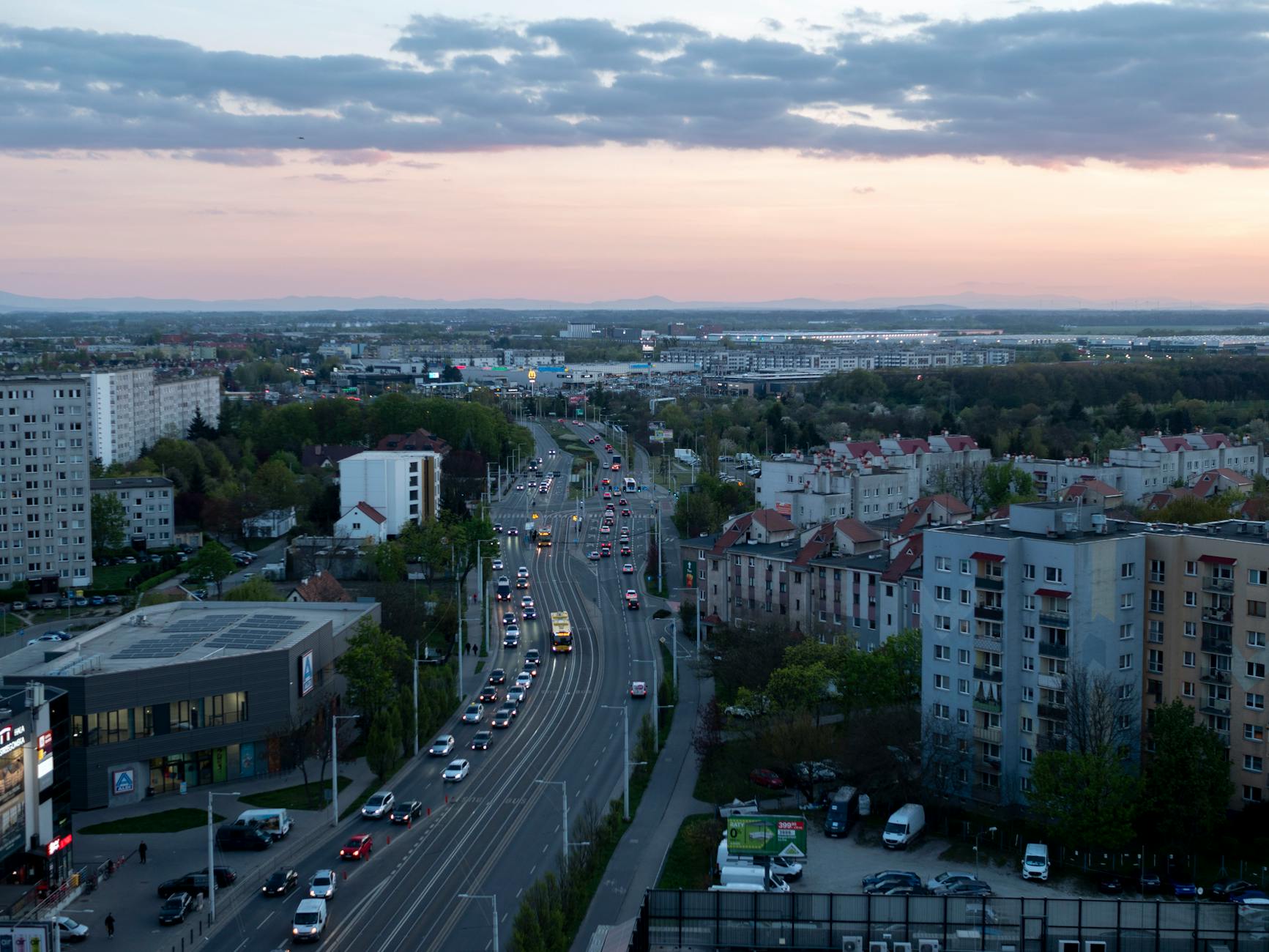
A consultant with one simple meeting and a known hotel may not need a custom report. A report becomes useful when the trip includes multiple client sites, a workshop, tight arrival timing, sensitive materials, confidential calls, client meals, strict expense rules, or departure soon after work ends.
The report should test client-site geography, hotel work setup, arrival buffers, transport, quiet work gaps, meal choices, expense friction, weather, and departure timing. The value is a Wroclaw consulting trip that protects the work instead of letting logistics distract from it.
- Order when client sites, hotels, arrival timing, transport, work gaps, meals, expenses, or departure timing need exact planning.
- Provide dates, client addresses, meeting schedule, hotel candidates, work requirements, expense rules, arrival details, and budget.
- Use the report to keep the consulting trip punctual, focused, and professionally easy to execute.