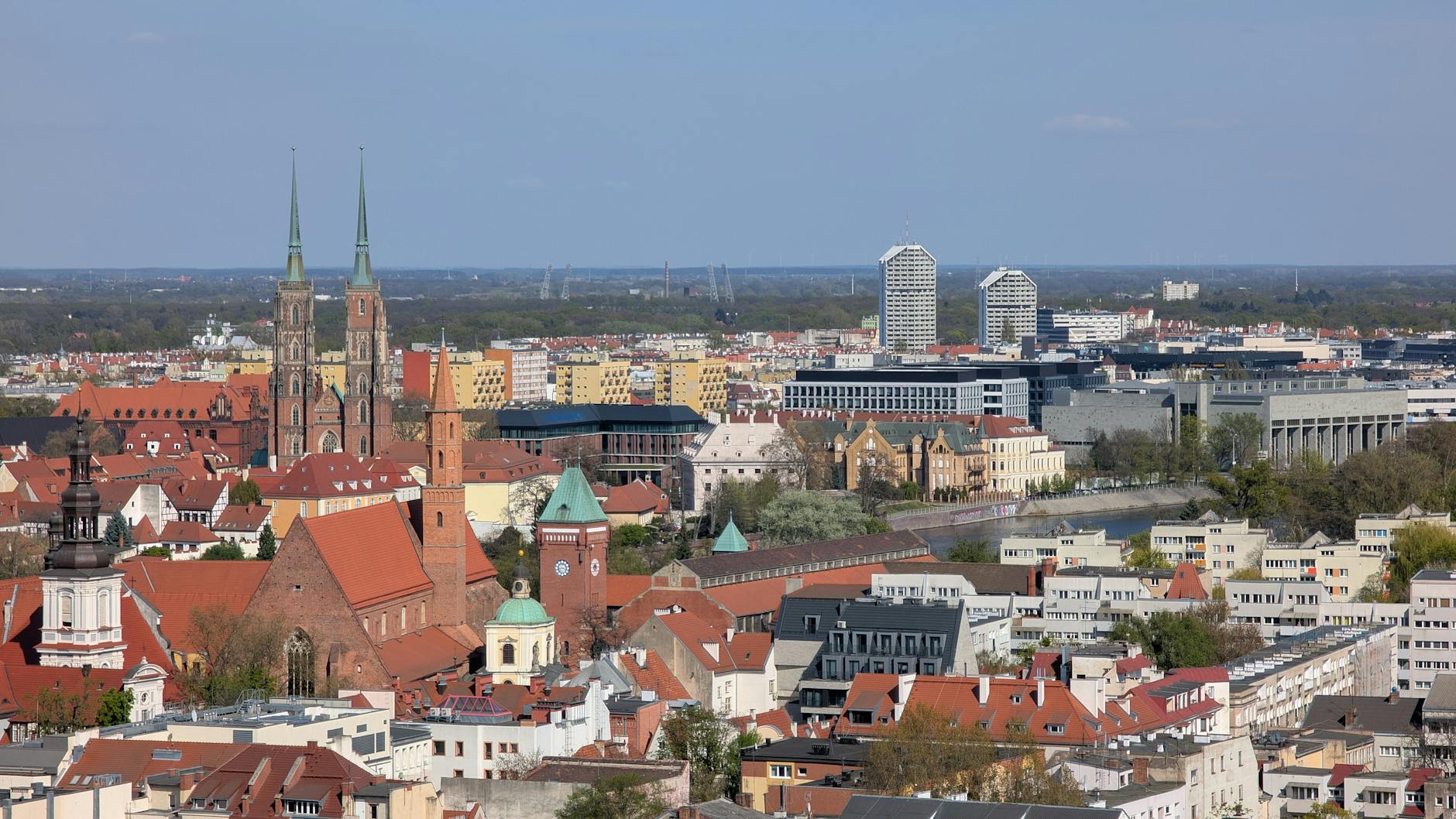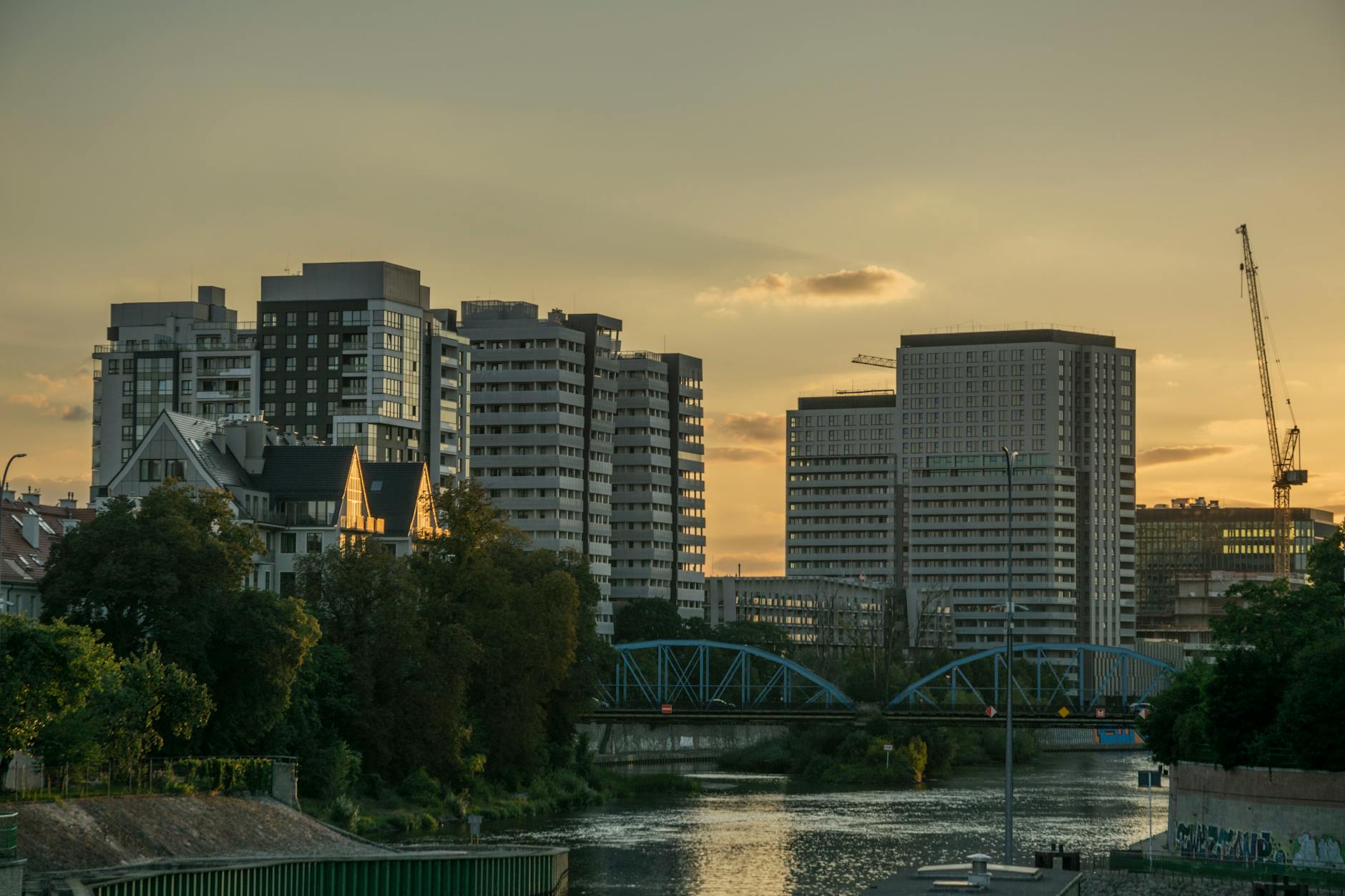
Wroclaw can work well for a short business visit when the traveler treats it as a river-and-bridges city with practical business geography, not only as a charming old-town stop. Meeting addresses, airport or rail arrival, hotel placement, tram and taxi choices, client dinners, weather, and recovery time all decide whether the visit feels efficient or fragmented.
Map meetings before choosing the hotel
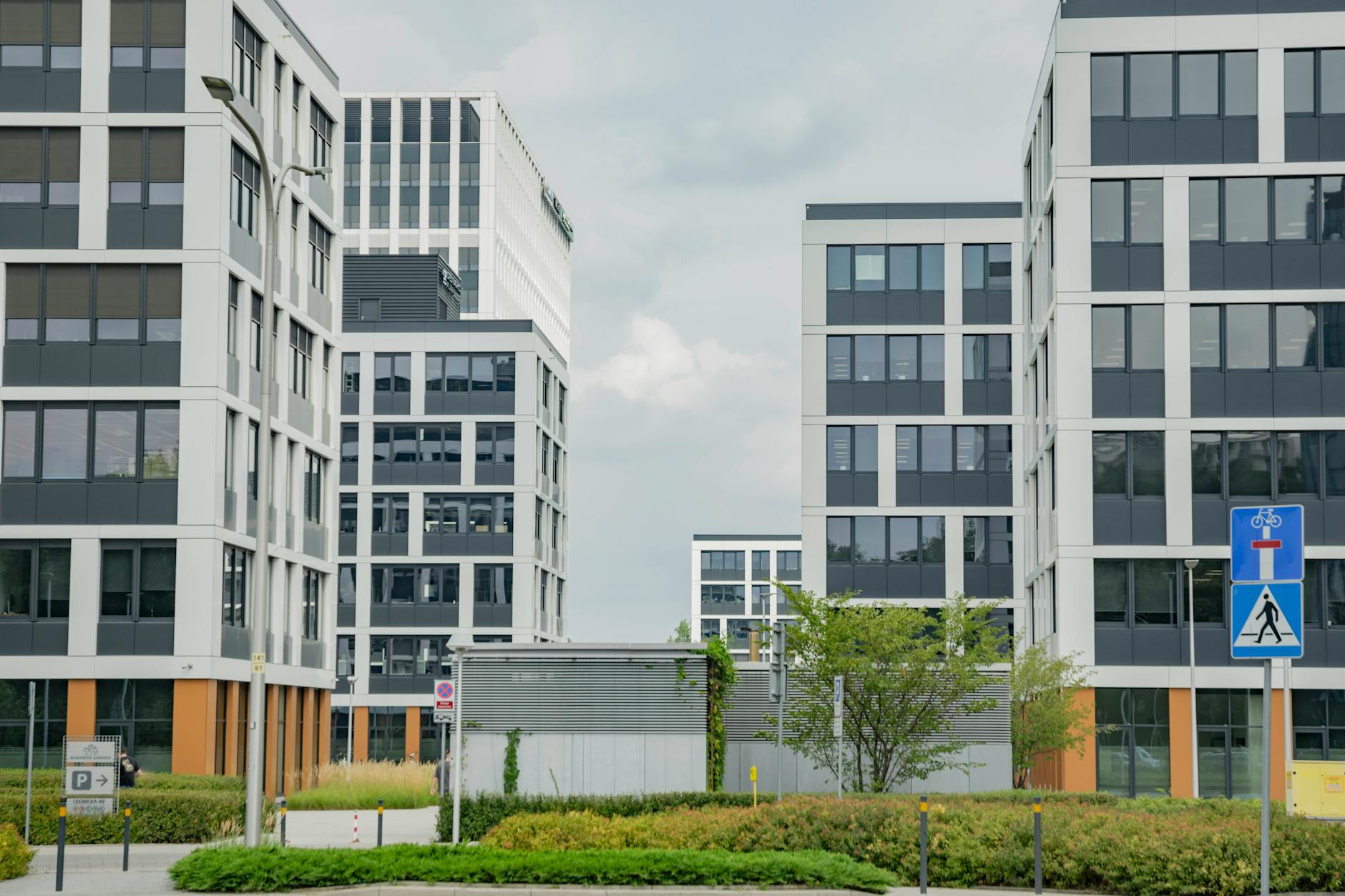
A Wroclaw business visitor should start with exact meeting addresses, not a general idea of staying in the center. Offices, university buildings, hotels, industrial sites, conference venues, and client dinners can sit on different sides of the river or beyond the most scenic core.
The meeting map should choose the base.
- Confirm every meeting address, entrance, security desk, and expected arrival time.
- Compare old-town, station, airport, and office-area hotels against the real route.
- Choose the base that protects punctuality and recovery, not just the prettiest district.
Plan arrival around the first obligation
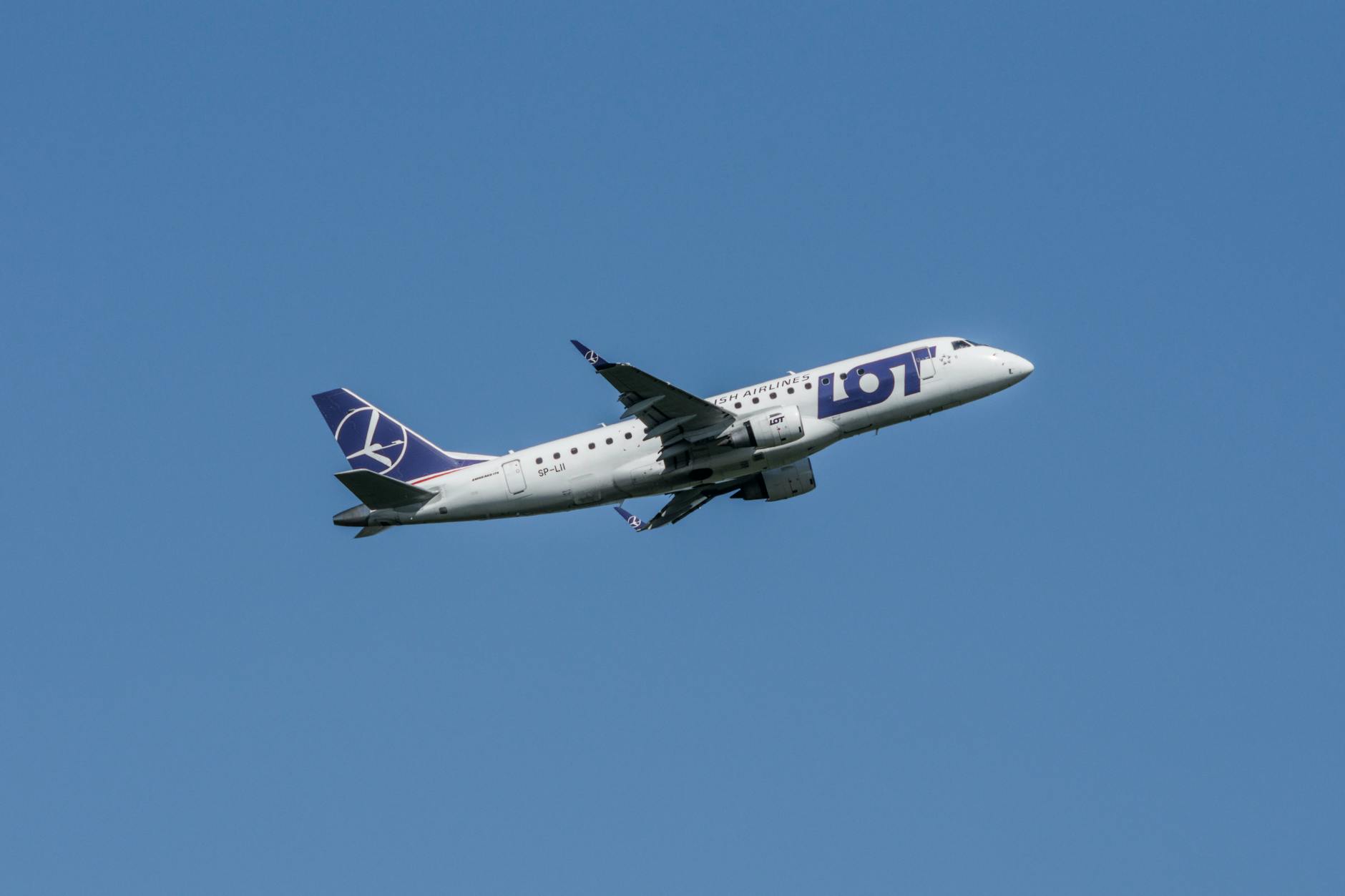
Wroclaw arrivals may involve the airport, main rail station, intercity transfers, taxis, trams, baggage, and hotel storage. The useful question is whether the traveler can reach the first meeting cleanly, not whether the flight or train looks efficient in isolation.
Arrival is part of the workday.
- Check airport or rail arrival time against baggage, traffic, hotel check-in, and the first meeting.
- Use direct transport when fatigue, luggage, weather, or seniority makes simplicity valuable.
- Avoid scheduling a formal meeting immediately after an uncertain arrival.
Treat the hotel as a work tool
The hotel should support calls, preparation, rest, breakfast timing, taxi pickup, luggage storage, and a reliable return after dinner. In a compact but bridge-heavy city, a slightly better base can save repeated friction across a short stay.
The room is part office and part recovery space.
- Check desk space, Wi-Fi, breakfast hours, quiet rooms, meeting areas, and late checkout.
- Confirm taxi access if the hotel sits near pedestrian streets or tight old-town lanes.
- Choose a base that allows a mid-day reset if the schedule is dense.
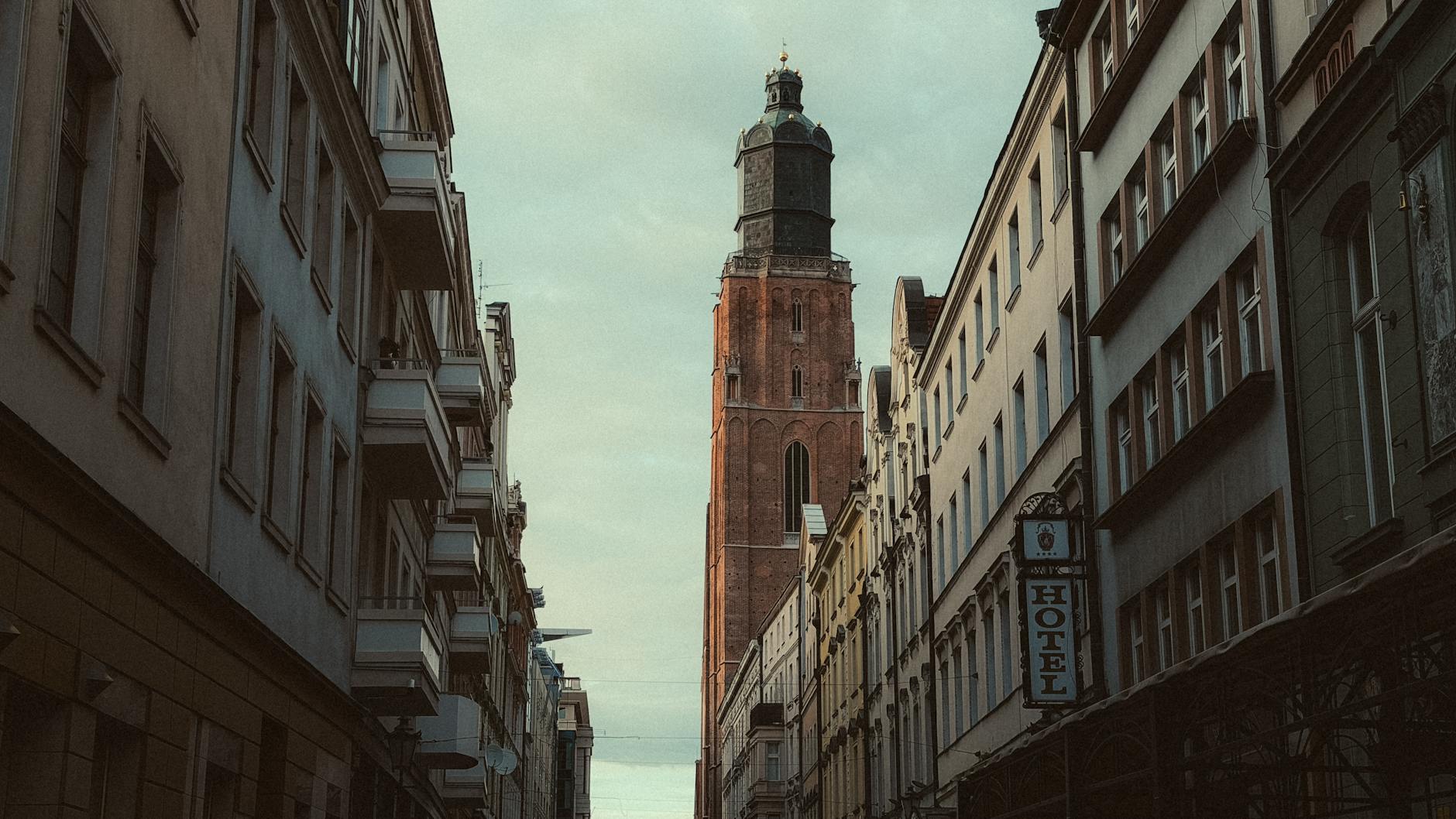
Use trams, taxis, and walking with intent
Wroclaw can be pleasant on foot and useful by tram, but business movement should be chosen by reliability. Rain, construction, bridge routes, luggage, formal clothing, and meeting seniority can all make a direct taxi or prearranged ride worth the cost.
Transport should fit the appointment.
- Save tram, taxi, walking, and fallback routes before the meeting day starts.
- Use direct transport for client-facing arrivals, heavy bags, bad weather, or tight calendars.
- Allow extra time when routes cross bridges, construction zones, or event areas.
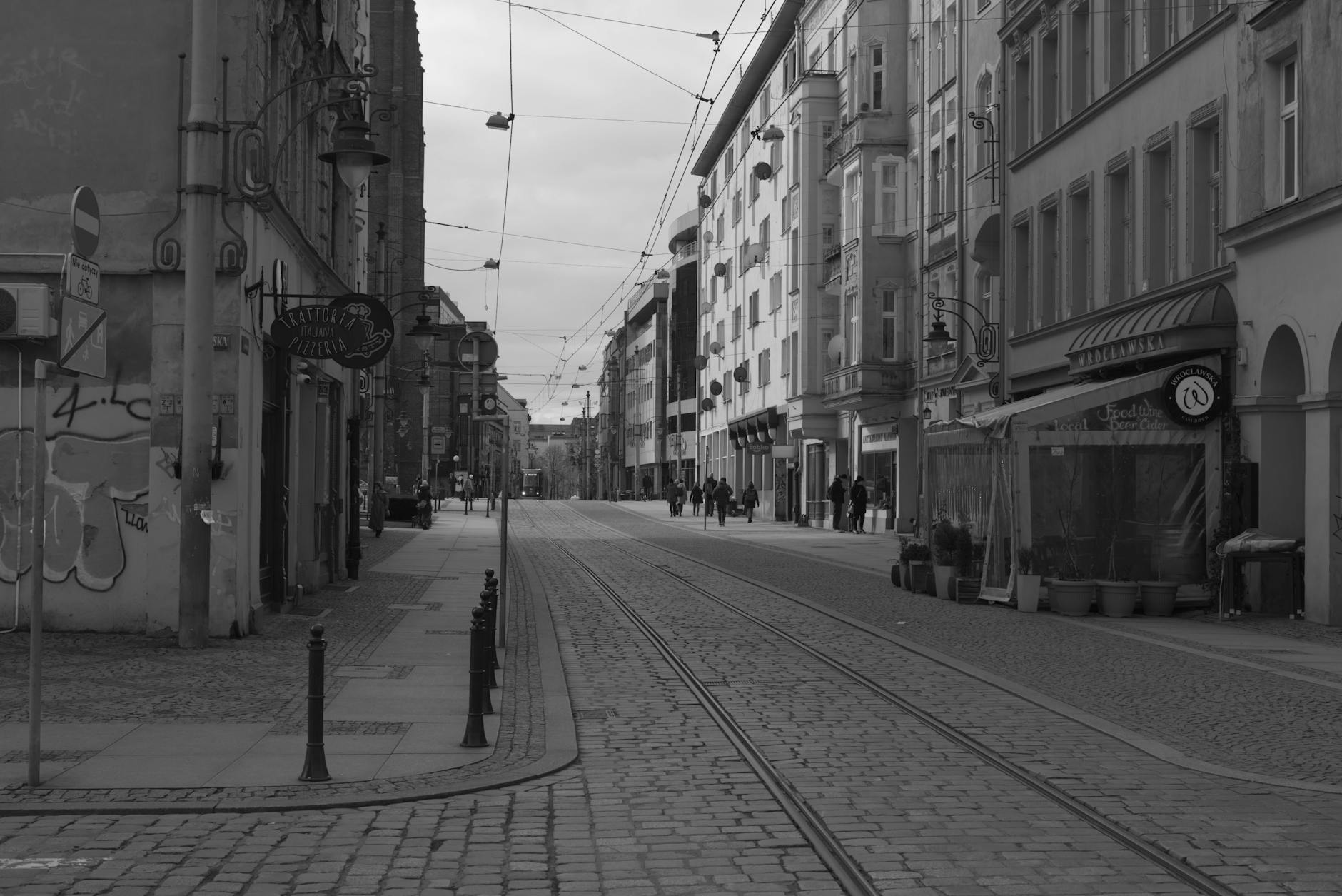
Build real work blocks into the stay
A short business trip can fail when calls, document review, email, expense handling, and follow-up are squeezed between transfers. Wroclaw's cafes and hotel spaces can help, but the traveler should identify where quiet work can happen before deadlines arrive.
The work after the meeting needs space.
- Reserve time for calls, notes, document review, expense capture, and follow-up messages.
- Carry adapters, power bank, offline files, secure device access, and payment backup.
- Use hotel or office space for sensitive calls instead of crowded public areas.
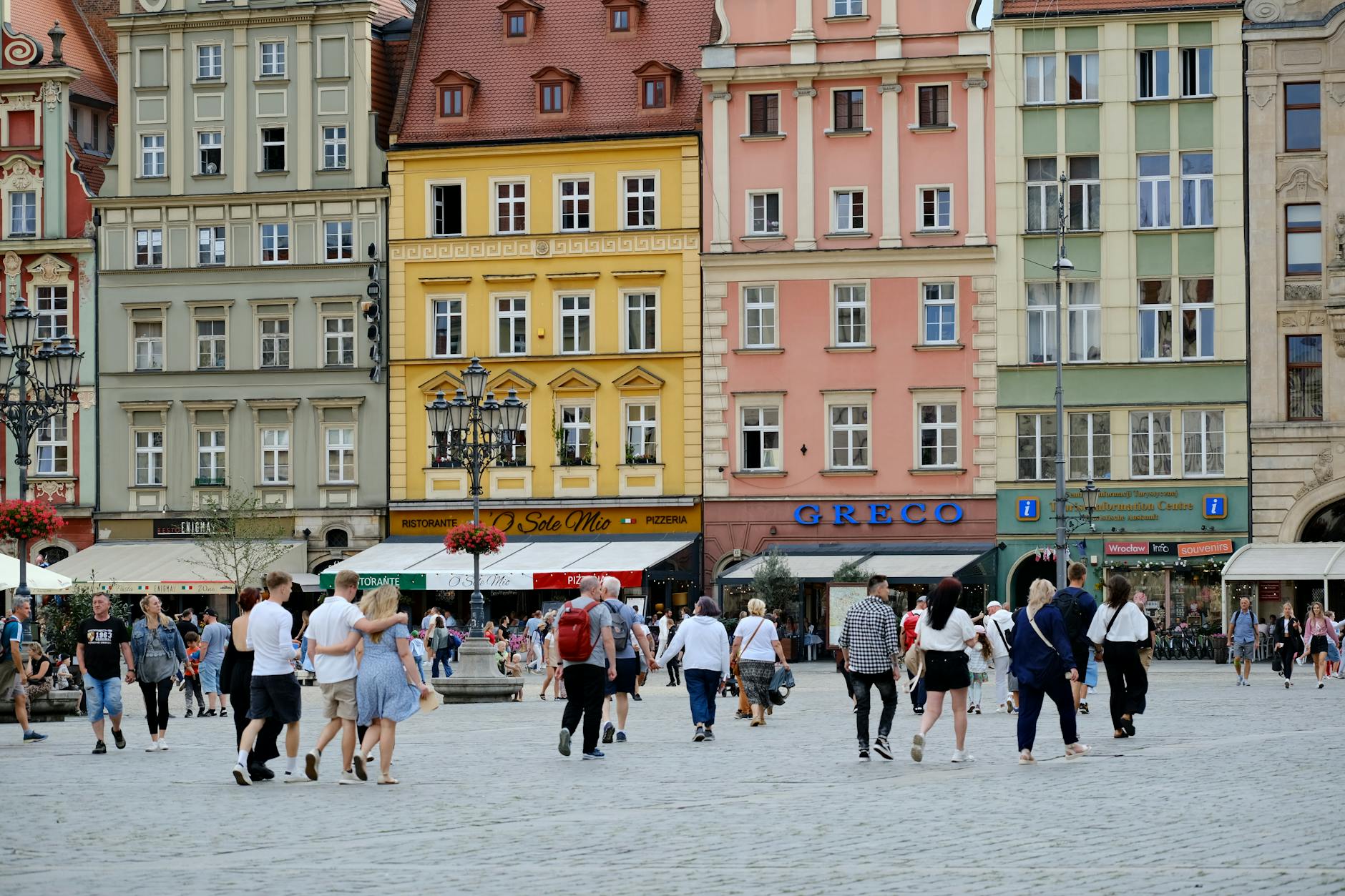
Keep client meals useful and recoverable
Wroclaw's old town and river-city setting can support good client dinners, but the evening should not damage the next morning. Restaurant location, taxi access, alcohol pacing, weather, and the return to the hotel matter more on a short business schedule.
The best dinner supports the next day.
- Choose restaurants by client fit, distance from the hotel, taxi access, and noise level.
- Keep alcohol, late timing, and long walks aligned with the next day's first obligation.
- Have a simple return route ready before dinner starts.
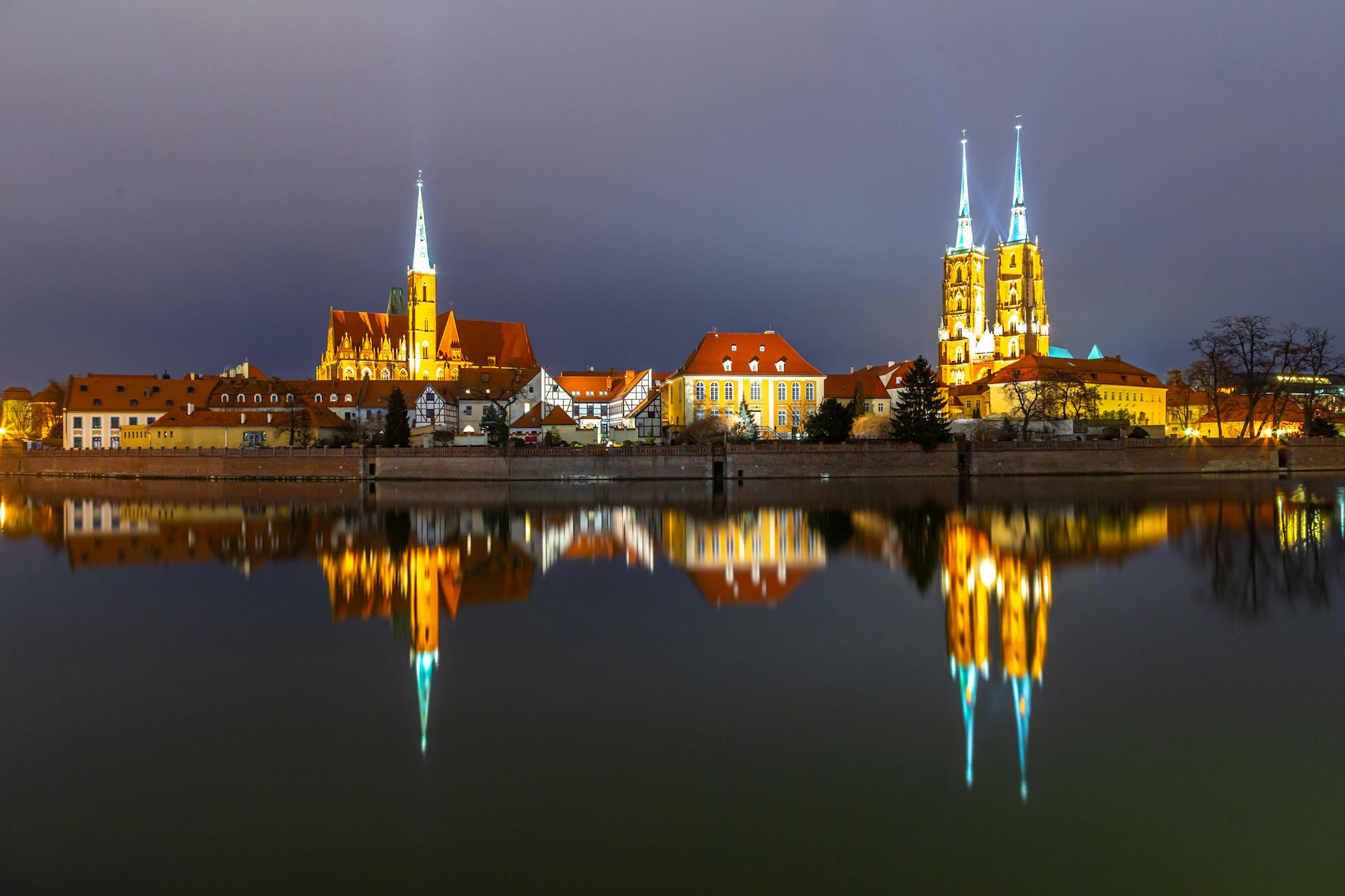
When to order a short-term travel report
A Wroclaw business visitor with one hosted meeting and simple transfers may not need a custom report. A report becomes useful when the trip includes several districts, a tight arrival, senior meetings, client dinners, conference timing, equipment, winter weather, or a departure soon after the final appointment.
The report should test meeting geography, airport and rail options, hotel placement, transport, work blocks, meals, weather, security, and departure buffers. The value is a Wroclaw business visit that stays punctual and productive without wasting the city's practicality.
- Order when meetings, arrival timing, lodging, transport, work space, meals, weather, or departure buffers need exact planning.
- Provide dates, meeting addresses, hotel candidates, arrival details, dinner plans, equipment needs, budget, and traveler profile.
- Use the report to keep the business trip efficient, calm, and client-ready.