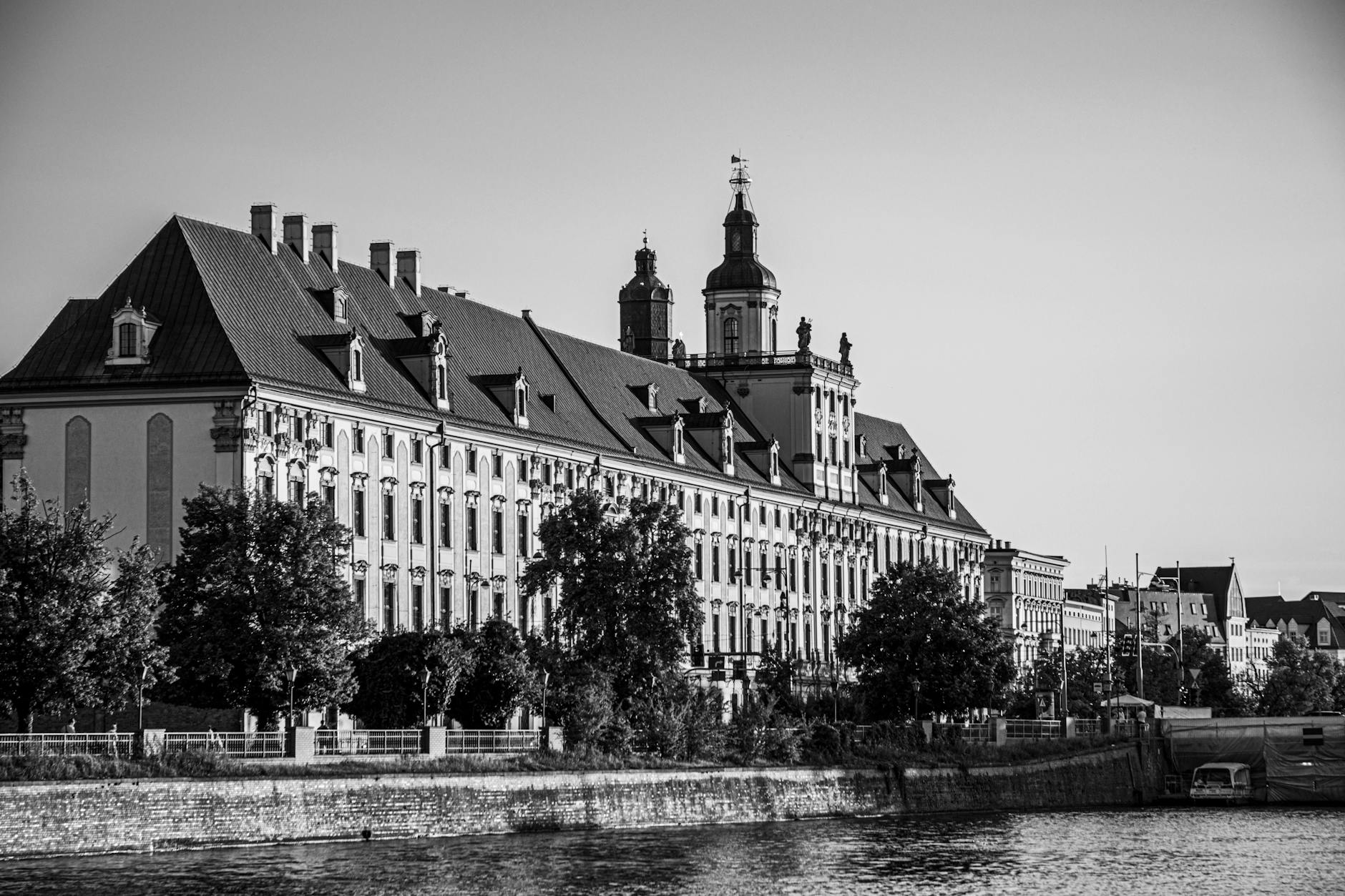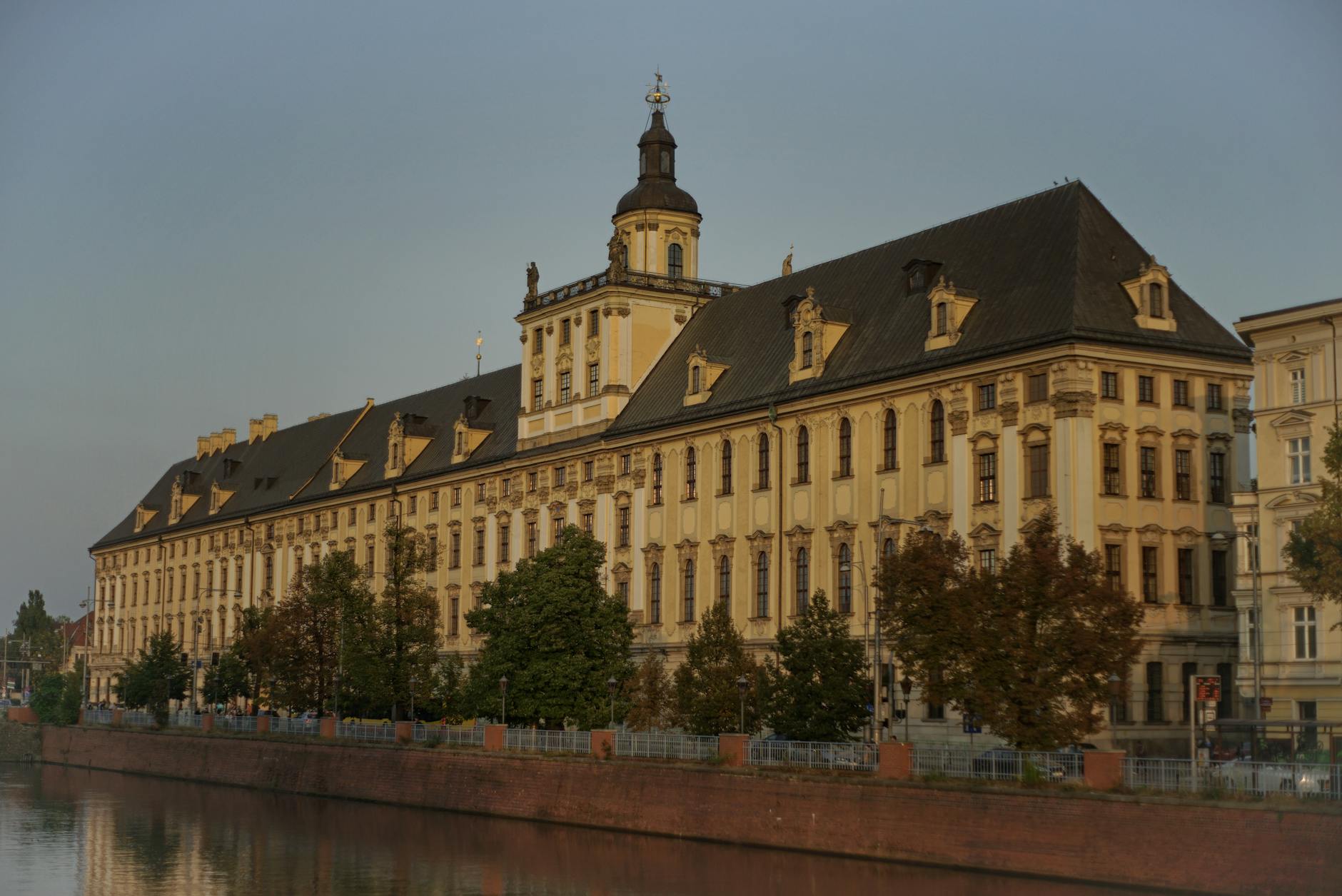
Wroclaw can be a strong academic conference city when the attendee treats the visit as a working trip shaped by venue location, river-and-bridge movement, university or hotel facilities, session timing, and recovery. The city is compact enough to feel manageable, but a short conference stay can still become rushed if arrival, lodging, materials, networking, and departure timing are left vague.
Let the venue choose the base
Wroclaw conferences may sit in university buildings, hotels, hospitals, cultural venues, or meeting spaces outside the old-town core. The attendee should identify the exact entrance, registration desk, session rooms, and evening venues before choosing a hotel.
The venue map should lead the trip.
- Confirm the exact venue address, building entrance, registration location, and session rooms.
- Compare old-town, station, campus, and conference-hotel bases against the actual event geography.
- Leave room for bridge crossings, weather, construction, and event-day crowding.
Protect the arrival day
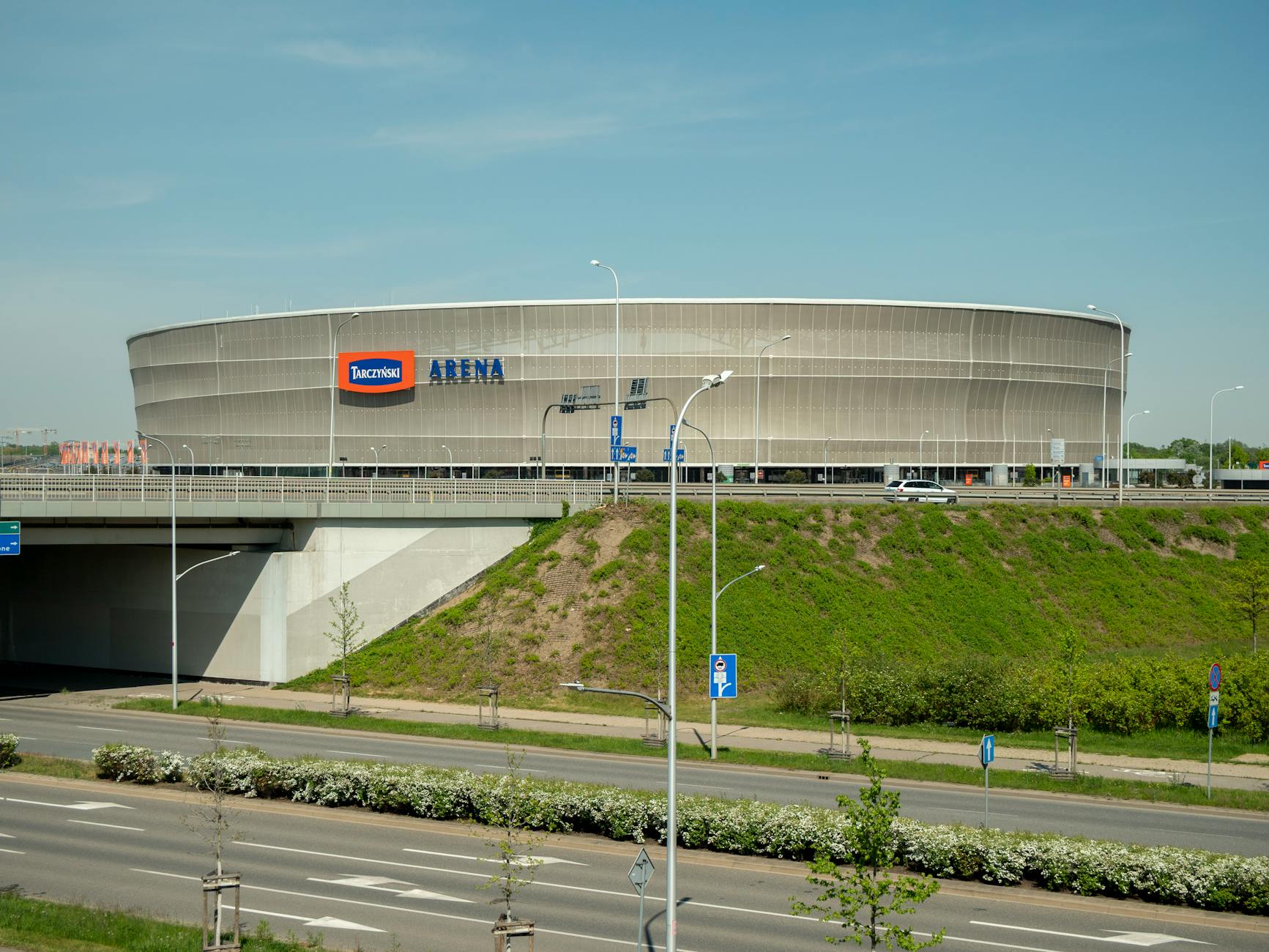
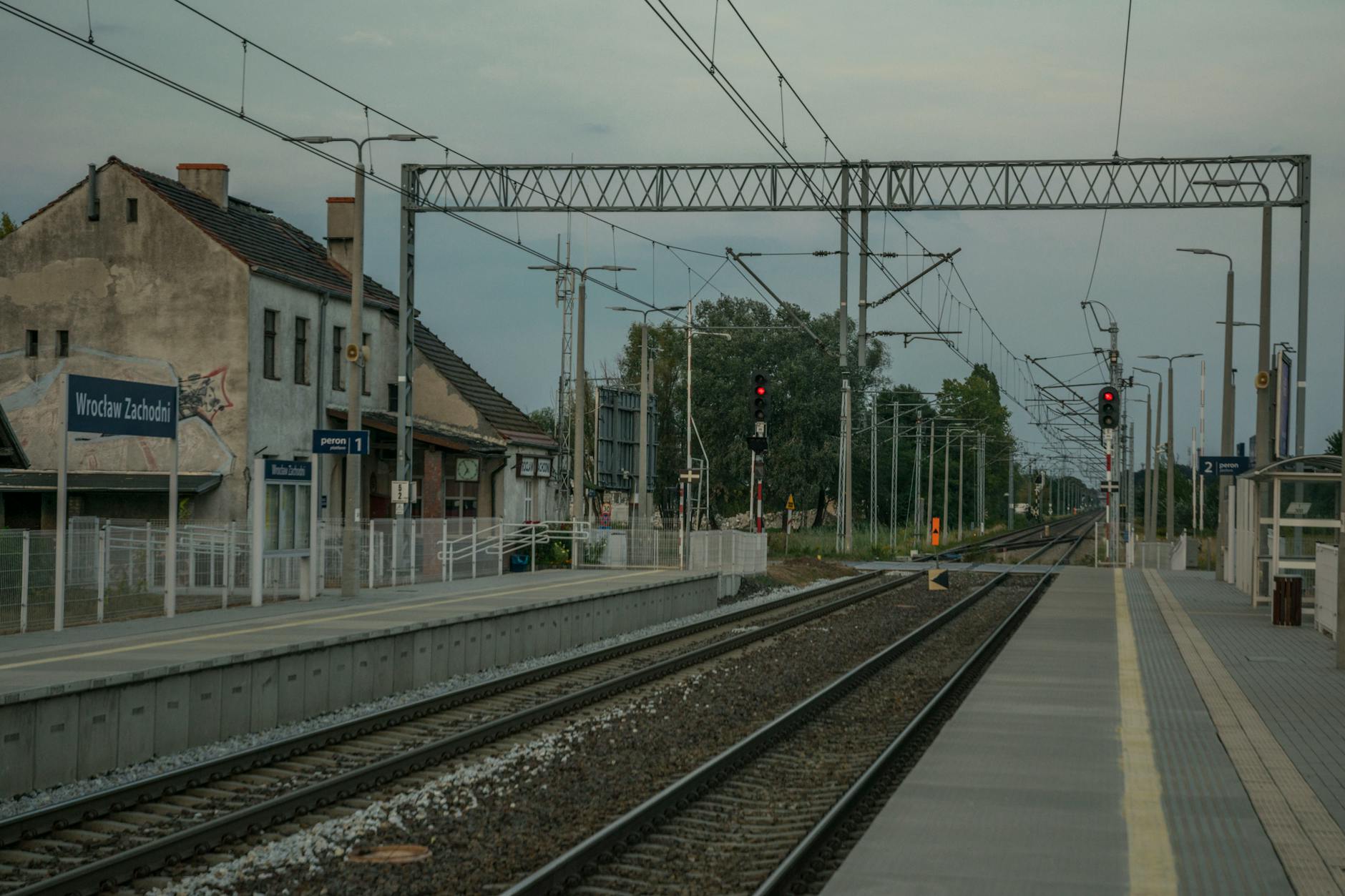
Academic travelers often arrive close to registration, a reception, or even a presentation slot. Wroclaw airport and rail arrivals can work smoothly, but baggage, traffic, tram routing, hotel storage, and fatigue should be treated as part of the conference plan.
The first day should not depend on luck.
- Check airport or rail arrival against registration, badge pickup, hotel access, and the first session.
- Use direct transport when carrying posters, laptops, equipment, or formal clothing.
- Avoid landing so late that a delayed flight or train affects the presentation day.
Choose lodging for conference rhythm
The right hotel should make early sessions, mid-day resets, receptions, and late returns easy. A scenic base can be useful, but not if it makes every session depend on a long transfer or a confusing route in rain.
The hotel is part of attendance discipline.
- Check morning travel time, breakfast hours, quiet rooms, desk space, Wi-Fi, and luggage storage.
- Confirm taxi pickup or tram access if the hotel is near narrow or pedestrian streets.
- Prioritize a base that supports preparation and rest between sessions.
Prepare materials before the trip starts
Presentation logistics can become the fragile part of a short conference trip. Slides, adapters, posters, handouts, badges, chargers, backups, and file access should be settled before travel. The attendee should not assume every room has the right connection or support staff nearby.
The academic work needs redundancy.
- Carry slides, notes, adapters, charger, power bank, and offline copies of key files.
- Confirm poster size, printing options, room technology, and session timing before departure.
- Leave time before the session to test equipment and find the room.
Plan work blocks and networking deliberately
A conference trip includes more than sitting in sessions. Email, manuscript notes, source follow-up, grant conversations, publisher meetings, and informal networking all need time. Wroclaw cafes and hotel spaces can help, but the attendee should choose them before the day becomes crowded.
Unstructured time still needs structure.
- Reserve blocks for email, notes, follow-up, and preparation before evening events.
- Choose quiet work spots near the venue or hotel rather than crossing the city for every gap.
- Treat networking dinners as part of the conference, not as leftover leisure time.
Use the city without weakening the conference
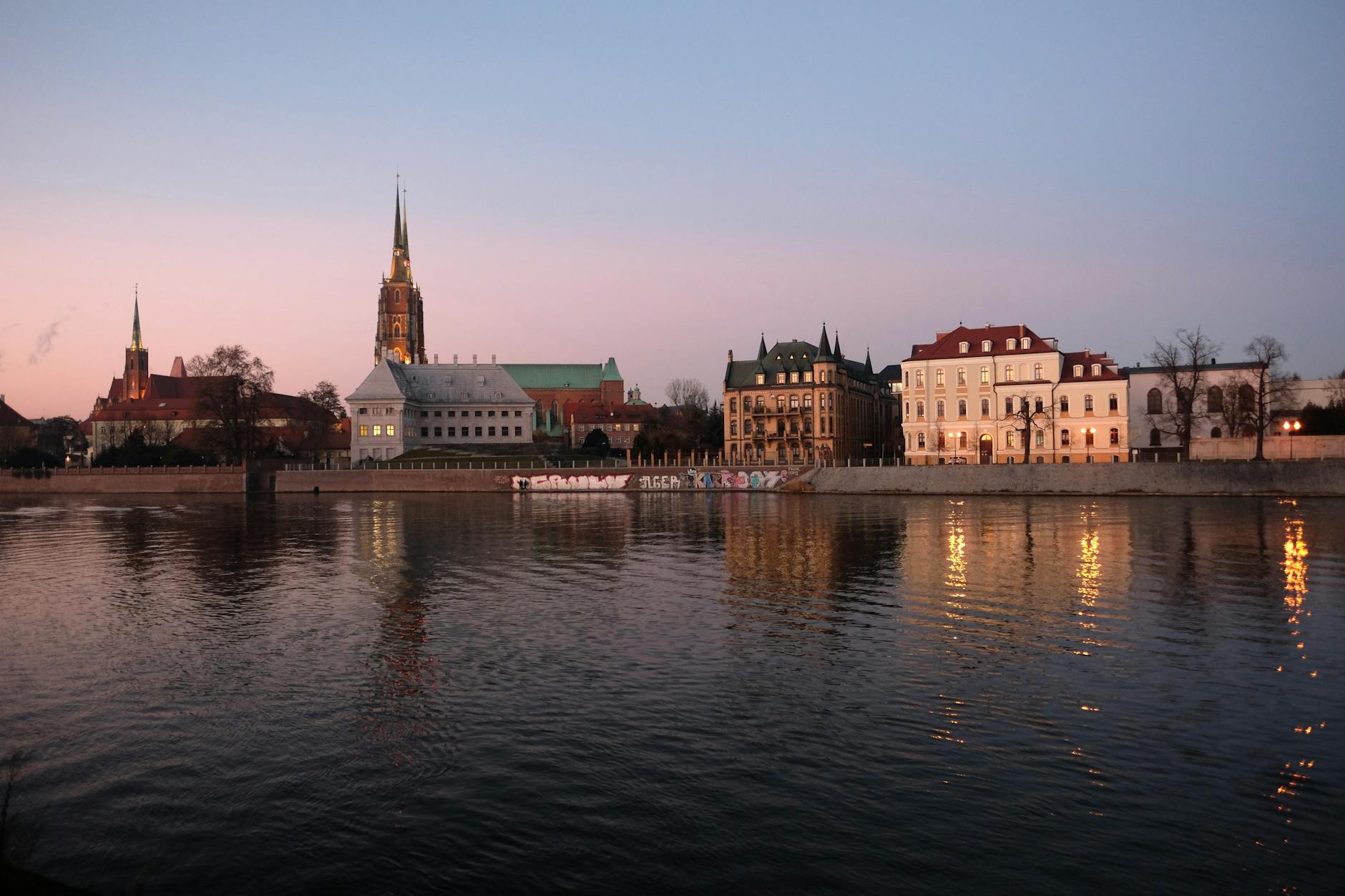
Wroclaw's market square, bridges, islands, churches, restaurants, and evening streets can make a conference trip more memorable. The attendee should still protect the core reason for travel by choosing short, high-value city time around the event schedule.
The city should support the work.
- Choose one central walk, dinner, or river route that fits naturally around sessions.
- Avoid late nights before a paper, panel, interview, or early departure.
- Keep weather, footwear, and walking distance realistic after long conference days.
When to order a short-term travel report
An academic conference attendee with an event hotel and light schedule may not need a custom report. A report becomes useful when the trip includes a presentation, multiple venues, late arrival, equipment, sponsor meetings, networking dinners, mobility needs, or a departure soon after the final session.
The report should test venue geography, hotel placement, arrival timing, transport, materials, work blocks, meals, weather, city time, and departure buffers. The value is a Wroclaw conference trip that stays punctual, prepared, and still gives the city room to matter.
- Order when venues, hotels, arrival timing, materials, transport, networking, meals, or departure timing need exact planning.
- Provide dates, venue addresses, event schedule, hotel candidates, presentation duties, equipment needs, budget, and arrival details.
- Use the report to keep the conference trip productive, rested, and realistic.