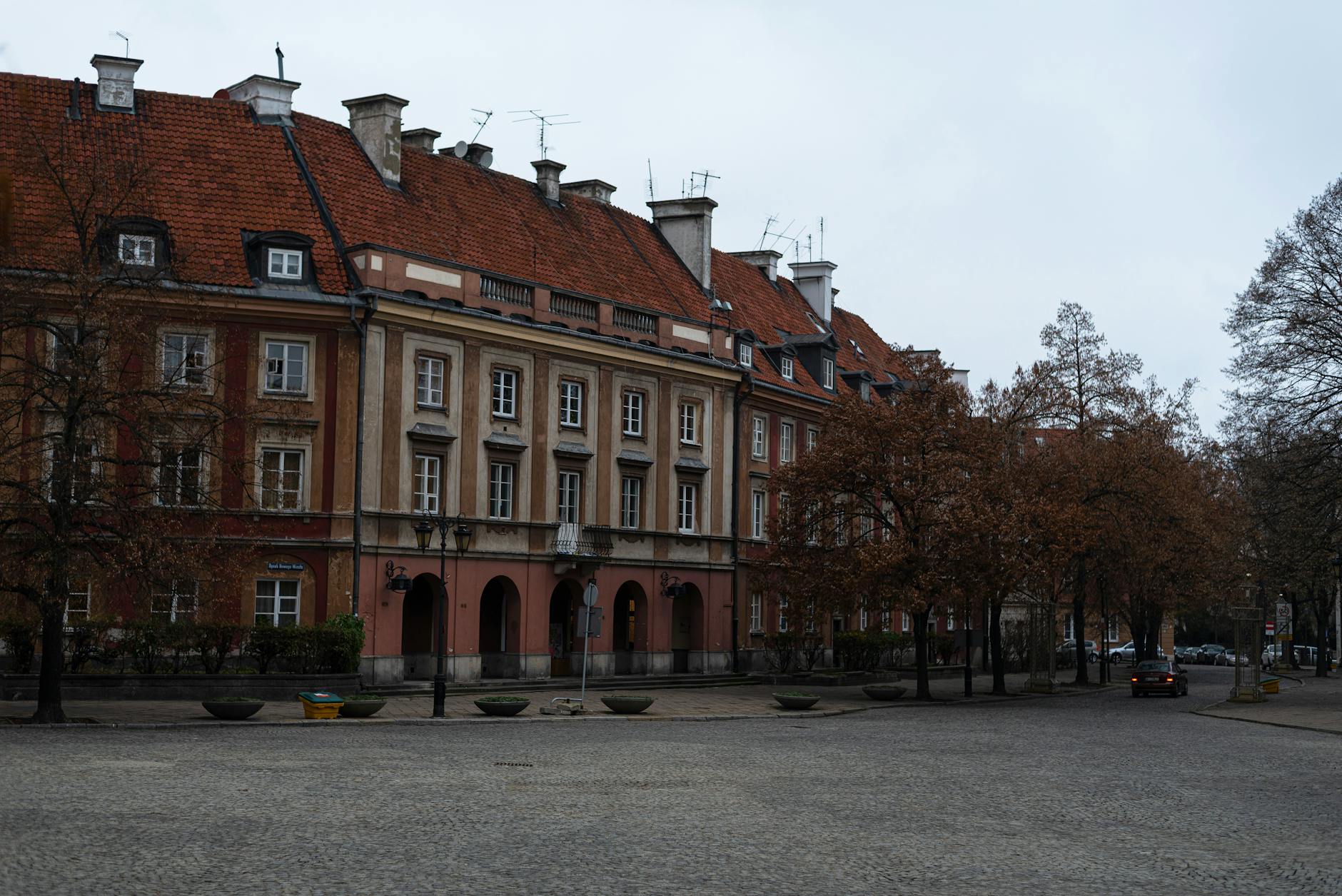
Warsaw can be a useful short-term base for volunteer, nonprofit, advocacy, humanitarian, education, cultural, or civil-society work. The trip works best when the traveler understands the host organization, the actual work site, the neighborhood context, and the limits of what can responsibly be done during a short stay.
Confirm the mission before booking
A volunteer or NGO trip should begin with the host's actual need, not the traveler's idea of usefulness. Warsaw may involve office support, meetings, training, field visits, cultural programs, education work, advocacy, or coordination with local partners. Each has a different daily rhythm.
The role should be clear before the flight is booked.
- Confirm the host organization, supervisor, work location, dates, hours, dress expectations, and language needs.
- Ask what the traveler should bring, what the host provides, and what is not appropriate to do.
- Avoid adding extra site visits or interviews unless the host has approved them.
Understand where the work happens
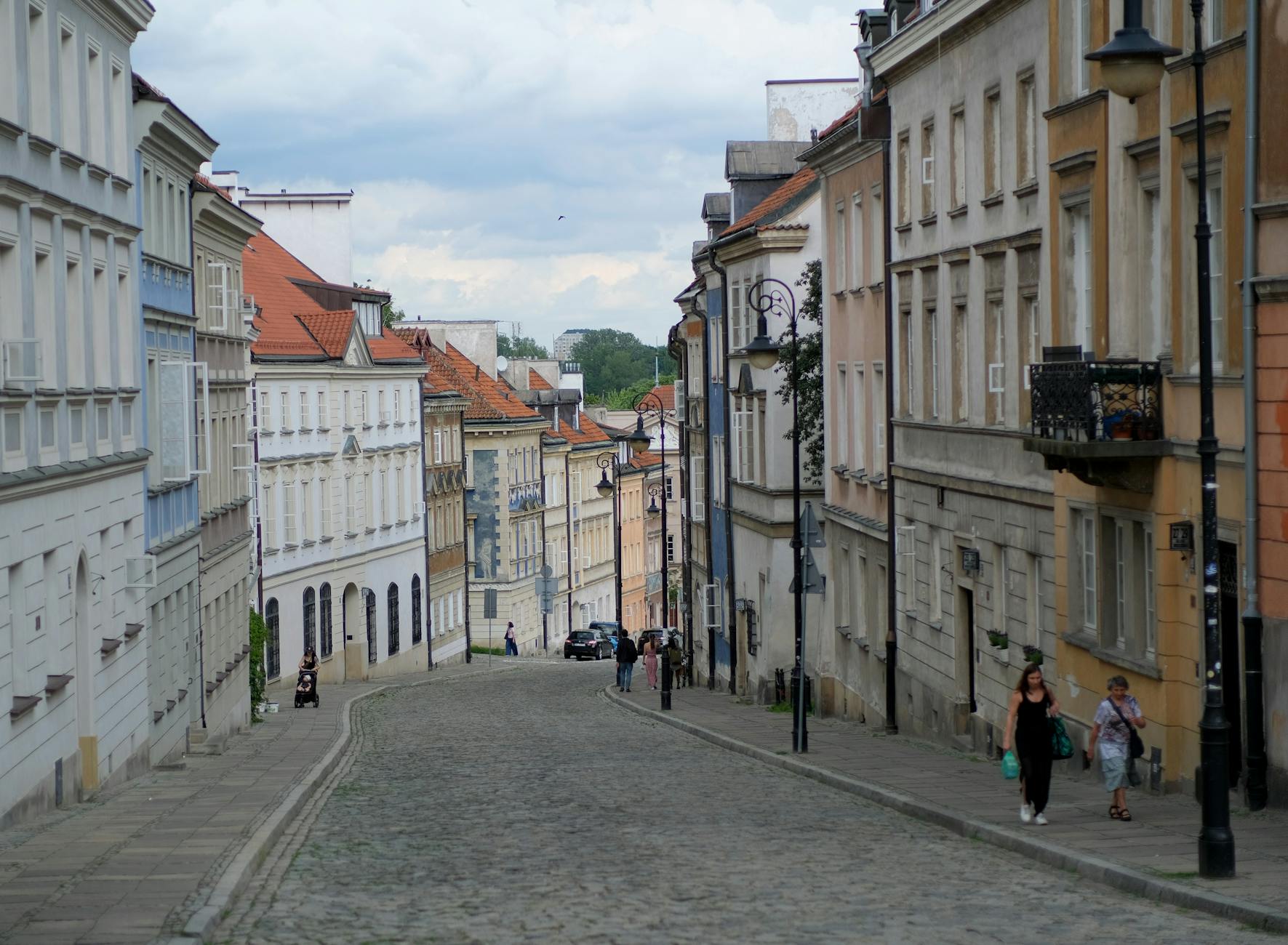
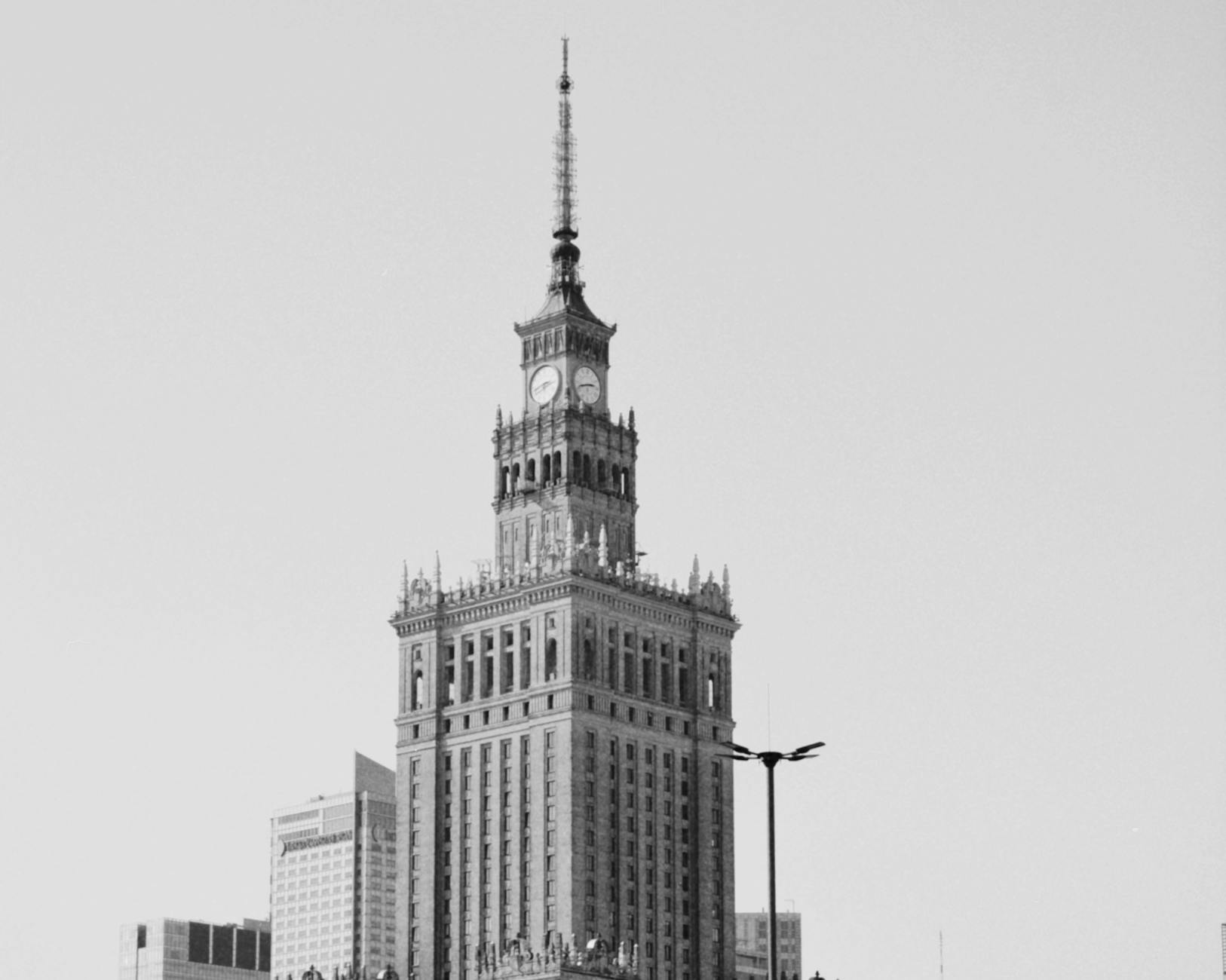
The useful Warsaw map may not match the tourist map. The work could be near the center, across the river, in an outer district, at a partner office, in a school, at a community space, or split between several sites. The traveler should know the door-to-door movement before committing to lodging.
The work site should shape the base.
- Map every host office, partner site, meeting point, meal location, and transport hub.
- Check commute time at the actual start and finish hours.
- Keep the host's address and local contact details saved offline.
Choose lodging for routine and rest
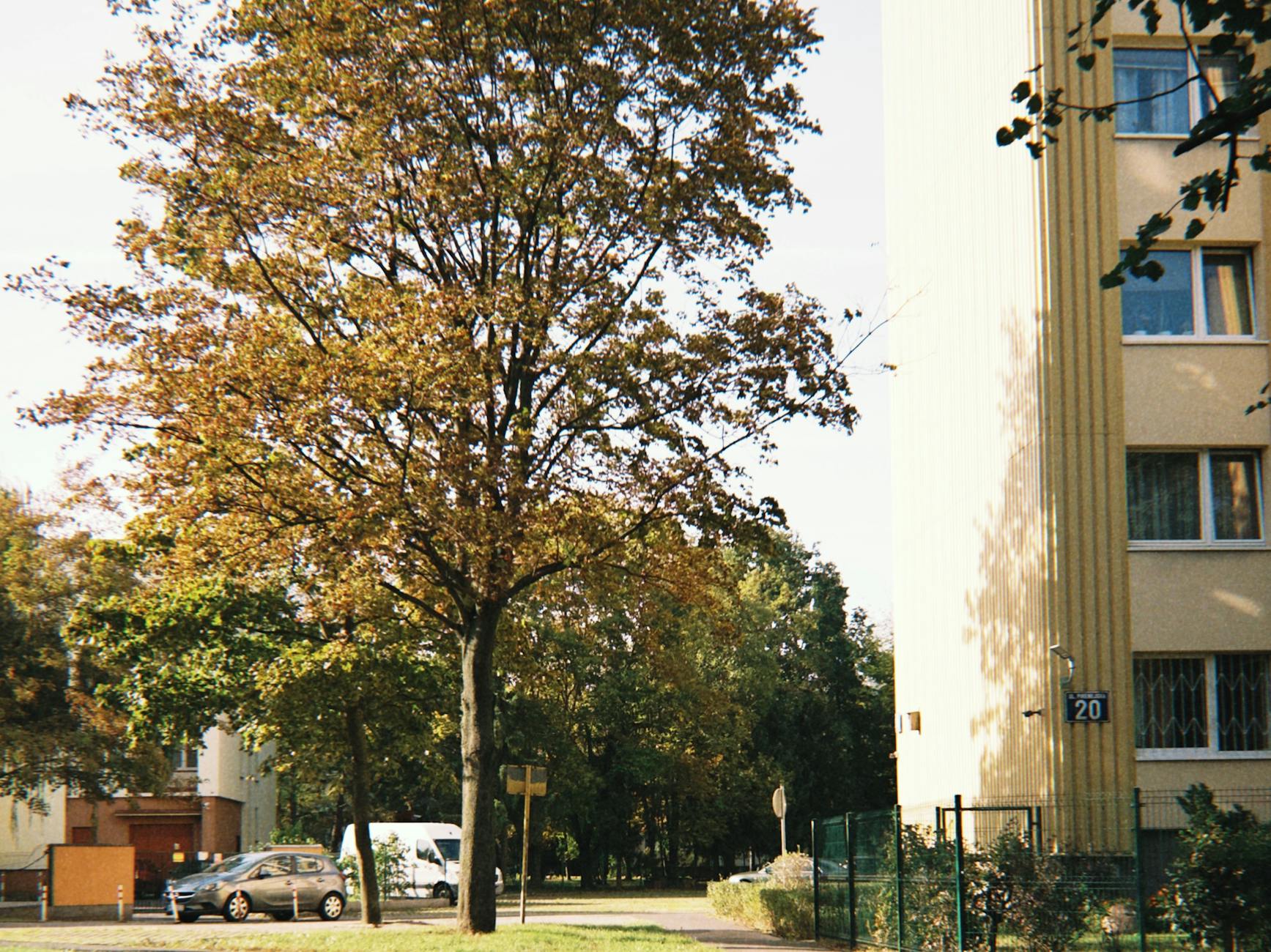
Volunteer and NGO travelers often choose lodging by price or proximity to the center, but the better test is whether the room supports the workday. Early starts, simple meals, laundry, quiet sleep, late returns, and easy transport can matter more than a scenic location.
The lodging should make service sustainable.
- Check commute, breakfast timing, laundry, desk space, quiet hours, and late check-in or return rules.
- Stay near the work site or on a direct route when days are long.
- Avoid a cheap room that adds stress before every morning assignment.
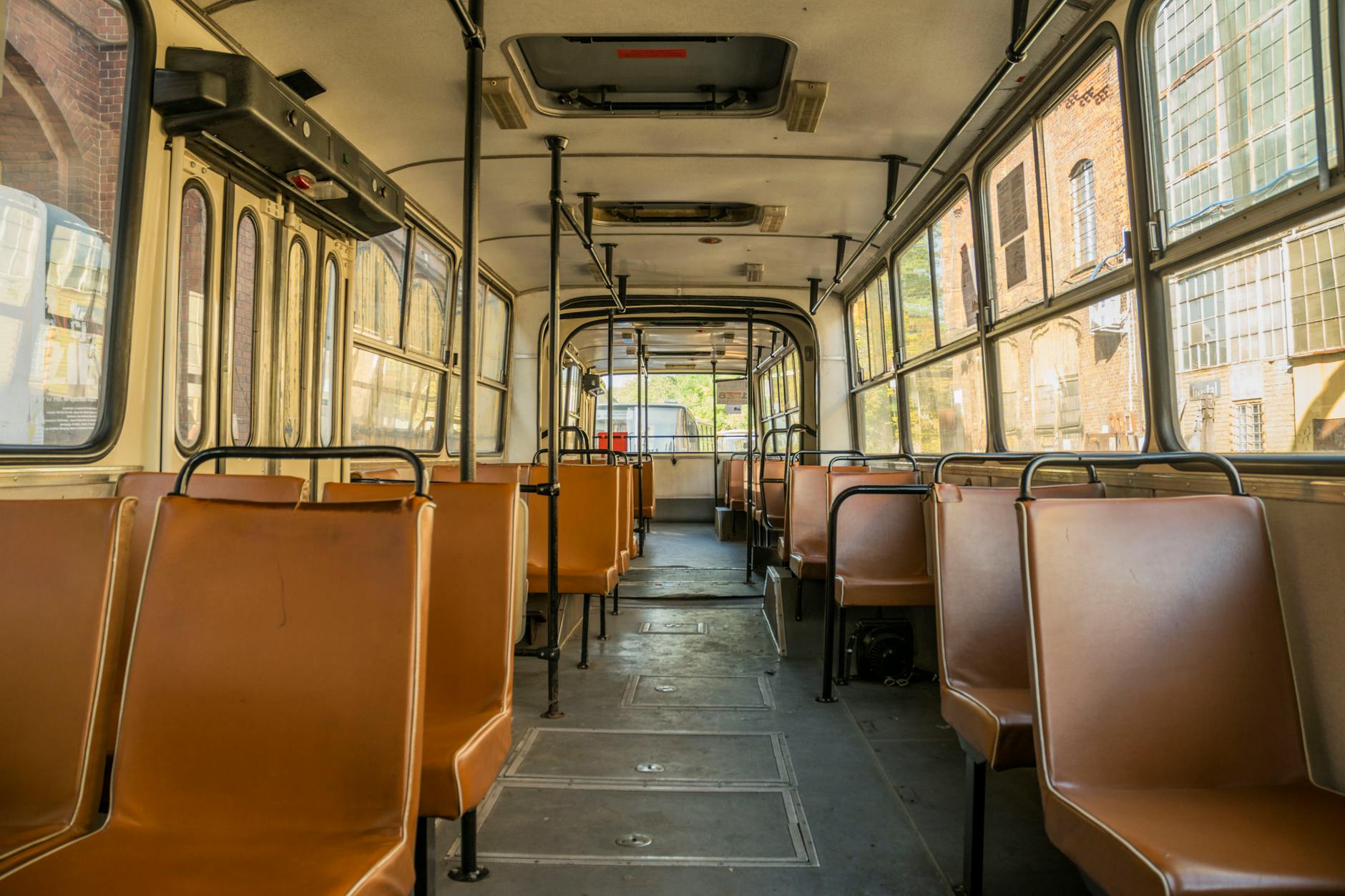
Prepare documents and host contacts
Short nonprofit travel can involve more paperwork than expected. A traveler may need invitation letters, insurance details, background checks, training records, emergency contacts, tax or donation documentation, or host-specific rules for photos and data. These should be settled before arrival.
Administrative clarity protects both traveler and host.
- Confirm invitation letters, insurance, emergency contacts, program documents, and any host screening requirements.
- Ask about photo permissions, data handling, beneficiary privacy, and social posting rules.
- Carry digital and offline copies of essential documents.
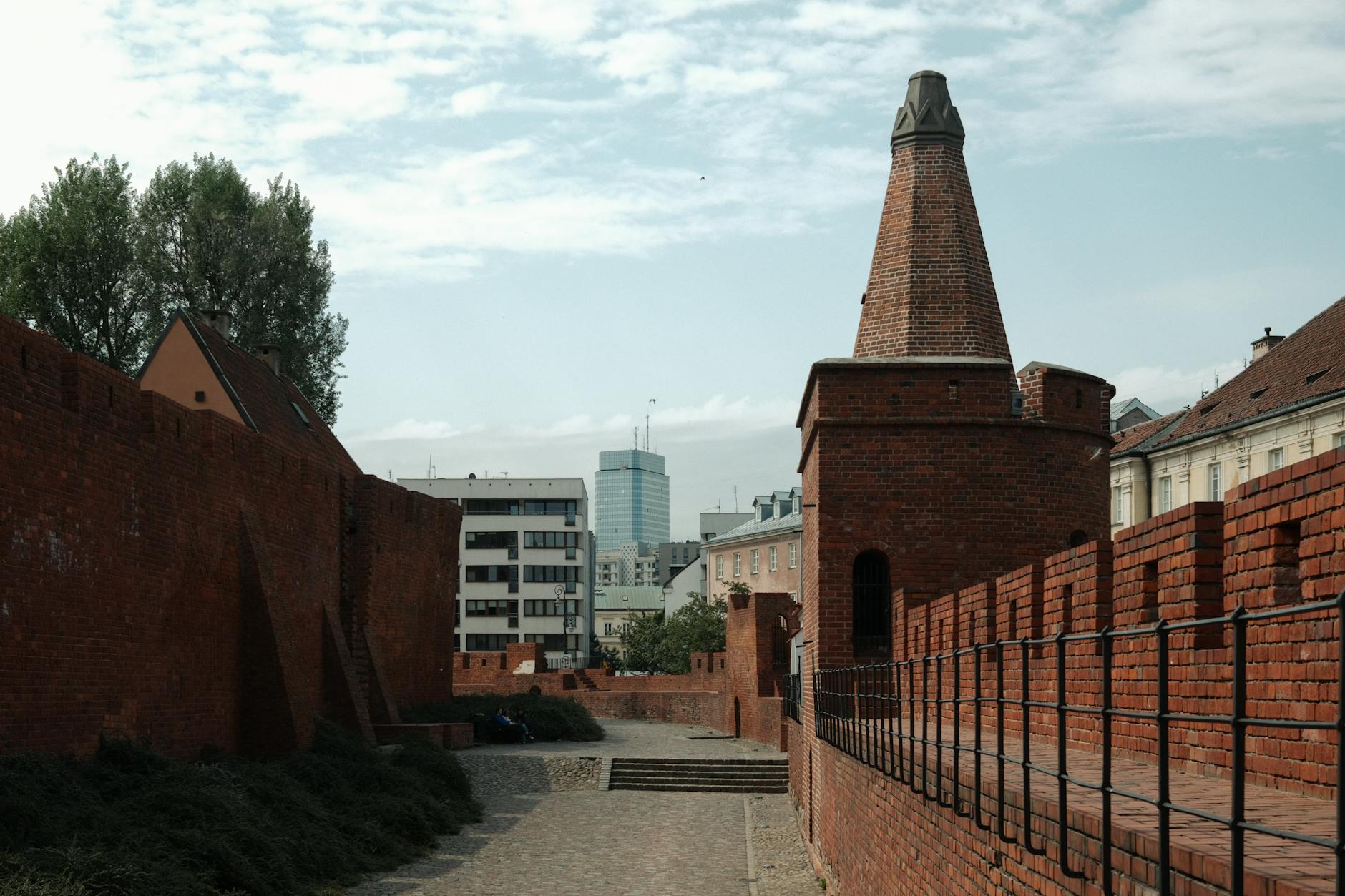
Plan transport and daily safety
Warsaw has useful public transport, taxis, and rideshare options, but a volunteer traveler should plan movement according to schedule, neighborhood, weather, equipment, and host guidance. A late return from a community site is different from a daylight museum transfer.
Movement should be predictable and respectful of local advice.
- Check routes for the first workday, late returns, weekend service, and weather changes.
- Use host-recommended pickup points or transport options for unfamiliar sites.
- Keep phone battery, payment, address details, and backup route information available.
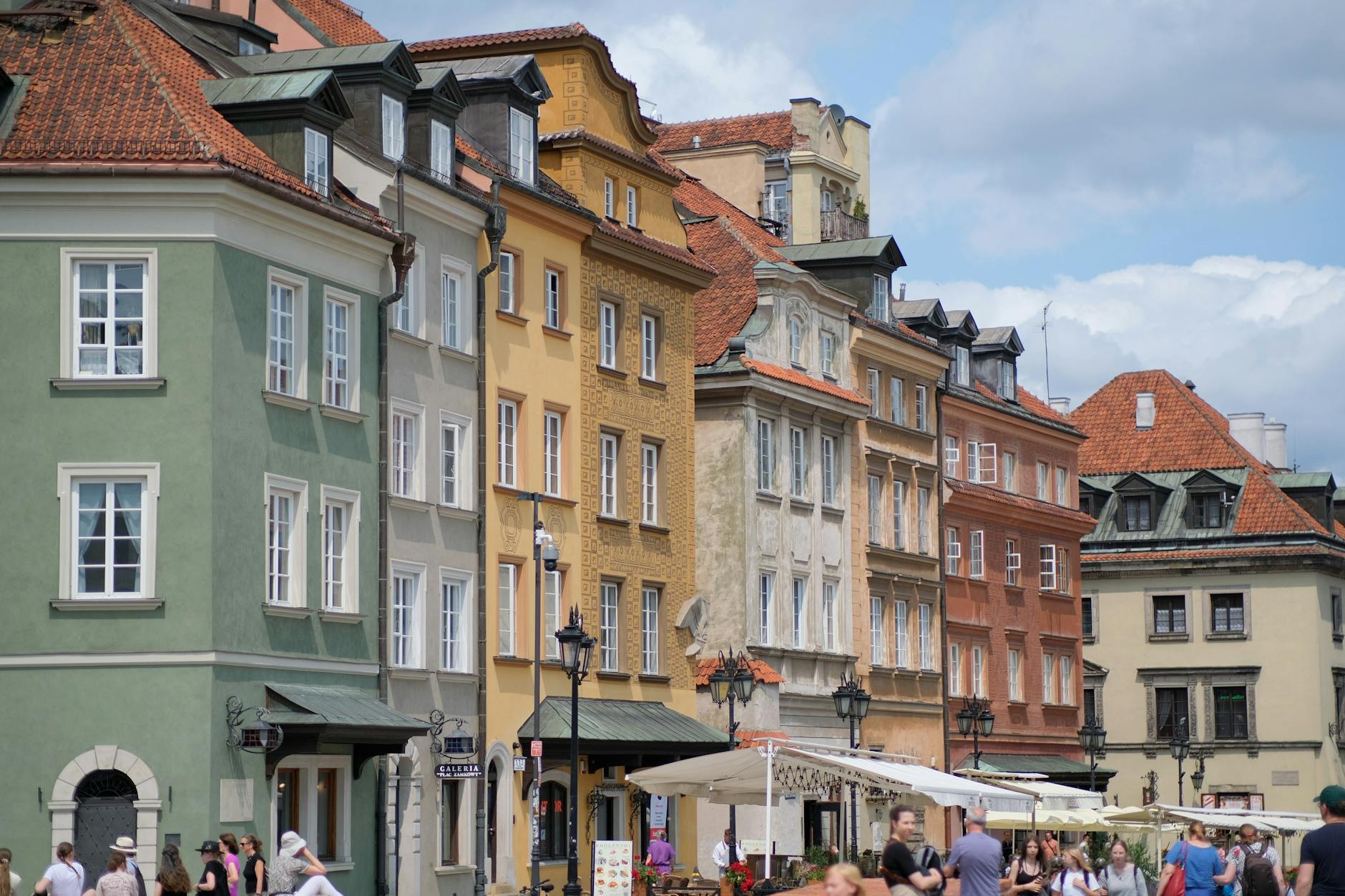
Protect boundaries and recovery
Volunteer and NGO trips can create emotional, social, and practical demands quickly. The traveler should know work hours, communication channels, privacy rules, gift policies, and when to step back. Recovery time is not selfish when it helps the traveler remain useful and respectful.
Good intentions need boundaries.
- Clarify hours, after-hours contact, gift rules, photography, and social-media expectations.
- Leave time for food, sleep, laundry, notes, and quiet decompression.
- Avoid promising support, advocacy, or follow-up that the traveler cannot responsibly provide.
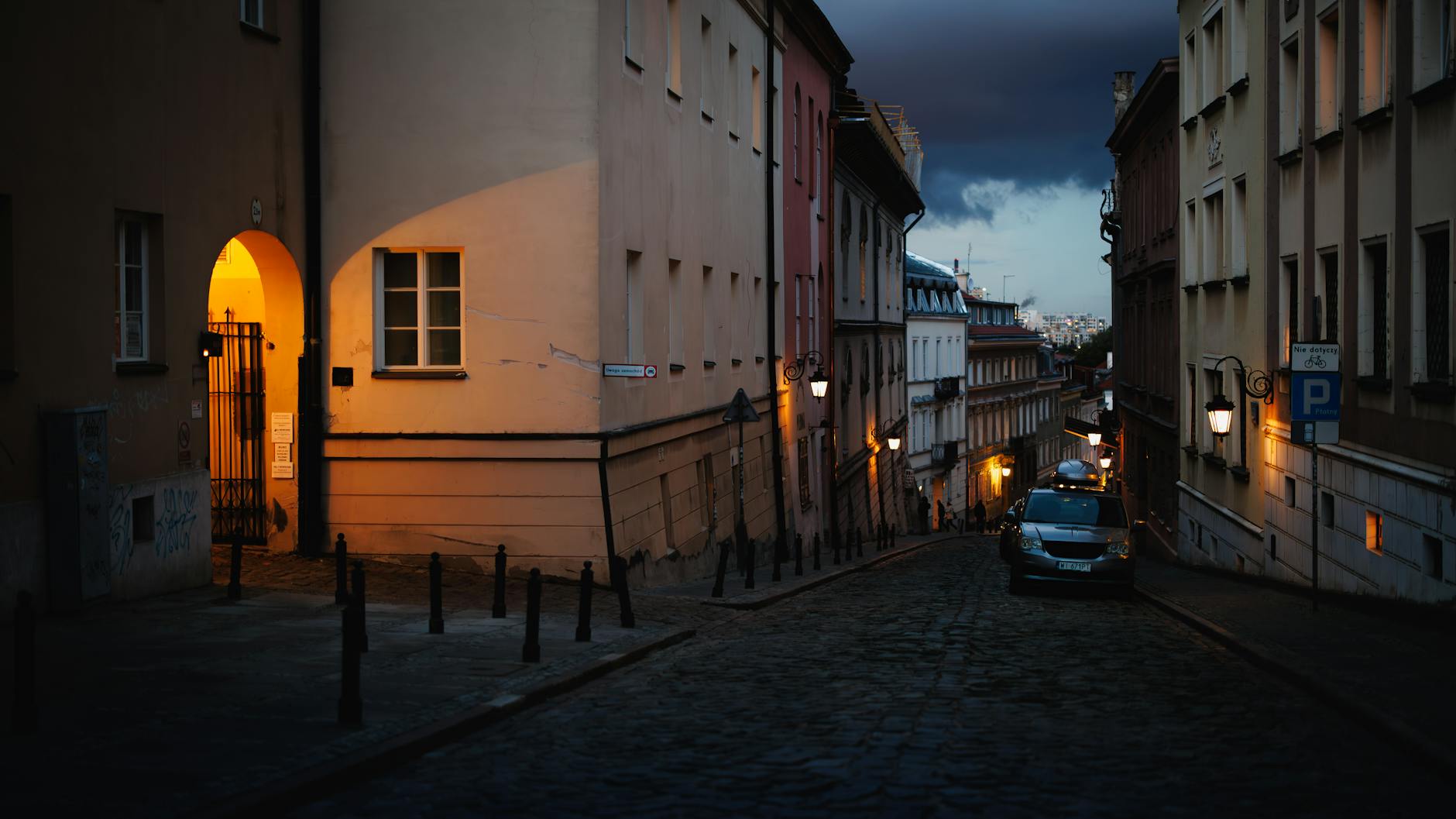
When to order a short-term travel report
A volunteer or NGO traveler with a fully hosted schedule may not need a custom report. A report becomes useful when the traveler must choose lodging, move independently, handle documents, visit several partner sites, manage language gaps, protect privacy, or fit personal time around the work.
The report should test host geography, arrival timing, lodging, transport, documents, daily safety, meal options, recovery time, weather, and departure buffers. The value is a Warsaw trip that supports the mission without making avoidable demands on the host.
- Order when host sites, lodging, arrival, transport, documents, privacy, meals, or departure timing need exact planning.
- Provide dates, host contacts, work sites, lodging candidates, schedule, language needs, documents, budget, and personal constraints.
- Use the report to keep the short stay useful, respectful, and logistically calm.