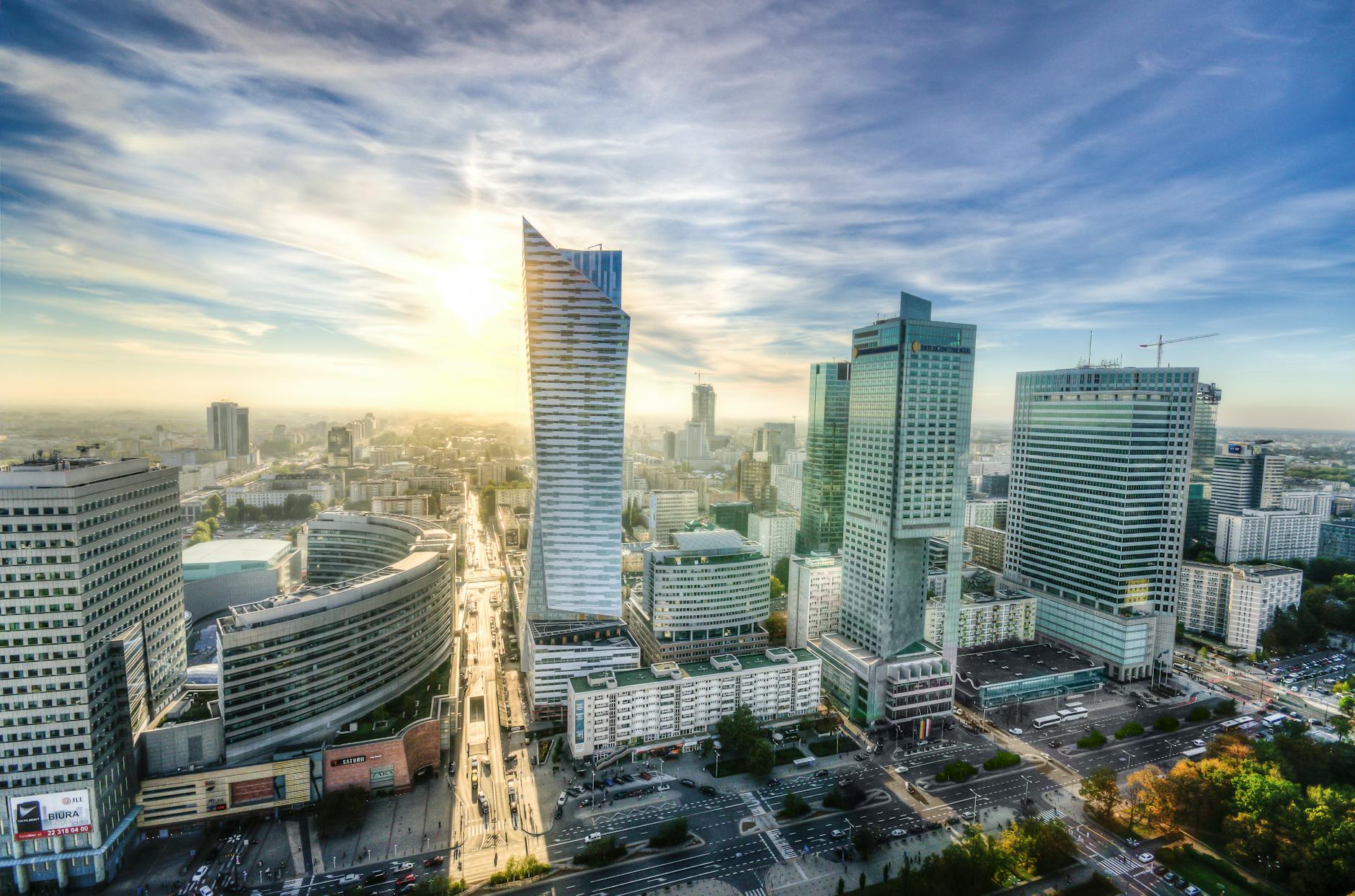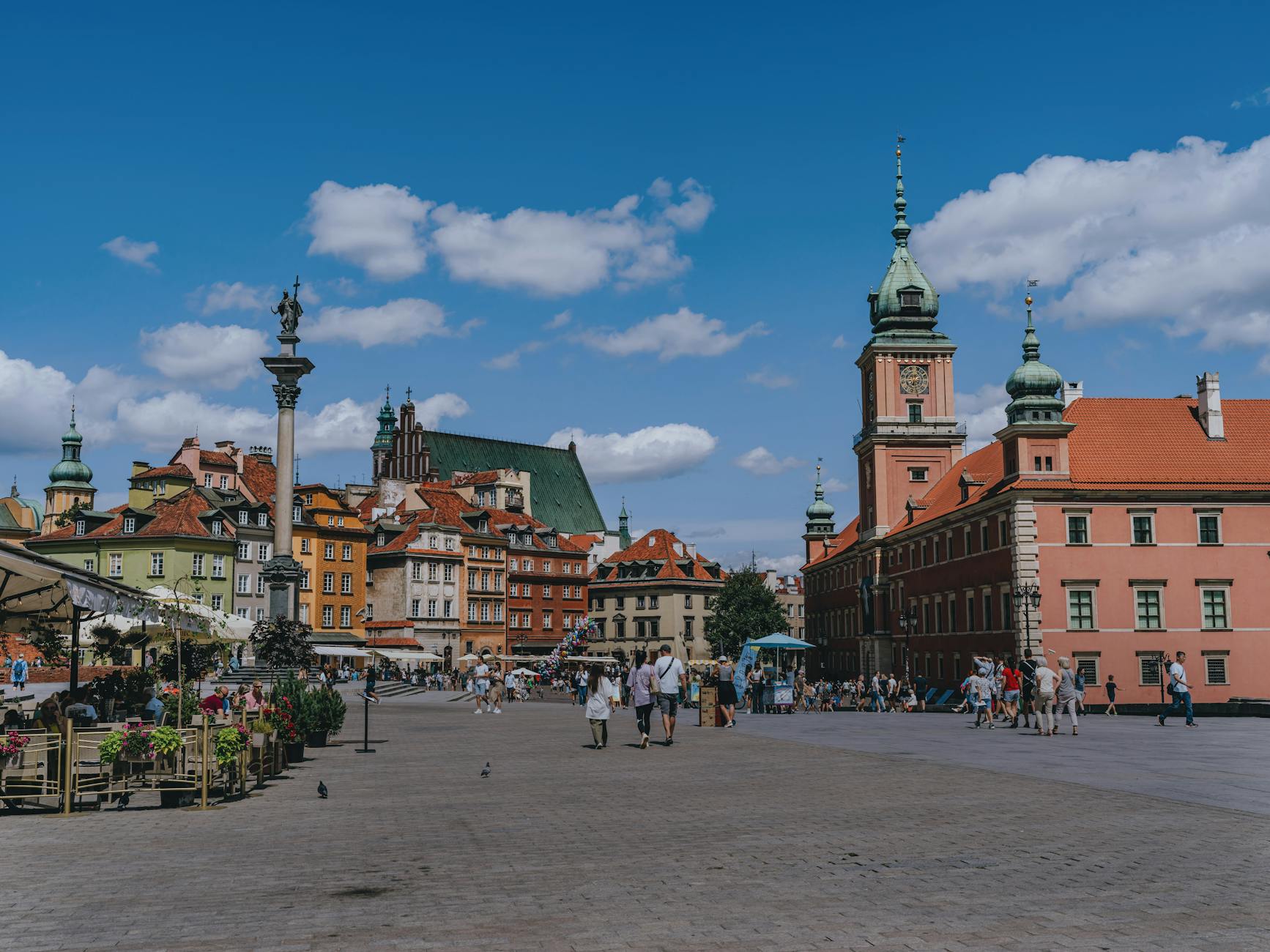
Warsaw can work for a traveler with mobility limitations when the itinerary is built around access rather than hope. The city has useful hotels, taxis, public transport, parks, museums, and compact sightseeing clusters, but cobblestones, stairs, long station passages, weather, and uneven routes can still shape the short stay.
Define access needs before choosing the route
A traveler with mobility limitations should state the practical requirements before booking the hotel or daily plan. Step-free entry, elevator access, seating, walking distance, bathroom access, transport transfers, wheelchair handling, cane use, and fatigue limits all change what a good Warsaw itinerary looks like.
Access needs should lead the plan.
- Write down maximum walking distance, step tolerance, seating needs, wheelchair or scooter needs, and transfer limits.
- Check whether Old Town, museums, restaurants, and parks match those limits before committing the day.
- Avoid assuming that a route is easy because map distance looks short.
Choose the hotel by step exposure
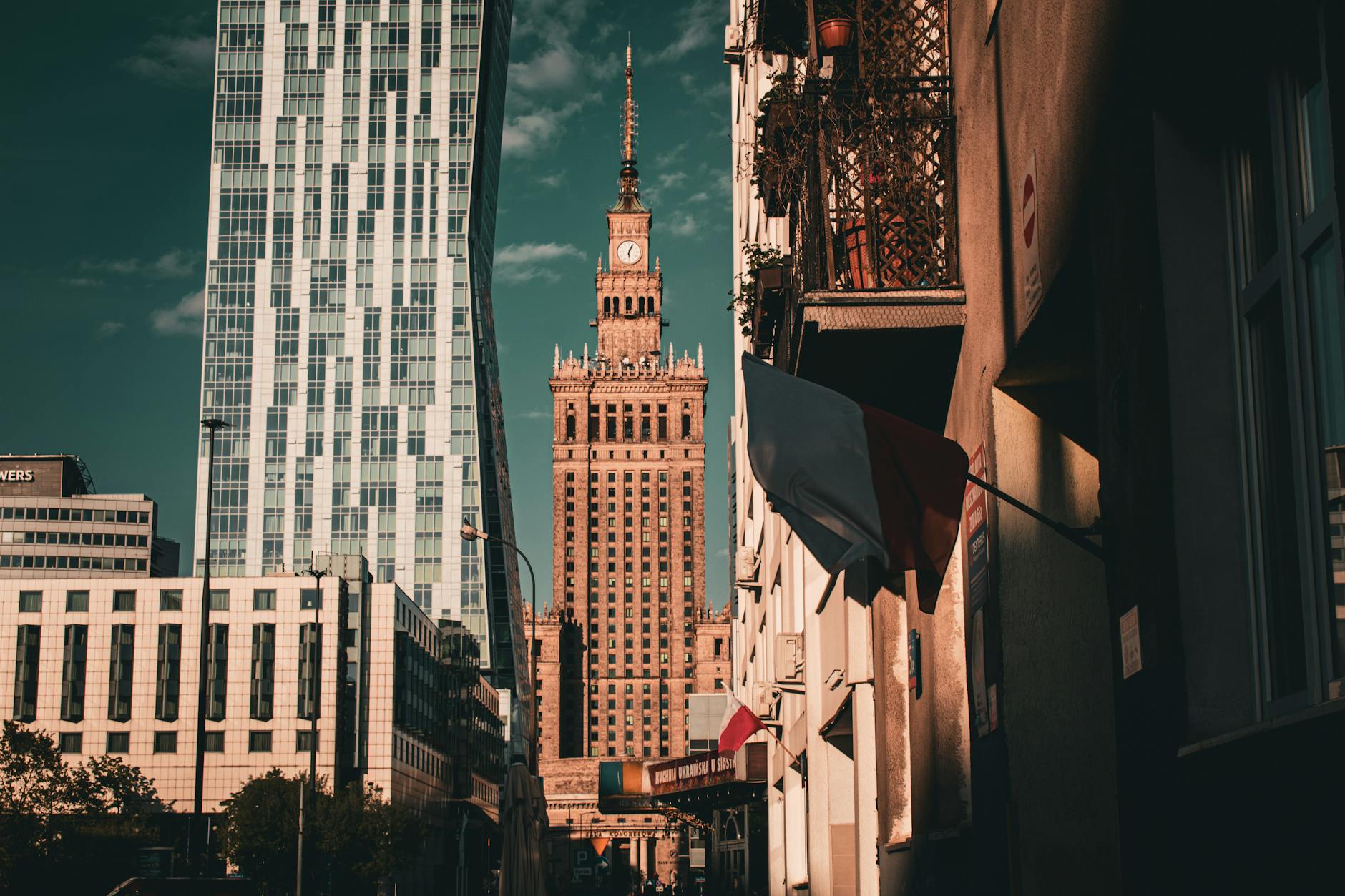
The hotel is the most important access decision. A suitable room across town is not enough if the entrance, elevator, shower, breakfast area, taxi pickup, or route to nearby meals creates daily strain. The traveler should confirm details directly instead of relying only on broad accessibility labels.
The base should reduce effort every day.
- Confirm entrance steps, elevators, room layout, shower setup, bed height, breakfast access, and taxi pickup.
- Check nearby meals and pharmacy options so every outing is not required.
- Choose a location that allows hotel rest between sightseeing or meetings.
Test transport routes end to end
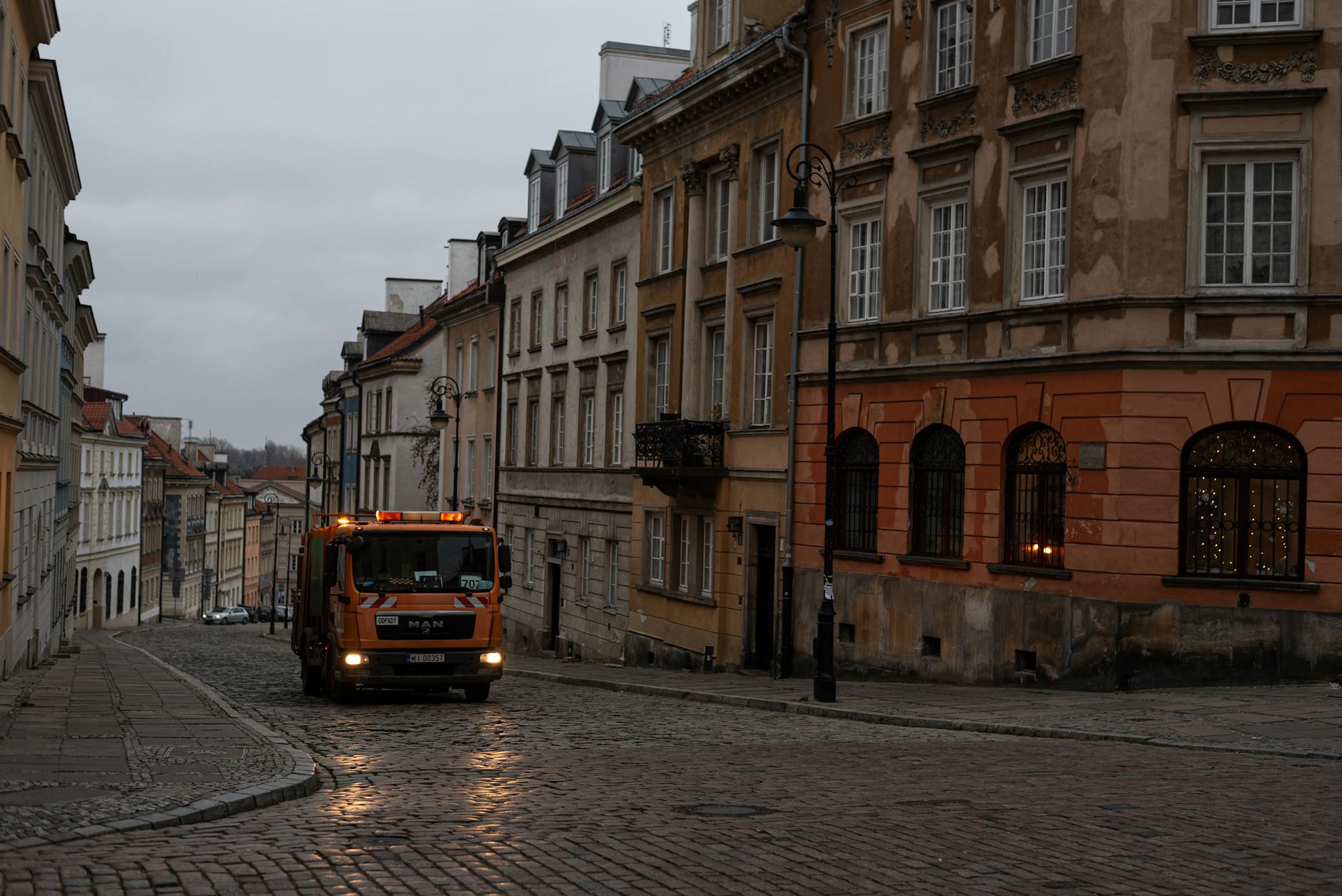
Warsaw public transport can be useful, but a mobility-limited traveler should examine the whole route: hotel door, pavement, station entrance, elevator or stairs, platform distance, vehicle boarding, destination stop, and final approach. Taxis and rideshare can be better for some moves, especially in poor weather.
The best transport is the route that actually works from door to door.
- Check elevators, ramps, transfers, walking distance, and waiting conditions for each important route.
- Use taxis or rideshare when public transport adds too much transfer strain.
- Keep addresses saved offline and in the local language where useful.
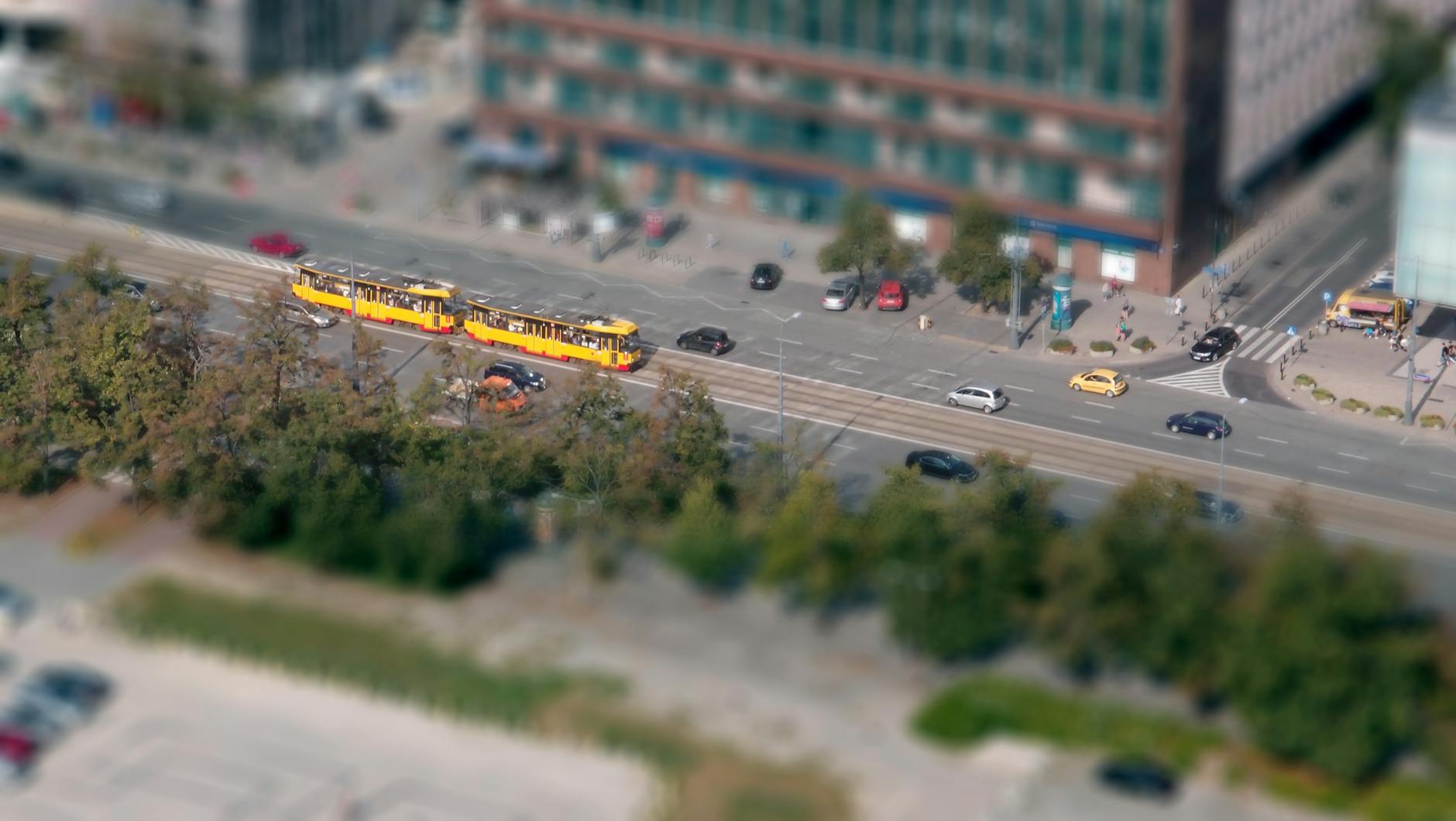
Plan Old Town and museums realistically
Warsaw's Old Town, museums, and historic sites can be rewarding, but cobblestones, ramps, elevators, cloakrooms, queues, and long corridors matter. The traveler should choose fewer sites with better access information rather than trying to prove that every major stop is possible in one day.
Realistic access produces a better visit.
- Check museum elevators, seating, bathroom access, timed entry, and cloakroom rules.
- Treat cobblestones and slopes as part of the route, not a minor detail.
- Pair heavier visits with parks, cafes, or hotel rest time.
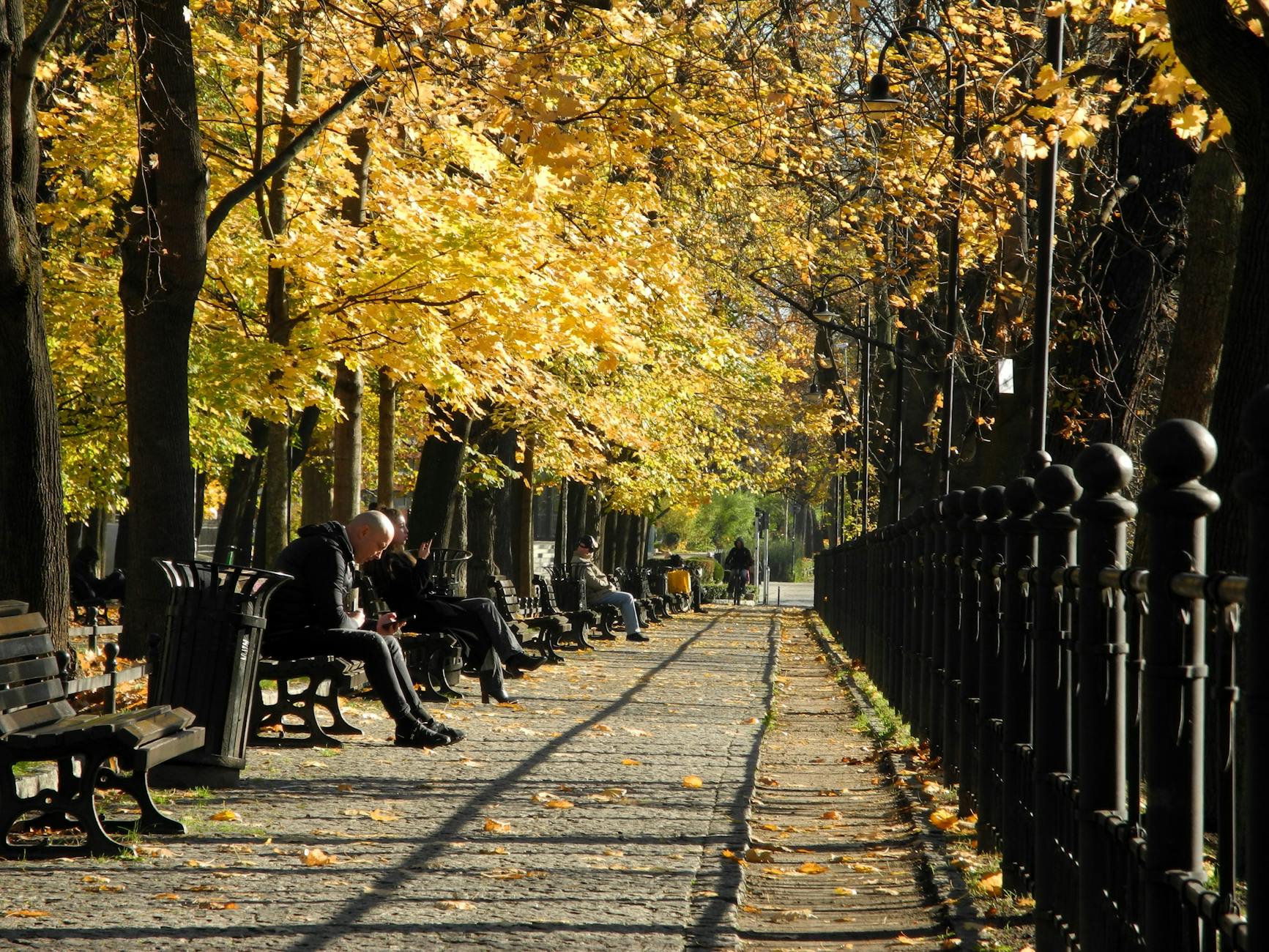
Use rest points and weather backups
Weather can make mobility limits more visible. Rain, snow, ice, heat, wind, and short daylight can affect pavements, energy, and transport choices. The itinerary should include rest points and indoor alternatives so the day can change without collapsing.
A backup route is part of access planning.
- Identify seated cafes, hotel return points, indoor museums, and shorter alternatives before leaving.
- Check weather and pavement conditions before committing to outdoor routes.
- Keep one low-effort option available each day.
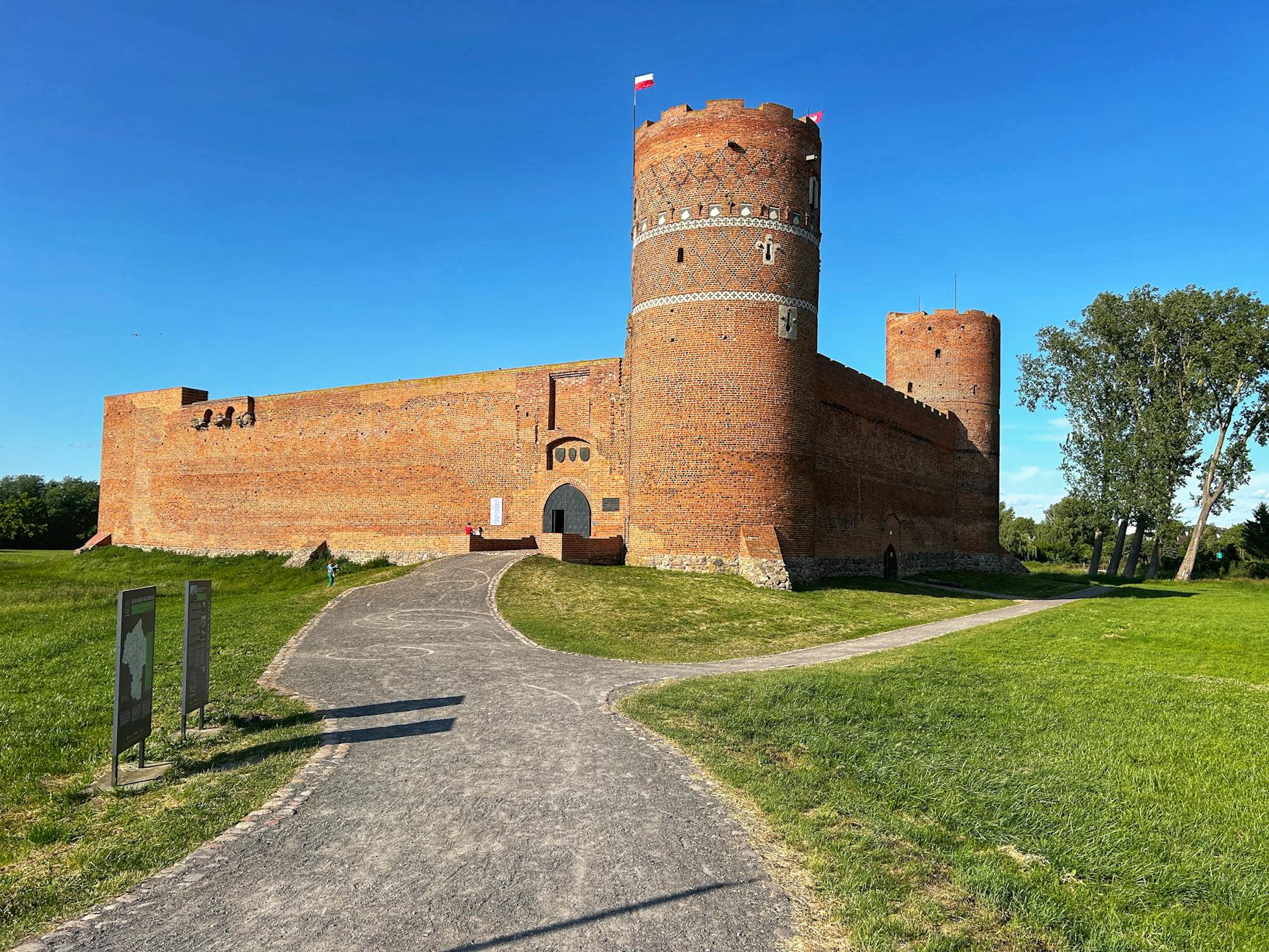
Make meals and evenings easy to exit
Restaurants and evening plans should be selected for access, not just appeal. A good dinner becomes difficult if the entrance, seating, bathroom, taxi pickup, or late return route is awkward. The traveler should keep evenings close, seated, and easy to leave when needed.
A strong plan includes the way out.
- Check restaurant entry, seating, bathroom access, reservation timing, and nearby pickup points.
- Choose dinner near the hotel or along a direct route after full sightseeing days.
- Avoid adding a second late district when mobility or weather already makes the return harder.
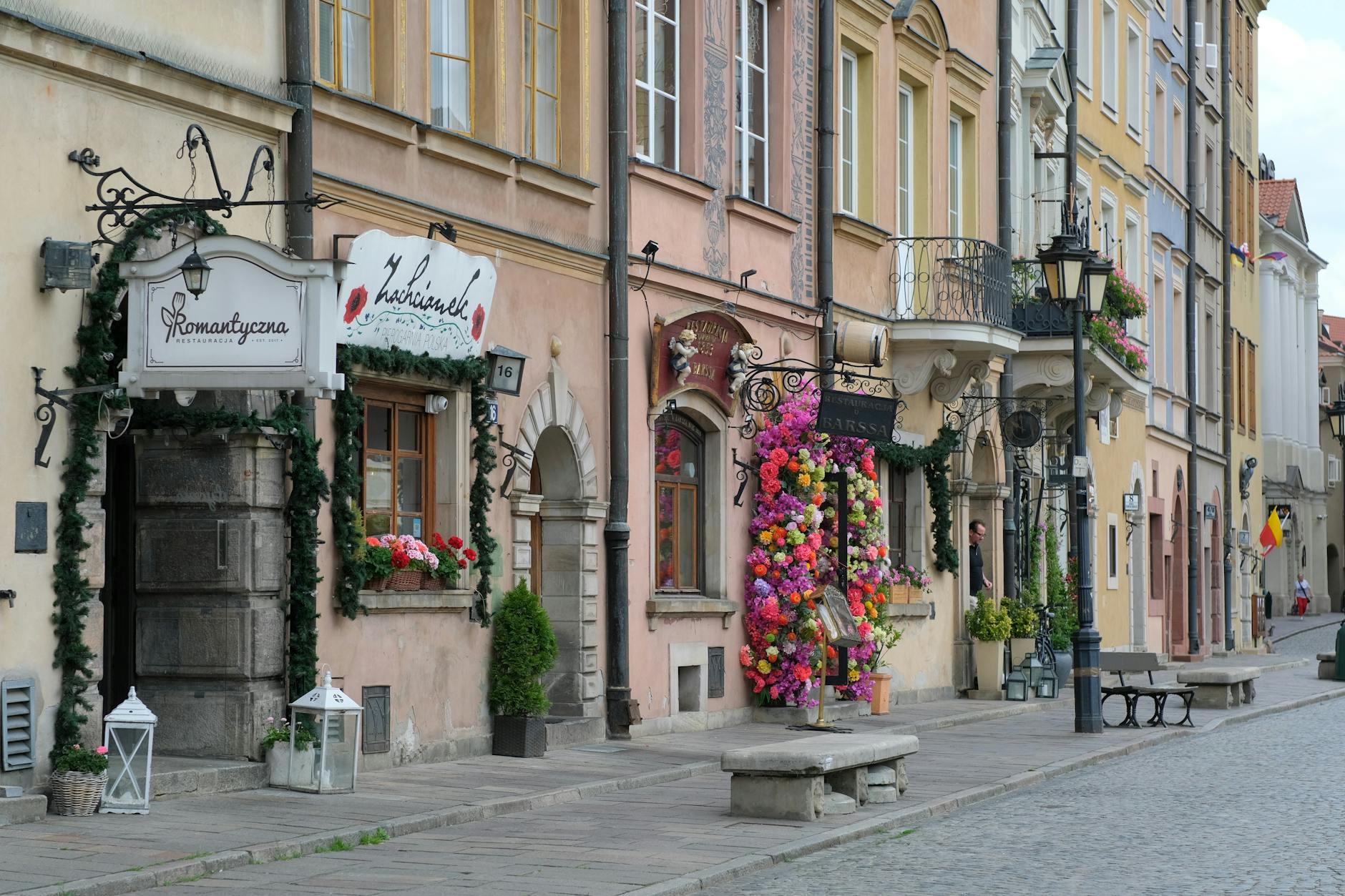
When to order a short-term travel report
A traveler with mild mobility limits and flexible time may not need a custom report. A report becomes useful when step-free lodging, transport transfers, museum access, cobblestones, taxis, weather, restaurants, or departure timing need to be checked before a short Warsaw stay.
The report should test hotel access, arrival route, step exposure, transport options, Old Town routing, museum access, rest points, meals, weather alternatives, and departure buffers. The value is a Warsaw trip that fits the traveler's mobility instead of forcing a painful route.
- Order when hotel access, transport, walking surfaces, museums, meals, weather, or departure timing need exact review.
- Provide dates, hotel candidates, mobility equipment, walking limits, step tolerance, medical needs, interests, and arrival details.
- Use the report to turn access constraints into a workable route.