
Warsaw can be a useful short stop between flights, trains, meetings, or longer Poland routes, but the city only works as a stopover when the traveler is honest about connection timing. Chopin Airport, Modlin, Warsaw Central, hotel storage, traffic, rail movement, and fatigue can all decide whether leaving the hub is smart.
Decide whether leaving the hub is worth it
The first Warsaw stopover decision is whether to leave the airport, station, or hotel at all. A short connection, delayed arrival, heavy bags, poor weather, or early onward leg can make a city dash more stressful than valuable. A longer layover or overnight stop can justify a focused route.
The best stopover is the one that protects the onward trip.
- Compare available free time against transport time, security, baggage, and fatigue.
- Stay near the hub when the connection is short, uncertain, or high-stakes.
- Leave for the city only when the return buffer is clearly protected.
Confirm which airport or station matters
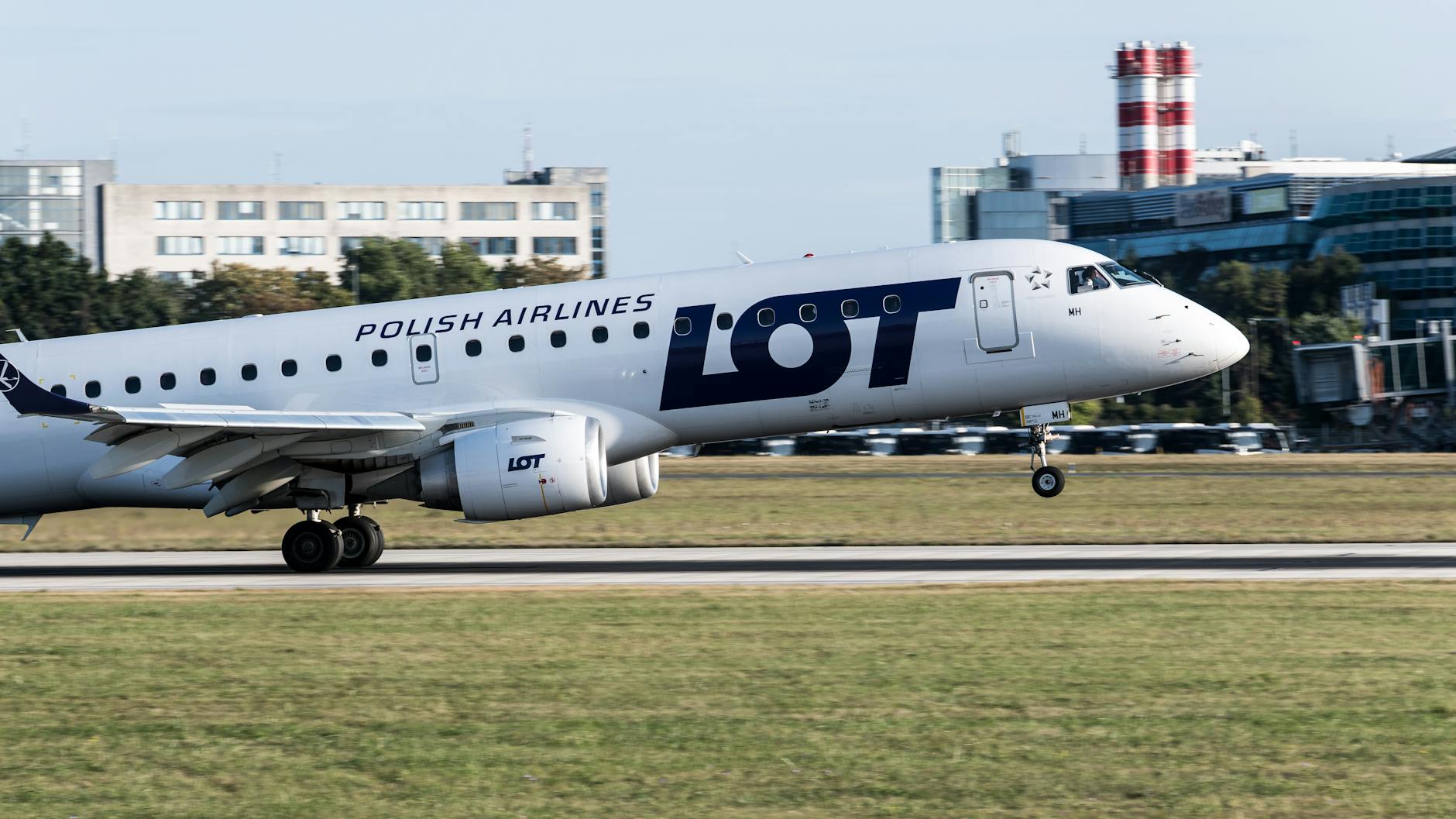
Warsaw stopovers can involve Chopin Airport, Modlin, Warsaw Central, other rail stations, bus points, or a hotel shuttle. Those locations do not behave the same way. A traveler should confirm the exact departure point before choosing Old Town, a restaurant, or a quick museum stop.
The wrong hub assumption can consume the whole margin.
- Check the exact terminal, station, platform area, airport, or bus point for the onward leg.
- Confirm typical transfer time, but also plan for traffic, ticketing, walking distance, and security.
- Avoid booking city plans based only on a general word like Warsaw.
Protect luggage and re-entry time
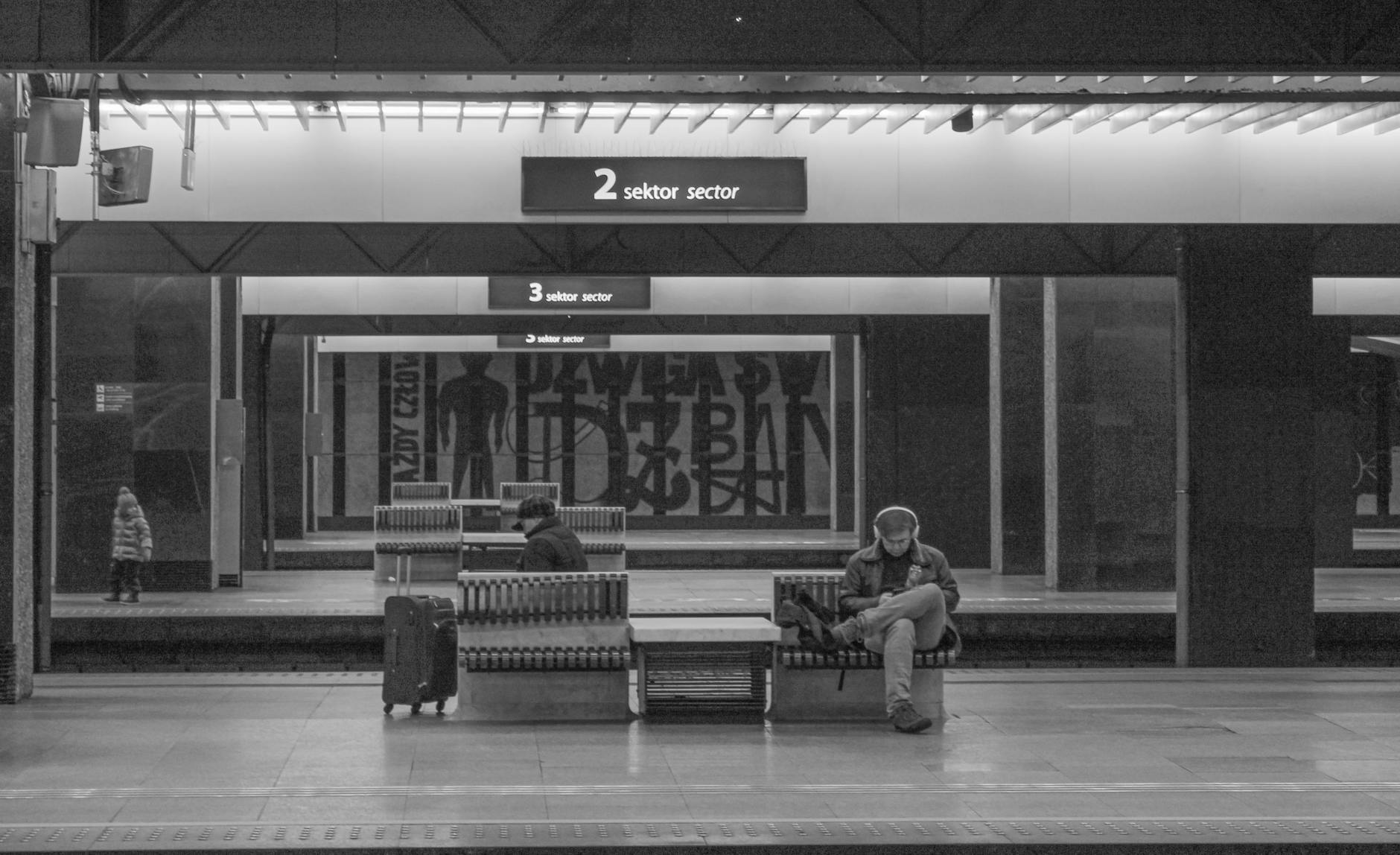
A stopover can collapse if luggage is awkward or the traveler cuts re-entry too close. Checked bags, cabin bags, station lockers, hotel storage, security lines, passport checks, and rail boarding all need time. The route should be planned around what the traveler is carrying.
Bag handling is not a side detail.
- Confirm whether bags are checked through, stored, carried, or collected before the next leg.
- Allow enough time for airport security, immigration if relevant, boarding, station access, and platform changes.
- Keep medication, documents, chargers, and valuables with the traveler rather than in stored luggage.

Choose one compact city route
A Warsaw stopover should usually have one compact goal: Old Town, a central walk, a river view, a museum, a cafe, a business meal, or a hotel rest block. Trying to combine too many districts turns the stopover into a transport exercise.
The city route should be easy to abandon if timing changes.
- Pick one area with a direct path back to the airport, station, or hotel.
- Keep optional stops physically close to the main route.
- Avoid distant attractions unless the stopover is long and the onward leg is flexible.

Use food and rest strategically
Food and rest can be the main value of a Warsaw stopover. A proper meal, shower, hotel nap, quiet cafe, or short walk may do more for the traveler than forcing a packed sightseeing plan. This is especially true between overnight flights, long rail legs, or business commitments.
Recovery can be the itinerary.
- Choose meals near the hub, hotel, or main city route instead of crossing town for one reservation.
- Use a day room, lounge, or hotel storage plan when sleep and hygiene matter.
- Do not schedule alcohol-heavy or late-night plans before a difficult onward leg.
Plan the return before leaving
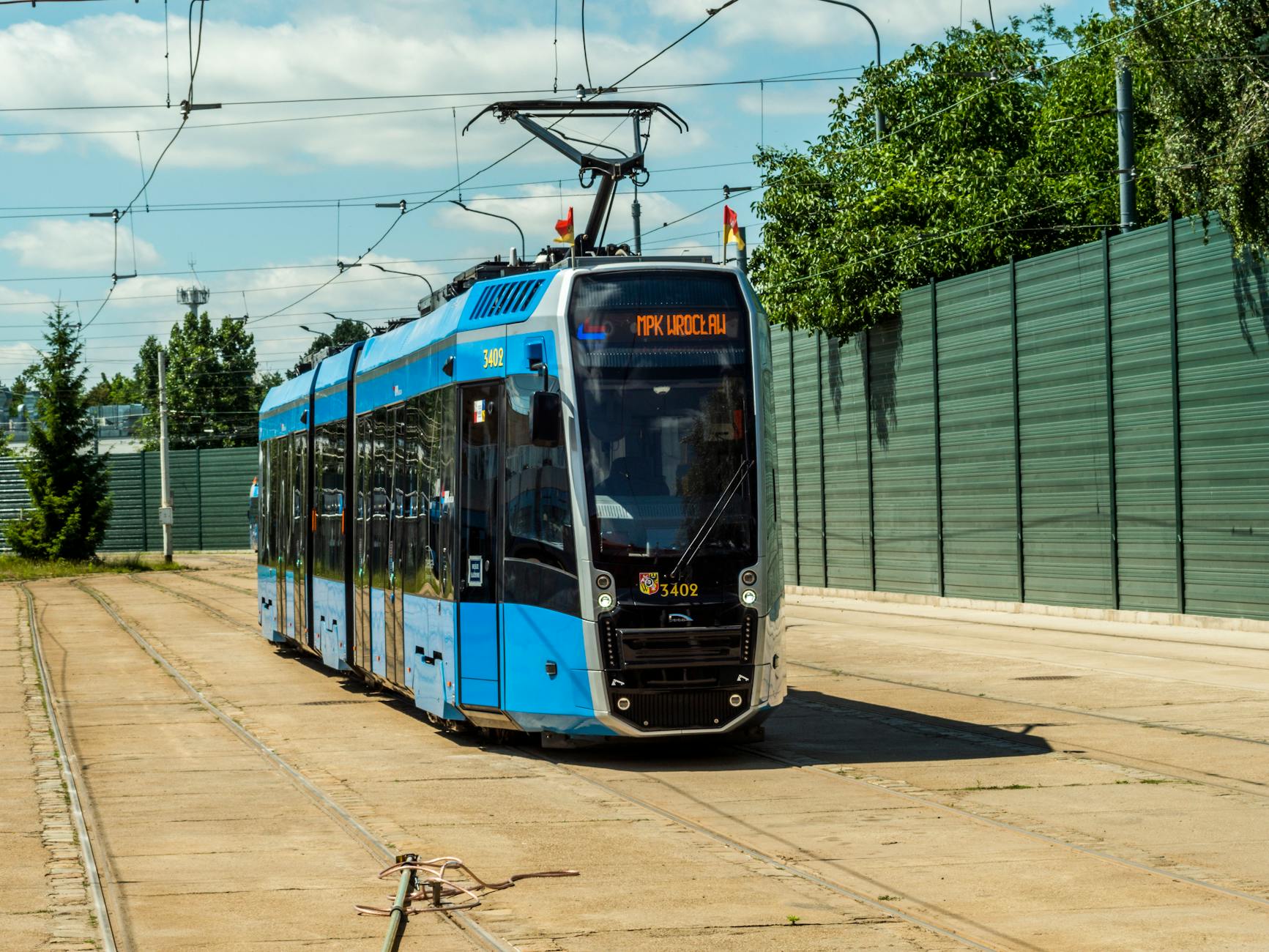
The return plan should be settled before the traveler leaves the hub. That means knowing the preferred route, backup route, payment method, pickup point, walking entrance, and latest safe departure time. A stopover is not the moment to improvise with a low battery.
The clock should be visible all day.
- Save maps, tickets, taxi or rideshare options, and the onward departure details offline.
- Set a hard turn-back time and treat it as non-negotiable.
- Keep a backup plan for bad weather, traffic, rail disruption, or a delayed meal.
When to order a short-term travel report
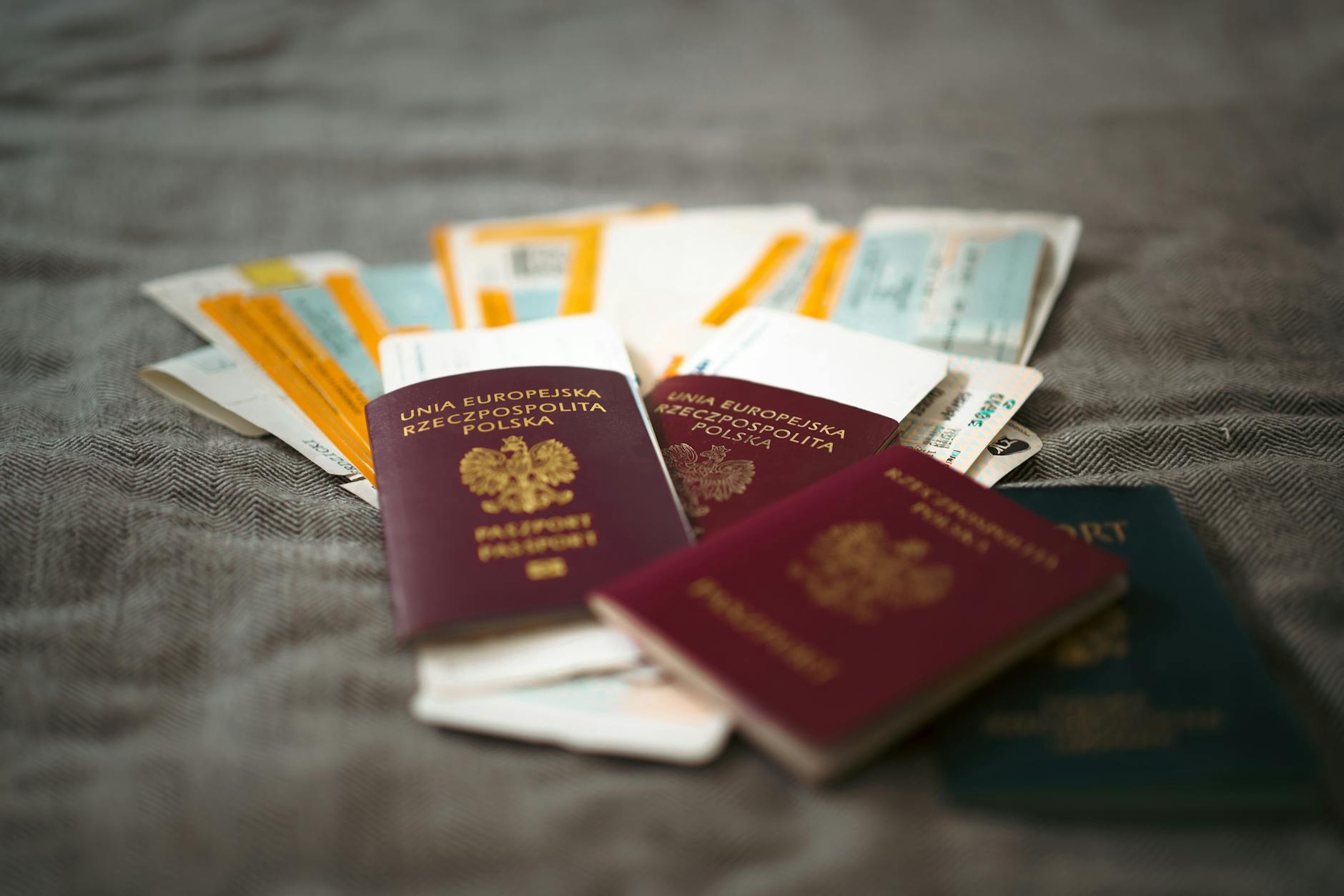
A transit traveler staying airside or resting in a hotel may not need a custom report. A report becomes useful when the stopover includes leaving Chopin, Modlin, a rail station, or a hotel base; handling luggage; meeting someone; sightseeing; managing accessibility needs; or catching a high-stakes onward leg.
The report should test the connection point, transfer timing, luggage, route choice, meals, rest, weather, re-entry, and backup transport. The value is a Warsaw stopover that gives the traveler a real city moment without gambling the next departure.
- Order when airport or station timing, bags, city routing, meals, rest, mobility needs, or the onward leg need exact planning.
- Provide arrival and departure details, airport or station names, luggage status, passport constraints, interests, and risk tolerance.
- Use the report to decide whether to leave the hub and how to return without stress.