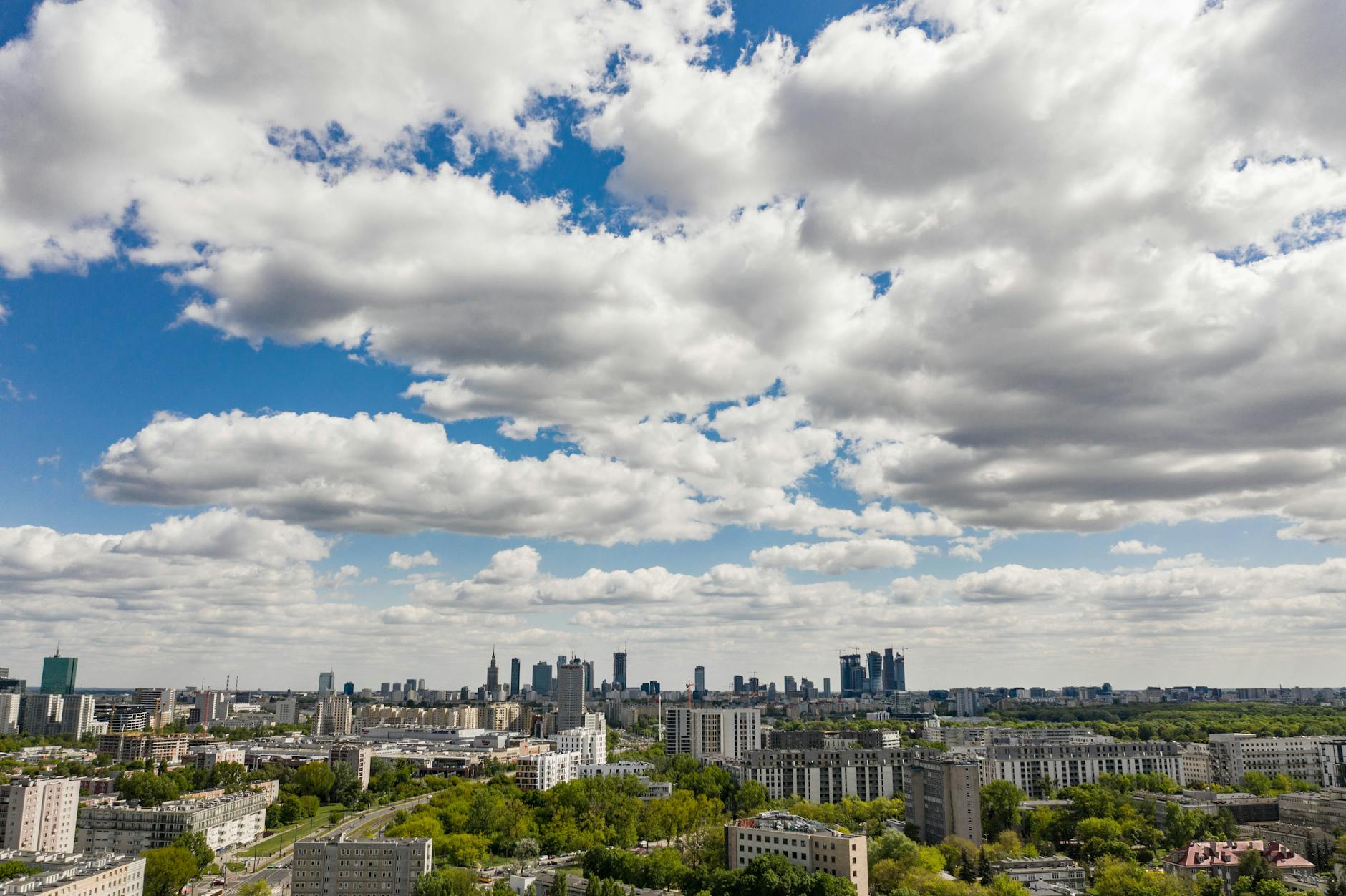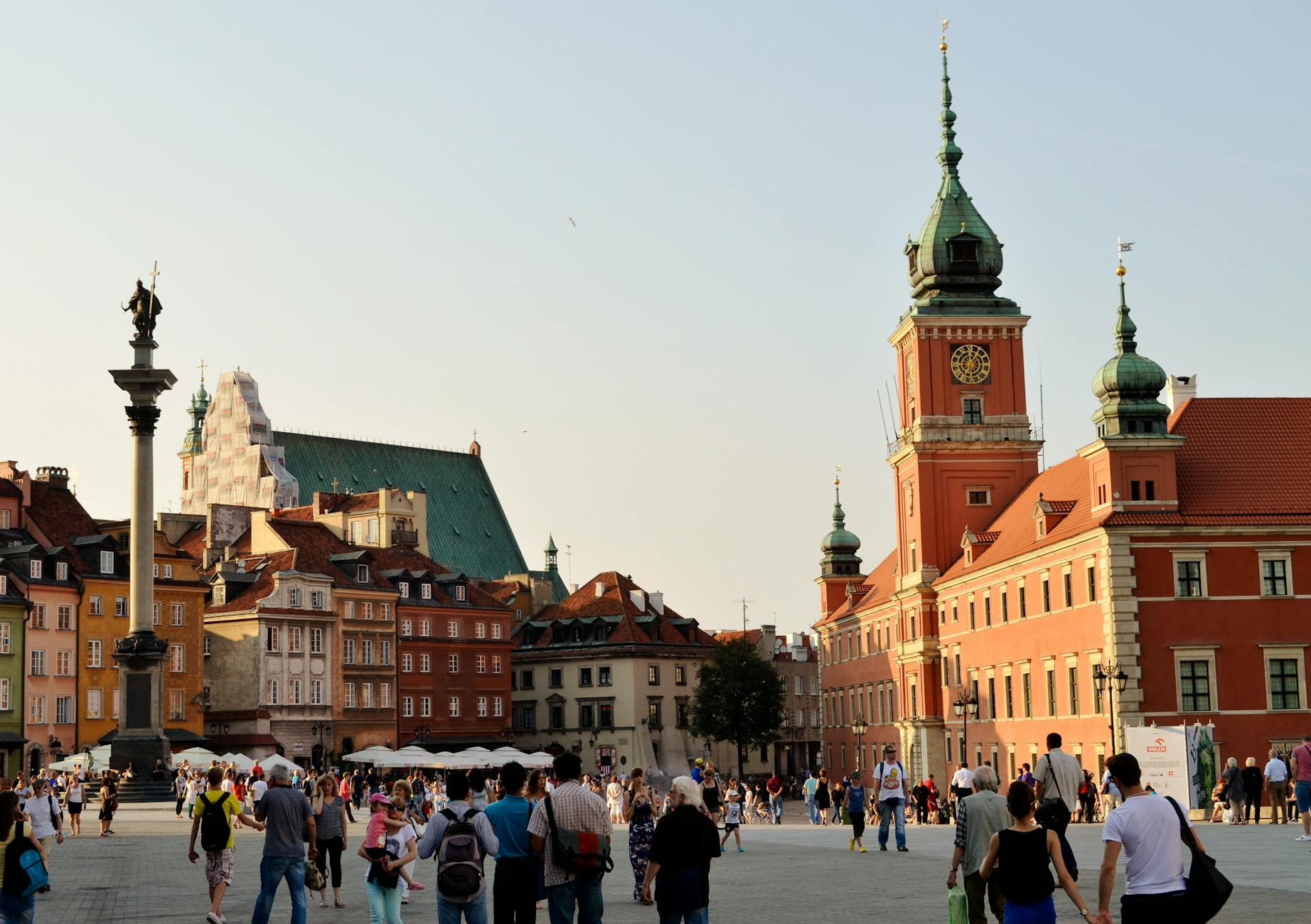
Warsaw rewards tourists who arrive with curiosity and a clear route plan. The city is not only its Old Town, and it is not only a wartime history lesson. A short tourist visit can combine the rebuilt center, Royal Route, parks, museums, riverside areas, food, and modern neighborhoods if the traveler groups the day intelligently.
Start with the city story, not only the checklist
A tourist should understand that Warsaw's visitor experience is built from reconstruction, resilience, modern growth, parks, and daily city life. The Old Town is important, but it should be framed alongside the Royal Route, museums, the Vistula, and the contemporary center.
The trip works better with context.
- Use the Old Town as one anchor, not the entire itinerary.
- Include at least one museum, park, or neighborhood that explains Warsaw beyond postcard views.
- Group sights by district so context builds naturally through the day.
Give the Old Town enough time
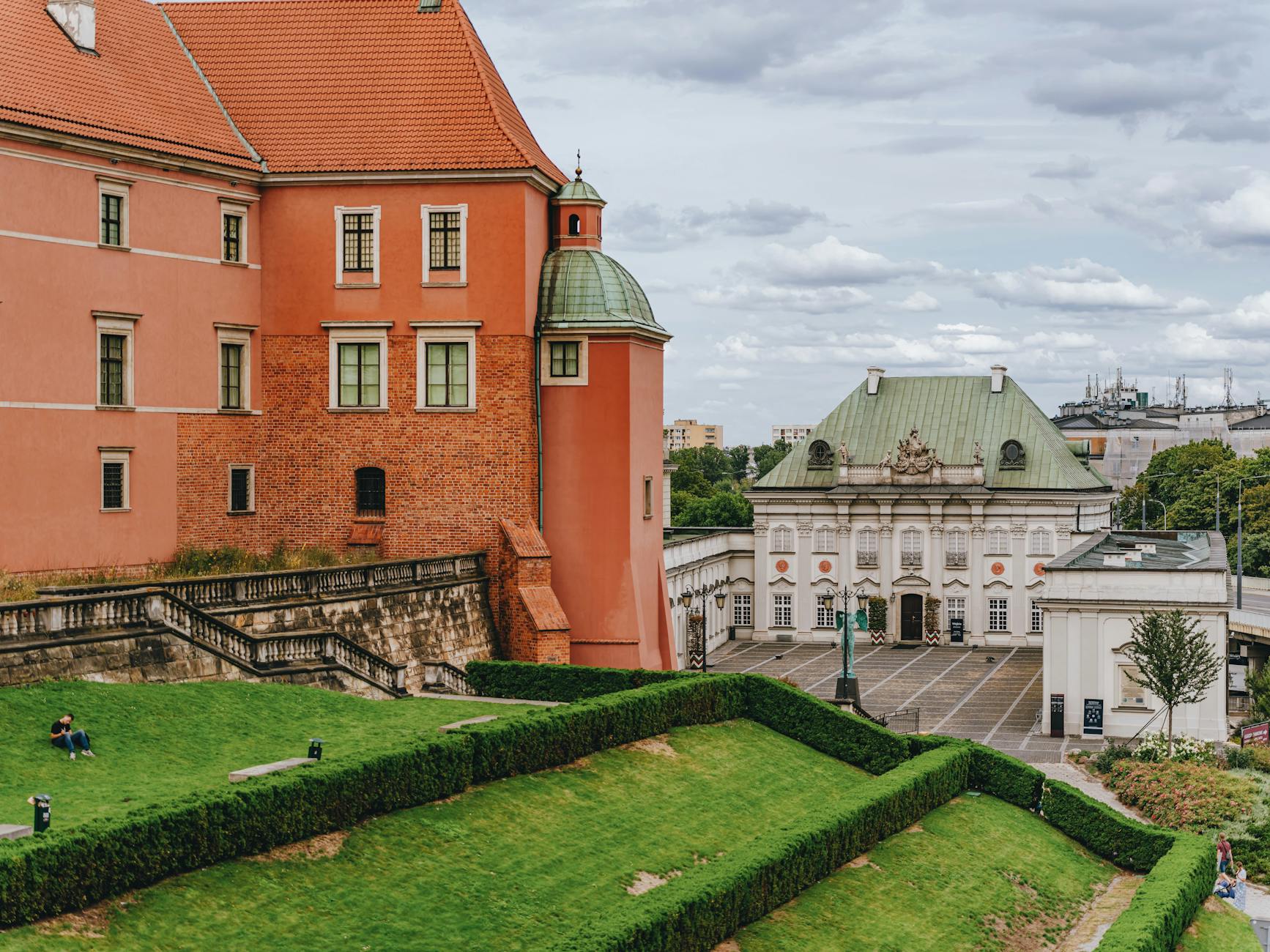
Warsaw's Old Town deserves more than a quick photo stop. The market square, castle area, viewpoints, churches, lanes, and reconstruction story all benefit from a slower visit. Tourists should also leave before fatigue turns every historic street into the same street.
The center is best handled deliberately.
- Plan the Royal Castle area, Old Town Market Square, viewpoints, and nearby streets as one route.
- Check museum and church opening hours before anchoring the day around them.
- Pair the Old Town with the Royal Route or a meal nearby rather than crossing town immediately.
Choose museums by capacity
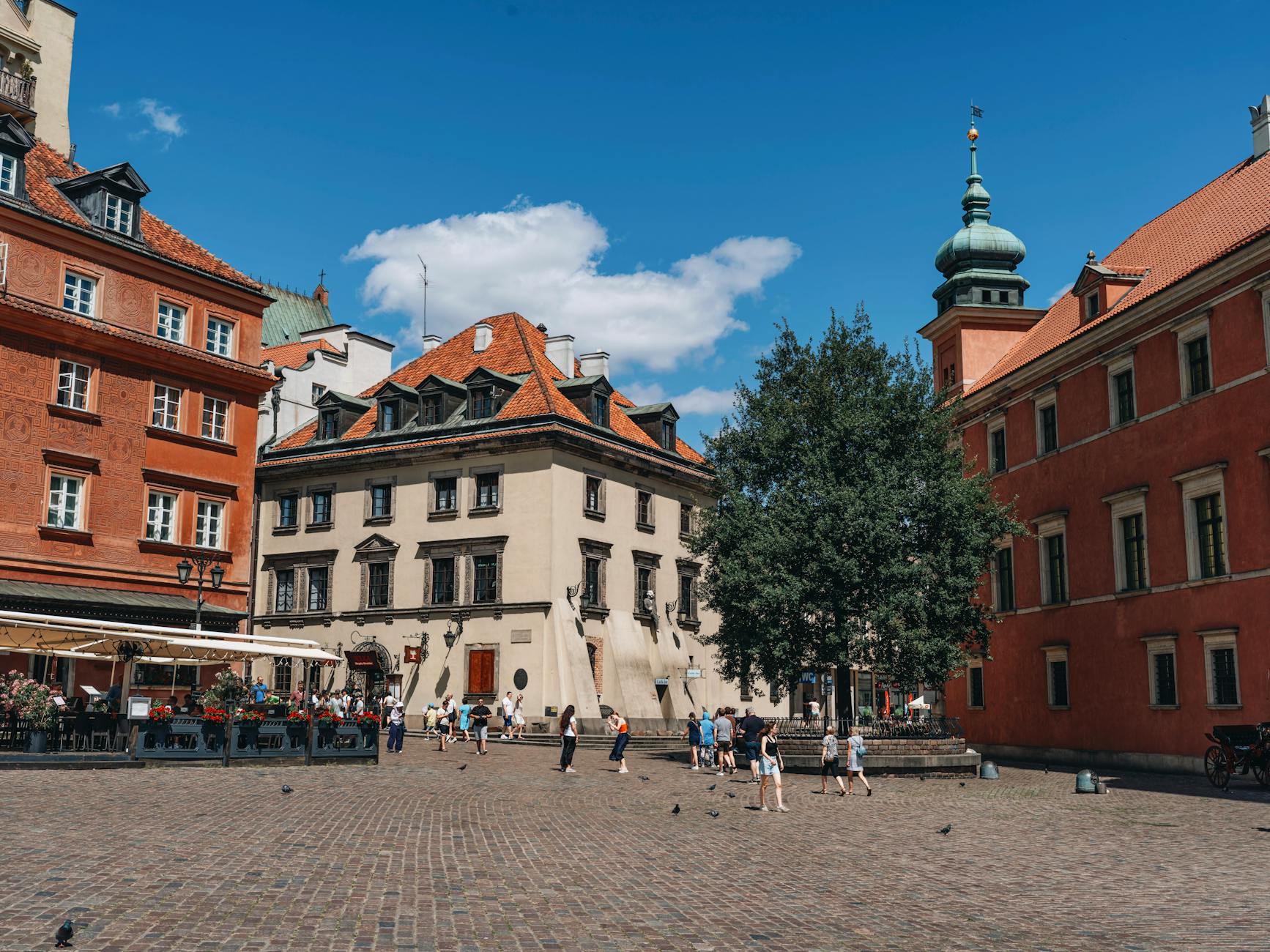
Warsaw has major museums and memorial sites, but tourists should not stack them carelessly. Some visits are emotionally heavy, some require timed entry, and some take longer than expected. A short stay usually works better with one serious museum and one lighter counterweight in a day.
Museum planning is pacing.
- Check opening days, ticket rules, language options, and realistic visit length.
- Avoid placing several heavy historical visits back to back.
- Use parks, cafes, or a simpler walk after dense museum time.
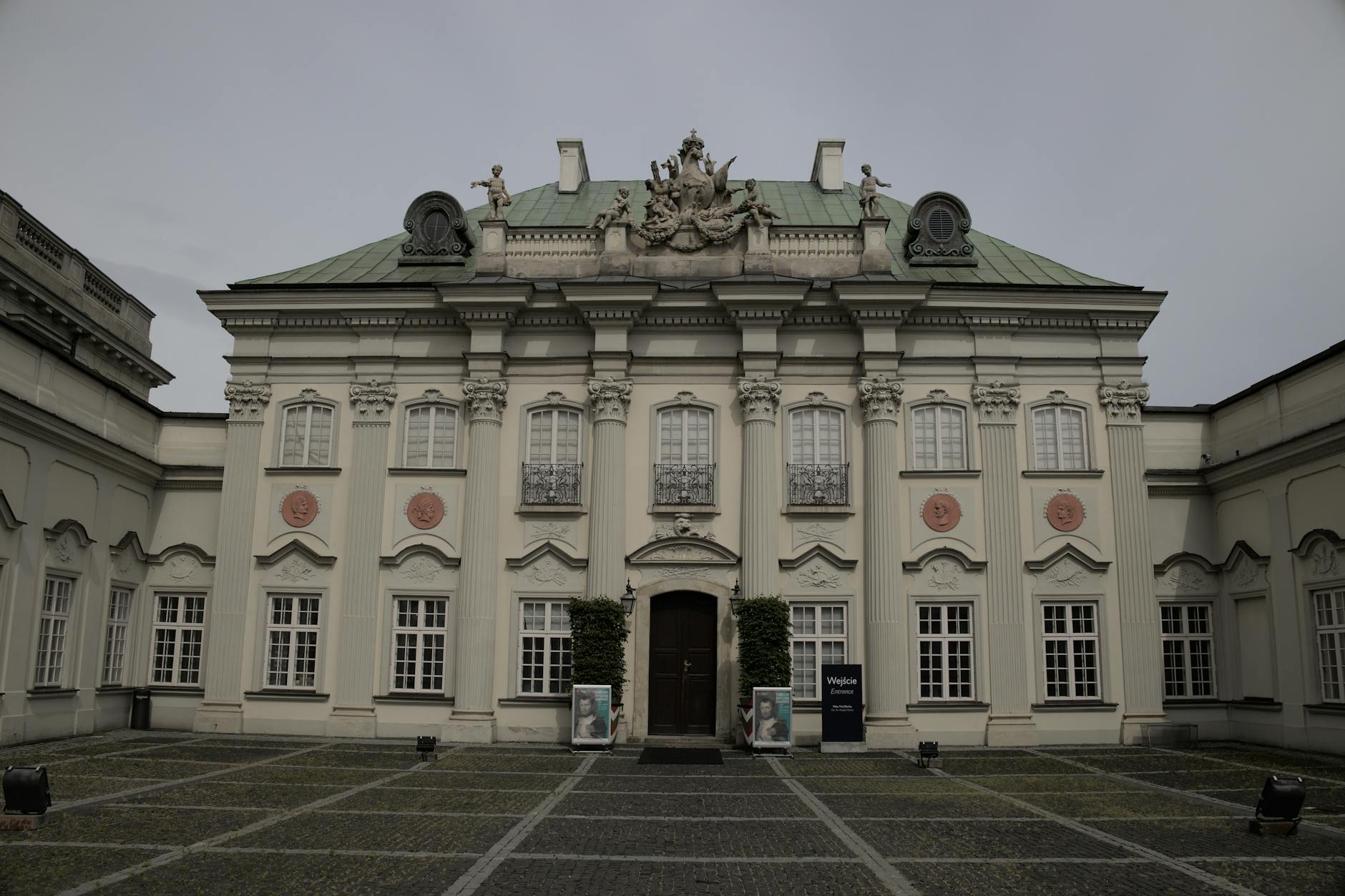
Use parks and the river to reset the day
Tourists often underestimate how useful Warsaw's parks and riverside can be. Lazienki Park, Saxon Garden, and Vistula-side routes can turn a dense sightseeing day into something more balanced. These are not filler stops; they help the city feel lived in.
Open space improves the itinerary.
- Build park or riverside time into full sightseeing days when weather allows.
- Use green space after museums, Old Town crowds, or long transport moves.
- Check daylight, weather, toilets, and return routes before relying on a long outdoor segment.
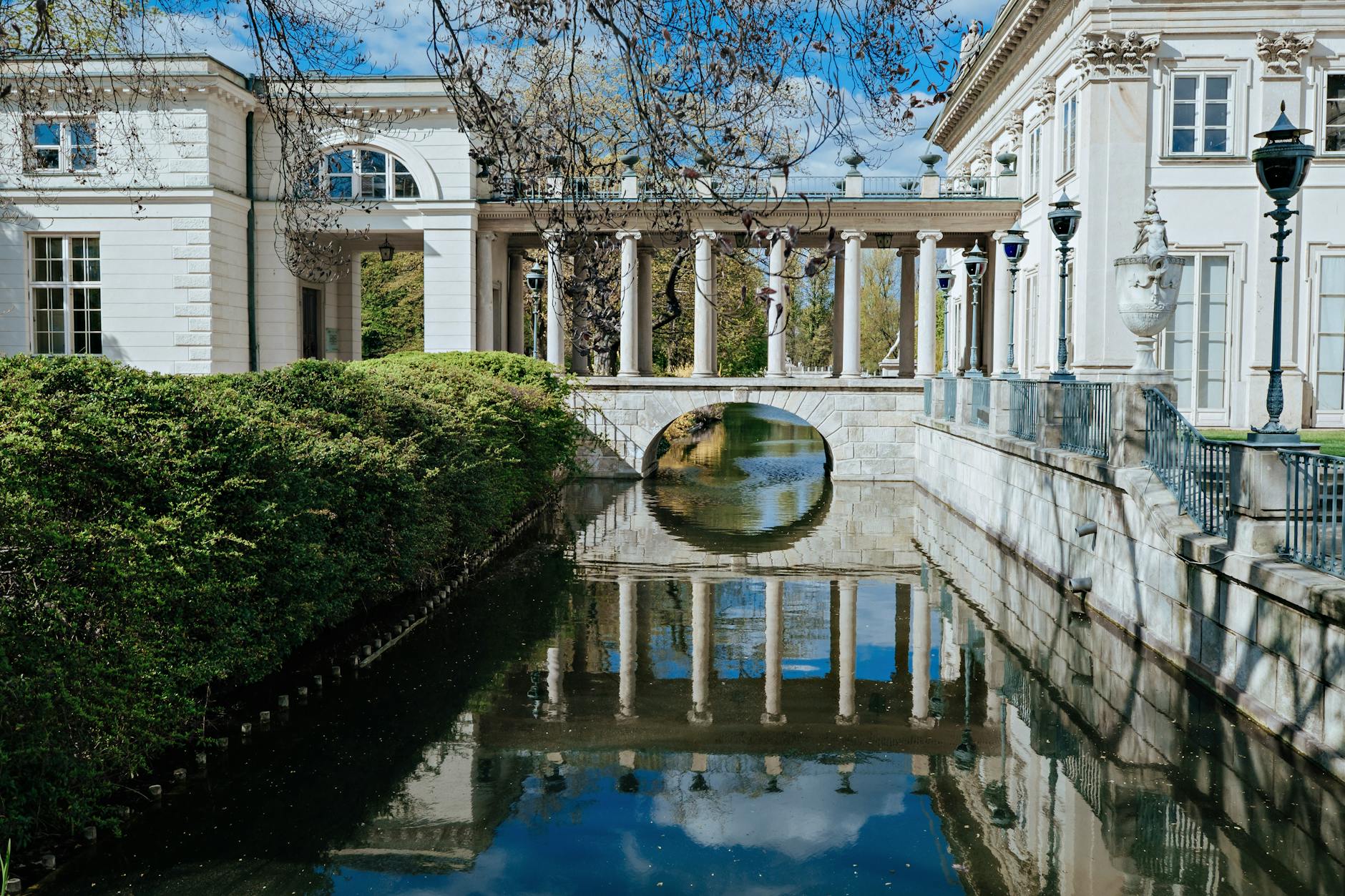
Move by district, not by impulse
Warsaw is easier when tourists stop zigzagging. Public transport, taxis, rideshare, and walking all have a place, but the day should be grouped around areas rather than a scattered list. Weather and traffic can make a casual cross-town plan feel longer than expected.
The route should reduce wasted motion.
- Cluster Old Town, Royal Route, park, museum, Praga, riverside, and city-center plans separately.
- Use public transport for longer moves and save walking for the best streets and parks.
- Check airport or rail station routes before the final day.
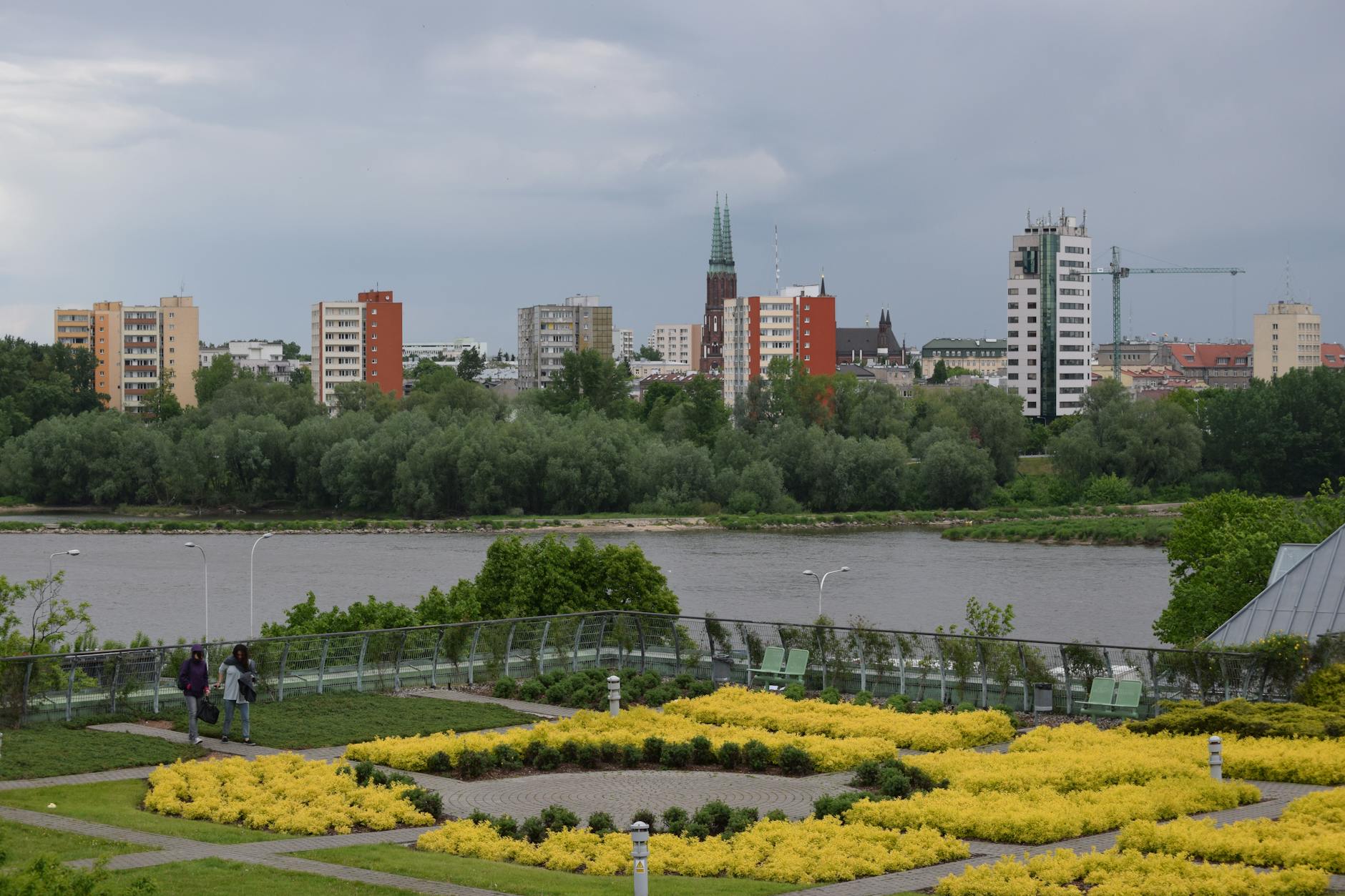
Plan food and evenings before the day runs out
Warsaw can support traditional Polish meals, bakeries, cafes, modern restaurants, casual stops, and evening walks. Tourists should choose dinner by district and return route before the day becomes tired. A good evening should feel like part of the trip, not a recovery problem.
Food and night plans need geography.
- Identify lunch and dinner options near the day's main district before leaving the hotel.
- Reserve key meals when timing or restaurant choice matters.
- Keep evening routes simple, especially in winter, rain, or after a long museum day.
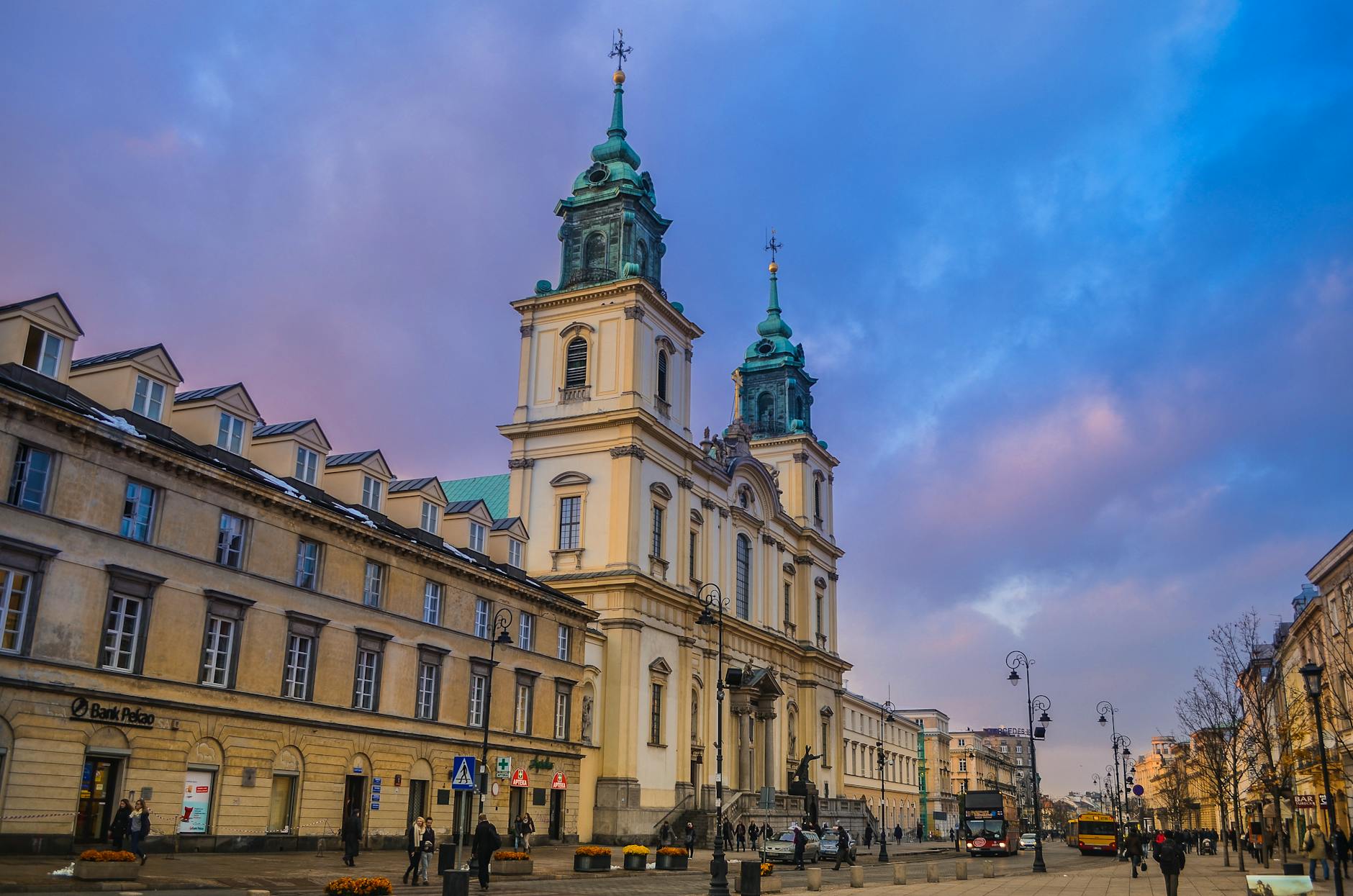
When to order a short-term travel report
A tourist with flexible dates and simple interests may not need a custom report. A report becomes useful when the trip is short, museum-heavy, weather-sensitive, mobility-limited, food-focused, or split across many Warsaw districts.
The report should test hotel area, arrival route, day grouping, Old Town context, museum choices, parks, food, evenings, transport, weather, and departure buffers. The value is a Warsaw tourist trip that feels coherent rather than scattered.
- Order when hotel location, museum choices, route grouping, food, weather, mobility, or departure timing need exact planning.
- Provide dates, arrival mode, hotel candidates, interests, walking tolerance, budget, food preferences, and must-see sights.
- Use the report to keep the visit full without turning it into a rushed checklist.