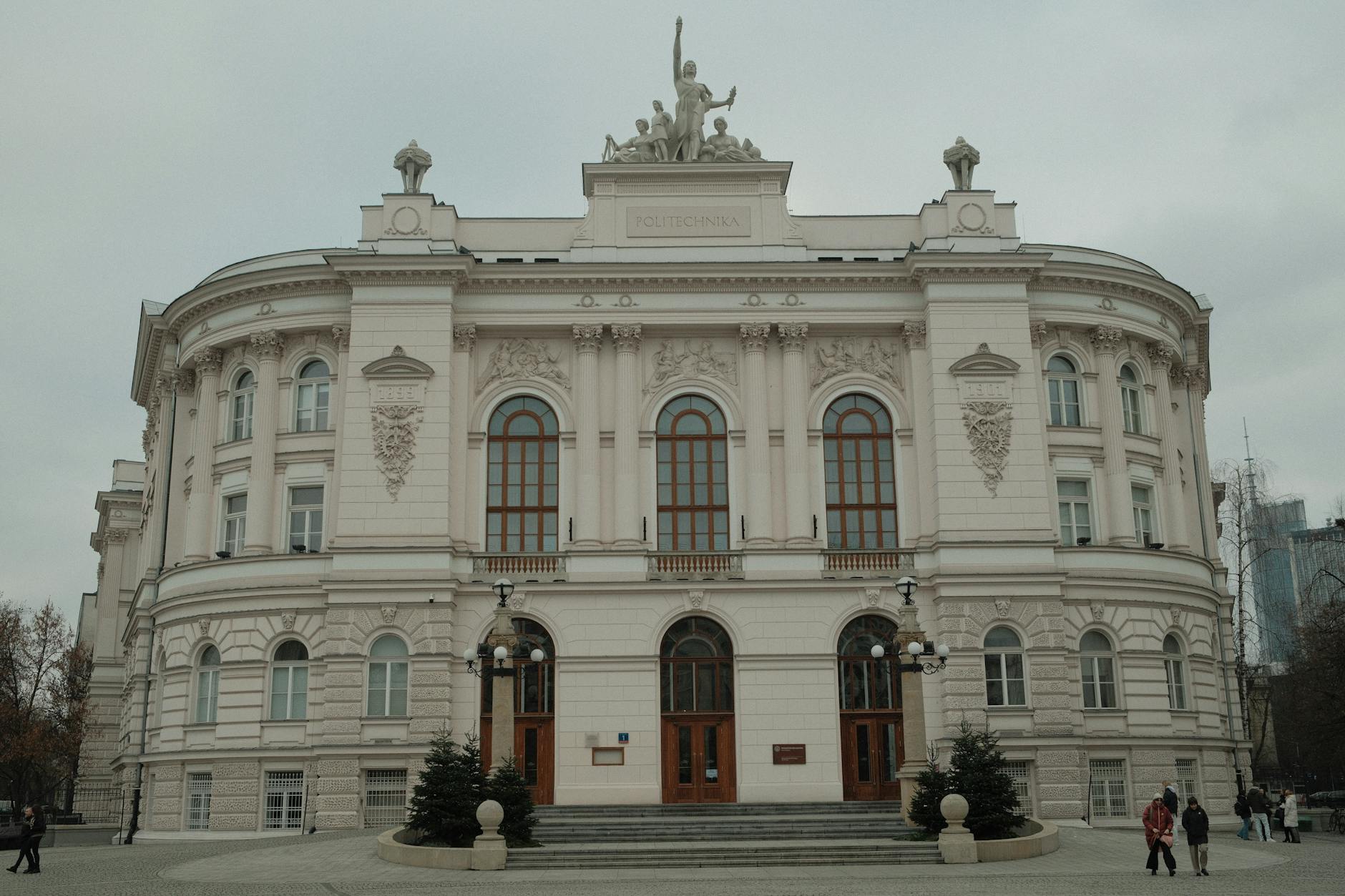
Warsaw can be a strong short-program city for students when the trip is planned around the actual academic footprint. Classrooms, residences, language sessions, site visits, museums, group meals, transit passes, and evening plans all compete for limited time, so the student benefits from a practical plan before the program begins.
Understand the program footprint
A short student program should be planned around its real footprint: classroom, residence, library, language school, partner institution, museum visits, field trips, meal areas, and transit hubs. Warsaw is spread out enough that a vague sense of being in the city is not enough.
The student should know where the week actually happens.
- Map every class site, residence, orientation point, field visit, and group meeting location.
- Check whether days are mostly walkable or depend on metro, tram, bus, or organized transport.
- Keep the program schedule and addresses available offline.

Treat arrival as part of orientation
The first day of a short program is often more demanding than it looks. A student may need to find housing, meet staff, attend orientation, buy transit access, connect to messaging groups, and manage luggage after a long trip. The arrival plan should be simple and written down.
A calm arrival helps the student start learning faster.
- Confirm airport or station arrival instructions, meeting point, check-in time, and emergency contact.
- Carry program documents, medication, chargers, adapters, and one change of clothes in hand luggage.
- Plan the first meal and first night before arrival.
Choose lodging that supports the schedule
Student lodging should be judged by schedule fit, safety, quiet, laundry, food access, curfew or guest rules, and transport more than by style. A cheap room far from the program can drain study time and make late returns harder.
The lodging should make the program easier to follow.
- Check commute time to class at the actual start hour, not just average map time.
- Confirm check-in rules, quiet hours, laundry, kitchen access, luggage storage, and late return policy.
- Stay near classmates or a direct transit route when group movement matters.
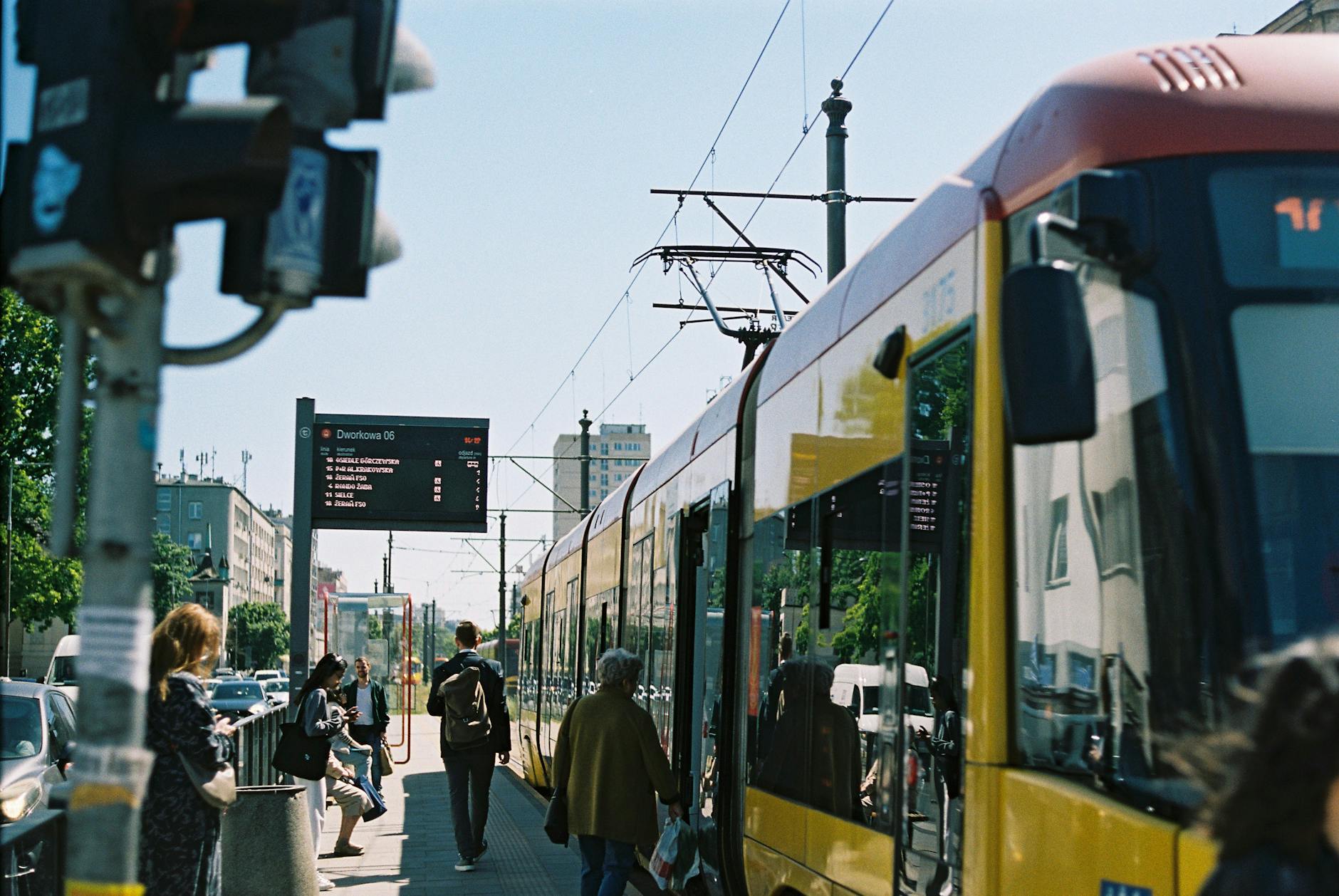
Learn transit before the week fills up
Warsaw's public transport can be useful for students, but a short program leaves little time for confusion. The student should understand tickets, validation, apps, night routes, platform directions, and the route back to lodging before the schedule becomes crowded.
Transit confidence protects both time and budget.
- Check ticket options, student discounts if eligible, validation rules, and the main class commute.
- Save routes for lodging, classroom, grocery stops, museums, and the airport or station.
- Know the late return option before joining evening plans.

Budget for meals and daily basics
A short program budget can fail through small daily costs: breakfast, coffee, lunches, transit, laundry, museum tickets, snacks, SIM or data, and late rides. Warsaw can be manageable, but the student should know which costs are included and which are personal.
A budget should cover the ordinary day, not only the flight and lodging.
- Separate included program meals from meals the student must buy alone.
- Set a daily amount for food, transit, laundry, tickets, and small emergencies.
- Identify grocery stores, bakeries, cafeterias, and low-cost meals near lodging and class.

Keep social time bounded and practical
A student short program usually includes social invitations, group dinners, walks, museums, and nights out. Those can be part of the value, but the student should keep track of return routes, study obligations, group expectations, and next morning commitments.
Good social time should not undermine the program.
- Share evening plans with classmates or program staff when group rules require it.
- Know the route home and keep phone battery, payment, and address details available.
- Leave time for reading, notes, sleep, and the next day's meeting point.

When to order a short-term travel report
A student joining a fully hosted program with clear housing and group transport may not need a custom report. A report becomes useful when the student must choose lodging, navigate independently, manage a tight budget, arrive alone, handle accessibility or medical needs, or fit personal sightseeing around class.
The report should test program geography, arrival route, lodging fit, transit options, meal budget, study time, social plans, weather, and departure timing. The value is a Warsaw short program that feels organized before the first class begins.
- Order when lodging, arrival, class routes, transit, budget, meals, social plans, or departure timing need exact planning.
- Provide dates, program address, lodging choices, arrival details, budget, mobility or medical needs, interests, and rules from the school.
- Use the report to make the short stay easier to follow and easier to learn from.