
Warsaw can be productive for a sales trip when the traveler treats the city as a working map rather than a simple stop between flights. Clients may be in central towers, Wola, Mokotow, hotel meeting rooms, industrial areas, or sites outside the core, so the strongest trip protects punctuality, presentation quality, and follow-up energy.
Prioritize the sales map before flights
A Warsaw sales trip should start with the client map: offices, procurement meetings, distributor visits, demos, dinners, hotel, station, and airport. A single meeting in the city center is different from a day split between Wola, Mokotow, and an outer business park.
The sales route should be built around the most important conversation.
- List every client address, meeting owner, arrival window, visitor rule, and dinner location before booking lodging.
- Group meetings by district when possible instead of crossing the city repeatedly.
- Keep the highest-value meeting away from the tightest transfer of the trip.

Arrive ready for the first meeting
Sales travel often fails in the first few hours. A delayed flight, missing sample, tired arrival, or bad transfer can weaken the opening meeting before the traveler has said much. Warsaw Chopin Airport is close enough to make quick trips possible, but the first client obligation still deserves buffer time.
Arrival should support the pitch, not compete with it.
- Arrive the previous evening when the first meeting is senior, competitive, or hard to reschedule.
- Carry core pitch materials, demo devices, chargers, samples, and client notes in hand luggage.
- Save client addresses, Polish contact names, and backup transport options offline.
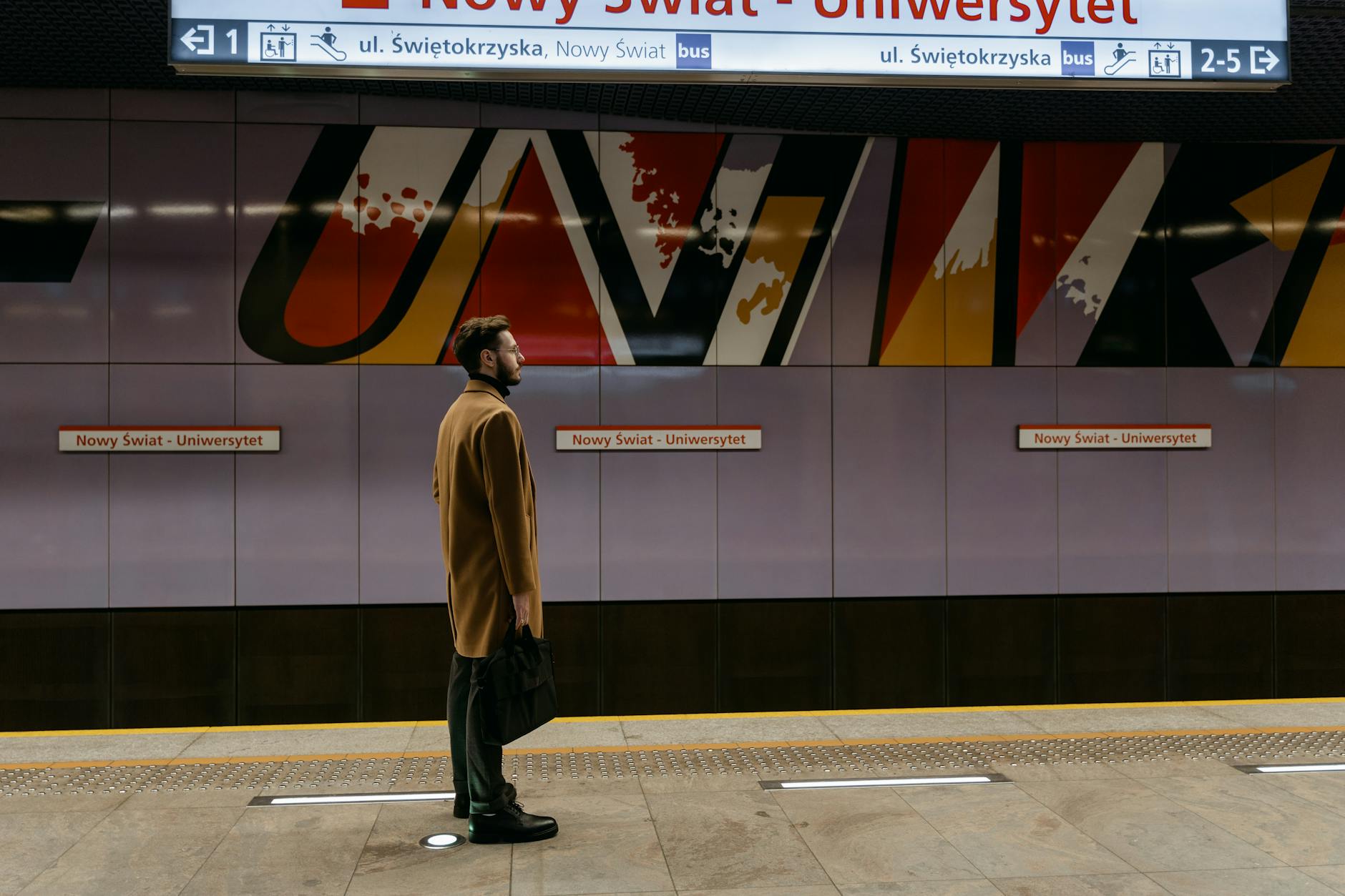
Choose a hotel that supports follow-up
The best sales hotel is the one that helps the traveler prepare, recover, and follow up. Quiet rooms, strong Wi-Fi, breakfast timing, desk space, taxi pickup, luggage storage, and lobby meeting suitability may matter more than a scenic address.
The room is part of the sales process.
- Check desk space, call privacy, Wi-Fi, breakfast hours, and easy pickup before choosing the hotel.
- Stay near the densest meeting cluster or near the final departure point when timing is tight.
- Avoid a hotel that makes every client visit a separate commute.
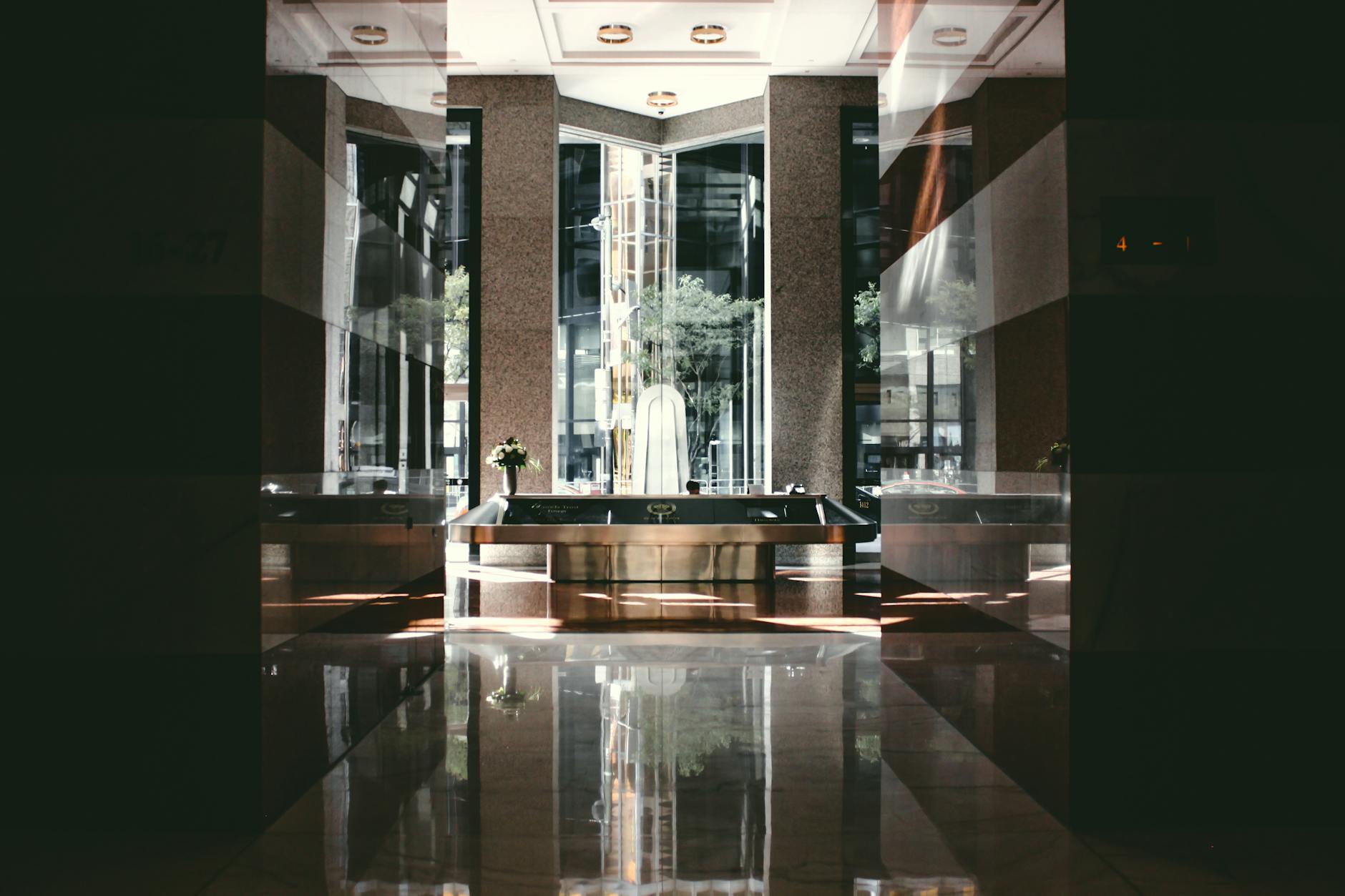
Protect pitch materials and devices
Sales travelers often depend on small items that are hard to replace during a short stay: demo kits, product samples, adapters, pricing sheets, local-language materials, client-specific slides, and signed documents. The traveler should know what must be carried personally and what can be printed or replaced in Warsaw.
A good presentation needs a backup plan.
- Carry the irreplaceable items and know where to print, scan, or buy basic replacements.
- Keep offline copies of slides, price lists, product sheets, and meeting notes.
- Separate public marketing material from confidential client-specific files.

Build buffers between calls
Warsaw transport can be efficient, but sales days should not be stacked as if every client meeting ends on time and every transfer is clean. Visitor desks, elevators, road traffic, weather, and longer conversations can all push the day out of shape.
The schedule should leave room for the sale to breathe.
- Add time for reception, security, elevators, coats, laptops, and meeting overruns.
- Use taxis or rideshare when punctuality matters more than fare savings.
- Keep one flexible slot for urgent follow-up, a promising lead, or a meeting that runs long.
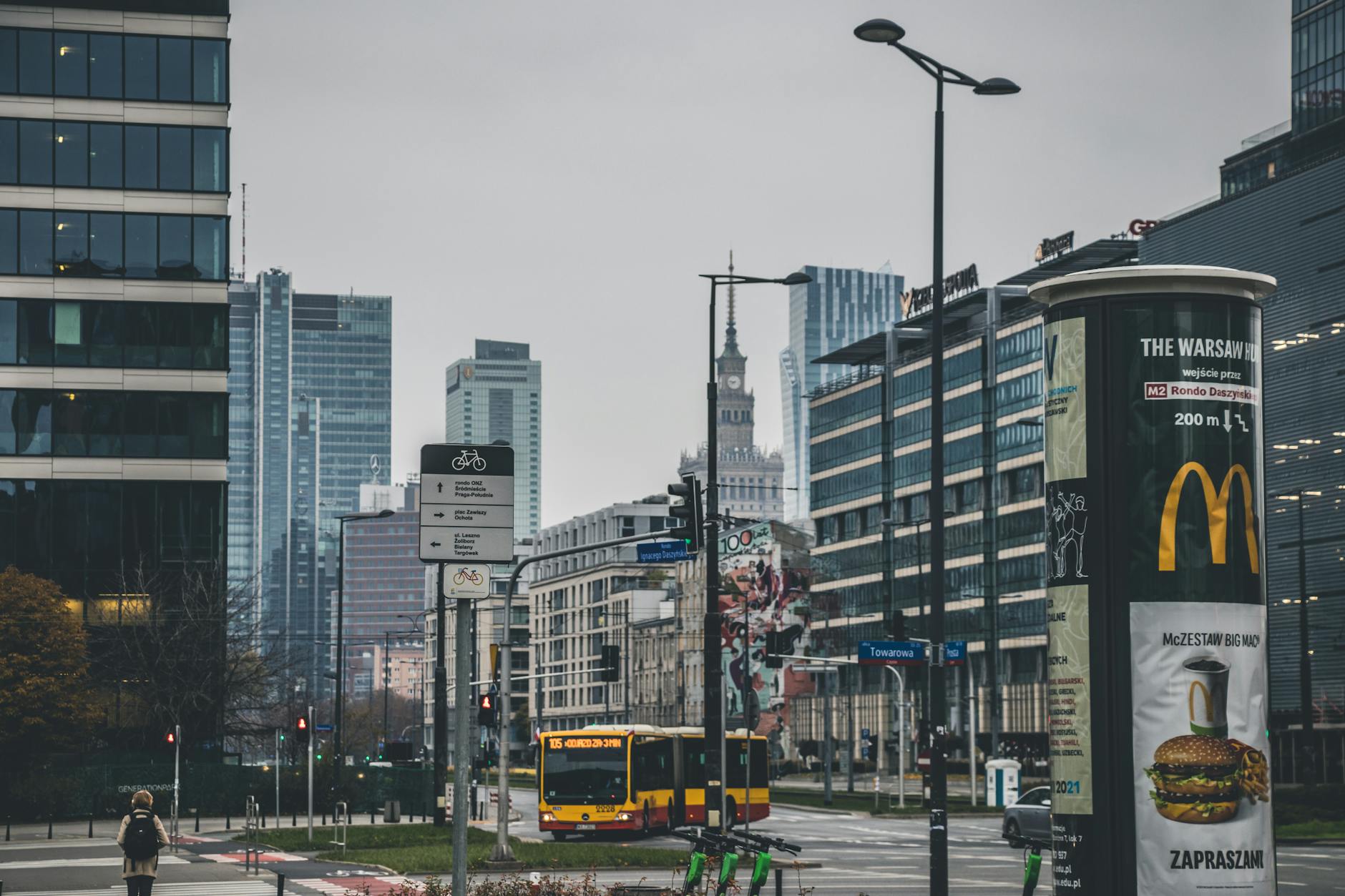
Use client meals with restraint
Client dinners, coffee meetings, and informal drinks can be useful in Warsaw, but they should be tied to a clear sales purpose. A late dinner across town may help a relationship, or it may drain the traveler before a morning negotiation. The plan should protect both connection and recovery.
The evening should serve the next step.
- Reserve meals near the client office, hotel, or next morning route when timing matters.
- Leave time after dinner for notes, internal updates, and follow-up messages.
- Avoid adding late social plans when the next day depends on a sharp presentation.
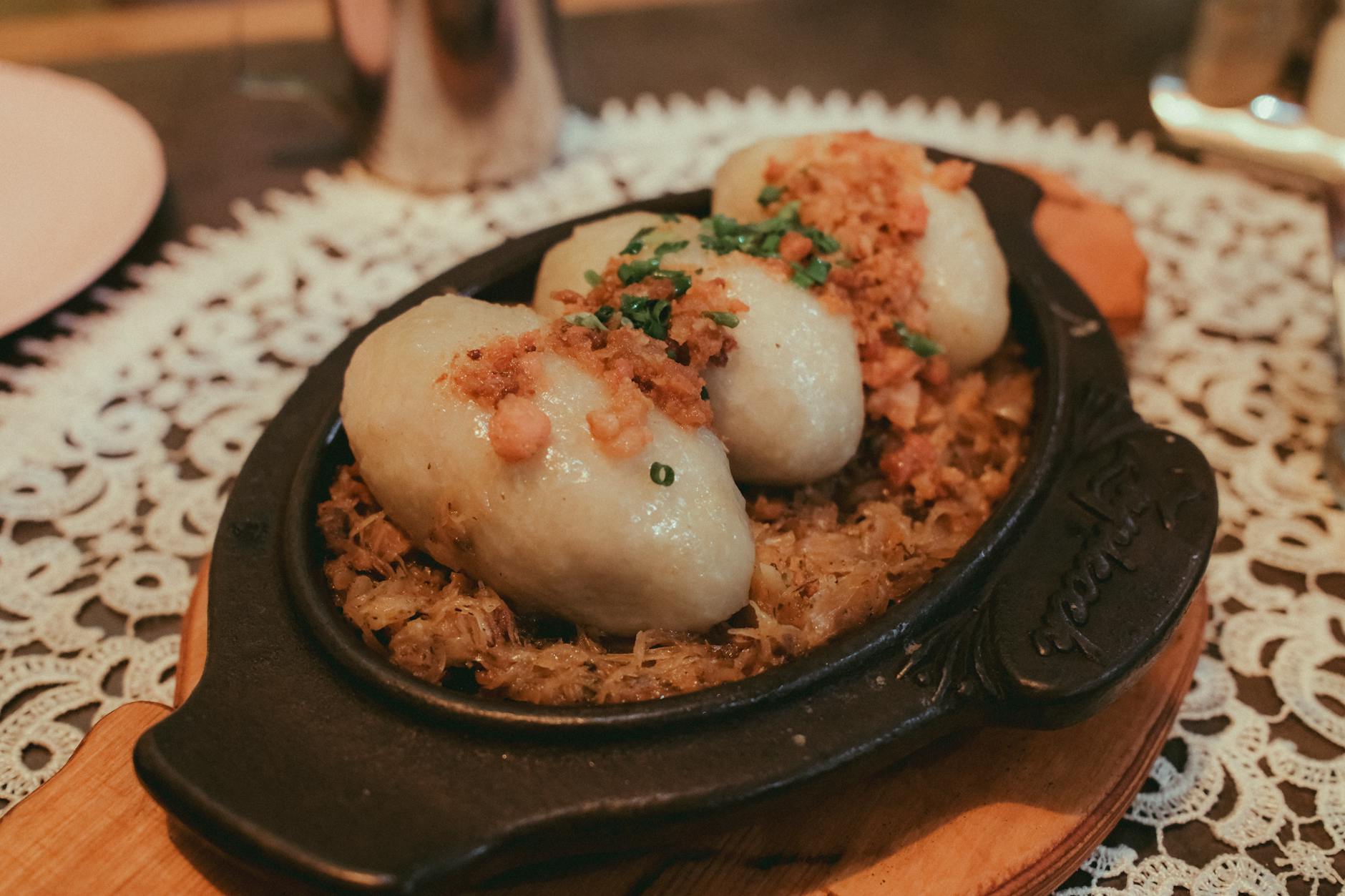
When to order a short-term travel report
A sales traveler with one hosted meeting and a flexible return may not need a custom report. A report becomes useful when the trip includes multiple client sites, samples, senior meetings, tight flights, dinner obligations, winter weather, or uncertainty about where to stay.
The report should test client geography, arrival timing, hotel placement, transport buffers, materials handling, meal locations, follow-up windows, weather, and departure reliability. The value is a Warsaw sales trip that keeps the commercial purpose stronger than the travel friction.
- Order when client locations, flights, lodging, samples, meeting buffers, dinners, or departure timing need exact planning.
- Provide dates, client addresses, meeting priority, hotel candidates, materials list, dinner plans, budget, and departure deadline.
- Use the report to protect punctuality, presentation quality, and follow-up time.