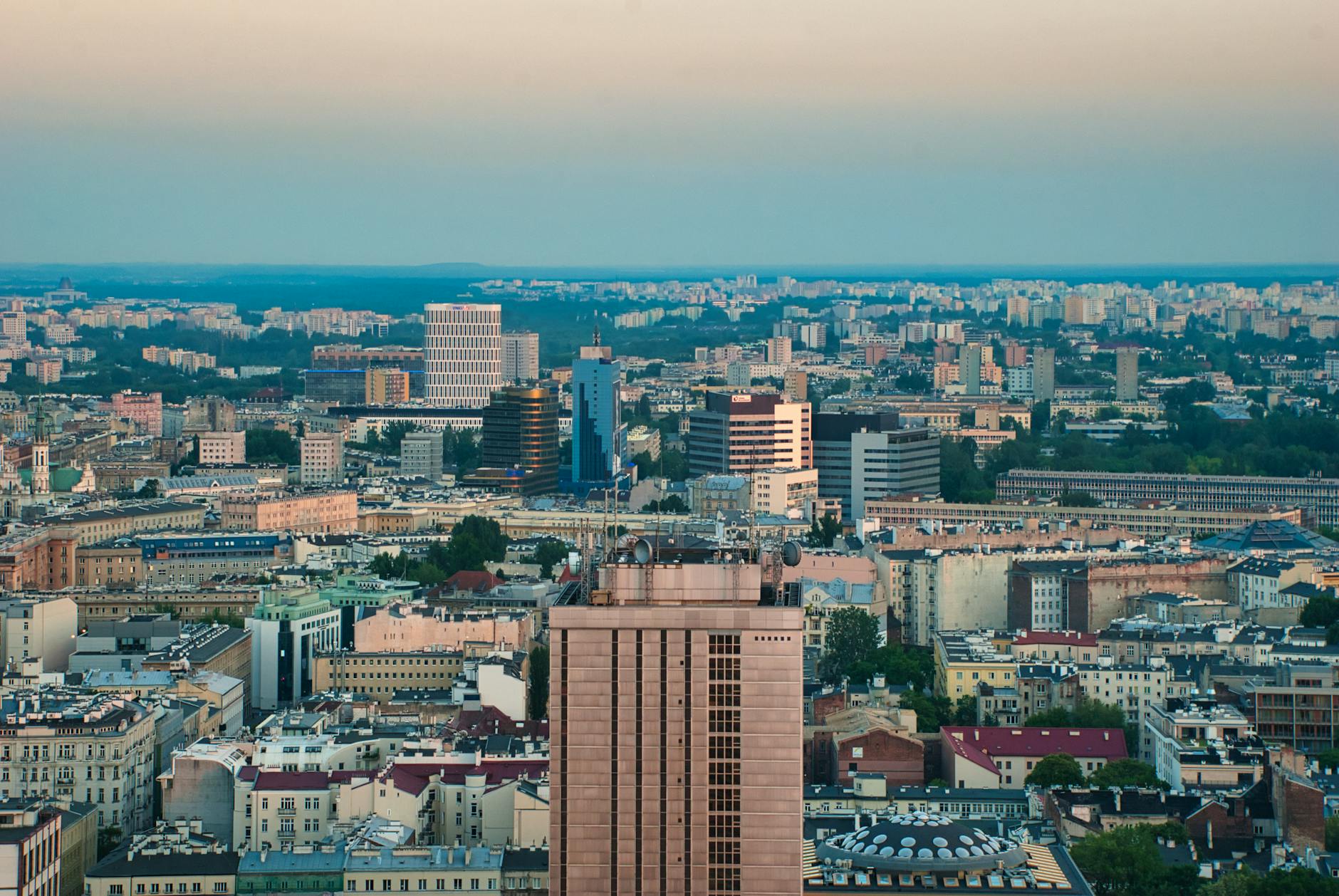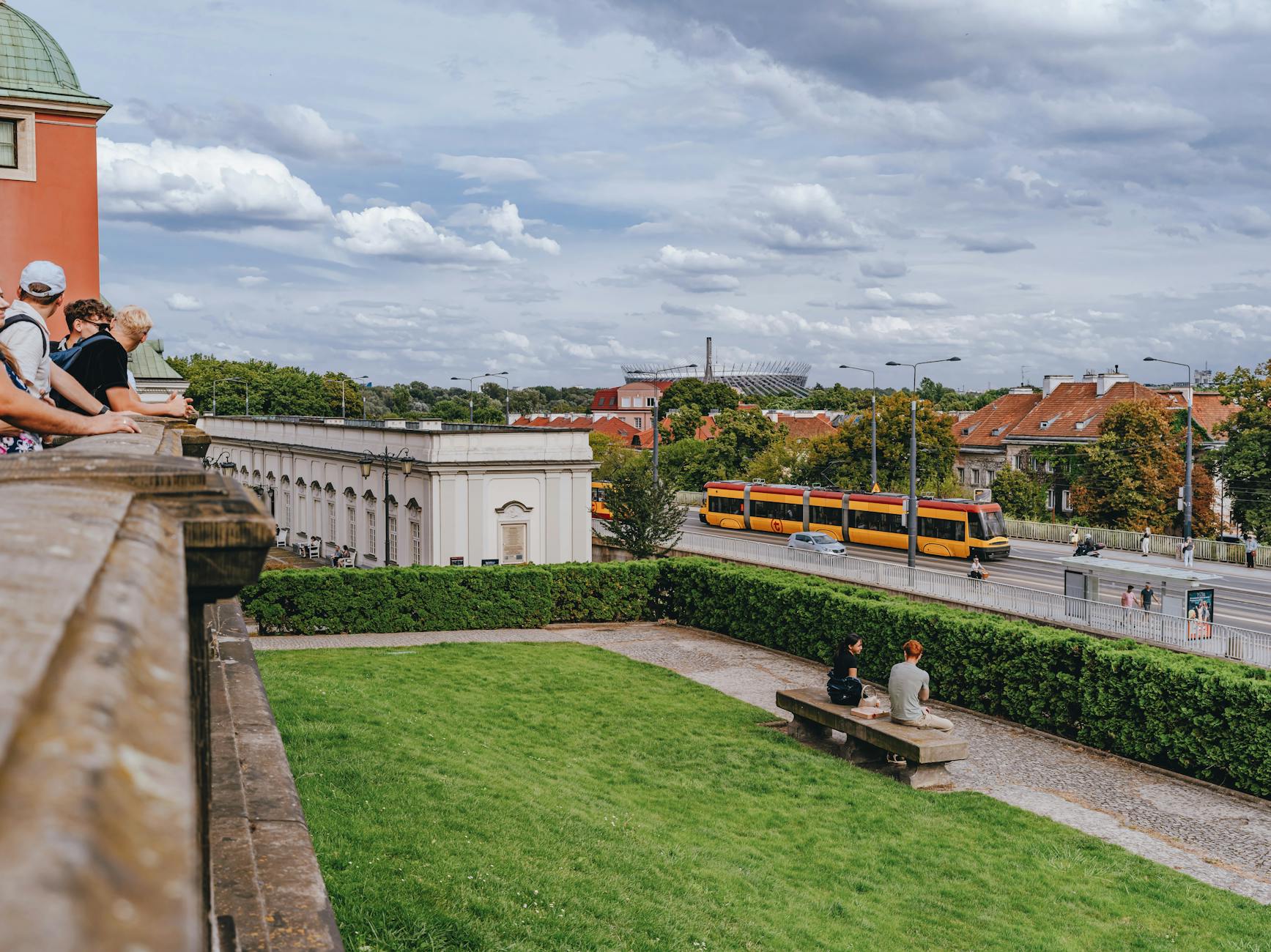
A repeat leisure visitor can use Warsaw differently from a first-time tourist. The return trip does not need to prove the Old Town again, though it may still include it. The better question is what kind of Warsaw the traveler wants this time: neighborhoods, food, galleries, parks, riverside time, architecture, concerts, or simply a slower version of the city.
Decide why this return is different
A repeat Warsaw visit should not simply replay the first itinerary with less energy. The traveler should decide whether this trip is about food, Praga, Powisle, modern architecture, parks, galleries, music, friends, shopping, or a slower stay. That purpose should shape the hotel and days.
A return visit needs a new center of gravity.
- Choose one or two themes for the return instead of repeating every first-visit landmark.
- Revisit the Old Town only if it supports this trip, not out of obligation.
- Pick a hotel area that matches the new focus.
Explore neighborhoods with a lighter schedule
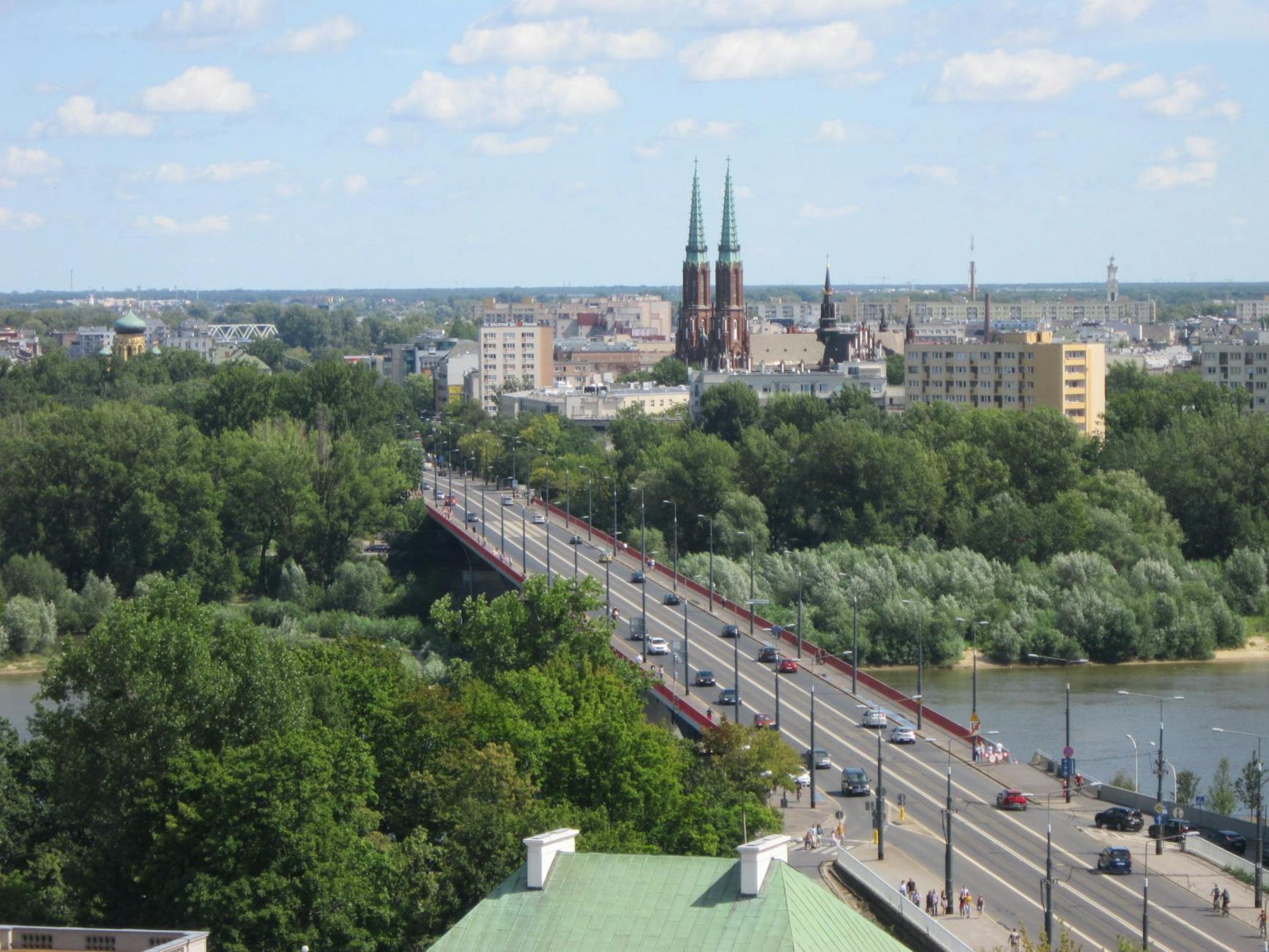
Repeat leisure travel is where Warsaw neighborhoods become more rewarding. Praga, Powisle, Mokotow, Wola, the river, and quieter residential edges can all work, but they need time. The traveler should not turn a neighborhood day into another forced checklist.
The return trip can be slower and better.
- Give each neighborhood enough time for walking, coffee, food, and small discoveries.
- Use public transport or rideshare to connect districts cleanly rather than walking long low-value stretches.
- Keep room for weather changes and local recommendations after arrival.
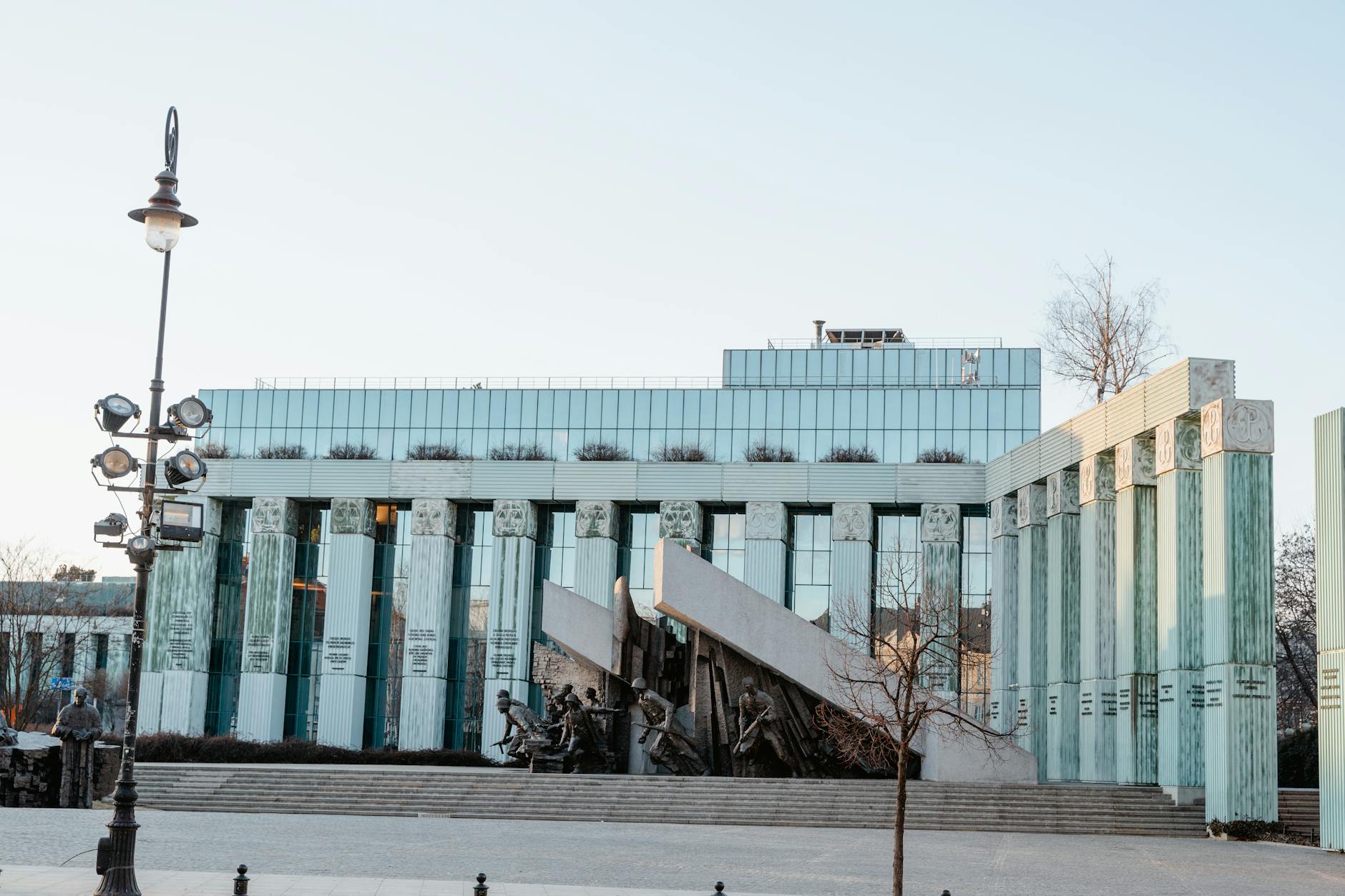
Use architecture and modern Warsaw deliberately
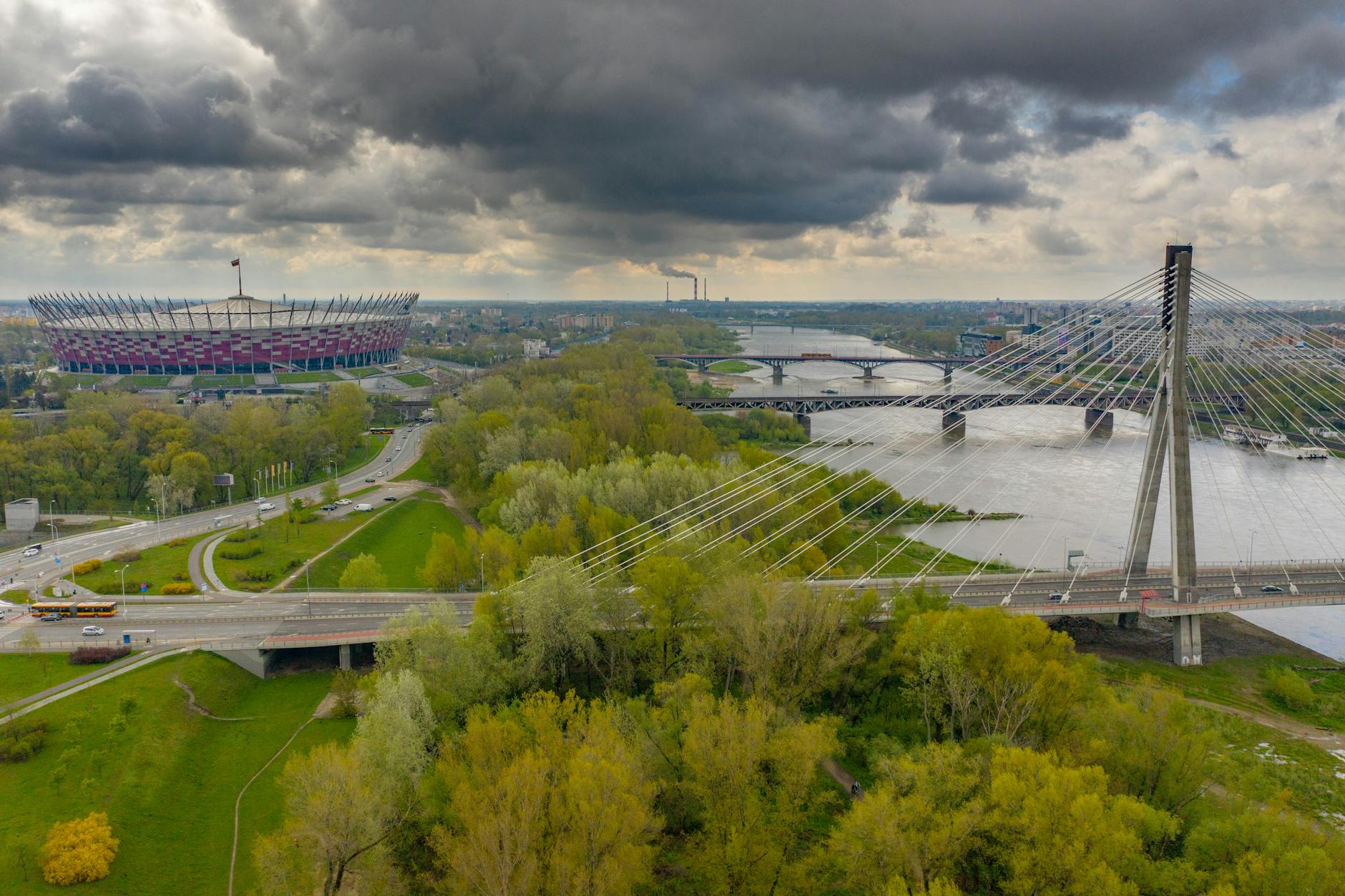
A returning visitor can give more attention to modern Warsaw: Wola towers, postwar planning, contemporary museums, new restaurants, and the contrast between rebuilt heritage and present-day city life. This part of Warsaw is easier to appreciate when it is not competing with first-time landmark pressure.
The modern city deserves its own time.
- Build a route around architecture, public space, and contemporary districts rather than only historic sights.
- Use a guide or reading if the urban history matters to the traveler.
- Pair modern areas with restaurants, galleries, or evening plans nearby.
Plan culture by season
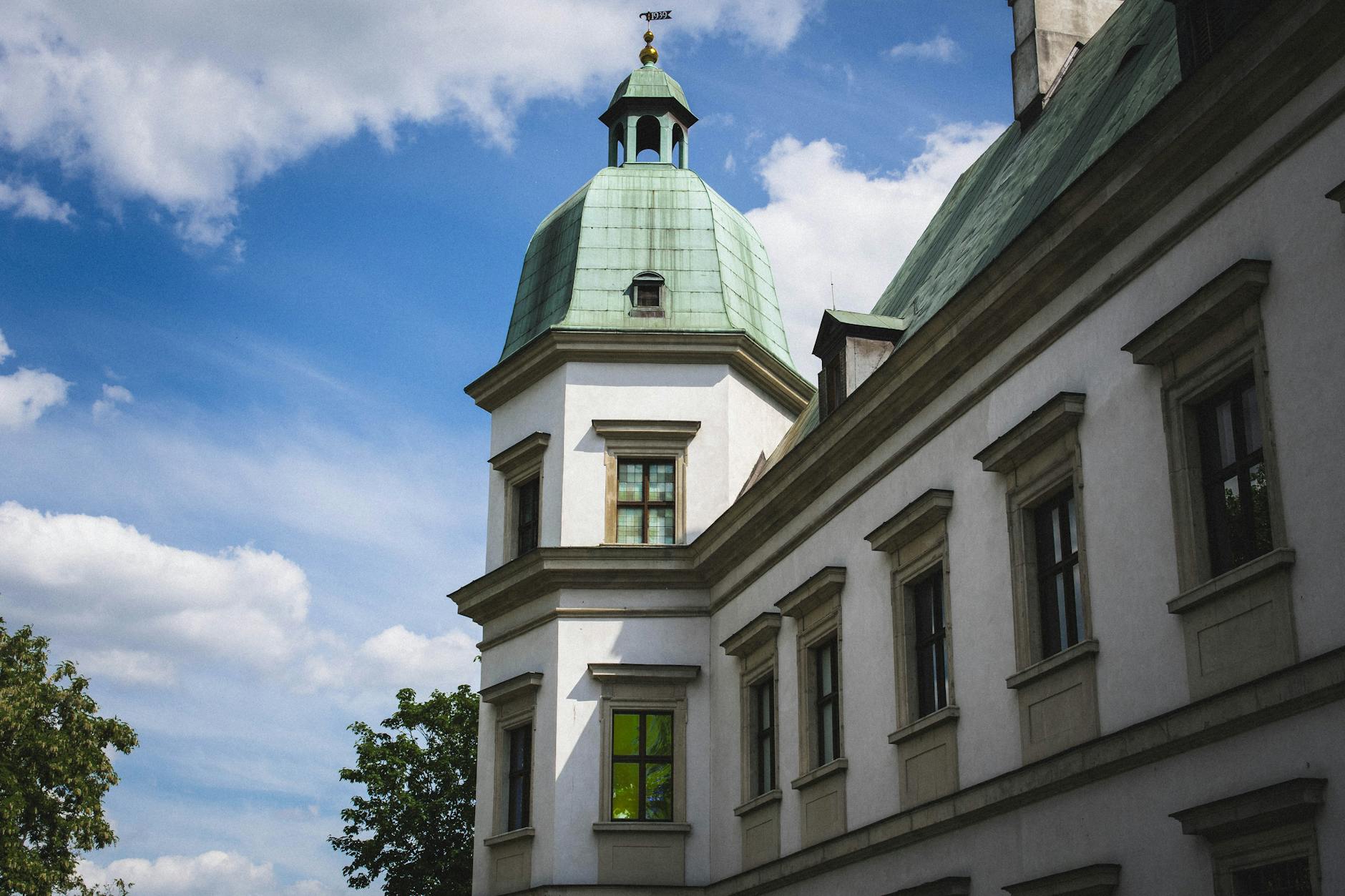
Warsaw's cultural calendar can change the value of a return visit. Concerts, exhibitions, festivals, gallery shows, seasonal park life, and holiday periods can make the city feel different from the first trip. A repeat visitor should check what is actually happening on the travel dates.
Timing can give the return a reason.
- Check museum exhibitions, concert schedules, gallery openings, festivals, and seasonal park events.
- Book limited-capacity cultural plans before arrival when they anchor the trip.
- Keep one flexible slot for an exhibition or event discovered after landing.
Let food become a primary route
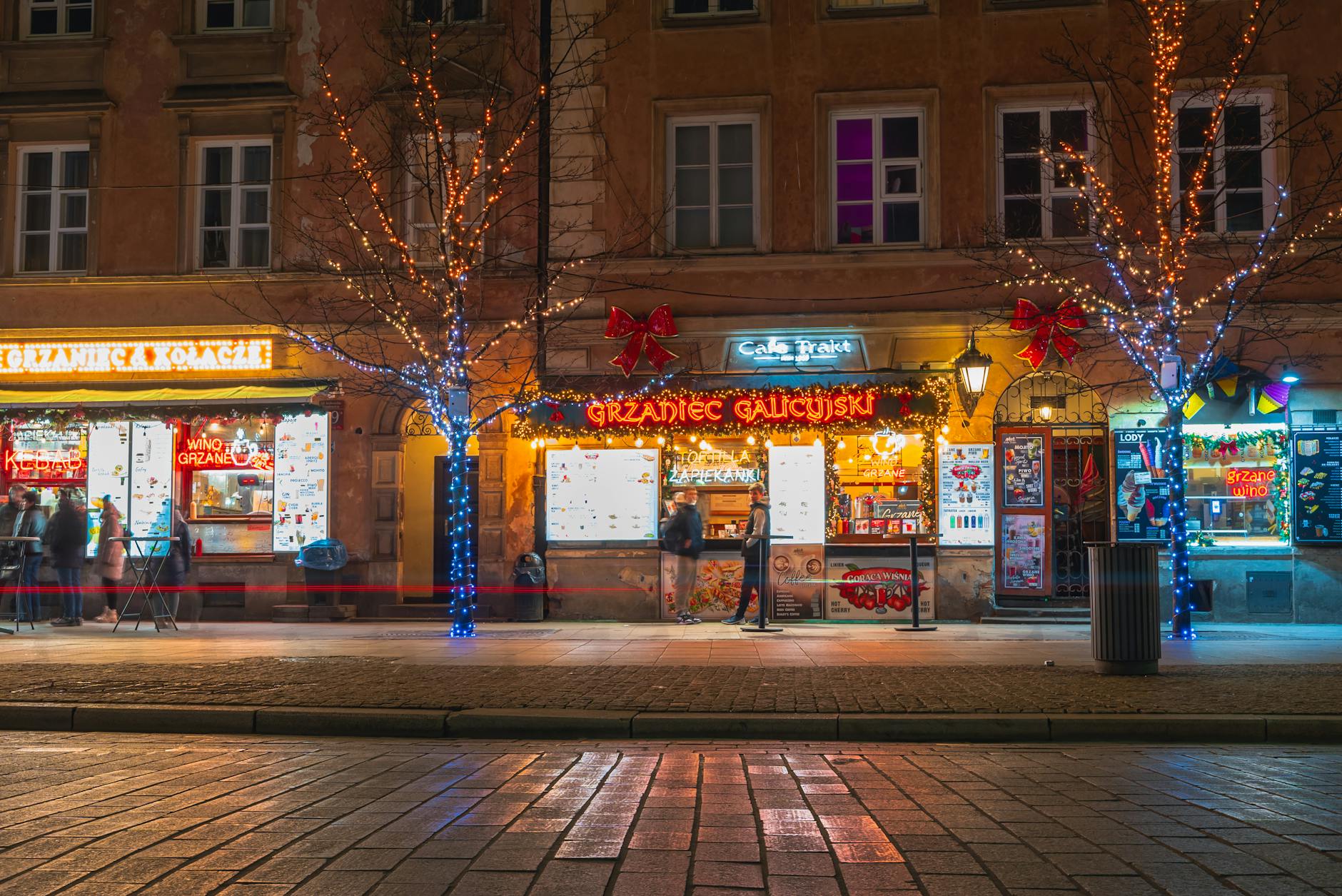
Repeat leisure visitors can use food more intelligently than first-timers who are rushing between landmarks. Warsaw can support traditional Polish meals, modern dining, cafes, bakeries, markets, bars, and neighborhood eating. The key is to plan food by district rather than chasing isolated names all day.
Meals can carry the itinerary.
- Choose food goals by neighborhood and time of day.
- Reserve important restaurants and keep casual backups near the hotel.
- Use markets, cafes, and bakeries as part of the day's walking rhythm.
Keep evenings more intentional
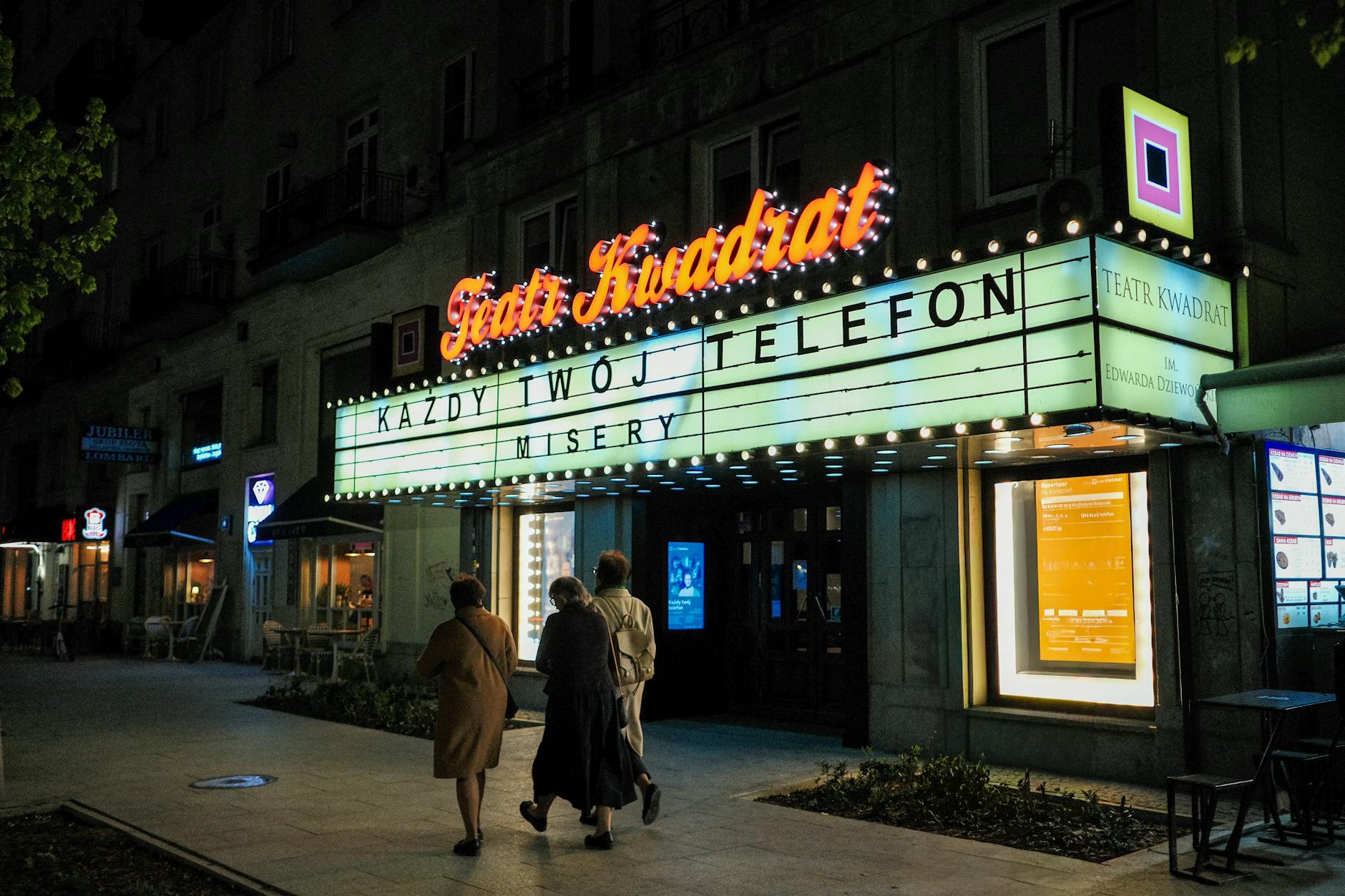
A returning traveler can choose better Warsaw evenings because the first-trip pressure is lower. Concerts, wine bars, neighborhood restaurants, riverside walks, hotel lounges, or relaxed old-town revisits can all work. The evening should match the neighborhood and the next morning's plan.
The return visit should not waste nights on indecision.
- Choose evening districts around dinner, culture, transport, and the hotel return route.
- Avoid late cross-town movement unless the event is worth it.
- Use quieter evenings to make the next day better rather than filling every night automatically.
When to order a short-term travel report
A repeat leisure visitor who knows Warsaw well may not need a custom report. A report becomes useful when the traveler wants a new neighborhood strategy, better food planning, seasonal culture, slower pacing, hotel reconsideration, weather backups, or a focused return around a specific interest.
The report should test the return purpose, hotel area, neighborhood routes, food, galleries, events, parks, transport, weather, and departure buffers. The value is a second or third Warsaw trip that feels distinct instead of vaguely familiar.
- Order when the return needs new neighborhoods, food, culture, hotels, weather backups, or slower route design.
- Provide previous Warsaw experience, dates, hotel ideas, interests, food preferences, walking tolerance, budget, and must-avoid items.
- Use the report to make the repeat visit feel intentionally different.