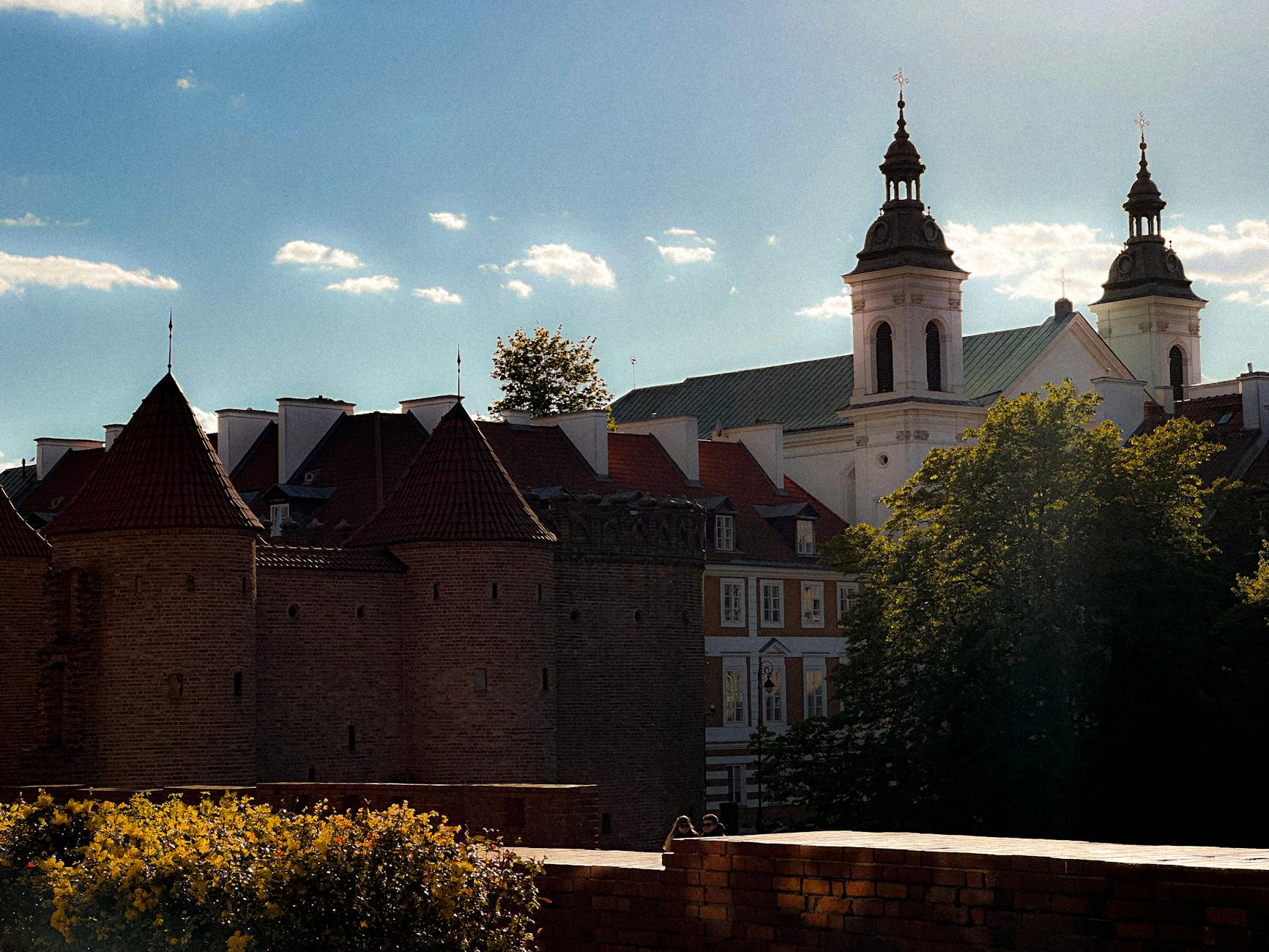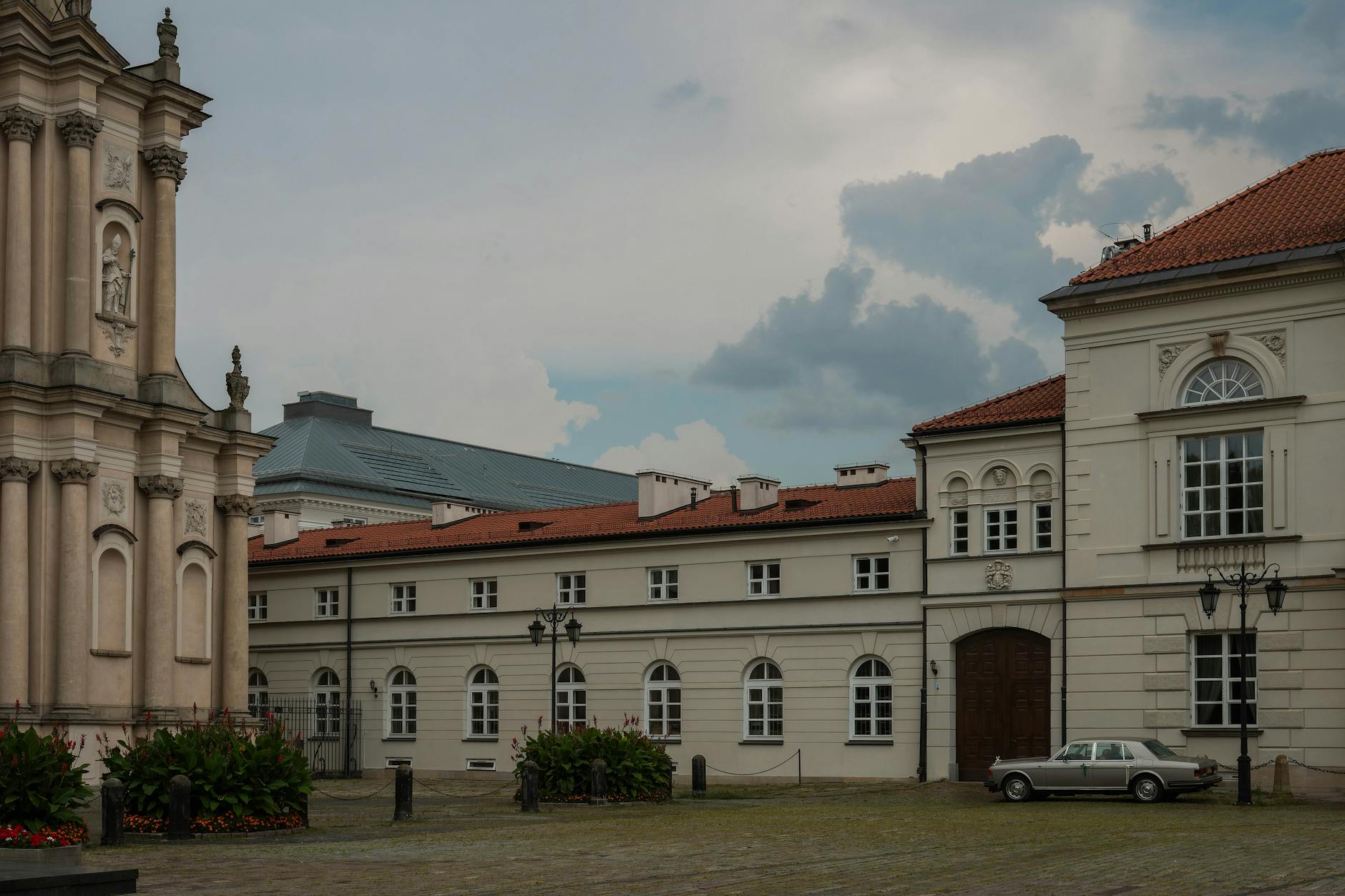
Warsaw can support a short religious or pilgrimage trip when the traveler treats sacred spaces as active places, not only itinerary stops. Churches, memorials, Jewish heritage sites, cemeteries, museums, and quiet districts may all be part of the visit, but timing, etiquette, transport, and emotional pacing need careful handling.
Define the purpose of the visit
A religious or pilgrimage trip can have several different purposes: worship, family heritage, church history, Jewish memory, Catholic pilgrimage, interfaith learning, retreat, or quiet reflection. The traveler should name the purpose before choosing sites, because the right pace for prayer is not the same as the right pace for sightseeing.
The trip should be organized around meaning, not just proximity.
- Identify whether the trip centers on services, heritage, memorials, museums, cemeteries, or personal reflection.
- Separate essential sacred stops from optional cultural stops.
- Leave space for quiet time after emotionally heavy sites.
Check worship times and site access
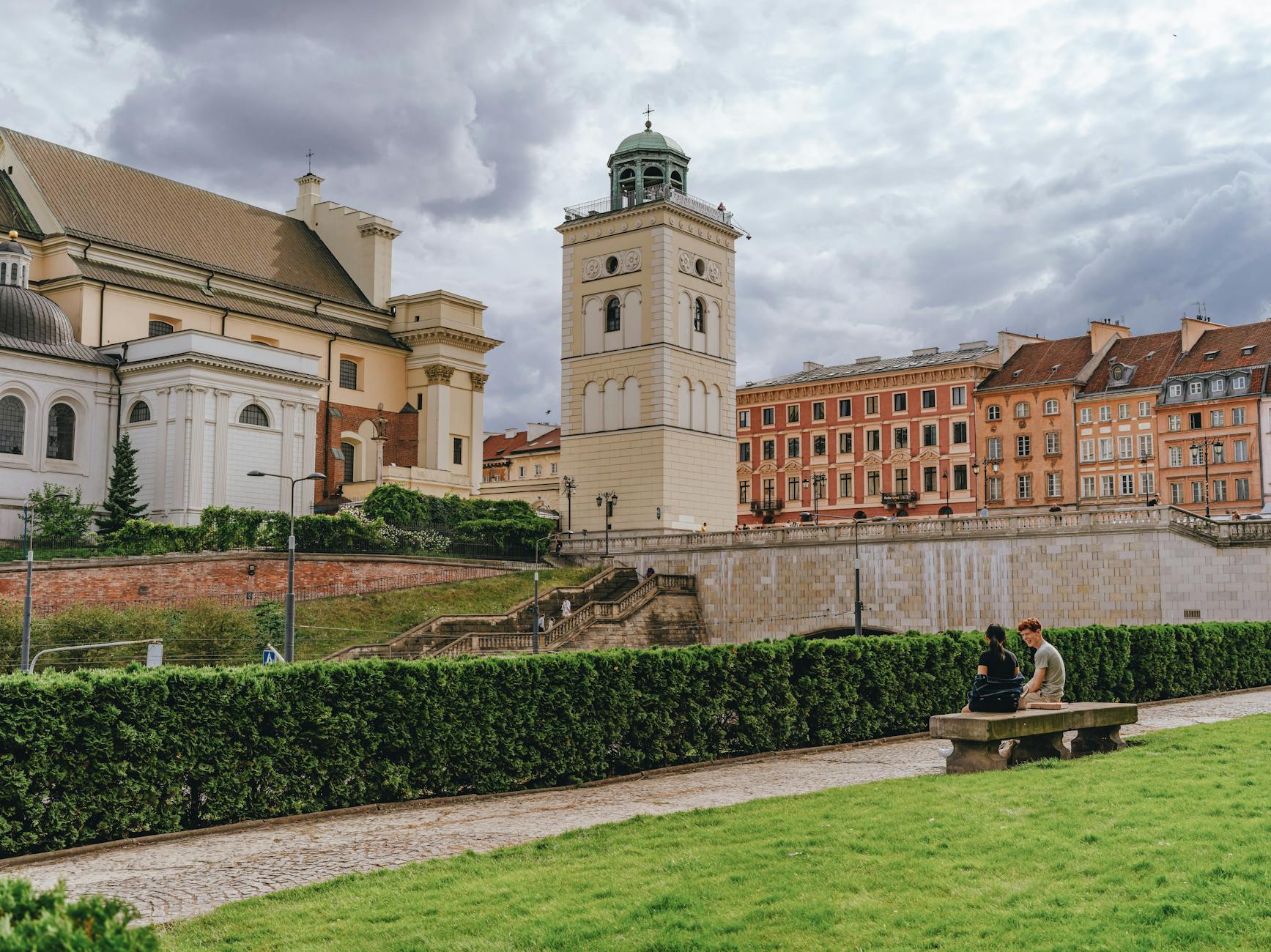
Warsaw's sacred places do not all operate like museums. Services, private ceremonies, repairs, security rules, holidays, and seasonal hours can change what is possible. A traveler who wants Mass, prayer time, synagogue access, a cemetery visit, or a guided heritage stop should confirm timing before arrival.
Access should be treated as part of the route.
- Check service times, visiting hours, holiday closures, cemetery rules, and any need for advance contact.
- Confirm whether photography, bags, groups, or guided visits are restricted.
- Build backup sacred or quiet spaces into each day.
Respect active worship spaces
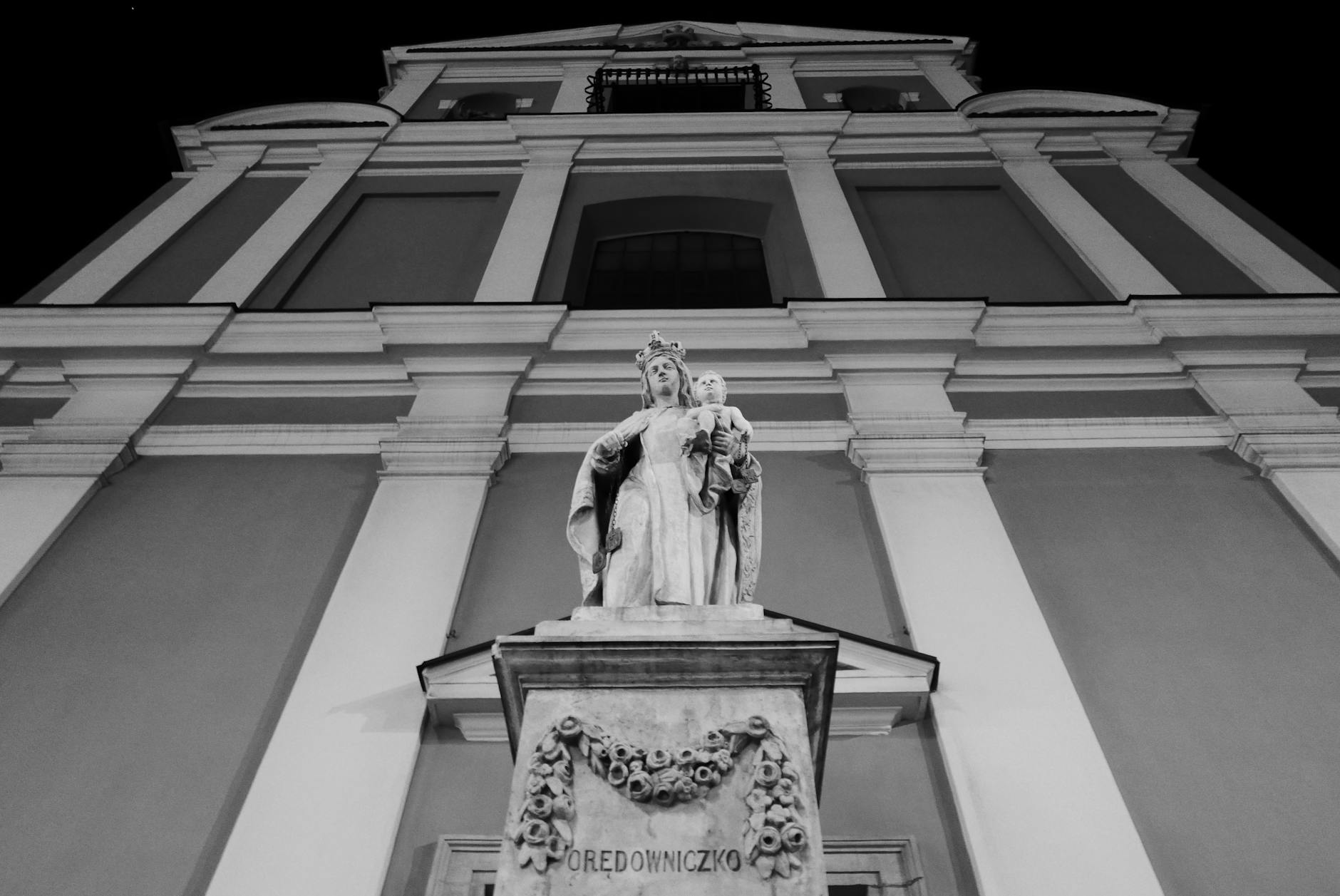
The traveler should assume that churches, synagogues, memorial spaces, and cemeteries are lived spiritual and historical settings. Dress, voice, photography, seating, group movement, and timing matter. A short stay is not an excuse to rush through someone else's place of prayer.
Respect is part of the pilgrimage.
- Dress conservatively enough for churches, memorials, cemeteries, and formal visits.
- Keep phones, cameras, and conversations discreet around worshippers and mourners.
- Avoid interrupting services or private ceremonies for photos or schedule pressure.
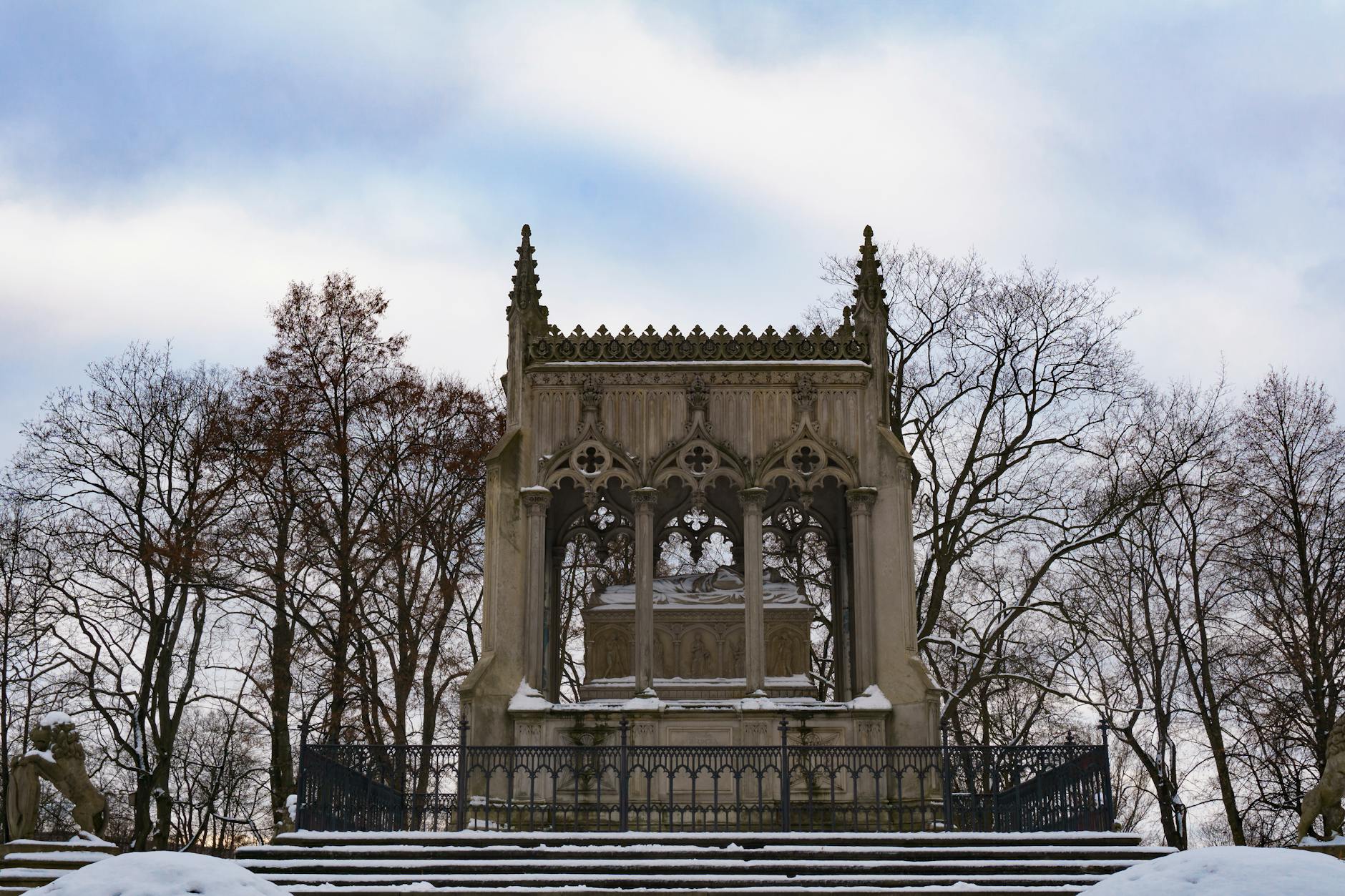
Handle historical memory carefully
Warsaw's religious and pilgrimage routes can include heavy history: wartime destruction, Jewish memory, resistance, rebuilding, cemeteries, and memorial museums. These places deserve more time and less casual behavior than a normal sightseeing stop. The traveler should avoid packing too many painful sites into one day.
Memory work needs space.
- Pair emotionally demanding sites with slower meals, quiet walks, or hotel rest.
- Read basic context before visiting memorials, cemeteries, or Jewish heritage sites.
- Avoid treating memorial settings as content backdrops.
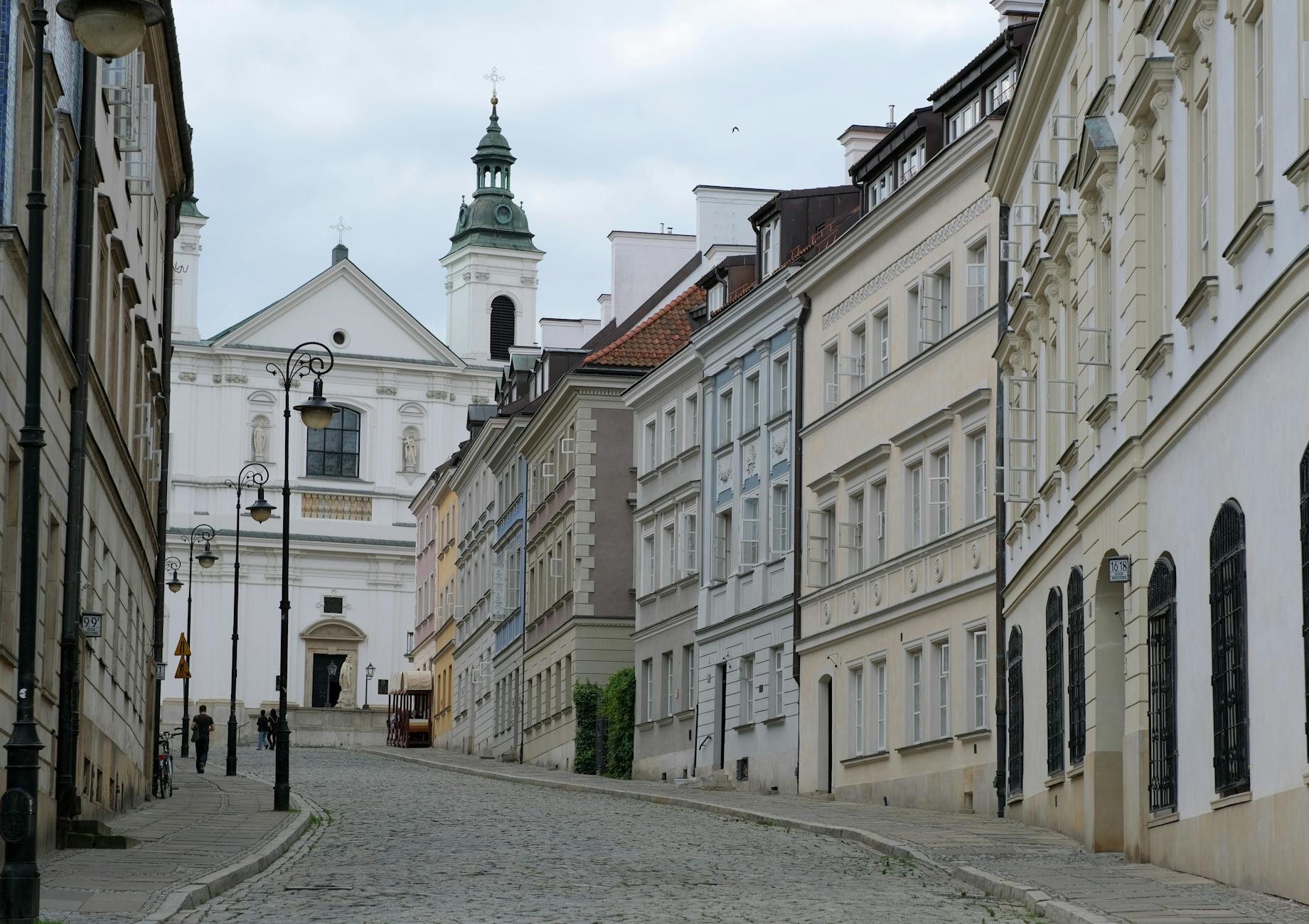
Choose lodging near the spiritual route
The right hotel depends on the religious route. A traveler attending early services, visiting Old Town churches, focusing on Jewish heritage, or moving between cemeteries and museums may need different lodging areas. The hotel should also support rest, modest dining needs, and easy transport.
A good base lowers friction around devotion and reflection.
- Choose lodging near the main worship site, heritage district, or direct transit route.
- Check breakfast timing, quiet rooms, nearby simple meals, and late return options.
- Avoid a hotel that turns every sacred stop into a long cross-city transfer.
Plan transport, clothing, and weather
Warsaw weather, walking surfaces, and transit routes can shape a pilgrimage day. Rain, cold, heat, cobblestones, cemetery paths, and long station passages can affect energy and dress. The traveler should plan clothing and movement around both reverence and practicality.
Comfort supports attention.
- Bring layers, comfortable shoes, rain cover, and respectful clothing for sacred interiors.
- Check door-to-door routes for churches, cemeteries, museums, meals, and the hotel.
- Use taxis or rideshare when weather or late timing makes transit awkward.
When to order a short-term travel report
A religious traveler with one known service and a flexible day may not need a custom report. A report becomes useful when the visit includes multiple sacred sites, services, Jewish heritage, cemeteries, accessibility needs, dietary needs, family history, emotional pacing, or tight arrival and departure times.
The report should test worship times, sacred-site access, route order, lodging, transport, meals, clothing, weather, rest points, and departure buffers. The value is a Warsaw pilgrimage that preserves attention instead of scattering it.
- Order when services, sacred sites, heritage stops, lodging, transport, meals, weather, or departure timing need exact planning.
- Provide dates, faith tradition or heritage focus, required sites, mobility needs, dietary needs, hotel candidates, and arrival details.
- Use the report to make the short stay reverent, realistic, and calm.