
Warsaw can work well for an older traveler when the trip is planned around comfort, pacing, and practical movement. The city has strong museums, parks, restaurants, transport, and hotel options, but distances, cobblestones, winter conditions, stairs, and long museum visits can make a short stay harder if they are not considered early.
Choose a hotel that reduces daily effort
An older traveler should treat the Warsaw hotel as a practical base, not just a room. Elevator access, quiet, breakfast, taxi pickup, public transport, step-free routes, nearby meals, and a manageable return after dark can matter more than a marginally lower rate.
The right base saves energy every day.
- Check elevator access, room layout, shower setup, lobby seating, breakfast hours, and taxi pickup.
- Choose a location near the main daily interests rather than across town from every plan.
- Confirm luggage storage, early check-in options, and late checkout if flights or trains are awkward.
Respect walking surfaces and distances
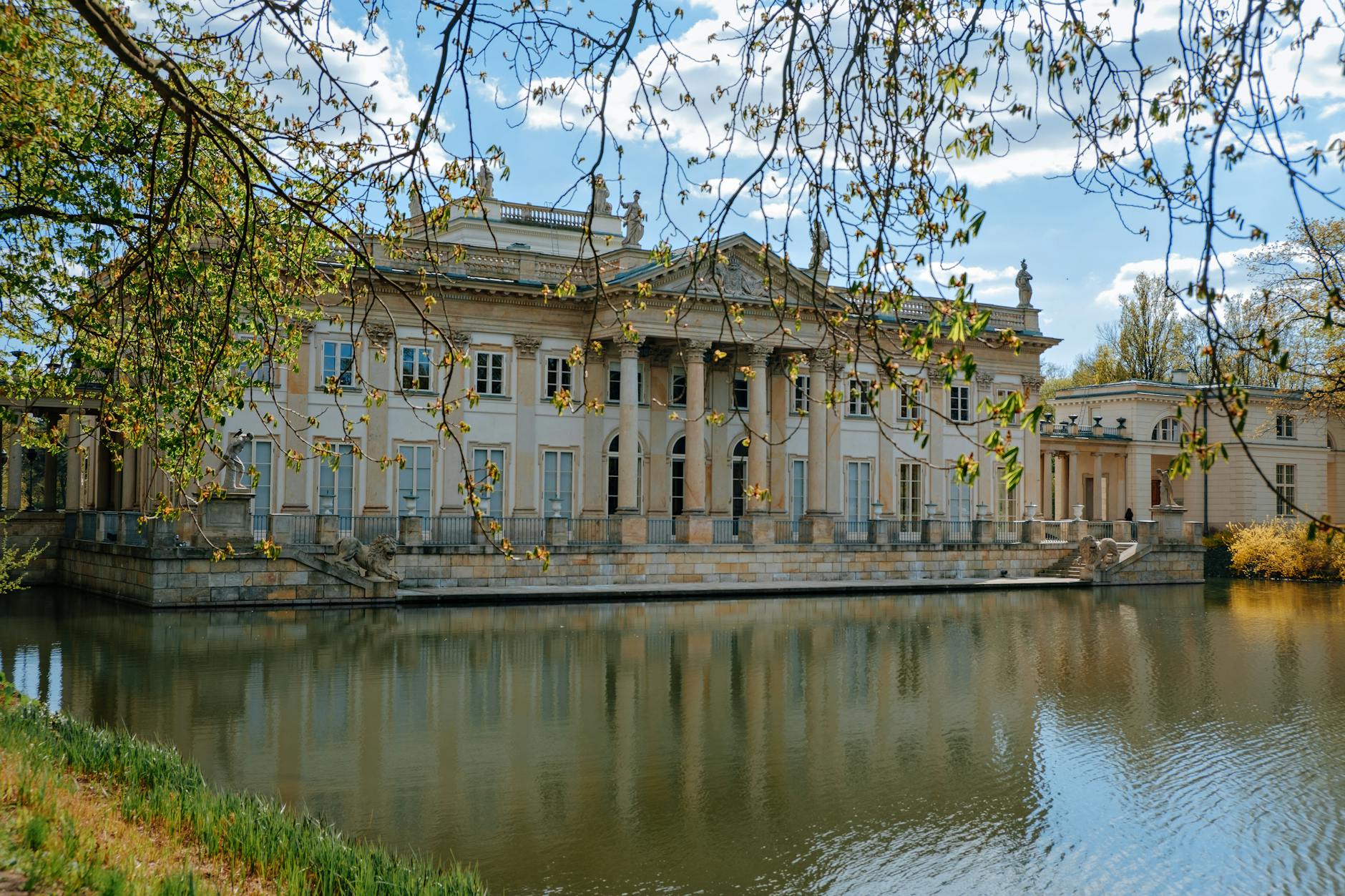
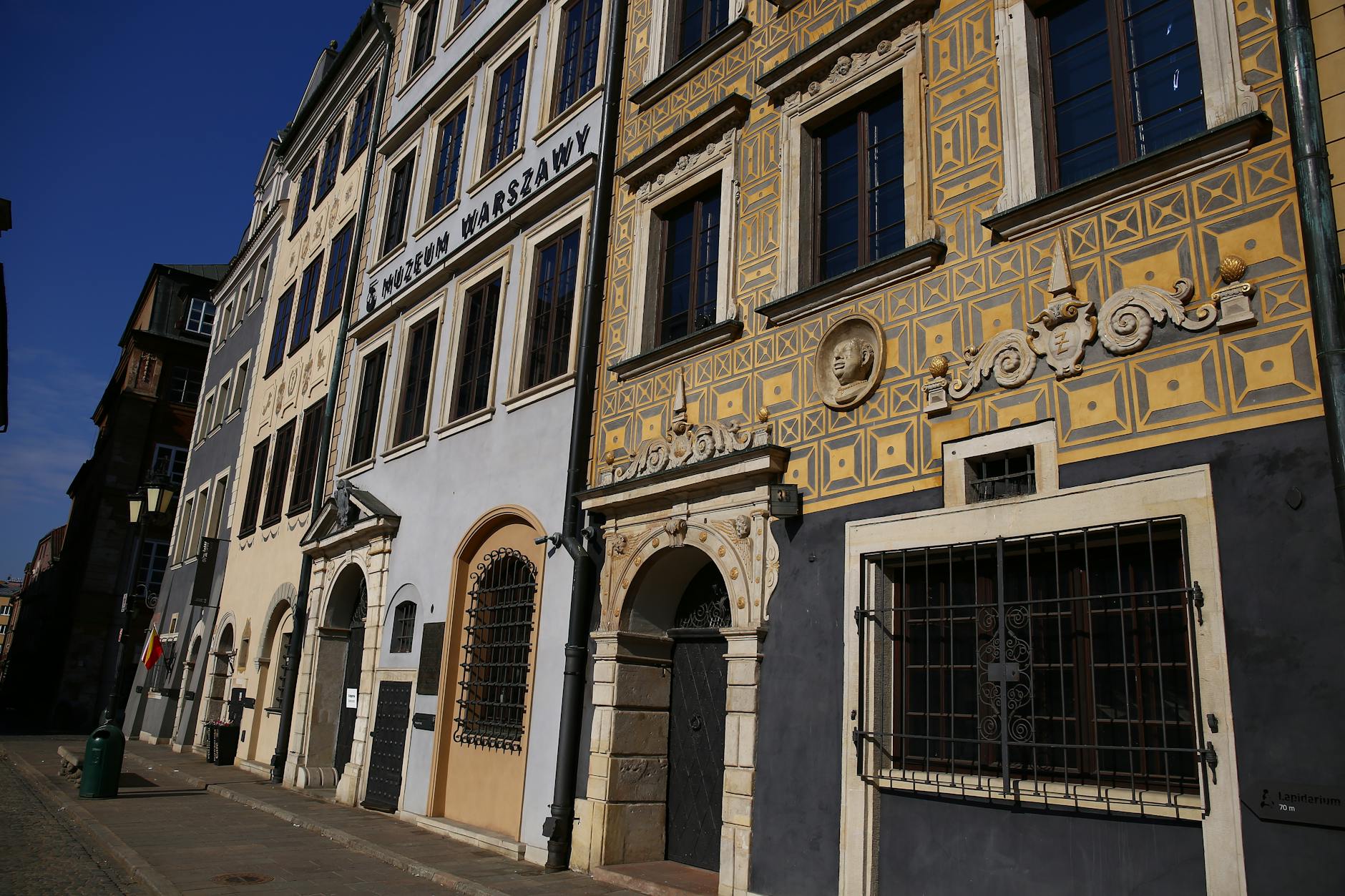
Warsaw is not uniformly difficult, but an older traveler should be realistic about cobblestones, curbs, station passages, museum corridors, winter surfaces, and the distance between districts. A route that looks short on a map may still be tiring when repeated across a full day.
Comfortable walking requires route choices.
- Check whether Old Town, museum, park, and restaurant routes include cobblestones, stairs, slopes, or long approaches.
- Use taxis or direct public transport before fatigue becomes the main feature of the day.
- Break longer days with seated meals, cafes, parks, or hotel rest time.
Pace museums and historical sites
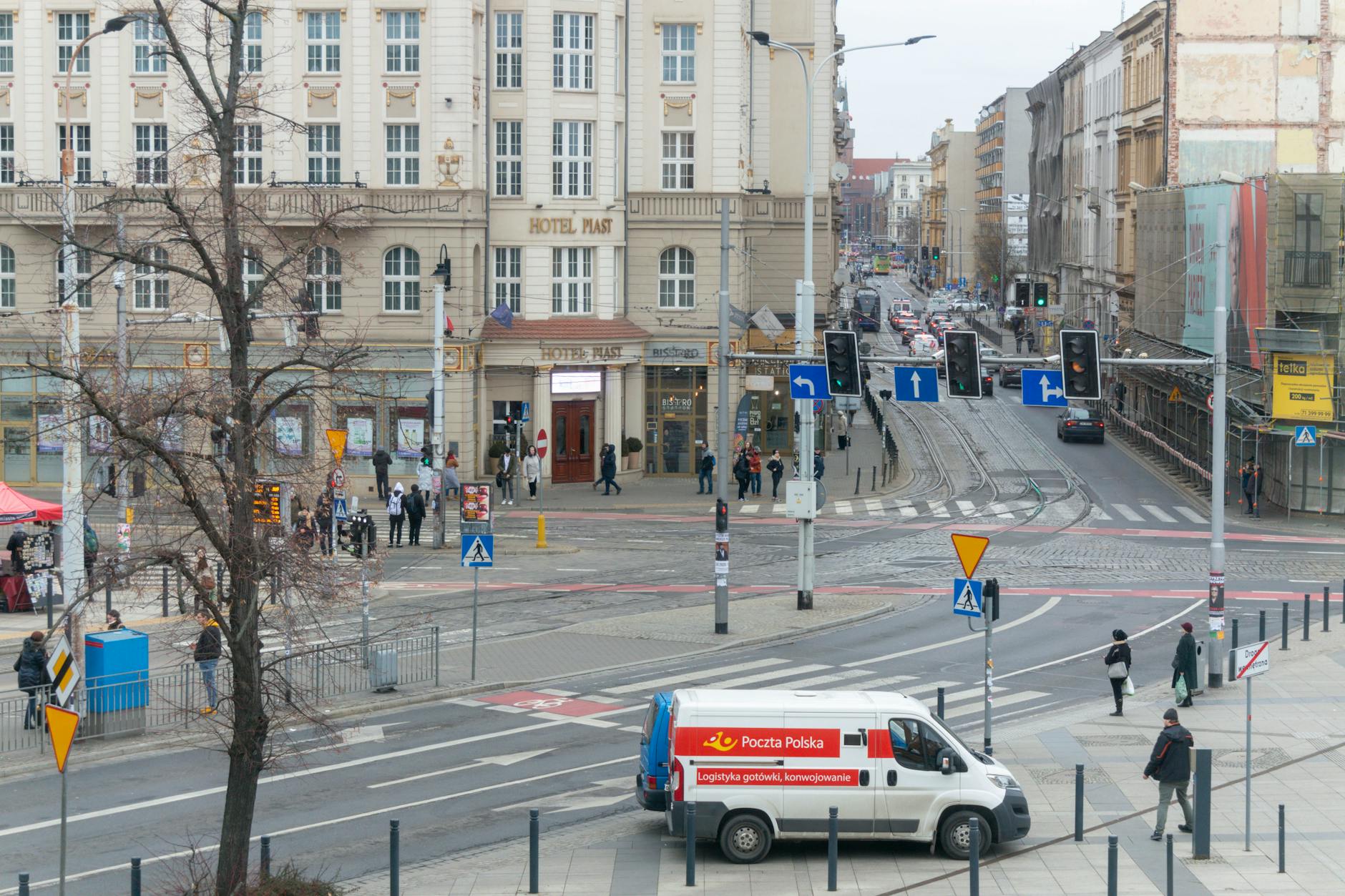
Warsaw's history is important, but museum-heavy days can be physically and emotionally demanding. An older traveler should choose key sites, check seating and accessibility, and avoid stacking too many serious visits in one day. The trip should leave room to absorb what the city is showing.
Depth is better than exhaustion.
- Check opening days, ticket rules, visit length, seating, elevators, and audio guide options.
- Pair heavier historical visits with parks, lunch, or a lighter afternoon.
- Avoid booking timed entries so tightly that restroom, coat check, and transit needs become stressful.
Use transport deliberately
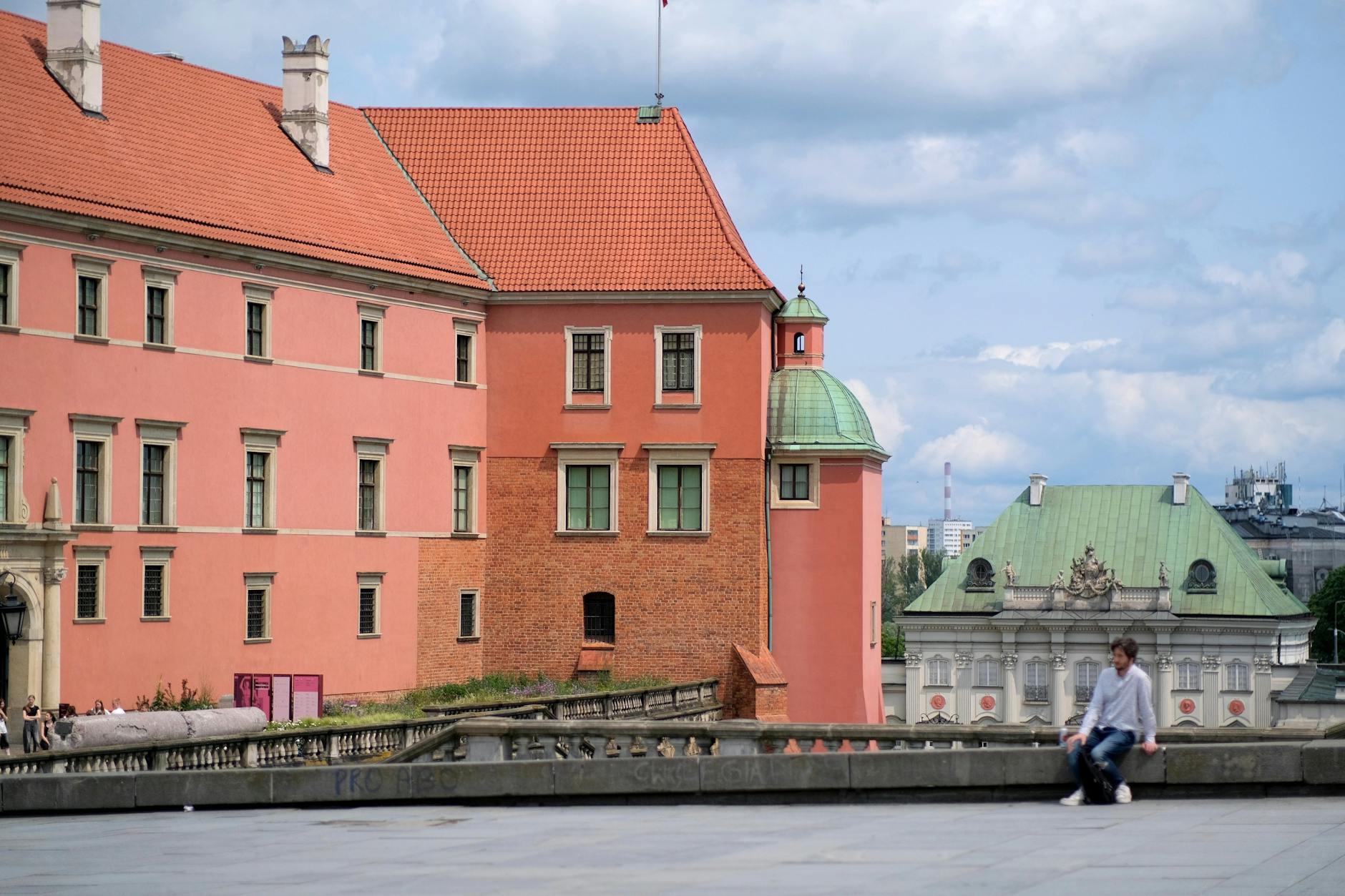
Metro, tram, bus, rail, taxi, and rideshare can all help, but the best choice depends on mobility, luggage, weather, and the exact door-to-door route. An older traveler should avoid assuming that public transport is always simpler or that taxis are always faster.
The easiest route is the one with the least friction.
- Compare walking distance to stations or stops with the full taxi route and pickup location.
- Use direct routes when possible and avoid unnecessary transfers with luggage.
- Keep hotel and destination addresses saved offline for taxi or rideshare use.
Plan for weather, medication, and daily comfort
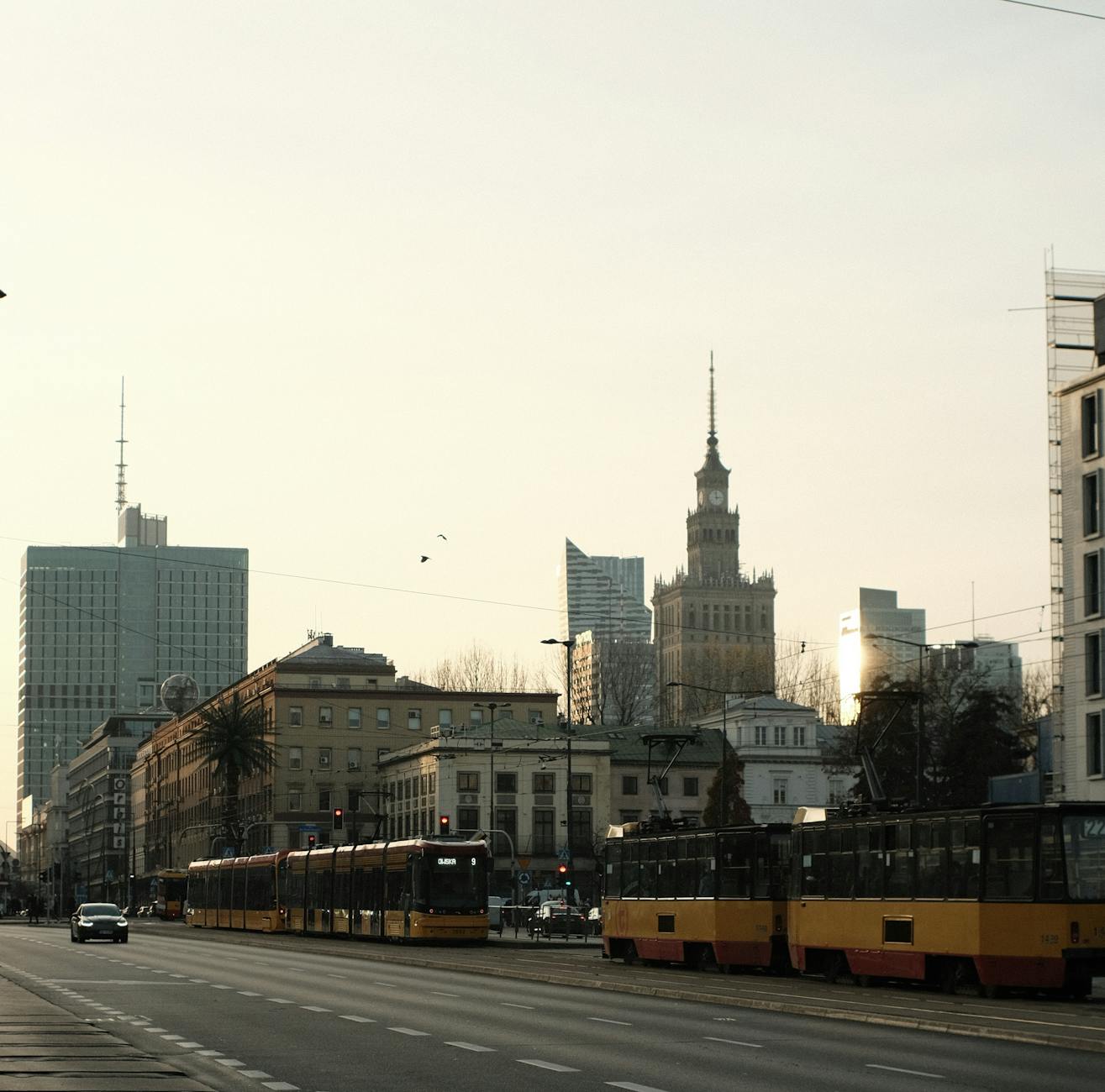
Warsaw weather can make ordinary movement harder, especially in winter rain, snow, wind, heat, or short daylight. An older traveler should carry medication, comfortable shoes, layers, water, insurance details, and emergency contacts in a way that does not depend on checked luggage or the hotel room.
Small comfort planning protects the whole stay.
- Keep prescriptions, glasses, documents, chargers, and medical contacts in a day bag.
- Dress for the season and check walking surfaces before committing to long outdoor routes.
- Know the nearest pharmacy, clinic option, and hotel front desk support before it is needed.
Keep evenings close and uncomplicated
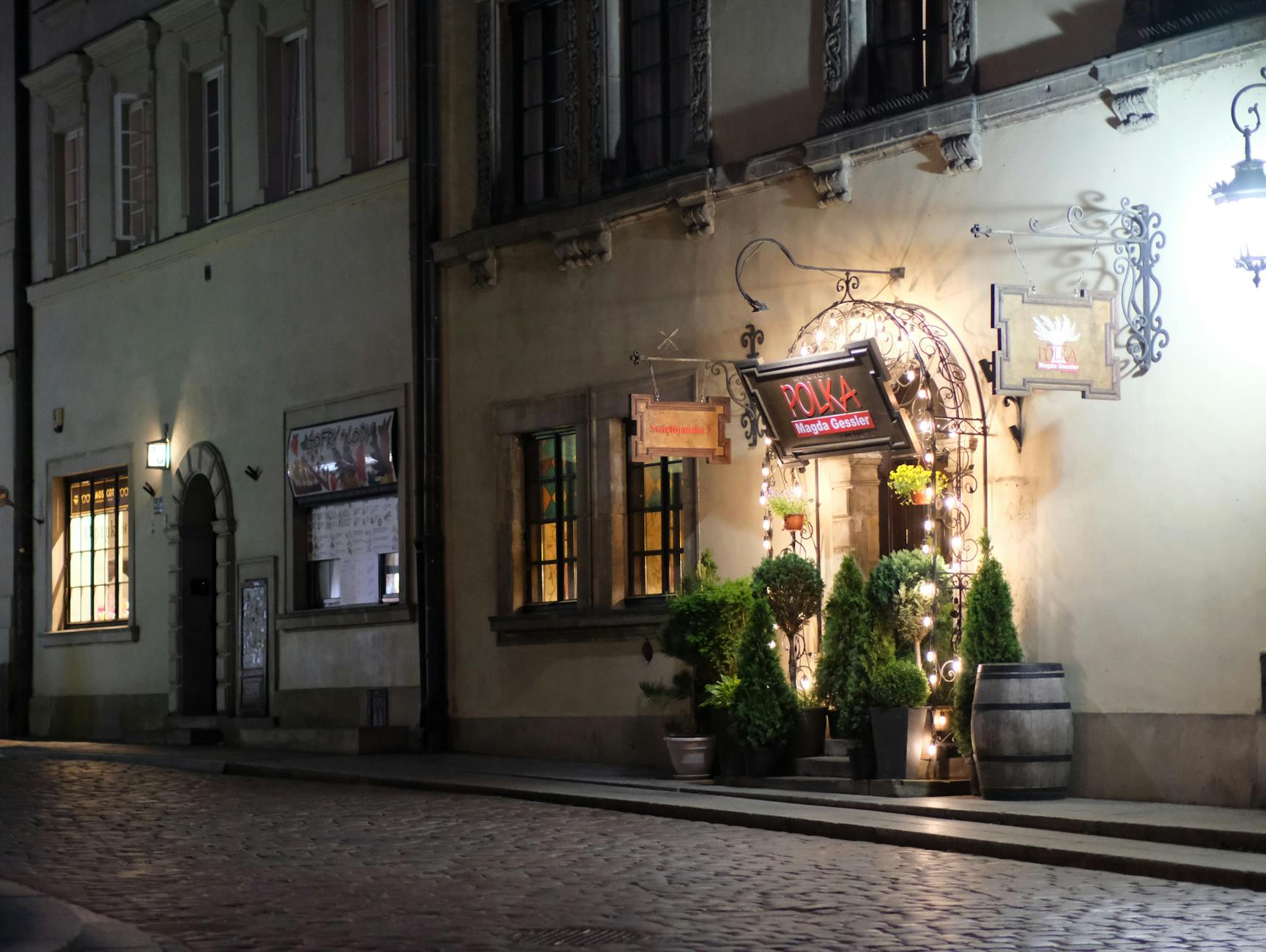
Warsaw has rewarding restaurants, concerts, hotel lounges, old-town walks, and cultural events, but evening plans should not create a hard return. An older traveler should favor clear routes, seated meals, weather-aware clothing, and a simple way back to the hotel.
A good evening should end easily.
- Choose dinner near the hotel or along a known transport route when the day has already been full.
- Check performance end times, taxi pickup points, and weather before booking evening events.
- Avoid adding a second district late at night just because the first plan ended early.
When to order a short-term travel report
An older traveler with a simple hotel, flexible schedule, and modest walking plans may not need a custom report. A report becomes useful when mobility, weather, medical needs, hotel access, museum timing, family coordination, or a tight arrival and departure make ordinary planning too vague.
The report should test hotel location, arrival route, step exposure, museum pacing, transport choices, weather, pharmacies, rest breaks, evening routes, and departure timing. The value is a Warsaw visit that preserves energy for the experiences that matter.
- Order when hotel access, walking limits, medical needs, weather, museums, transport, or daily pacing need exact planning.
- Provide dates, hotel candidates, mobility notes, medication needs, interests, walking tolerance, meal preferences, and arrival details.
- Use the report to make the city easier to enjoy without stripping the trip of substance.