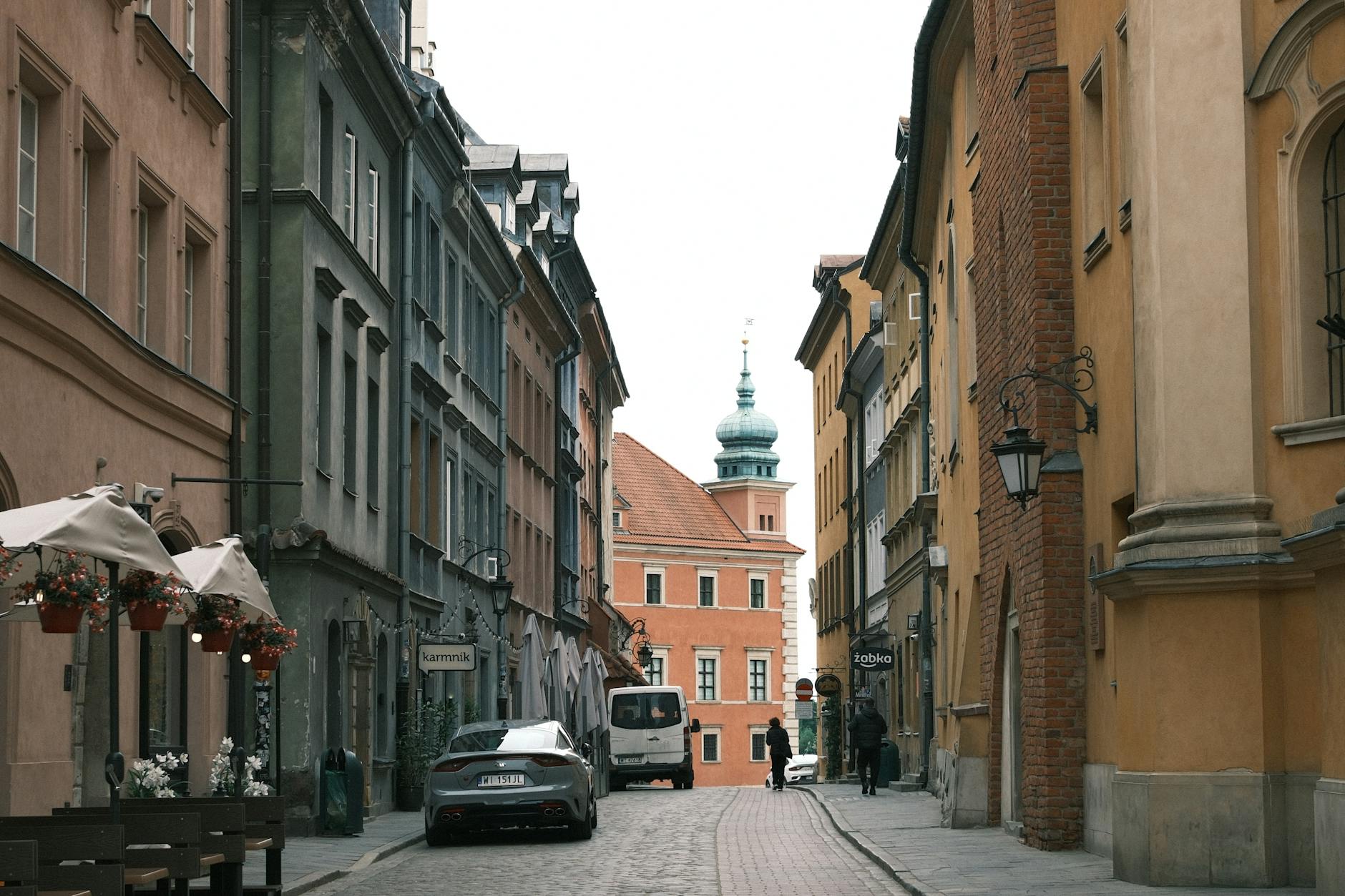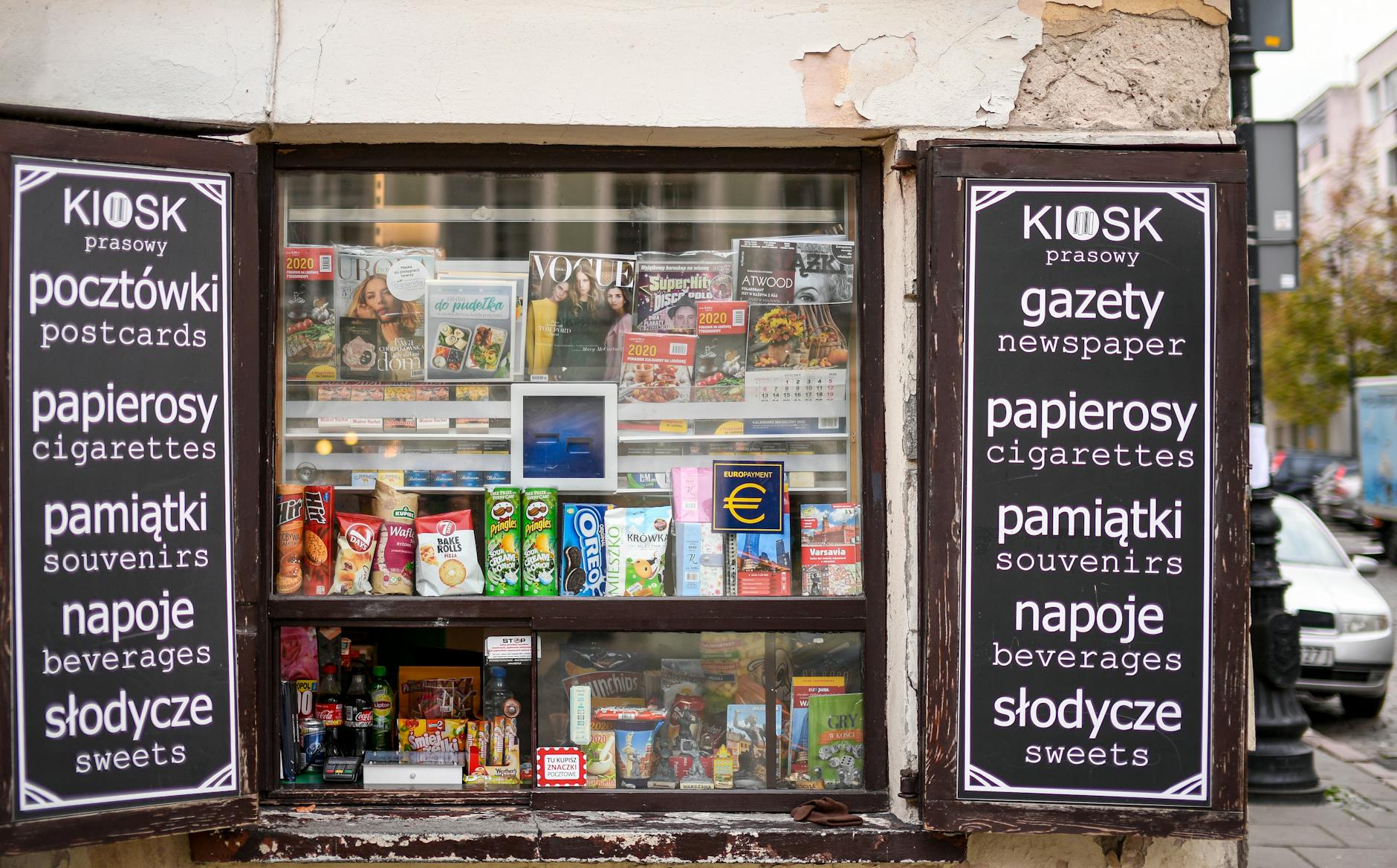
Warsaw can be a strong reporting base for political, business, cultural, historical, civil-society, and regional stories. A short journalism trip works best when the traveler plans around interviews, access rules, equipment, working space, source protection, and deadlines rather than assuming the city will organize itself around the assignment.
Define the assignment geography
A Warsaw journalism trip should begin with the story map: government areas, offices, neighborhoods, cultural venues, train stations, archives, interview sites, hotels, and airport timing. The wrong base can make interviews feel scattered even when the city is manageable.
The assignment should decide the route.
- Map interviews, b-roll locations, archives, official buildings, hotels, and transport hubs before booking.
- Group interviews by district when possible to reduce lost time between calls.
- Leave room for a source who changes location or availability late.
Check accreditation and access early
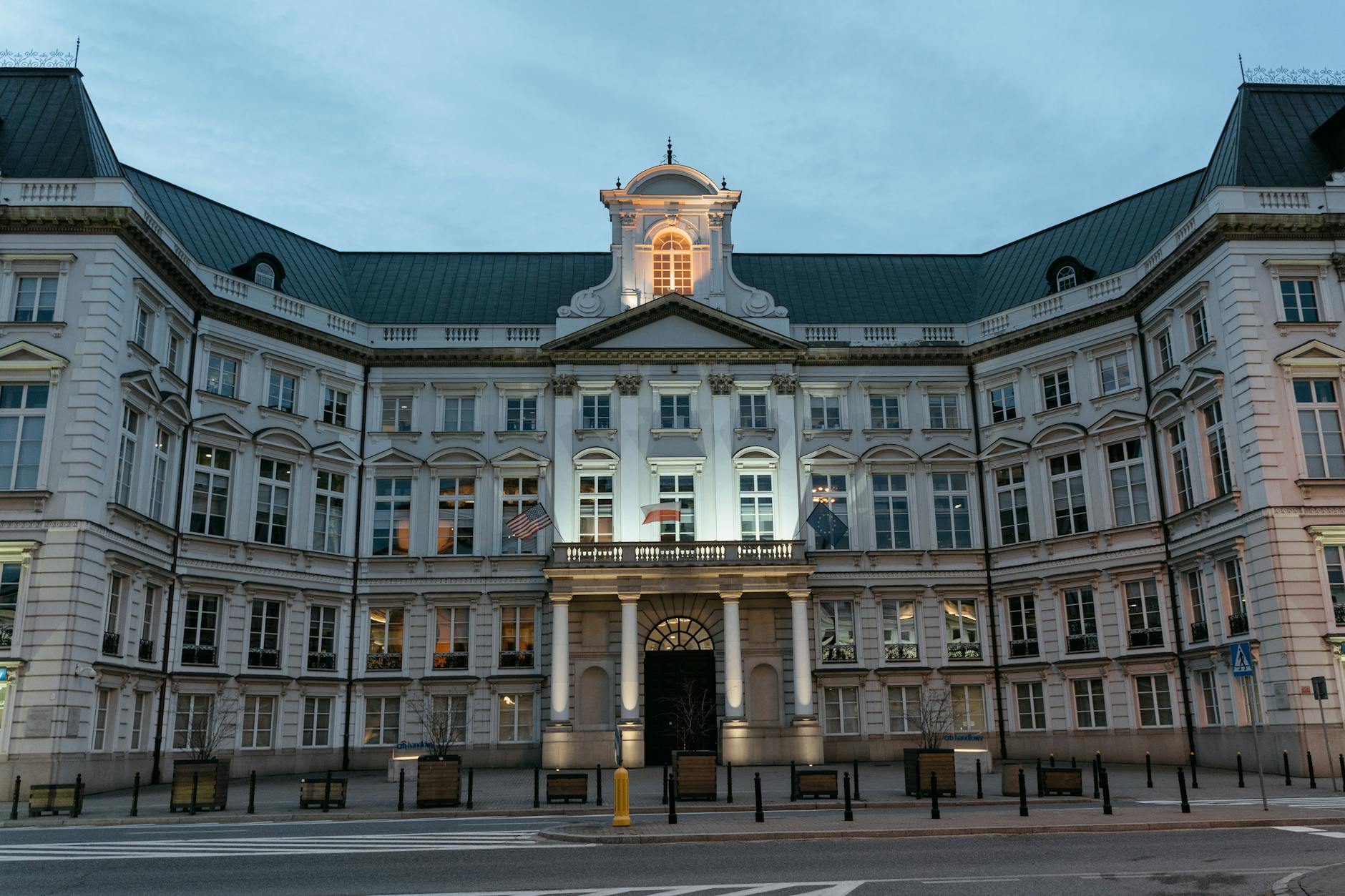
Some journalism work in Warsaw may require event credentials, institutional permission, filming approval, security clearance, or named access. Even when the work is informal, official buildings, conferences, museums, and private offices may have rules that affect cameras, recording, bags, and arrival time.
Access should be confirmed before the deadline is close.
- Confirm credentials, ID, camera rules, arrival windows, security screening, and host contacts.
- Ask whether audio, video, still photography, or livestreaming is restricted at each site.
- Keep confirmation emails and contact numbers available offline.
Plan interviews with source protection in mind
Interview planning is not only about time slots. The journalist should consider language, privacy, background risk, recording consent, transport to the location, and whether a cafe, office, hotel lobby, or public square is appropriate for the source.
The setting can affect the quality and safety of the conversation.
- Choose interview locations that fit privacy, noise, recording, and source-comfort needs.
- Confirm names, titles, consent expectations, interpreter needs, and backup channels.
- Avoid discussing sensitive source details in public transport, lifts, taxis, or busy lobbies.
Control equipment and files
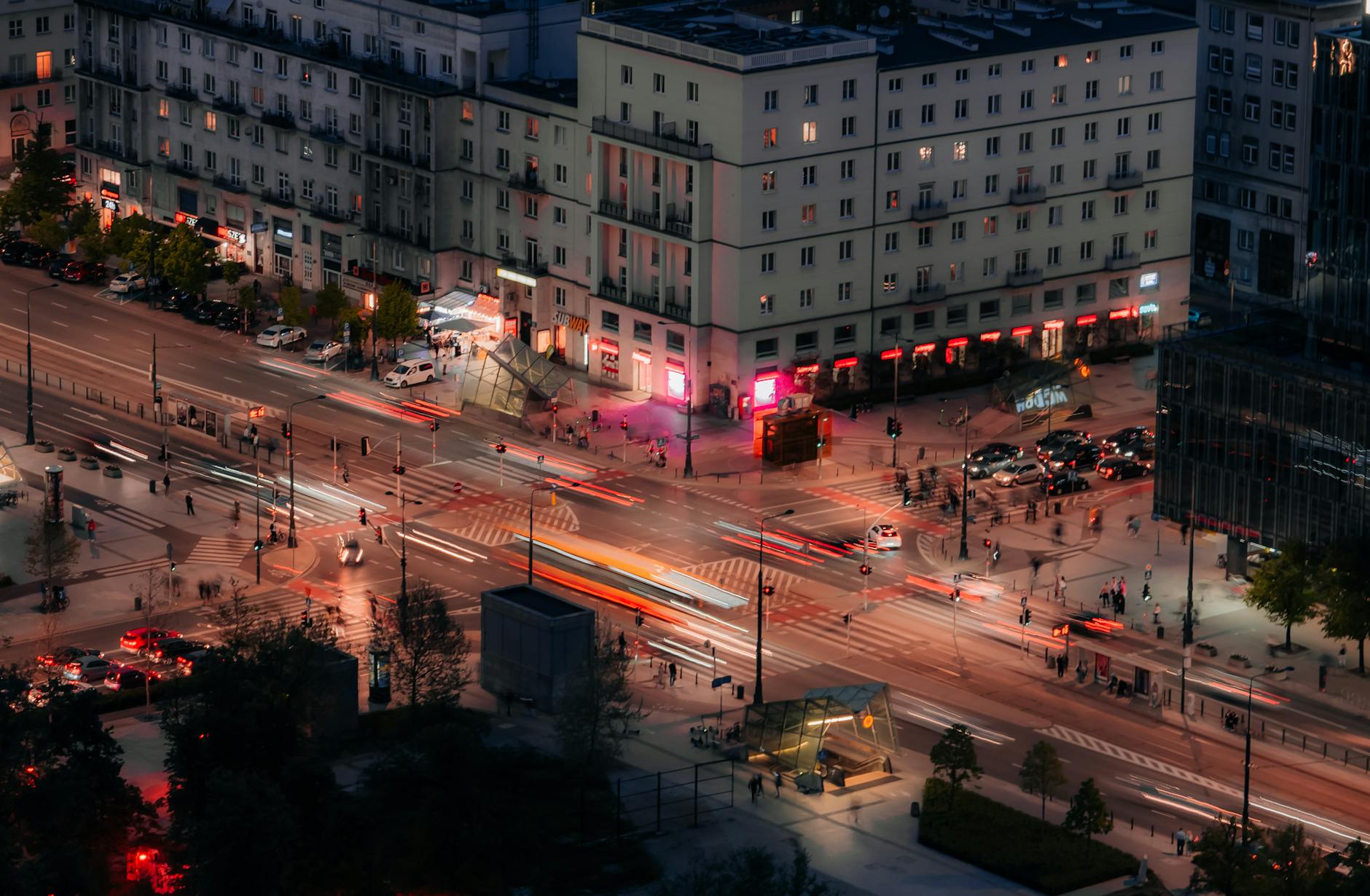
A short reporting trip may depend on cameras, recorders, phones, batteries, adapters, memory cards, microphones, notebooks, and secure file backups. Warsaw has normal replacement options, but the deadline may not allow time to solve a missing cable or corrupted card.
The kit should have redundancy where the story depends on it.
- Carry essential equipment, batteries, chargers, cards, credentials, and notes in hand luggage.
- Back up recordings and photos daily with a plan that protects confidential material.
- Check power, data, and file-transfer needs before the first interview day.
Choose lodging with deadline space
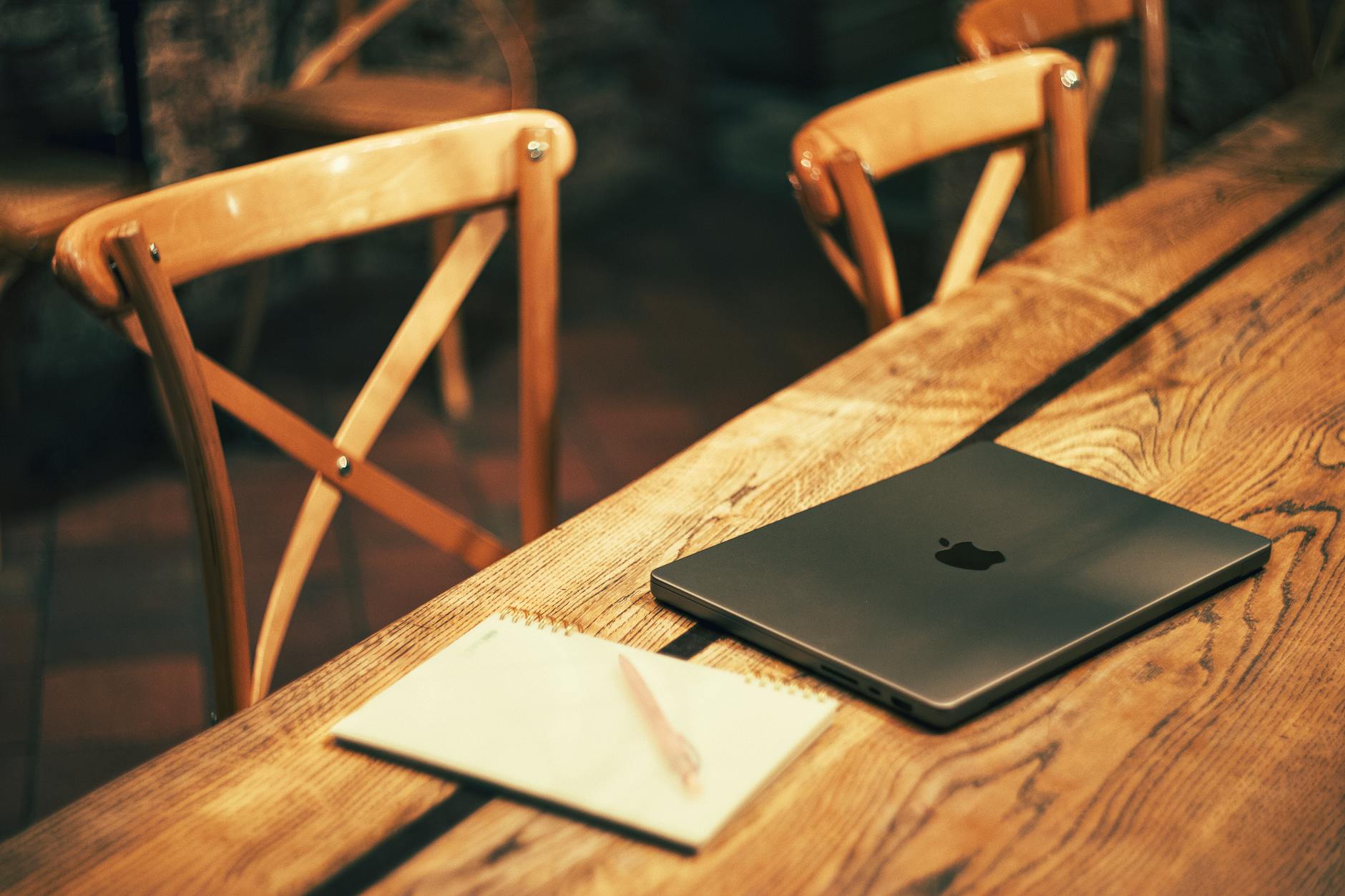
A journalist's hotel is often an edit room, call booth, upload point, and decompression space. Quiet, Wi-Fi, desk setup, secure storage, breakfast timing, transport access, and a lobby that does not expose sources can matter more than style.
The base should help the story file on time.
- Confirm Wi-Fi, desk space, quiet rooms, late-night access, luggage storage, and backup work areas.
- Stay near the assignment cluster or near reliable transport when the story moves around the city.
- Keep time in the room for transcription, fact checks, calls, uploads, and edits.
Build movement and safety buffers
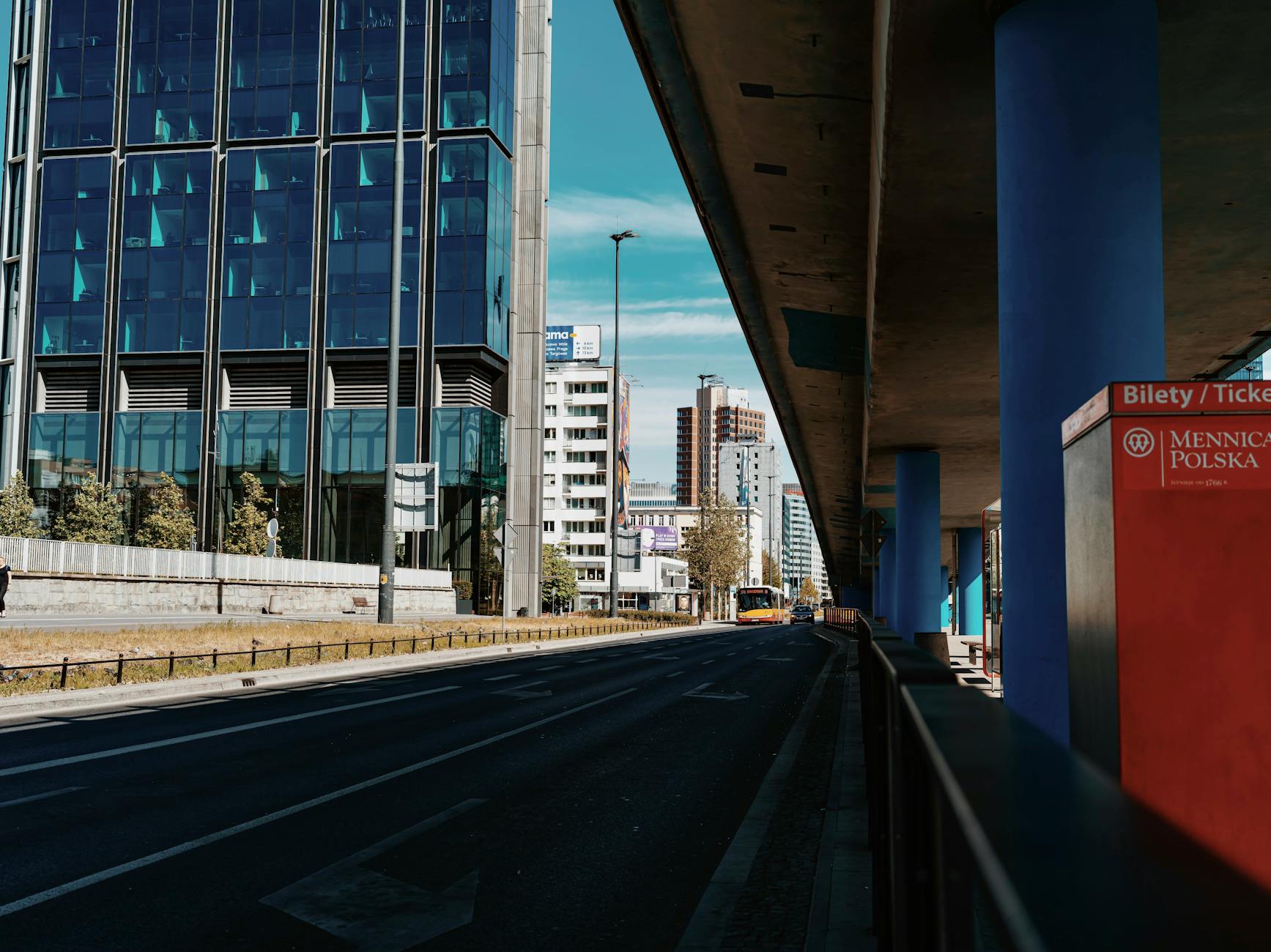
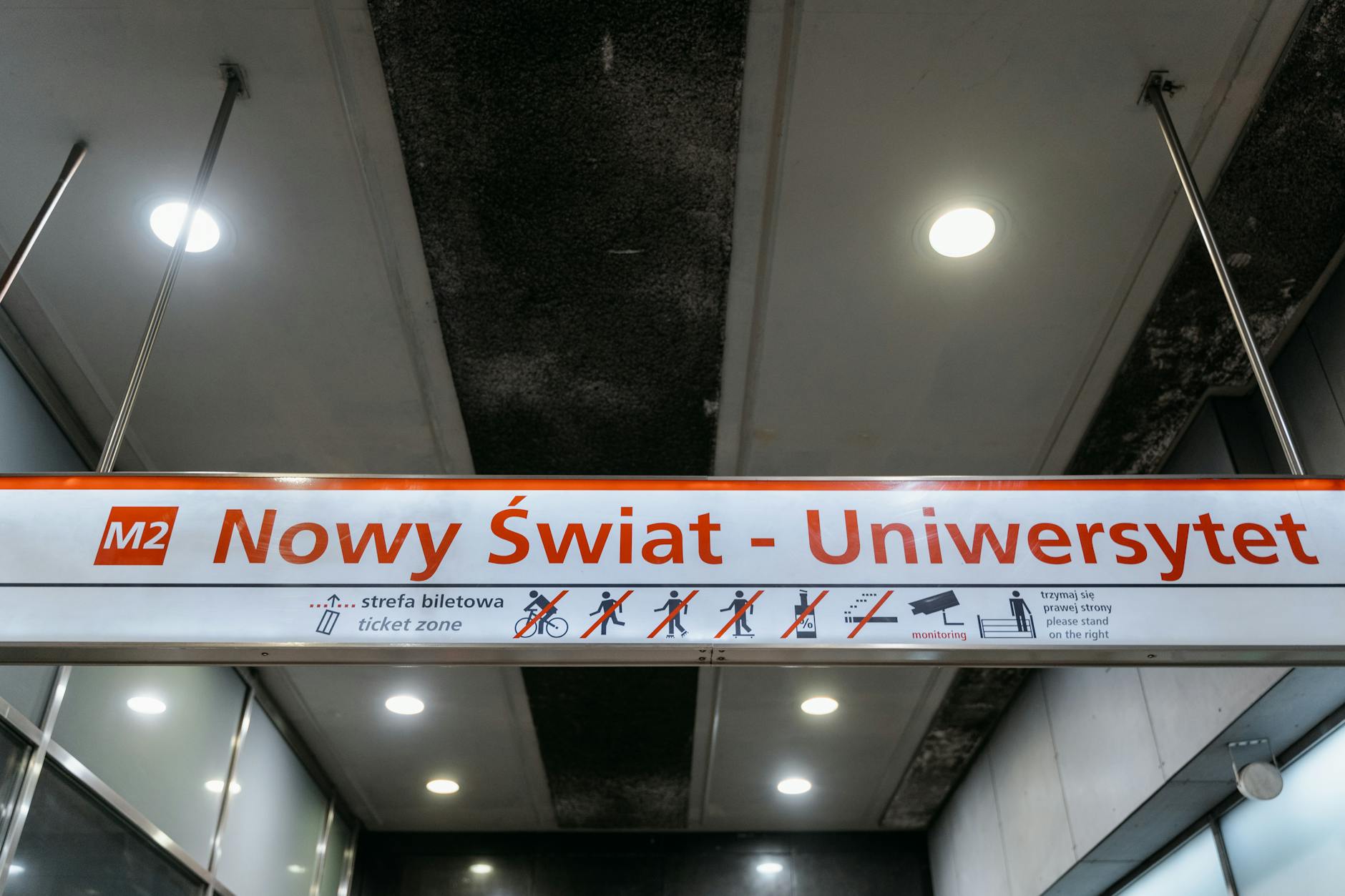
Warsaw can be navigated by public transport, taxi, rideshare, and walking, but a journalist should account for weather, traffic, event security, demonstrations, equipment weight, and source delays. A late arrival can cost an interview or weaken access.
The day's movement should protect the reporting window.
- Check door-to-door time for every interview, official site, station, and airport transfer.
- Add buffer around security screening, camera setup, crowded events, and weather.
- Keep editors or trusted contacts aware of the schedule when the assignment warrants it.
When to order a short-term travel report
A journalist with one hosted event and clear access may not need a custom report. A report becomes useful when the assignment involves several interview sites, official access, sensitive sources, heavy equipment, tight deadlines, weather exposure, or a departure soon after the last interview.
The report should test assignment geography, access requirements, interview locations, equipment needs, lodging work space, transport buffers, safety concerns, file windows, and departure timing. The value is a Warsaw reporting trip that gives the story more room and the logistics less power.
- Order when interviews, credentials, equipment, lodging, transport, deadlines, safety, or departure timing need exact planning.
- Provide dates, assignment brief, interview addresses, access needs, equipment list, hotel candidates, deadline windows, and budget.
- Use the report to protect source access, reporting time, and filing reliability.