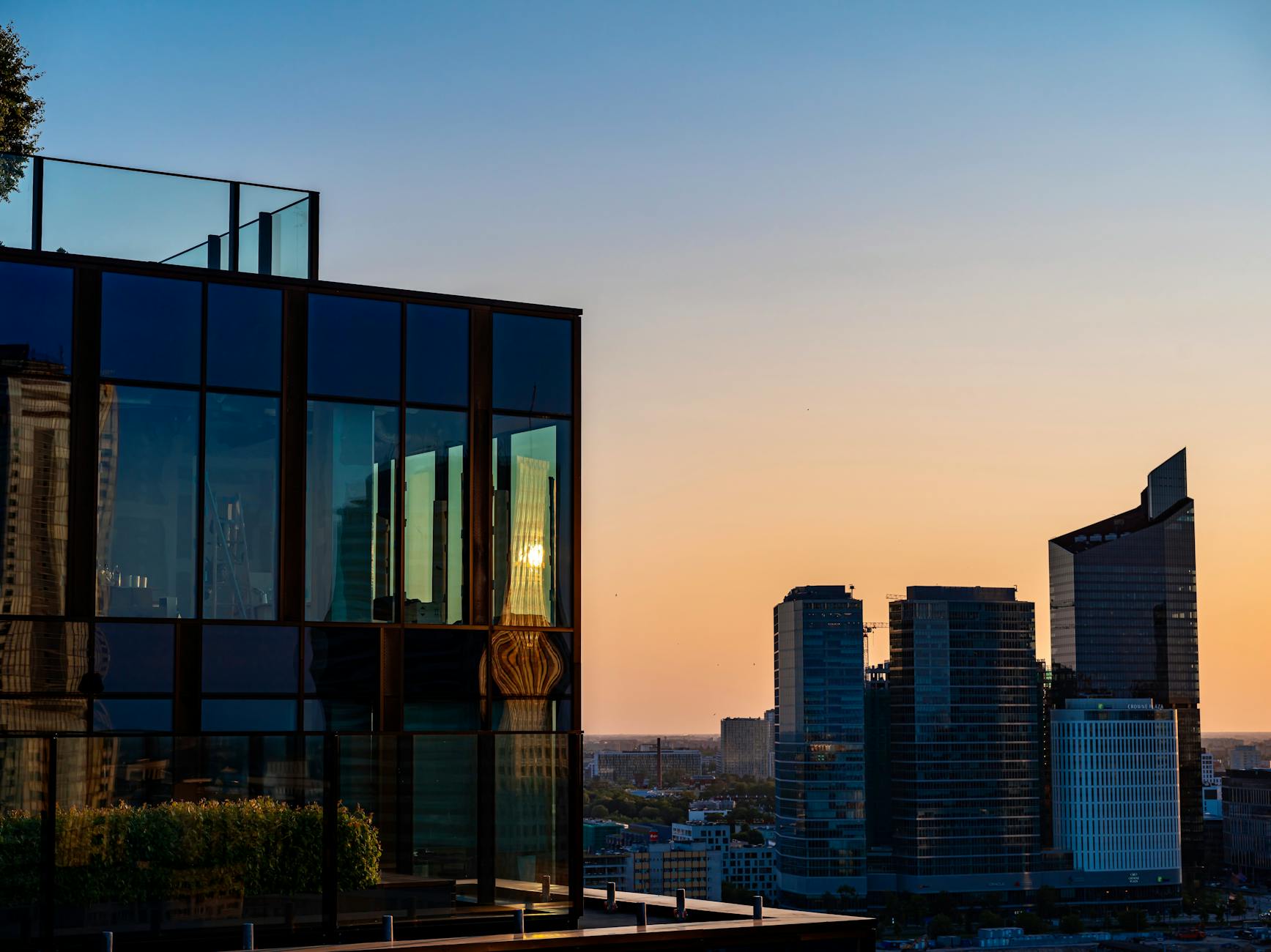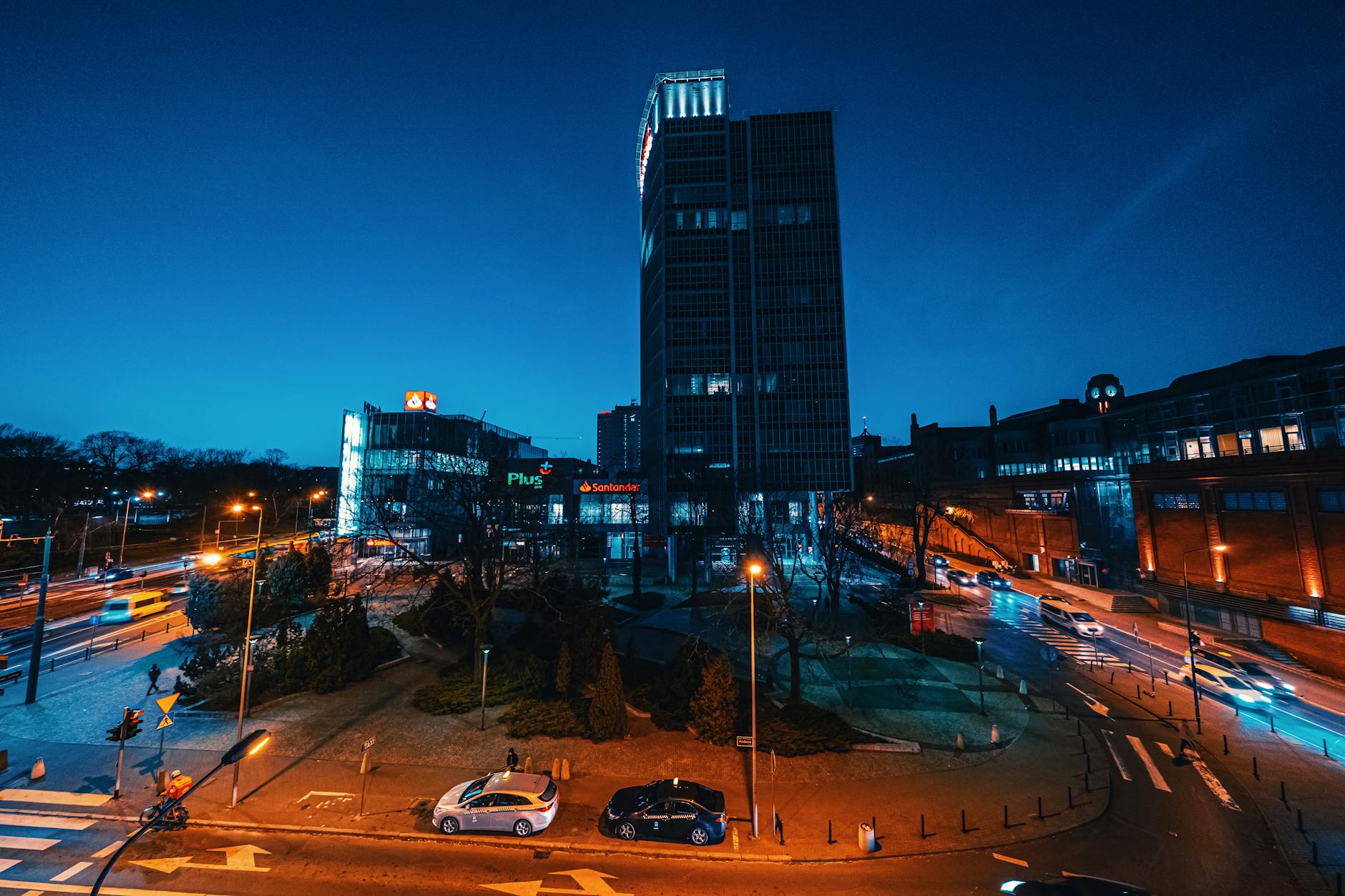
Warsaw can be a practical base for investor meetings, diligence sessions, management presentations, site visits, banker meetings, and transaction work. The trip works best when the travel plan protects confidentiality, punctuality, document control, and enough quiet time to interpret what was learned.
Put the deal agenda ahead of sightseeing
A Warsaw deal trip should be planned from the agenda outward: management meetings, office visits, site tours, adviser sessions, dinners, hotel work blocks, and the departure constraint. Sightseeing can fit around that work, but it should not distort the meeting geography.
The deal calendar should lead the travel plan.
- Map every meeting address, host, attendee list, access rule, and time sensitivity before booking.
- Separate must-attend diligence sessions from optional dinners or courtesy meetings.
- Keep any leisure time close to the hotel or meeting area when the schedule is compressed.
Verify meeting locations and access rules
Deal travel often involves offices where access is controlled, names must match lists, laptops need approval, or meetings sit behind reception, security, and elevator systems. A small access issue can consume the buffer before a high-value conversation.
The entrance process is part of the schedule.
- Confirm legal names, visitor registration, ID requirements, building entrance, floor, and host contact.
- Check whether site visits require safety shoes, badges, escorts, or separate transport.
- Save addresses and host numbers offline before the first meeting day.
Protect documents, devices, and conversations
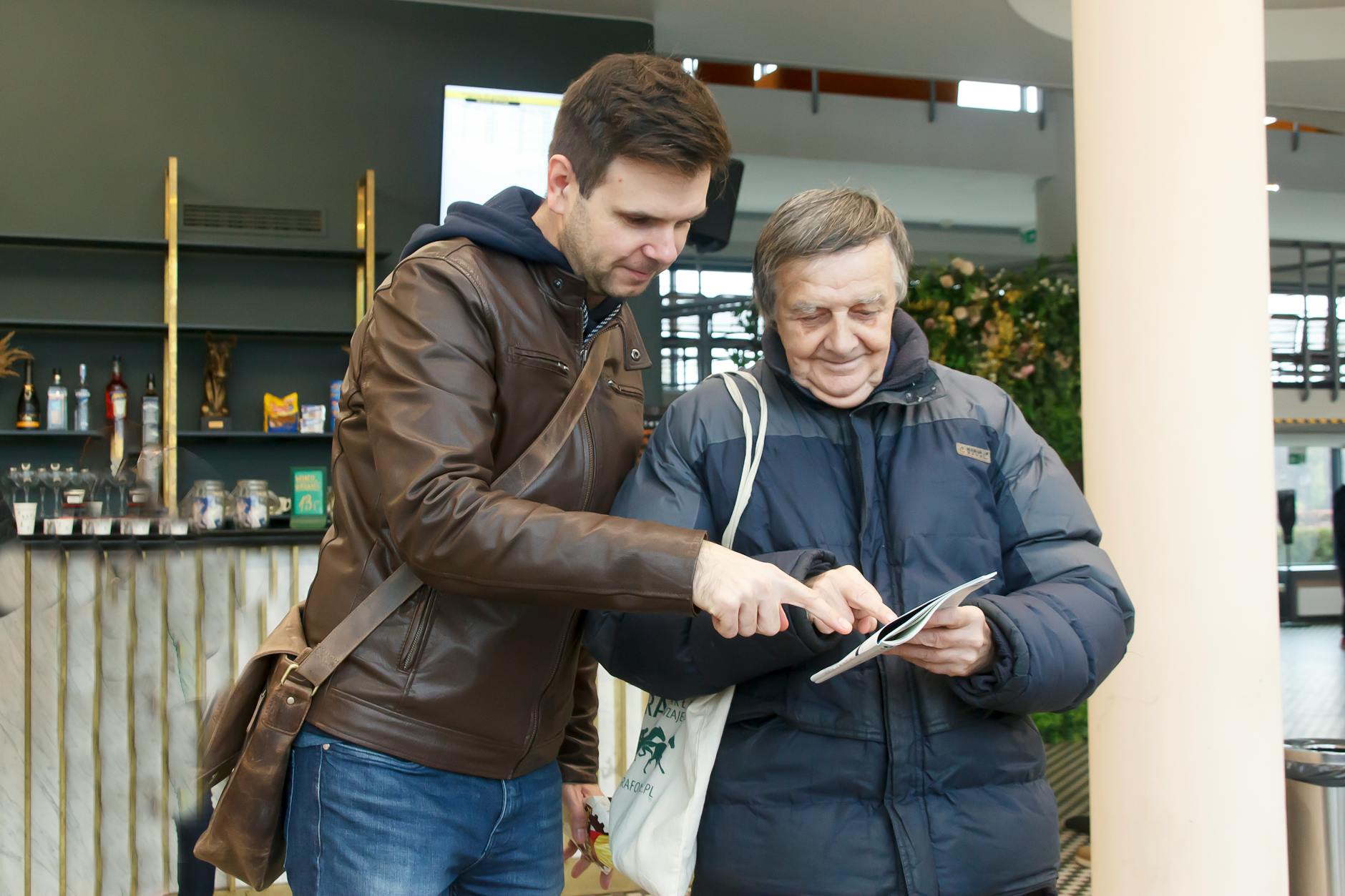
An investor or deal team member may carry confidential decks, financial notes, market views, draft terms, or sensitive interview points. Warsaw is a normal major city, but taxis, cafes, lobbies, lifts, restaurants, and trains are still public settings. The traveler should decide where deal work can safely happen.
Discretion needs a practical travel routine.
- Use privacy screens, secure connections, encrypted files, and controlled document handling.
- Avoid discussing targets, valuation, counterparties, or strategy in public spaces.
- Keep laptops, notes, chargers, and backup devices under direct control during transfers.
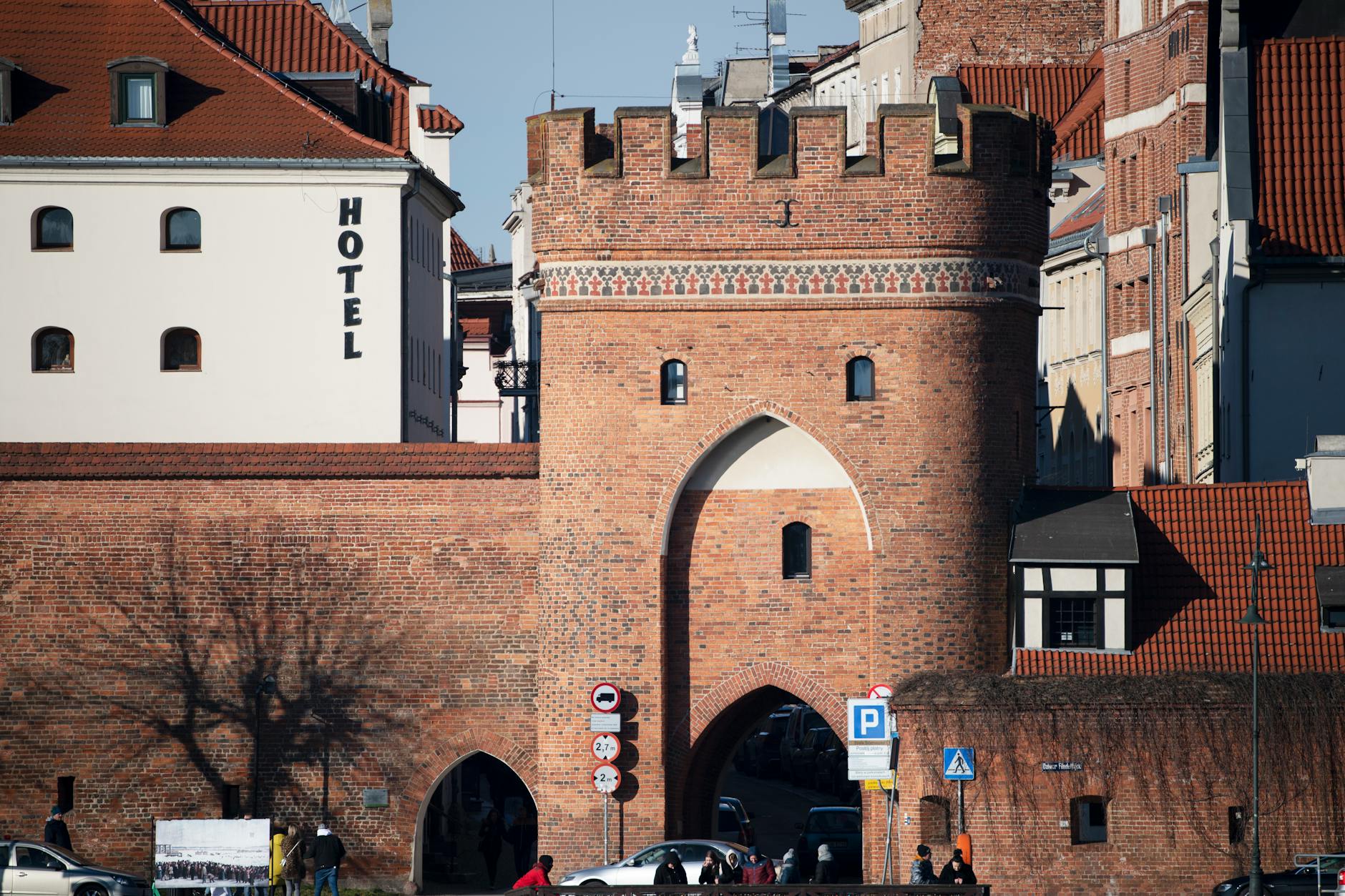
Choose a hotel for diligence work
A deal trip hotel is often a workroom after formal meetings end. Desk space, quiet rooms, Wi-Fi, lobby privacy, breakfast timing, printer access, meeting rooms, luggage storage, and late checkout can all matter. The wrong hotel makes the team process work in borrowed corners.
The base should support analysis, not just sleep.
- Confirm quiet work conditions, reliable Wi-Fi, desk setup, meeting areas, and late checkout options.
- Choose a location that reduces repeated movement between advisers, clients, and transport hubs.
- Keep enough hotel time for notes, model updates, and internal discussion.
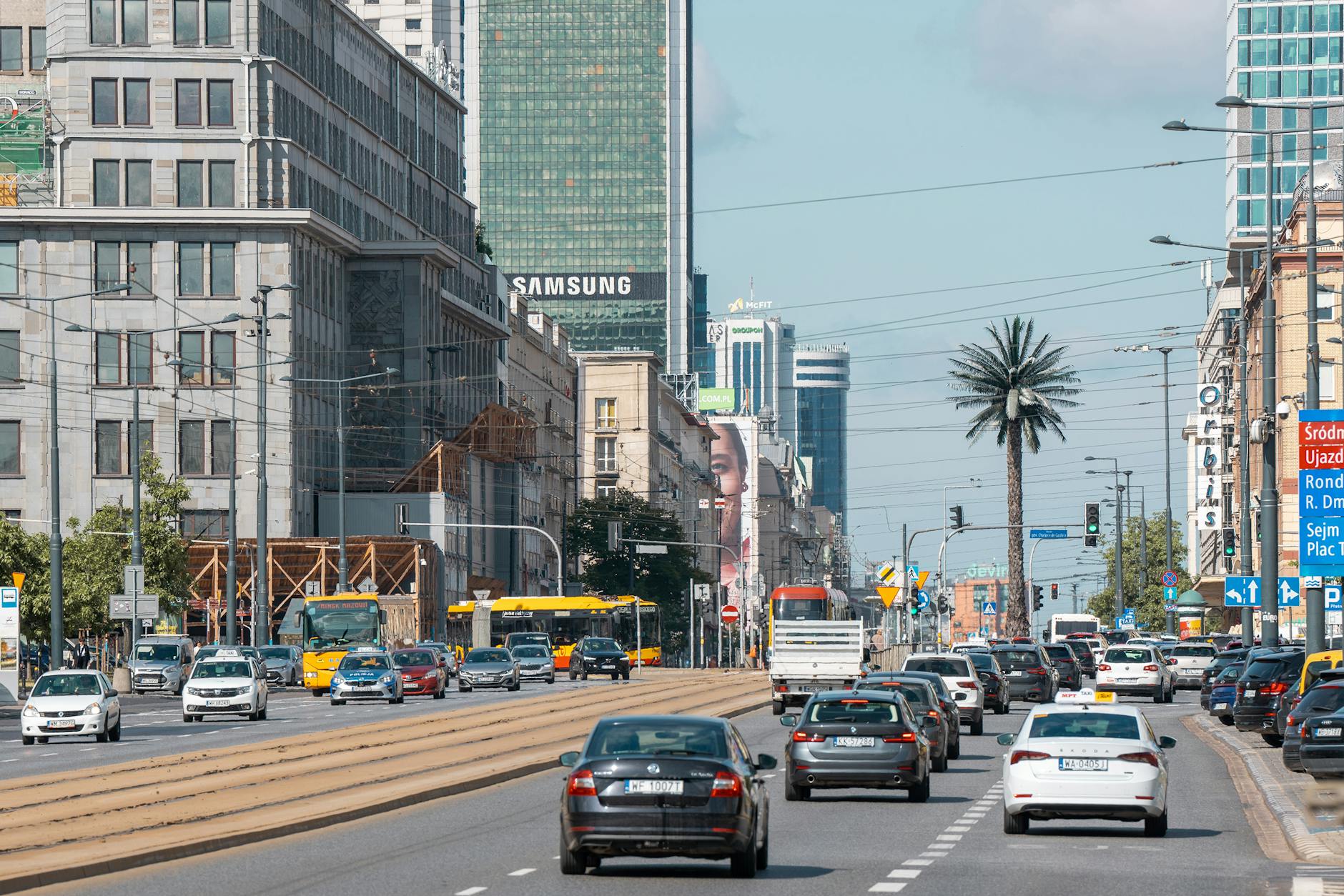
Build buffers between diligence sites
Warsaw movement can be straightforward, but deal days should not assume every meeting starts and ends cleanly. A productive management session can run long, a site visit can need extra discussion, or traffic can turn a cross-city transfer into stress.
Buffers protect judgment as well as punctuality.
- Check door-to-door timing between offices, hotel, dinner, airport, and any site visit.
- Add time for security desks, elevators, weather, luggage, and meeting overruns.
- Use direct transport for critical transfers when the agenda is dense.
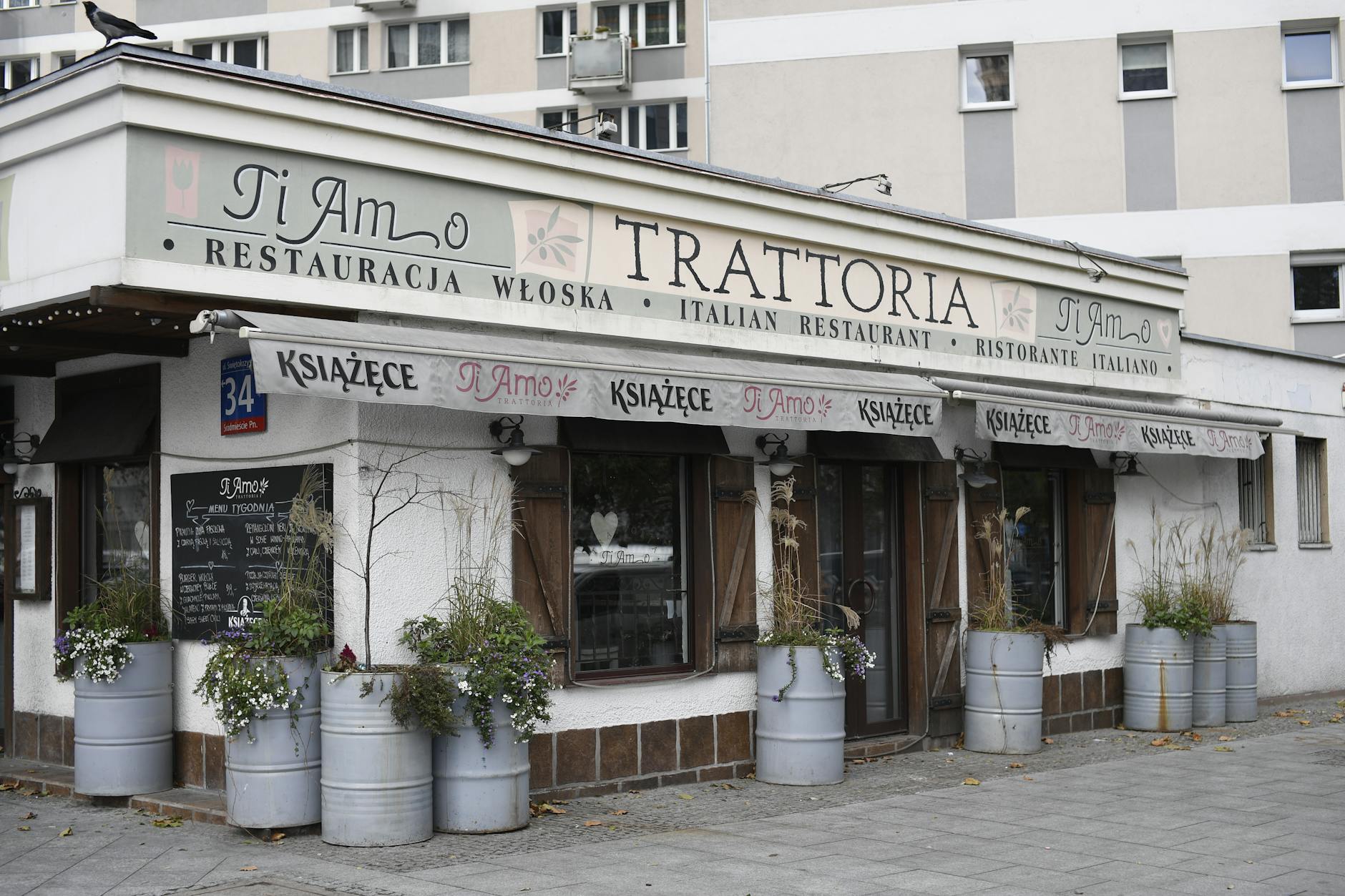
Use meals for focused relationship work
Warsaw dinners can be useful for management access, adviser alignment, or informal read-throughs, but a deal traveler should not treat every evening as open-ended. The meal should have a purpose, a location that makes sense, and a return plan that protects the next morning.
A strong dinner still needs discipline.
- Choose private, quiet restaurants near the meeting area, hotel, or next day's route.
- Leave time after dinner for notes, debrief, and any follow-up that cannot wait.
- Avoid late cross-city plans before early diligence or departure commitments.

When to order a short-term travel report
An investor or deal team member with one hosted meeting and a flexible day may not need a custom report. A report becomes useful when the trip includes multiple offices, site visits, advisers, confidential work, private dinners, winter weather, tight flights, or a team moving together.
The report should test meeting geography, access rules, hotel work conditions, transport buffers, document handling, meal locations, weather, and departure timing. The value is a Warsaw deal trip that lets the team focus on judgment instead of avoidable logistics.
- Order when offices, site visits, hotels, documents, advisers, dinners, or departure timing need exact planning.
- Provide dates, agenda, addresses, team size, hotel candidates, confidentiality concerns, dinner plans, budget, and flight constraints.
- Use the report to keep diligence, discretion, and movement aligned.