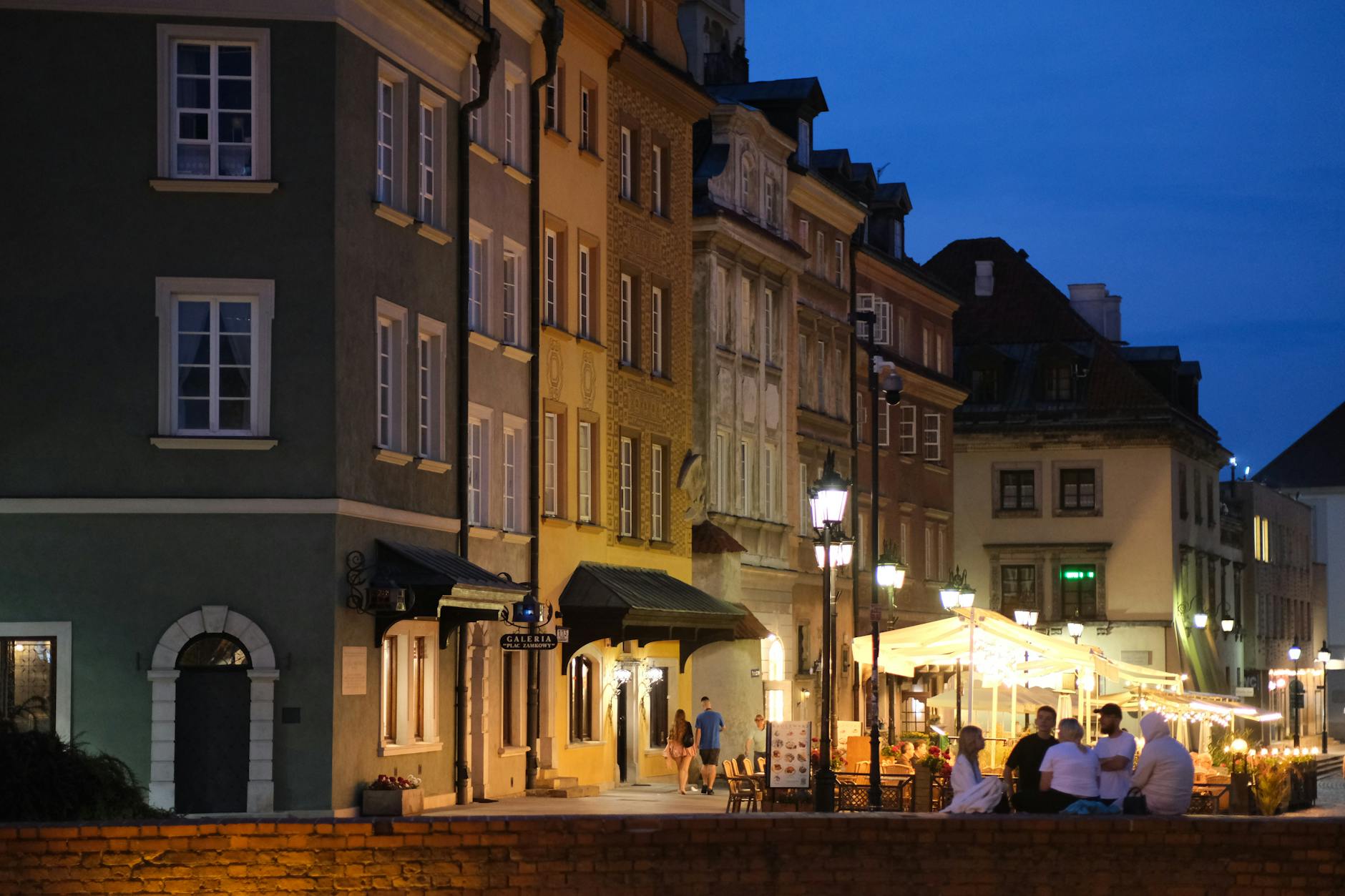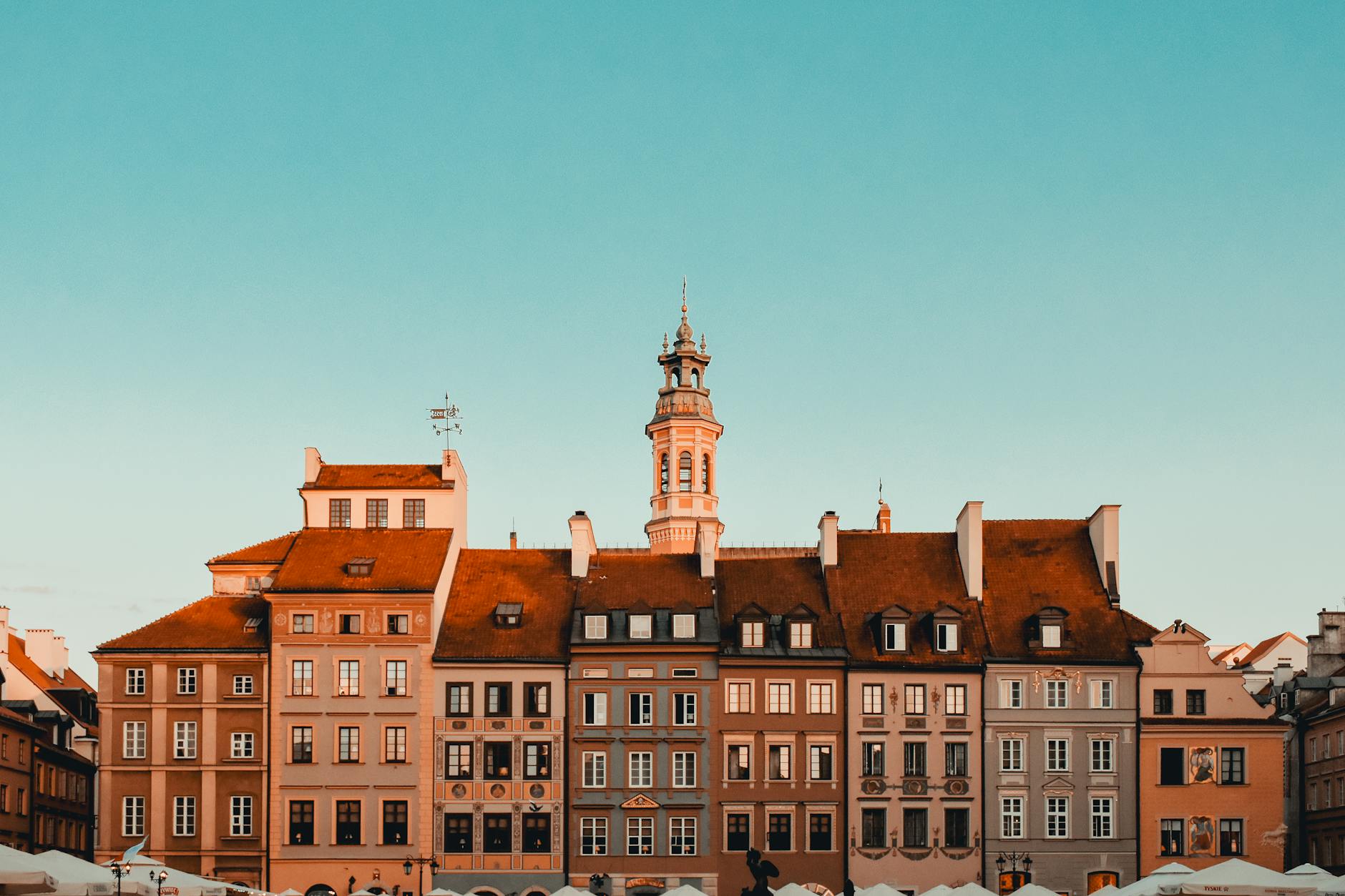
Warsaw is a rewarding first visit when the traveler avoids treating it like a compact old European center. The rebuilt Old Town matters, but the city also works through the Royal Route, modern center, parks, museums, Praga, the Vistula, and everyday neighborhoods. A short first trip should balance landmarks with movement discipline.
Understand that Warsaw is not one compact center
A first-time visitor should begin with Warsaw's scale. The Old Town, Royal Route, Palace of Culture area, museums, riverside, Praga, parks, and restaurant districts are not all the same walk. The trip works better when the day is grouped by geography.
Warsaw rewards district planning.
- Group sights by area instead of crossing the city repeatedly.
- Use the Old Town as one part of the trip, not the whole definition of Warsaw.
- Choose a hotel that supports both sightseeing and arrival or departure logistics.
Give the Old Town context
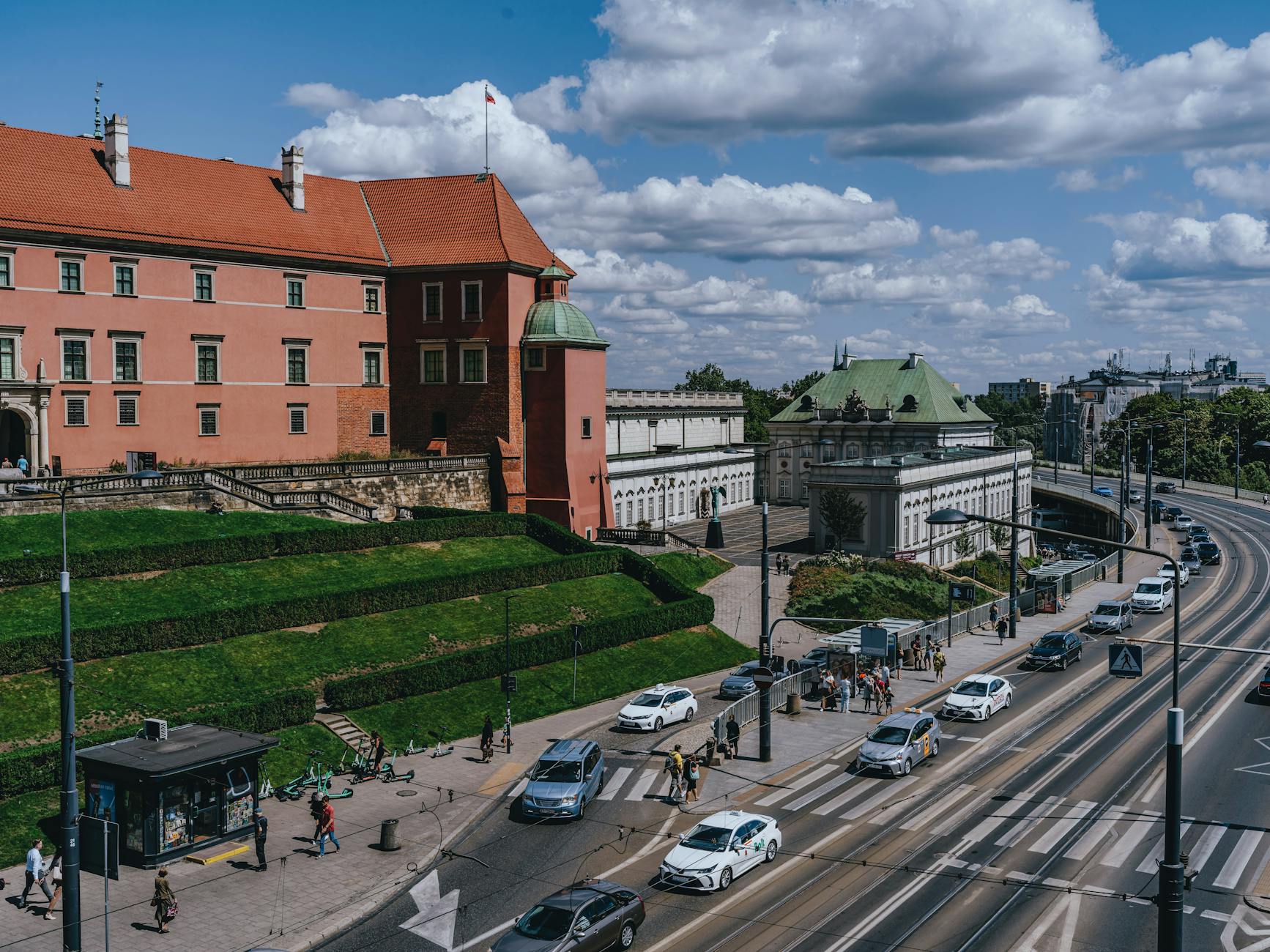
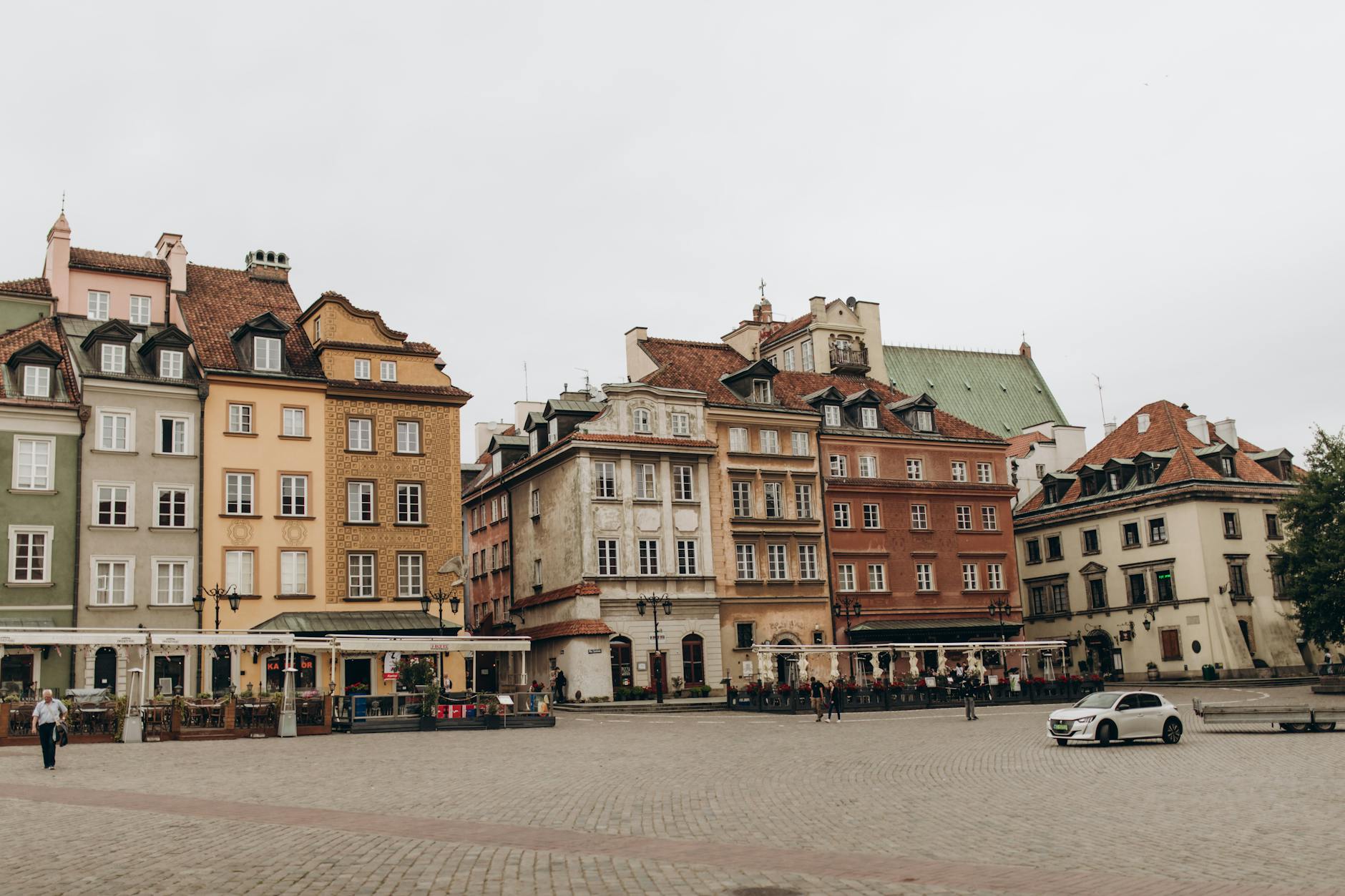
Warsaw's Old Town is visually charming and historically complex because it was rebuilt after wartime destruction. A first-time visitor should enjoy the squares, lanes, castle area, and viewpoints, but also understand that the story is reconstruction, memory, and civic identity.
The old center is most rewarding when it is not treated as a simple postcard.
- Visit the Old Town with enough time for the Royal Castle area, market square, viewpoints, and quiet side streets.
- Read enough background to understand reconstruction rather than expecting untouched medieval fabric.
- Avoid crowding the entire first day into only the Old Town if museums or parks matter to the trip.
Choose museums and history carefully
Warsaw has major museums and memorial sites, but a short first visit cannot absorb everything well. The traveler should choose the most relevant history, art, science, or music priorities and book around opening days and timed entries. Heavy museum days also need recovery time.
A few strong choices beat a rushed list.
- Check opening days, timed tickets, language options, and visit length before building the day.
- Balance heavier historical visits with parks, meals, or lower-pressure walks.
- Leave space for the Royal Route, modern center, or riverside instead of overloading museums.
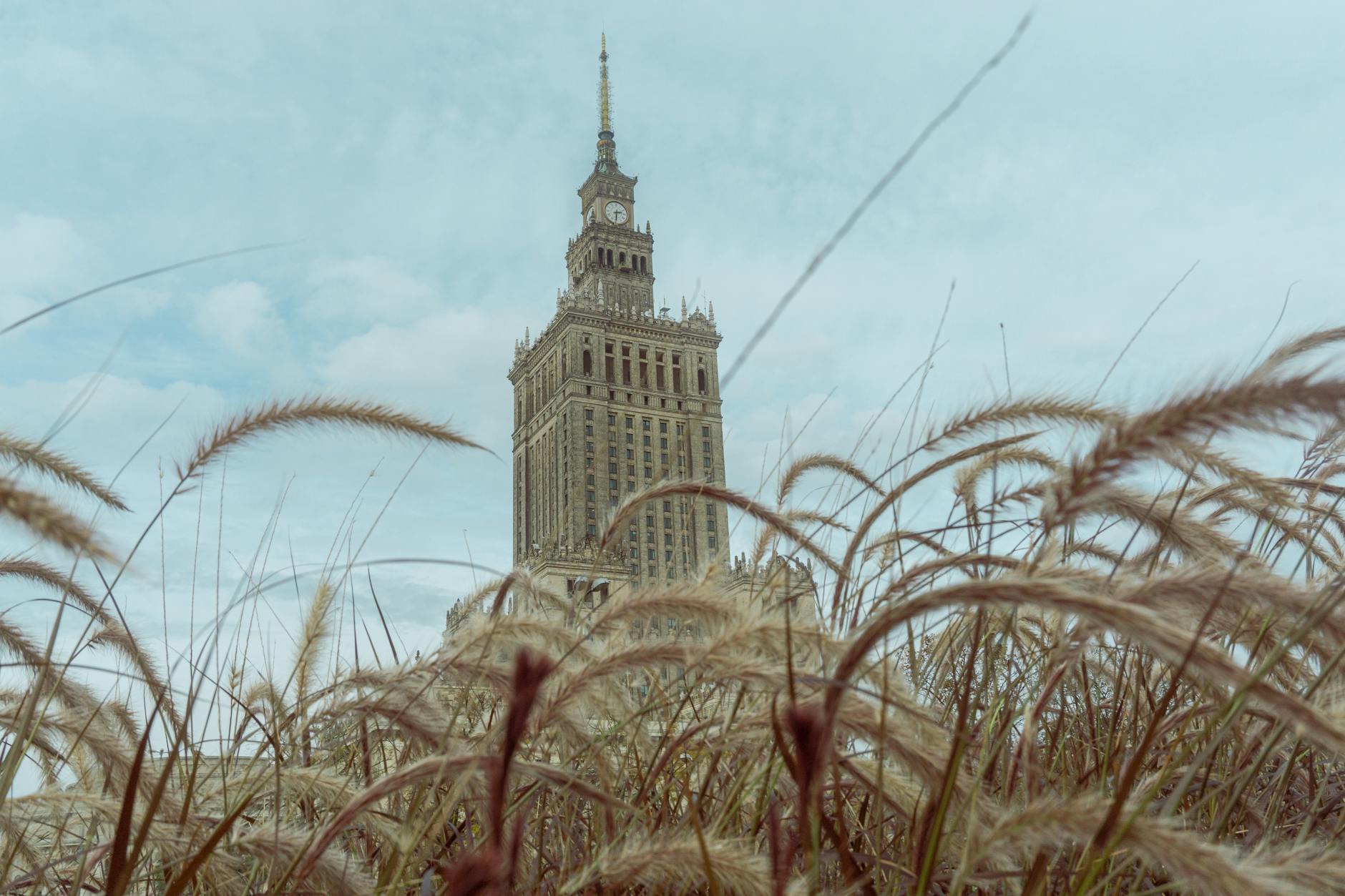
Use transport instead of proving everything on foot
Warsaw can be pleasant for walking, but it is not a city where every first-time route should be forced on foot. Metro, tram, bus, taxi, rideshare, and rail can all make the trip cleaner. The traveler should know when movement is part of the experience and when it is just fatigue.
Smart transport creates better sightseeing.
- Use public transport for longer cross-city moves and save walking energy for meaningful areas.
- Check airport or rail station routes before arrival day.
- Build extra time in winter, rain, heat, or after evening meals.
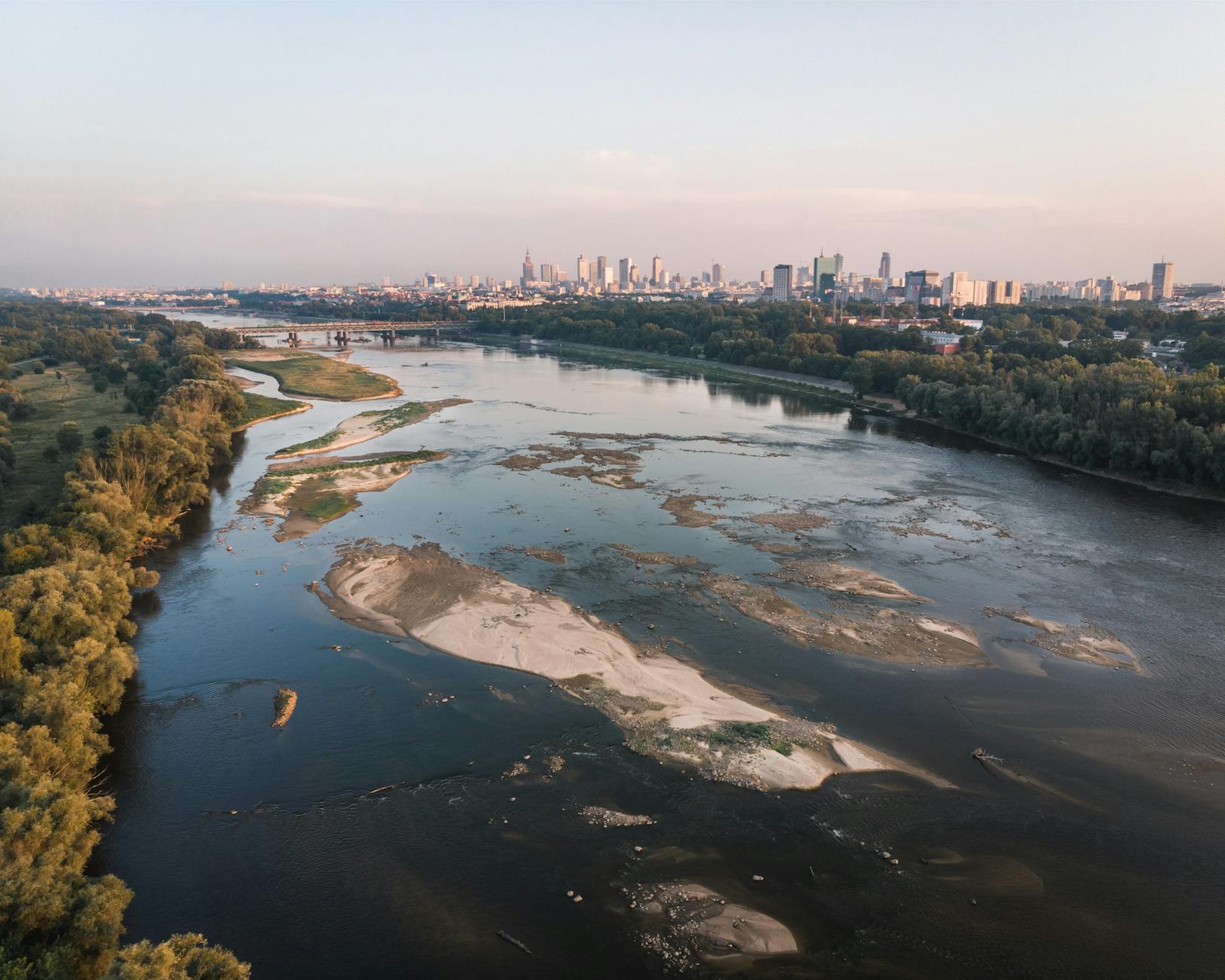
Let parks and food pace the trip
A good first Warsaw trip should not be only monuments and museums. Parks, cafes, milk bars, modern Polish restaurants, bakeries, riverside walks, and neighborhood meals help the city feel lived in. These breaks also make dense historical days easier to absorb.
Pacing is part of understanding the city.
- Use Lazienki Park, Saski Garden, or riverside time as real parts of the itinerary.
- Plan meals by district so food does not create unnecessary cross-town movement.
- Leave room for coffee, dessert, or a slower lunch instead of filling every gap with another landmark.
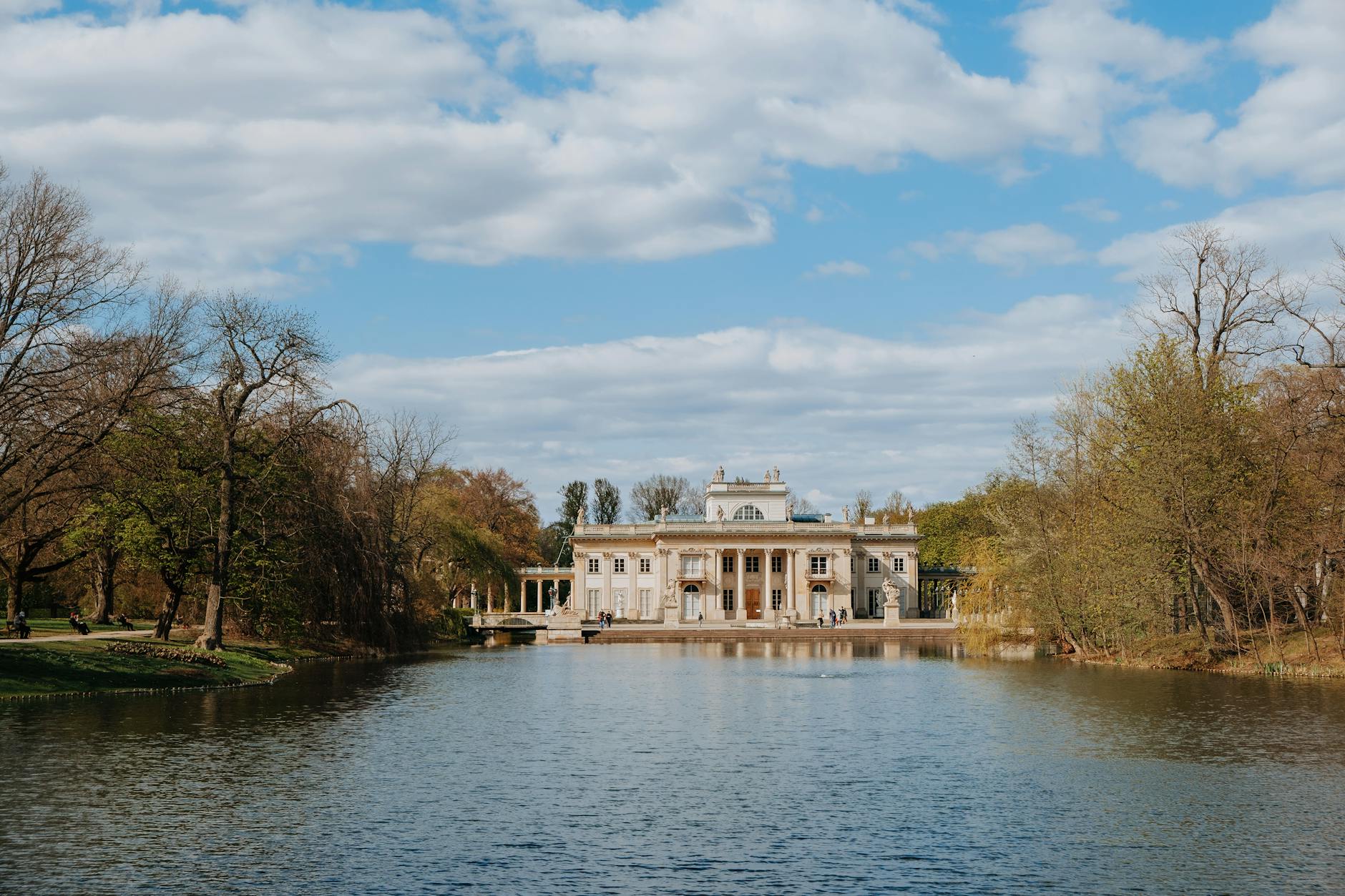
Plan evenings by neighborhood and return route
Warsaw evenings can be easy, polished, casual, cultural, or lively depending on the district. A first-time visitor should choose dinners, bars, concerts, and walks with a simple route back to the hotel. Cold weather, late hours, and unfamiliar streets should shape the plan.
The evening should be enjoyable without becoming complicated.
- Choose evening areas intentionally: Old Town, city center, Powisle, Praga, Wola, or a restaurant near the hotel.
- Check the return route before ordering the second stop of the night.
- Keep the next morning's museum, flight, train, or tour timing in view.
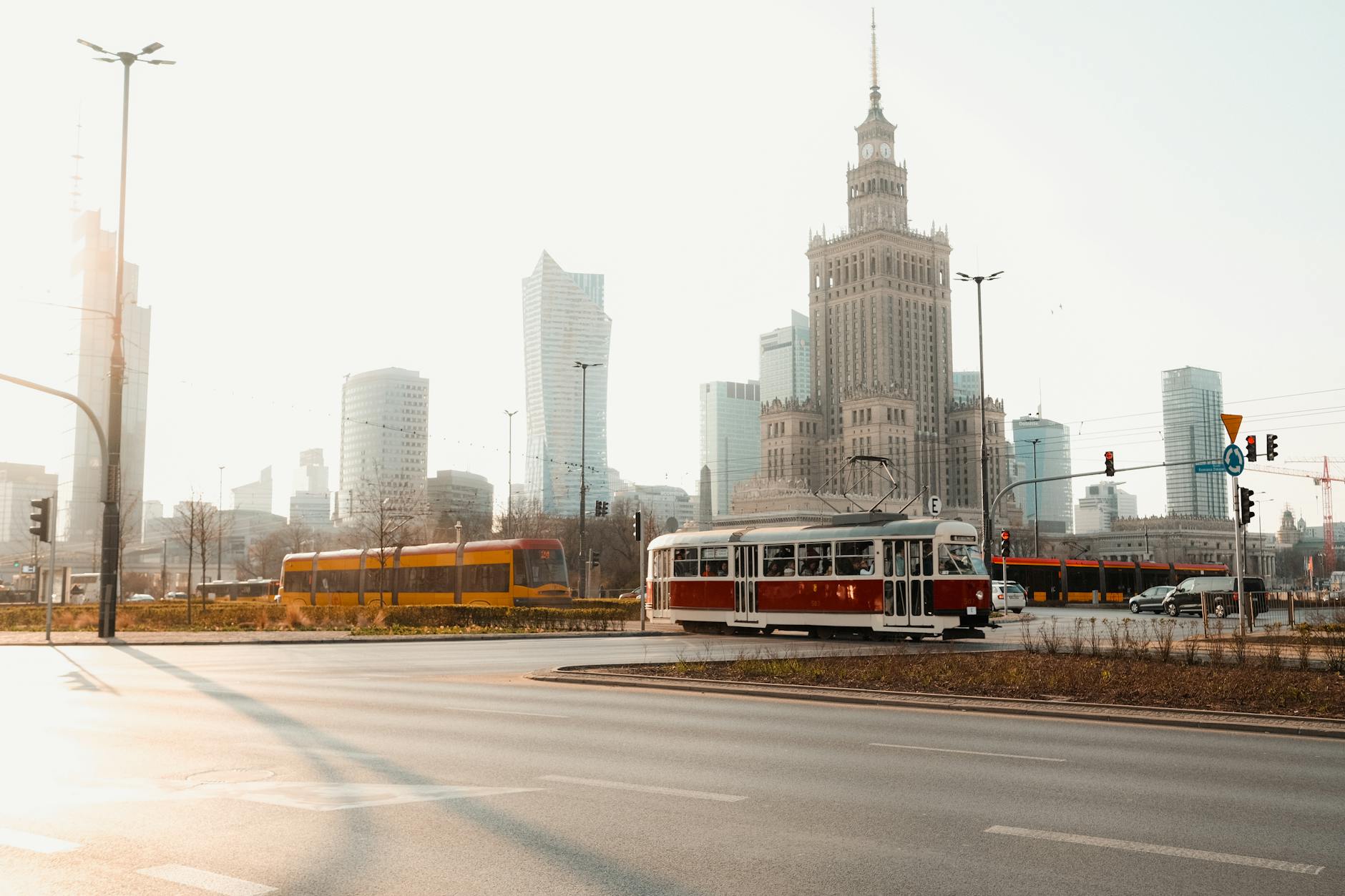
When to order a short-term travel report
A first-time visitor with flexible dates and simple interests may not need a custom report. A report becomes useful when the traveler has limited days, winter weather, mobility needs, strong museum priorities, food goals, multiple neighborhoods, or a tight arrival and departure.
The report should test hotel area, arrival route, day grouping, museum timing, Old Town context, parks, food, evenings, weather, and departure buffers. The value is a first Warsaw trip that feels coherent rather than scattered.
- Order when hotel area, museum choices, route grouping, food, weather, mobility, or departure timing need exact planning.
- Provide dates, arrival mode, hotel candidates, interests, walking tolerance, budget, food preferences, and must-see items.
- Use the report to make the first visit structured without making it rigid.