Warsaw is inland, so most cruise or port-call travelers are not stepping off an ocean ship directly into the city. They may use Warsaw as a pre-cruise or post-cruise extension, a Baltic or Gdansk add-on, a river-itinerary stop, or a transfer city before returning to a port, airport, or rail connection. That makes timing and route discipline more important than trying to see everything.
Start with the real arrival mode
A Warsaw cruise or port-call plan should begin by naming the actual arrival mode. The traveler may be coming from a Baltic cruise port such as Gdansk, from a river itinerary, from Chopin Airport, from Modlin, or from a rail transfer. Those are very different planning problems.
Warsaw should be treated as a connected extension, not a dockside stroll.
- Confirm whether Warsaw is before the cruise, after the cruise, between port calls, or tied to a same-day return.
- Check the exact airport, rail station, hotel pickup point, or port transfer involved.
- Avoid assuming ocean-port timing applies to an inland city visit.
Respect the ship or onward deadline
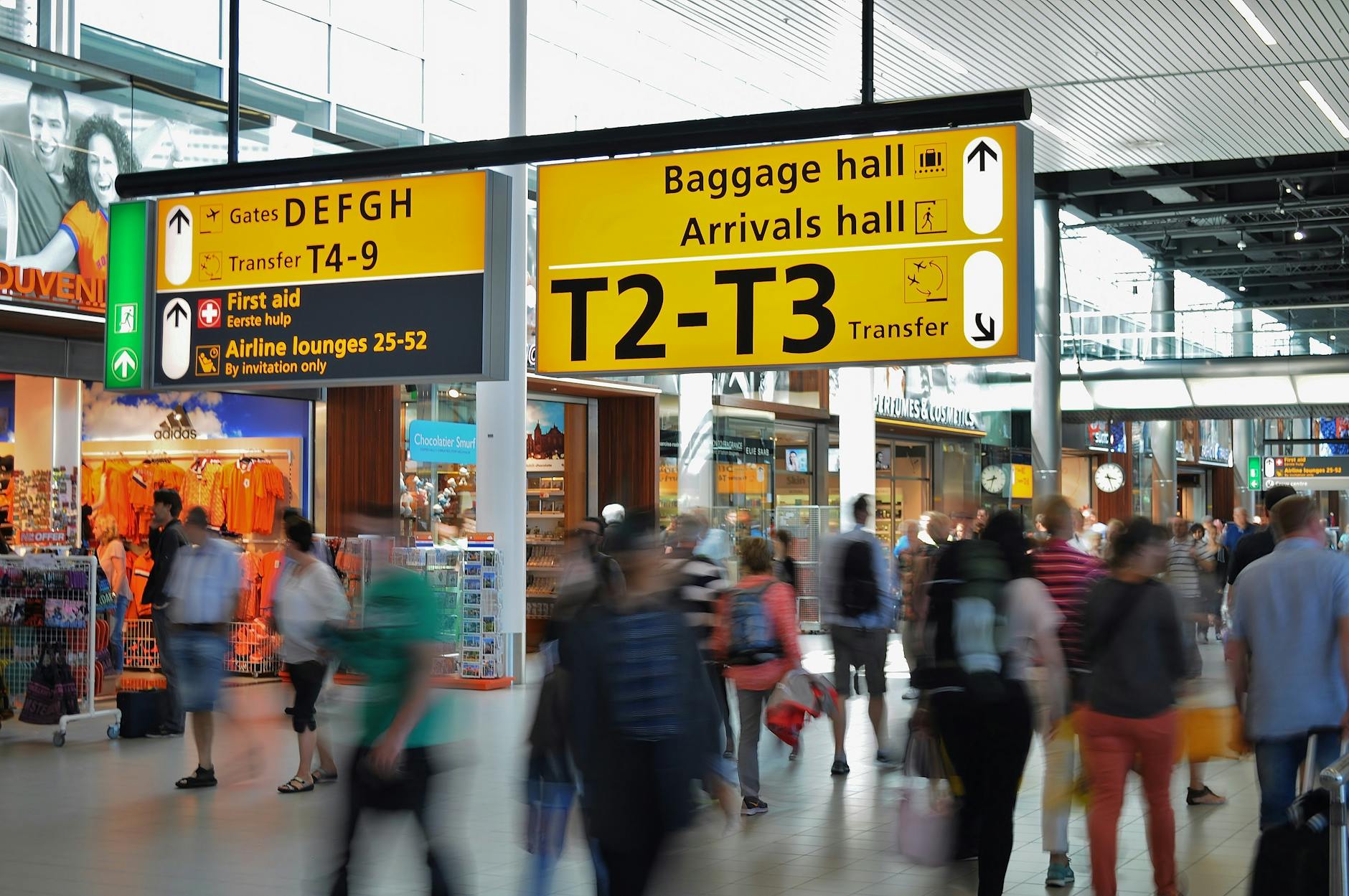
If the traveler must return to Gdansk, another Baltic port, a cruise group transfer, a flight, or a long-distance train, the deadline controls the day. A missed ship or onward leg is not comparable to missing a museum slot. The route should be built backward from the hard departure.
The return clock should shape every choice.
- Set the latest safe departure from Warsaw before choosing sightseeing stops.
- Build larger buffers for road traffic, weather, rail changes, station navigation, and luggage pickup.
- Keep optional stops near the end of the route easy to drop.
Choose a Warsaw route that fits luggage
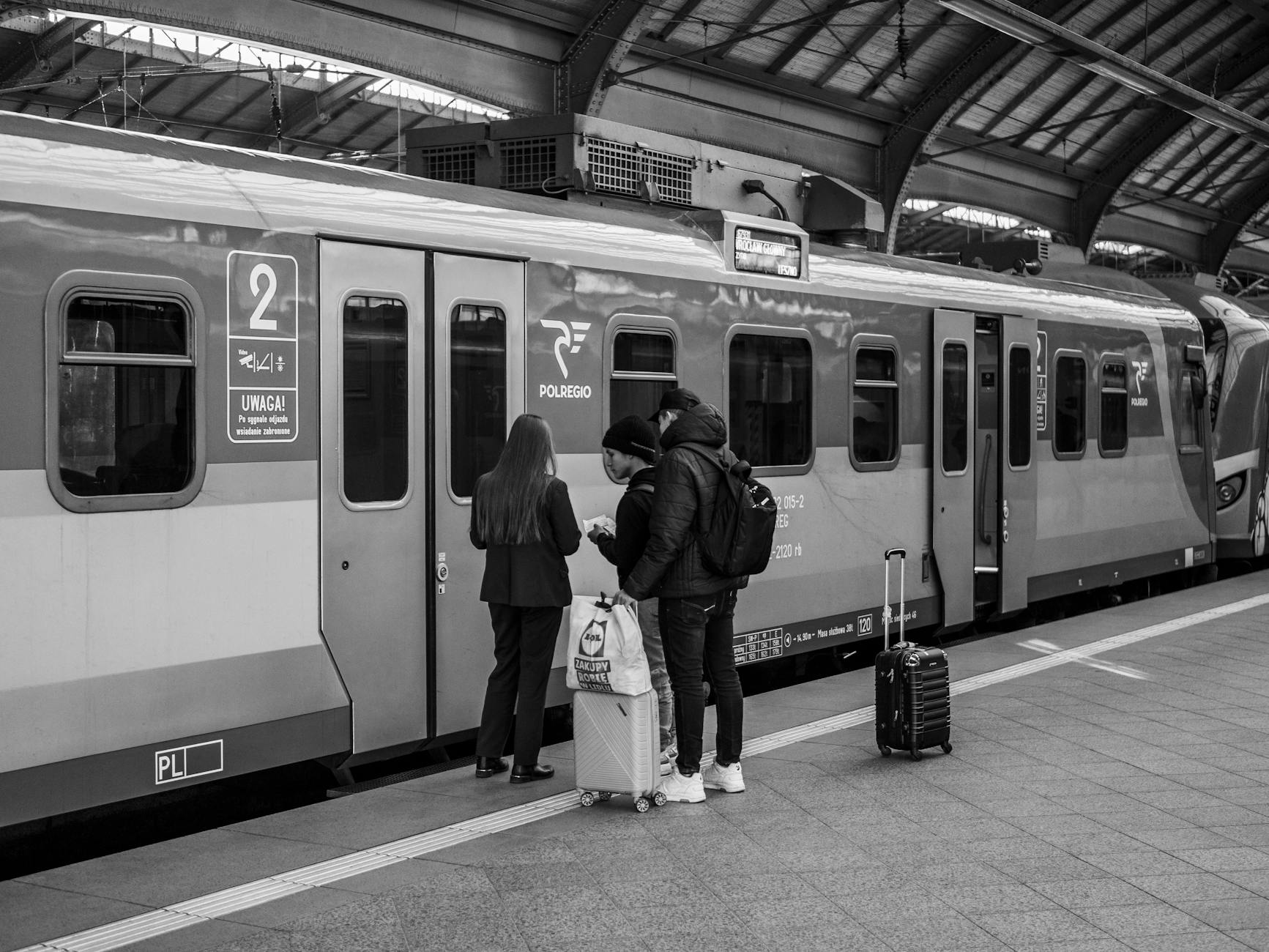
Luggage changes what a short Warsaw visit can be. A traveler carrying cruise bags, formal wear, medical items, or gifts should not build a day around long cobblestone walks or multiple transfers before storage is solved. Bag storage, hotel timing, and private transfers may be worth more than one extra attraction.
The route should be light enough to execute.
- Confirm hotel storage, station lockers, driver waiting time, or group-bus luggage rules before arrival.
- Avoid dragging bags through Old Town, crowded transit, or long station passages.
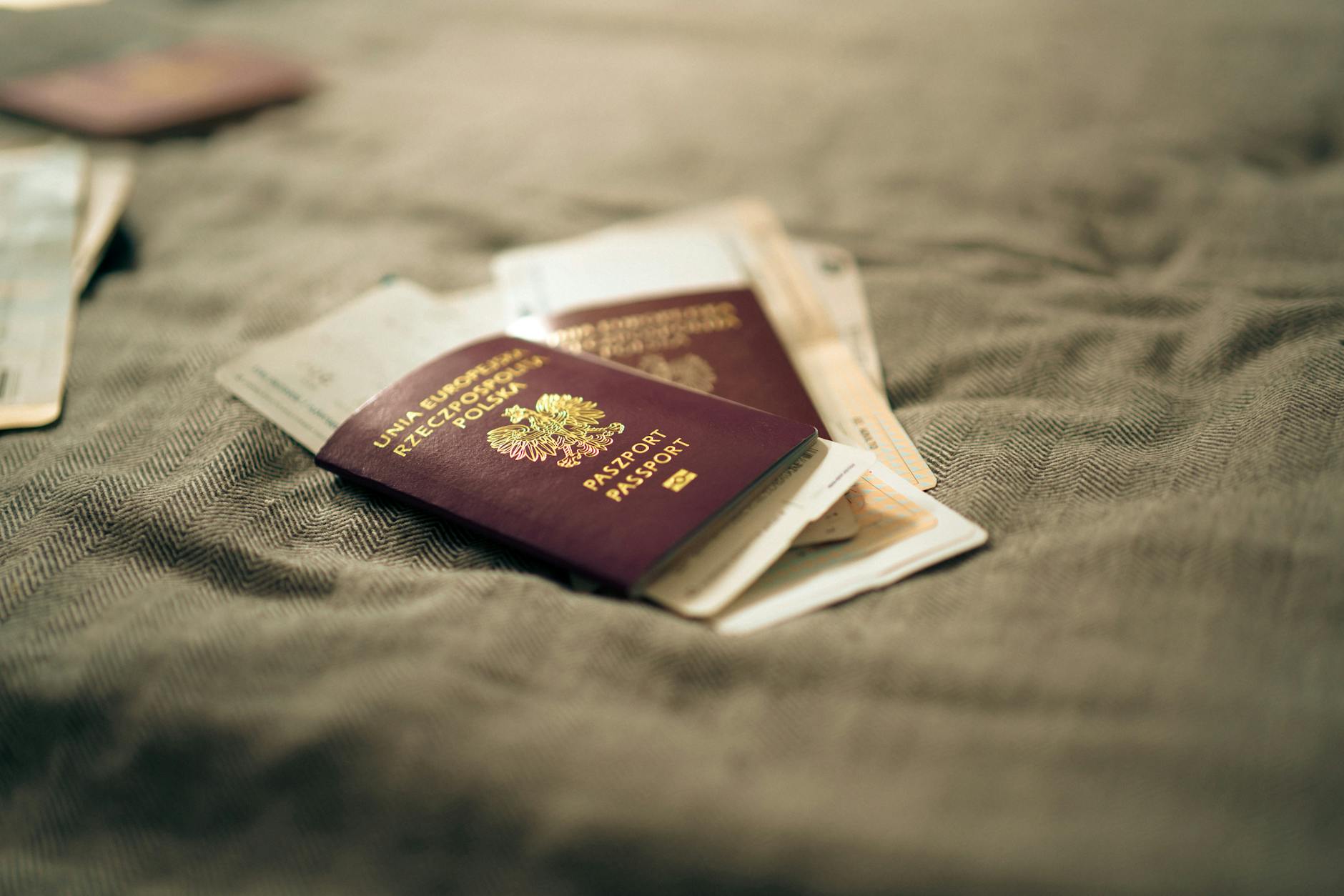
- Keep passports, medication, tickets, chargers, and ship documents in a personal bag.
Use Old Town and river time selectively
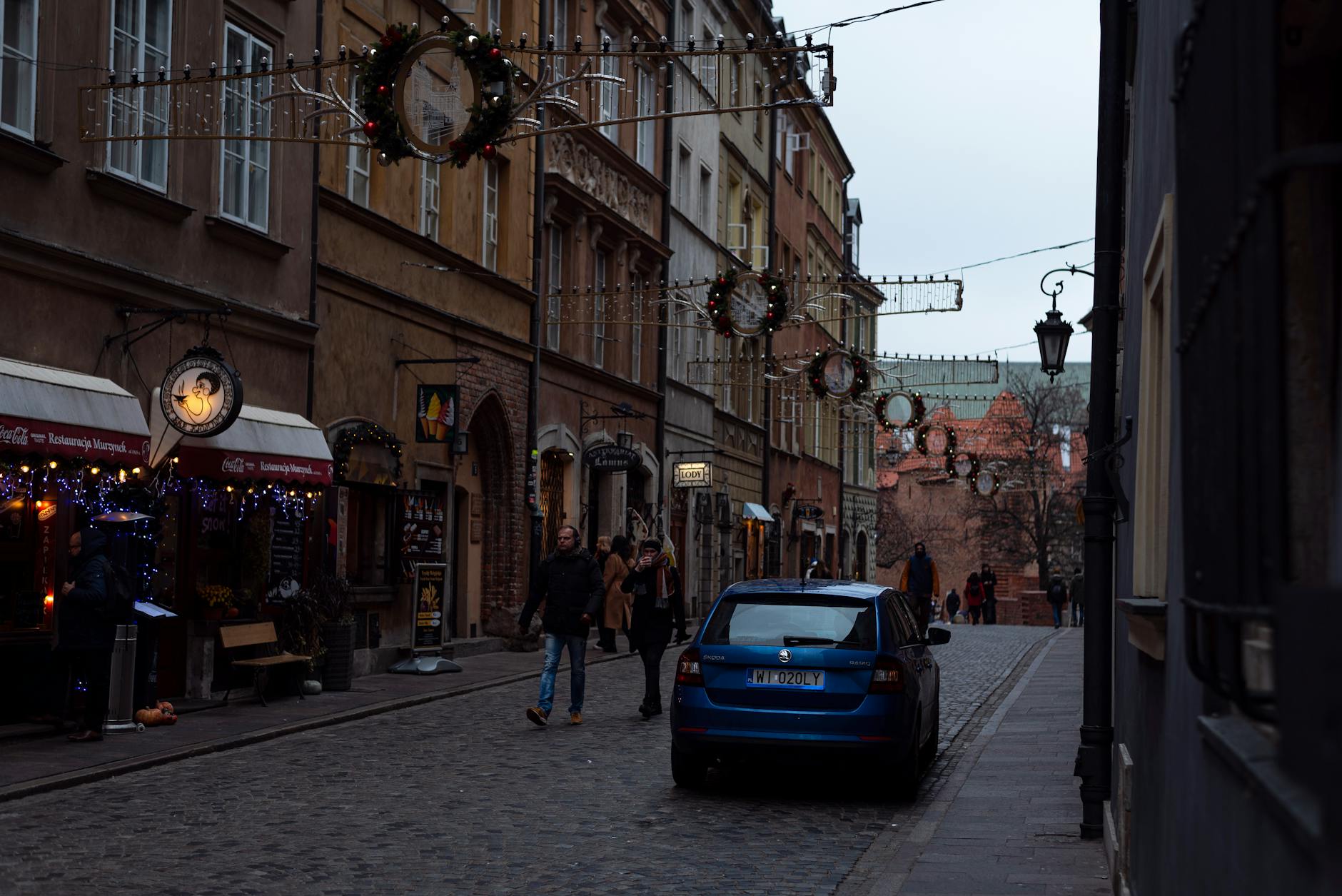
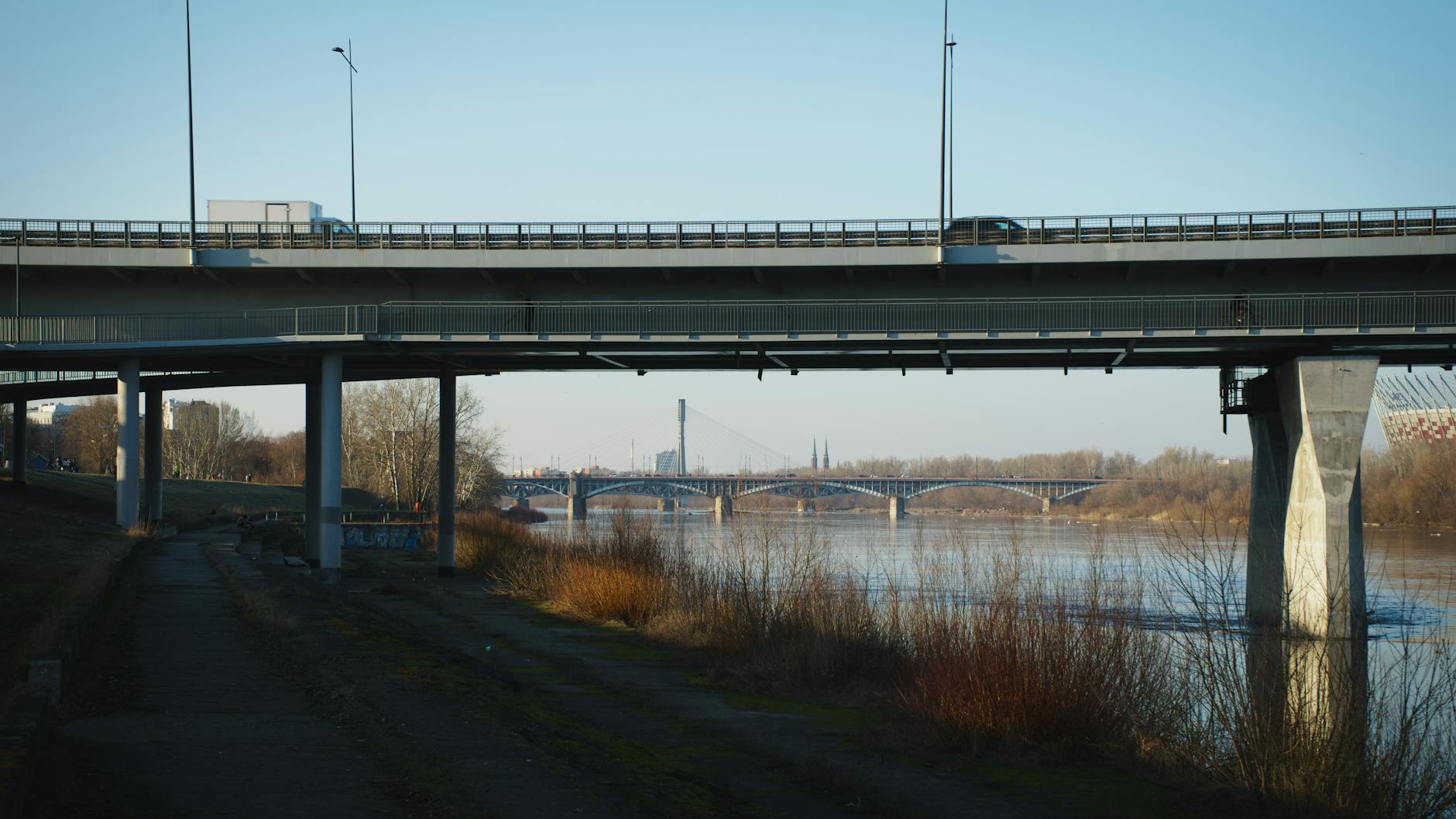
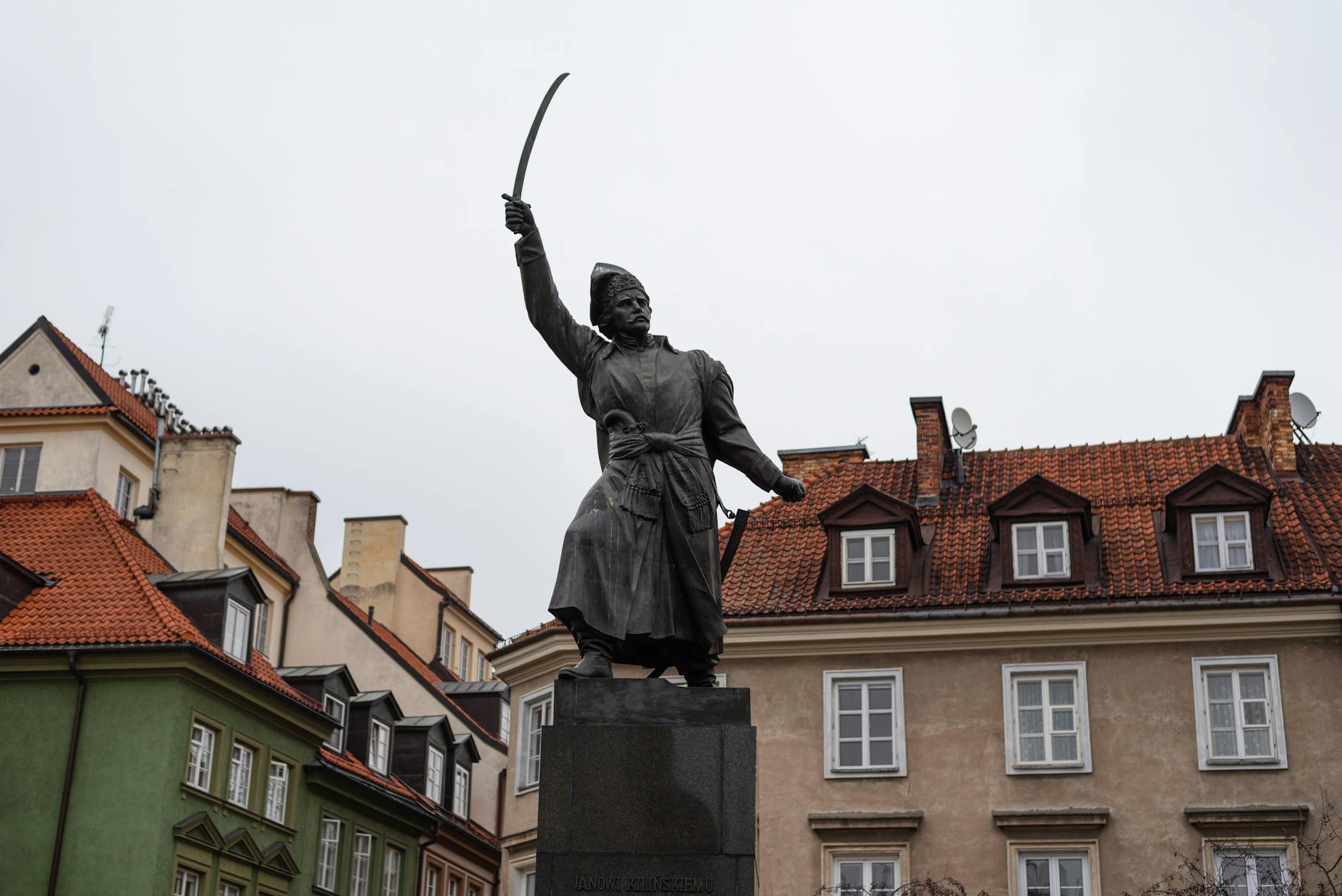
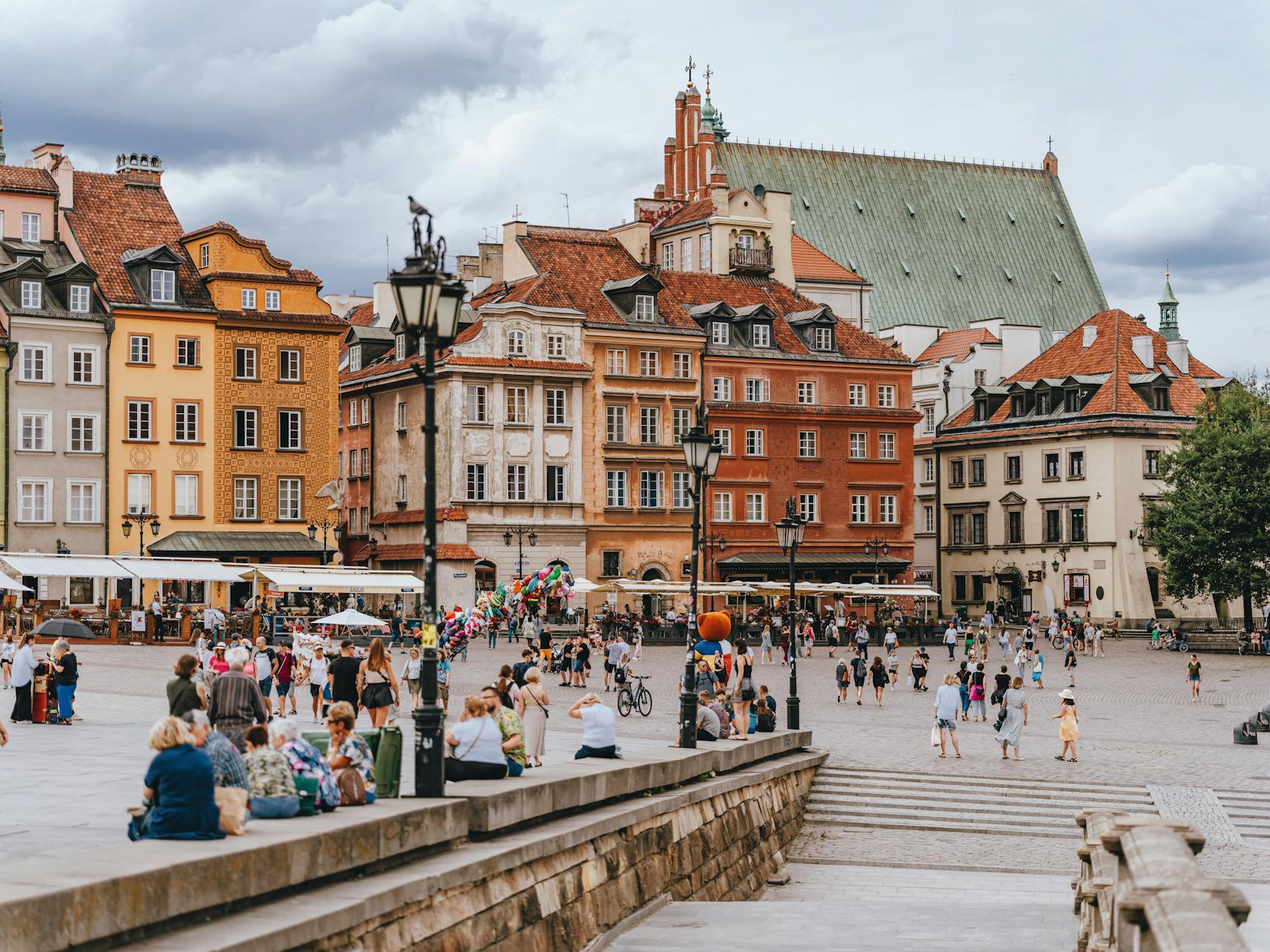
Old Town, reconstructed historic streets, river views, museums, churches, and cafe stops can make Warsaw feel worthwhile even on a compressed schedule. The mistake is trying to turn an extension day into a full capital-city survey. A port-call traveler usually needs one coherent Warsaw story.
A short route should be memorable, not crowded.
- Choose one main area such as Old Town, the river corridor, a museum, or a central viewpoint.
- Pair outdoor walking with a seated pause so the day does not feel like a transfer march.
- Skip distant sites unless the return schedule is very forgiving.
Plan meals and rest around transfer fatigue
Cruise and port-call travelers often underestimate how tired they are after ship schedules, early disembarkation, border or baggage steps, long road transfers, and hotel changes. Warsaw food plans should support the day instead of adding another difficult reservation across town.
Meals are part of the transfer plan.
- Choose lunch or dinner near the main route, hotel, station, or pickup point.
- Leave time for rest if the day follows early disembarkation or precedes a long return.
- Check dietary needs, payment options, and reservation timing before the city route begins.
Build a clean return to the port or airport
The return path should be simple enough to follow under fatigue, rain, traffic, or minor delays. For travelers heading back toward a Baltic port, cruise group, airport, or rail departure, the final hour in Warsaw should not depend on a complicated chain of taxis, storage counters, and last-minute purchases.
The exit should be boring by design.
- Save the exact pickup point, driver contact, station entrance, terminal, and backup transport option.
- Collect luggage before the final sightseeing block unless storage is directly on the exit path.
- Stop adding activities once the return buffer begins to shrink.
When to order a short-term travel report
A cruise or port-call traveler with a fully guided Warsaw extension may not need a custom report. A report becomes useful when Warsaw is self-planned, tied to a hard ship or flight deadline, connected to Gdansk or another port, affected by luggage, or squeezed between early arrival and late departure.
The report should test transfer timing, storage, route order, Old Town or river priorities, meals, rest, weather, accessibility, and the return buffer. The value is a Warsaw stop that feels purposeful without putting the onward schedule at risk.
- Order when port links, transfers, luggage, city routing, meals, accessibility, or the return deadline need exact planning.
- Provide cruise dates, ship or port details, arrival mode, luggage plan, hotel candidates, mobility needs, and onward times.
- Use the report to keep the Warsaw extension calm, realistic, and tied to the deadline.