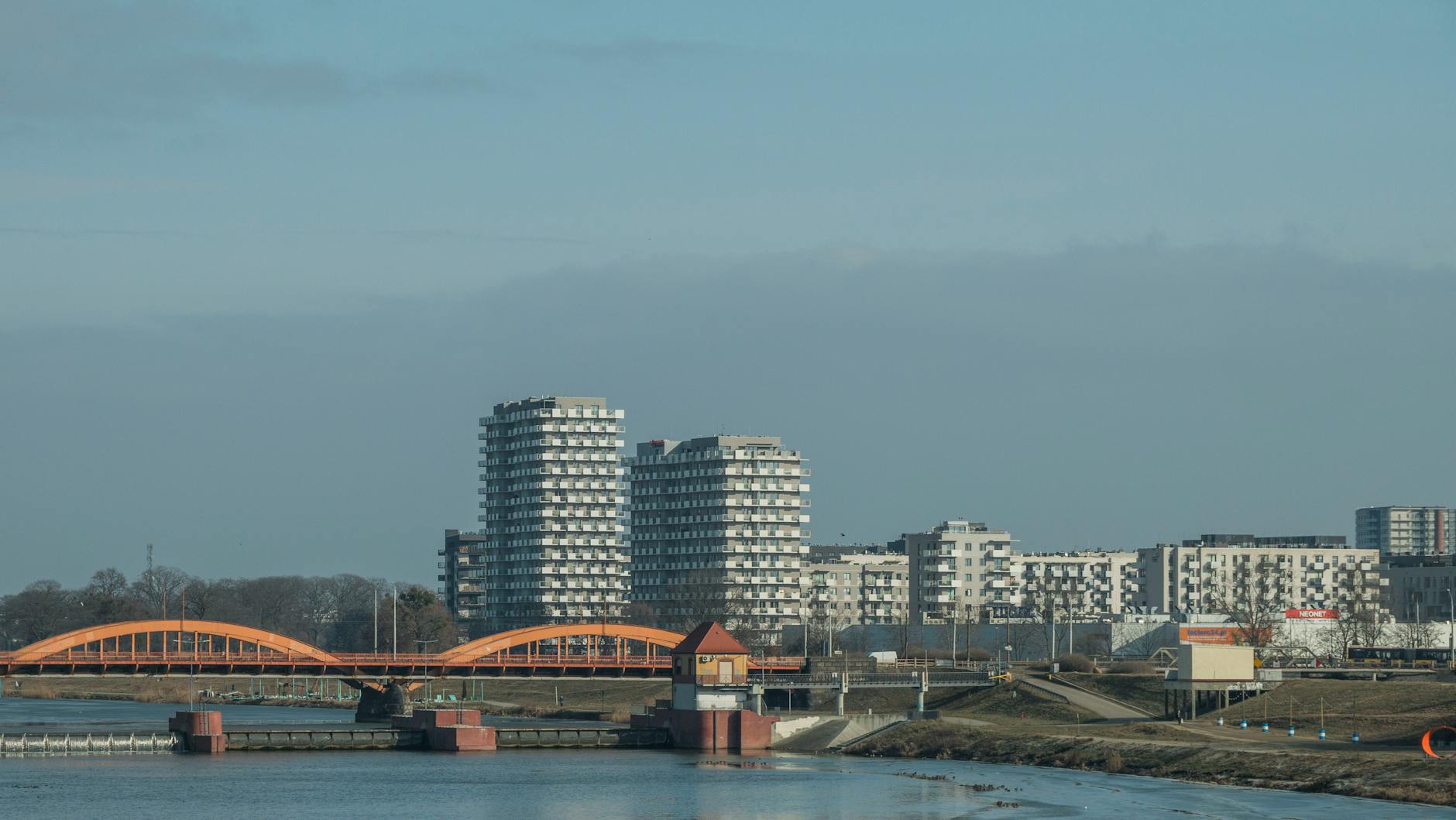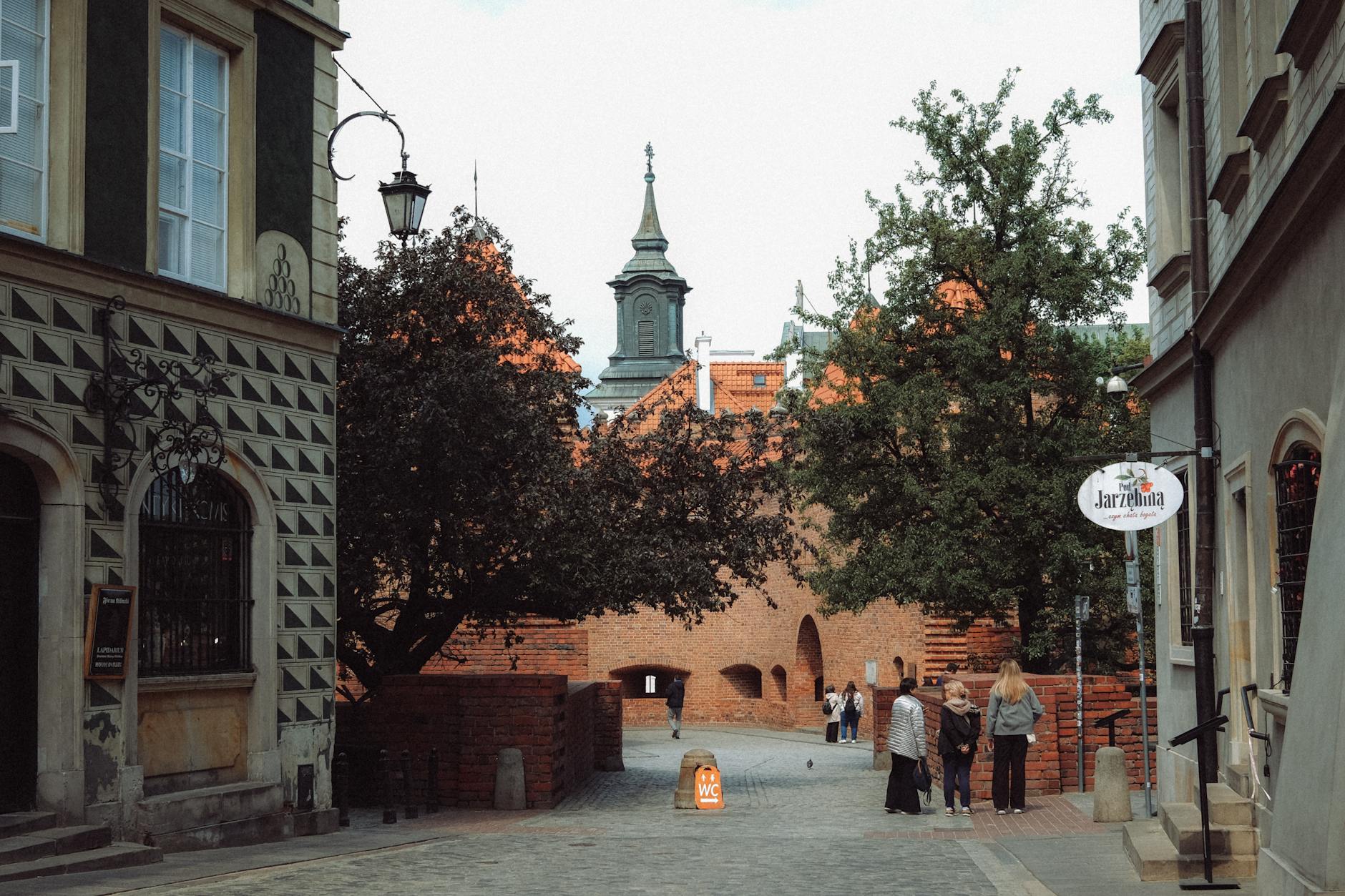
Warsaw can give a content creator a strong mix of reconstructed historic streets, modern skyline, riverfront spaces, museums, food, transport scenes, hotels, and everyday neighborhoods. The short trip works best when the creator plans the shoot list, permissions, pacing, and file workflow before arrival.
Define the shoot purpose first
A content creator should decide whether the Warsaw trip is about destination storytelling, hotel coverage, food, history, nightlife, business travel, family travel, brand work, or a personal channel. A vague shoot list can waste the best light and create too much movement.
The content goal should shape the city route.
- Write a short shot list by theme, location, daylight need, and must-capture obligation.
- Separate paid deliverables from personal coverage and optional extras.
- Group locations by district so the day is not spent chasing isolated shots.
Check permissions and brand limits
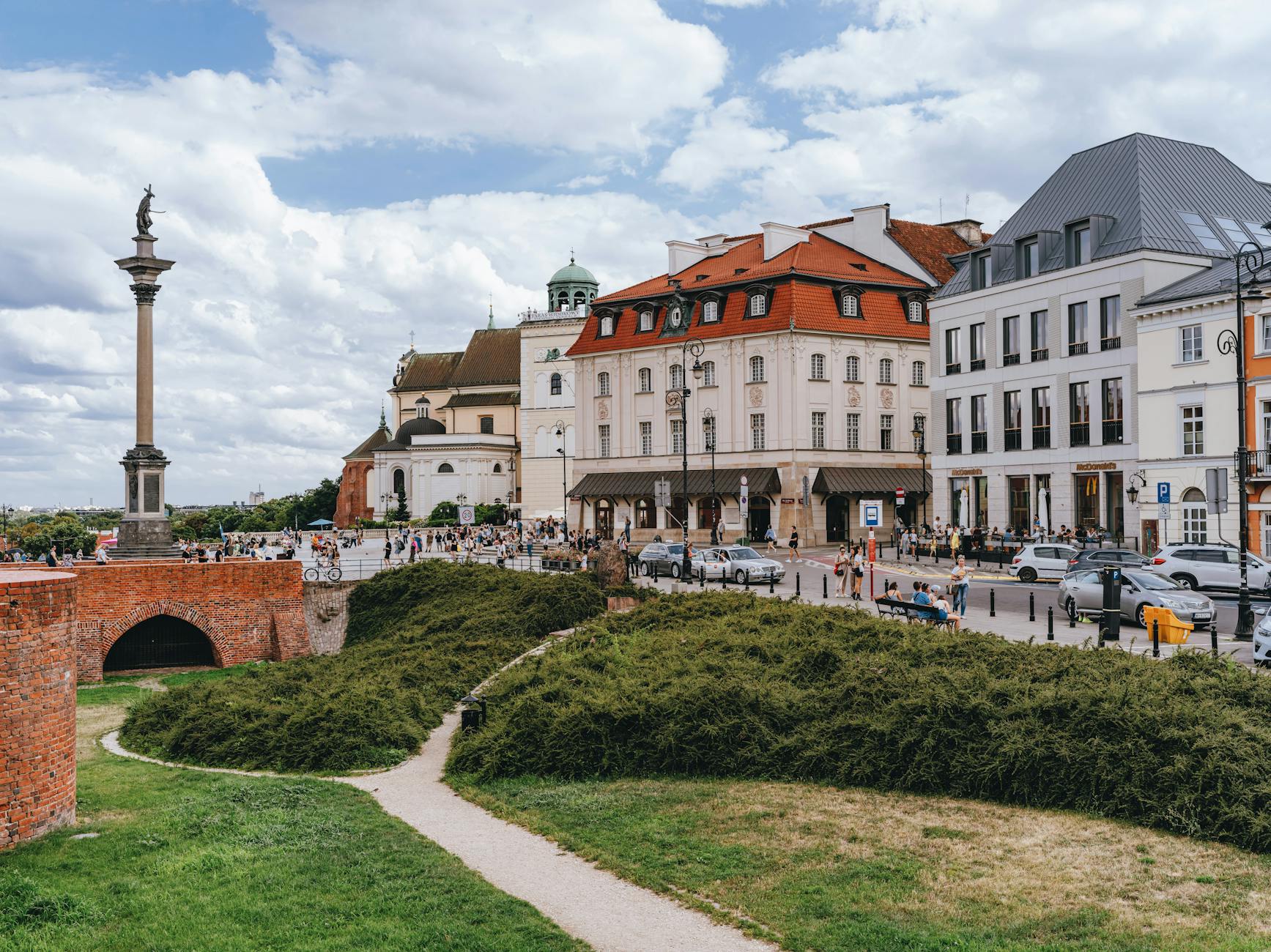
Warsaw's public spaces are generally workable for casual creator activity, but museums, hotels, restaurants, private property, events, drone use, commercial shoots, and sponsored content can have rules. The creator should confirm before arriving with gear or a production promise.
Permission problems are easiest to solve early.
- Check filming, tripod, drone, hotel, museum, restaurant, event, and brand disclosure rules.
- Confirm whether collaborators, hosts, or venues need approval before posting.
- Carry a simple explanation of the project and any relevant booking or partnership details.
Choose neighborhoods by visual contrast
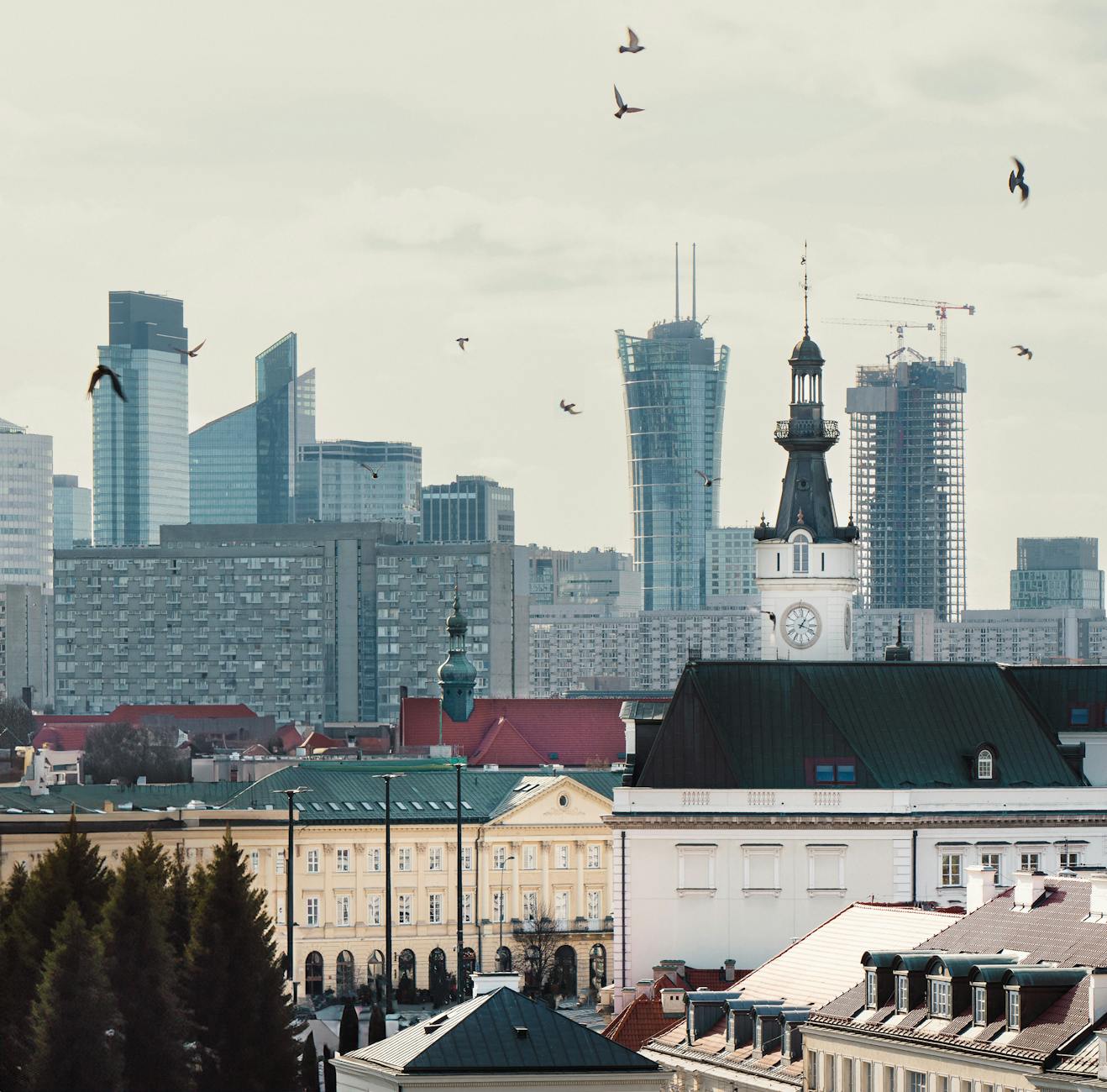
Warsaw works best for short creator trips when the route uses contrast deliberately: Old Town, modern towers, riverfront, parks, museums, cafes, residential streets, and transit scenes. Trying to make every district do the same job weakens the story.
A stronger route gives each location a role.
- Use Old Town, the skyline, river areas, parks, and everyday streets for different visual beats.
- Check sunrise, sunset, weather, crowd levels, and museum hours before locking the sequence.
- Avoid overloading one day with too many distant locations.
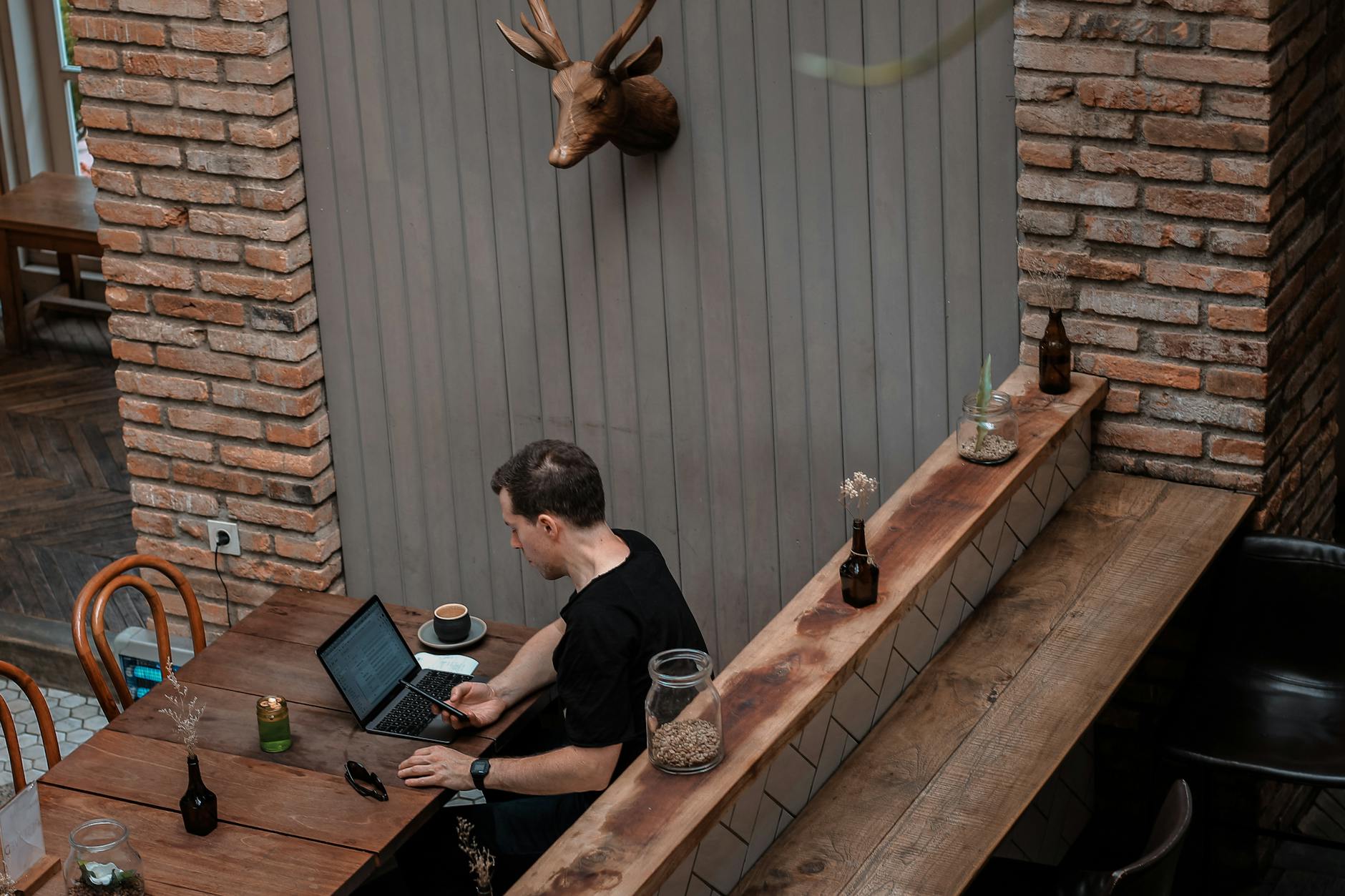
Treat the hotel as a production base
The room is where batteries charge, files copy, captions get drafted, calls happen, and the creator recovers. A pretty hotel is less useful if Wi-Fi, desk space, light control, luggage storage, elevator access, or pickup points fail the workflow.
The base should support both shooting and editing.
- Confirm Wi-Fi, outlets, desk space, quiet, storage, laundry, and early or late luggage handling.
- Choose lodging near the main shoot cluster or a direct route to early-light locations.
- Keep time in the room for backups, edits, uploads, and sponsor checks.
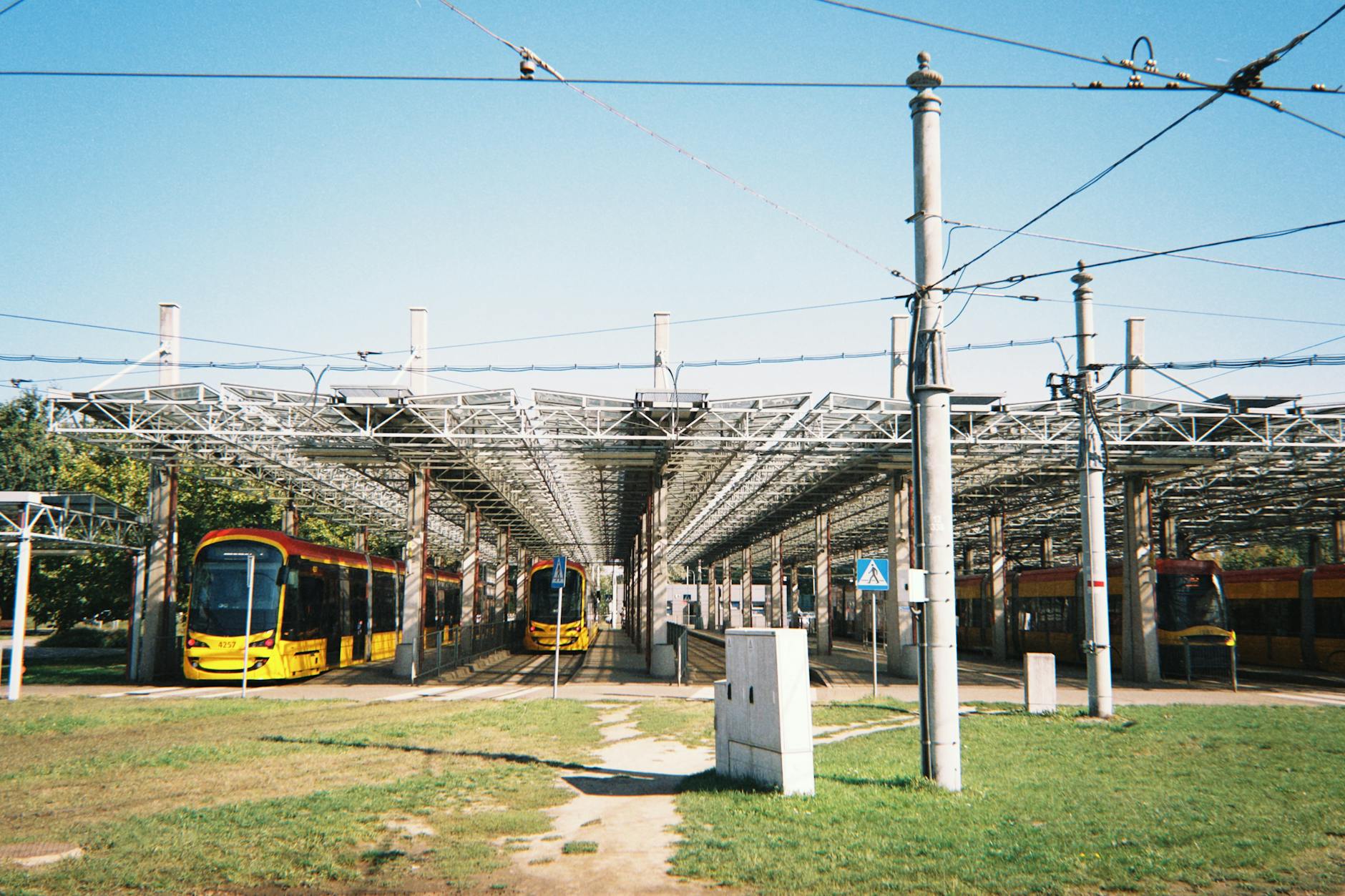
Plan equipment around movement
A creator's gear should match the Warsaw itinerary. Heavy kits can slow museums, transit, cobblestones, restaurants, and evening returns. Light kits can miss specific deliverables. The traveler should decide what must be carried, what stays at the hotel, and how files are backed up.
The best kit is the one the creator can use all day.
- Pack batteries, chargers, adapters, memory, microphones, weather cover, and a secure backup routine.
- Match tripod, camera, phone, laptop, and lighting choices to venue rules and walking load.
- Keep essential gear in hand luggage and avoid leaving irreplaceable files in one place.
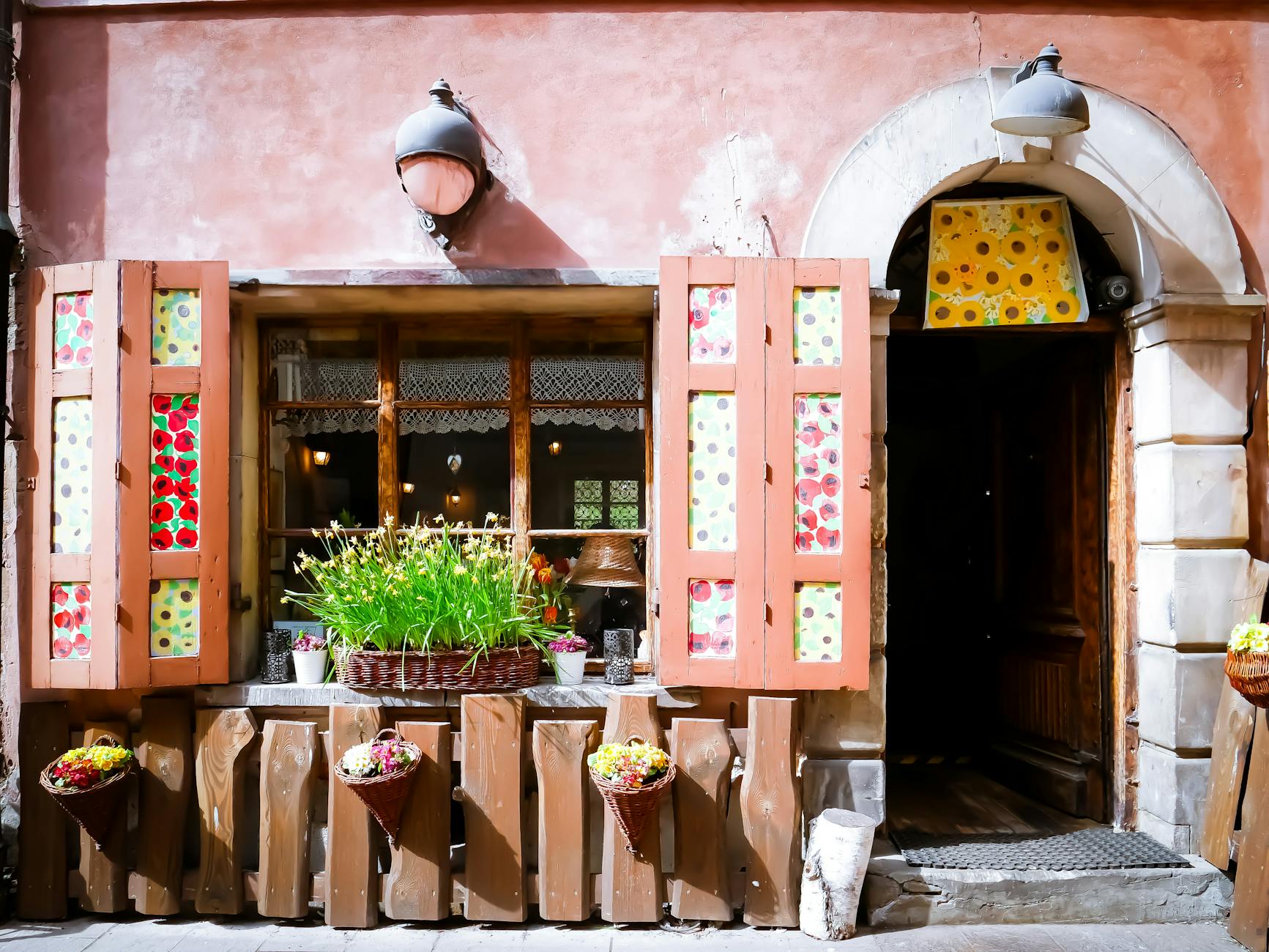
Use food and night shoots intentionally
Food, cafes, bars, skyline views, and evening streets can add depth to Warsaw coverage, but they should not become random filler. Restaurant permissions, low light, return routes, weather, and fatigue all affect whether the creator can capture the moment well.
The evening needs a production plan too.
- Reserve meals that match the story and ask before filming staff, guests, or private spaces.
- Check night transport, lighting, weather, and battery levels before late shoots.
- Leave time after dinner or night coverage to back up files before sleep.
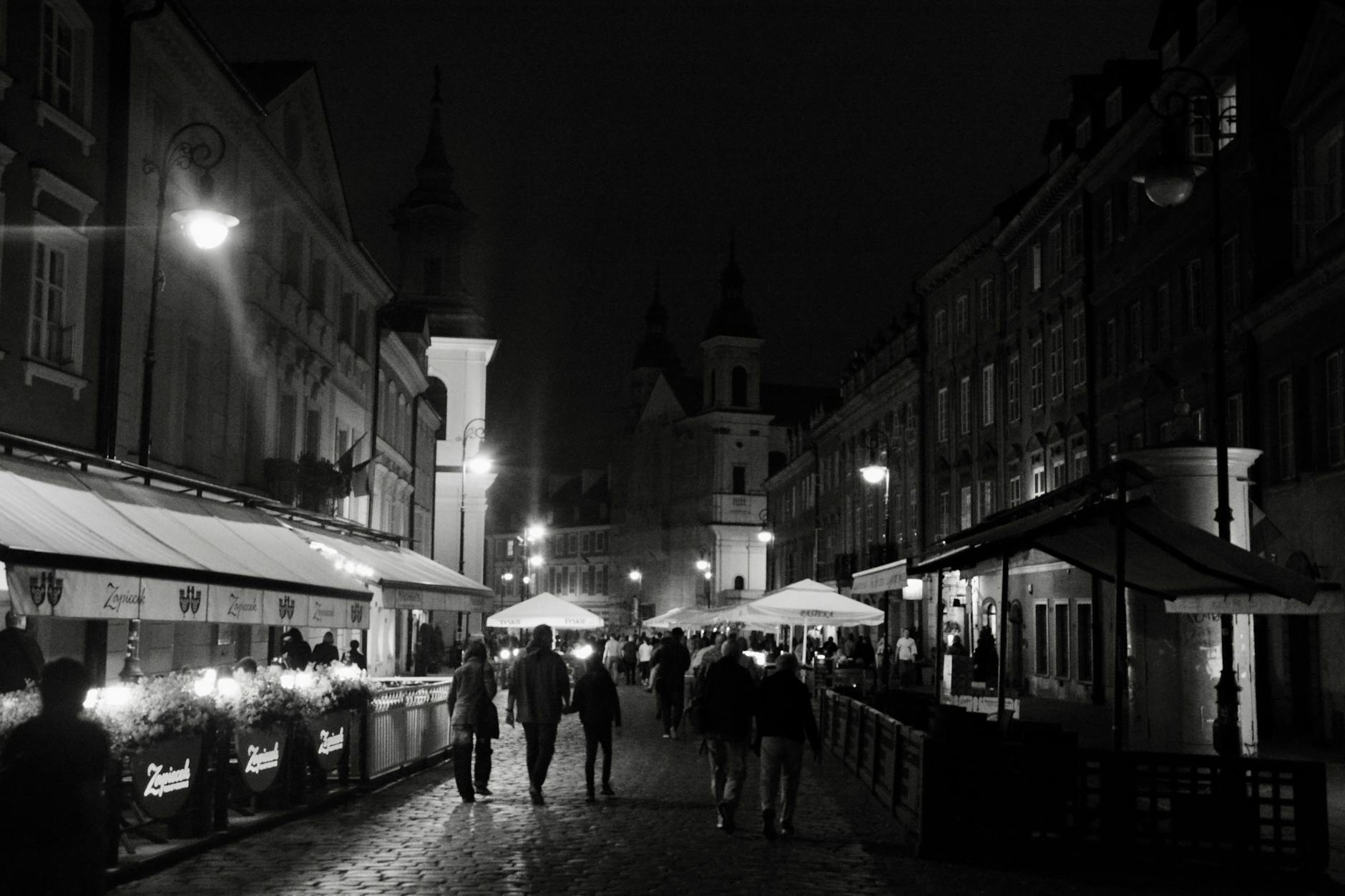
When to order a short-term travel report
A content creator with flexible personal plans may not need a custom report. A report becomes useful when the trip includes paid deliverables, hotel or restaurant coverage, tight weather windows, permission questions, early shoots, heavy gear, night scenes, or a departure soon after final capture.
The report should test visual geography, permissions, hotel workflow, equipment movement, weather, food locations, night routes, editing blocks, and departure timing. The value is a Warsaw creator trip where the route supports the work instead of draining it.
- Order when shoot locations, permissions, hotels, gear, weather, food, night routes, or departure timing need exact planning.
- Provide dates, channels, deliverables, shot list, gear list, hotel candidates, budget, mobility limits, and brand obligations.
- Use the report to protect capture time, file workflow, and creative energy.