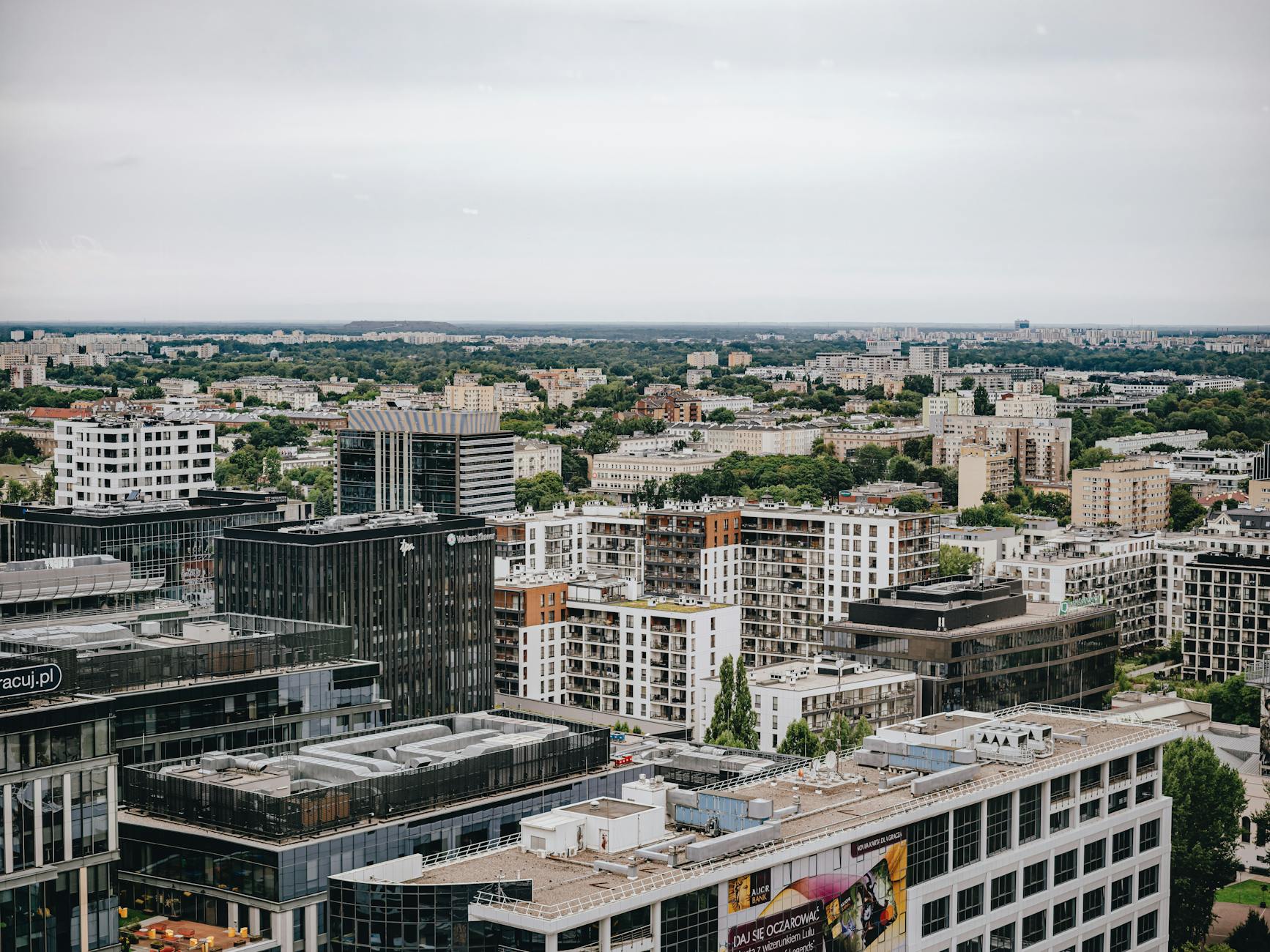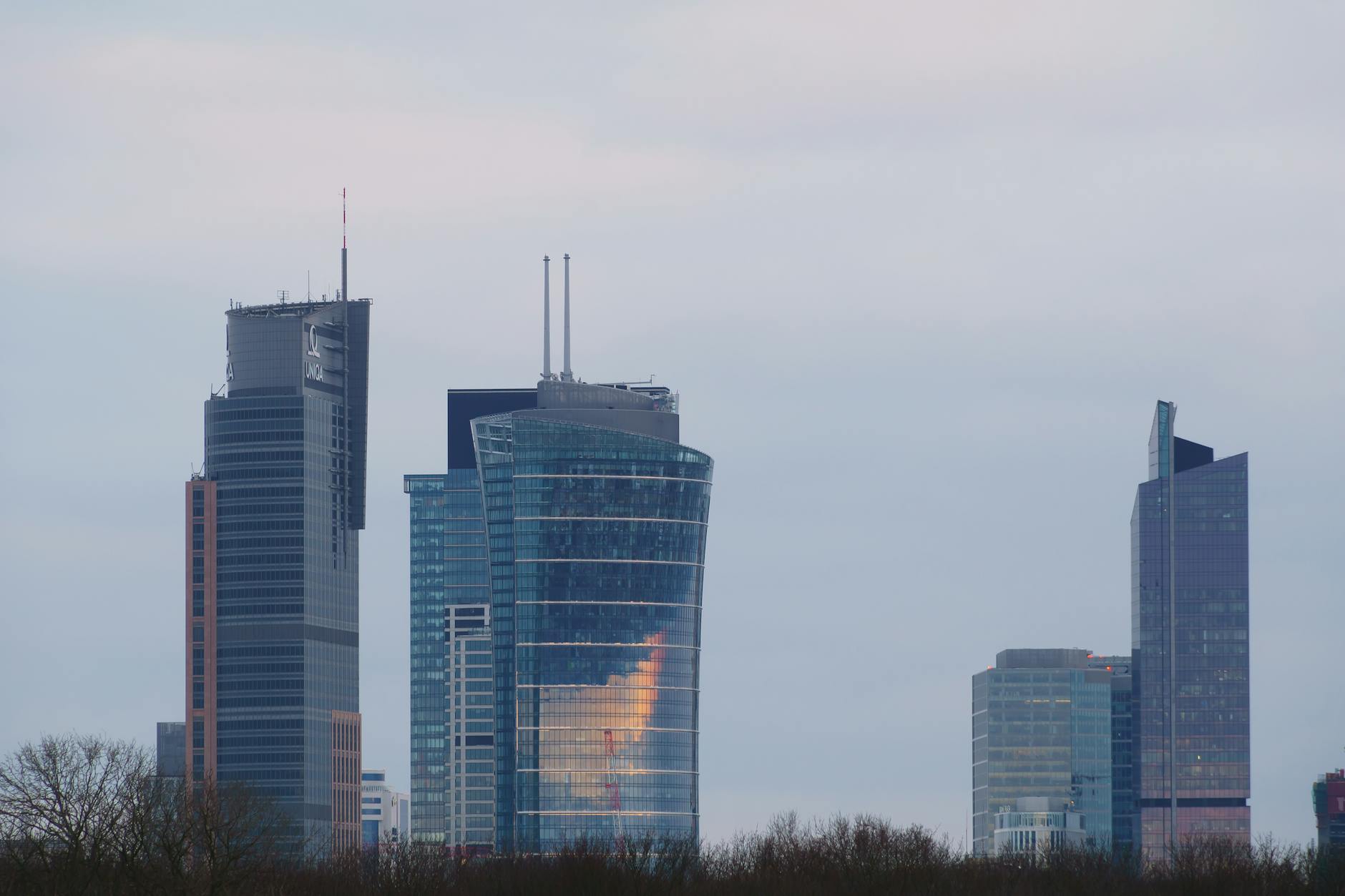
Warsaw can be efficient for a consulting trip when the traveler plans around the client's actual operating geography. The engagement may involve office towers, government areas, industrial sites, hotels, conference rooms, or several client locations in one day. The consultant's plan should protect punctuality, preparation, confidentiality, and recovery.
Map the client geography first
A Warsaw consulting trip should start with addresses and access rules. Client offices may sit in Wola, the city center, Mokotow, government areas, hotel meeting rooms, Praga, or sites outside the core. The right hotel and transport plan depend on where the work actually happens.
The engagement map should lead the itinerary.
- List every client site, workshop room, dinner, hotel, station, and airport point before booking lodging.
- Check office security, visitor registration, elevator access, and meeting room location.
- Avoid a hotel that forces repeated cross-city movement before critical sessions.
Protect the arrival and first workshop
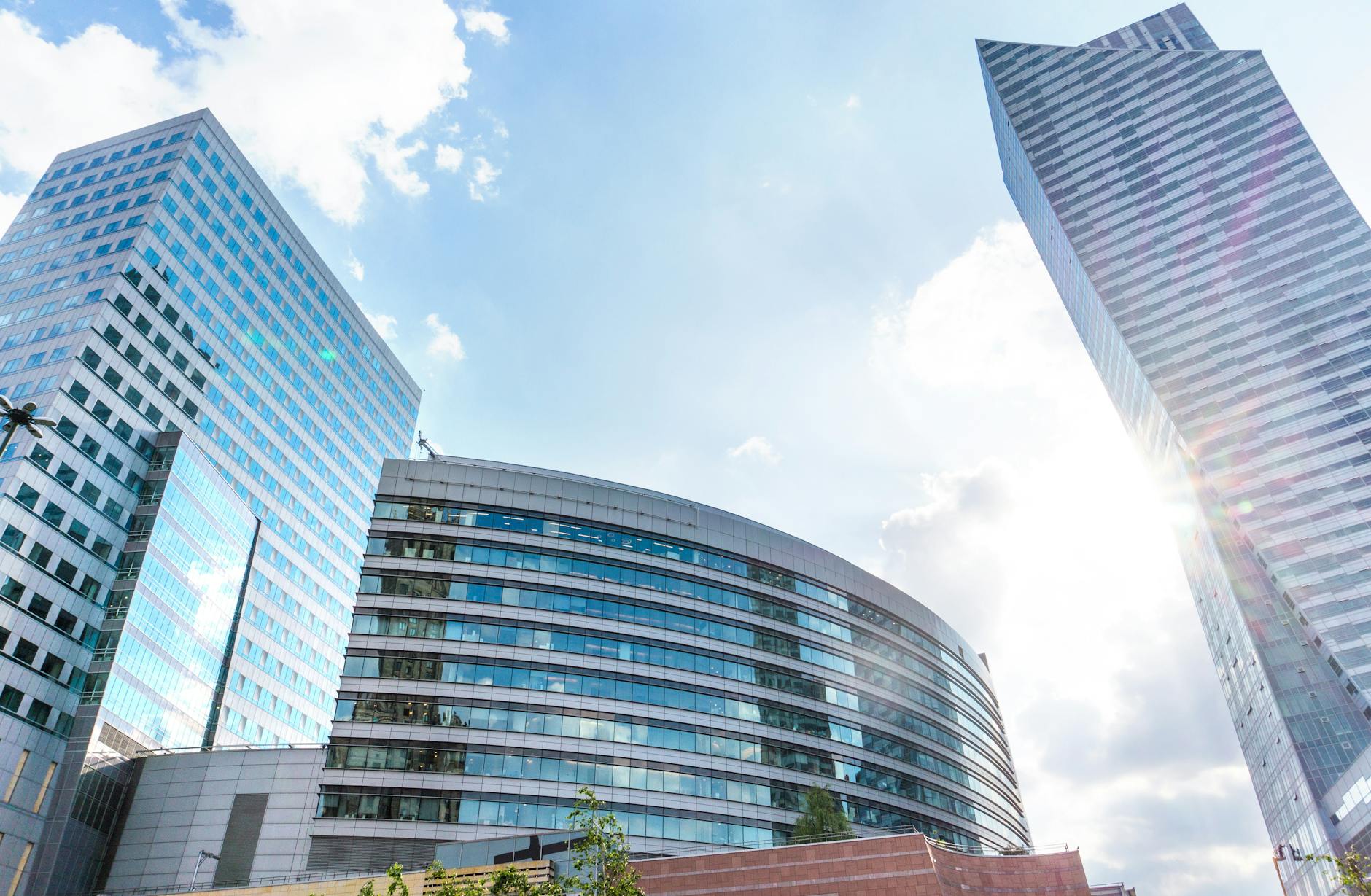
Consulting trips often begin with a workshop, stakeholder dinner, or early client meeting that is difficult to move. The consultant should plan arrival backward from that first obligation, including baggage, transfer, hotel check-in, preparation, printing, and sleep.
The first client-facing moment should not feel improvised.
- Arrive the previous evening when the first session is senior, long, or politically important.
- Keep client contacts, hotel details, meeting address, and backup transport saved offline.
- Use direct transfer options when fatigue, luggage, or preparation time matters more than fare savings.
Make the hotel a work base
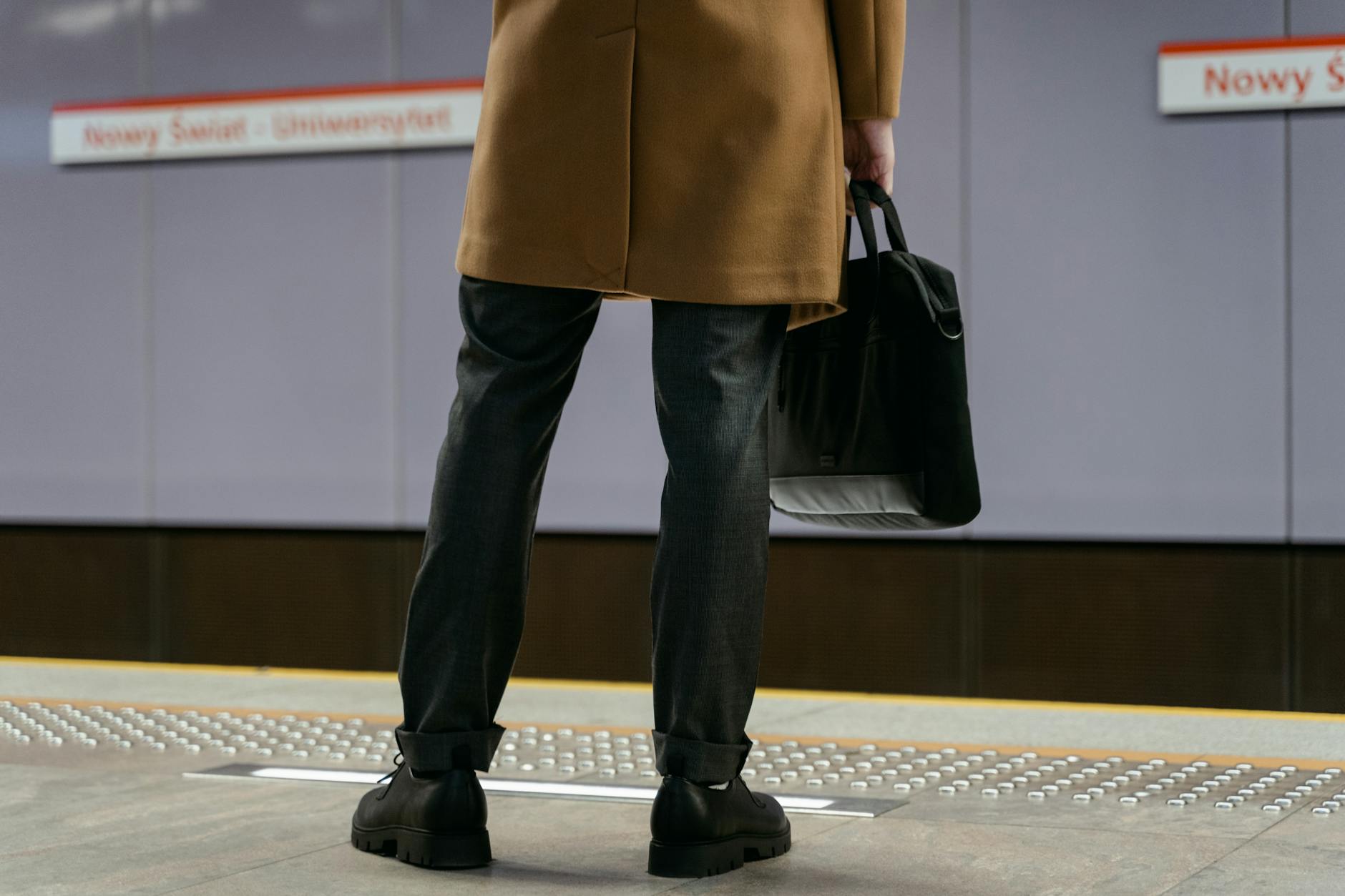
A consultant's hotel is often an office between client sessions. Desk space, Wi-Fi, quiet, breakfast timing, meeting rooms, printer access, taxi pickup, and late checkout can matter more than room size. The room should support preparation and recovery.
The hotel must help the work happen.
- Confirm desk, Wi-Fi, quiet-room options, breakfast hours, meeting space, and luggage storage.
- Check whether the lobby supports waiting, calls, and controlled pickup.
- Choose a location that works for both client meetings and evening preparation.
Control documents, devices, and confidentiality
Consultants often carry sensitive files, client decks, financial information, interview notes, or draft recommendations. Warsaw is not unusually difficult, but crowded transport, cafes, taxis, hotel lobbies, and restaurants are still public spaces. The traveler should decide where work can safely happen.
Confidentiality is a travel behavior, not only an IT setting.
- Use secure connections, privacy screens, encrypted storage, and controlled document handling.
- Avoid discussing client details in cars, elevators, cafes, or hotel lobbies.
- Keep devices, chargers, notes, and backups under control during transfers and meals.
Build buffers between client obligations
Warsaw has useful taxis, rideshare, metro, tram, bus, and rail options, but a consultant should not stack the calendar as if all movement is frictionless. Security desks, weather, traffic, road works, and client overruns can all compress the day.
Punctuality needs buffer time.
- Check door-to-door travel time between every client site and dinner location.
- Add extra time around office security, elevators, visitor badges, and peak traffic.
- Keep a fallback route for every meeting that cannot be missed.
Use meals and evenings for recovery or purpose
A consultant may have client dinners, team meals, late deck work, or recovery time after long workshops. Warsaw can support good evenings, but the traveler should choose them intentionally. A late dinner across town is not useful if it weakens the next morning's readout.
Evenings should support the engagement.
- Reserve client meals near the hotel, client office, or next day's route.
- Keep time for notes, synthesis, follow-up, and slide changes after meetings.
- Use lighter evenings when the next day requires facilitation, interviews, or senior presentations.

When to order a short-term travel report
A consultant with one hosted office visit and a flexible schedule may not need a custom report. A report becomes useful when the engagement includes multiple client sites, tight workshops, confidential materials, senior dinners, winter weather, hotel work needs, or a tight departure after the final meeting.
The report should test client geography, arrival timing, hotel placement, work setup, transport buffers, confidentiality risks, meal geography, recovery time, weather, and departure reliability. The value is a Warsaw consulting trip that protects the client work from avoidable friction.
- Order when client sites, arrival, hotels, transport, documents, dinners, weather, or departure timing need exact planning.
- Provide dates, client addresses, agenda, hotel candidates, device needs, confidentiality concerns, meal plans, budget, and departure deadline.
- Use the report to keep the engagement punctual, discreet, and workable.