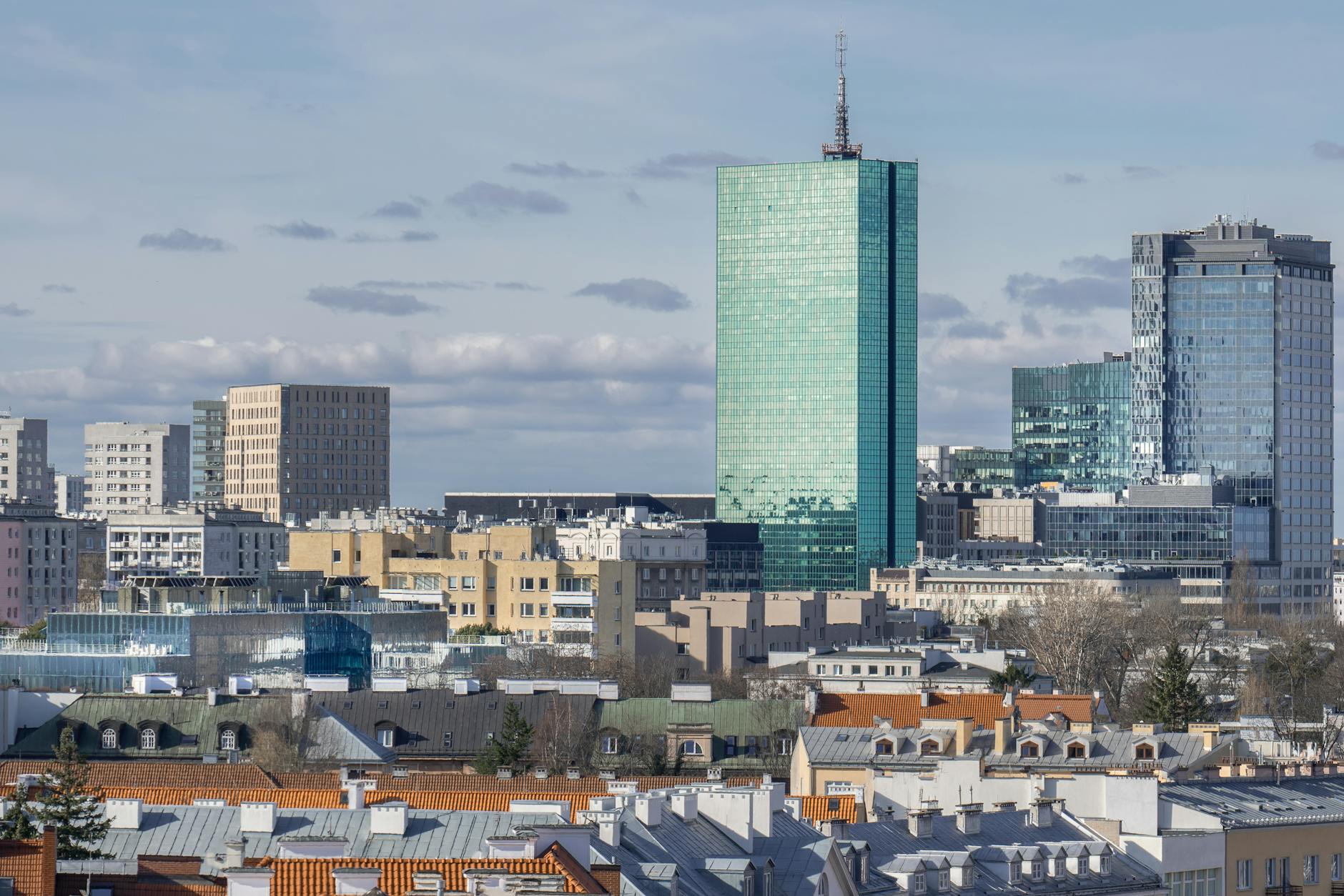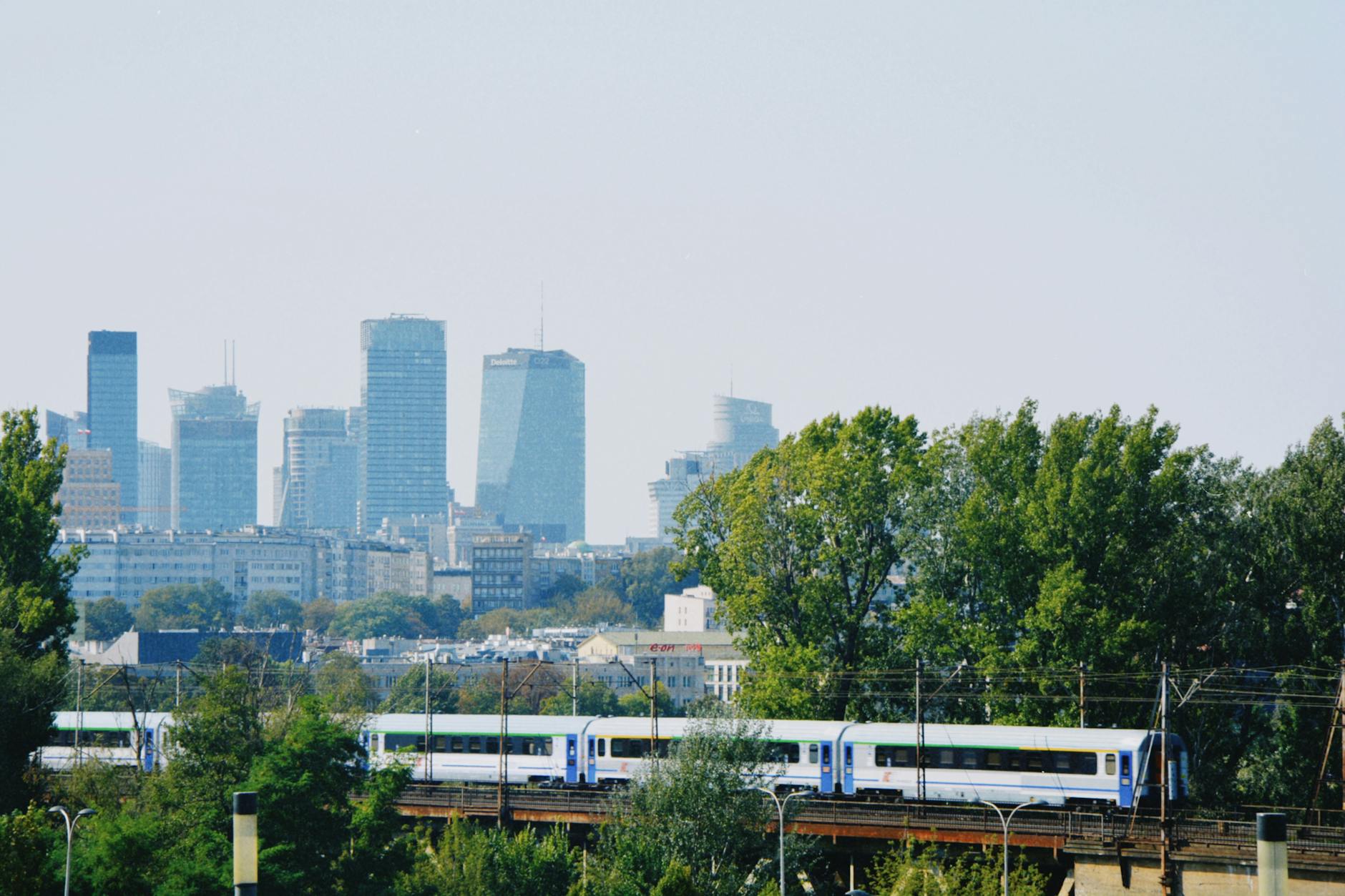
Warsaw can be efficient for a short business visit if the traveler plans around where the meetings actually happen. The city combines government, finance, technology, corporate offices, hotels, conference venues, and strong rail and air links, but traffic, weather, airport choice, and cross-city movement can still shape the trip. The business purpose should drive the arrival, hotel, and daily route plan.
Map the business geography first
Warsaw business travel should start with addresses, not general city impressions. Meetings may sit around the city center, Wola office towers, government areas, conference hotels, Praga, Mokotow, or client sites outside the core. The right hotel and transfer plan depend on that geography.
The meeting map should shape the trip.
- List every meeting, office, hotel, venue, dinner, and station or airport point before choosing lodging.
- Check whether the visit is centered on corporate offices, public institutions, conference venues, or client sites.
- Avoid booking only by price if it creates repeated cross-city movement.
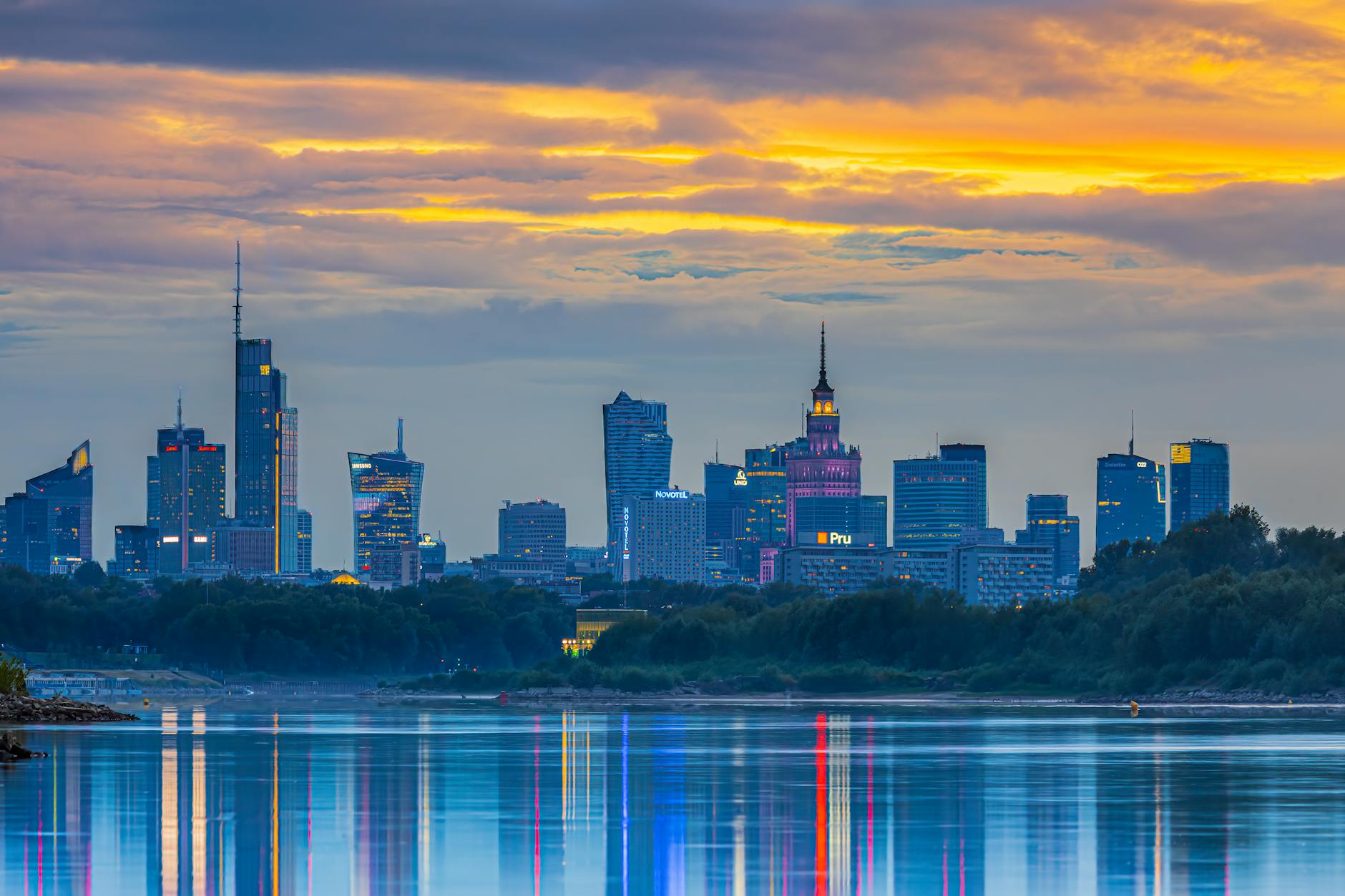
Choose arrival by reliability
Warsaw Chopin Airport is usually the most convenient air gateway for business visitors, while rail can work well from other Polish or European cities. The traveler should check arrival time, immigration if relevant, baggage, traffic, and the first fixed commitment before choosing flights. A low fare can be costly if it compresses the meeting day.
Reliability matters more than a perfect fare.
- Build the arrival plan backward from the first meeting, dinner, or conference registration.
- Check airport transfer time, rail station location, traffic patterns, and late-arrival hotel procedures.
- Arrive the previous evening when the first meeting is senior, formal, or hard to reschedule.
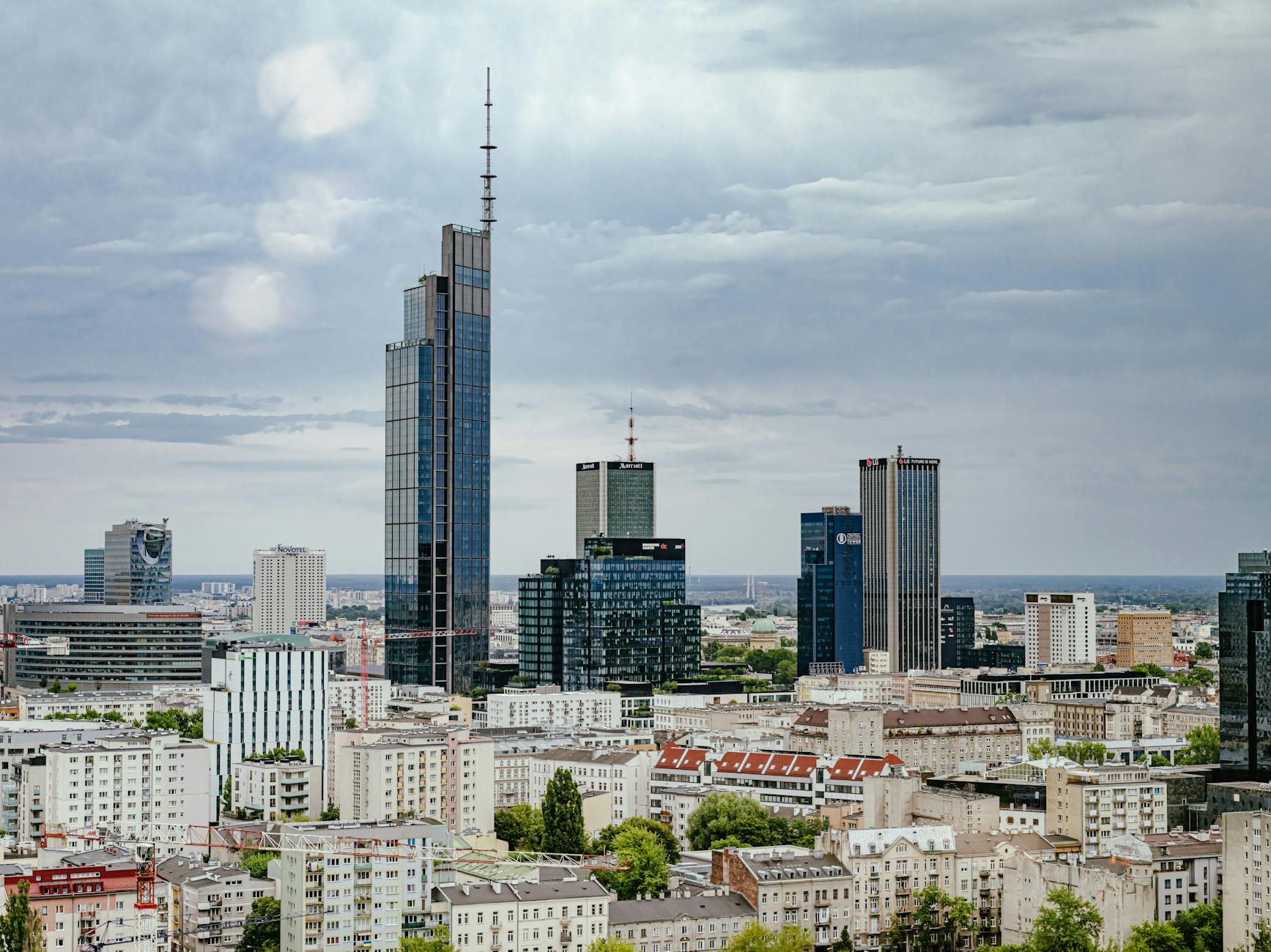
Put the hotel near the work
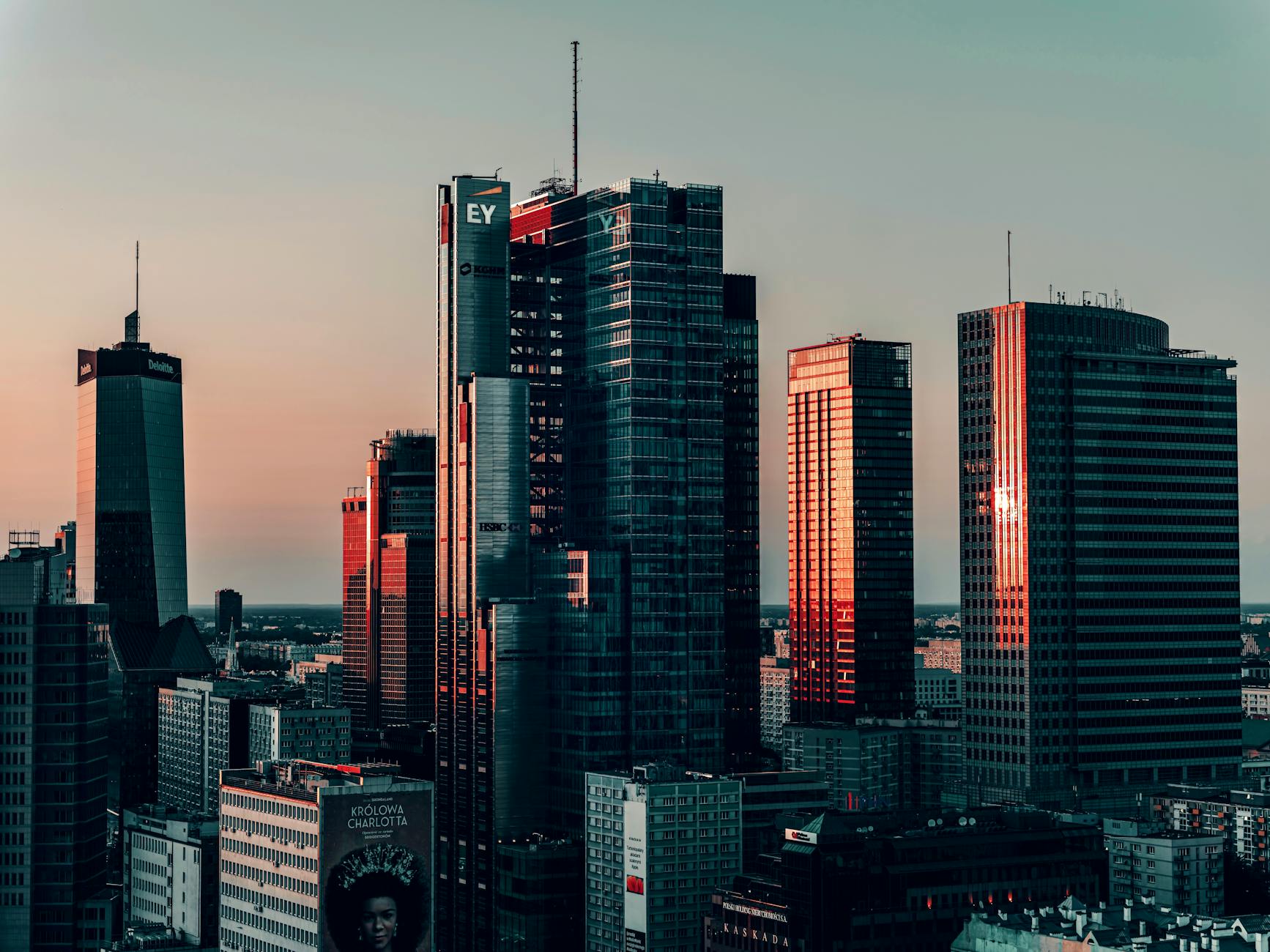
A Warsaw business hotel should support the actual workday. Location, breakfast timing, desk space, Wi-Fi, meeting rooms, taxi access, public transport, quiet rooms, and late checkout can matter more than a larger room across town. The base should reduce friction between meetings.
The hotel is part of the operating plan.
- Check distance to meetings, metro or tram access, taxi pickup, breakfast hours, Wi-Fi, desk space, and quiet-room options.
- Confirm luggage storage and late checkout if meetings continue after room release.
- Choose a location that still works in rain, snow, or peak traffic.
Plan movement with buffers
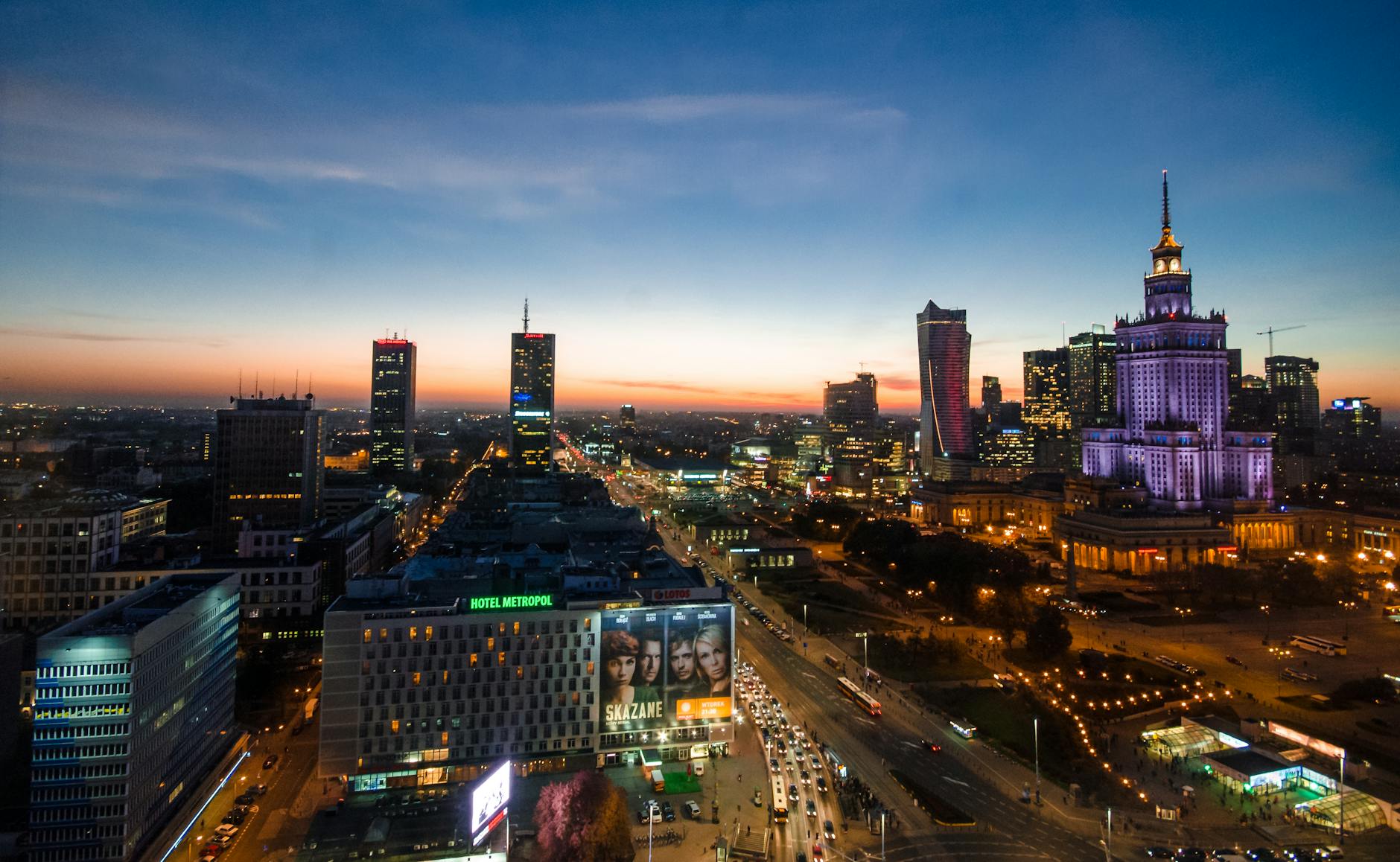
Warsaw has useful taxis, rideshare, metro, tram, bus, and rail options, but a business visitor should not guess travel times between meetings. Weather, road works, security, events, or peak traffic can affect cross-city movement. The calendar should include realistic buffers.
On-time movement protects credibility.
- Check travel time between every meeting pair before accepting back-to-back appointments.
- Use public transport when it is direct and taxis when door-to-door timing matters more.
- Build extra time around winter weather, large events, government areas, and unfamiliar office security.
Prepare documents, payment, and connectivity
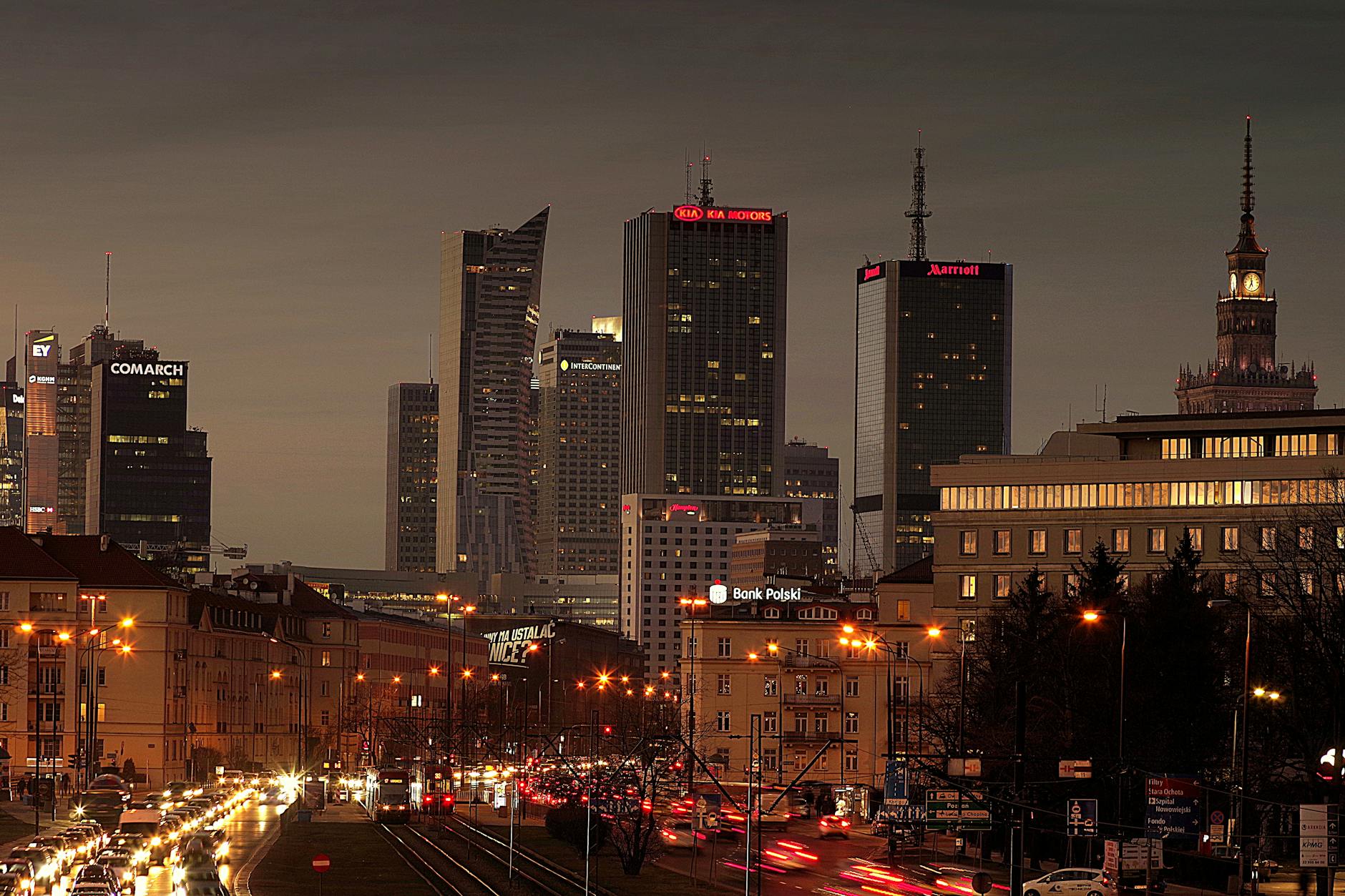
A short business visit can still fail on small logistics. The traveler should confirm passport or ID needs, company invitations, building access, meeting materials, payment cards, phone roaming, and data access before arrival. Poland's card payment environment is strong, but backups still matter.
Administrative details should not consume meeting time.
- Carry passport or ID, visa or entry documents if needed, invitation details, meeting addresses, and building contacts.
- Confirm card access, expense policy, local currency needs, receipts, phone roaming, and secure data access.
- Keep offline copies of tickets, presentations, hotel details, and emergency contacts.
Use evenings without weakening the work
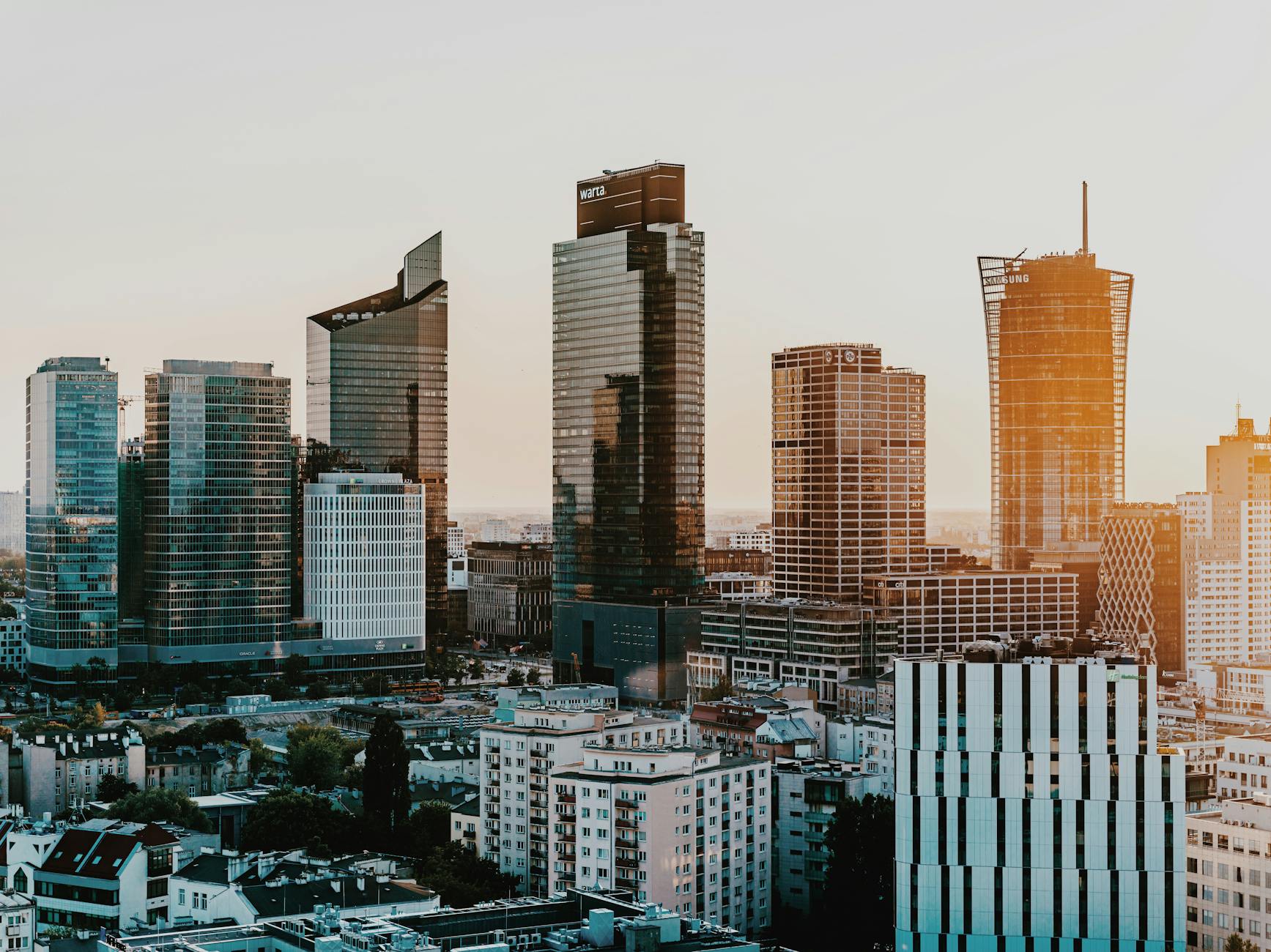
Warsaw can support client dinners, cultural time, hotel meetings, and efficient evening walks, but the business visitor should keep the next day in view. Late meals, alcohol, winter cold, jet lag, and early calls can reduce the value of the trip. Evening plans should serve the business purpose or recovery.
The best evening is the one that supports the next morning.
- Reserve client dinners or team meals near the hotel or next meeting route.
- Keep time for notes, follow-up, call preparation, and rest after the business day.
- Dress for weather if evening movement includes walking between restaurants, hotels, or venues.
When to order a short-term travel report
A Warsaw business visitor with one hosted meeting and simple transfers may not need a custom report. A report becomes useful when the traveler must coordinate airport arrival, hotel location, multiple districts, formal meetings, conference timing, winter weather, expense rules, client dinners, or a tight departure.
The report should test meeting geography, airport and rail options, hotel placement, daily movement, weather, documents, payment, connectivity, evening commitments, and departure buffers. The value is a Warsaw business trip that stays efficient across every appointment.
- Order when arrival, hotel choice, meeting routes, weather, documents, expenses, dinners, or onward travel need exact planning.
- Provide dates, meeting addresses, hotel candidates, arrival mode, agenda, expense rules, mobility needs, and departure deadline.
- Use the report to keep the short visit focused, punctual, and practical.