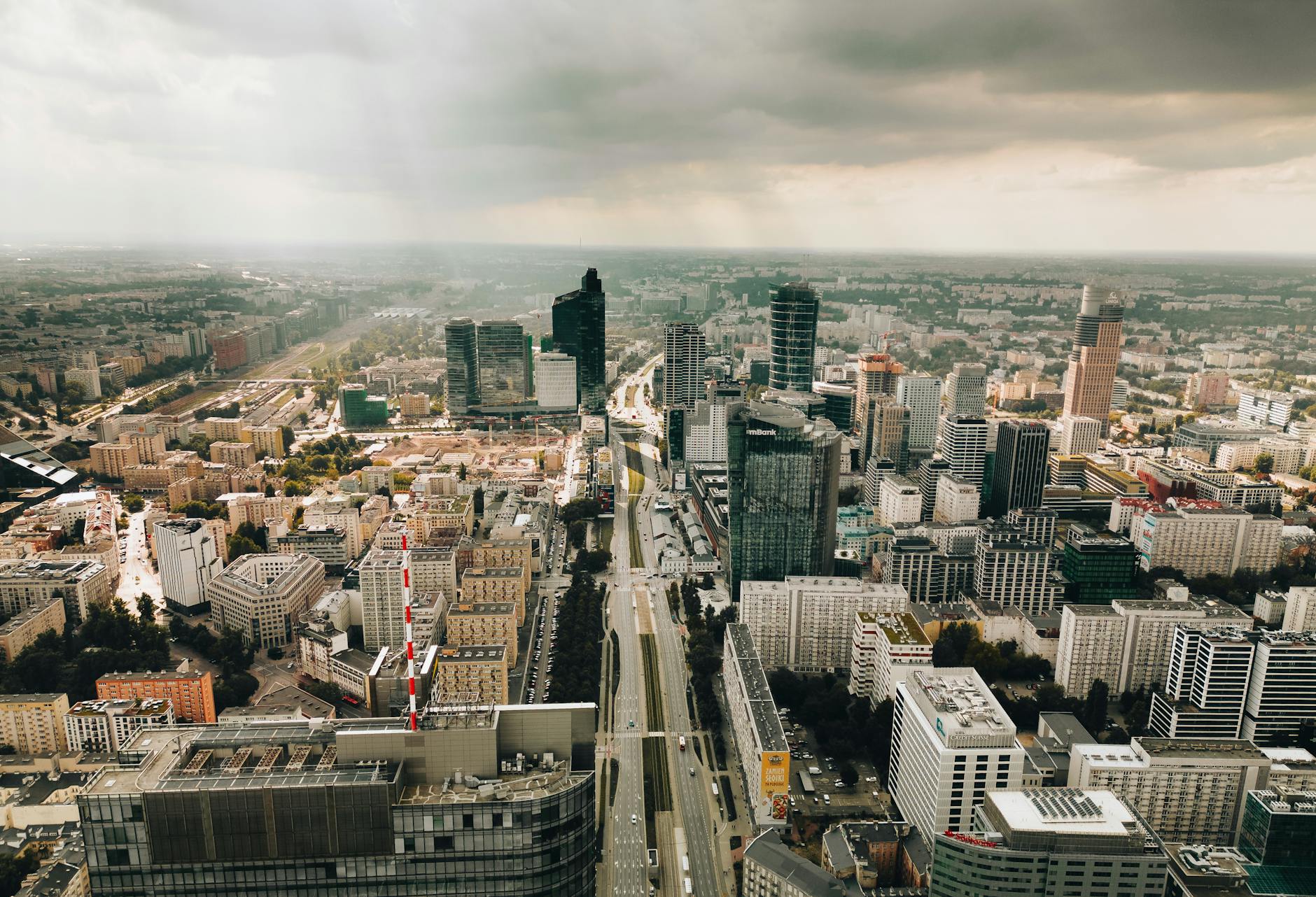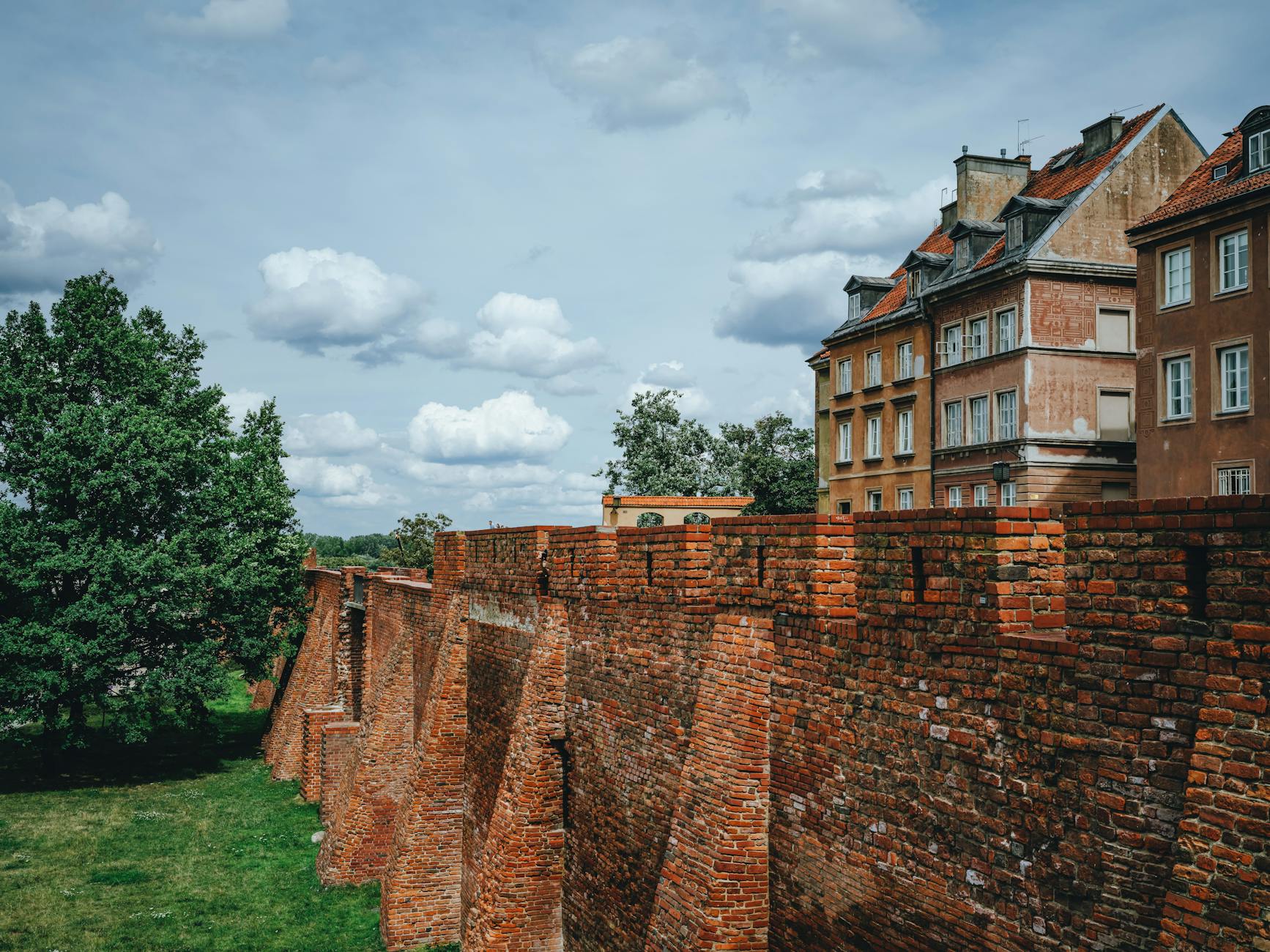
Warsaw can be a good budget city if the traveler protects location and daily rhythm. Saving money works best when the hotel or hostel area still supports public transport, cheap meals, simple arrival, and enough rest. A low price can become expensive if it adds time, fatigue, or repeated cross-city movement.
Do not save money by breaking the route
A budget traveler should judge lodging by total trip cost, not only nightly price. A cheap bed far from transit, food, and sights can burn time and money every day. Warsaw can be affordable, but the base still needs to make arrival, meals, and movement simple.
Location is part of the budget.
- Compare lodging price with transit cost, late-night return options, and daily travel time.
- Choose areas with nearby cheap food, public transport, and clear airport or rail access.
- Check luggage storage, reception hours, kitchen access, and quiet enough sleep before booking.
Use public transport as the backbone
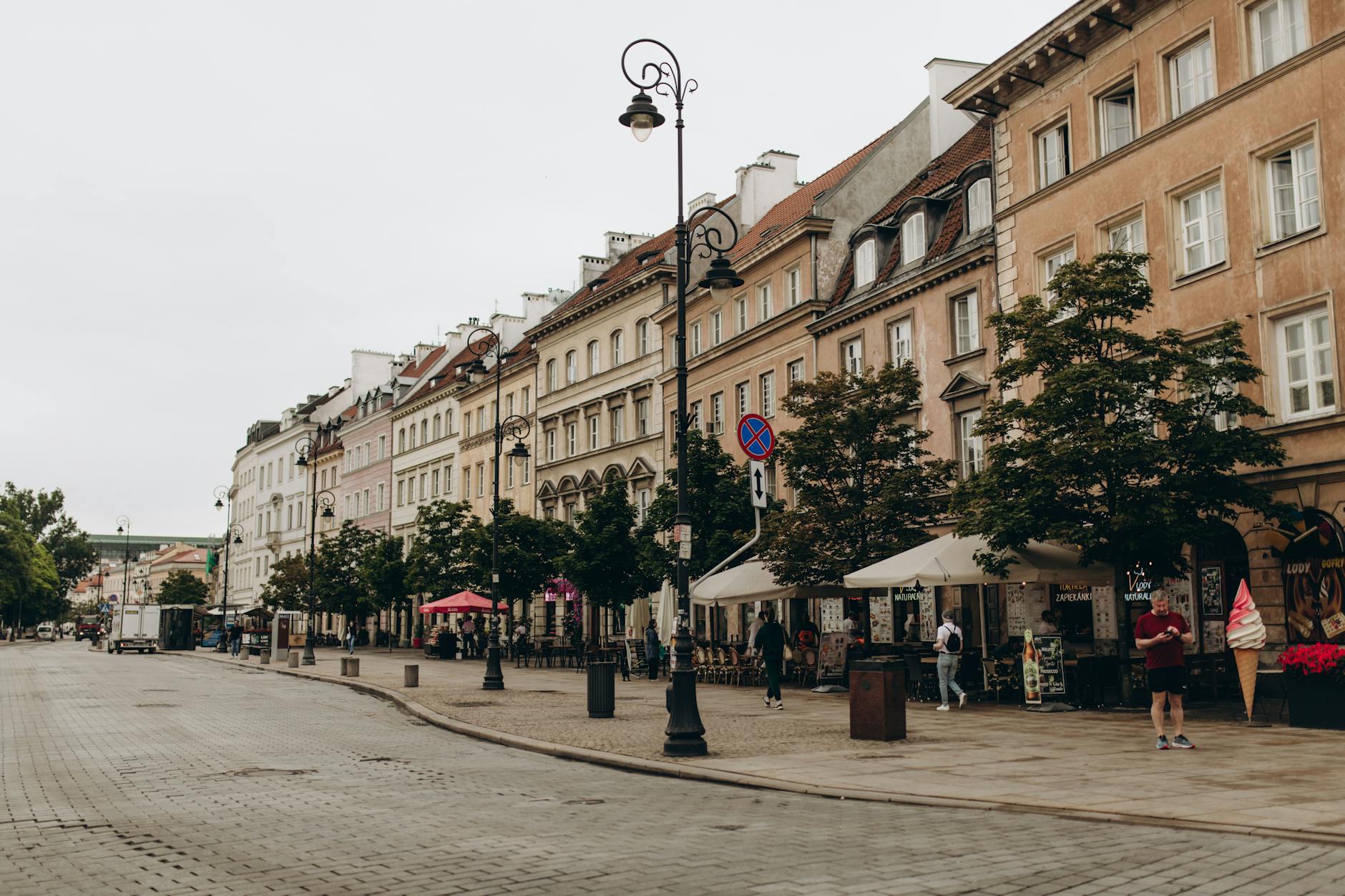
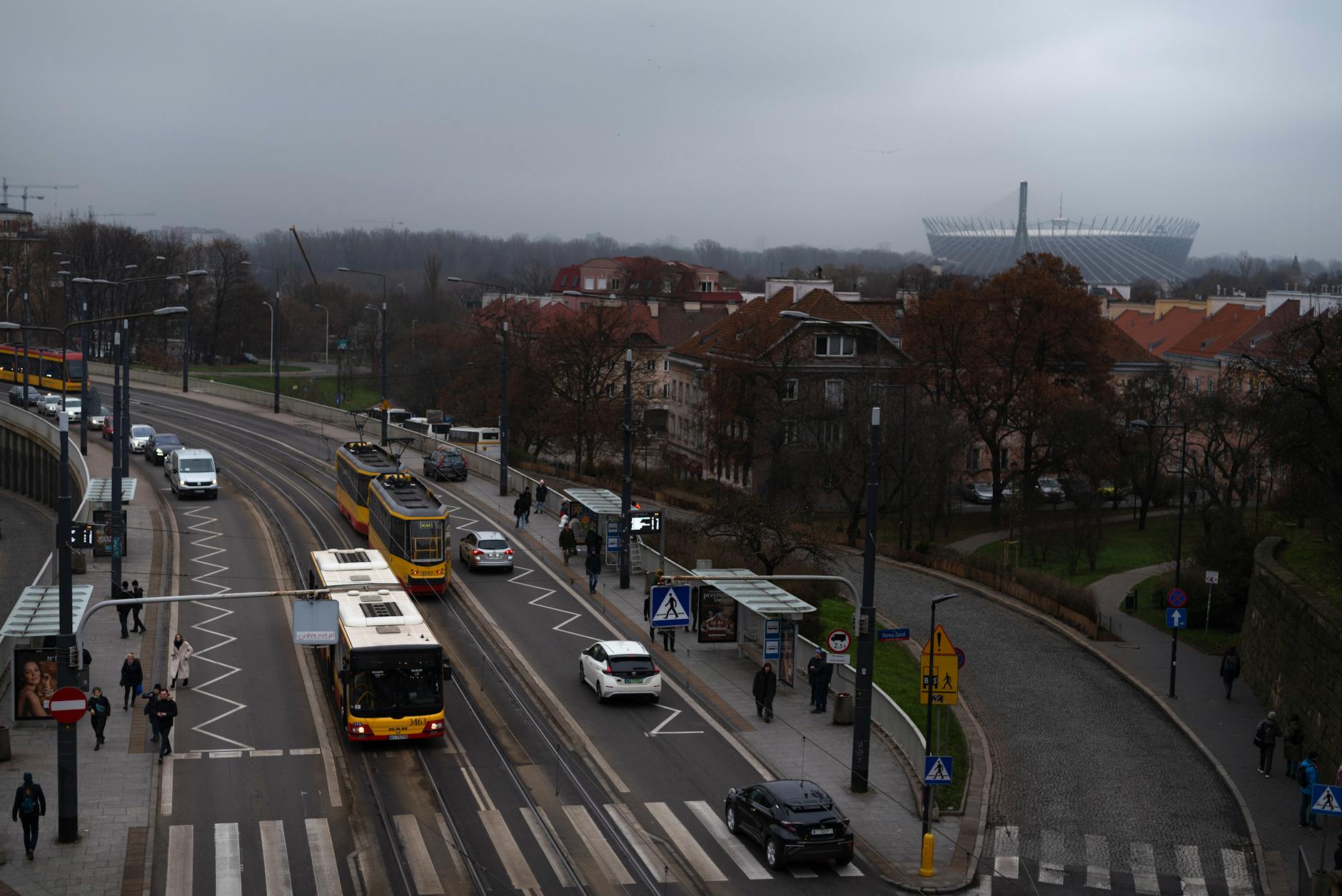
Warsaw public transport can make budget travel work well when routes are planned ahead. Metro, tram, bus, and rail can cover much of the city, but the traveler should know ticket rules, transfers, walking distances, and late service before relying on a route.
Transit planning saves more than fare money.
- Check ticket options, validation rules, route changes, and late-night service before the first ride.
- Group sights by district so public transport supports the day instead of replacing a plan.
- Use taxis or rideshare selectively when late arrival, luggage, or bad weather would make transit inefficient.
Plan free and low-cost sights by day
Warsaw has parks, viewpoints, churches, rebuilt streets, memorial areas, riverside walks, and museums with varying ticket rules. Budget travelers should check free days, reduced tickets, timed entry, and opening hours instead of assuming the cheapest plan is available whenever they arrive.
The lowest-cost itinerary still needs timing.
- Check museum free days, student discounts, youth discounts, and timed-entry rules.
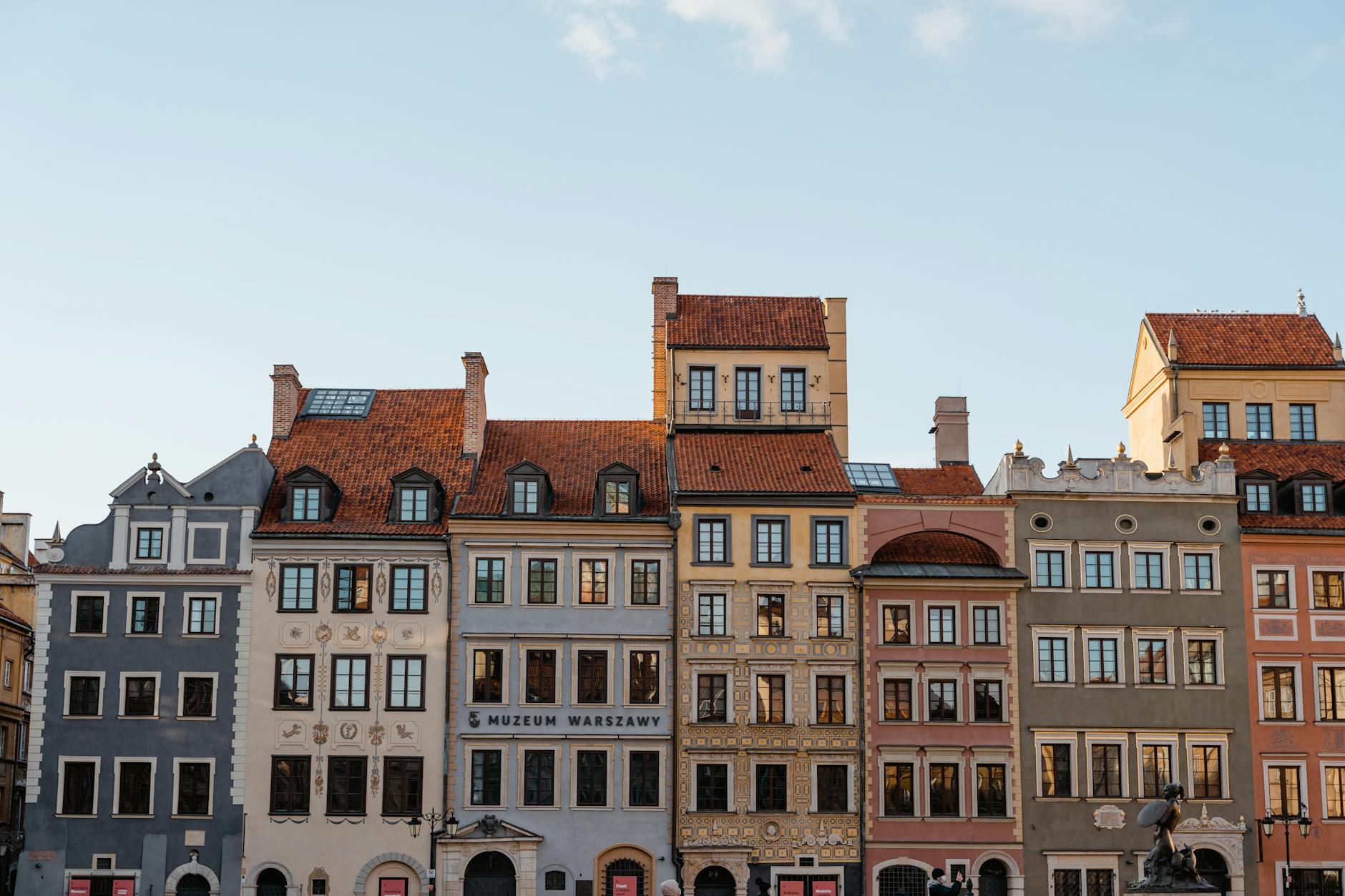
- Use parks, the river, Old Town, and public spaces as meaningful parts of the day.
- Avoid spending transit money to reach a closed or sold-out attraction.
Use parks and walking without overdoing it
Walking can keep costs down, but Warsaw's distances and weather can make unlimited walking a false economy. A budget traveler should use parks, river routes, and neighborhood walks where they add value, then use transit for longer links.
Free movement still has a cost in energy.
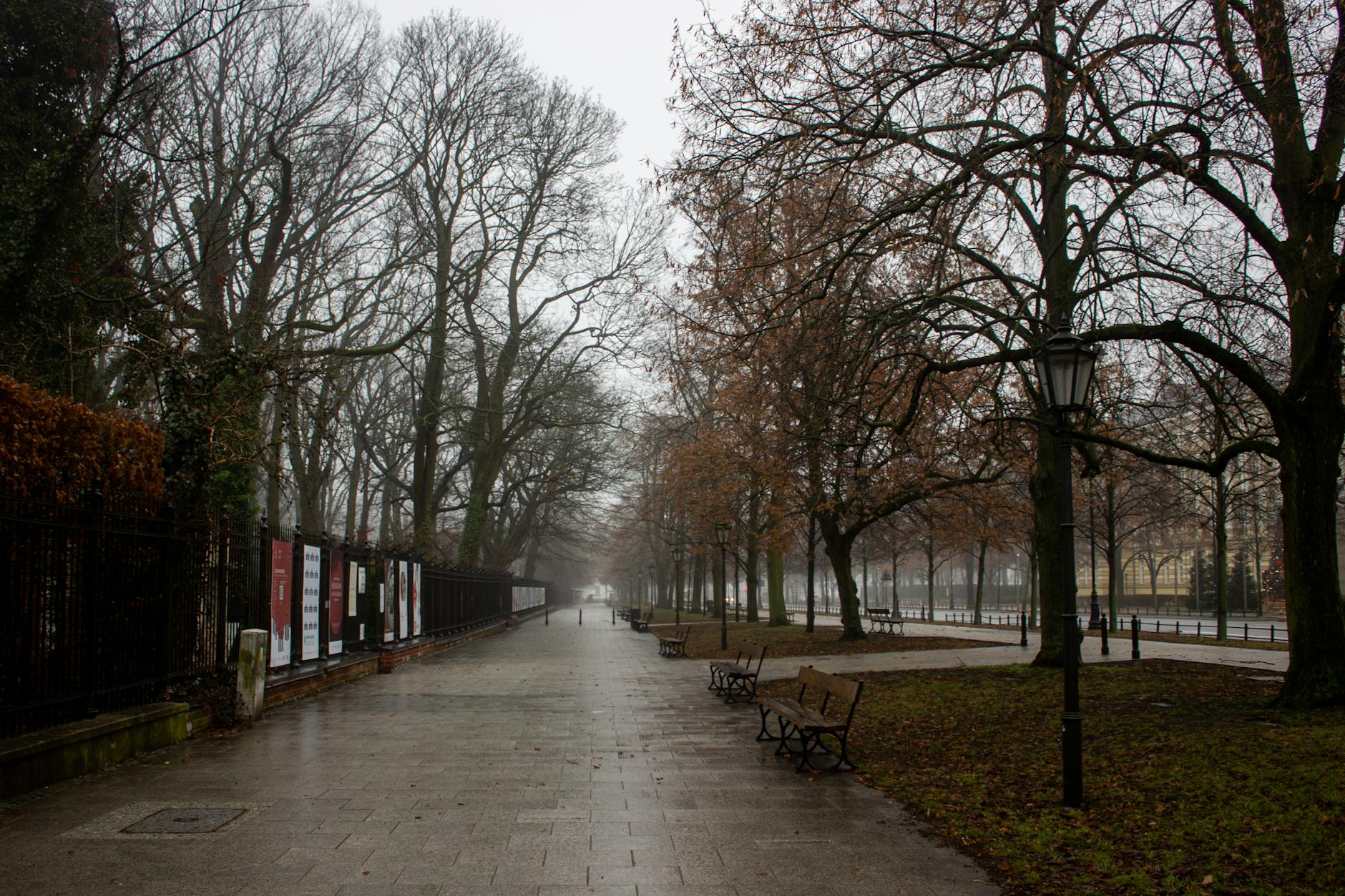
- Save walking for Old Town, Royal Route segments, parks, riverside routes, and strong neighborhoods.
- Use public transport for long connectors or bad-weather transfers.
- Carry water, layers, comfortable shoes, and a simple day bag.
Make cheap food part of the route
Budget meals in Warsaw can be satisfying if the traveler plans by district. Milk bars, bakeries, casual Polish food, supermarkets, markets, cafes, and hostel kitchens can all help. The mistake is waiting until hungry and then paying for convenience in the wrong area.
Food savings need geography.
- Identify cheap meals near the hotel, Old Town, museum areas, and evening route.
- Use bakeries, milk bars, grocery stops, and casual restaurants to avoid expensive last-minute choices.
- Keep one backup meal near the lodging for late arrival or bad weather.
Protect the budget at night
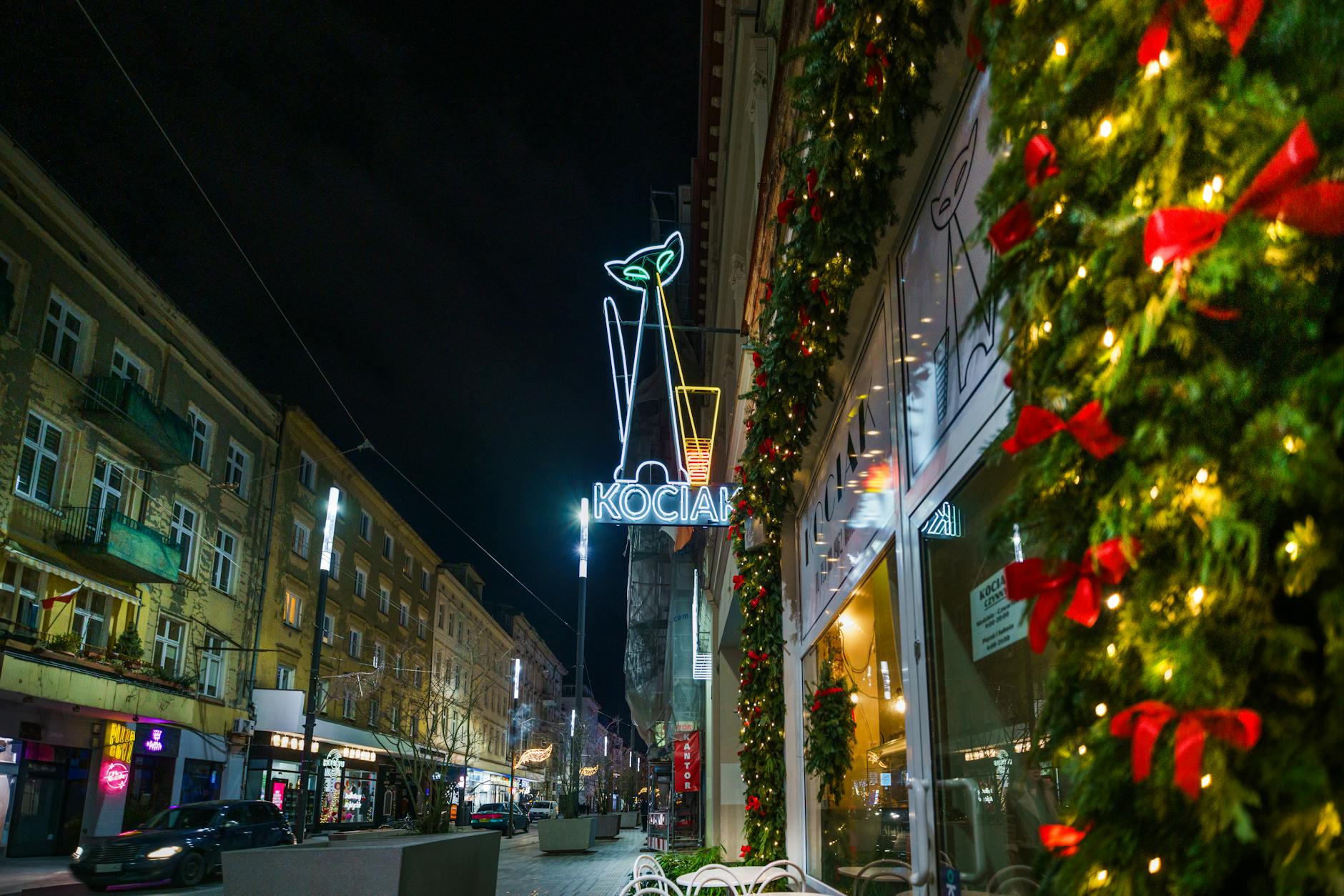
Evenings can quietly damage a budget through long rides, unplanned bars, surge fares, late meals, or missed transit. A budget traveler should choose nightlife, dinners, or evening walks with a known return route and a clear spending limit.
The cheapest night is often the planned one.
- Check late public transport before committing to a second evening district.
- Set a realistic food, drink, and transport limit before going out.
- Use a paid ride when it is the safer or more practical choice, but avoid needing one every night.
When to order a short-term travel report
A budget traveler with flexible time and simple interests may not need a custom report. A report becomes useful when the traveler needs to balance cheap lodging, transit tickets, free museum timing, food costs, weather, luggage, and a short schedule without losing too much time.
The report should test lodging area, arrival route, transit passes, free attractions, meal geography, walking load, weather backups, evening return, and departure buffers. The value is a Warsaw budget trip that saves money without wasting the trip.
- Order when lodging, transit, free sights, food, weather, luggage, or departure timing need exact planning.
- Provide dates, arrival mode, lodging candidates, budget, interests, walking tolerance, food preferences, and discount eligibility.
- Use the report to protect both money and time.