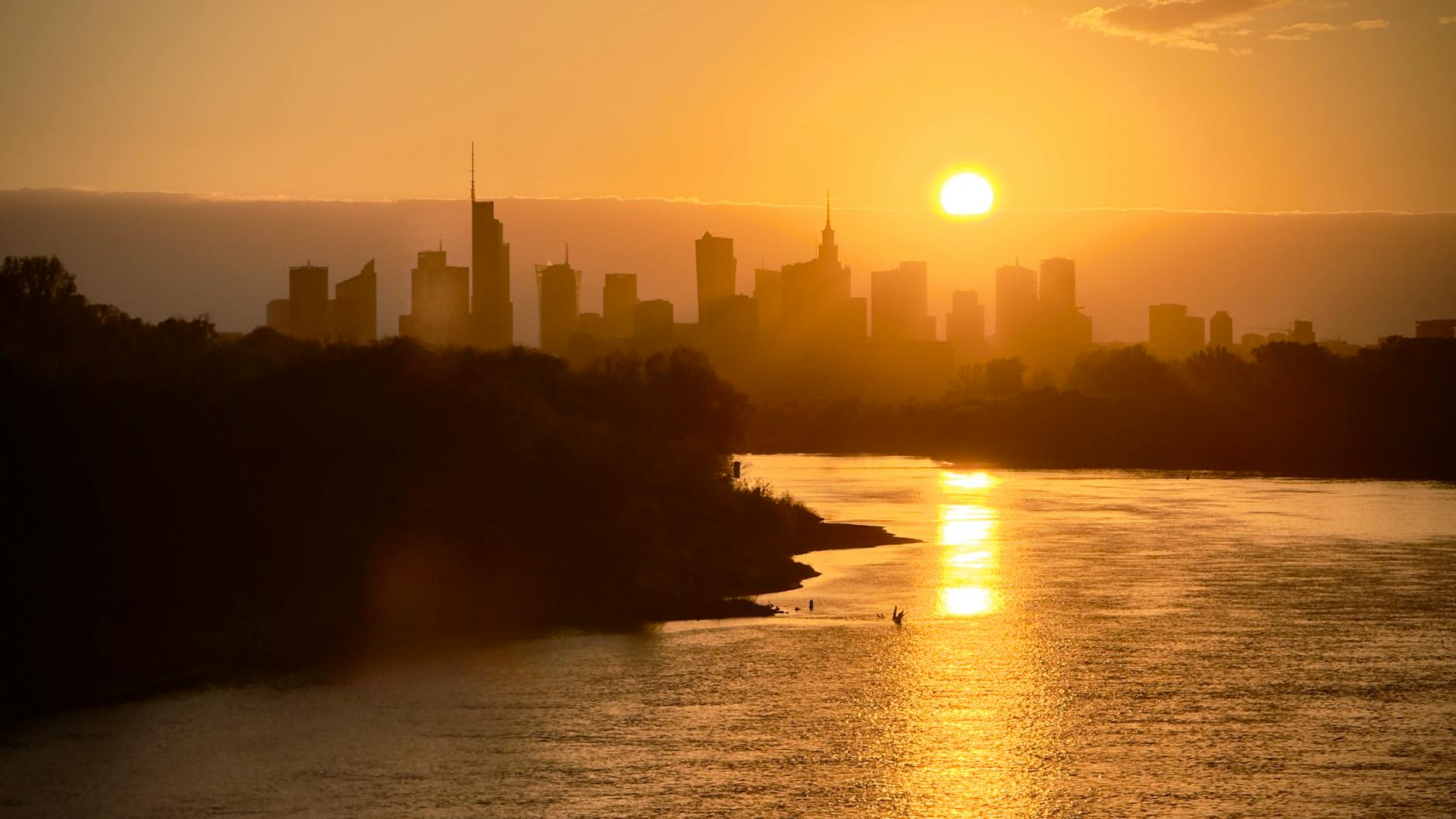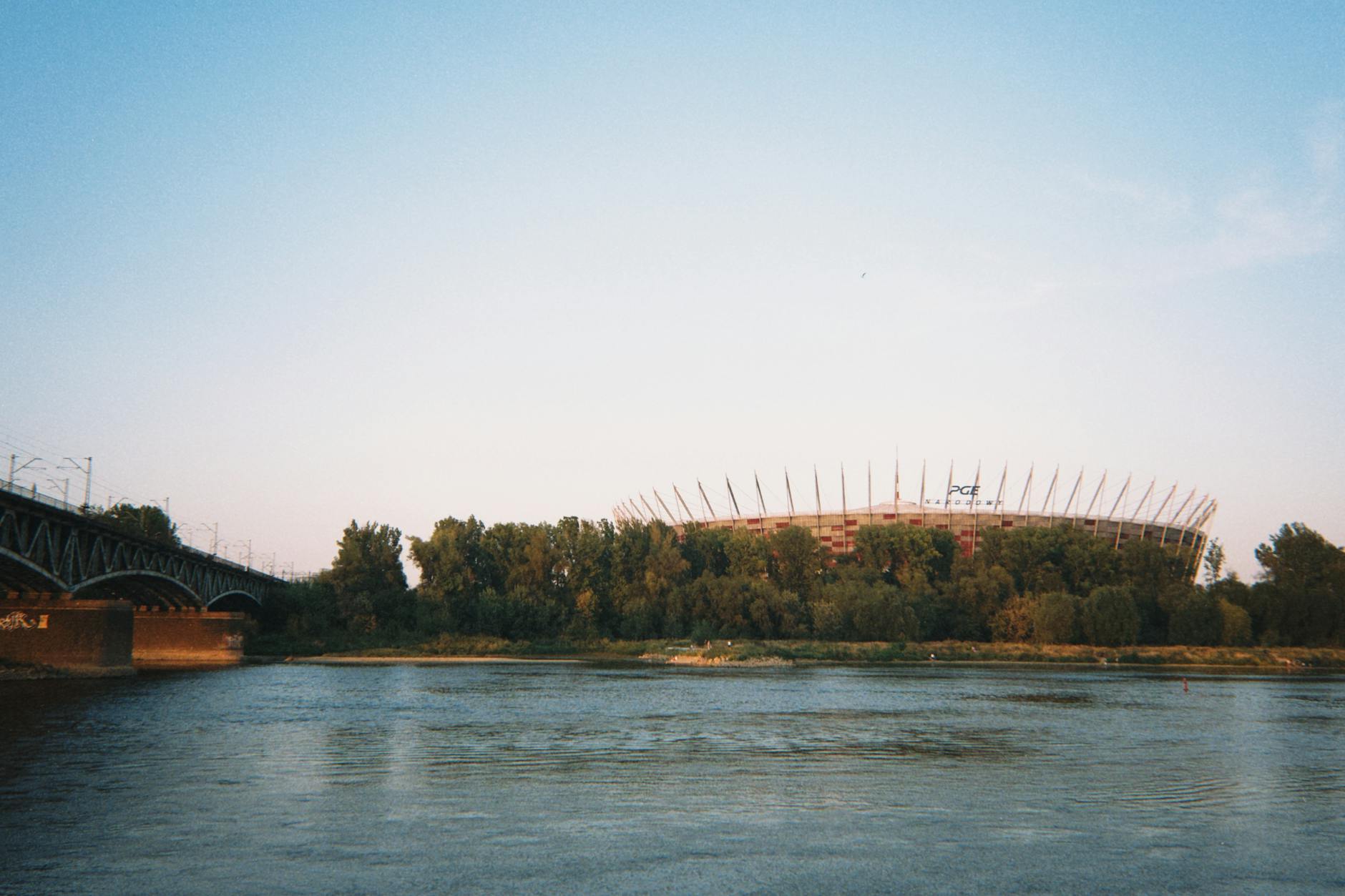
Warsaw is not a mountain or beach destination, but it can work for an outdoor-focused short stay when the traveler uses the Vistula river, parks, cycling routes, green spaces, winter scenes, and nearby nature deliberately. The key is to match ambition to weather, daylight, transport, and recovery time.
Set outdoor expectations correctly
An outdoor Warsaw trip should be planned as urban nature, river movement, parks, cycling, walking, and possible nearby excursions rather than wilderness travel. That does not make it weak; it means the best trip uses the city and green space together.
The destination should match the kind of outdoor time available.
- Decide whether the trip is about walking, cycling, river time, parks, photography, winter scenery, or nearby nature.
- Keep one main outdoor objective per day instead of scattering effort across the city.
- Use museums, cafes, or hotel rest as weather and recovery anchors.
Use the Vistula and parks as anchors
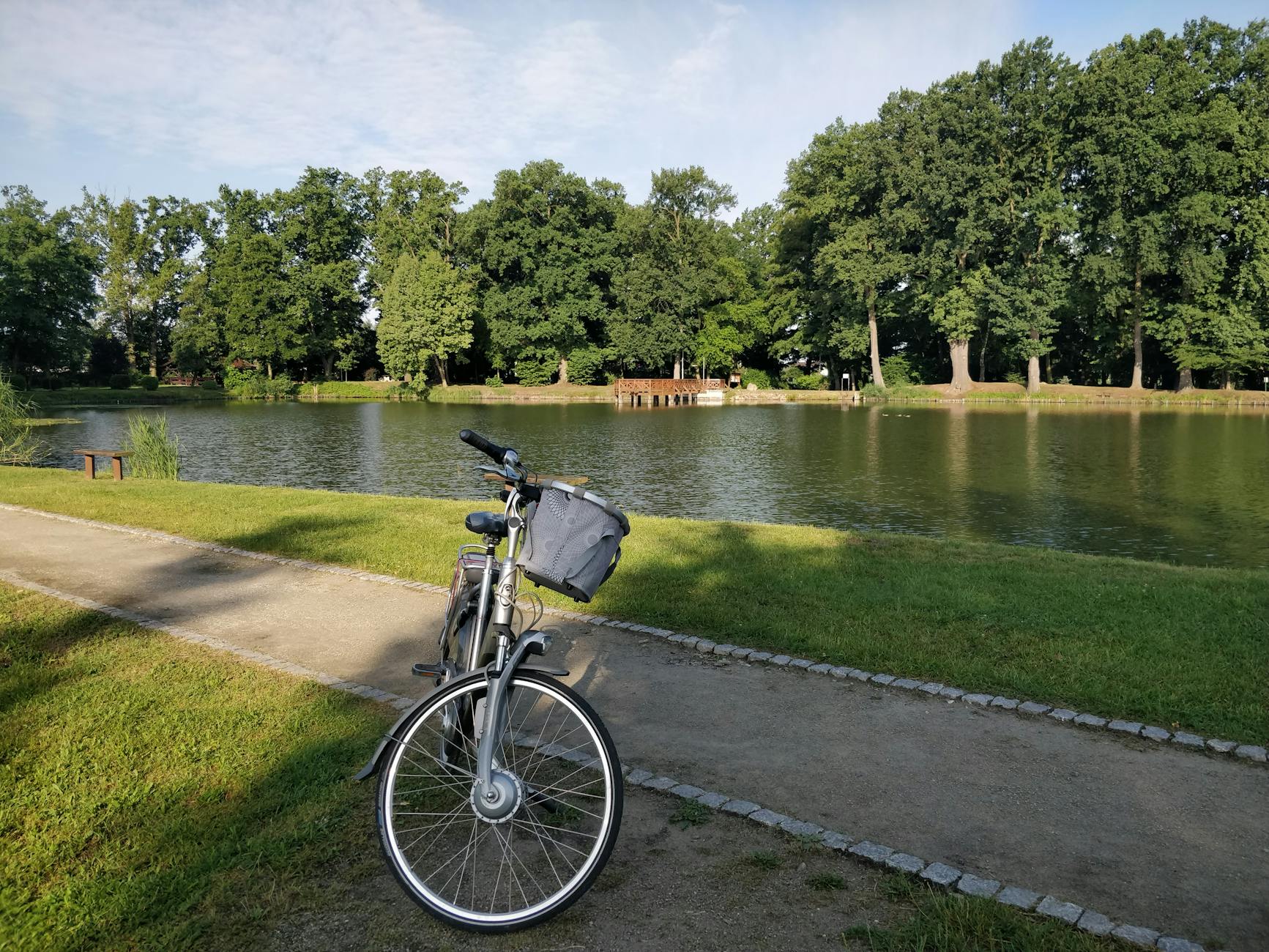
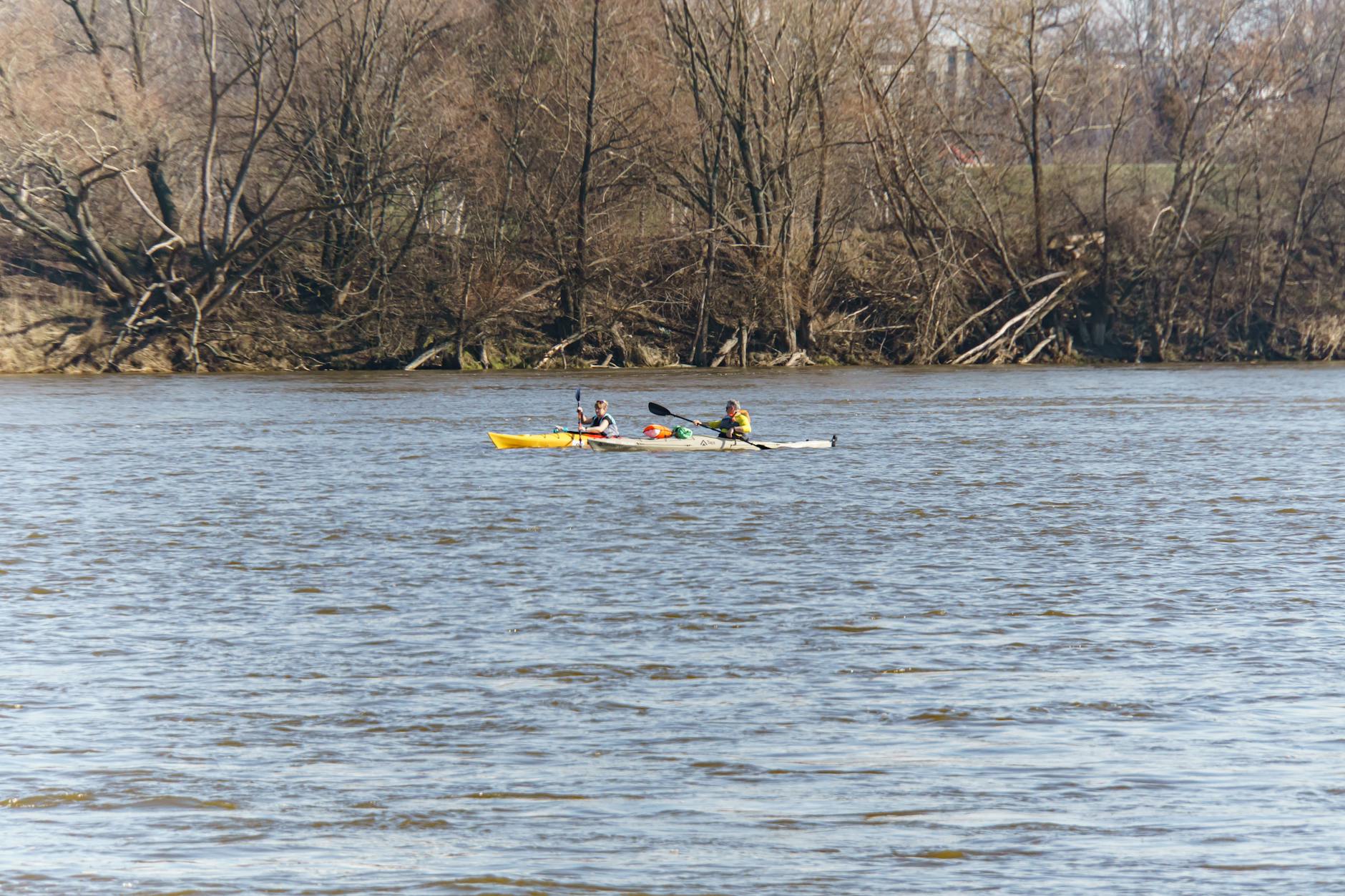
Warsaw's outdoor value often comes from the Vistula river corridor, parks, gardens, and green links between districts. These areas can make a short stay feel open and active without requiring a full day outside the city.
The strongest outdoor route usually has a clear anchor.
- Plan river walks, park time, viewpoints, and cafe stops as one connected route.
- Check seasonal river conditions, path quality, daylight, and restroom access.
- Avoid treating every green space as interchangeable; choose the one that fits the day's route.
Check cycling and active transport carefully
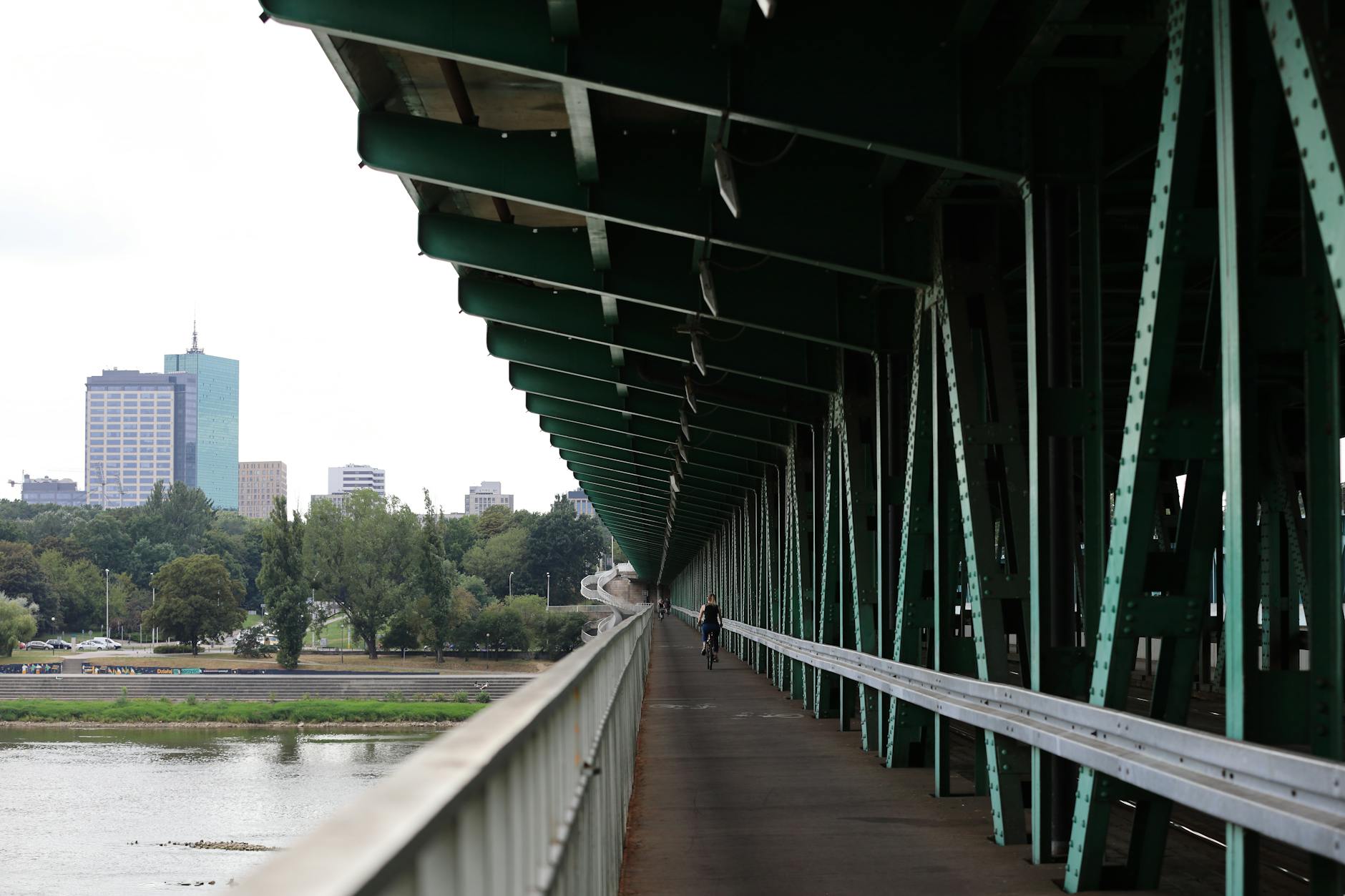
Cycling can be a useful way to experience Warsaw, but a short-stay traveler should not assume every route is equally simple. Bike access, traffic comfort, pavement, bridges, weather, rental rules, and return points all affect whether cycling adds freedom or stress.
Active transport needs route discipline.
- Check rental access, helmet preference, path continuity, bridge crossings, and return points.
- Avoid unfamiliar high-traffic routes when tired, jet-lagged, or carrying valuables.
- Keep public transport or taxi backup options for weather or fatigue.
Treat weather and daylight as hard limits
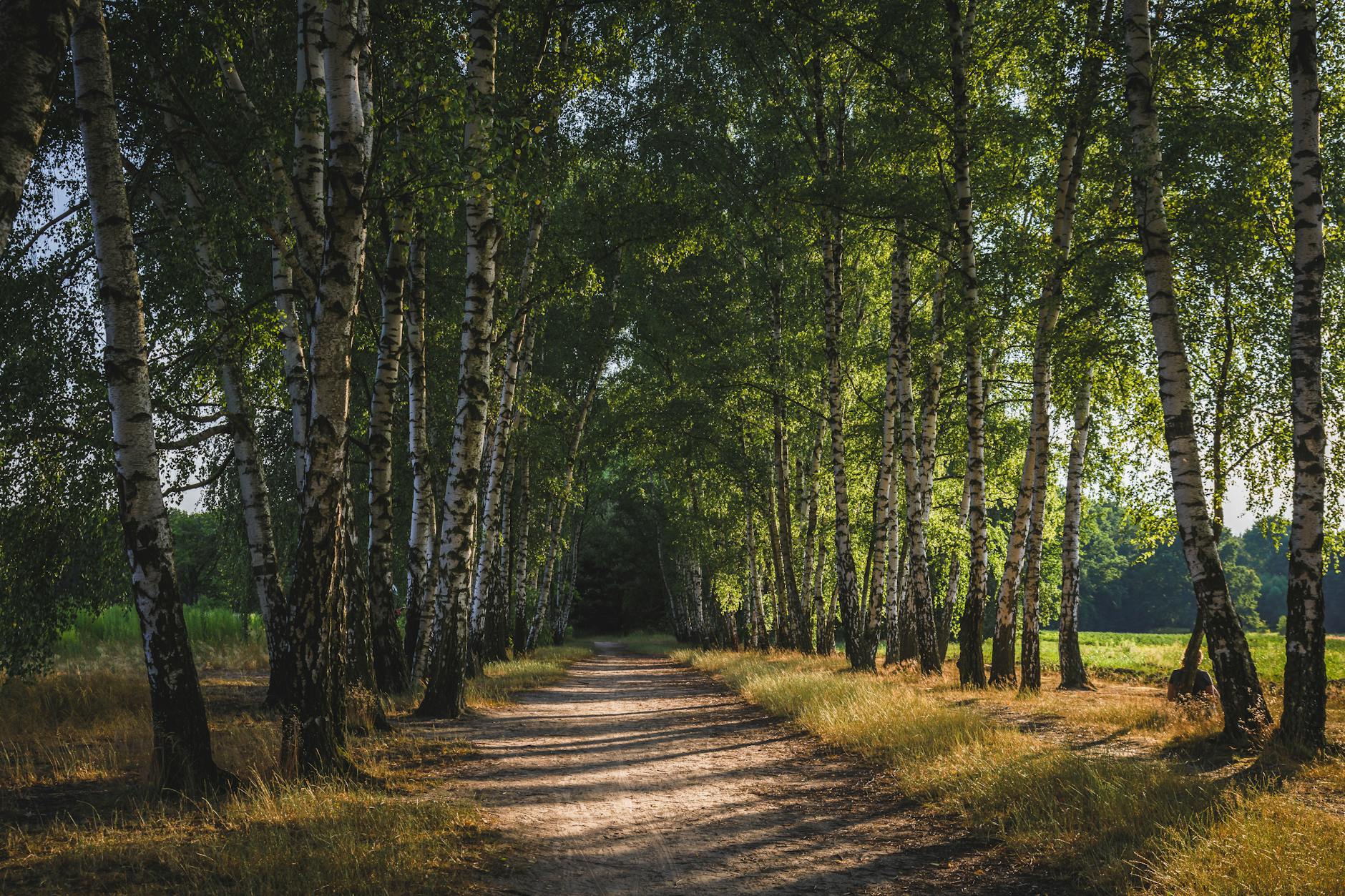
Warsaw weather can change the feel of outdoor plans quickly. Winter cold, summer heat, rain, wind, mud, ice, and short daylight all affect river paths, parks, photography, and return routes. The traveler should build the day from the forecast rather than trying to force an ideal plan.
Weather is part of the itinerary.
- Check daylight, temperature, rain, wind, and path conditions before each outdoor block.
- Carry layers, water, rain cover, sun protection, and footwear that fits pavement and parks.
- Keep indoor backups near the outdoor route.
Plan nearby nature without overreaching
A traveler may want a forest, lake, or longer nature excursion beyond the city, but a short Warsaw stay needs honest timing. Transport out and back, equipment, weather, food, daylight, and next-day commitments can turn a good idea into a rushed day.
Nearby nature should earn its place in the schedule.
- Check transit or driving time, return options, trail conditions, food, and daylight before leaving the city.
- Choose a shorter route when the trip also includes meetings, museums, or late evenings.
- Avoid a remote plan on departure day unless timing is very forgiving.
Manage gear, meals, and recovery
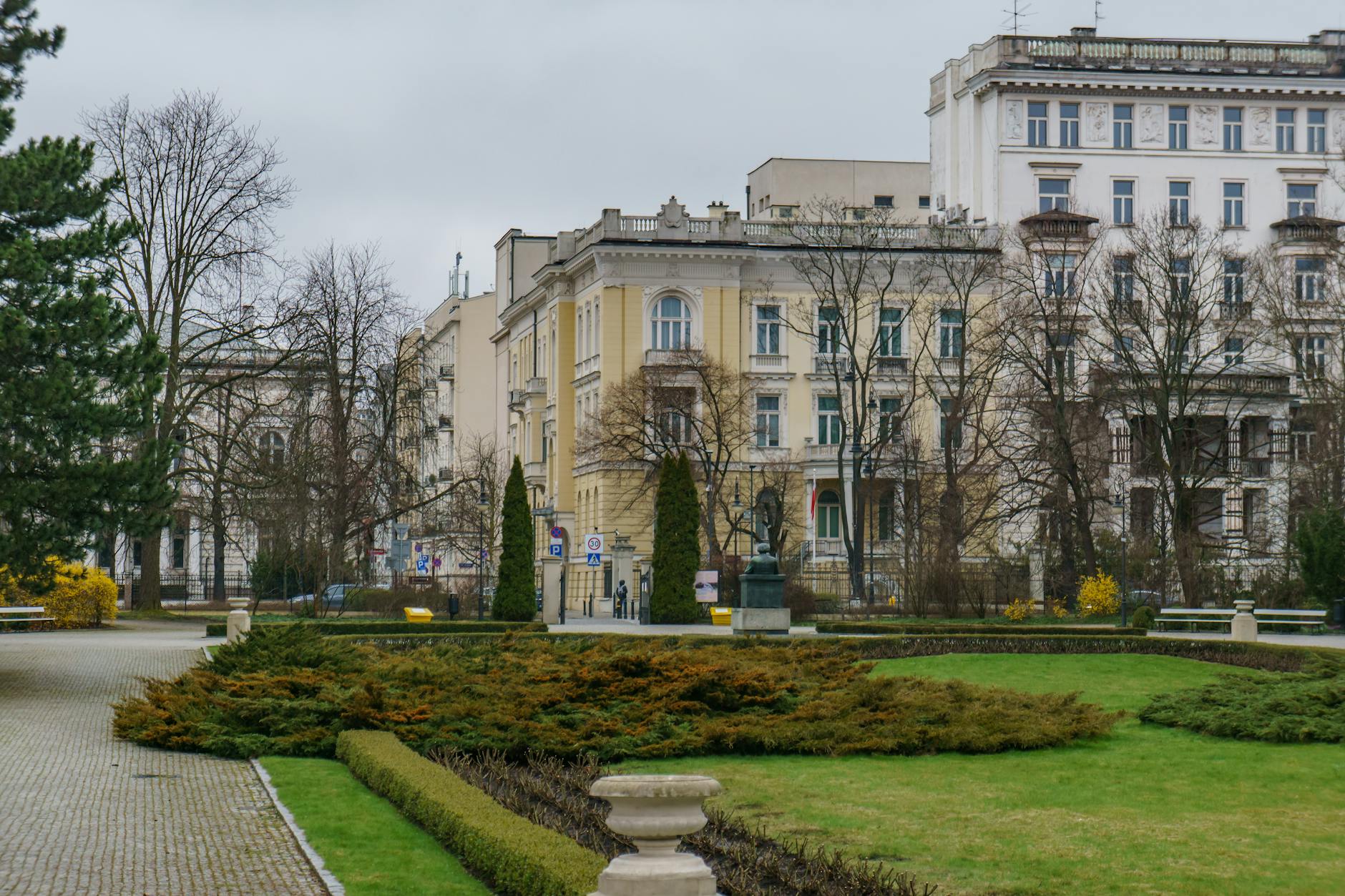
Outdoor trips can fail through ordinary logistics: wet shoes, dead phone battery, no snacks, poor layers, missed meals, or no rest after a long walk. Warsaw gives enough indoor support to avoid that, but only if the traveler builds it into the plan.
Recovery keeps the outdoor day enjoyable.
- Pack battery backup, water, snacks, layers, footwear, and a simple first-aid kit for longer routes.
- Plan meals near the end of outdoor blocks rather than hoping food appears.
- Leave hotel time for showers, gear drying, and recovery before evening plans.
When to order a short-term travel report
An outdoor traveler with flexible walking plans may not need a custom report. A report becomes useful when the trip includes cycling, river routes, winter weather, nearby nature, tight daylight, gear questions, accessibility needs, or a departure soon after the outdoor block.
The report should test routes, weather, daylight, transit links, gear, meals, rest points, indoor backups, and departure timing. The value is a Warsaw outdoor stay that feels active without becoming logistically brittle.
- Order when river routes, parks, cycling, weather, gear, nearby nature, meals, or departure timing need exact planning.
- Provide dates, fitness level, interests, gear, lodging candidates, mobility limits, risk tolerance, and arrival details.
- Use the report to balance outdoor ambition with short-stay reliability.