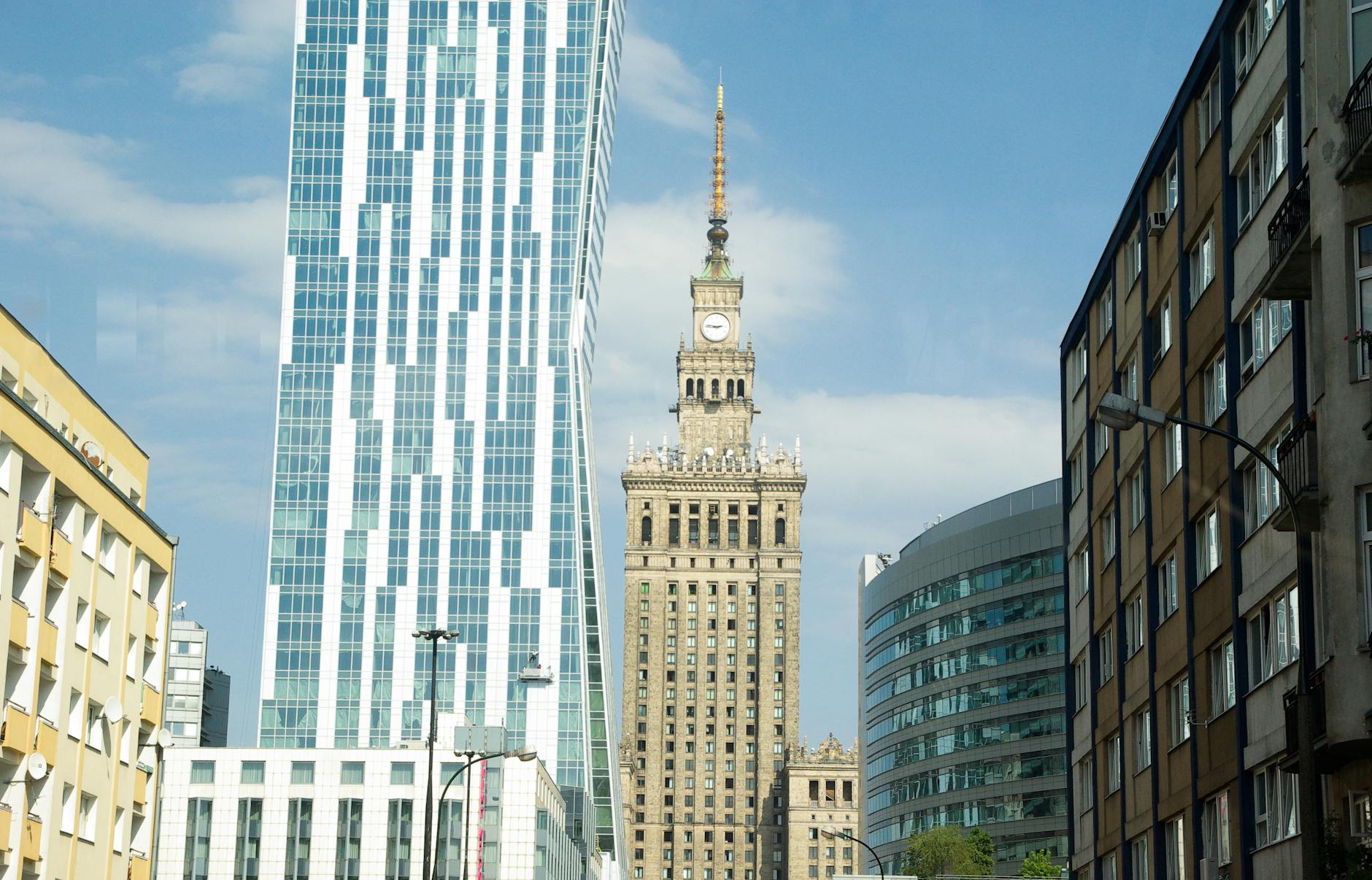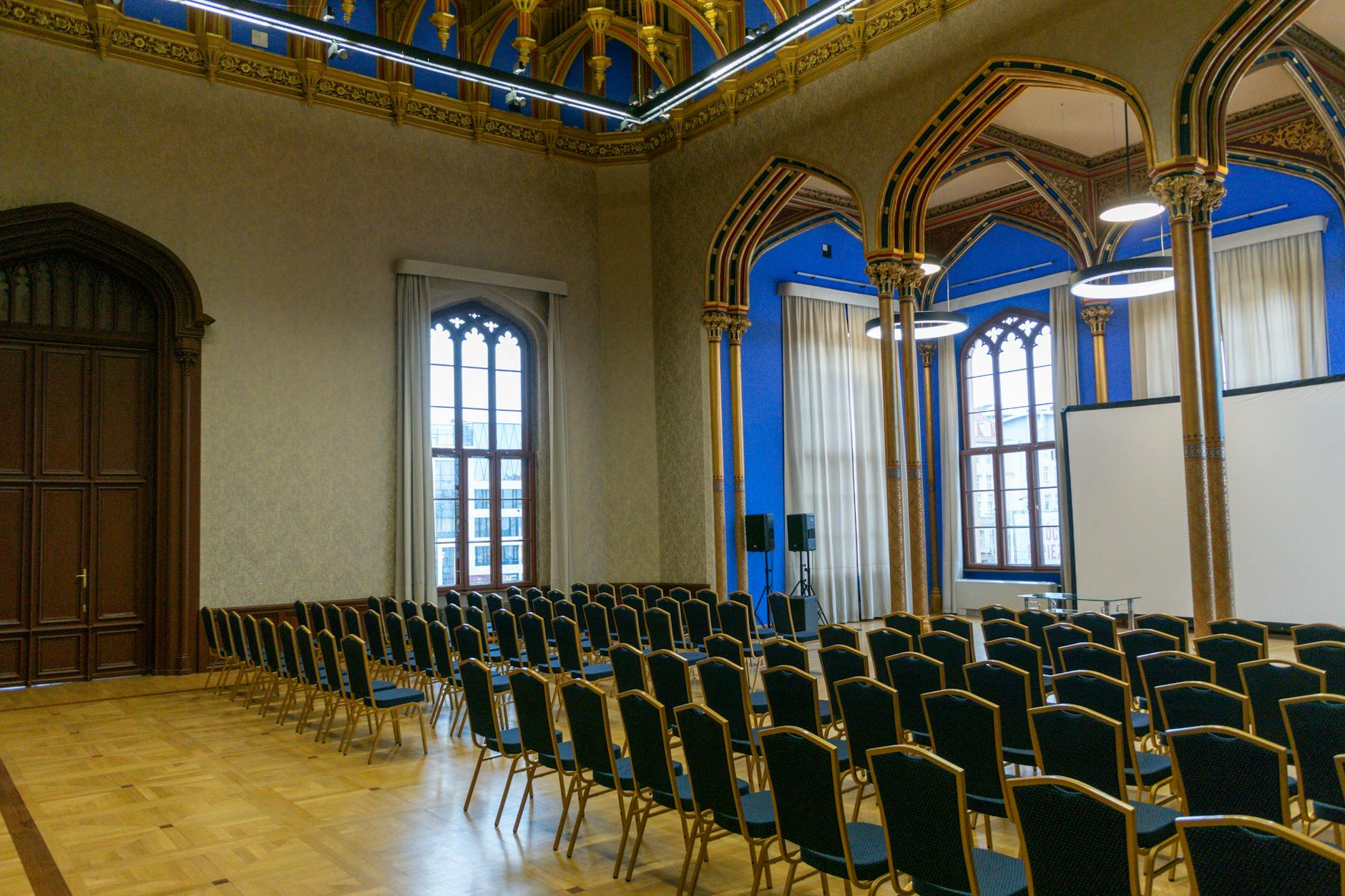
Warsaw is a practical conference city when the attendee treats the trip as more than a flight and a badge pickup. Academic events may sit in university buildings, hotels, cultural venues, medical campuses, or conference centers, and the city can be efficient if lodging, transport, session timing, and evening commitments are planned around the actual venue pattern.
Locate the venue before booking the trip
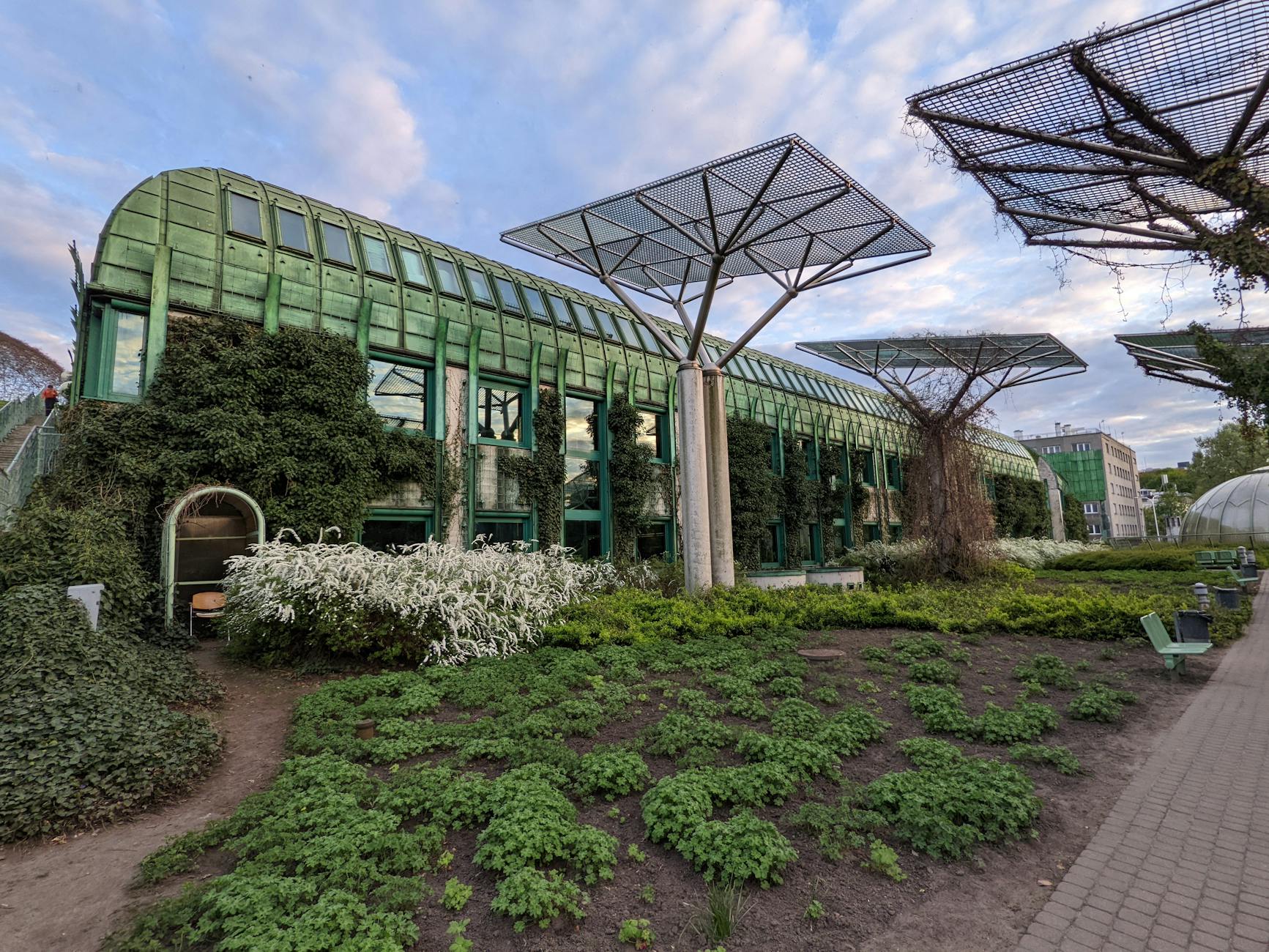
Warsaw academic events can be held in university buildings, hotels, museums, hospitals, research institutes, or hybrid spaces outside the tourist core. The attendee should confirm the exact entrance, registration desk, session rooms, and evening venue before choosing flights or lodging.
The venue map should lead the planning.
- Confirm the conference address, registration location, session rooms, reception venue, and poster area.
- Check whether sessions are all in one building or split across a campus or district.
- Choose lodging that protects early starts, late receptions, and movement with presentation materials.
Plan arrival around registration and first obligations
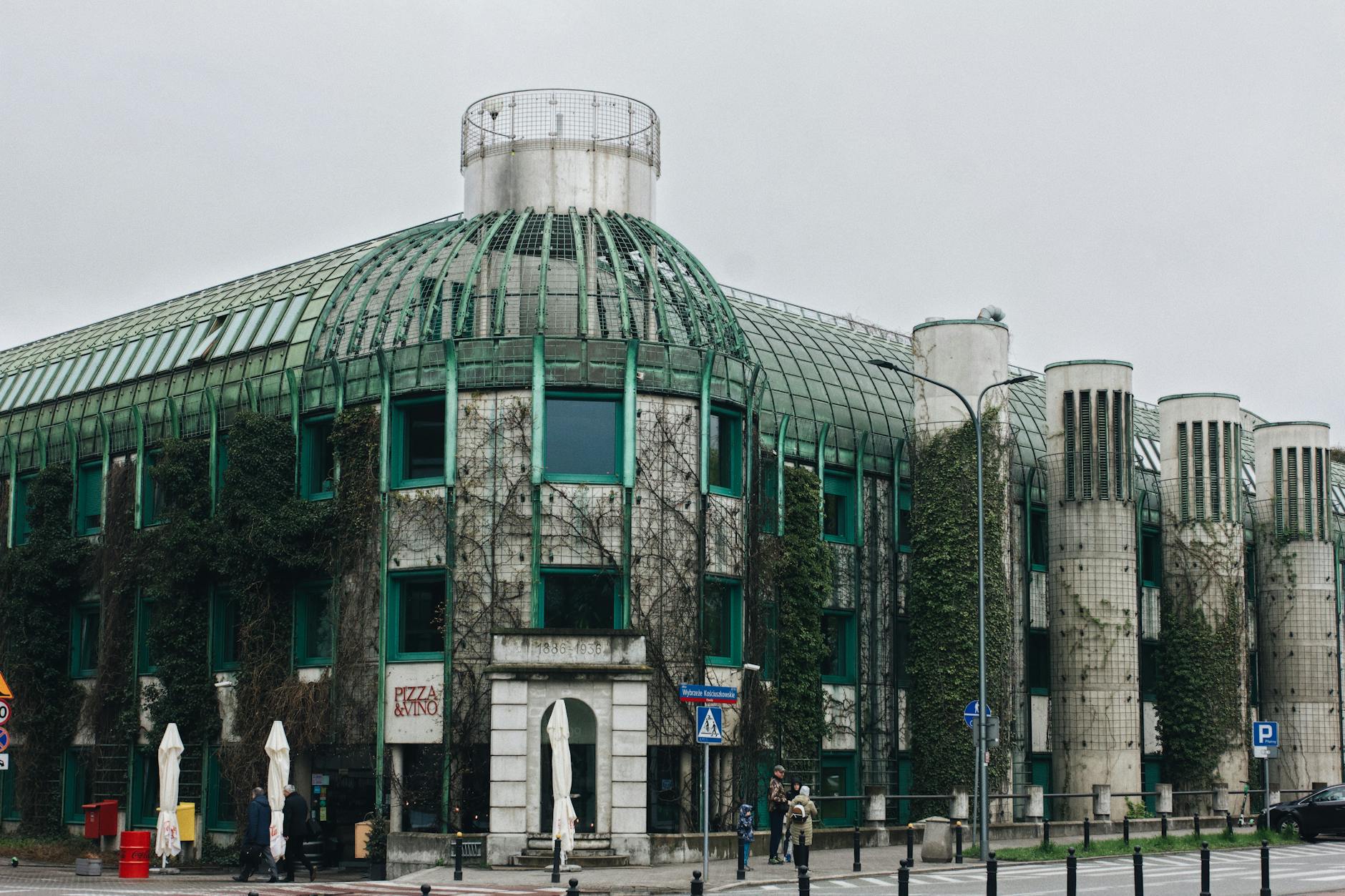
The first useful question is not the cheapest flight. It is whether the attendee can reach the hotel, register, collect materials, test equipment, and arrive at the first session without rushing. Warsaw Chopin Airport is usually convenient, but rail from other Polish and European cities can also work well.
The opening day should not start with recovery from a bad transfer.
- Build arrival around badge pickup, welcome events, speaker checks, and the first formal session.
- Leave room for baggage, airport transfer, hotel check-in, and orientation at the venue.
- Arrive the previous evening when presenting, chairing, interviewing, or meeting collaborators early.
Make the hotel support the academic workload
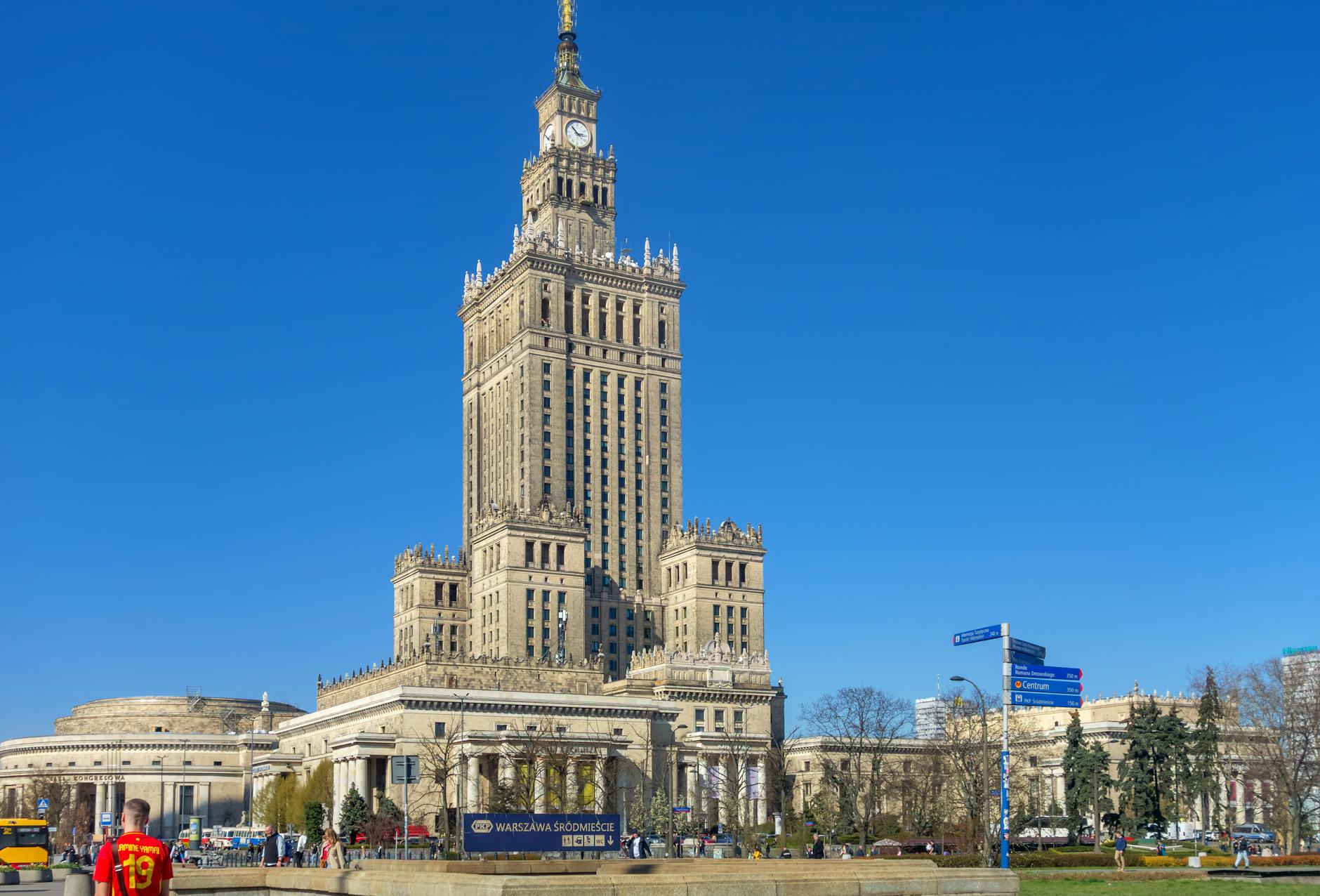
A conference hotel should make reading, slides, email, sleep, and venue access easier. A less expensive room across town can become a poor choice if it turns every morning into a weather-dependent commute. Desk space, Wi-Fi, quiet, breakfast hours, and luggage storage matter on short academic trips.
The room is also a workspace.
- Check door-to-door time from the hotel to the venue at the actual session hour.
- Confirm desk space, Wi-Fi, breakfast timing, luggage storage, and quiet-room options.
- Stay closer to the venue when carrying posters, books, equipment, or formal clothes.
Protect the presentation materials
Academic trips often depend on small items: a laptop adapter, poster tube, charger, notes, badge confirmation, consent documents, business cards, or printed handouts. The attendee should keep essential materials in carry-on luggage and bring backups for slides and files.
The conference can only use what arrives with the traveler.
- Carry slides, poster files, adapters, chargers, notes, medications, and key documents in hand luggage.
- Keep cloud and offline copies of talks, handouts, abstracts, and meeting schedules.
- Check poster printing, room equipment, microphone needs, and file format rules before travel.
Use evenings carefully
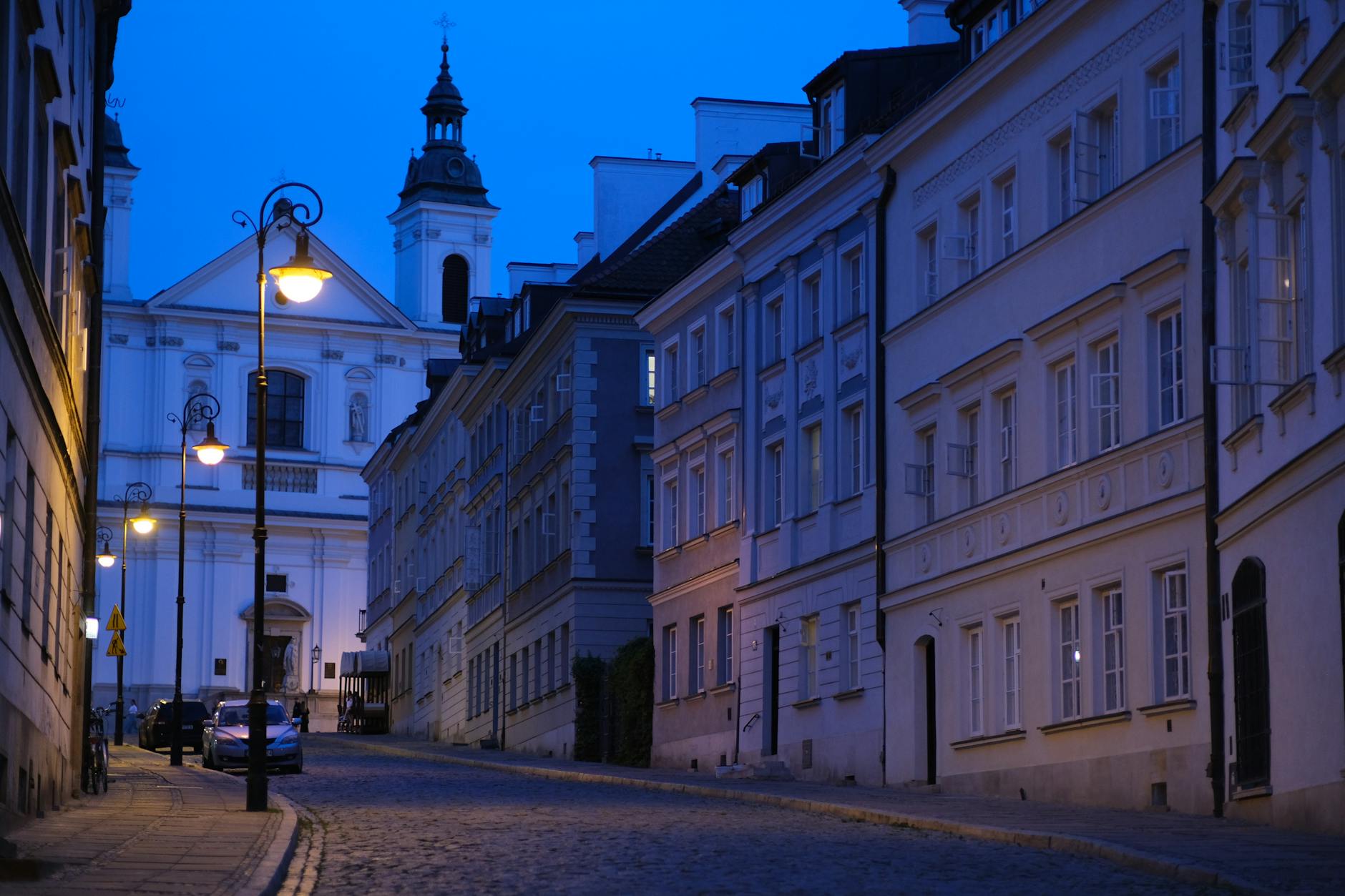
Warsaw can support receptions, dinners, Old Town walks, Vistula-side time, and museum visits, but an academic attendee should keep the next morning in view. Late networking can be valuable, yet fatigue can weaken the actual conference purpose.
The best evening plan serves the next day.
- Prioritize receptions and dinners that support collaboration, interviews, mentoring, or future work.
- Keep routes back to the hotel simple after evening events.
- Leave time for notes, follow-up emails, slide edits, and rest before early sessions.
Account for weather and local movement
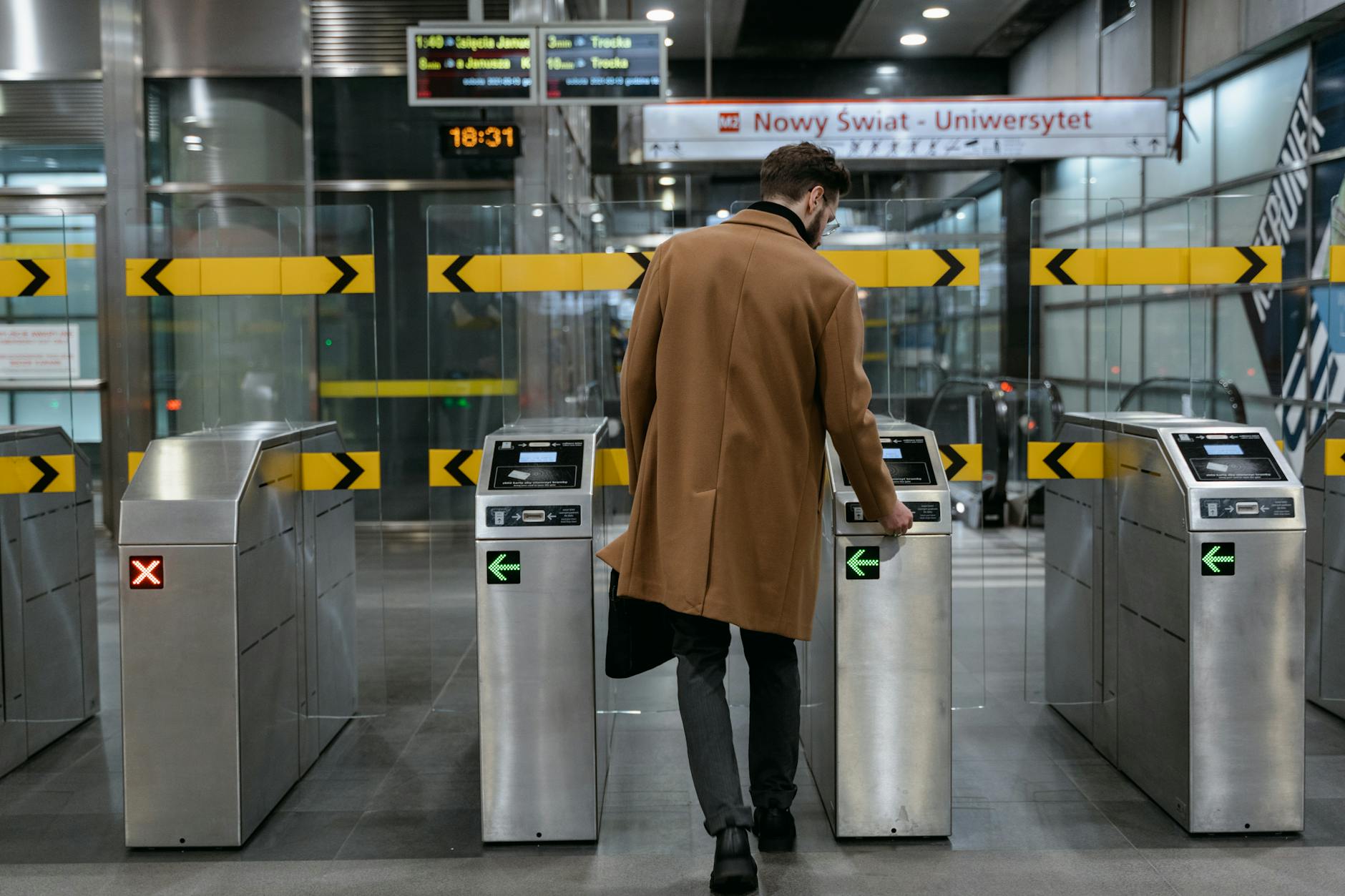
Warsaw is manageable by taxi, rideshare, metro, tram, bus, and walking, but conference days should not rely on wishful timing. Rain, snow, heat, construction, peak traffic, and venue security can all slow movement. The attendee should build buffers between sessions, meetings, and meals.
Academic schedules need realistic movement time.
- Check transit routes between the hotel, venue, dinner locations, and rail or airport points.
- Dress for the season, especially if walking in formal clothes or carrying conference materials.
- Avoid back-to-back meetings in different districts unless travel time has been tested.

When to order a short-term travel report
An academic conference attendee with one venue, one hotel, and flexible time may not need a custom report. A report becomes useful when the trip includes a presentation, multiple campuses, senior meetings, tight arrival, winter weather, poster logistics, grant rules, or limited recovery time.
The report should test venue geography, arrival options, hotel placement, session timing, transport, weather, equipment, networking commitments, meals, and departure buffers. The value is a Warsaw conference trip that supports the academic work instead of competing with it.
- Order when venue layout, arrival timing, hotel choice, materials, weather, meetings, or departure reliability need exact planning.
- Provide dates, venue addresses, session schedule, hotel candidates, presentation obligations, equipment needs, budget, and mobility needs.
- Use the report to keep the event focused on the research, not preventable logistics.