A Trondheim volunteer or NGO trip should be planned around the host organization and the work rhythm before any leisure plans. Project location, role boundaries, arrival setup, housing, transport, documentation, team meals, weather, rest, and final handoff can all affect whether a short visit is useful instead of merely well intentioned.
Clarify the host role first
A volunteer or NGO traveler should begin with the host organization's actual expectations. Trondheim travel plans change depending on whether the visit involves meetings, event support, field observation, community work, research, training, or donor-facing activity.
The role should define the trip.
- Confirm the host contact, daily schedule, role boundaries, dress expectations, and required preparation.
- Ask which tasks genuinely need the visitor in person and which can be handled before arrival.
- Avoid adding extra commitments until the host's priorities are clear.
Choose lodging around the workday
The right lodging depends on where the work happens and how much recovery the traveler needs. A volunteer or NGO traveler may need simple transport, quiet sleep, laundry, a small desk, affordable meals, and an easy return after long days.
The base should support service, not strain it.
- Check distance to the host site, public transport, taxi access, laundry, room quiet, and breakfast timing.
- Choose housing that makes early starts and late returns realistic.
- Avoid lodging that turns the visitor into another logistics problem for the host.

Plan fieldwork and local movement
If the visit includes community sites, partner offices, event locations, or field observation, movement should be planned with the host before arrival. The traveler should know what transport is appropriate, who accompanies them, and what flexibility is expected.
Fieldwork needs local judgment.
- Confirm meeting points, route timing, local transport, site access, safety expectations, and host accompaniment.
- Leave buffer time for weather, conversation overruns, and changing site conditions.
- Do not assume that independent movement is appropriate for every NGO context.
Handle documentation and consent carefully
Volunteer and NGO travel often involves photos, notes, beneficiary stories, donor reporting, or internal documentation. The traveler should understand what can be recorded, what needs consent, and what should stay private.
Trust is part of the logistics.
- Ask the host about photo rules, consent, privacy, data handling, and public communication before recording anything.
- Keep notes, contact details, and internal materials organized and secure.
- Avoid posting or sharing details that the host has not cleared.
Budget meals, supplies, and downtime
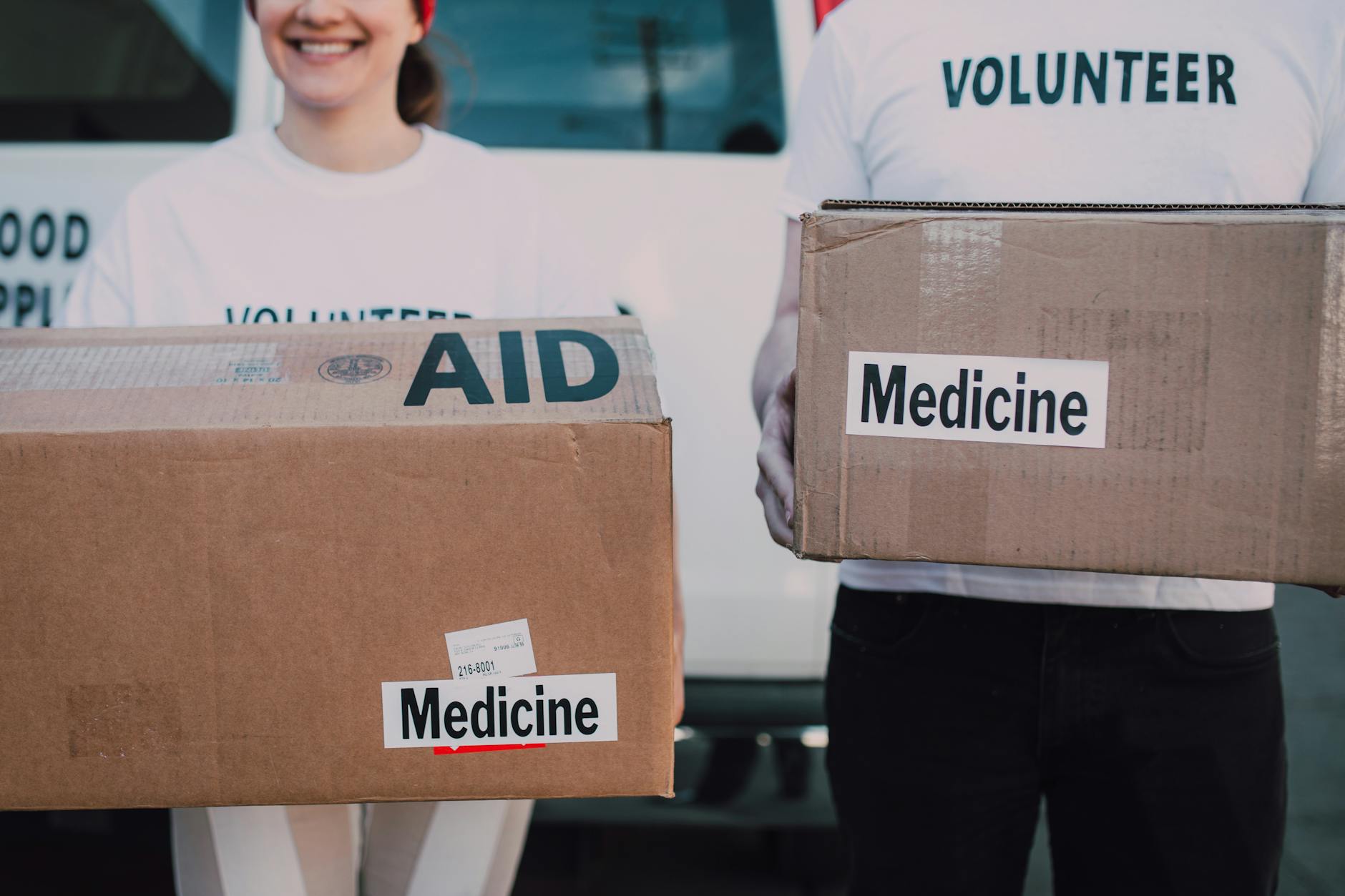
A short service trip still needs ordinary daily support. Meals, groceries, supplies, laundry, transit, and quiet downtime should be planned so the traveler does not become tired, distracted, or dependent on the host for every small need.
Self-sufficiency helps the work.
- Identify affordable meals, grocery options, pharmacies, laundry, and quiet reset spots near lodging and the host site.
- Bring needed documents, chargers, layers, rain gear, medication, and any host-requested materials.
- Protect recovery after emotionally demanding or long field days.

Respect weather and practical clothing
Trondheim weather can affect site visits, outdoor events, public transport, and how long a visitor can stay useful. The traveler should pack for wet, cold, windy, or low-light conditions without overpacking beyond what the workday can carry.
Comfort supports reliability.
- Pack layers, rain protection, footwear for wet surfaces, and work-appropriate clothing.
- Check whether the host expects indoor meetings, outdoor work, site visits, or public-facing events.
- Use a weather backup for any outdoor activity that the host depends on.
When to order a short-term travel report
A volunteer or NGO traveler with host-arranged housing and a simple schedule may not need a custom report. A report becomes useful when work sites are spread out, the host cannot handle visitor logistics, weather could affect fieldwork, documentation rules matter, or the traveler needs to stay self-sufficient during a short service visit.
The report should test host geography, lodging fit, arrival transfer, local transport, fieldwork movement, meal options, supply stops, documentation cautions, weather contingencies, downtime, and departure handoff. The value is a Trondheim volunteer or NGO trip that is useful, respectful, and easier on the host.
- Order when host geography, lodging, transport, fieldwork, documentation, meals, supplies, weather, or departure timing need exact planning.
- Provide dates, host address, role description, schedule, housing candidates, budget, mobility needs, and arrival details.
- Use the report to keep the Trondheim volunteer or NGO stay practical, respectful, and well supported.