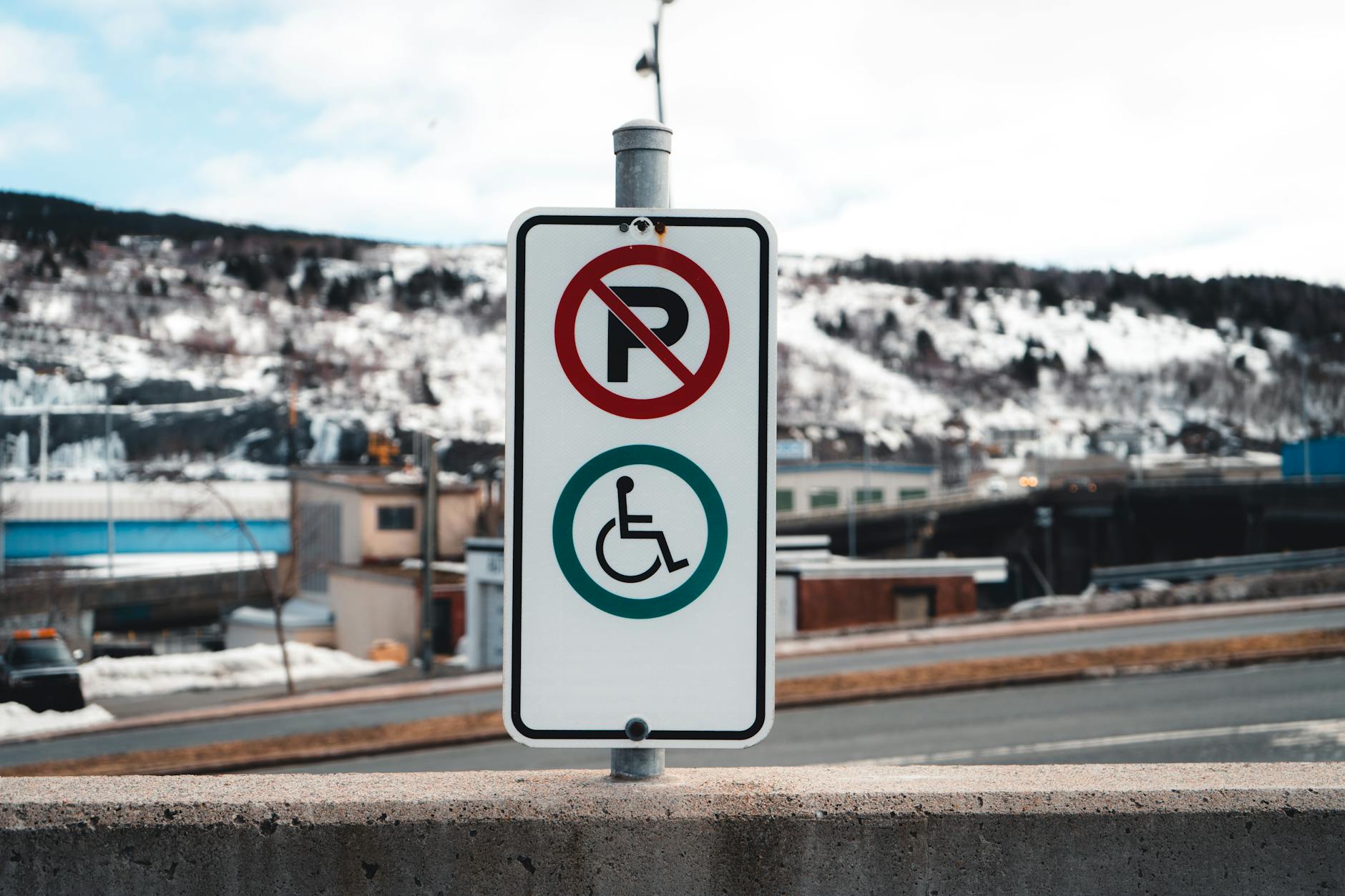
A Trondheim trip with mobility limitations should be planned around real access, not just map distance. Hotel entrances, elevators, wet surfaces, winter conditions, river routes, station transfers, taxis, seating, restrooms, and recovery time can all shape whether the stay feels workable. The right plan keeps movement short, supported, and easy to adjust.
Define the exact access needs
Mobility limitations vary widely, so the Trondheim plan should start with the traveler's actual needs. Walking distance, standing tolerance, stairs, slopes, wet pavement, wheelchair dimensions, pain patterns, and fatigue timing should shape the route before attractions are chosen.
Specific needs make the plan usable.
- List the limits that affect hotel choice, transfers, meals, sightseeing, and rest breaks.
- Confirm whether the traveler needs step-free access, a lift, a roll-in shower, seating, or close taxi access.
- Avoid assuming that a compact city automatically means an easy day.

Choose lodging around access
The hotel is the foundation for a mobility-aware Trondheim trip. Elevator access, room layout, bathroom setup, entrance steps, taxi pickup, breakfast distance, and the route back after dinner can matter more than a scenic address.
The room should reduce effort.
- Ask directly about entrance steps, elevators, bathroom layout, bed height, room distance, and taxi pickup.
- Choose a location that supports short returns and easy meal access.
- Avoid lodging where the cheapest room creates daily access problems.
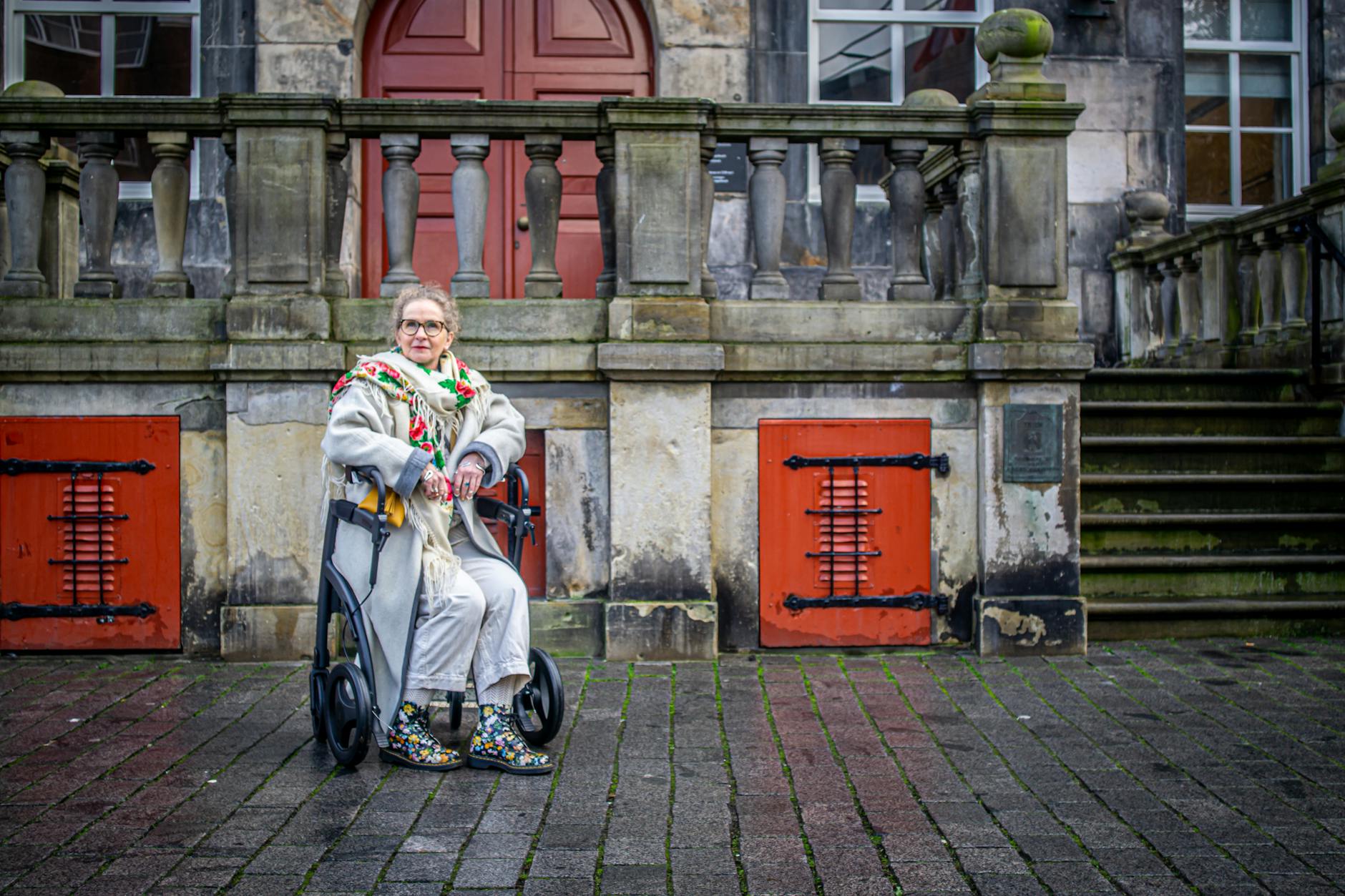
Plan transfers before arrival
Airport, rail, taxi, bus, luggage, and platform movement can be the most demanding part of the trip. A traveler with mobility limitations should know the transfer sequence before leaving home, including what happens if weather or delays change the plan.
Arrival should conserve energy.
- Confirm airport or station assistance, taxi options, bus access, luggage handling, and payment method.
- Leave extra time for lifts, platforms, wet surfaces, and unfamiliar ticketing.
- Keep the first evening close to the hotel if arrival already requires effort.

Build routes around surfaces and returns
A short Trondheim route should be judged by surface, gradient, crossings, restrooms, seating, weather exposure, and how easily the traveler can turn back. The best route may be shorter than the most scenic route.
Access is more than distance.
- Check slopes, cobblestones, curbs, bridge approaches, wet surfaces, and construction where possible.
- Plan one main route with a nearby taxi, bus, or hotel return option.
- Avoid routes that become difficult if rain, snow, or fatigue arrives early.
Place restrooms, seating, and meals first
Restrooms, benches, cafes, warm indoor stops, and meal timing should be built into the route before the traveler needs them. These details can decide whether a short sightseeing day feels pleasant or exhausting.
Breaks are part of the itinerary.
- Identify accessible restrooms, seating, cafes, museums, and covered pauses near the route.
- Reserve meals when access, seating, dietary needs, or timing matters.
- Use shorter blocks with planned recovery instead of one long day on foot.

Respect weather and equipment
Rain, snow, wind, cold, short daylight, and wet surfaces can change the real accessibility of Trondheim quickly. Mobility aids, footwear, batteries, covers, medication, and backup transport should be planned as core logistics.
Weather can change access.
- Pack rain protection, warm layers, non-slip footwear, device chargers, medication, and covers for equipment if needed.
- Check taxi availability before committing to exposed routes.
- Shorten or reverse the route when weather changes the effort required.
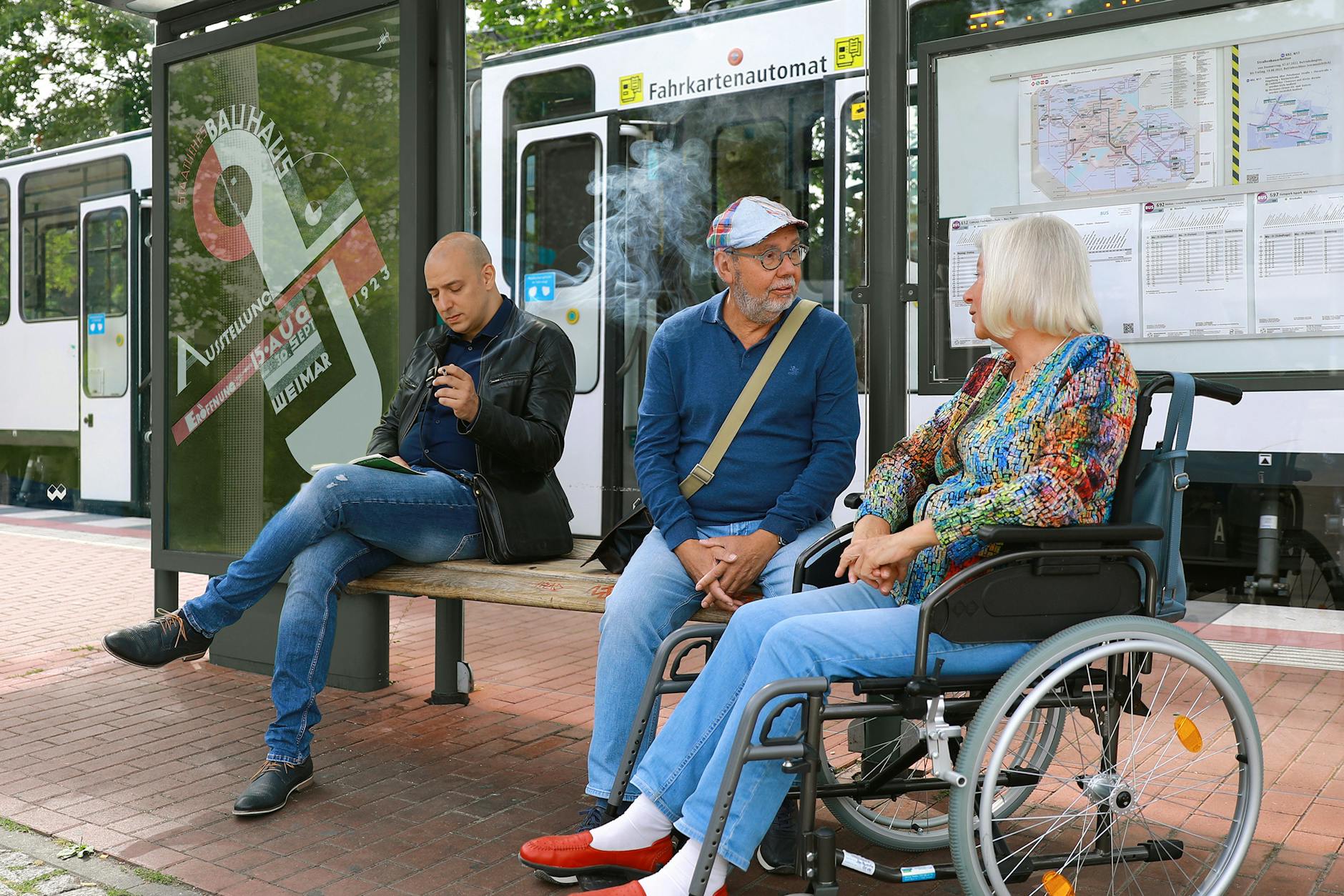
When to order a short-term travel report
A traveler with mobility limitations and a known accessible hotel may not need a custom report. A report becomes useful when hotel access is uncertain, walking surfaces matter, weather could change routes, transfers need assistance, or the traveler wants to see Trondheim without discovering access problems in real time.
The report should test hotel access, arrival transfer, step-free routes, surfaces, restrooms, seating, meals, transport backups, weather contingencies, scenic options, and departure buffers. The value is a Trondheim stay that keeps mobility needs visible while still making the city rewarding.
- Order when hotel access, transfers, route surfaces, restrooms, seating, meals, weather, transport, or departure timing need exact planning.
- Provide dates, hotel candidates, mobility equipment, walking tolerance, transfer needs, meal needs, budget, and arrival details.
- Use the report to keep the Trondheim mobility-aware stay practical, comfortable, and flexible.