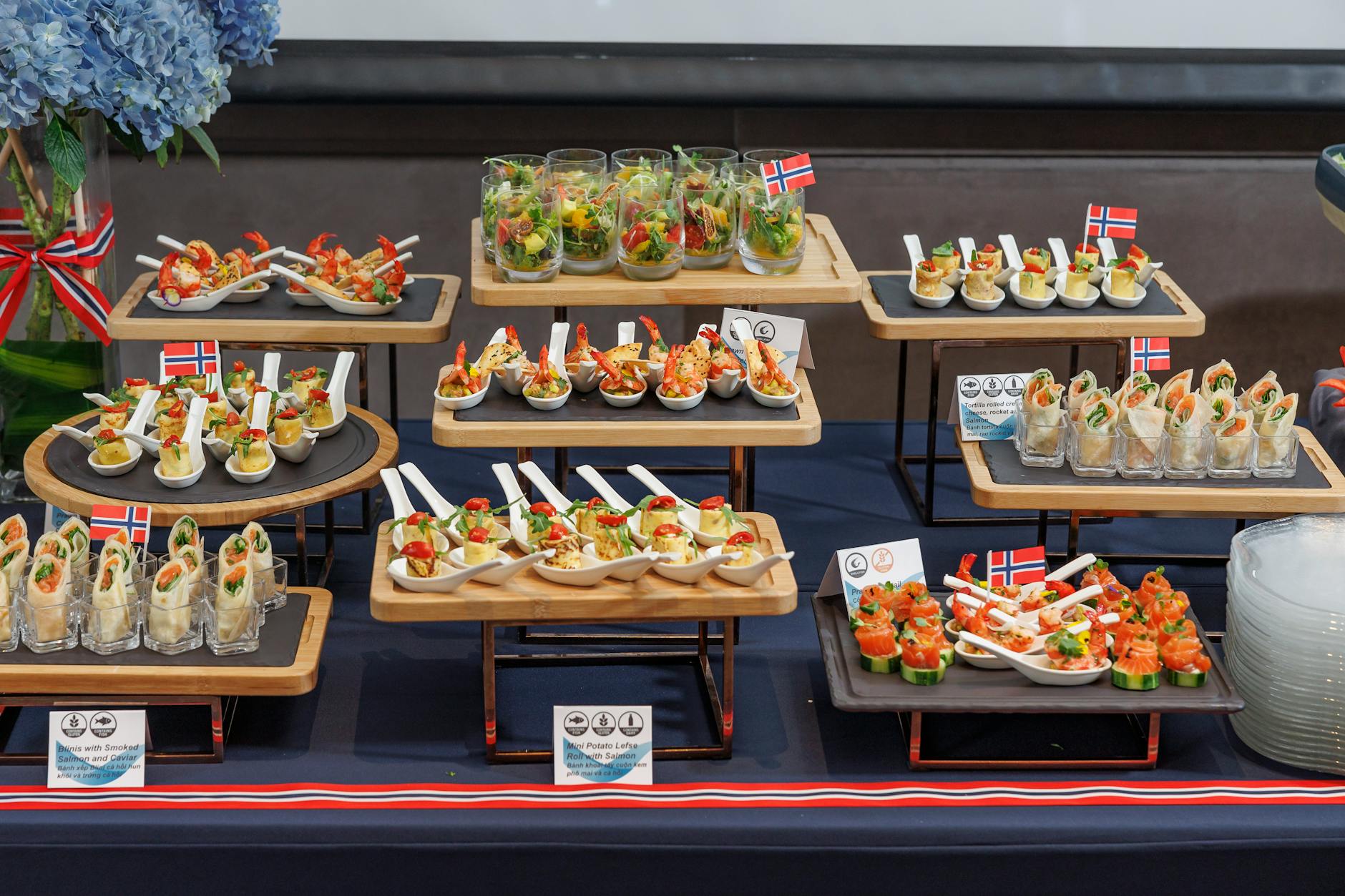
A Trondheim trade-show trip should be planned around event logistics before sightseeing. Venue location, badge pickup, booth setup, freight or samples, hotel workability, meeting timing, networking, meals, weather, local transport, and departure buffers can all affect whether the short stay supports the business purpose.
Start with venue and event mechanics
A trade-show attendee should start with the exact venue, registration process, exhibitor rules, and event schedule. Trondheim travel becomes much easier when badge pickup, halls, loading areas, meeting spaces, and receptions are mapped before arrival.
The event mechanics should lead the plan.
- Confirm venue address, hall layout, registration hours, exhibitor rules, and reception locations.
- Check setup and teardown timing if the traveler has booth, sample, or display responsibilities.
- Choose lodging that makes the earliest setup and latest networking event realistic.
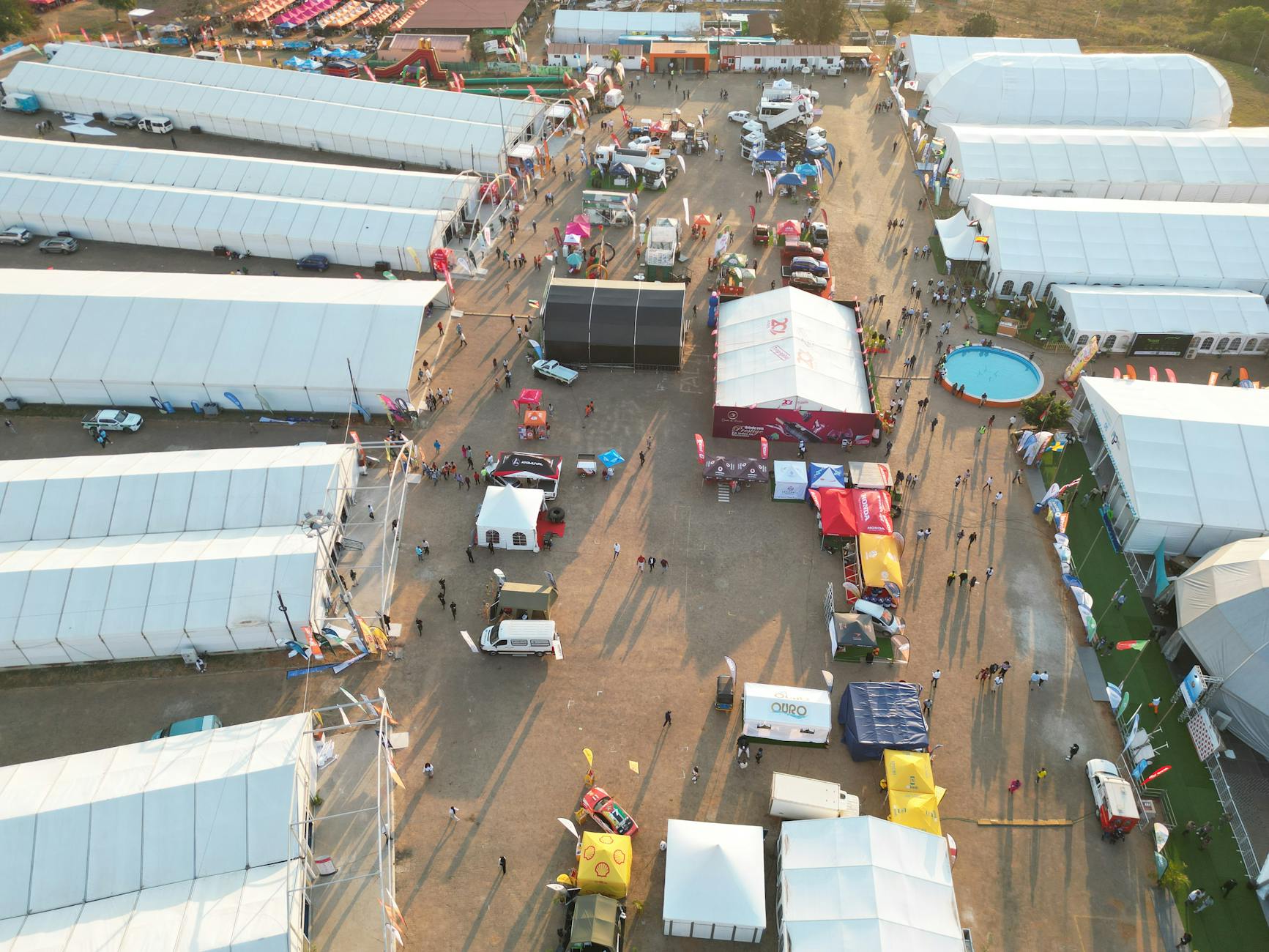
Handle booth, badge, and materials logistics
Trade-show problems often come from small operational failures: missing badges, wrong delivery windows, delayed samples, weak Wi-Fi, no adapters, or unclear storage. The traveler should treat materials and access as the trip's critical path.
Logistics need a checklist.
- Confirm badge rules, setup windows, shipping labels, storage, booth power, Wi-Fi, and onsite contacts.
- Carry essential documents, adapters, chargers, lead capture tools, and backup presentation files.
- Know what can be bought locally and what must arrive with the traveler.
Choose lodging for workability
The hotel may need to support sleep, follow-up emails, private calls, sample storage, breakfast before setup, and an easy return after evening events. A scenic room is less useful if it adds transfer risk before the show day.
The hotel should support the event purpose.
- Check desk quality, Wi-Fi, room quiet, breakfast timing, storage, taxi pickup, and late checkout.
- Know where private calls, team debriefs, or laptop work can happen outside the venue.
- Avoid lodging that turns every show day into a transport problem.
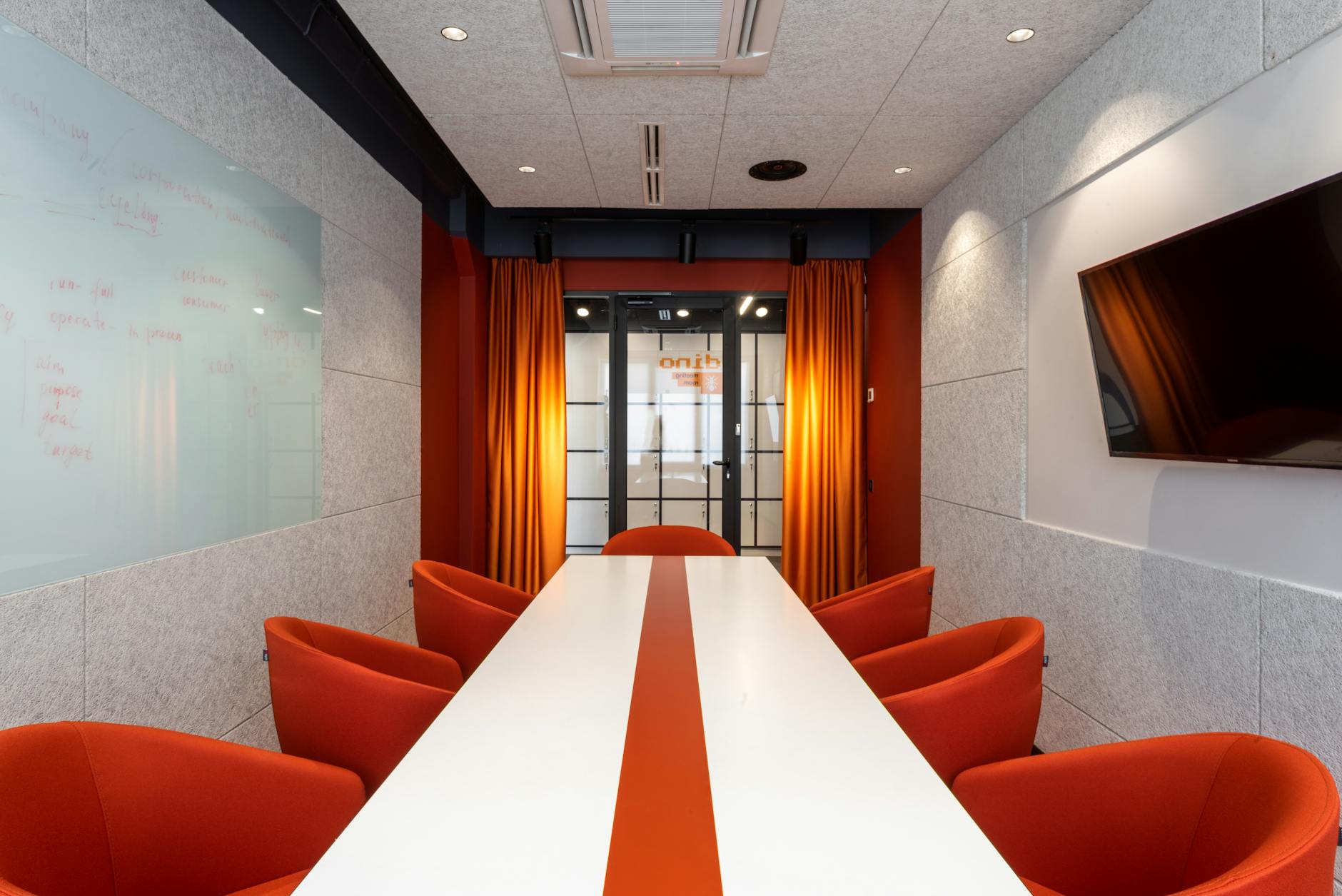
Structure meetings and floor time
A trade-show schedule can include booth time, buyer meetings, competitor scans, demonstrations, partner conversations, and internal follow-up. The attendee should separate essential commitments from optional browsing.
The floor plan needs priorities.
- Block setup, booth duty, must-meet contacts, demos, buyer meetings, and follow-up time first.
- Leave gaps for walking between halls, food, notes, and unexpected useful conversations.
- Avoid accepting every informal meeting if it weakens the core show objectives.
Use networking without losing recovery
Receptions, dinners, side meetings, and informal introductions can create the value of a trade show. They can also consume the whole evening and damage the next day. The traveler should choose networking that supports the business purpose.
Networking should be selective.
- Prioritize hosted dinners, buyer meetings, partner introductions, and high-value receptions.
- Reserve meals when group size, dietary needs, or conversation quality matters.
- Protect sleep before setup, presentations, or a heavy final day.

Respect transport, weather, and freight risk
Trondheim weather, winter light, airport timing, taxis, and delivery windows can affect trade-show reliability. The attendee should know how people and materials move between airport, hotel, venue, meals, and departure.
Movement should not be improvised.
- Check airport transfers, taxi availability, freight timing, venue loading rules, and return transport.
- Build extra margin for rain, snow, wind, formal clothing, samples, or rolling cases.
- Keep venue, hotel, shipping, and onsite contact details available offline.
When to order a short-term travel report
A trade-show attendee with a hotel attached to the venue and no materials may not need a custom report. A report becomes useful when setup timing is tight, materials are shipped, meetings are spread out, weather could slow movement, or the traveler must combine the show with client meetings elsewhere in Trondheim.
The report should test venue geography, hotel workability, arrival transfer, badge and booth logistics, freight options, meal choices, meeting routes, networking locations, weather contingencies, and departure buffers. The value is a Trondheim trade-show stay that protects business objectives and reduces avoidable friction.
- Order when venue geography, hotel fit, materials, meetings, networking, meals, weather, freight, or departure timing need exact planning.
- Provide dates, venue address, setup duties, materials needs, meeting list, hotel candidates, mobility needs, budget, and departure details.
- Use the report to keep the Trondheim trade-show trip focused, prepared, and resilient.