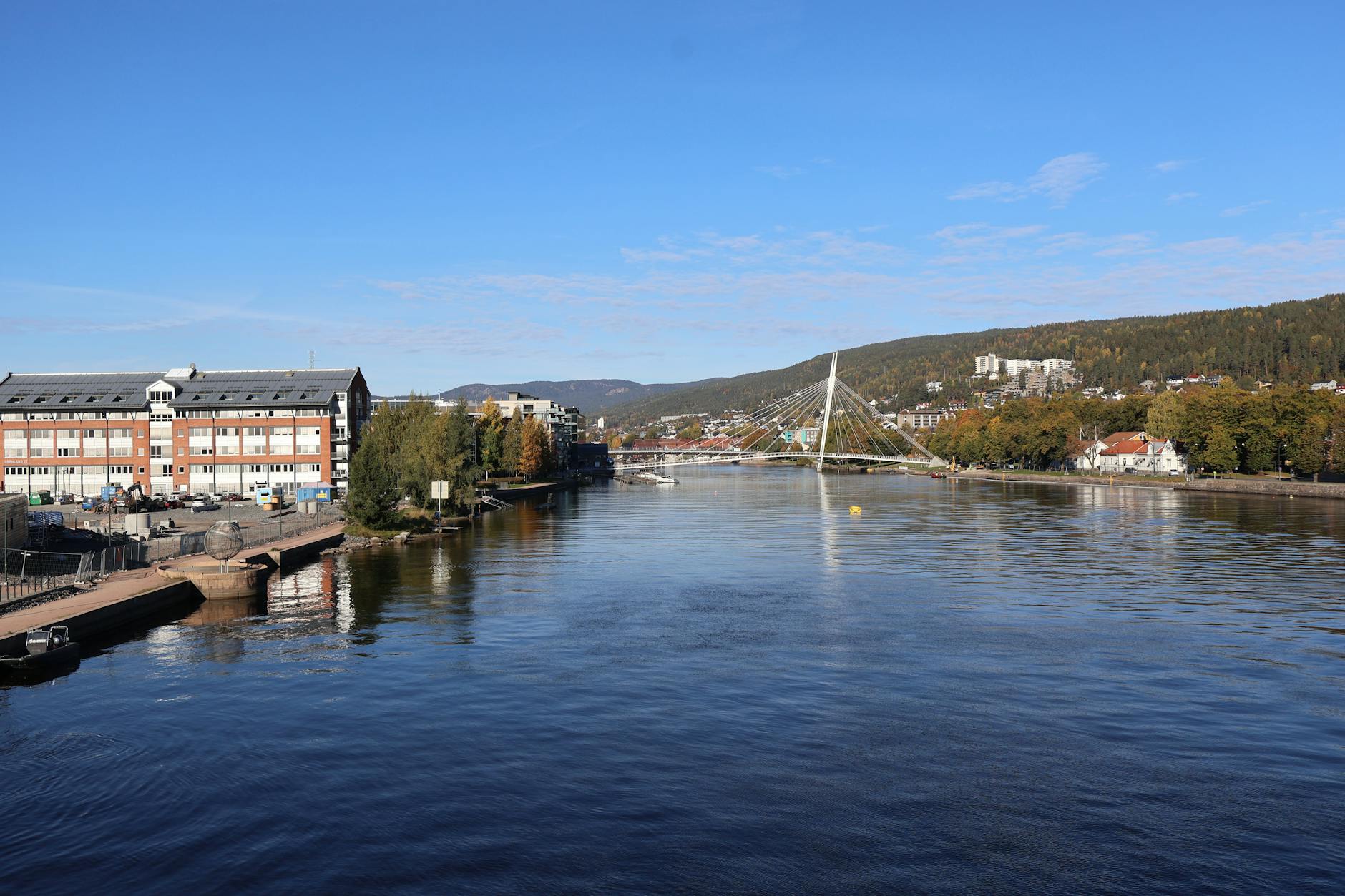
A Trondheim sales trip should make it easy to arrive prepared, meet the right people, and follow up before the lead goes cold. Account locations, hotel choice, transfer timing, meeting order, laptop work, presentation materials, meals, weather, and departure buffers can all affect whether the short visit creates useful commercial momentum.
Start with the account geography
A sales traveler should begin with the actual account map, not the attractions map. Prospect offices, customer sites, hotel candidates, airport or rail arrival, dinner locations, and backup workspaces should be placed together before the schedule fills up.
The sales route should protect the pipeline.
- Confirm each meeting address, visitor entry, host contact, and realistic transfer time.
- Choose lodging that keeps the highest-value meeting and evening follow-up simple.
- Avoid adding sightseeing movement before the account geography is secure.

Choose lodging that supports selling
The hotel needs to support more than sleep. A sales traveler may need strong Wi-Fi, a proper desk, quiet call space, early breakfast, luggage storage, dry clothing, and a credible place to reset between customer conversations.
The room should help the traveler sell well.
- Check Wi-Fi, desk space, outlets, room quiet, breakfast timing, laundry options, and taxi pickup.
- Know where calls can happen before check-in or after checkout.
- Avoid a hotel that saves money but weakens meeting readiness.

Plan the meeting sequence
A short sales trip can include discovery calls, renewal meetings, demos, partner introductions, and internal follow-up. The order matters because one delayed meeting can damage the next one if travel time is too tight.
The day needs commercial priorities.
- Put the highest-value account or most time-sensitive conversation in the most reliable part of the day.
- Leave space between meetings for notes, CRM updates, transport, food, and weather delays.
- Use remote calls for lower-value touches when the local route would become fragile.

Protect the pitch materials
Sales travel often depends on small operational details: working demos, current pricing, offline decks, chargers, adapters, samples, contract files, and a clean note system. Trondheim is not a difficult city, but a short trip gives little room to recover from missing materials.
Readiness should be redundant.
- Carry offline decks, demo backups, chargers, adapters, meeting notes, and customer-specific materials.
- Confirm whether samples or printed materials need luggage, storage, or local courier planning.
- Keep follow-up drafts and next-step notes ready before the final meeting ends.
Use meals and follow-up deliberately
Meals can be part of the sales work when they support conversation quality, account trust, or partner alignment. They become a problem when they consume the evening that should be used for notes and next steps.
Hospitality should serve the relationship.
- Reserve meals when group size, dietary needs, privacy, or conversation quality matters.
- Protect at least one block for notes, follow-up emails, CRM updates, and internal alignment.
- Avoid late networking that weakens the next morning's highest-value meeting.

Respect weather and local movement
Rain, snow, wind, darkness, and wet surfaces can change how formal clothing, laptops, printed materials, and rolling luggage behave in Trondheim. A sales traveler should treat weather as part of the route plan, not as background information.
Reliability matters more than optimism.
- Build taxi, bus, and walking options around weather and meeting attire.
- Keep presentation materials, devices, and clothing protected from rain or snow.
- Shorten the route when weather would make arrival look rushed or unprofessional.

When to order a short-term travel report
A sales traveler with one familiar meeting and a known hotel may not need a custom report. A report becomes useful when account locations are spread out, customer dinners need care, weather could disrupt movement, samples or demos matter, or the traveler needs to turn a short Trondheim visit into a clean sequence of commercial actions.
The report should test account geography, hotel workability, arrival transfer, meeting sequence, meal choices, private work locations, weather contingencies, materials logistics, and departure buffers. The value is a Trondheim sales trip that protects the relationship and keeps follow-up moving.
- Order when account geography, hotel fit, meetings, meals, pitch materials, weather, transport, or departure timing need exact planning.
- Provide dates, account addresses, meeting priorities, hotel candidates, materials needs, meal needs, budget, and arrival details.
- Use the report to keep the Trondheim sales trip focused, credible, and commercially useful.