A Trondheim trip for an older traveler should be built around comfort, pacing, and dependable access. Hotel location, room quiet, walking distances, transport, seating, restrooms, meals, weather, medications, and recovery time can all matter as much as the landmarks. A short stay should feel measured rather than compressed.
Choose lodging for comfort and access
An older traveler should treat the hotel as the foundation of the trip. Location, elevator access, quiet rooms, bathroom setup, breakfast timing, taxi access, and the ability to rest midday can shape the whole stay.
The hotel should reduce strain, not add it.
- Check elevator access, bathroom layout, bed comfort, room quiet, heating, breakfast hours, and taxi pickup.
- Choose a location that supports short routes and easy returns.
- Avoid lodging that requires steep, slippery, or long walks several times a day.
Build a gentle daily route
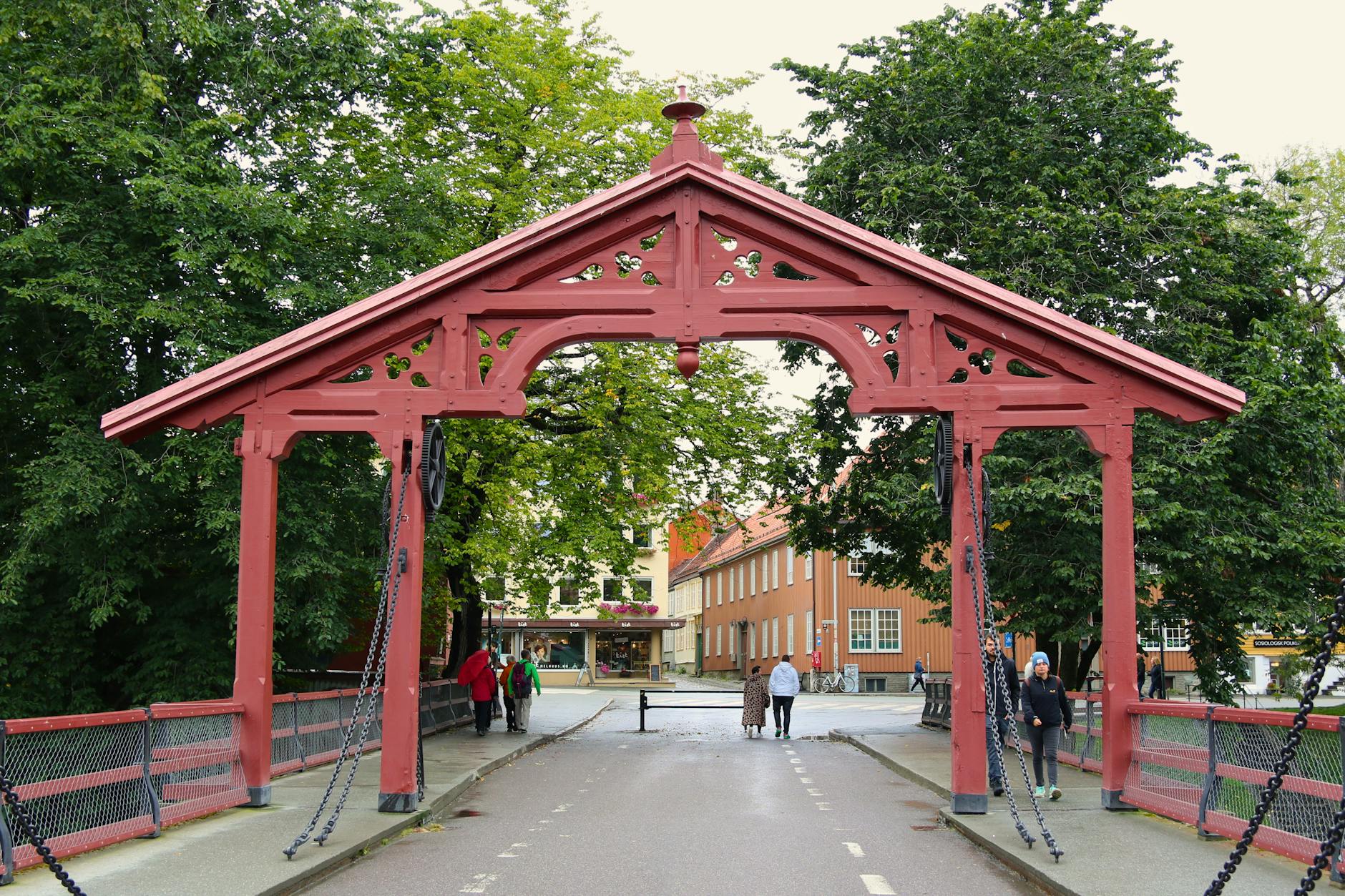
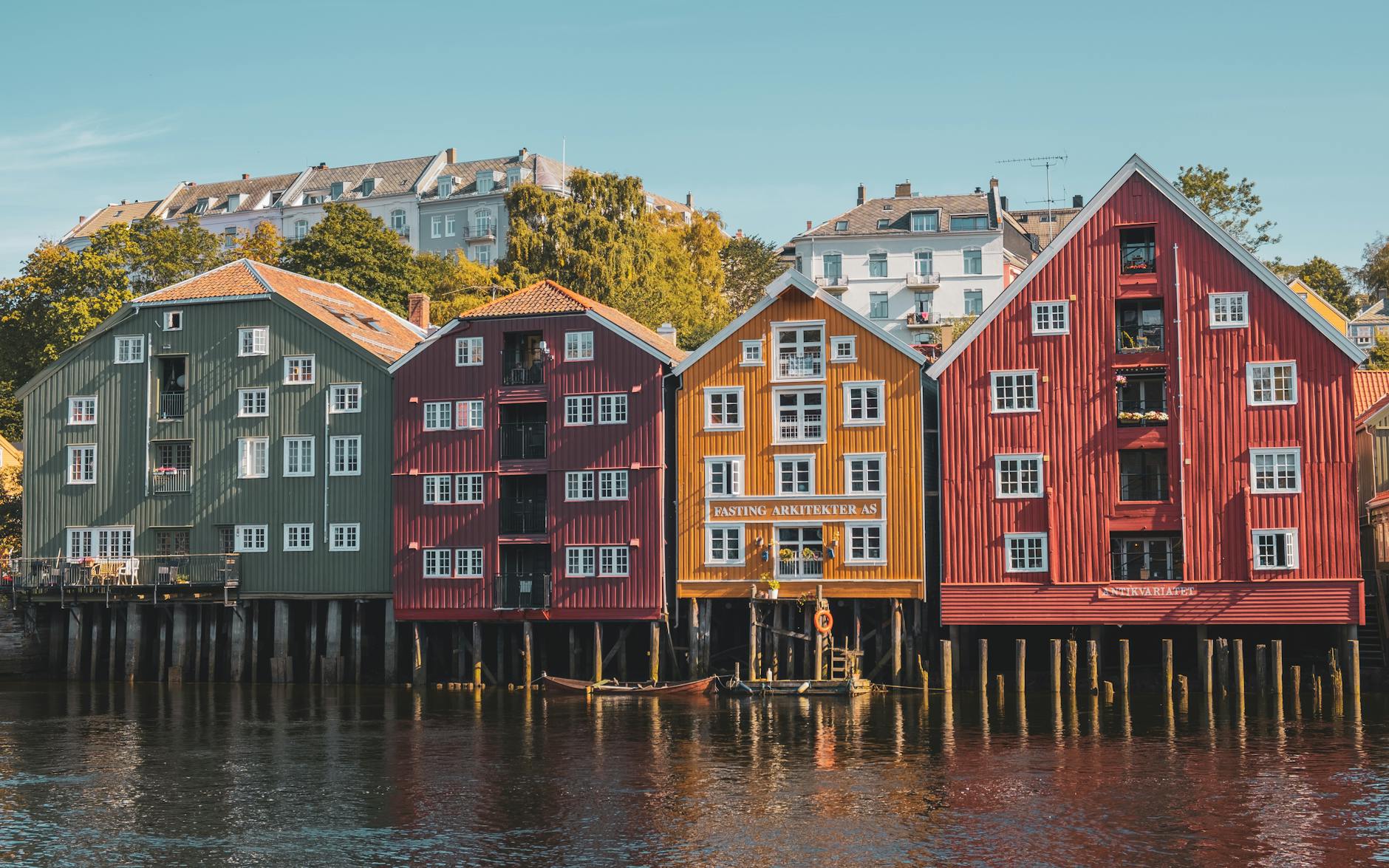
Trondheim can be enjoyed through shorter walks that connect the river, cathedral area, Bakklandet, cafes, and waterfront views. The route should be chosen for surface, seating, restrooms, and return options rather than only for attractions.
A good route leaves energy for the evening.
- Plan one main route per day with nearby seating, cafes, restrooms, and taxi or bus options.
- Keep cobblestones, slopes, rain, and walking tolerance in mind.
- Use the river and central areas for compact sightseeing instead of long cross-city walks.

Pace transport and arrivals
Airport or rail arrivals, luggage, hotel check-in, and local transport can be tiring before sightseeing begins. The traveler should keep the first day light and make onward routes clear before leaving the hotel.
The arrival plan should conserve energy.
- Confirm airport, rail, taxi, bus, and luggage arrangements before travel day.
- Leave extra time for winter conditions, rain, lifts, platforms, and unfamiliar ticketing.
- Keep the first evening close to the hotel if arrival involves a long journey.
Plan restrooms, seating, and recovery
Comfort details can decide whether a short city day feels pleasant or exhausting. Restroom access, benches, cafes, museum seating, warm indoor stops, and midday recovery should be placed into the plan before the traveler is tired.
Pacing is a planning task.
- Identify restrooms, cafes, museums, and benches along the route.
- Schedule recovery blocks after longer walks or emotionally full visits.
- Avoid back-to-back activities that leave no place to sit or warm up.
Protect health and weather comfort
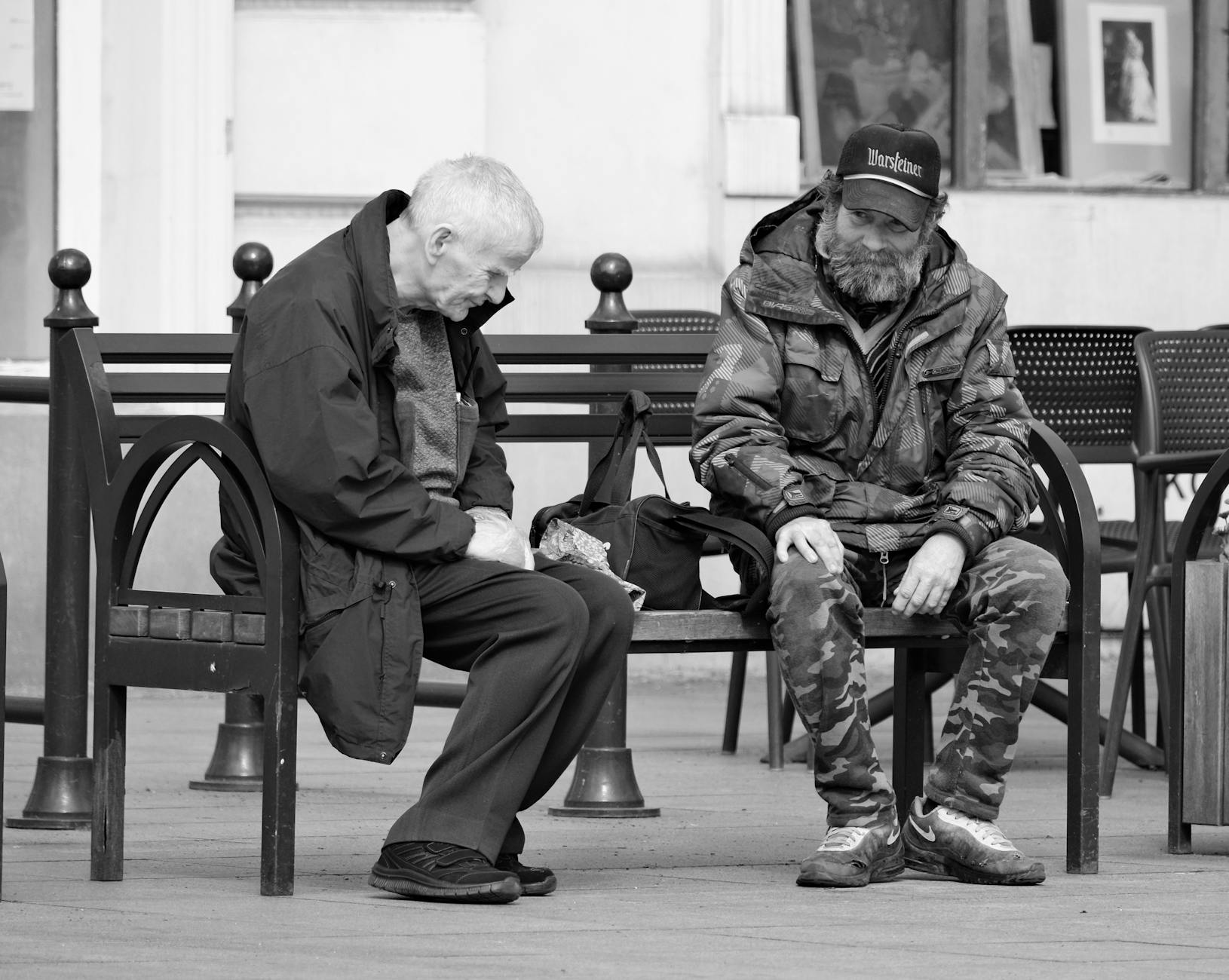
Rain, wind, cold, wet surfaces, and short daylight can matter more for older travelers. Medications, footwear, layers, phone battery, and emergency contacts should be treated as core travel logistics.
Comfort and health need their own checklist.
- Pack medications, documentation, waterproof layers, warm clothing, non-slip shoes, and a phone power bank.
- Check whether travel insurance, mobility equipment, or pharmacy access needs planning.
- Shorten the route when weather or fatigue makes conditions less comfortable.
Keep meals and evenings predictable
Meal timing, noise, dietary needs, lighting, stairs, and the route back to the hotel can matter at the end of a sightseeing day. A predictable dinner plan often makes the whole trip feel easier.
The evening should be comfortable to finish.
- Choose restaurants with manageable access, seating, noise level, and return route.
- Reserve when timing, dietary needs, or walking tolerance makes spontaneity risky.
- Keep one quiet evening if the trip includes a long route or early departure.

When to order a short-term travel report
An older traveler with a central hotel and easy pace may not need a custom report. A report becomes useful when hotel access is uncertain, walking tolerance is limited, weather may affect surfaces, meals require care, or arrival and departure timing need to be made less tiring.
The report should test hotel access, room comfort, arrival transfer, gentle routes, restrooms, seating, meals, weather contingencies, health logistics, recovery windows, and departure buffers. The value is a Trondheim stay that preserves comfort while still making the city rewarding.
- Order when hotel access, walking routes, transport, restrooms, seating, weather, meals, health needs, or departure timing need exact planning.
- Provide dates, hotel candidates, walking tolerance, mobility needs, medical constraints, meal needs, budget, and arrival details.
- Use the report to keep the Trondheim older-traveler stay comfortable, paced, and worthwhile.