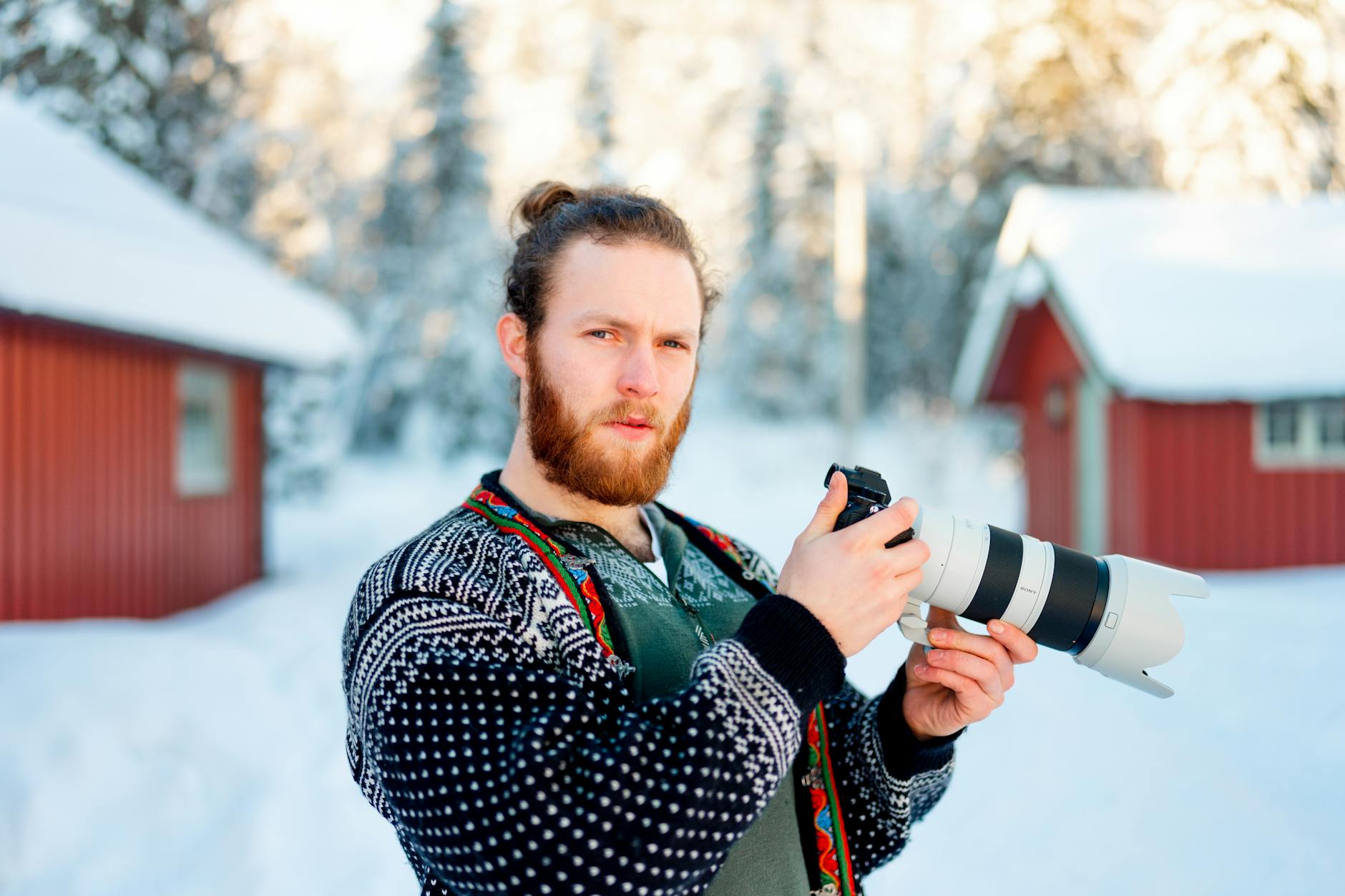
A journalism trip to Trondheim should be built around the reporting plan before the city plan. Interview locations, access, source timing, equipment, charging, quiet filing space, weather, local movement, meals, and departure buffers can decide whether a short visit produces clean reporting or a scattered notebook.
Start with the story map
A journalist should begin with the story's geography: interview sites, institutions, neighborhoods, photo locations, hotel, station or airport, and possible quiet places to file. Trondheim is manageable, but a short reporting trip can still fail if the map is vague.
The story should set the route.
- Confirm source addresses, interview windows, access rules, and realistic transfer times.
- Group interviews and location work by geography where possible.
- Avoid adding scenic movement before the reporting spine is secure.
Confirm access and permissions
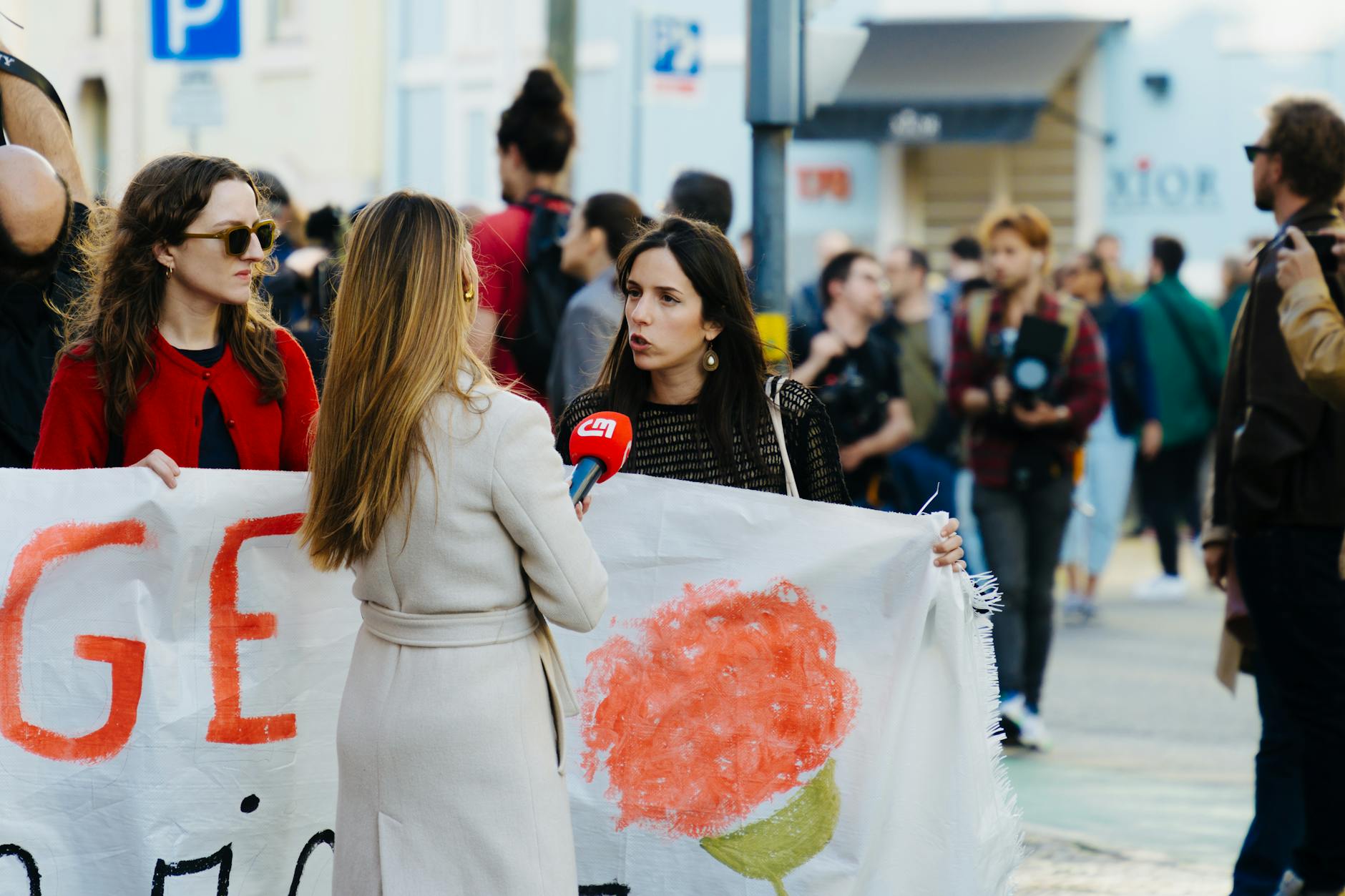
Interviews, photos, recordings, campus spaces, business sites, public-sector settings, and private venues can all have different rules. A journalist should clarify permissions before arrival so the reporting day is not spent negotiating basics.
Access should be confirmed in writing.
- Confirm interview consent, recording rules, photo permissions, visitor entry, and identification needs.
- Keep source contacts and access notes available offline.
- Know which locations can be used for background, atmosphere, or public exterior context.
Protect equipment and files
A short reporting trip may depend on a few tools: phone, recorder, camera, laptop, batteries, adapters, cards, microphones, notebooks, and secure file backup. Wet weather and rushed transfers can turn small equipment problems into story problems.
Redundancy matters.
- Carry chargers, backup batteries, storage cards, adapters, weather protection, and offline notes.
- Back up audio, photos, notes, and drafts before moving to the next location.
- Avoid relying on one device for recording, navigation, contacts, and filing.
Build interview time honestly
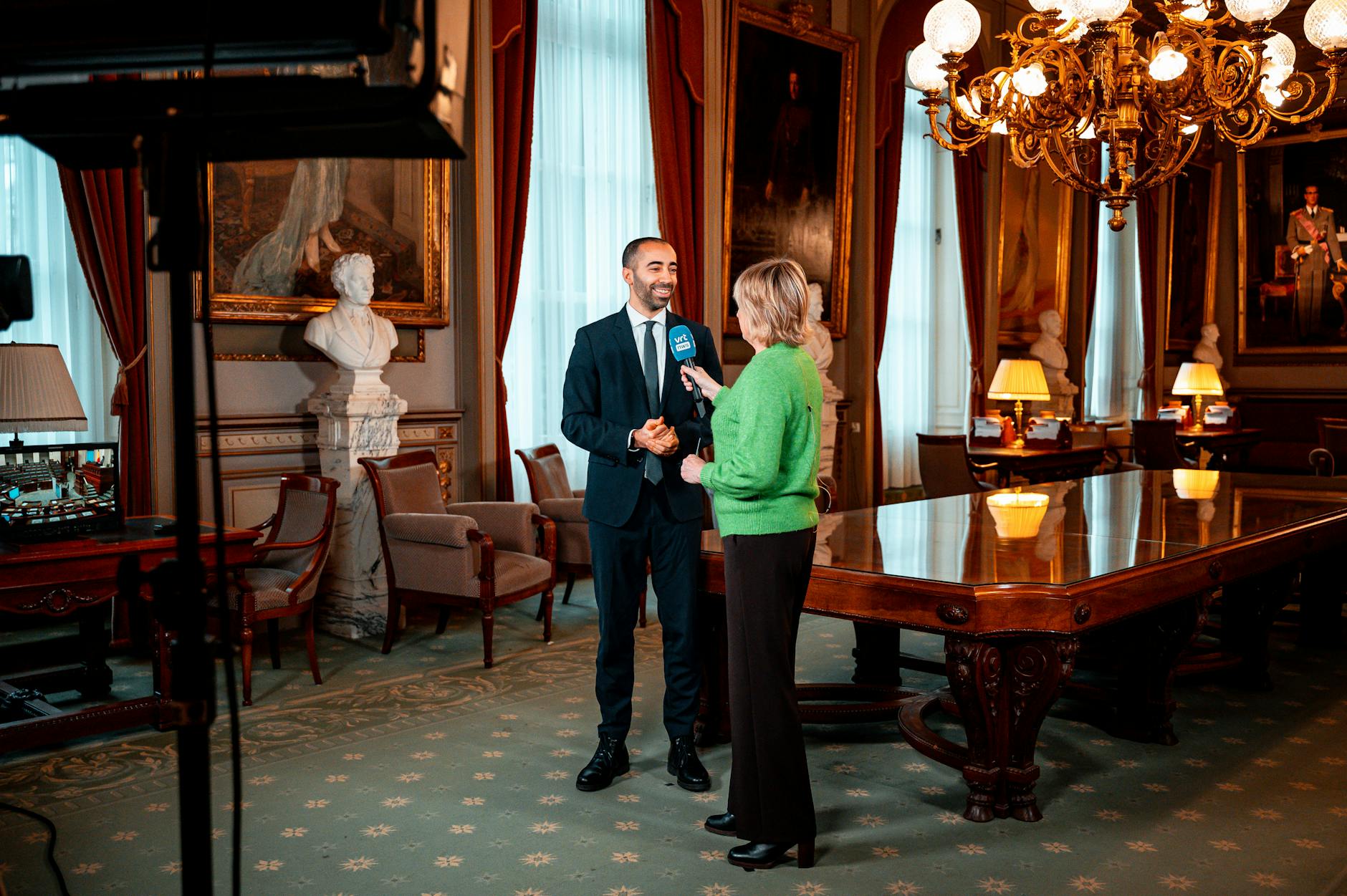
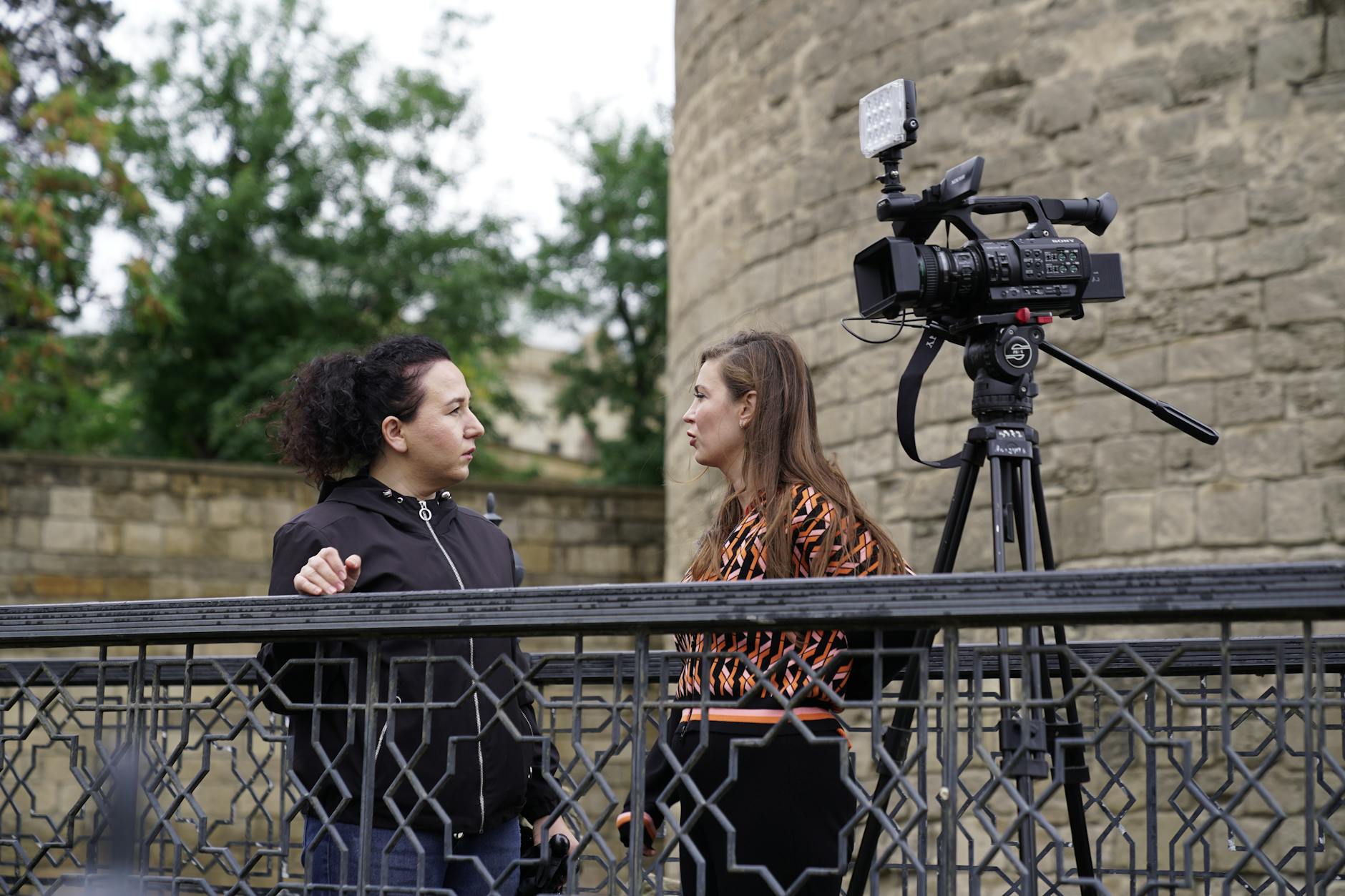
A useful interview schedule includes setup, greeting, consent, recording checks, the conversation itself, follow-up questions, notes, and travel to the next source. Compressing interviews too tightly usually weakens both the reporting and the relationship.
Good reporting needs slack.
- Leave time before each interview for arrival, context, audio checks, and source readiness.
- Block time after key interviews for notes and follow-up requests.
- Keep one backup contact or source option in case a meeting cancels.
Plan filing space and communications
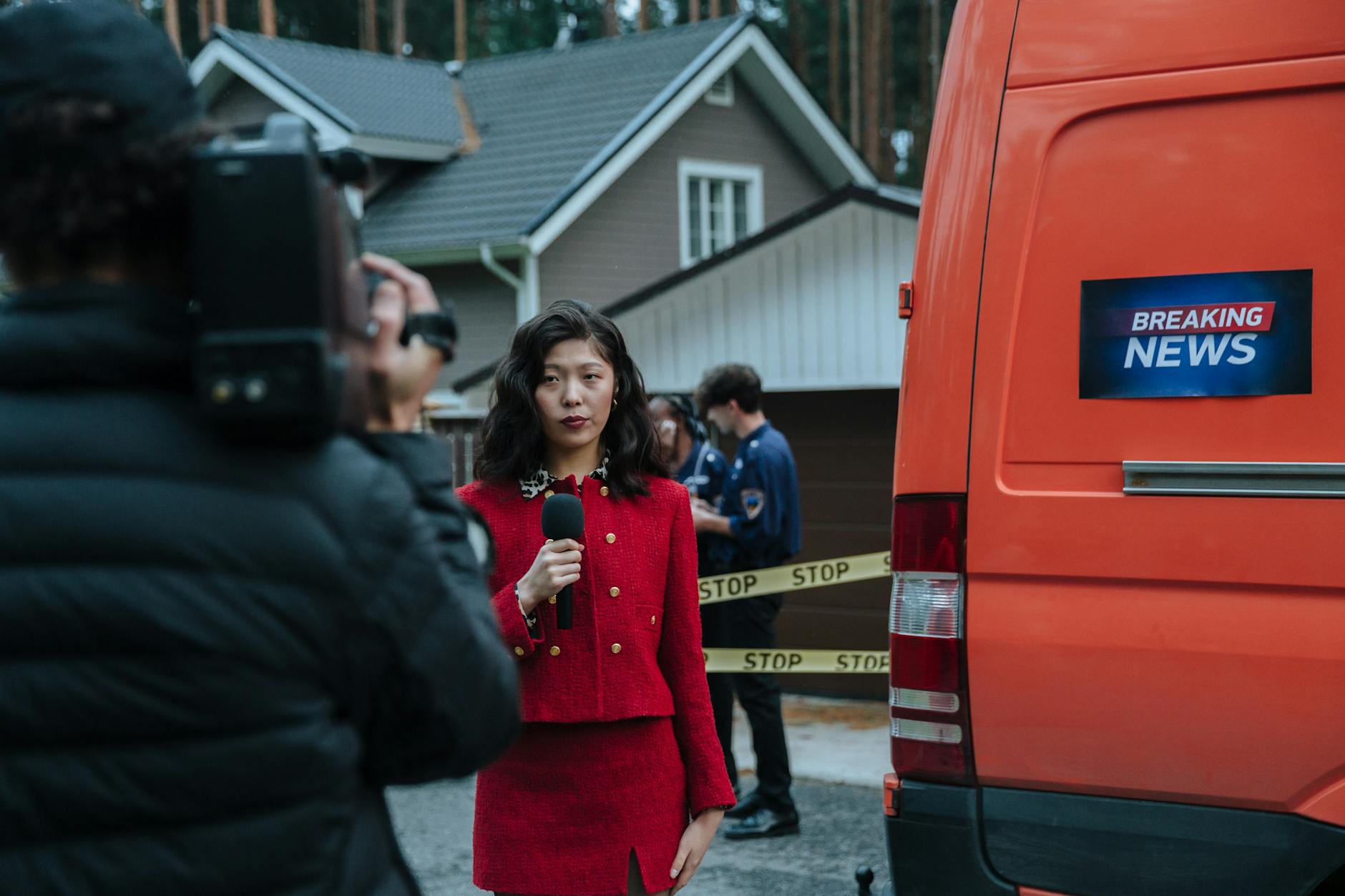
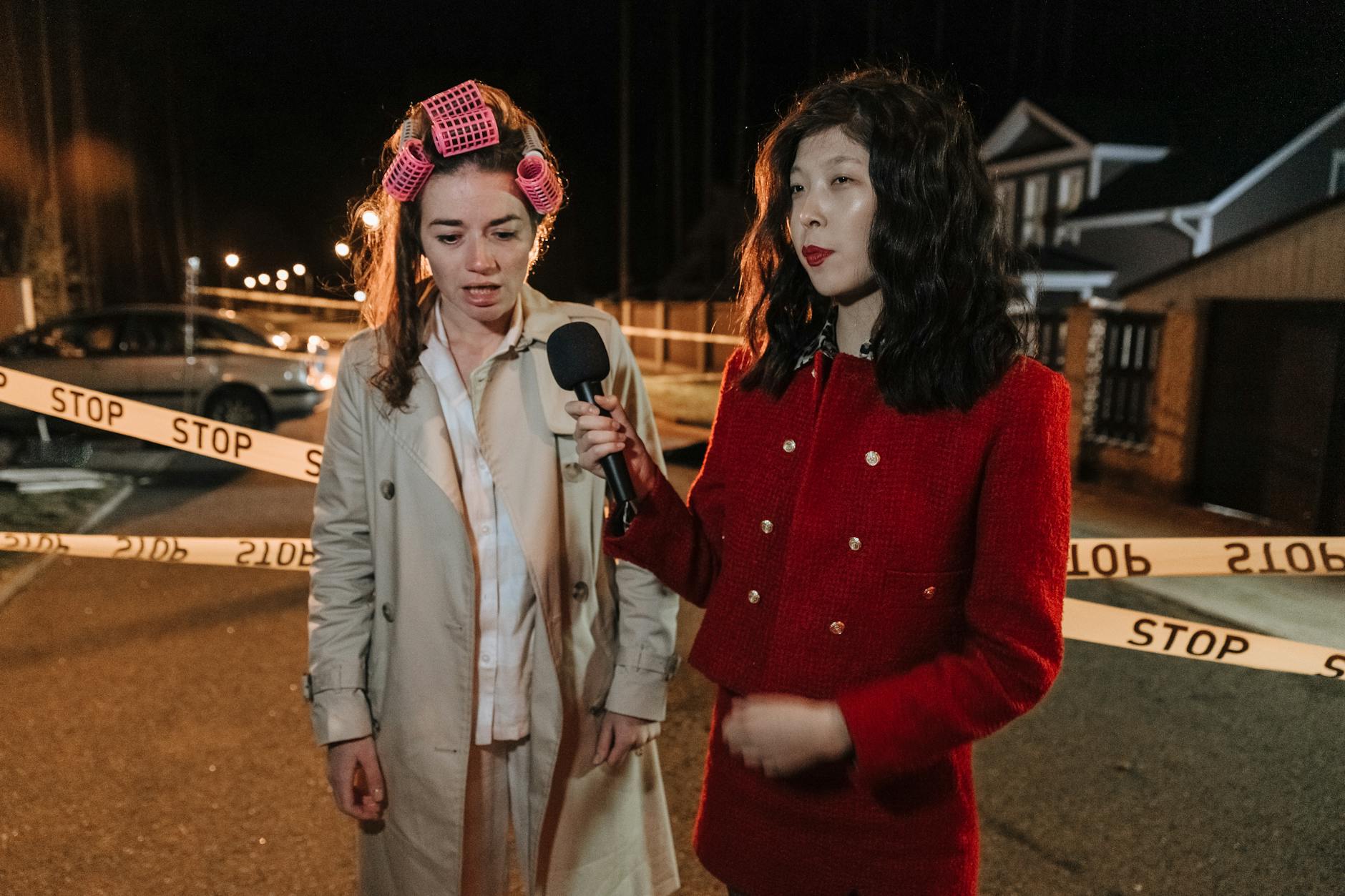
The journalist may need to transcribe, edit photos, write, call an editor, or send material before leaving Trondheim. The hotel, library, quiet cafe, press room, or client site should be chosen with confidentiality, power, Wi-Fi, and noise in mind.
Filing is part of the itinerary.
- Identify quiet workspaces with power, Wi-Fi, seating, and enough privacy for calls.
- Leave a filing block before dinner or departure if the story has same-day needs.
- Keep editor contacts, source notes, and priority files accessible offline.
Respect weather, meals, and source fatigue
Weather can affect outdoor standups, photos, source availability, walking routes, and equipment protection. Meals and breaks matter because rushed reporting can make a journalist less observant and less useful to sources.
The day needs stamina.
- Pack rain protection, warm layers, weather-safe gear storage, and footwear for wet surfaces.
- Place meals and warm breaks near reporting locations instead of hoping time appears.
- Use taxis or public transport when weather would damage equipment or punctuality.

When to order a short-term travel report
A journalist with one arranged interview and a flexible deadline may not need a custom report. A report becomes useful when sources are spread across Trondheim, access is uncertain, equipment needs careful protection, weather could affect visuals, or same-day filing must happen inside a tight travel window.
The report should test story geography, interview sequence, permissions, hotel workability, filing locations, transport, meal breaks, weather contingencies, equipment needs, backup sources, and departure buffers. The value is a Trondheim reporting trip that protects the story and the journalist's attention.
- Order when story geography, access, interviews, filing space, equipment, weather, meals, transport, or departure timing need exact planning.
- Provide dates, story purpose, source locations, interview windows, equipment needs, filing deadline, hotel candidates, and arrival details.
- Use the report to keep the Trondheim journalism trip focused, flexible, and reportable.