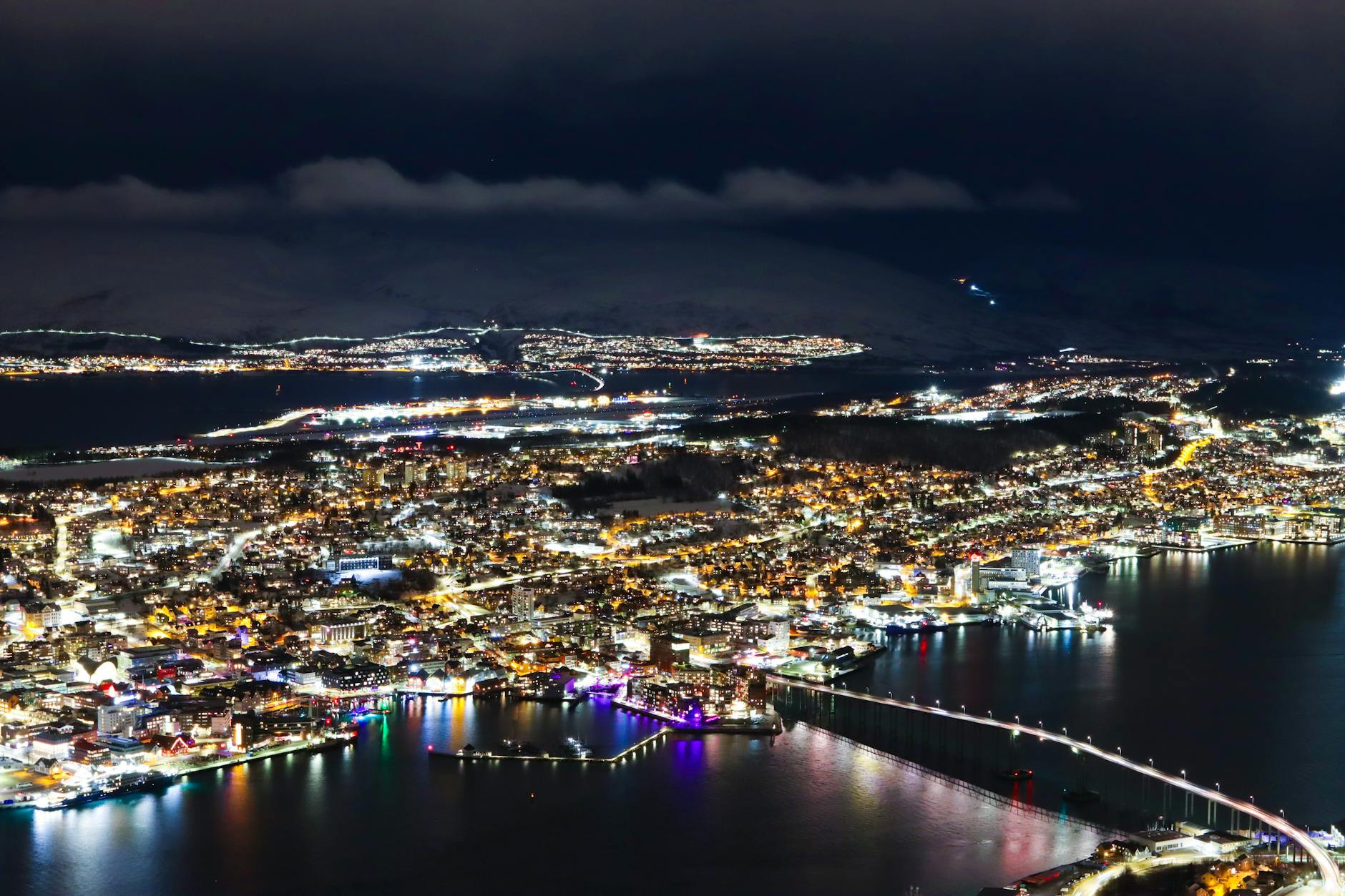
A Trondheim trip for an investor or deal team member should be built around the transaction purpose before anything else. Counterparty sites, founder meetings, diligence sessions, hotel privacy, document handling, calls with remote colleagues, meals, weather, and departure timing can all affect whether the short visit supports clear judgment.
Define the deal purpose before booking
The same Trondheim trip looks different for a first founder meeting, a site visit, a diligence sprint, a board session, a lender meeting, or a closing dinner. The traveler should define the deal purpose before choosing flights, lodging, or optional time.
The transaction should set the itinerary.
- Name the trip's primary outcome before adding meetings or meals.
- Separate decision-critical sessions from relationship-building or exploratory conversations.
- Avoid building a schedule that leaves no time for synthesis after key meetings.
Map counterparties and meeting sites
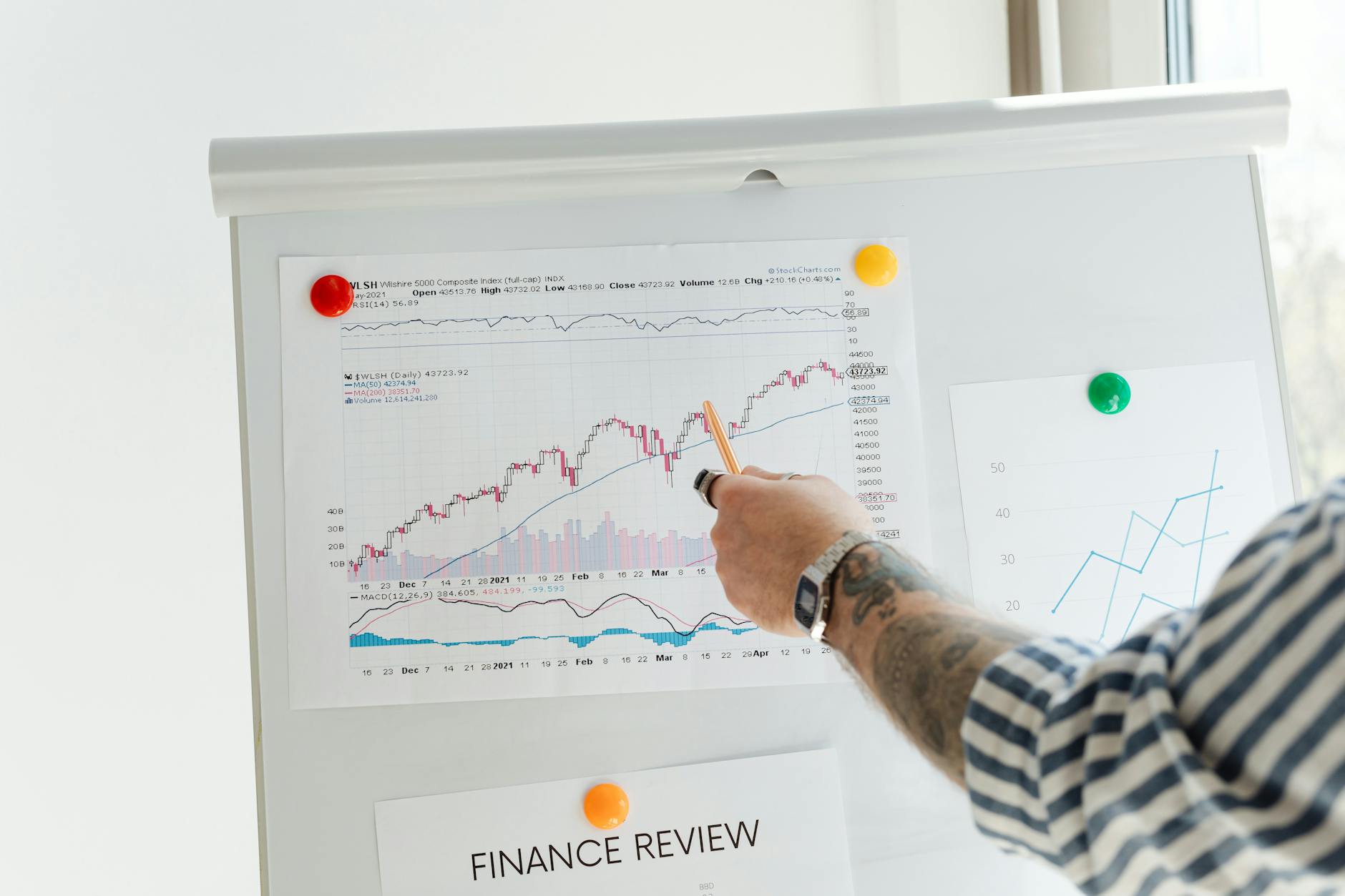
Investor travel depends on precise geography. Founder offices, company sites, labs, university-adjacent spaces, hotels, restaurants, and airport or rail links should be mapped before the day is accepted as realistic.
The map should reduce deal friction.
- Confirm addresses, visitor access, host contacts, security procedures, and realistic transfer times.
- Choose lodging that supports the most important meeting and private evening work.
- Keep remote participants, advisers, and internal team members aligned on timing.

Choose lodging for confidentiality and speed
The hotel should support secure calls, quiet work, document review, fast transport, and a composed morning. A beautiful location is less useful if confidential conversations spill into public areas or every transfer adds uncertainty.
Privacy is part of logistics.
- Check room quiet, desk setup, Wi-Fi, lobby privacy, breakfast timing, luggage storage, and taxi access.
- Know where confidential calls can happen before check-in and after checkout.
- Avoid lodging where private work depends on crowded cafes or shared lounges.
Plan diligence, documents, and calls
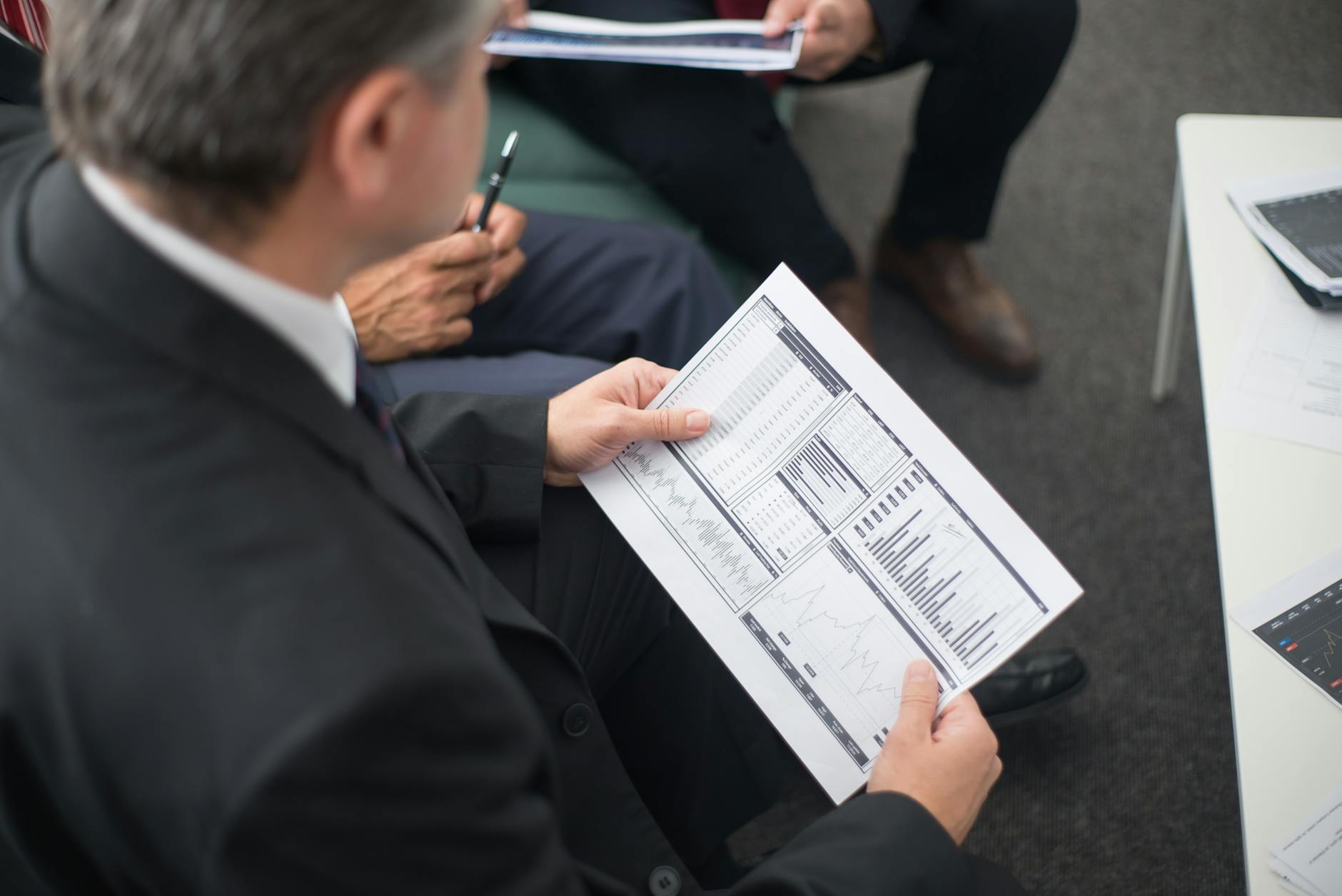
Deal travel often involves sensitive materials, last-minute models, legal notes, data-room access, adviser calls, and rapid synthesis. The traveler should decide what must be available offline and what requires secure connectivity.
Diligence needs controlled work blocks.
- Carry offline copies of essential agendas, models, notes, and contact details within the firm's rules.
- Block time for adviser calls, internal debriefs, and notes after important sessions.
- Avoid relying on venue Wi-Fi for the only copy of a critical document.

Use meals without losing control
Dinners and lunches can reveal useful relationship context, but they should not blur the purpose of the trip. The best meal plan gives the deal team enough privacy, enough time, and a clear route back to work or rest.
Hospitality should support judgment.
- Reserve meals when privacy, dietary needs, group size, or conversation quality matters.
- Place important relationship meals where the return to hotel or next meeting is simple.
- Protect recovery before a diligence-heavy morning or departure day.

Build margin for weather and departure
Trondheim weather, winter light, airport timing, luggage, formal clothing, and meeting overruns can all affect a deal trip. The traveler should build margin around the moments that would be costly to miss: the first meeting, the decisive session, and the departure connection.
Margins protect decisions.
- Add buffers for airport transfer, taxi availability, rain, snow, wind, and formal attire.
- Keep departure day lighter when a late deal conversation or document review may be needed.
- Have a clear plan if a site visit, dinner, or investor call runs long.

When to order a short-term travel report
An investor or deal team member with one familiar board meeting may not need a custom report. A report becomes useful when meetings are spread out, confidentiality matters, meals need careful placement, weather could slow movement, or the trip must combine diligence, relationship building, and departure timing in a short window.
The report should test counterparty geography, hotel privacy, arrival transfer, meeting sequence, meal choices, private work locations, weather contingencies, document logistics, and departure buffers. The value is a Trondheim deal trip that protects attention and keeps the transaction purpose clear.
- Order when counterparty geography, hotel privacy, diligence, meetings, meals, weather, transport, or departure timing need exact planning.
- Provide dates, meeting addresses, deal purpose, hotel candidates, privacy needs, meal needs, budget, and arrival details.
- Use the report to keep the Trondheim investor or deal-team trip focused, discreet, and practical.