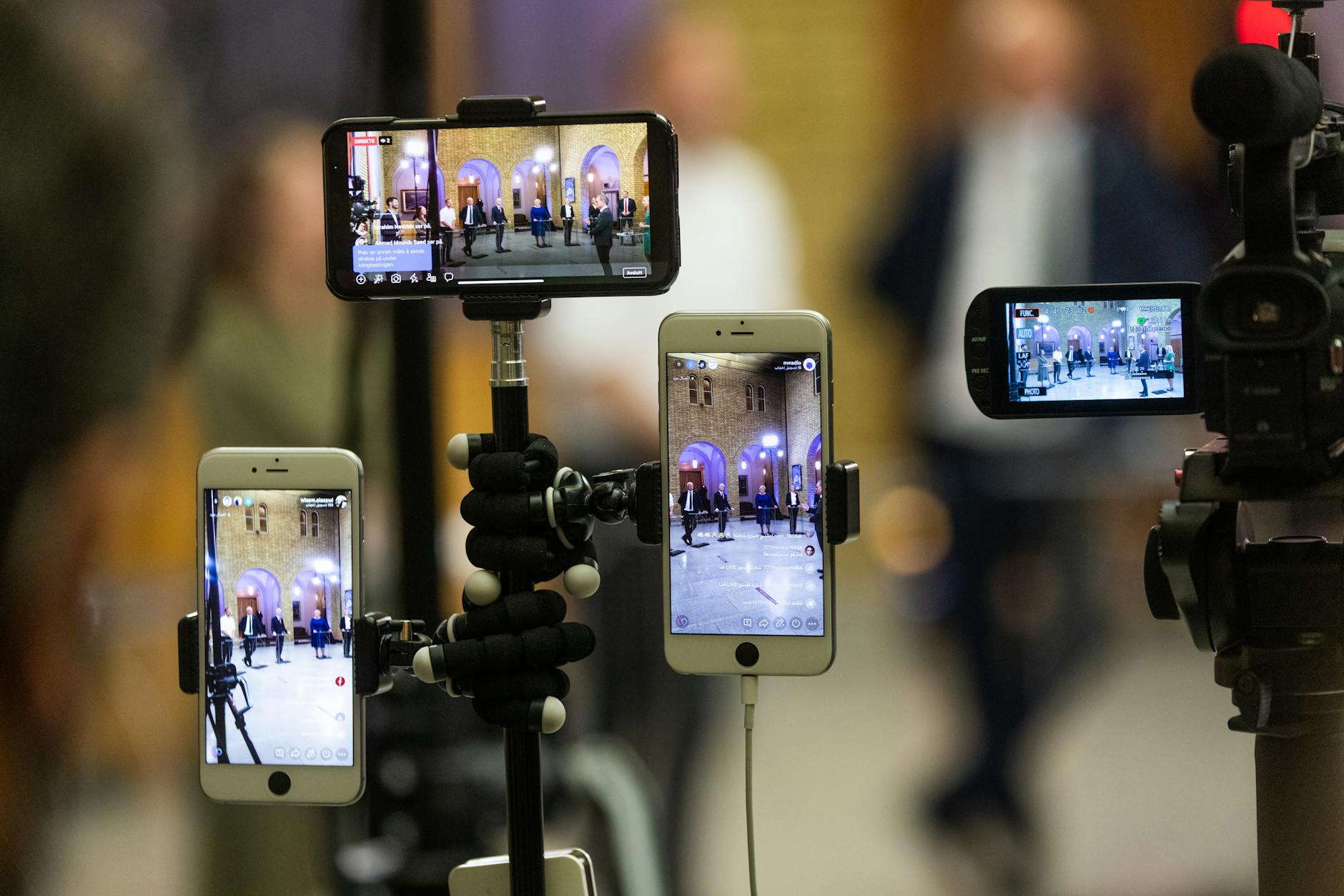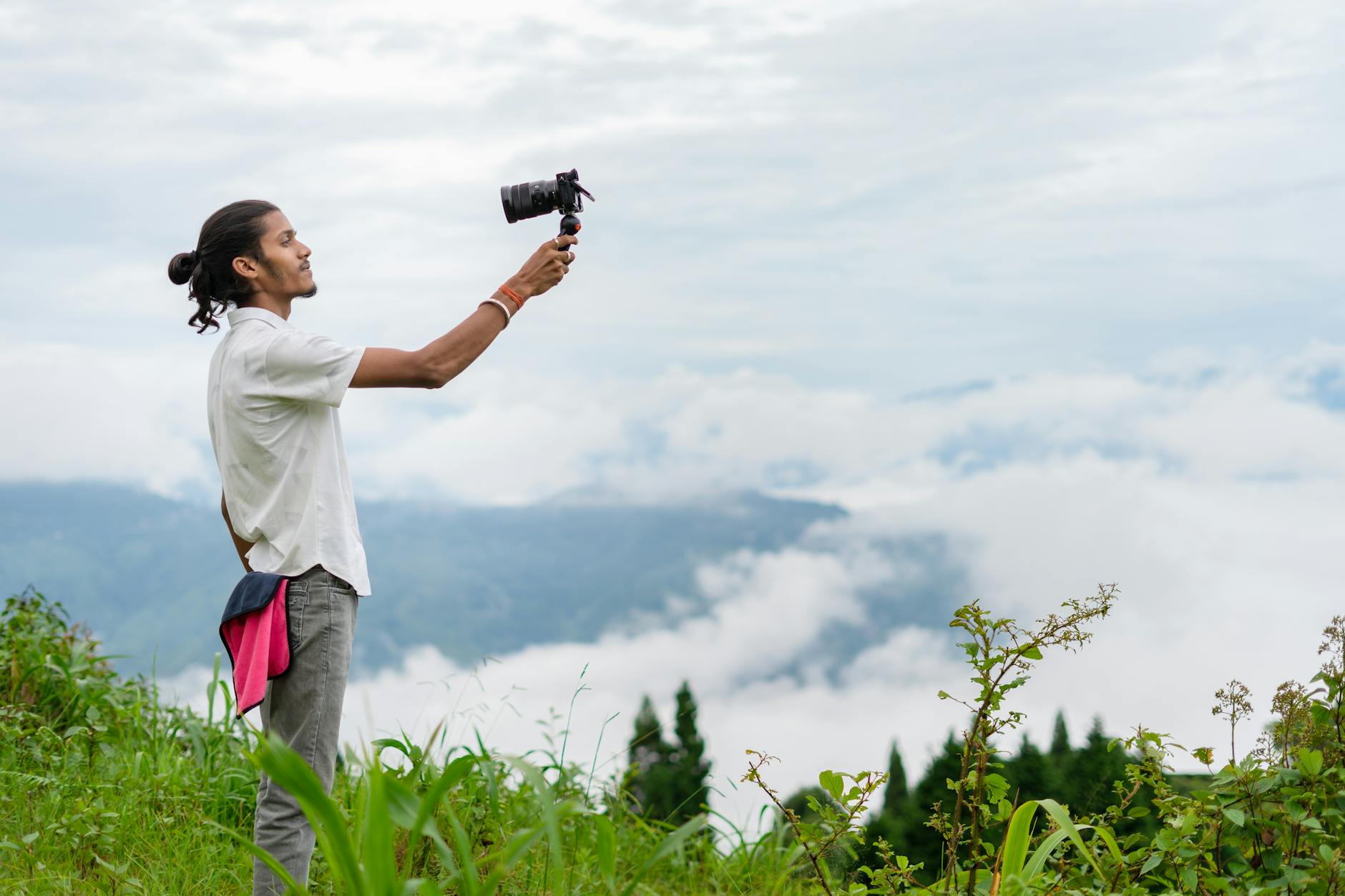
A content creator's Trondheim trip should start with the content plan, not just a list of pretty places. Shoot goals, audience fit, location sequence, daylight, weather, permissions, gear, charging, meals, editing time, posting cadence, and departure timing all shape whether the short stay produces usable work without exhausting the traveler.
Define the content purpose
A content creator should decide what the Trondheim trip needs to produce before choosing locations. A hotel review, city guide, food story, student-life piece, outdoor reel, business itinerary, or brand assignment will each need a different route.
The purpose should shape the shoot.
- List required deliverables, formats, audience, brand rules, posting needs, and approval steps.
- Separate must-capture locations from optional material.
- Avoid chasing every attractive backdrop if it weakens the main story.
Plan locations around light and movement
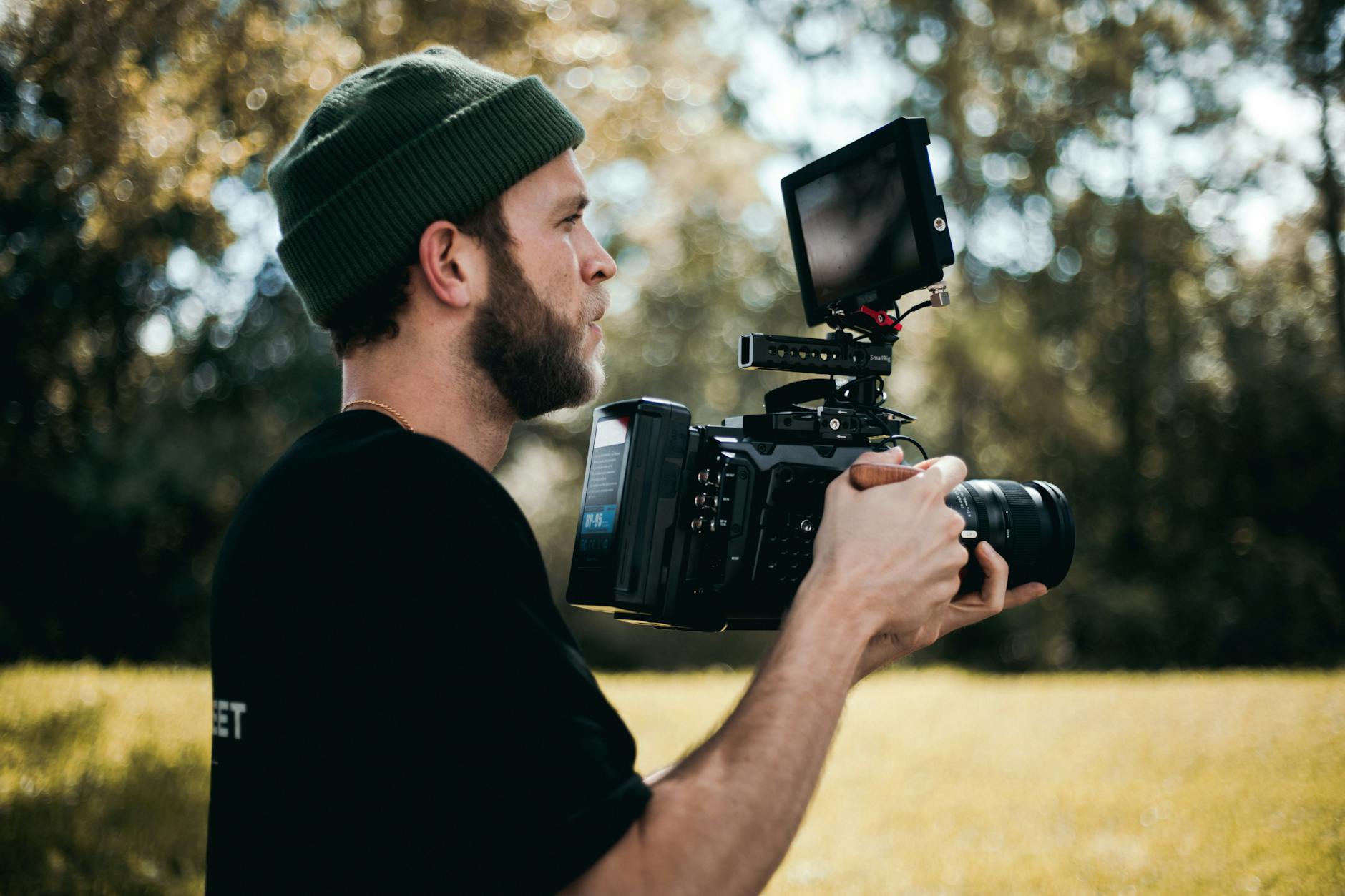
Trondheim's river, bridges, colored buildings, waterfront, cafes, university context, and nearby scenery can all work visually, but they should be ordered by light, weather, distance, and the energy needed to carry gear.
The route should serve the lens.
- Map primary locations by daylight, walking distance, transport, weather exposure, and backup interiors.
- Group shots that need similar light or wardrobe so the day does not become chaotic.
- Keep a short route for rain, wind, or low-energy days.
Handle permissions and public-space tact
Content creation can affect other people, private spaces, hotel staff, restaurants, museums, campuses, and event venues. The creator should know where filming is welcome, where permission is needed, and when to keep the setup small.
Good access depends on good behavior.
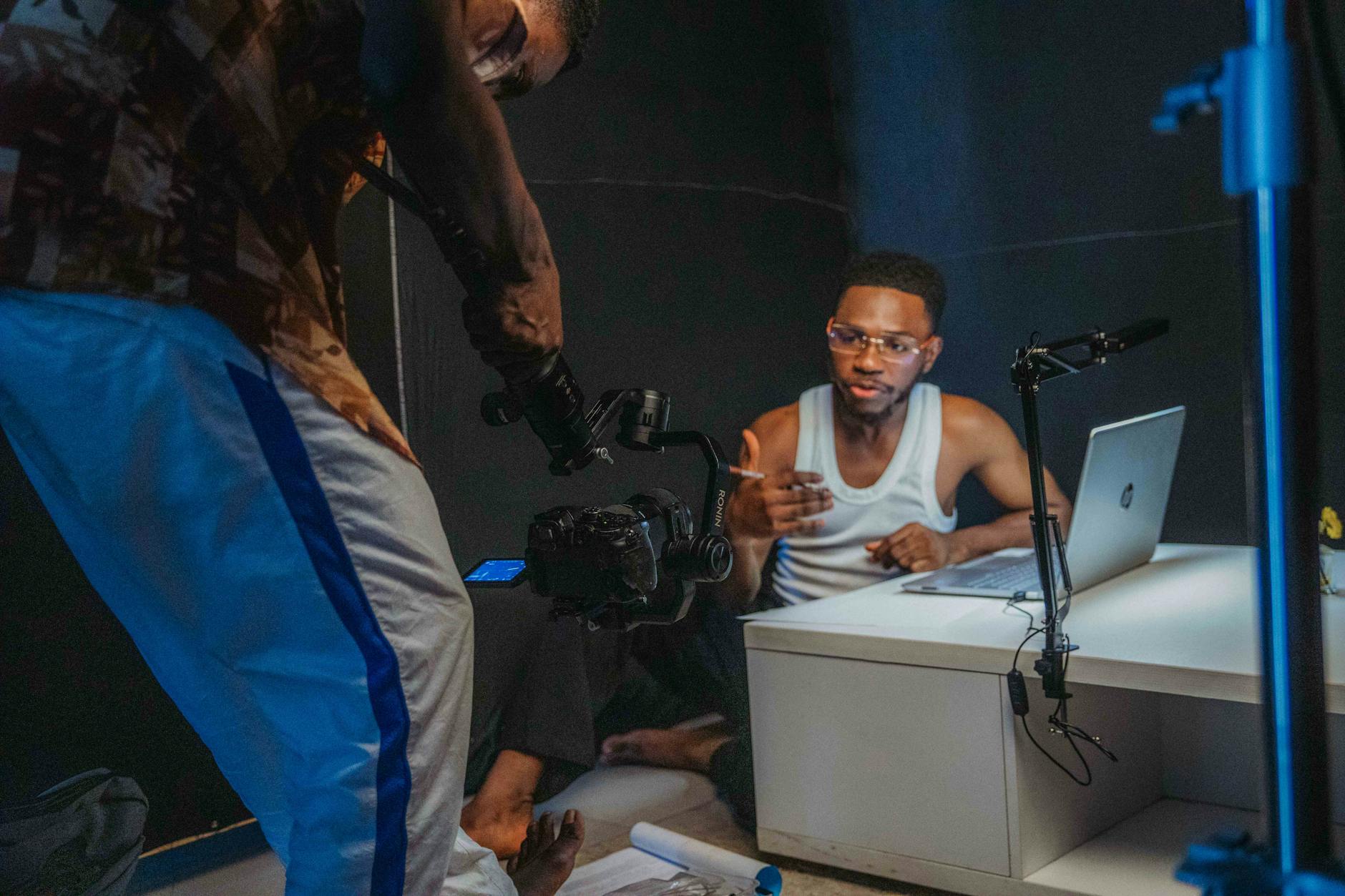
- Ask hotels, restaurants, venues, and private spaces about filming or tripod rules before arrival.
- Keep public-space filming respectful and avoid blocking narrow streets or entrances.
- Carry releases or written approvals when people, brands, or paid work are involved.
Protect gear, batteries, and files
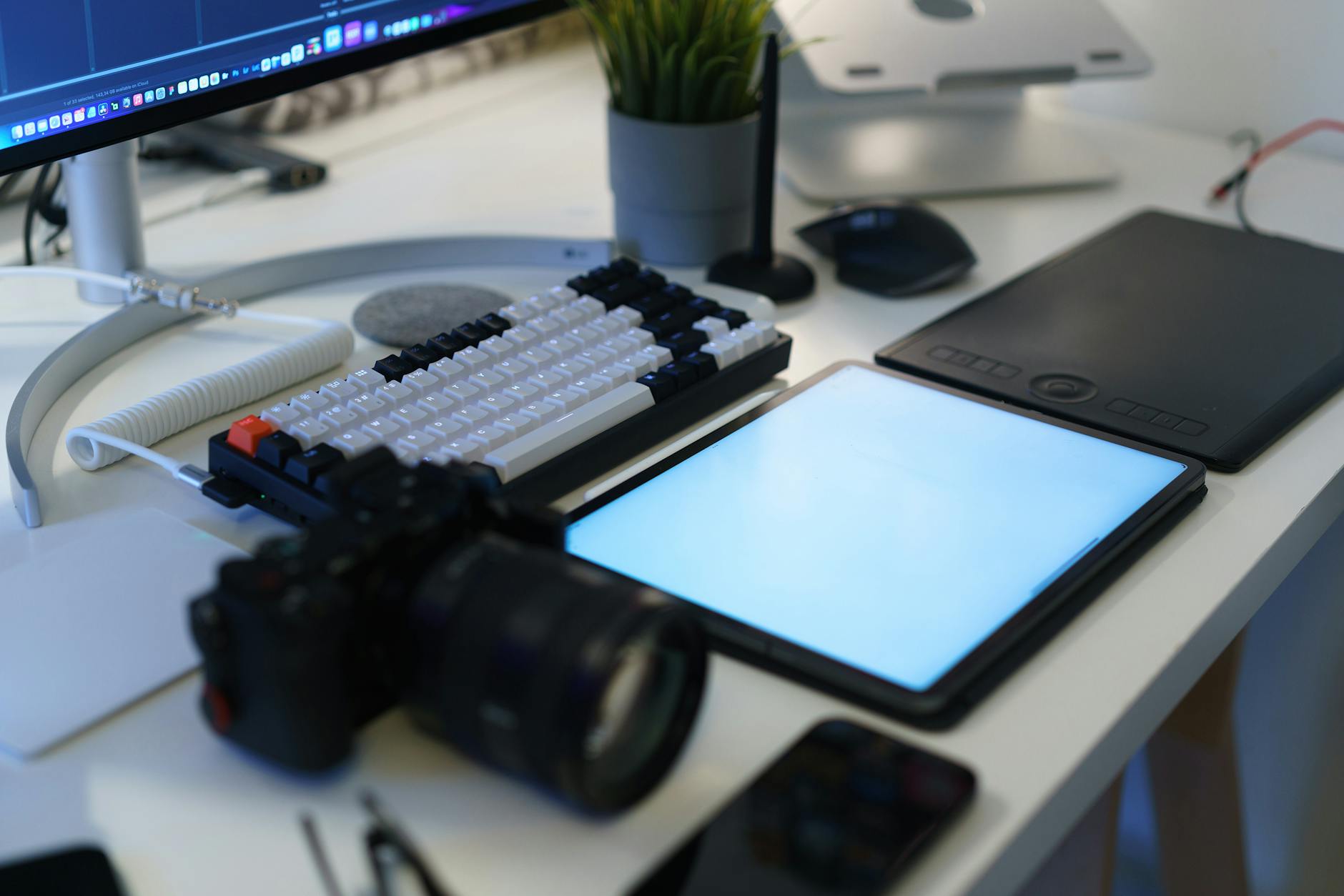
A short creator trip can depend on batteries, cards, microphones, stabilizers, phones, cameras, chargers, adapters, and cloud backup. Wet weather and cold can drain batteries and damage momentum quickly.
Gear planning should be boring and reliable.
- Carry spare batteries, cards, chargers, adapters, lens cloths, weather covers, and a simple backup workflow.
- Back up footage before changing locations or ending the day.
- Avoid carrying more gear than the route, weather, and transport can support.
Build editing and posting time
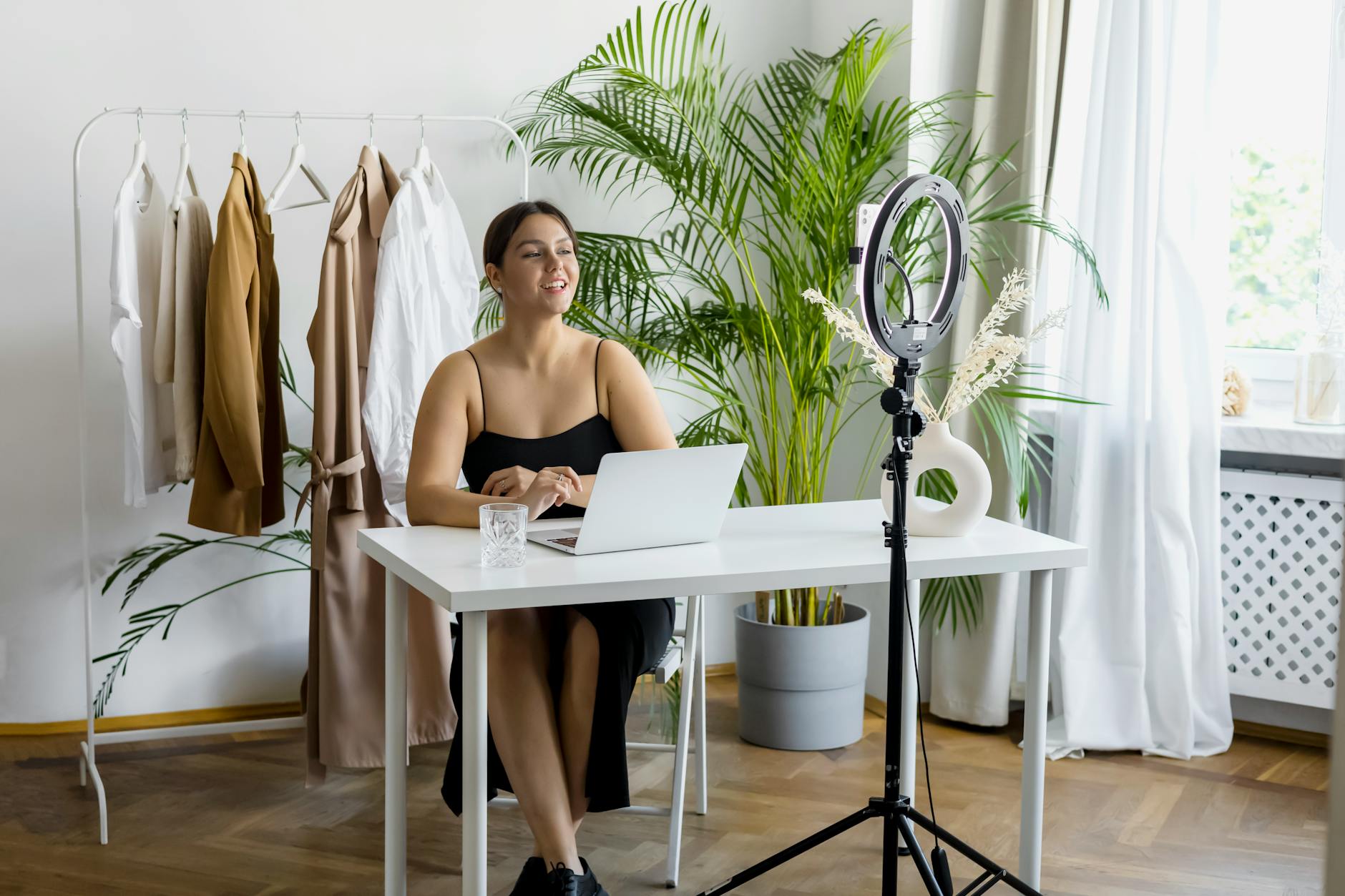
The work does not end when the footage is captured. The creator may need time to sort clips, edit photos, write captions, check brand requirements, upload drafts, answer comments, or send approvals.
Editing time belongs on the schedule.
- Reserve hotel or cafe blocks with Wi-Fi, power, quiet, and enough time for selection and edits.
- Plan upload-heavy work around reliable connections rather than public movement.
- Keep one evening lighter if next-day shooting needs fresh judgment.
Balance authenticity with recovery
A creator can easily turn Trondheim into a checklist of proof rather than a real stay. Strong content usually comes from a clear point of view, enough rest to notice details, and meals or pauses that keep the traveler human.
Recovery improves the work.
- Plan meals and breaks near the route so shooting does not erase the experience.
- Use one compact local walk, cafe, market, or waterfront pause to gather texture.
- Stop filming when fatigue would make the work careless or intrusive.
When to order a short-term travel report
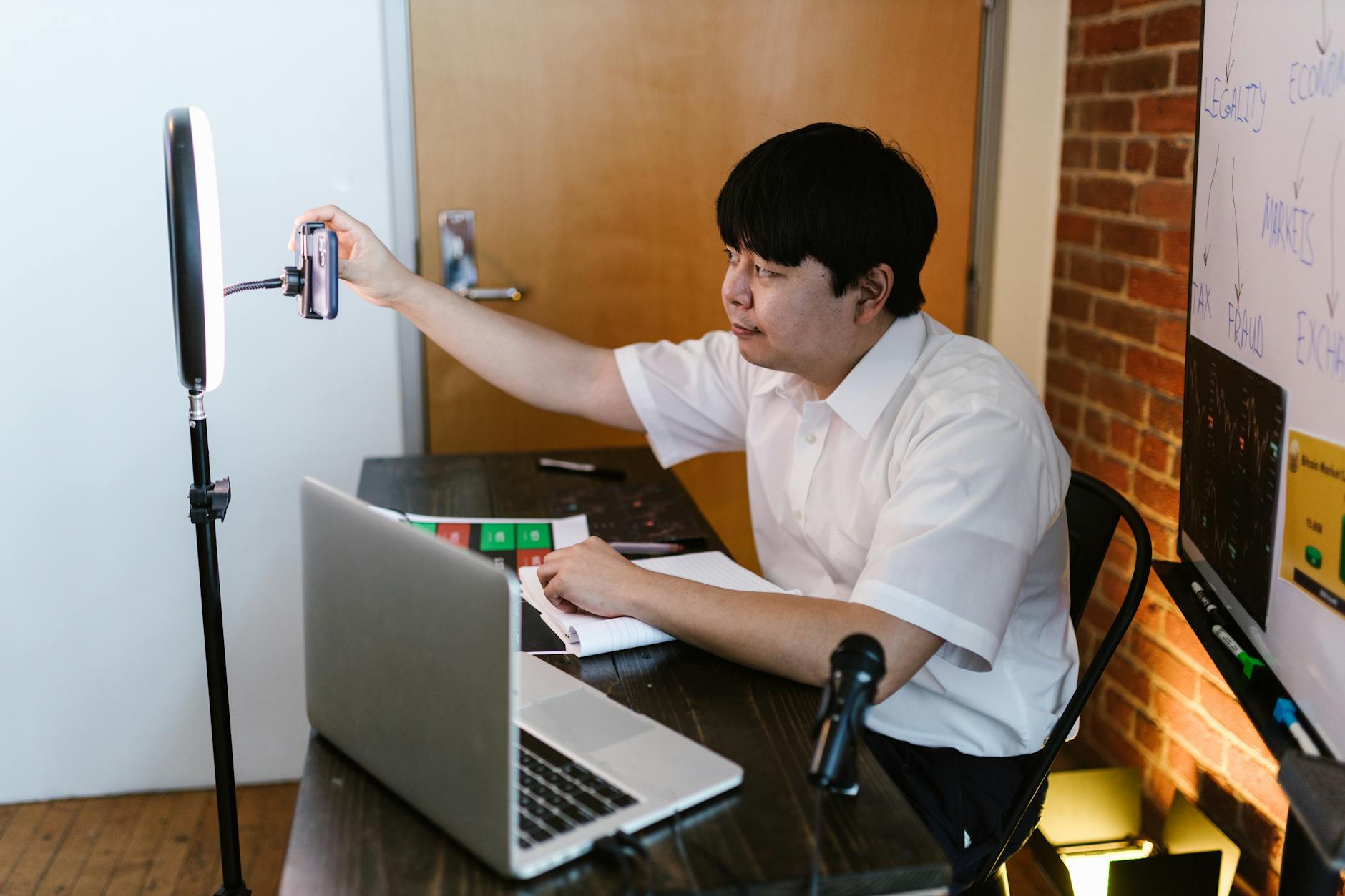
A content creator with flexible goals and plenty of time may not need a custom report. A report becomes useful when deliverables are specific, daylight is limited, weather could disrupt outdoor shots, permissions need checking, gear logistics are heavy, or the creator needs to capture Trondheim efficiently without losing the story.
The report should test shoot geography, light windows, weather backups, permission questions, hotel workability, meal stops, editing locations, transport, gear risks, audience fit, and departure buffers. The value is a Trondheim creator trip that produces usable work while keeping the stay practical.
- Order when shoot goals, locations, light, permissions, gear, editing, meals, weather, transport, or departure timing need exact planning.
- Provide dates, deliverables, audience, brand rules, preferred locations, gear list, hotel candidates, budget, and arrival details.
- Use the report to keep the Trondheim content trip focused, efficient, and easier to execute.