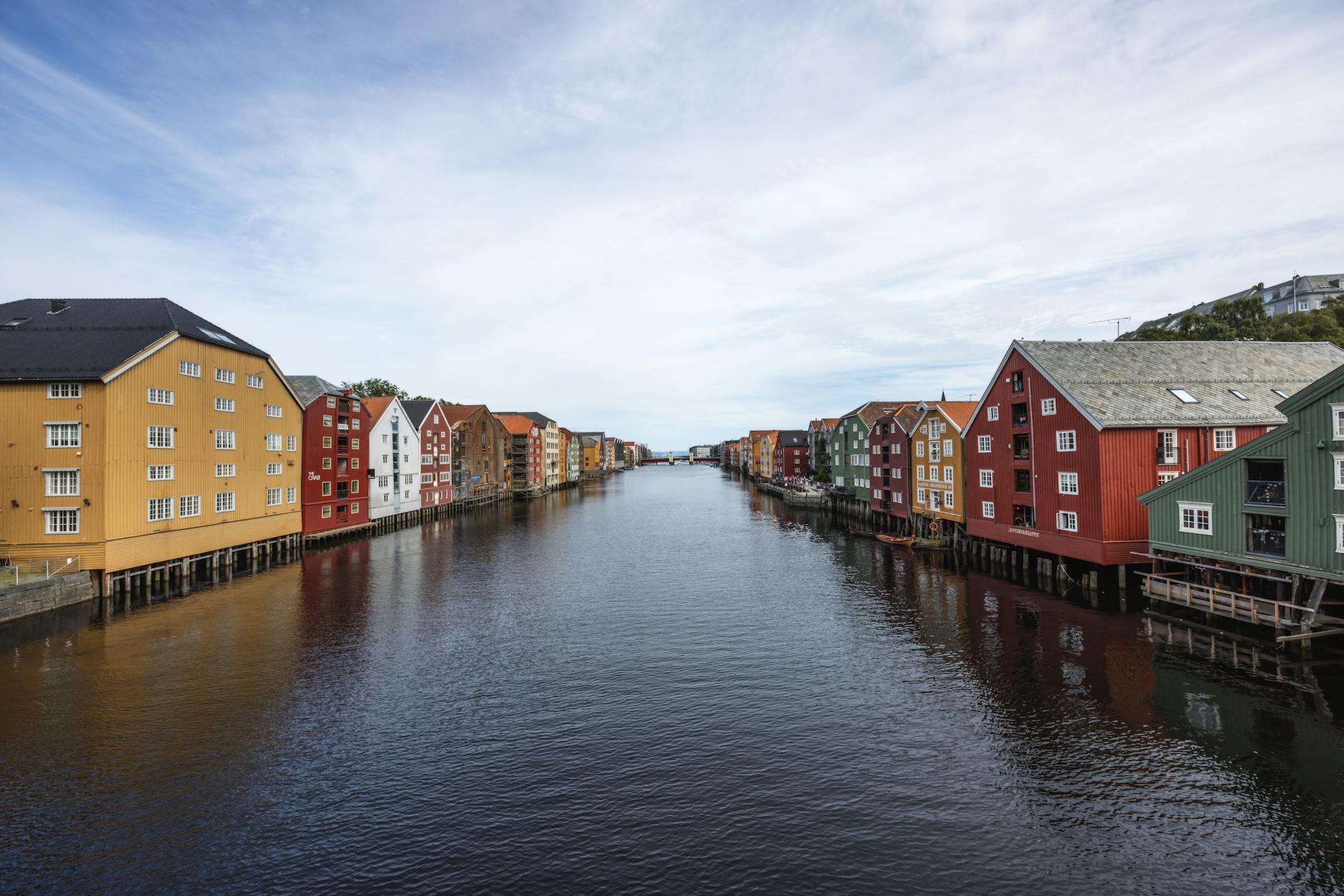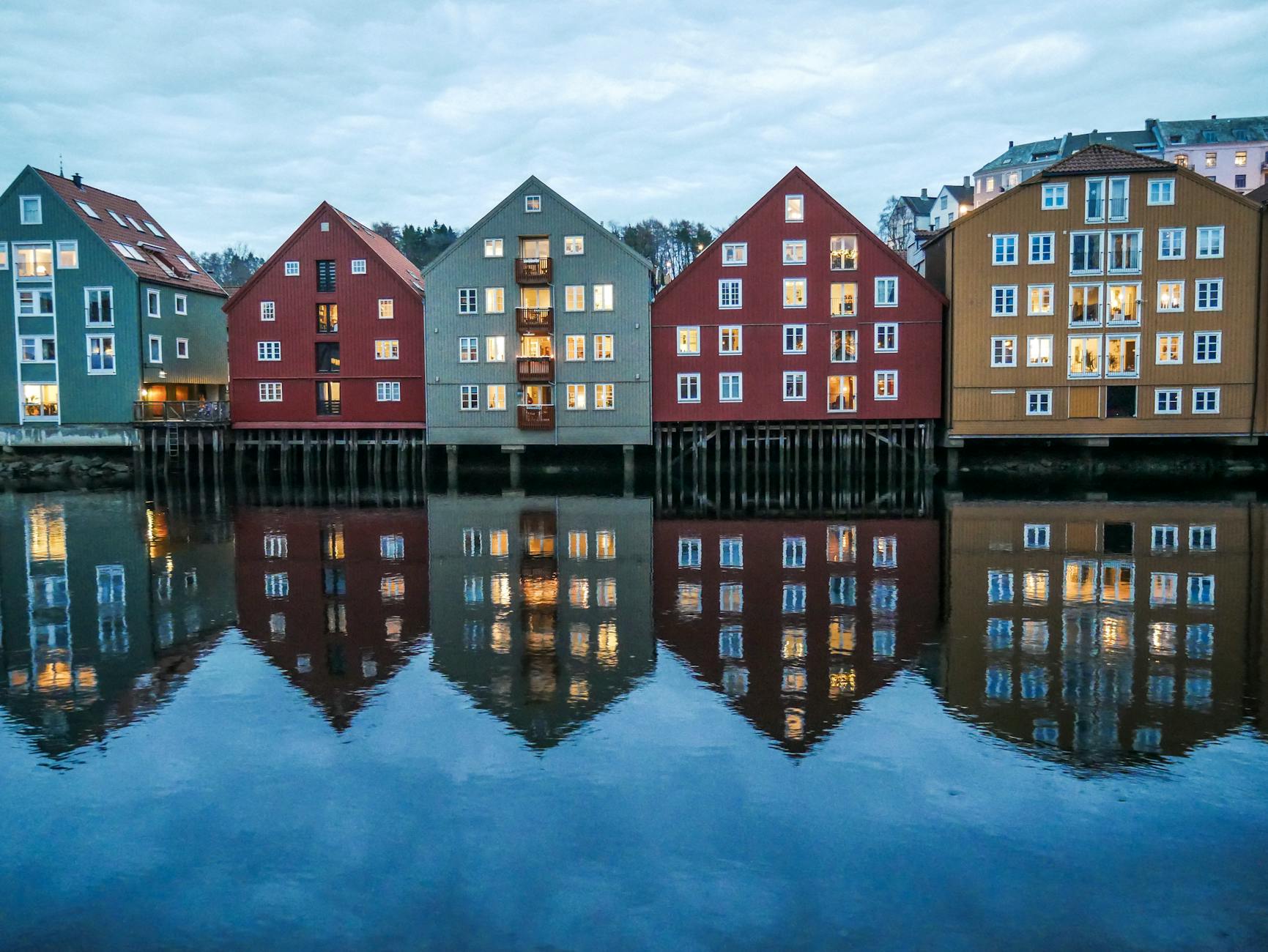
A Trondheim business trip should be planned around the workday first. Meeting location, airport or rail arrival, hotel workspace, local transport, weather, client meals, and the city's technology, university, maritime, and public-sector context can all affect how well a short stay performs. The aim is to make the meeting day dependable.
Map the meeting geography first
A Trondheim business visitor should begin with exact meeting locations, not just the city name. Offices, university-linked sites, public-sector buildings, waterfront areas, and suburban campuses can change the best hotel and transport plan.
The meeting map should drive the trip.
- Confirm meeting addresses, arrival entrances, visitor registration, and onsite contacts.
- Choose lodging that reduces uncertainty before the most important meeting.
- Group meetings by area when possible instead of crossing the city repeatedly.
Choose a hotel that works as an office
A short business visit often depends on the hotel as much as the meeting room. Desk space, quiet, Wi-Fi, breakfast hours, outlets, luggage storage, and late checkout can affect preparation and follow-up.
The room should support the workday.
- Check desk quality, room quiet, Wi-Fi, breakfast timing, meeting spaces, and luggage storage.
- Know where private calls can happen before check-in or after checkout.
- Avoid a scenic hotel if it adds transfer risk before a client meeting.

Plan arrival and local transport
Trondheim business travel can involve airport transfers, train arrivals, taxis, buses, walking, and weather-affected routes. The traveler should know how the first transfer works before landing or arriving by rail.
The first hour sets the tone.
- Confirm airport or station transfer options, ticketing, taxi availability, and travel time to the hotel or meeting.
- Leave extra margin for winter conditions, rain, luggage, or unfamiliar routes.
- Keep meeting addresses and transport backups available offline.
Structure the meeting day
A business visit can include client meetings, site visits, internal prep, meals, and quick follow-up. The calendar should leave room for reception, setup, note cleanup, and unexpected useful conversations.
The schedule should protect the business purpose.
- Separate decision-critical meetings from optional introductions or social time.
- Confirm room setup, visitor Wi-Fi, screen sharing, remote participants, and presentation backups.
- Block time after key meetings for notes, next steps, and internal updates.
Use local business context
Trondheim's university, research, technology, maritime, public-sector, and regional business context can shape meetings. A visitor who understands why the city matters to the counterpart can ask better questions and choose better side meetings.
Local context makes the visit less generic.
- Review whether the trip connects to research, technology, education, public services, maritime work, or regional operations.
- Use that context to prioritize meetings, meals, and short orientation routes.
- Avoid treating Trondheim as only a meeting address when the local ecosystem matters.
Plan meals, weather, and recovery
Client meals and informal conversations can be valuable in Trondheim, but they should be placed where they do not damage the next meeting or departure. Weather and short winter light can also affect walking routes and energy.
The evening plan should support the work.
- Reserve meals when conversation quality, dietary needs, or group size matters.
- Carry weather-appropriate clothing for rain, wind, cold, or snow depending on season.
- Protect sleep if the visit includes early meetings or a tight departure.
When to order a short-term travel report
A business visitor with one central meeting and a familiar hotel may not need a custom report. A report becomes useful when meeting locations are spread out, airport or rail timing is tight, hotel workability matters, weather could slow movement, or local context affects the purpose of the trip.
The report should test meeting geography, hotel fit, arrival transfer, local transport, meal choices, weather contingencies, private work locations, local business context, budget, and departure buffers. The value is a Trondheim business stay that supports the meeting day rather than distracting from it.
- Order when meeting geography, hotel workability, transfers, meals, weather, local context, or departure timing need exact planning.
- Provide dates, meeting addresses, business purpose, hotel candidates, work requirements, privacy needs, and budget.
- Use the report to keep the Trondheim business visit focused, resilient, and efficient.