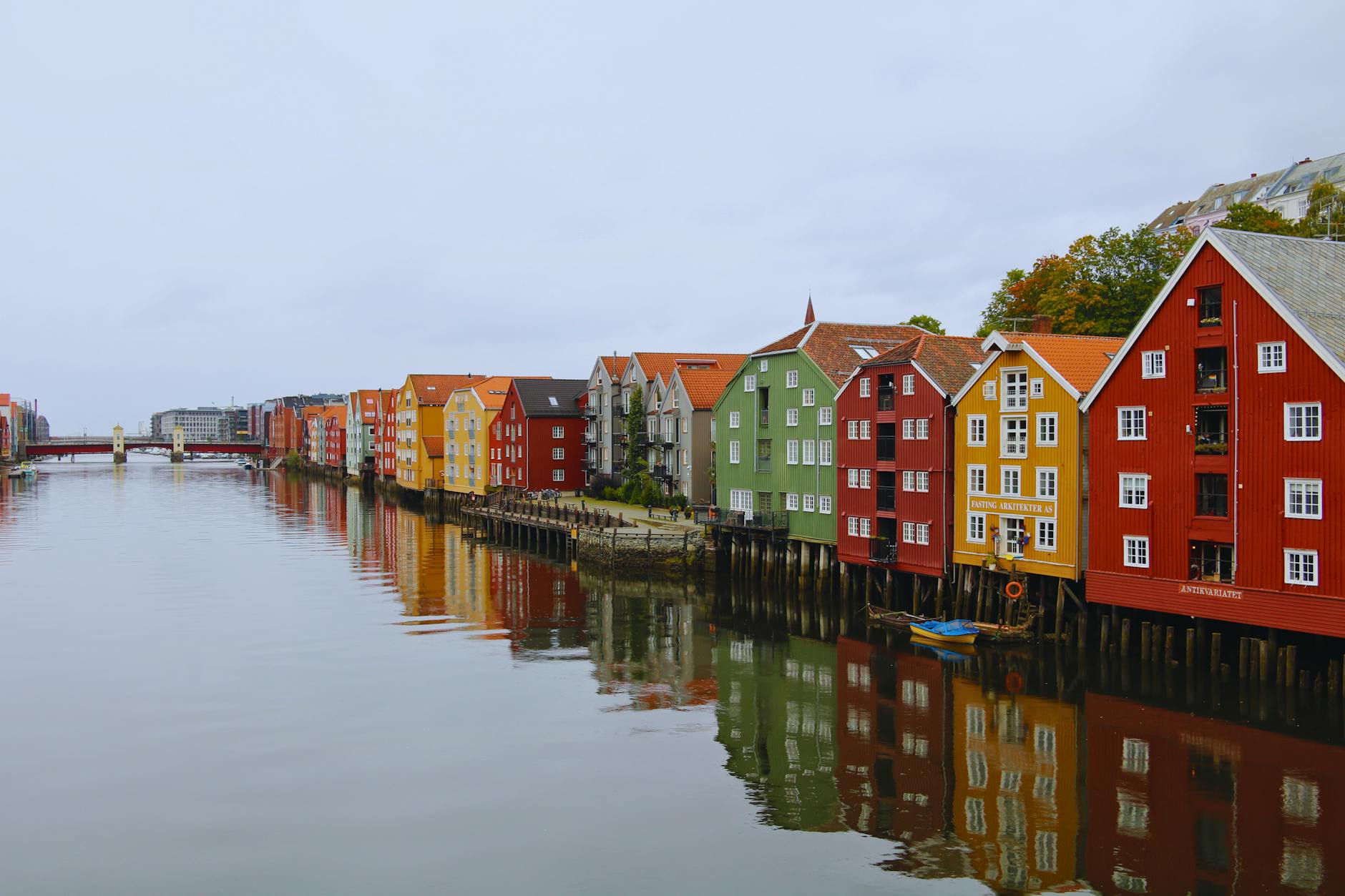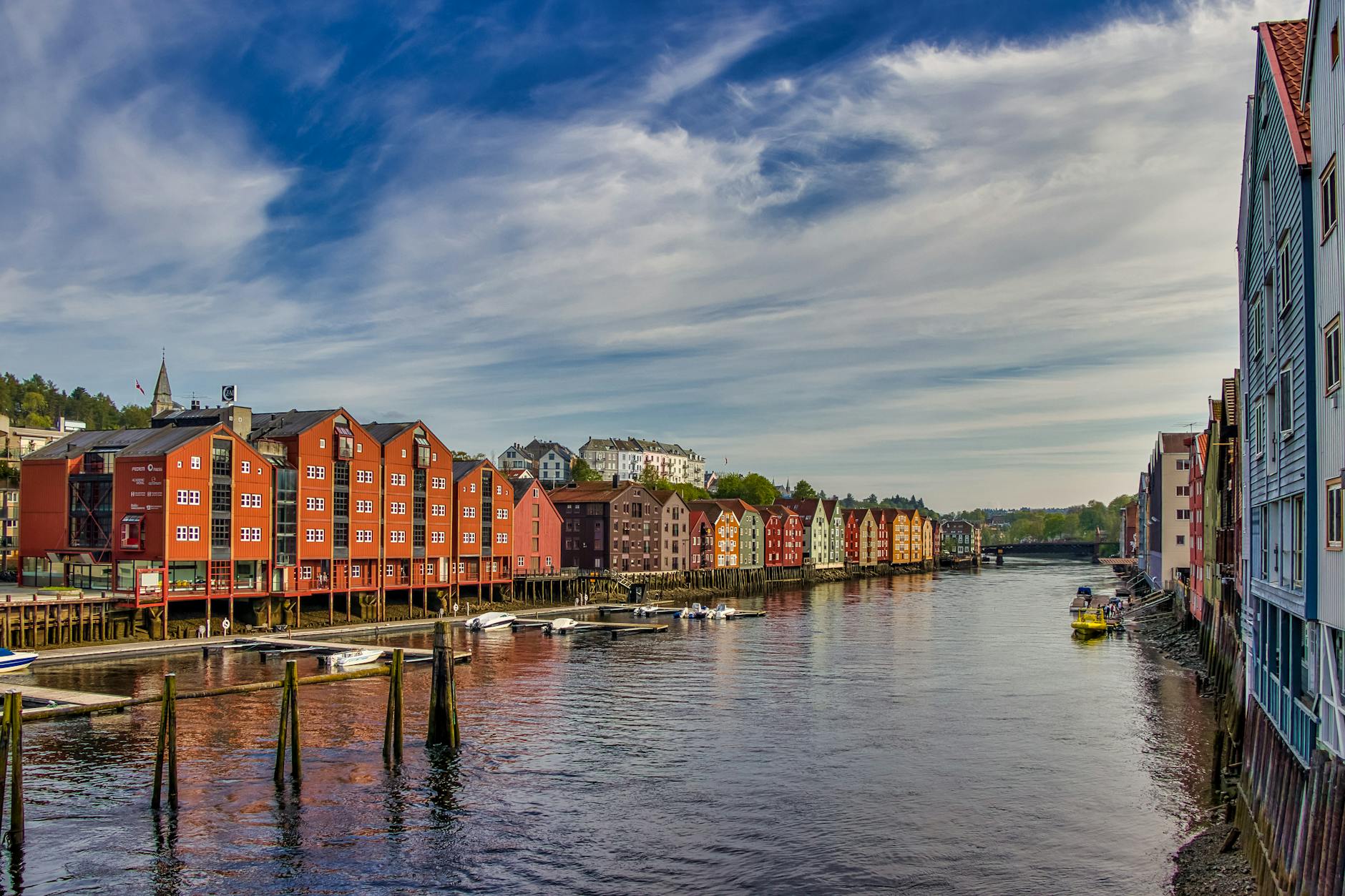
A Trondheim academic conference trip should be built around the conference schedule first. Venue location, transport from the airport or station, hotel workspace, session timing, networking, meal plans, weather, and Trondheim's university and research context can all affect whether a short stay is productive and manageable.
Anchor the trip to the conference venue
An academic conference attendee should begin with the exact venue, not just the host city. Trondheim conferences may involve university buildings, hotels, cultural venues, or multiple sites, and that geography changes the best hotel and transport choices.
The venue should set the daily pattern.
- Confirm venue address, registration location, session rooms, poster areas, and reception sites.
- Check whether the program uses one venue or several buildings across the city.
- Choose lodging that makes the earliest session and the latest networking event realistic.
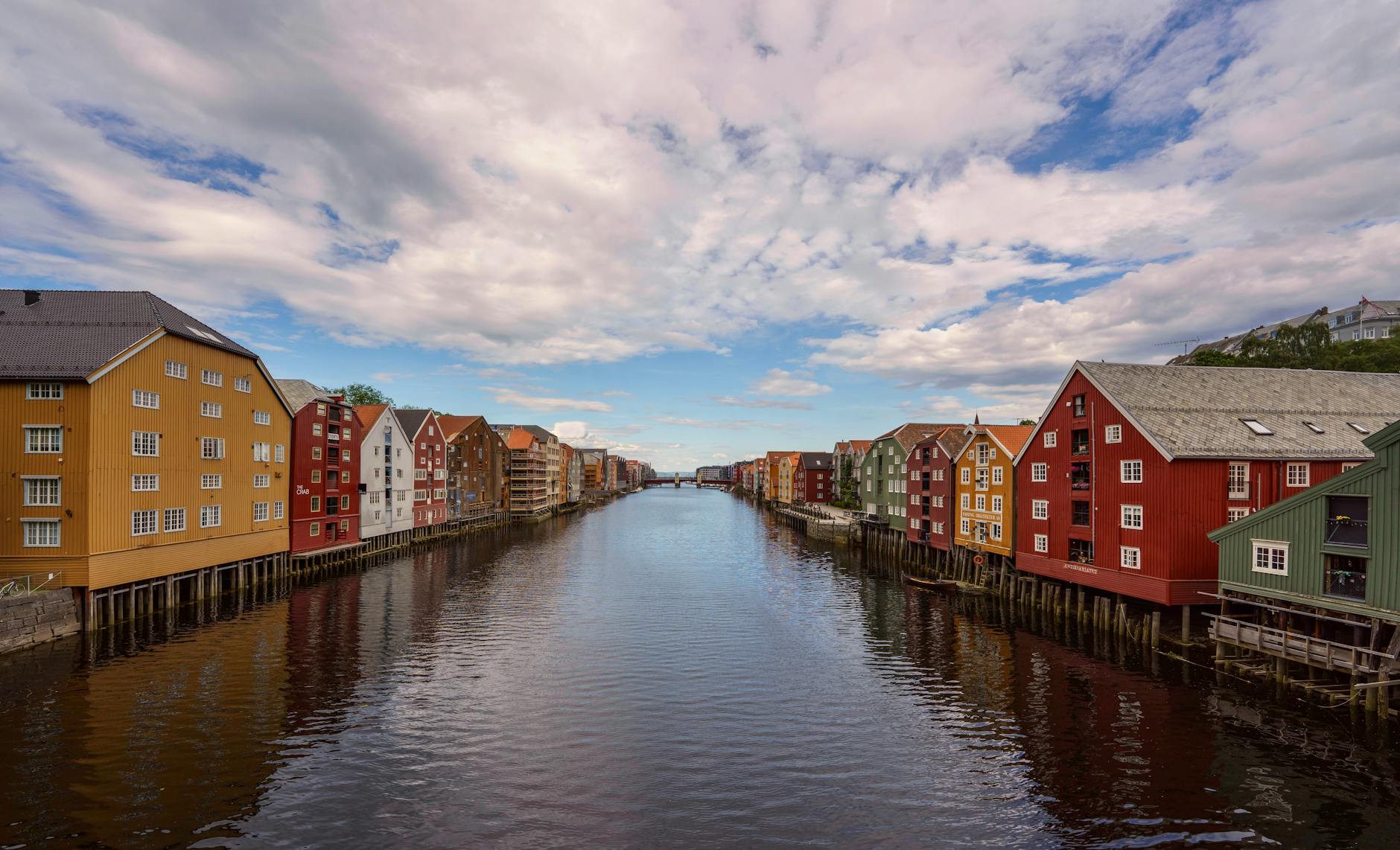
Choose lodging for sessions and work
The hotel may need to support sleep, early breakfast, presentation edits, remote teaching, manuscript work, and private calls with collaborators. A scenic room is less useful if the attendee cannot prepare or recover between conference blocks.
The room should support academic work as well as rest.
- Check desk space, Wi-Fi, outlets, room quiet, breakfast hours, luggage storage, and late checkout.
- Know where to revise slides or take a private call before check-in or after checkout.
- Avoid lodging that creates a long commute before a morning presentation.

Plan arrival and daily transport
Conference travel is less forgiving when registration, keynote sessions, workshops, or poster setup begin soon after arrival. The attendee should know how to reach the hotel and venue from the airport or station before travel day.
The first transfer should be boringly clear.
- Confirm airport or rail arrival, local transport, taxi availability, ticketing, and walking time.
- Build extra margin around registration, presentation setup, and the first required session.
- Save venue and hotel addresses offline in case mobile data setup is slow.

Protect the session schedule
A conference attendee's calendar can include presentations, panels, posters, workshops, meetings, receptions, and hallway conversations. The traveler should distinguish between sessions that are essential and sessions that can be traded for rest or follow-up.
The schedule needs a hierarchy.
- Mark must-attend sessions, presentation obligations, chairing duties, poster times, and private meetings.
- Leave short gaps for notes, email, slide adjustments, and moving between rooms.
- Carry adapters, offline files, backup slides, and any poster or handout material carefully.
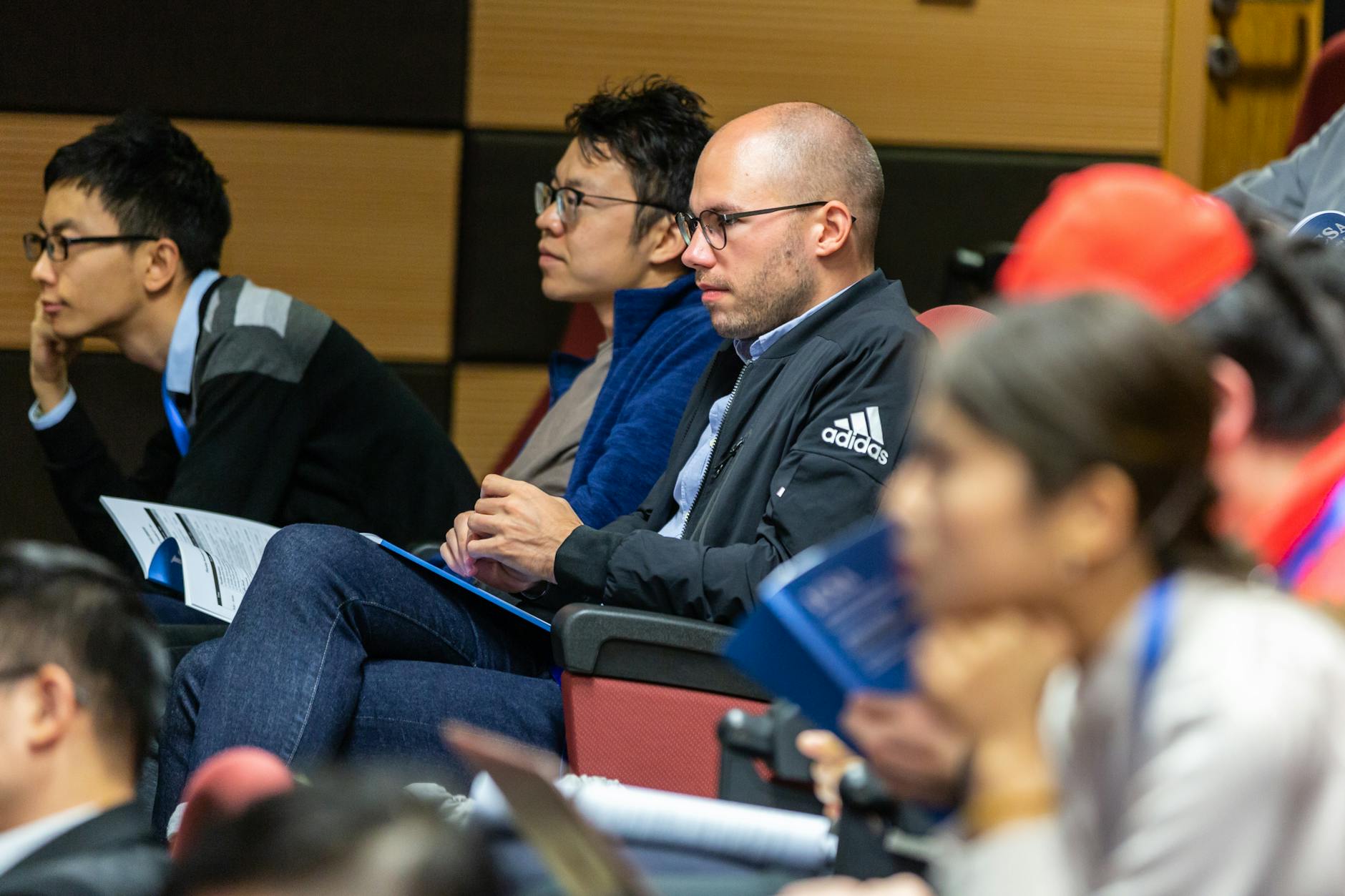
Use Trondheim's academic context
Trondheim's university, research, science, technology, maritime, and public-sector context may matter to the conference itself. A visitor who understands that context can choose better side meetings and make better use of short local orientation time.
Context can make the trip more valuable.
- Review how the conference connects to Trondheim's research, technology, university, or regional institutions.
- Identify collaborators, labs, departments, or industry partners worth meeting while in the city.
- Use local context to choose one compact walk or visit that supports the academic purpose.

Plan networking, meals, and recovery
Conference value often comes from meals, coffee breaks, receptions, and informal conversations. The traveler should still protect sleep, food, and quiet time, especially if presenting or traveling across time zones.
Networking should not consume the whole trip.
- Choose priority meals or receptions before accepting every informal invitation.
- Keep time for food, hydration, weather-appropriate clothing, and quiet recovery.
- Avoid scheduling the most demanding social evening before an early presentation or departure.
When to order a short-term travel report
An academic conference attendee with a single venue hotel and flexible schedule may not need a custom report. A report becomes useful when venues are spread out, presentation timing is tight, networking matters, weather could slow movement, or the attendee needs to combine conference duties with academic side meetings.
The report should test venue geography, hotel workability, arrival transfer, session timing, presentation logistics, meal options, networking locations, weather contingencies, local academic context, and departure buffers. The value is a Trondheim conference stay that supports both scholarship and recovery.
- Order when venue geography, hotel fit, presentation logistics, networking, meals, weather, or departure timing need exact planning.
- Provide dates, conference venue, session obligations, presentation needs, hotel candidates, mobility needs, budget, and side-meeting goals.
- Use the report to keep the Trondheim academic conference stay focused, useful, and manageable.