Clarify the assignment before arrival
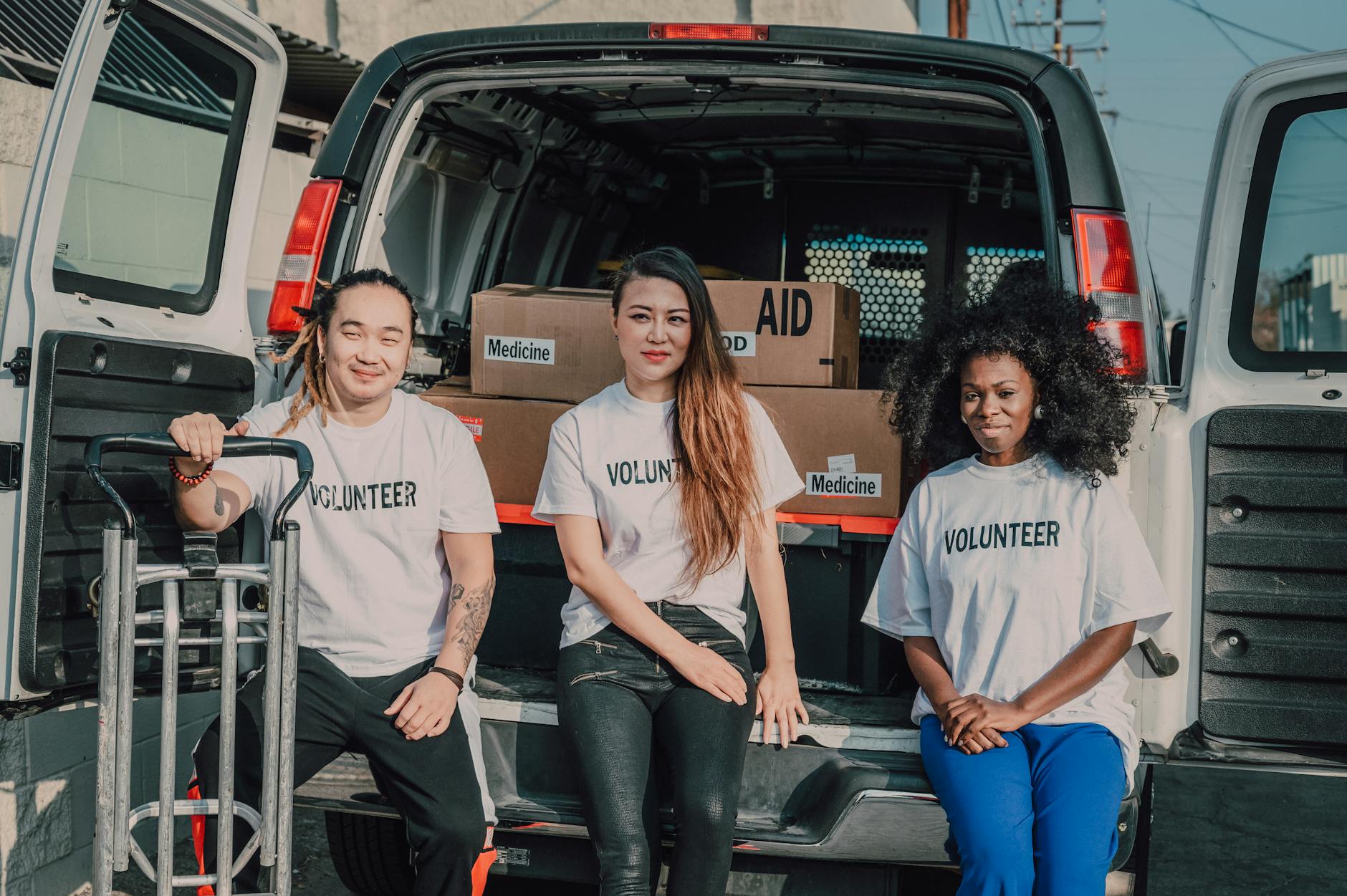
A short volunteer or NGO trip should not begin with vague expectations. The traveler should know the host contact, work location, schedule, role boundaries, dress needs, language expectations, and whether the work involves meetings, public events, logistics, or direct community contact.
The more specific the assignment, the easier it is to be useful.
- Confirm the host organization, daily contact, work address, schedule, and role boundaries.
- Ask what preparation, clothing, documents, training, or supplies are expected.
- Separate service work, meetings, public events, and personal city time before arrival.
Choose lodging near the real work
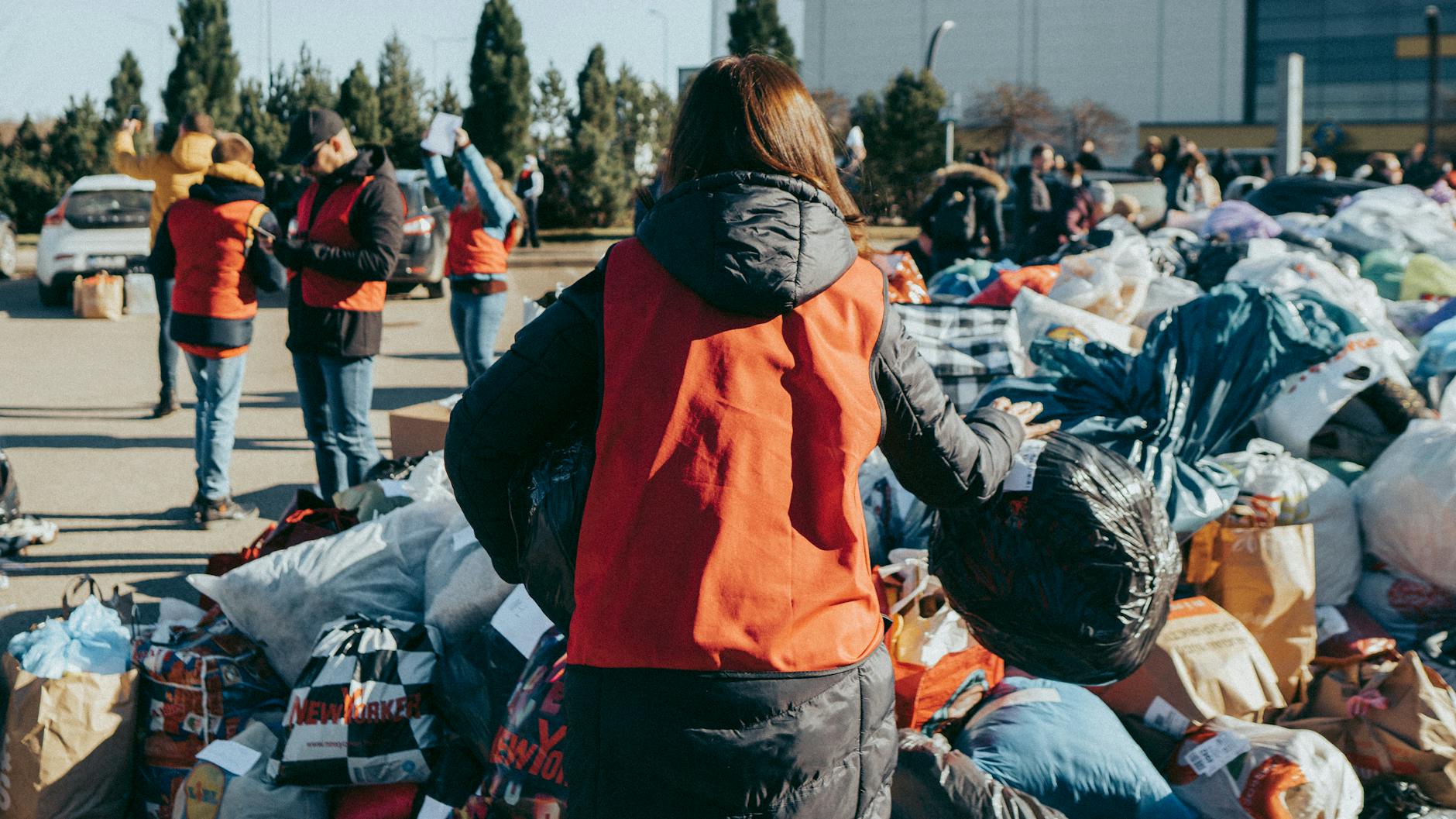
The best lodging may not be near the most famous sights. It should reduce friction between the traveler, host site, meeting points, grocery access, laundry, transit, and evening safety. A short NGO trip often has early starts and practical errands that deserve more attention than tourist convenience.
The room should support reliability.
- Compare lodging by commute to the host site, not only by central location.
- Check kitchen access, laundry, quiet, Wi-Fi, grocery options, receipts, and late return routes.
- Keep enough flexibility for schedule changes from the host organization.
Plan transport around punctuality
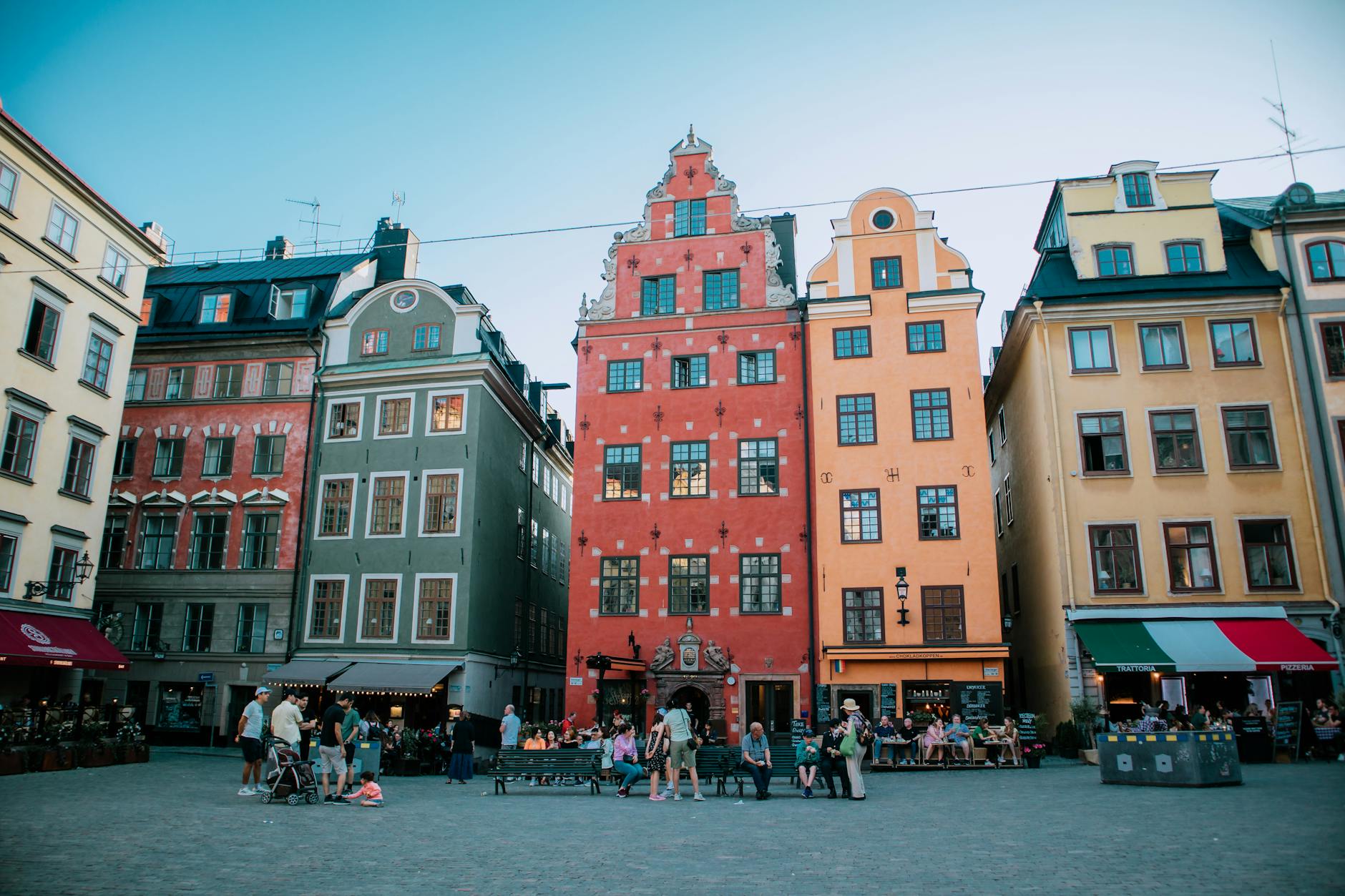
Volunteer and NGO work can involve moving between offices, community spaces, supply pickup points, and public venues. The traveler should know the core transit route, taxi fallback, walking distance, and what happens if weather or a delayed train affects the schedule.
Being dependable is part of the contribution.
- Practice or map the route from lodging to the host site before the first work block.
- Account for supplies, printed materials, event items, or laptops when choosing transit or taxi.
- Build buffers around public events, group departures, and host meetings.

Protect documents, insurance, and safety
Even a short service trip can create practical exposure. The traveler should understand insurance, emergency contacts, local ID requirements, host policies, personal health needs, and whether any activity requires special consent, background checks, or safety rules.
Good intentions do not replace preparation.
- Carry insurance details, emergency contacts, host contact numbers, ID copies, and medication information.
- Ask the host about safeguarding, privacy, photography, consent, and site-specific safety rules.
- Keep a separate plan for illness, lost phone, delayed arrival, or needing to leave a site early.
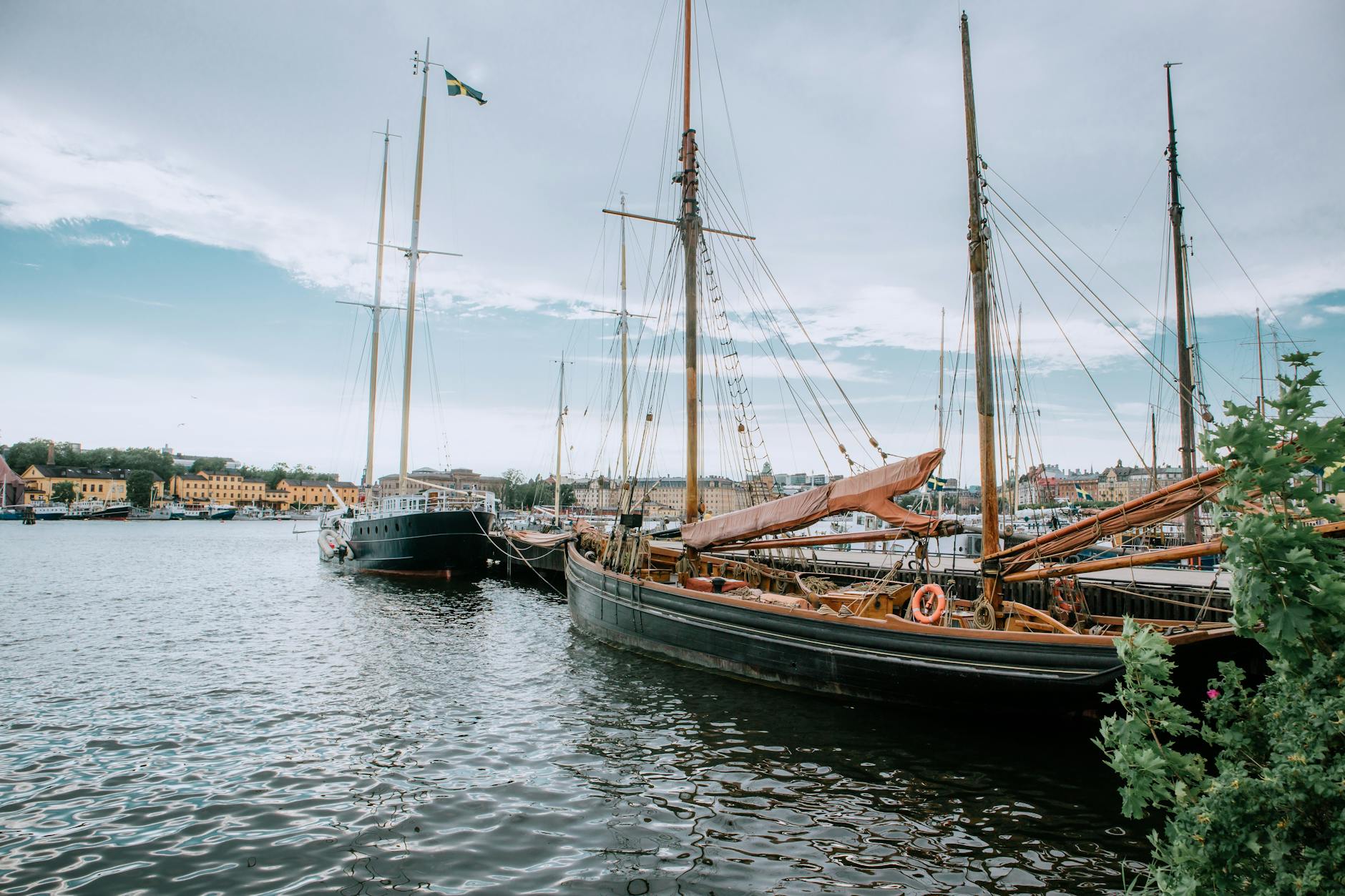
Respect community context
Volunteer and NGO travelers should be careful about how they observe, photograph, discuss, and describe the people and work around them. Local partners usually understand the context better than a short-term visitor, so listening matters as much as effort.
The traveler should avoid turning service work into self-focused travel.
- Follow host guidance on photography, social posting, names, locations, and sensitive stories.
- Ask before sharing community details, client situations, or behind-the-scenes work.
- Leave space to learn how the organization frames its own mission and constraints.
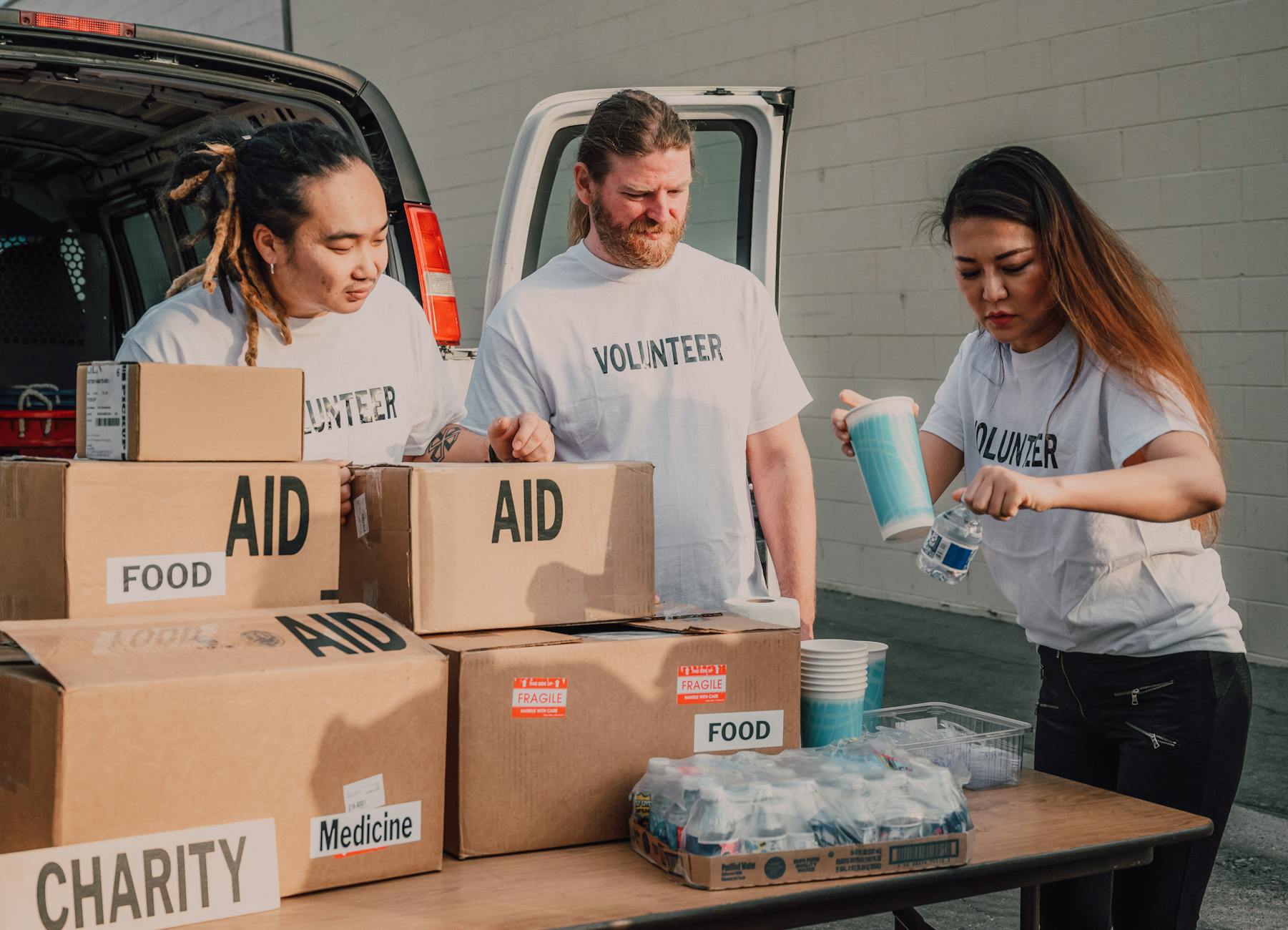
Keep recovery and city time modest
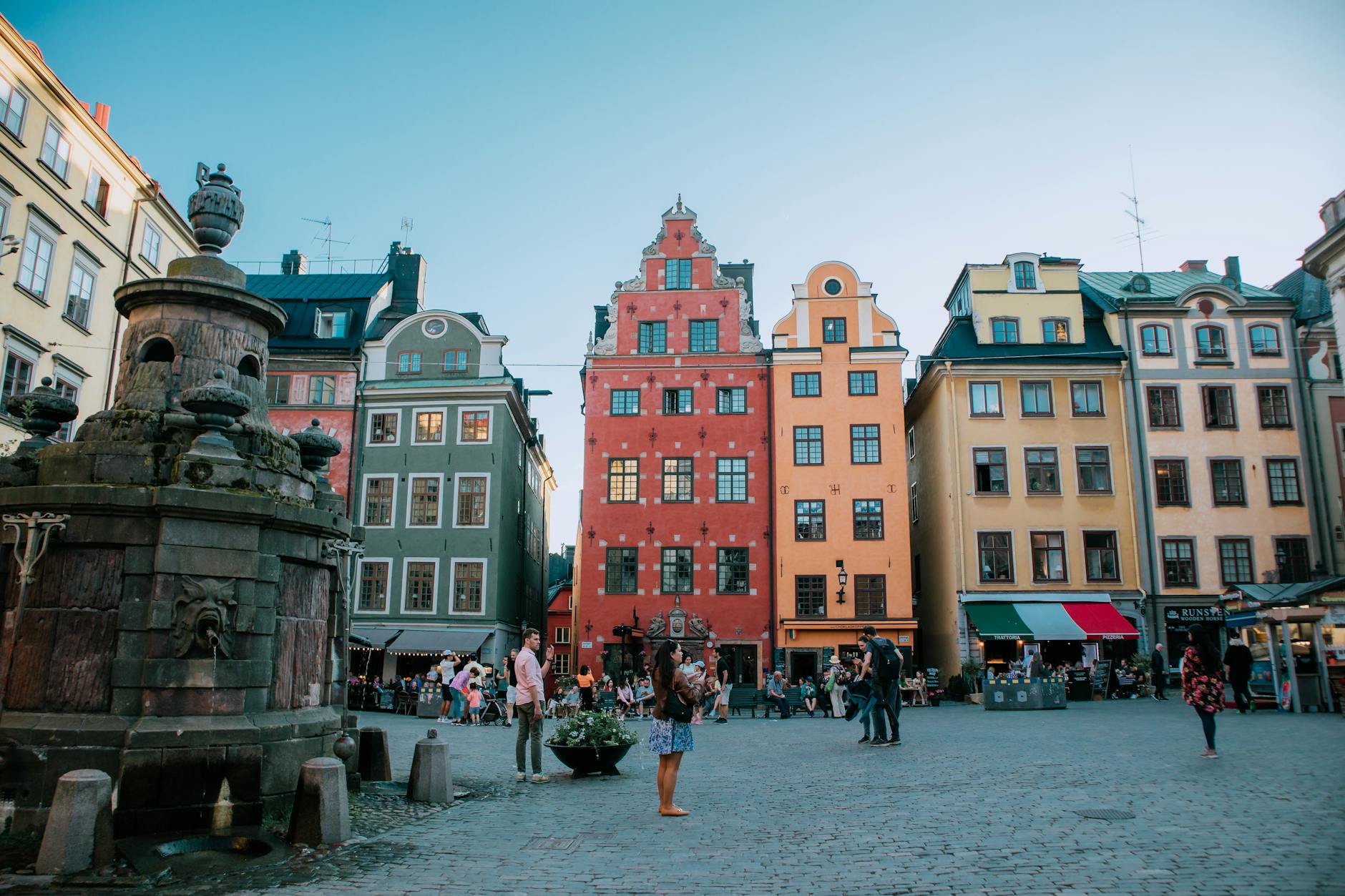
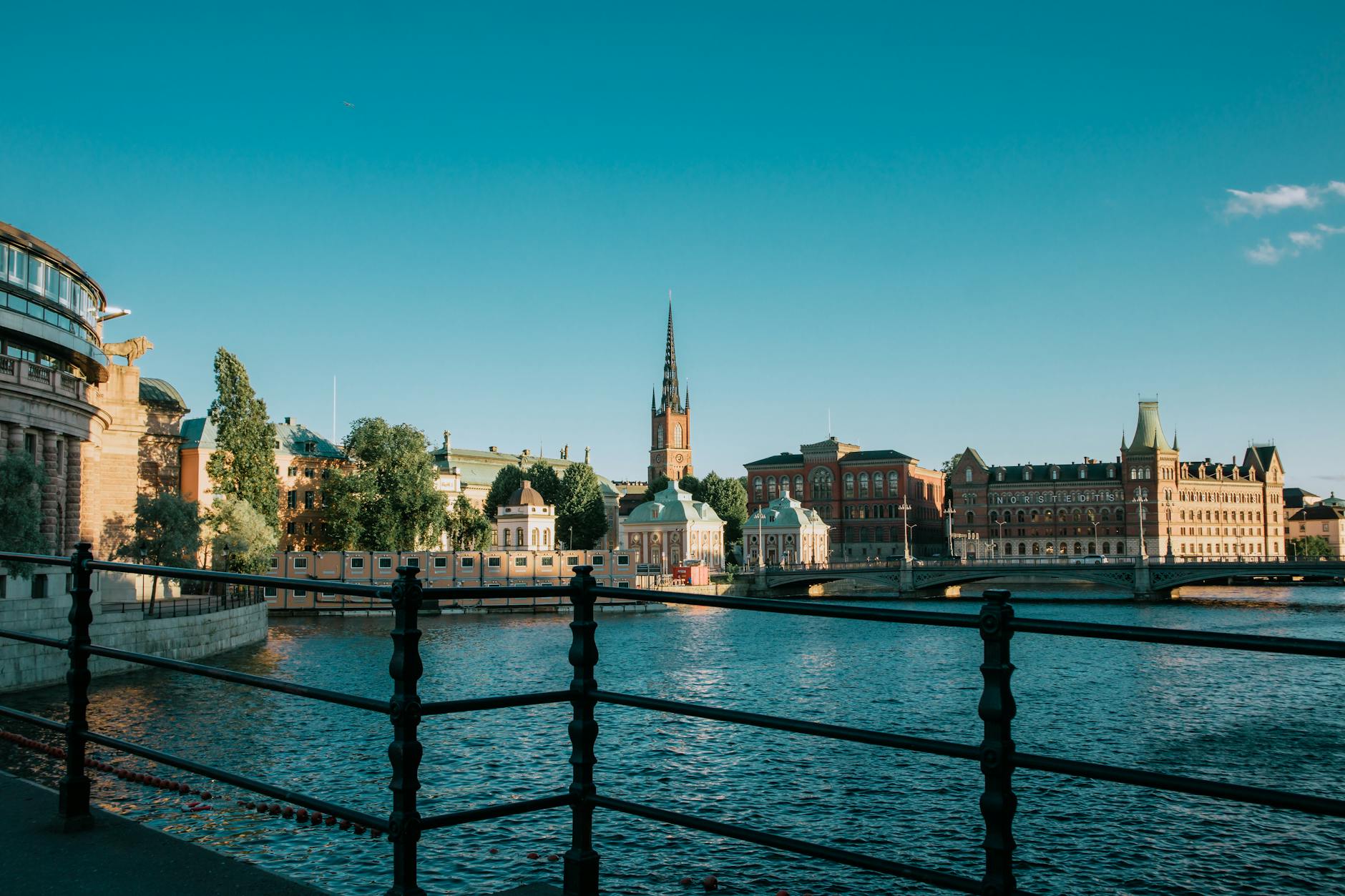
A short Stockholm service trip can still include local experiences, but the traveler should not crowd the schedule until the volunteer work suffers. Waterfront walks, simple meals, and one or two cultural stops may be enough when the main purpose is the host commitment.
Rest protects usefulness.
- Keep sightseeing close to lodging, the host site, or a simple transit route.
- Avoid late nights before early work blocks, public events, or emotionally demanding days.
- Use free time for recovery, reflection, laundry, and host follow-up when needed.
When to order a short-term travel report
A volunteer or NGO traveler with a fully managed program may not need a custom report. A report becomes useful when lodging is independent, work sites are spread out, the host schedule is changing, the traveler has health or mobility needs, or the trip includes public events, community contact, or sensitive logistics.
The report should test host-site geography, lodging, arrival transfer, transit routes, document needs, safety rules, privacy expectations, meal routines, rest blocks, weather contingencies, and departure buffers. The value is a Stockholm service trip where the traveler can be prepared, respectful, and reliably useful.
- Order when host logistics, lodging, transport, documents, safety, privacy, meals, rest, or departure timing need coordination.
- Provide host contacts, work locations, schedule, lodging options, arrival details, health needs, role limits, and event plans.
- Use the report to make the Stockholm NGO trip practical, respectful, and easier for the host organization.