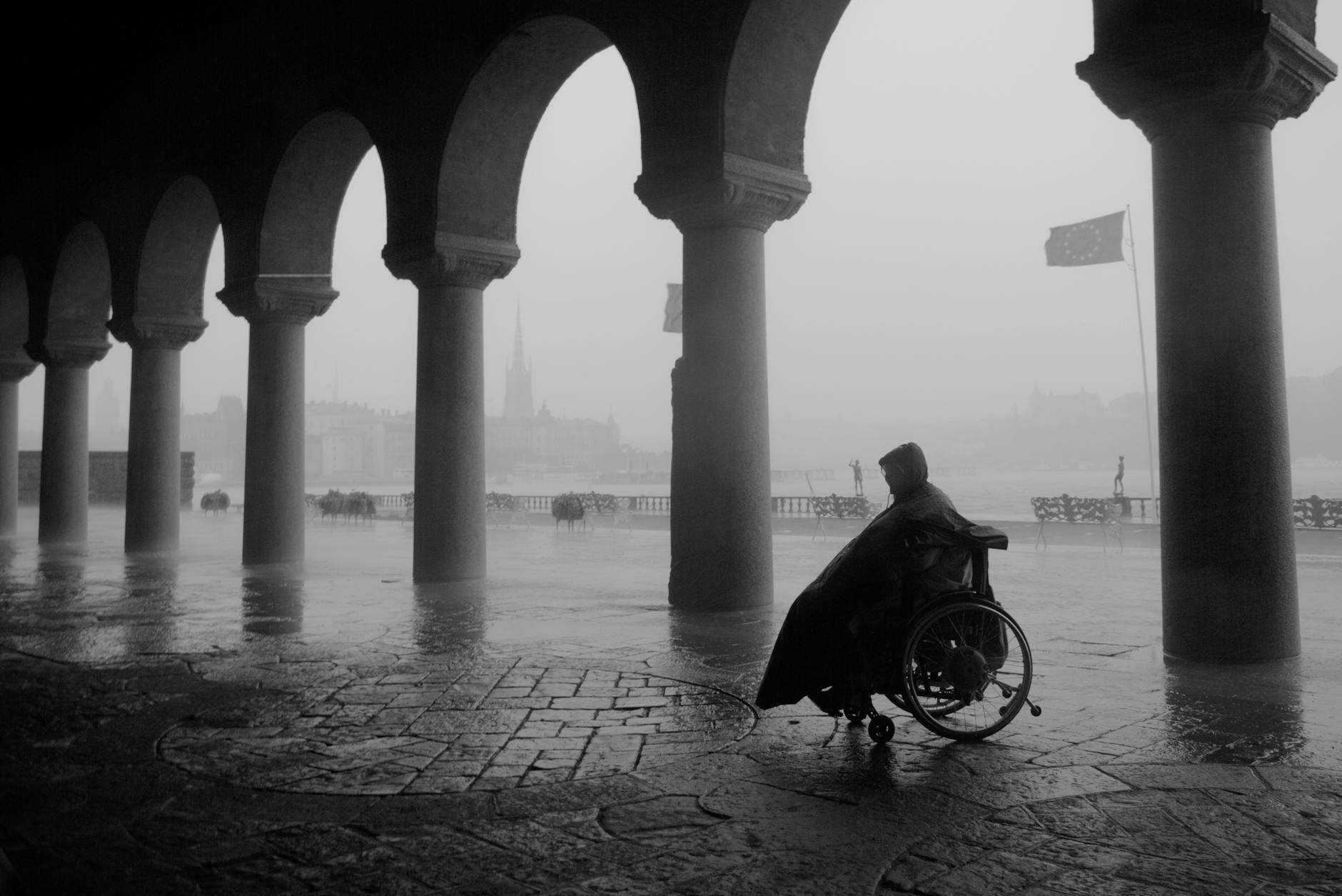
Start with exact mobility needs
Mobility planning works only when the traveler is specific about walking tolerance, stairs, ramps, standing time, wheelchair or scooter use, cane use, luggage limits, and rest frequency. A short trip can be smooth when the route is built around the actual person rather than an average traveler.
The first planning step is practical self-definition.
- List walking distance, stair tolerance, standing limits, and whether step-free access is required.
- Separate what is possible once from what is comfortable several times in one day.
- Plan luggage, seating, medication, bathroom access, and recovery time as part of the itinerary.
Choose lodging for access and recovery
The hotel matters more than the neighborhood name. The traveler should confirm entrance steps, elevator size, room access, bathroom layout, shower style, bed height when relevant, and whether taxis can stop close to the door.
A good room reduces daily friction.
- Ask the hotel about entrance steps, elevator access, bathroom layout, and any internal stairs.
- Favor lodging near meals, transit, taxi access, and a route that does not require hard climbs.
- Protect downtime with a quiet room, reliable heating or cooling, and space to handle equipment.

Plan arrival and transfers conservatively
Arrival can set the tone for the whole stay. Airport rail, buses, taxis, station changes, elevators, and luggage all need to be checked against fatigue after the flight or train ride. The lowest-effort route may be worth more than the cheapest route.
Transfer planning should remove uncertainty.
- Compare airport, rail, taxi, and public transport routes by steps, transfers, elevators, and luggage effort.
- Request assistance in advance when the traveler needs help through airports or stations.
- Keep the first day light if arrival involves long walking, winter darkness, or evening congestion.

Treat cobblestones and old streets honestly
Gamla Stan and older waterfront areas can be memorable, but cobblestones, slopes, narrow sidewalks, crowds, and wet surfaces can make them hard work. The traveler should not remove the old city automatically, but it should be routed with realistic distance and fallback options.
Charm should not become strain.
- Identify cobblestone-heavy sections, slopes, bridge crossings, and areas with limited seating.
- Visit old streets during quieter hours when crowd pressure is lower.
- Use a taxi, ferry, or transit segment when the route stops being comfortable.

Build shorter waterfront routes
Stockholm's water views are often easier to enjoy than a long museum-to-museum march. Short loops with benches, cafes, accessible restrooms, indoor pauses, and taxi or ferry exits can give the traveler a full sense of the city without overextending the day.
Waterfront routes should be scenic and recoverable.
- Plan short loops instead of long one-way routes that are hard to abandon.
- Mark benches, cafes, restrooms, covered spaces, and taxi pickup points before starting.
- Keep one indoor option ready for wind, rain, cold, heat, or sudden fatigue.

Use transit and taxis selectively
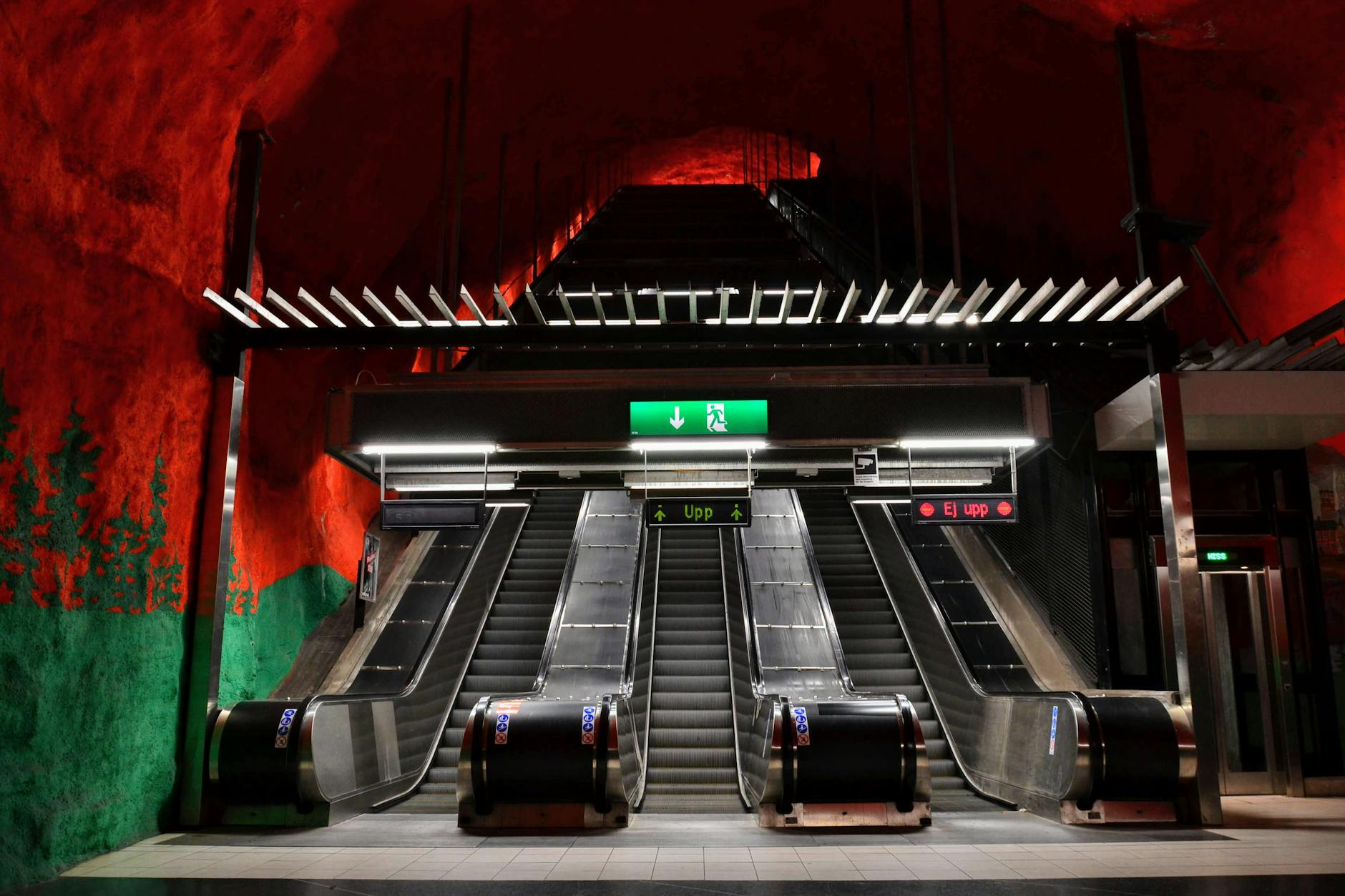
Stockholm transit can help, but it should be checked station by station. Elevators, escalators, platform access, crowding, winter conditions, and transfer distance may matter more than a simple map route. Taxis can be useful for specific links, especially with luggage or evening fatigue.
The best transport plan mixes methods deliberately.
- Check whether each station or stop on the route works for the traveler's mobility needs.
- Avoid unnecessary transfers when a taxi, ferry, or direct transit link reduces effort.
- Leave time for elevator delays, crowding, weather, and slower movement at stations.

When to order a short-term travel report
A traveler with simple mobility needs, verified lodging, and a familiar route may be able to plan independently. A report becomes useful when the traveler needs confidence about hotel access, transfer choices, station access, walking surfaces, weather exposure, and the amount of rest built into each day.
The report should test lodging entrances, bathroom requirements, arrival transfer, step-free route options, cobblestones, bridge crossings, waterfront pacing, transit stations, taxi fallbacks, meal locations, weather contingencies, and departure buffers. The value is a Stockholm stay that keeps energy for the city instead of spending it on avoidable access problems.
- Order when hotel access, transfers, station access, cobblestones, weather, rest, meals, or departure timing need exact planning.
- Provide mobility details, equipment, walking limits, lodging candidates, arrival details, medical constraints, and must-see priorities.
- Use the report to make the Stockholm trip realistic, comfortable, and easier to recover from.