
A Stockholm trip with medical constraints should be planned around continuity of care, not only sightseeing. Medication, documentation, arrival transfer, hotel access, healthcare backup, walking distance, transit choices, meals, weather, rest breaks, and departure timing can all decide whether a short stay is manageable.
Start with condition-specific limits
Medical constraints can affect travel in very different ways. A traveler should define medication timing, fatigue, pain triggers, food needs, mobility, sleep, temperature sensitivity, and warning signs before choosing routes.
The condition should shape the itinerary.
- List medication schedules, activity limits, meal timing, sleep needs, mobility concerns, and symptoms that require a plan change.
- Identify which activities are low risk, which need shorter timing, and which should be skipped.
- Avoid treating the trip as ordinary sightseeing with a medical note attached.
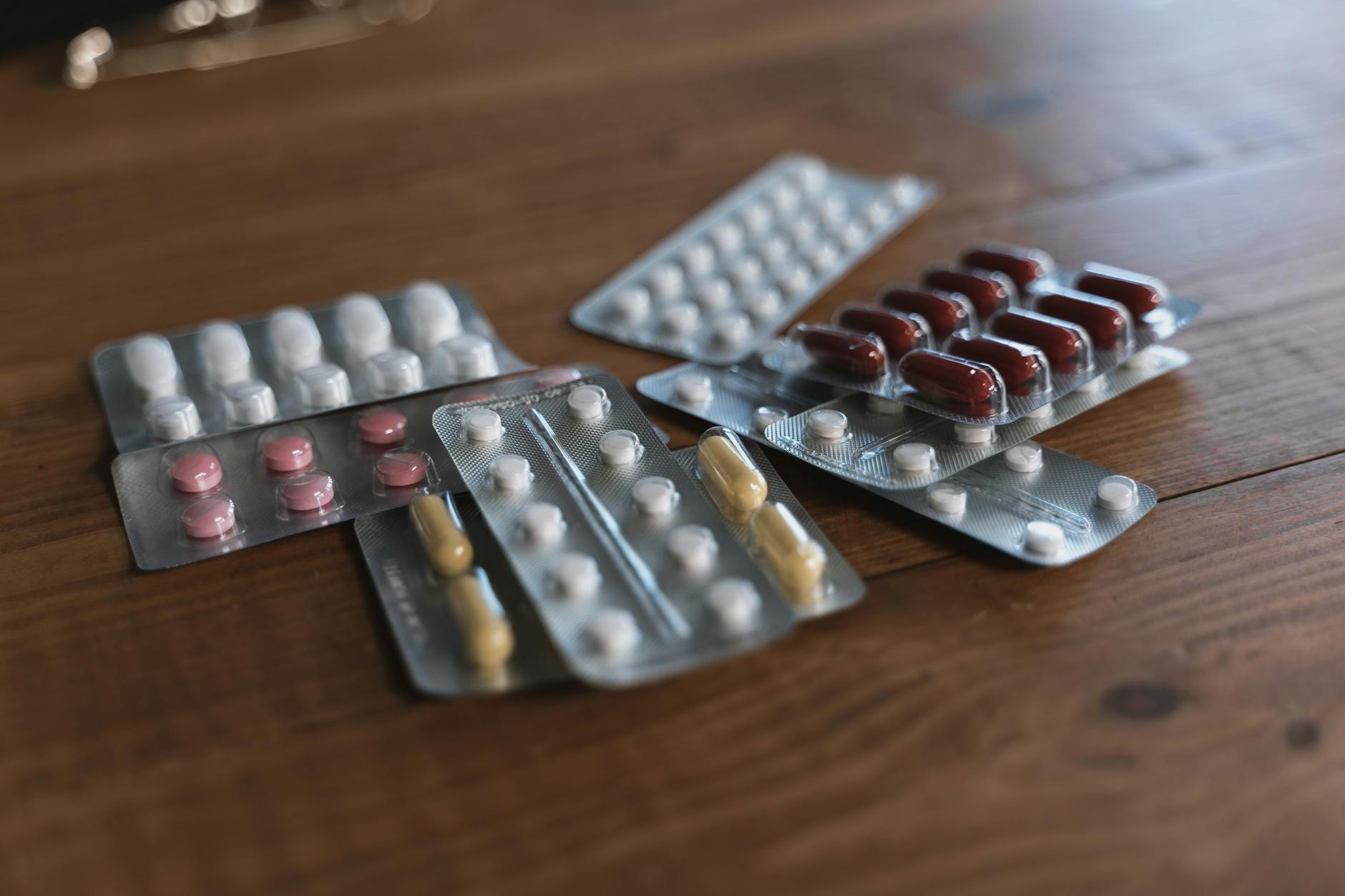
Protect medication and documents
Medication, devices, prescriptions, insurance details, and clinician notes should travel in a way that survives delays, lost luggage, and schedule changes. A short trip leaves little room for replacement errors.
Care continuity needs redundancy.
- Carry medication, prescriptions, device supplies, and key documents in hand luggage.
- Keep dosage schedules, generic drug names, allergies, and emergency contacts available offline.
- Check storage requirements, time-zone timing, and refill limits before departure.

Know the healthcare backup
A traveler does not need to plan for every emergency, but they should know where to start if a problem appears. Local pharmacy access, urgent care options, insurance contact rules, language needs, and hotel support should be understood before arrival.
Backup planning lowers stress.
- Identify nearby pharmacies, urgent care options, insurance phone numbers, and hotel front-desk support.
- Know what symptoms require canceling the day's route or seeking help.
- Keep copies of medical documents in a format that can be shared quickly.

Choose the hotel for recovery
The hotel should support rest and recovery, not just location. Elevator access, room quiet, bathroom setup, climate control, breakfast timing, nearby meals, taxi pickup, and staff responsiveness can matter more than a scenic address.
The room is part of care.
- Check elevators, entry steps, room quiet, bathroom setup, air conditioning or heat, and bed comfort.
- Choose lodging near meals, pharmacies, transit, or taxis that fit the traveler's needs.
- Plan room breaks as part of the day, not as a failure of the itinerary.
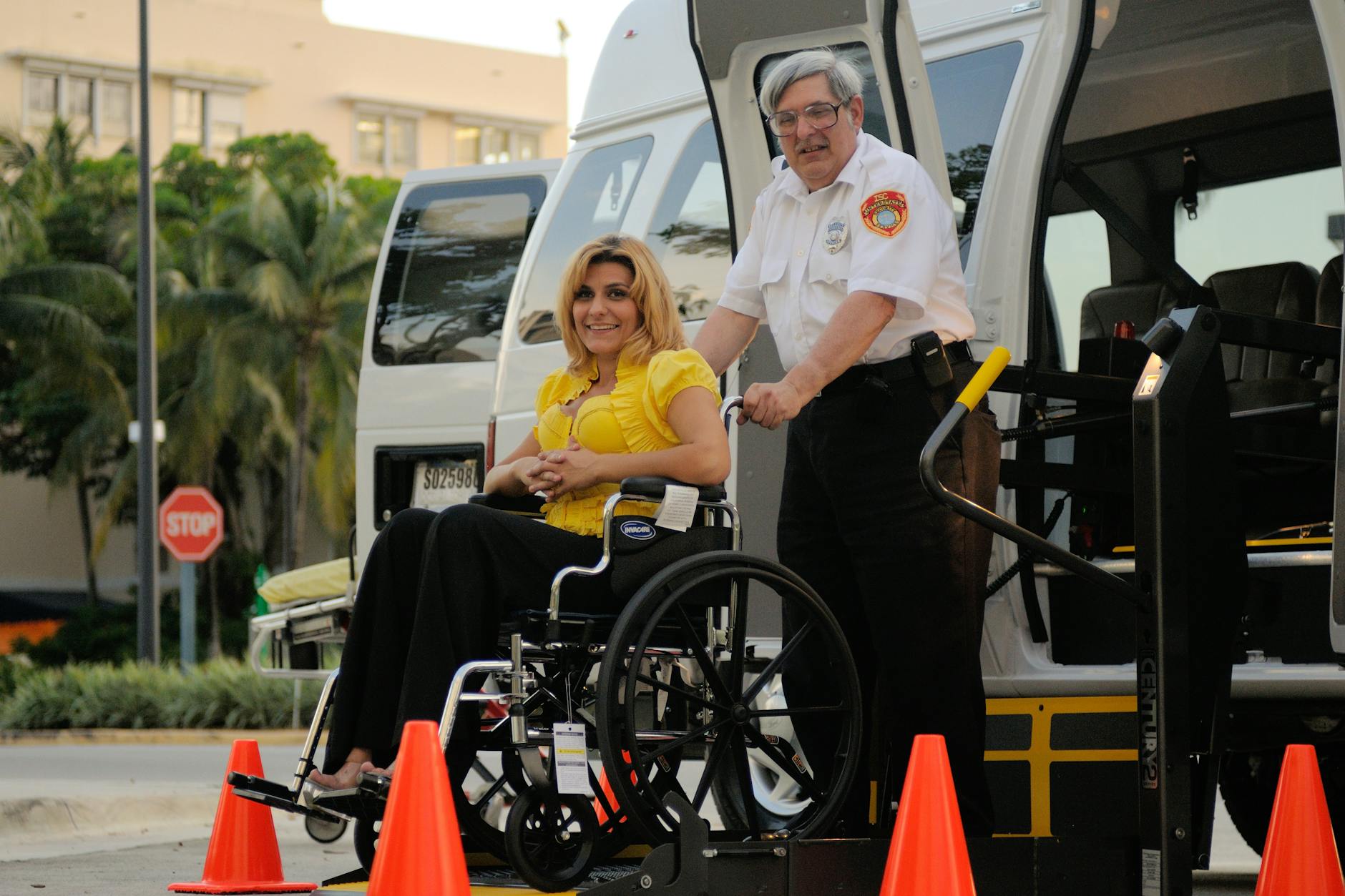
Use transport conservatively
Stockholm transit can be efficient, but medical constraints may make transfers, stairs, standing time, crowds, weather exposure, or long platforms difficult. A taxi or shorter route may be the smarter choice even when transit looks faster.
Transport should conserve capacity.
- Check station access, escalators, walking distance, platform time, and crowd exposure.
- Use taxis for luggage, bad weather, fatigue, late returns, or symptom changes.
- Keep the route flexible enough to return to the hotel early.

Build food, weather, and rest safeguards
Meals, hydration, cold, rain, waterfront wind, and winter darkness can affect symptoms and stamina. The traveler should know where food, restrooms, indoor pauses, and a warm or cool break can happen before the day becomes difficult.
Safeguards should be visible.
- Place meal stops, restrooms, cafes, and indoor pauses along the route.
- Carry snacks, water, layers, rain protection, and any condition-specific supplies.
- Use shorter waterfront routes when wind, cold, heat, or fatigue changes the day.

When to order a short-term travel report
A traveler with stable needs and a simple central stay may not need a custom report. A report becomes useful when medication timing, mobility, fatigue, food needs, hotel access, weather exposure, or healthcare backup could affect the trip.
The report should test hotel access, arrival transfer, medication timing, pharmacy and care backup, transit complexity, taxi options, walking distance, meals, rest breaks, weather contingencies, and departure buffers. The value is a Stockholm stay that treats health constraints as central planning facts.
- Order when medication, documentation, hotel access, transfers, healthcare backup, meals, rest, weather, or departure timing need exact planning.
- Provide dates, arrival details, hotel candidates, medication needs, mobility limits, food constraints, insurance details, and budget.
- Use the report to keep the Stockholm medical-constraint trip realistic, comfortable, and prepared.