Calculate usable time honestly
A long connection is not the same as free time. Immigration, baggage, airport rail, station transfers, security, boarding, delays, and fatigue all reduce what can be done safely during a Stockholm stopover.
Usable time should be counted from exit to return, not from scheduled arrival to departure.
- Subtract immigration, baggage, transport, security, boarding, and delay buffers before planning city time.
- Use a conservative return deadline for flights, trains, ferries, or buses.
- Stay near the terminal or station when the connection is short or the traveler is tired.

Choose the right transfer route
Airport rail, regional trains, buses, taxis, metro, and walking can all make sense depending on arrival point, luggage, budget, and onward departure. The traveler should compare routes by reliability and return simplicity, not only speed.
The return route matters more than the outbound route.
- Compare airport, rail, bus, metro, and taxi options against the exact onward departure point.
- Avoid complicated transfers when luggage, winter weather, or low energy makes them risky.
- Keep taxi and direct-train fallbacks ready if the planned route slips.

Store or simplify luggage
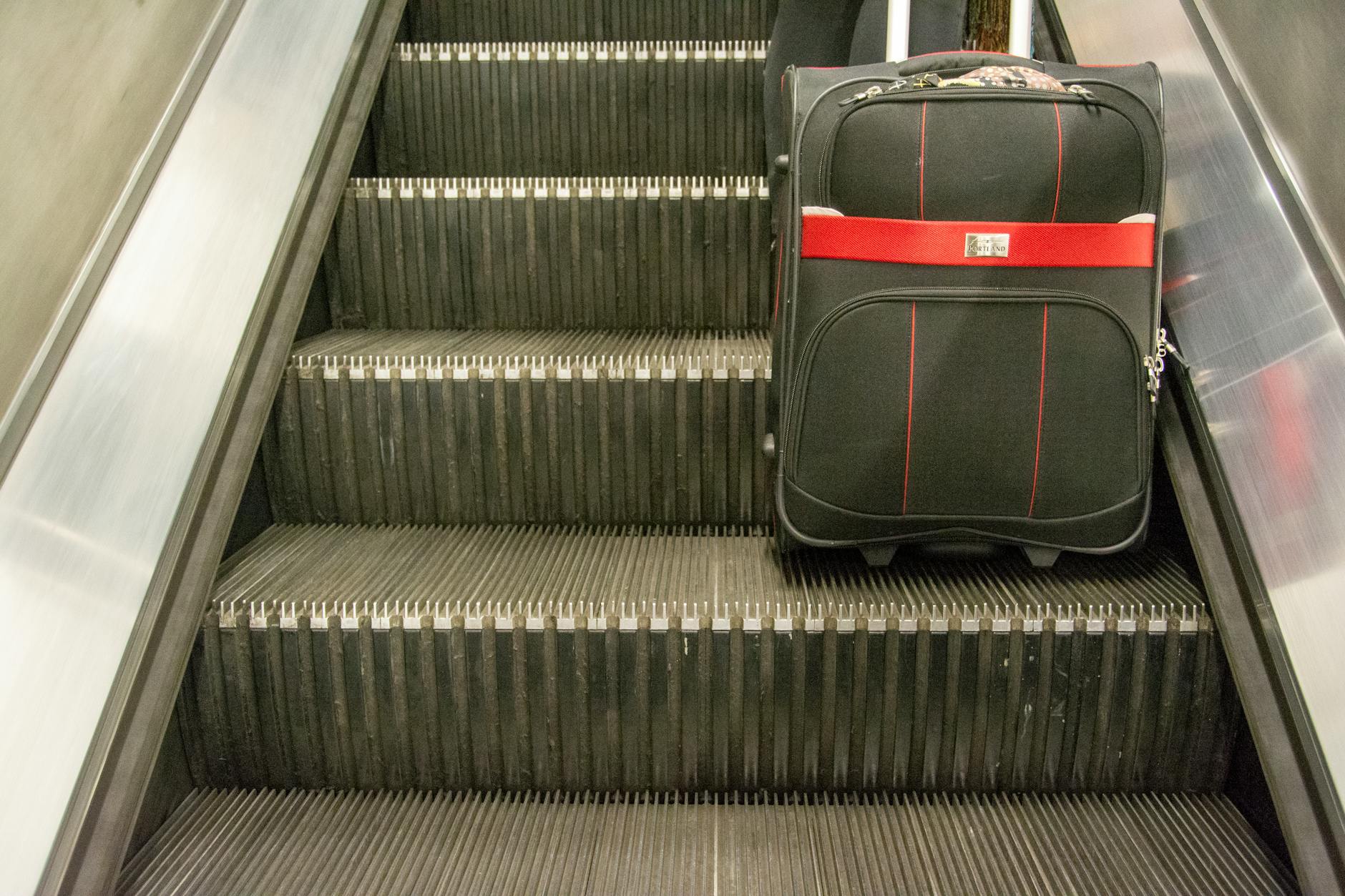
Luggage can decide whether a stopover feels like a break or a burden. The traveler should know storage options, station lockers, hotel bag drop, airport rules, and whether rolling bags can handle planned streets and stations.
A light stopover is easier to enjoy.
- Check luggage storage at the airport, rail station, hotel, or trusted locker service before leaving bags.
- Avoid cobblestone-heavy or stair-heavy routes with rolling luggage.
- Keep passport, medication, chargers, and onward travel documents with the traveler.
Pick one compact city experience
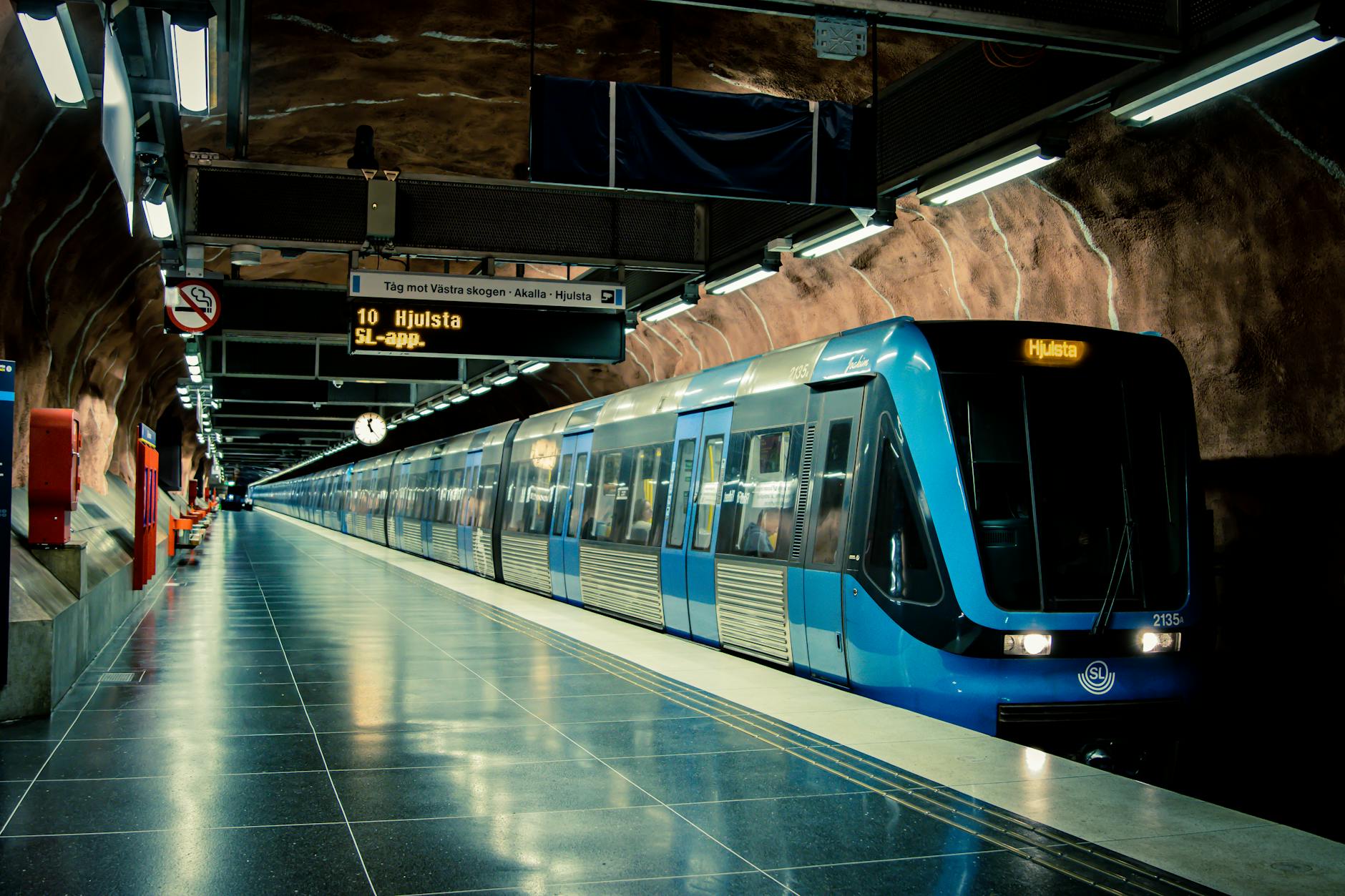
A Stockholm stopover works best when the traveler chooses one clear experience: a waterfront walk, old-town pass-through, a meal, a short museum visit, or a metro-art loop. Trying to do several areas increases the chance of rushing back.
The plan should be satisfying even if it stays small.
- Choose one compact route near a direct return connection.
- Keep the first stop close enough that the traveler can abandon the route if timing changes.
- Use nearby backups for weather, closures, hunger, or fatigue.

Protect rest, meals, and weather
Transit travelers are often under-slept, hungry, overdressed, or underdressed for the city. A practical stopover plan includes food, water, layers, phone power, bathroom access, and a place to sit.
The city break should not weaken the onward journey.
- Plan a real meal or cafe stop instead of wandering hungry between connections.
- Dress for outdoor wind, rain, cold, or heat before leaving the terminal or station.
- Choose rest over sightseeing if the onward flight or train requires alertness.
Keep the return plan strict
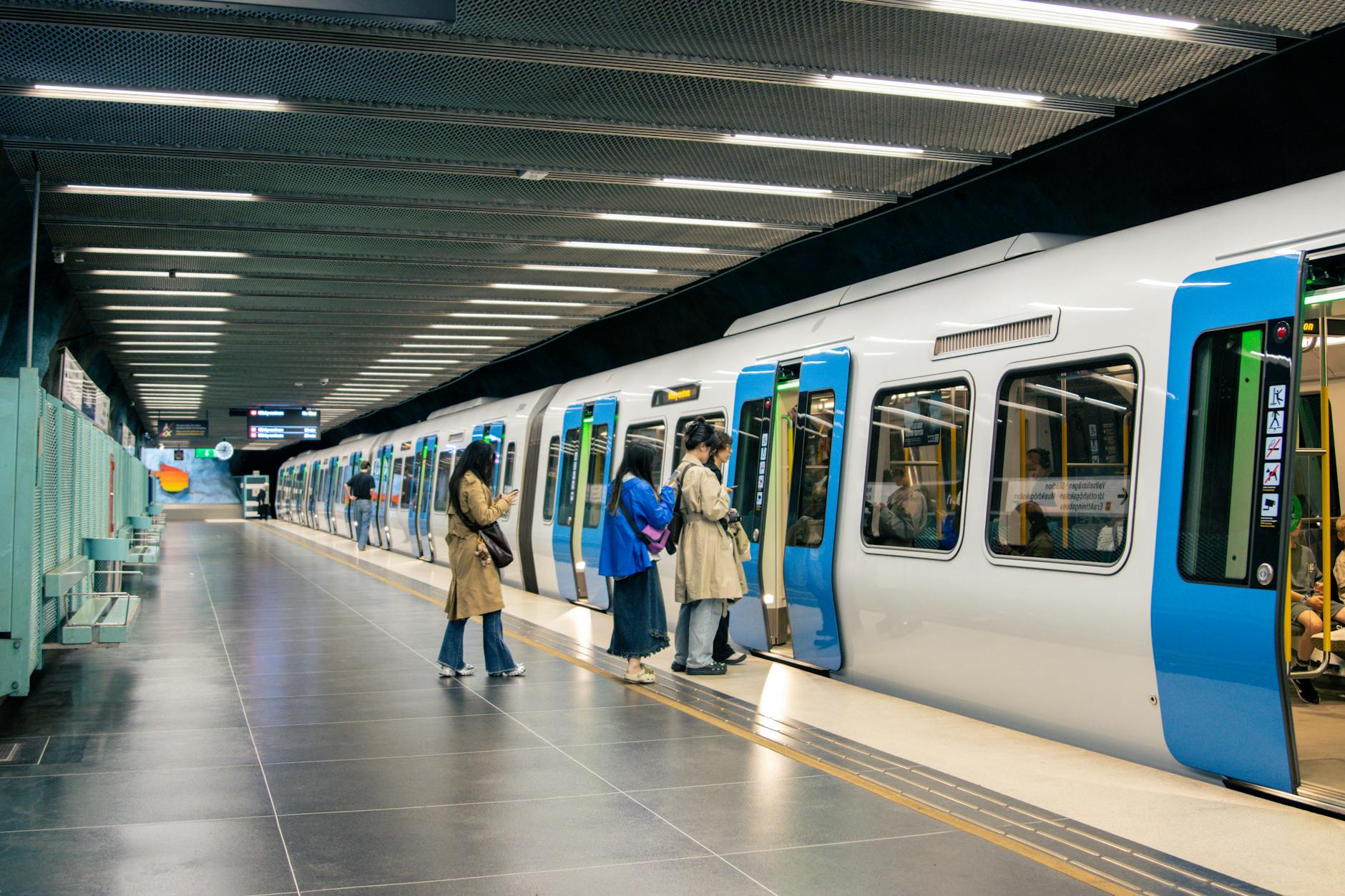
The most important part of a stopover is getting back on time. The traveler should set a firm turn-back time, keep alerts visible, and avoid late decisions that rely on perfect transit behavior.
A good stopover ends calmly.
- Set a latest departure time from the city and treat it as non-negotiable.
- Track service disruptions, platform changes, security lines, and boarding requirements.
- Return early enough to handle a wrong platform, missed train, or slower-than-expected security.

When to order a short-term travel report
A transit traveler staying inside the terminal may not need a custom report. A report becomes useful when the traveler wants to leave the airport or station, has luggage, faces a tight connection, needs accessibility-aware routing, or wants one worthwhile Stockholm experience without risking the onward journey.
The report should test usable time, airport or station transfer, luggage storage, compact city route, meal stop, weather, rest needs, transit and taxi fallback, security timing, and return buffers. The value is a Stockholm stopover that feels like a bonus rather than a gamble.
- Order when usable time, transfers, luggage, city routing, meals, weather, rest, or onward departure timing need exact planning.
- Provide arrival and departure details, airport or station, luggage situation, mobility needs, budget, interests, and risk tolerance.
- Use the report to make the Stockholm stopover efficient, calm, and safe for the next leg.