Start with the venue and hall plan
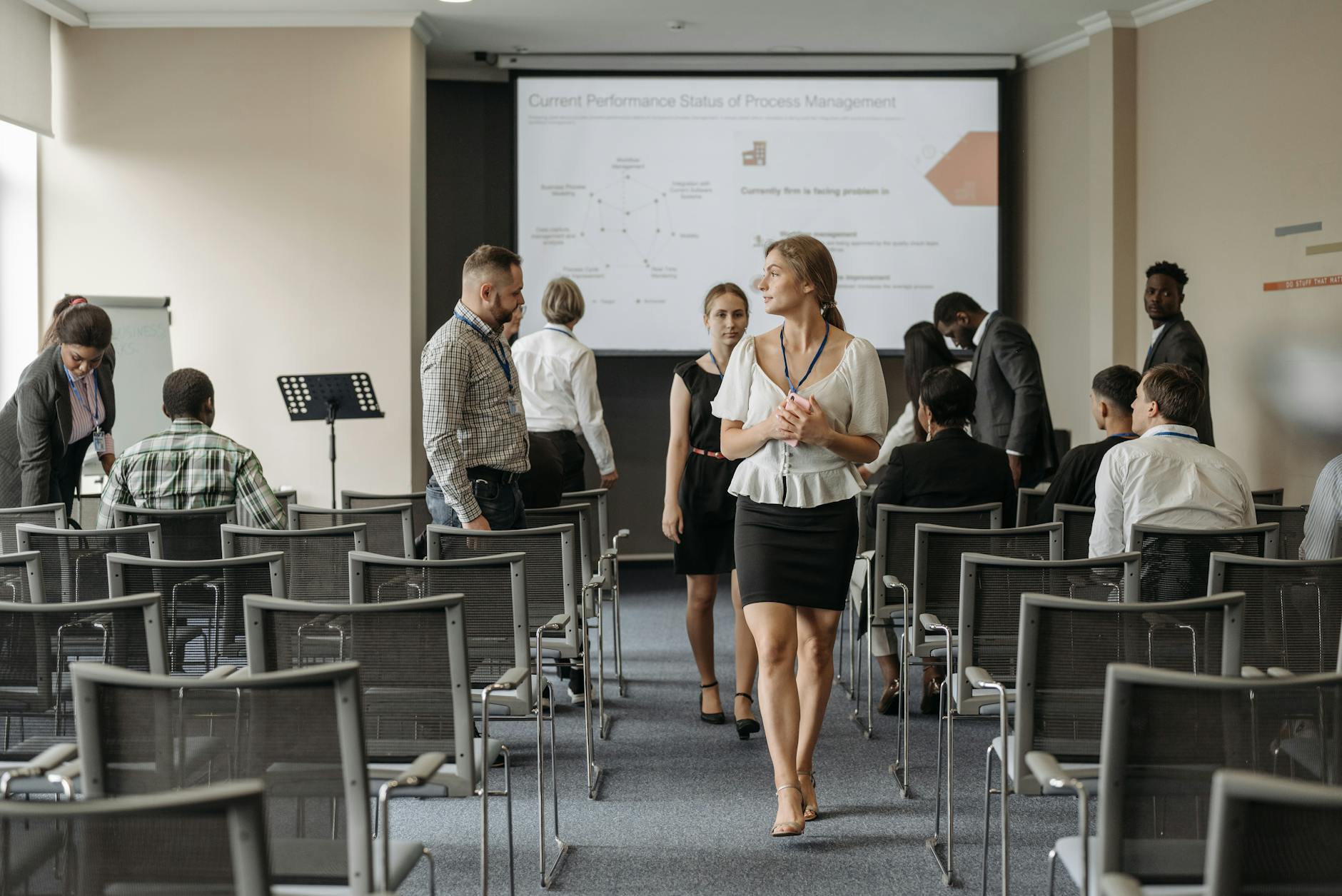
The venue determines the shape of the trip. The attendee should know the exact entrance, registration area, coat check, exhibitor or visitor route, meeting rooms, food points, and where the most important booths or sessions sit inside the hall.
A floor plan turns a crowded event into a usable schedule.
- Map the event venue, entrances, registration desk, halls, meeting rooms, and service areas.
- Identify priority exhibitors, sessions, clients, partners, and competitor booths before arrival.
- Keep screenshots or offline copies of tickets, badges, hall maps, and meeting confirmations.
Protect setup and badge timing
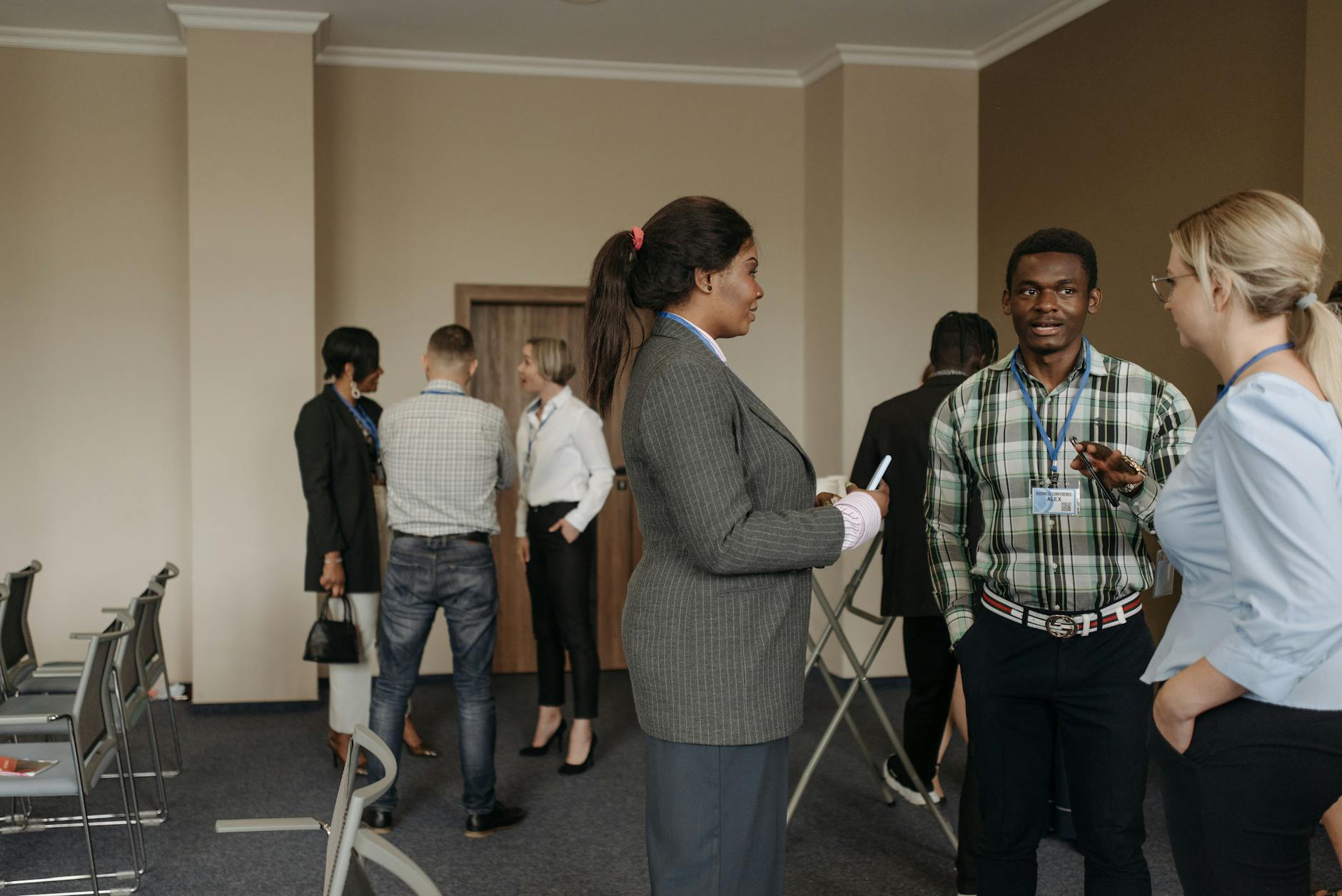
Registration queues, exhibitor setup, bag checks, security, coat check, and badge pickup can consume the first useful hour. Anyone carrying samples, printed material, demo gear, or a rolling bag should treat setup time as part of the business day.
The show starts before the first meeting.
- Confirm badge pickup hours, exhibitor setup windows, security rules, and accepted ID.
- Leave time for coat check, bag storage, coffee, restroom stops, and finding the correct hall.
- Carry chargers, adapters, business cards, QR codes, medication, snacks, and a compact repair kit for materials.

Choose the hotel for show days
A trade-show hotel should shorten the hardest parts of the schedule. Early starts, late dinners, heavy bags, receipts, quiet work time, and the need to reset between event days matter more than a broad list of attractions.
The best location is the one that protects the event.
- Choose lodging by commute reliability, not only by nightlife or sightseeing appeal.
- Check breakfast timing, desk space, Wi-Fi, laundry, luggage storage, invoices, and taxi pickup.
- Avoid a hotel that requires too many transfers with samples, brochures, or demonstration equipment.
Prioritize meetings and floor time
A full show floor can create the illusion of productivity. The attendee should block time for the people and booths that matter most, leave space for follow-up notes, and avoid packing every minute with low-value wandering.
The calendar should defend the highest-value conversations.
- Rank confirmed meetings, target booths, demos, sessions, and informal introductions.
- Leave short note blocks after important conversations while details are still fresh.
- Use open floor time for targeted exploration, not aimless aisle walking.
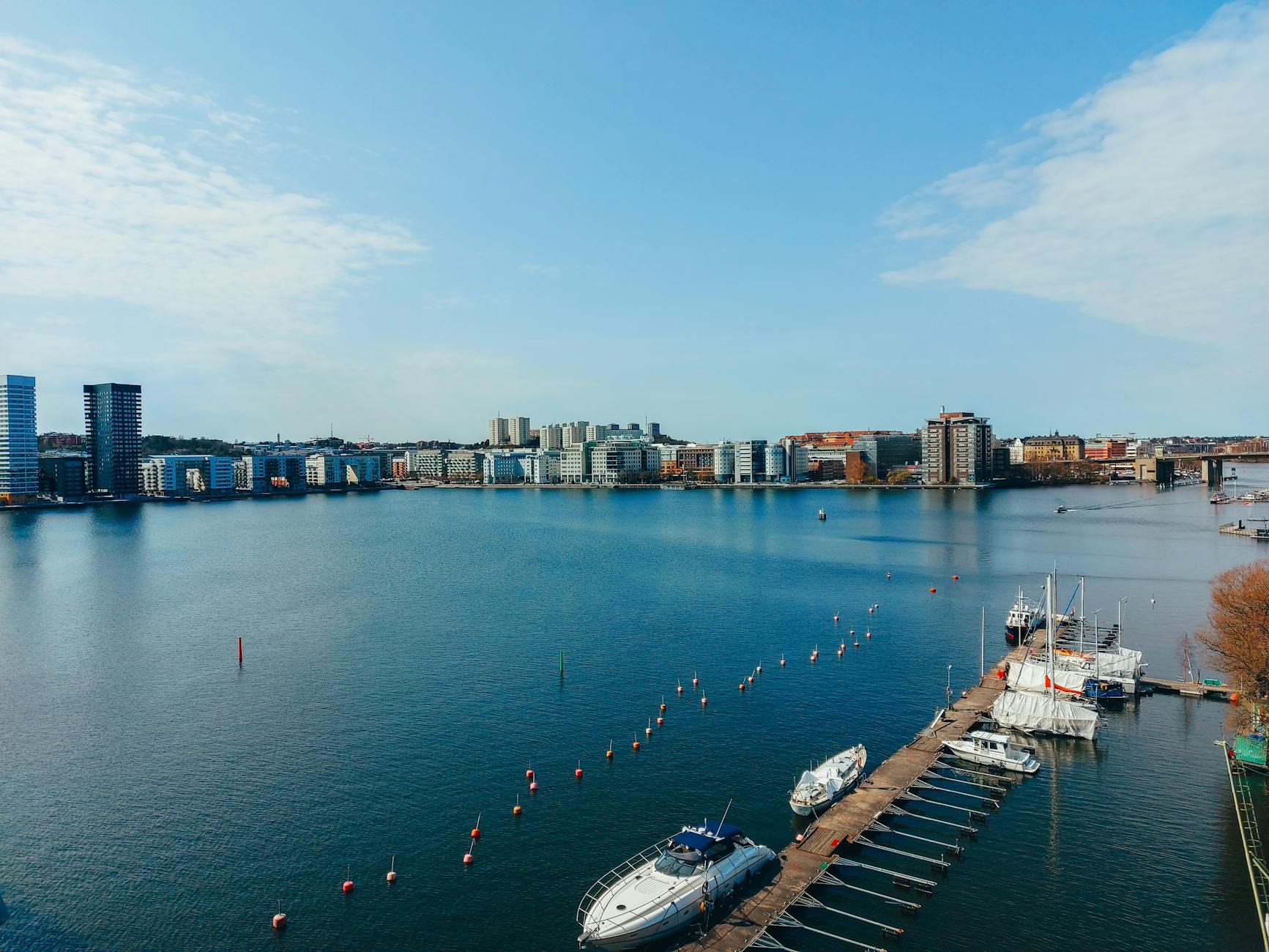
Plan transport for materials and fatigue
Trade-show travel is physically heavier than ordinary business travel. Samples, brochures, laptops, banners, gifts, and outerwear can make a short transit route feel longer than expected. The attendee should pick transport for reliability and load, not only cost.
Movement planning protects stamina.
- Decide when transit is realistic and when a taxi is better for bags, samples, or late returns.
- Check walking distance from stations to the venue entrance, not only station names.
- Account for weather, winter clothing, crowded platforms, and standing time after long show hours.
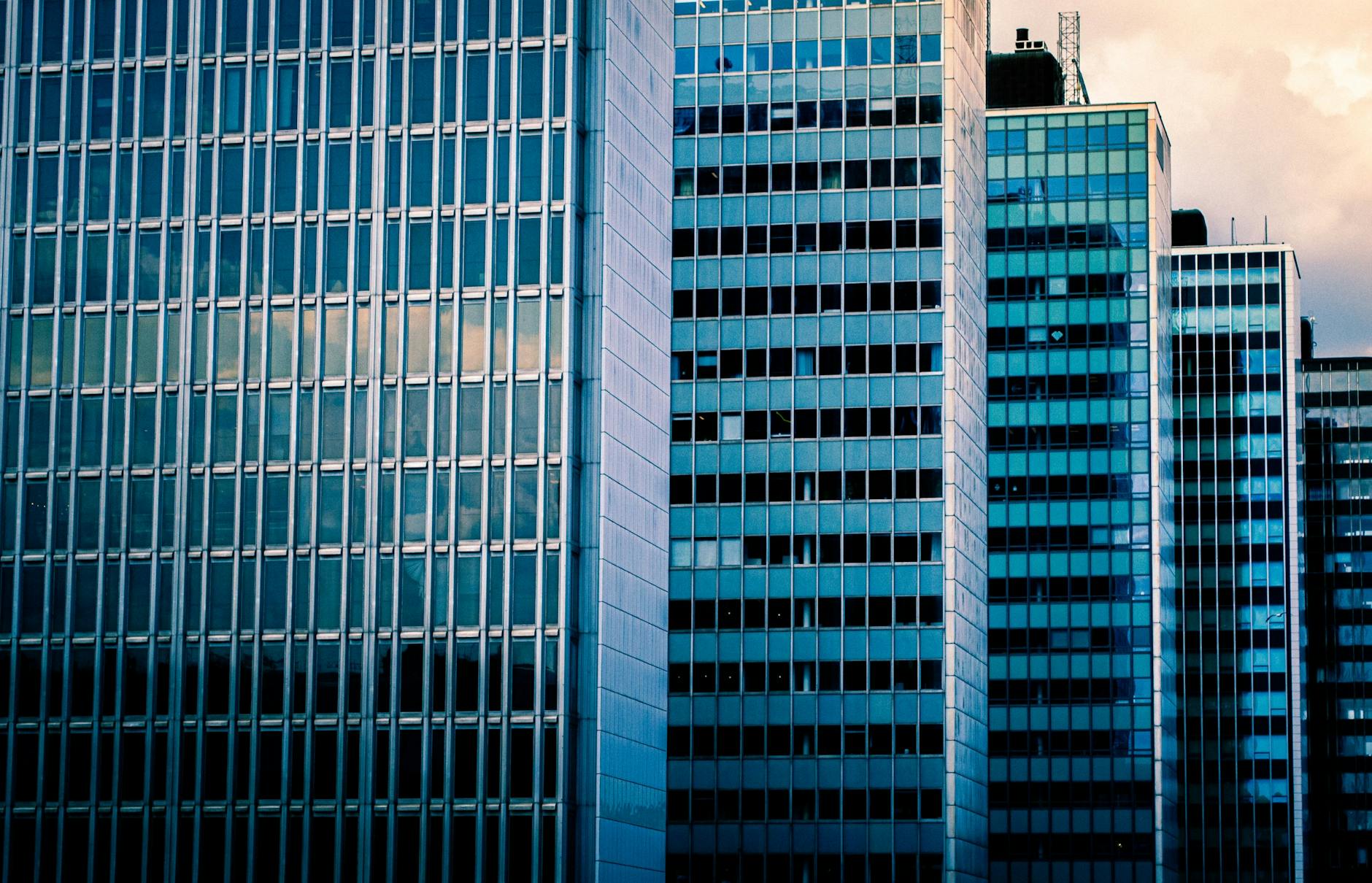
Use Stockholm without weakening the show
A trade-show attendee can still enjoy Stockholm, but city time should be compact and close to the route. A waterfront walk, client dinner, old town pass-through, or targeted meal can be enough when the main objective is the event.
Downtime should restore energy.
- Place dinners and short walks near the venue, hotel, or direct transit line.
- Avoid ambitious sightseeing before early badge pickup or after dense networking days.
- Use one strong city moment rather than several rushed stops that weaken the next business block.
When to order a short-term travel report
A trade-show attendee with a simple venue commute and light schedule may not need a custom report. A report becomes useful when event timing is dense, the venue is unfamiliar, materials must be moved, meetings are high-value, or the traveler needs a clean plan for lodging, transport, meals, and follow-up time.
The report should test venue access, registration timing, hotel commute, floor priorities, meeting buffers, material transport, client dinner geography, airport transfers, weather, receipts, and recovery time. The value is a Stockholm trade-show trip that turns attendance into useful outcomes.
- Order when venue access, badge pickup, meetings, materials, hotel choice, transport, meals, or follow-up time need coordination.
- Provide event name, venue, dates, badge status, meeting list, material load, lodging options, arrival details, and business priorities.
- Use the report to keep the Stockholm show schedule focused, realistic, and commercially useful.