
Start with the program calendar
The student should understand class hours, orientation, site visits, required events, assignment deadlines, exams, free days, and any group travel before planning independent activities. A short program can fill faster than expected.
The calendar should show what is required before it shows what is fun.
- Collect class times, orientation details, required events, deadlines, and attendance rules.
- Mark free blocks that are truly free rather than likely study or group-prep time.
- Keep arrival day and the first morning simple if jet lag or housing check-in could be disruptive.

Choose housing for daily routine
Housing should make the academic routine easier. The student needs a practical route to class, safe late returns, grocery access, laundry, a place to study, and clear rules about guests, noise, keys, and deposits.
A cheap room can become expensive if it breaks the routine.
- Compare housing by commute time to class, evening safety, groceries, laundry, and study space.
- Confirm check-in hours, key pickup, deposits, bedding, kitchen access, and house rules.
- Avoid lodging that forces long transfers before morning classes or after required evening events.

Learn the transit pattern early
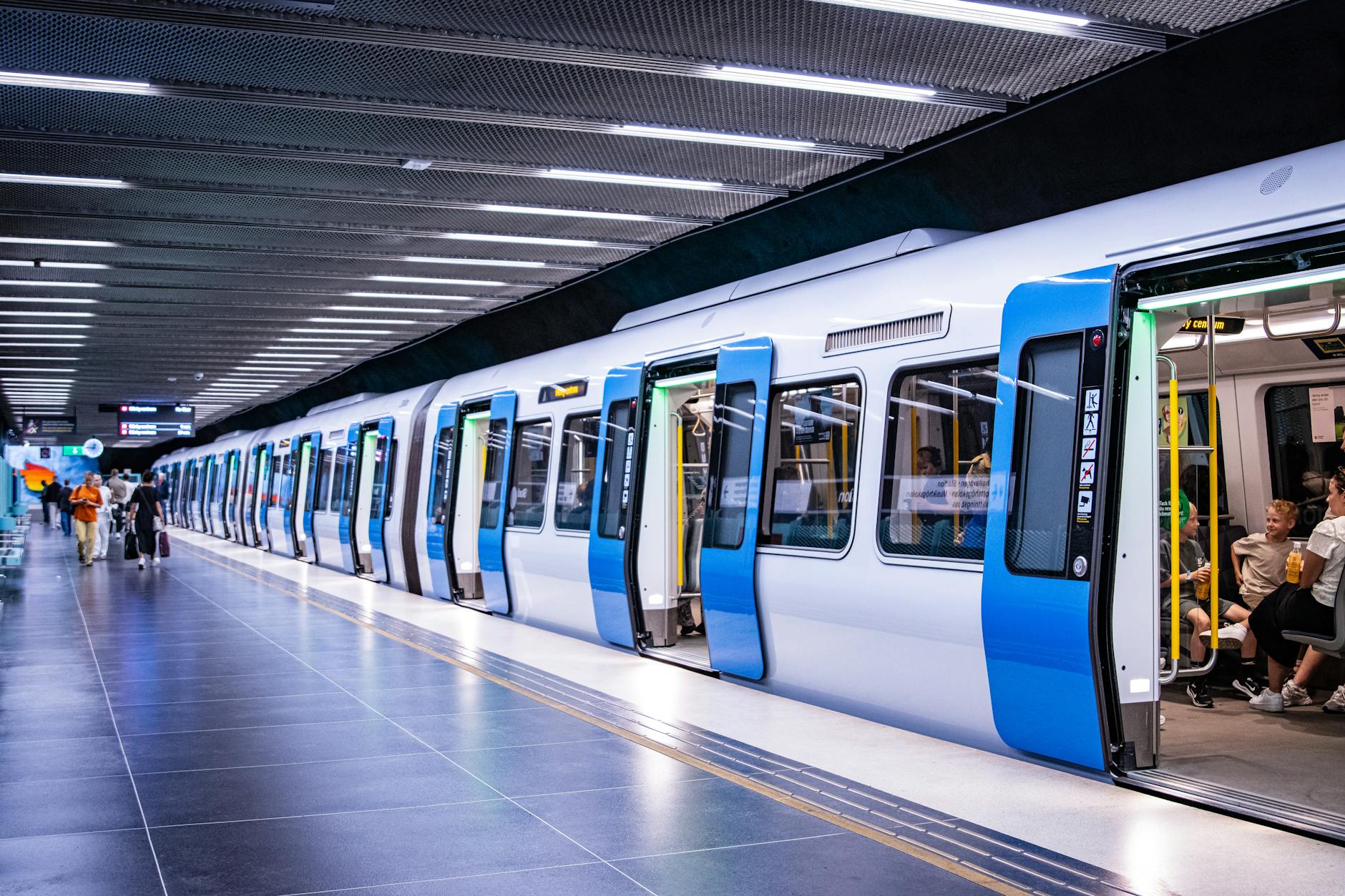
Stockholm transit can make a short program feel larger and easier, but the student should learn the core routes early. Knowing the class commute, evening return, airport route, and backup taxi plan reduces stress during the busiest days.
Movement should become familiar quickly.
- Practice the route from housing to class before the first required session when possible.
- Compare tickets or passes against the actual length of the program and planned travel.
- Keep an evening return plan for group events, bad weather, or a phone battery problem.
Protect study and assignment time
Short programs often combine travel excitement with real academic work. The student should plan when readings, group projects, field notes, reflection papers, or presentations will actually happen.
Study time needs a place and a boundary.
- Block work periods around classes, site visits, meals, and social plans.
- Identify libraries, campus rooms, cafes, or housing spaces where focused work is realistic.
- Carry adapters, chargers, offline files, and backup access to required readings or documents.

Set a realistic student budget
Stockholm can pressure a student budget through meals, transit, laundry, social plans, museums, and small daily purchases. The student should decide which costs are covered by the program and which are personal before arrival.
The budget should make daily choices easier.
- Separate prepaid program costs from meals, transit, groceries, laundry, phone data, and activities.
- Plan simple food routines near housing and class so every meal is not an expensive decision.
- Keep a small reserve for weather gear, medication, transit mistakes, or luggage issues.

Use city time with focus
A student does not need to see all of Stockholm during a short program. A few well-chosen city experiences can support the academic purpose, build confidence, and leave room for rest and class obligations.
City time should add context rather than crowd the calendar.
- Choose a small set of neighborhoods, museums, waterfront routes, or cultural stops that match the program.
- Avoid late nights before required classes, presentations, or group travel.
- Keep documents, medication, emergency contacts, and housing details accessible during independent outings.

When to order a short-term travel report
A student on a tightly managed program may receive enough support from the school or provider. A report becomes useful when housing is independent, arrival logistics are unclear, the student has medical or accessibility needs, the budget is tight, or the program schedule leaves meaningful free time to plan well.
The report should test class location, housing commute, arrival transfer, transit passes, grocery and meal routines, study locations, budget pressure points, safety habits, document checks, free-time options, and departure buffers. The value is a Stockholm short program where the student can focus on learning without losing time to avoidable logistics.
- Order when housing, arrival, transit, budget, study time, safety, documents, free time, or departure timing need coordination.
- Provide program calendar, class address, housing options, arrival details, budget limits, health needs, and required events.
- Use the report to make the Stockholm study stay organized, affordable, and easier to handle day by day.