Start with account geography
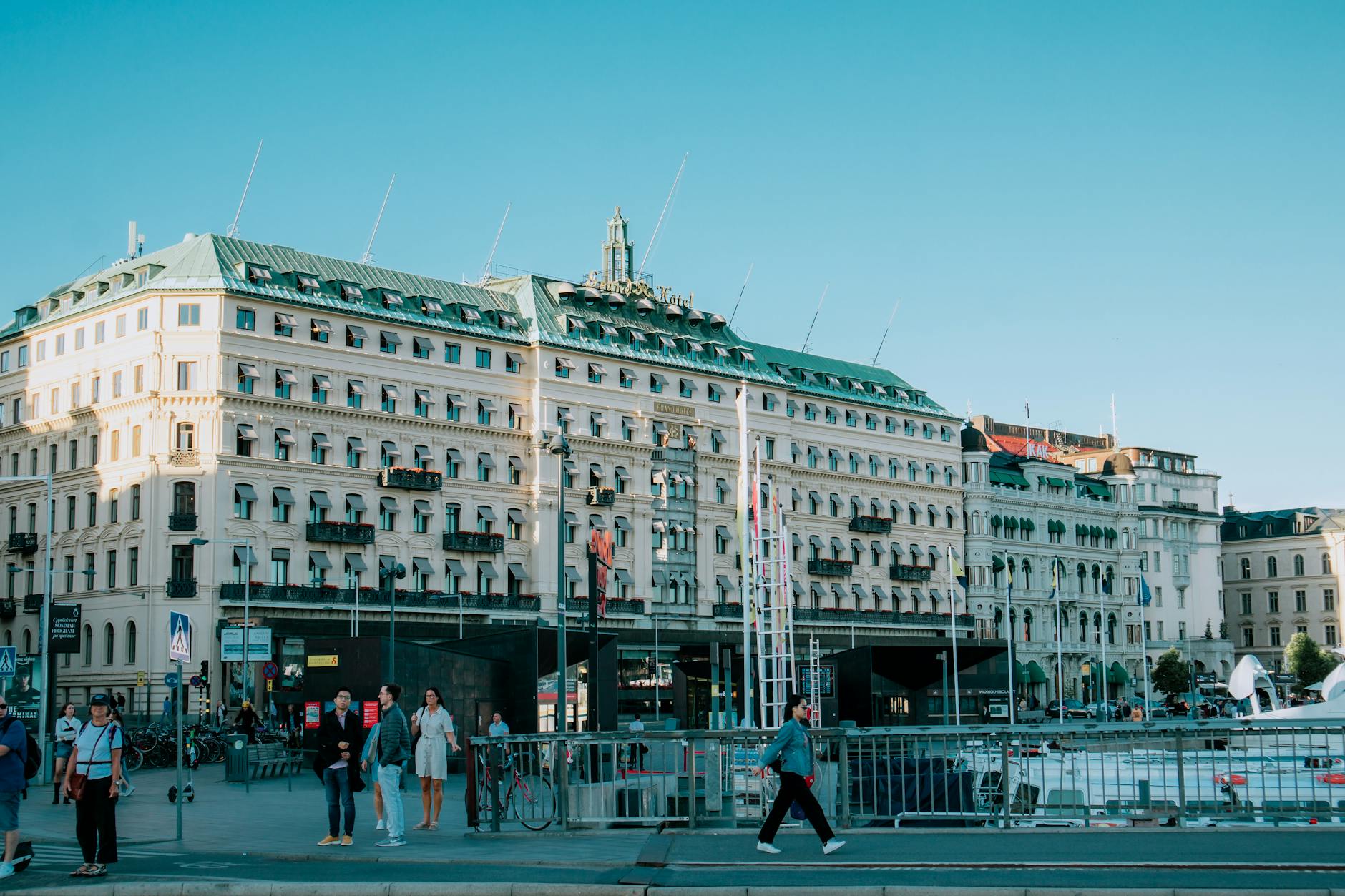
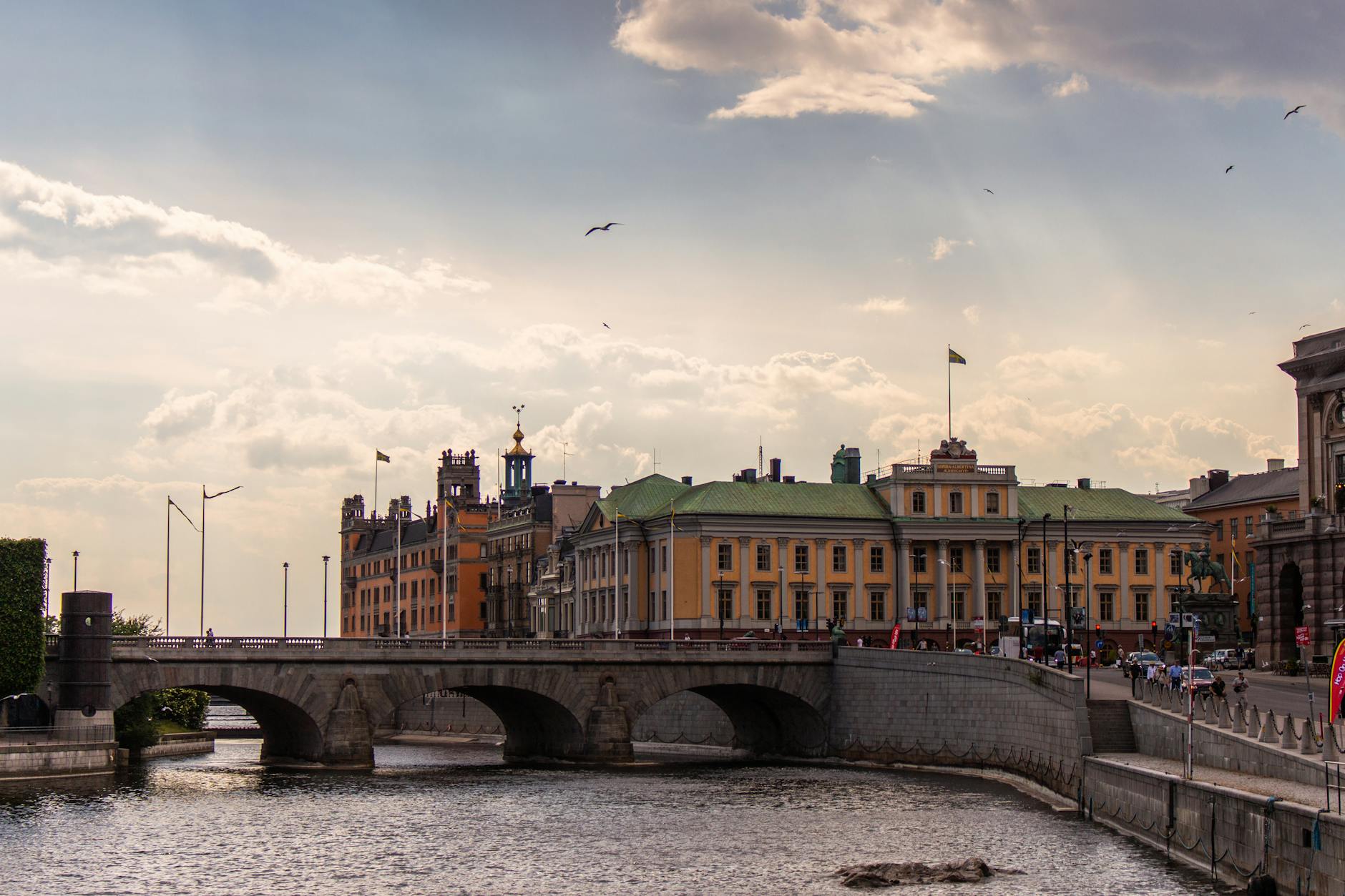
The sales traveler should map every prospect, customer, partner, hotel, dinner location, and transit connection before building the calendar. Stockholm can look compact on a map, but water, bridges, station access, weather, and peak-hour timing can change the day.
The account plan should decide the route, not the other way around.
- Group meetings by neighborhood, transit line, or taxi corridor instead of filling the calendar in invitation order.
- Leave realistic buffers between offices, hotels, restaurants, and stations.
- Keep the highest-value account away from risky arrival windows or rushed transfers.

Choose lodging around meetings
A sales hotel should make the working day easier. The traveler needs a reliable commute to the most important meetings, space for preparation, breakfast at the right hour, invoice support, and a place to reset between calls or client dinners.
The best hotel is often the one that removes friction from the calendar.
- Compare hotel locations against confirmed meeting addresses, not only central landmarks.
- Check desk space, Wi-Fi, breakfast timing, luggage storage, laundry, and receipt handling.
- Avoid a hotel that turns every client movement into a transfer-heavy route.

Prepare pitches and demo materials
Sales trips fail when the traveler arrives with a strong story but weak logistics. Slides, demos, samples, contracts, pricing notes, adapters, offline files, and prospect-specific talking points should be ready before the first local meeting.
Preparation should survive a bad connection or late room change.
- Carry offline copies of slides, decks, contracts, pricing references, and meeting notes.
- Confirm screen sharing, Wi-Fi, adapters, visitor rules, and demo setup where possible.
- Tailor each meeting brief to the account's stage, objections, decision makers, and next step.

Protect first arrivals and handoffs
A sales traveler should be early to the first serious appointment of each day. Airport arrivals, station transfers, taxis, badge desks, reception waits, and luggage choices all need margin because a late first impression is hard to recover.
The schedule should protect credibility.
- Use conservative transfer timing for airport, rail, and first-client arrivals.
- Keep host names, reception instructions, office addresses, and backup phone numbers easy to reach.
- Avoid carrying unnecessary luggage or materials into tight client arrival windows.

Plan client meals with purpose
Client meals can build trust, but they should have a purpose. The traveler should know who is joining, how formal the setting should be, how long the meal can run, and whether the meal supports discovery, renewal, closing, or relationship repair.
A meal is still part of the sales process.
- Choose restaurants that fit the relationship, schedule, dietary needs, and payment rules.
- Keep dinner geography close to the hotel, client office, or a direct route home.
- Avoid overloading evenings when the next morning depends on a sharp presentation.
Turn hallway time into follow-up
The minutes after a meeting are often more valuable than another rushed coffee. Notes, CRM updates, proposal changes, internal pings, and next-step emails should be protected while the conversation is fresh.
Follow-up should be part of the travel day.
- Block short note windows after meaningful meetings before details fade.
- Capture objections, stakeholders, buying stage, promised materials, and timing commitments.
- Leave one flexible block for a late-added meeting, revised quote, or internal approval call.

When to order a short-term travel report
A sales traveler with one familiar customer and a simple hotel choice may not need a custom report. A report becomes useful when the trip includes several accounts, tight meeting windows, client meals, demo materials, unfamiliar offices, or a need to reduce avoidable travel friction.
The report should test account geography, meeting order, hotel location, arrival transfers, client meal choices, transit and taxi timing, weather, material handling, follow-up blocks, and departure buffers. The value is a Stockholm sales trip that keeps the traveler focused on selling instead of solving logistics in real time.
- Order when account geography, hotel choice, transfers, meetings, materials, meals, follow-up, or departure timing need coordination.
- Provide account addresses, meeting priorities, arrival details, lodging options, material load, meal plans, and timing constraints.
- Use the report to keep the Stockholm sales visit punctual, prepared, and commercially useful.