Clarify the purpose of the visit
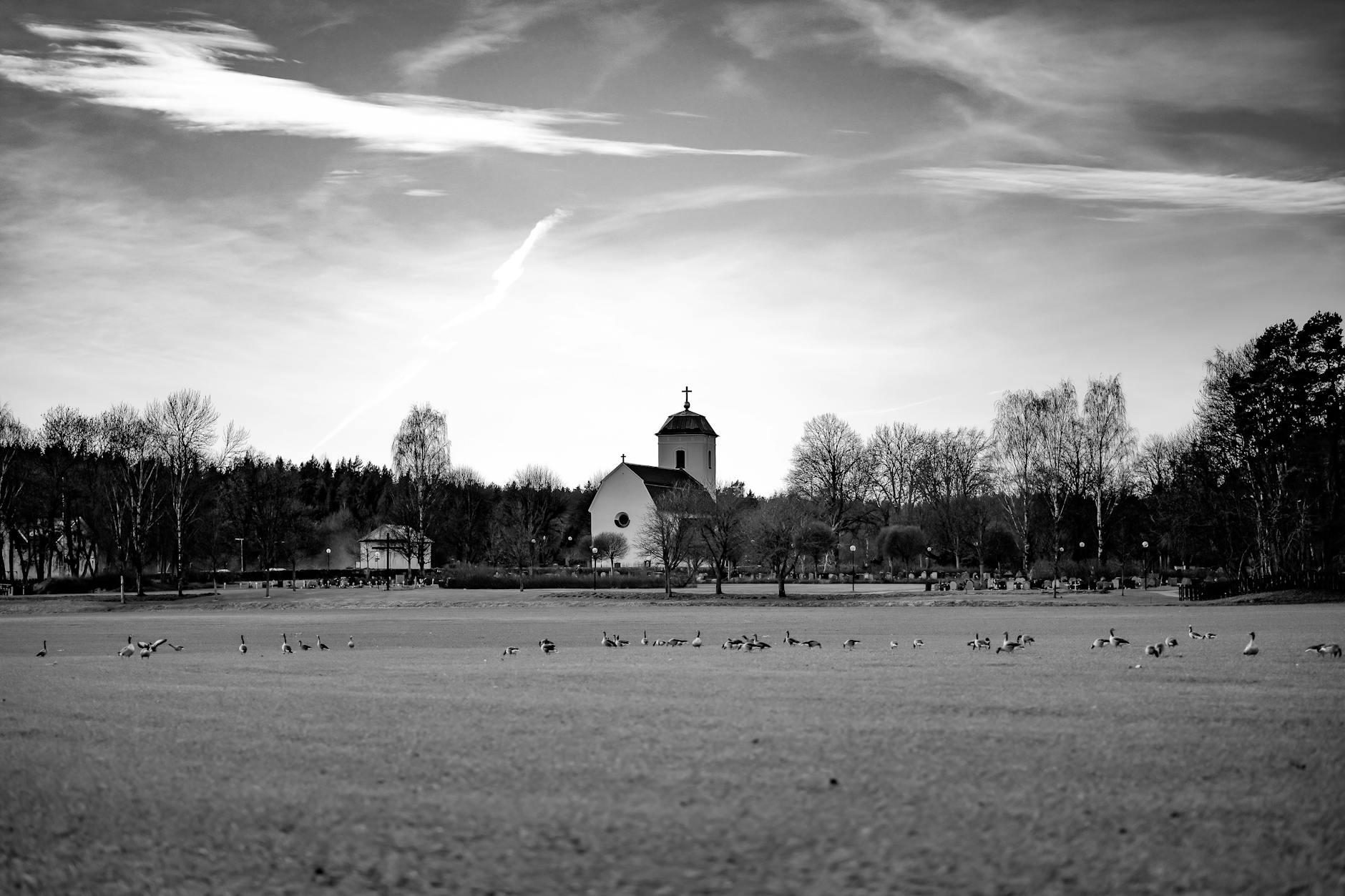
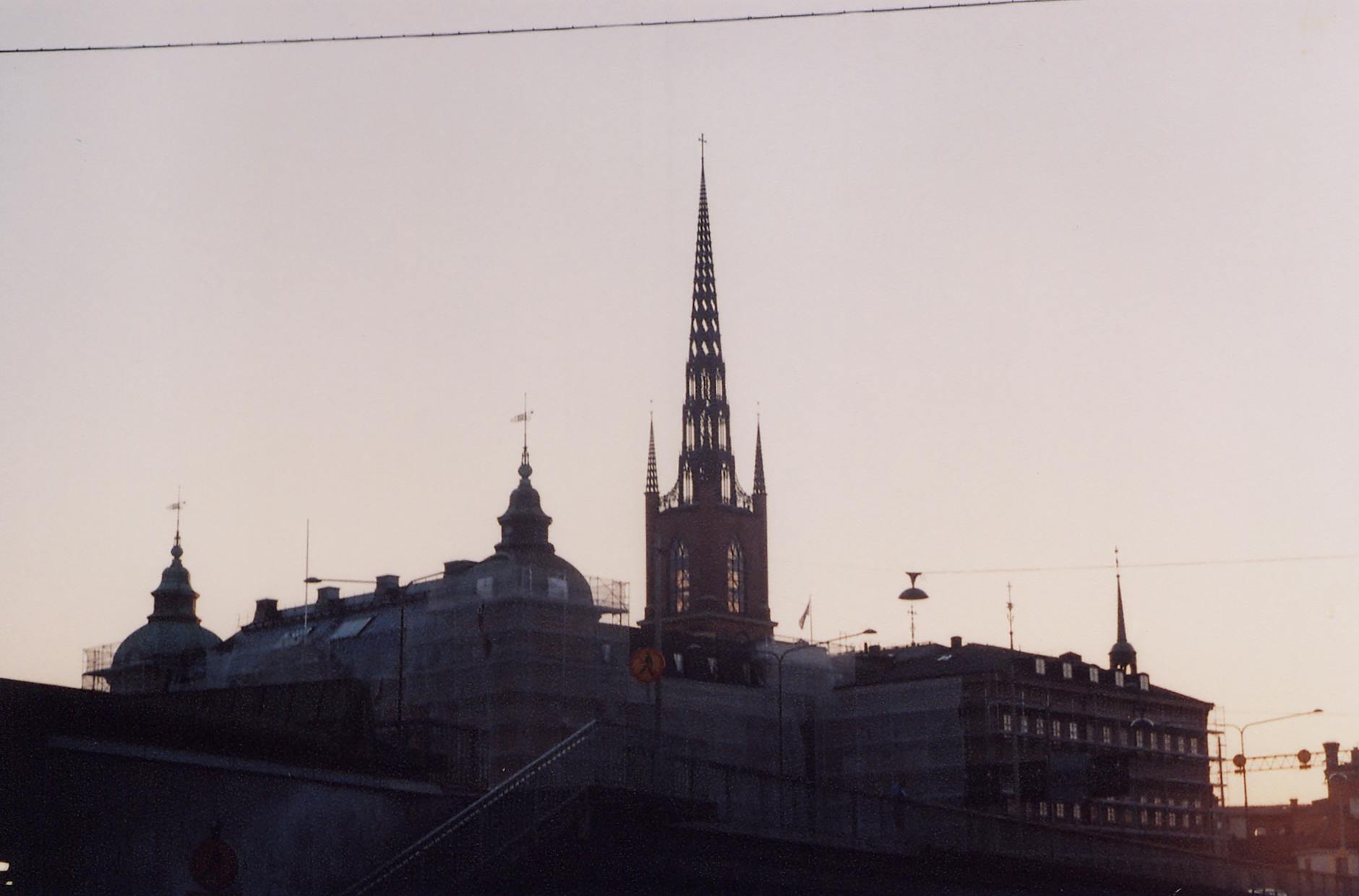
Religious travel can mean worship, heritage, remembrance, architecture, family history, personal reflection, or a mix of these. The traveler should name the purpose before choosing churches, walks, services, museums, or meals.
A clear purpose keeps the itinerary from becoming ordinary sightseeing.
- Separate must-visit sacred sites from optional heritage or architecture stops.
- Decide whether the priority is worship, prayer, reflection, history, music, or family connection.
- Leave quiet time around the most meaningful stop instead of crowding it with nearby attractions.
Check services, opening hours, and access
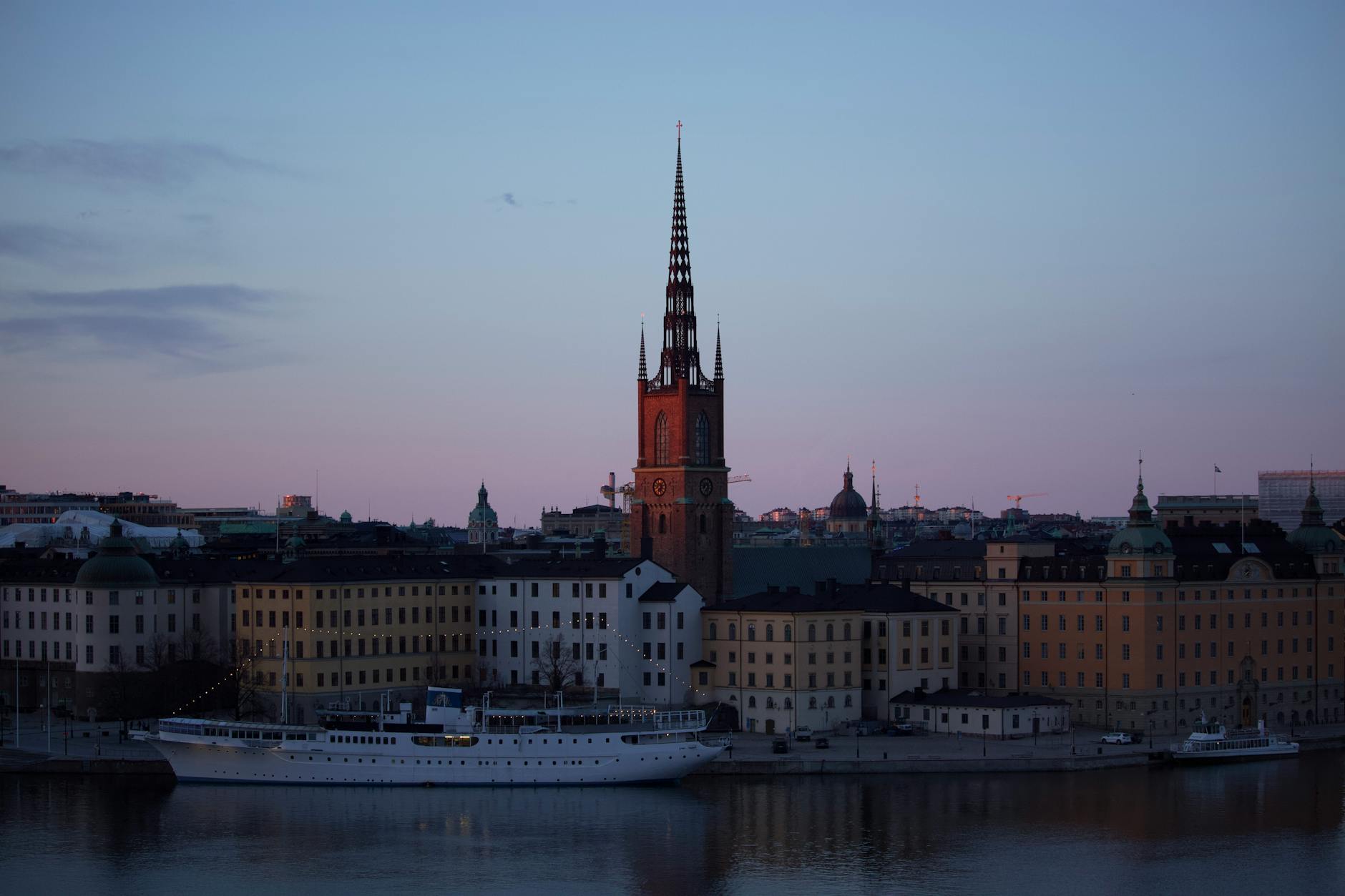
Historic churches and sacred spaces do not operate like standard attractions. Service times, concerts, closures, private events, restoration work, photography limits, and accessibility details should be checked before the traveler builds the day around a stop.
The important visit needs verified timing.
- Confirm worship times, visitor hours, holiday schedules, concerts, and private event closures.
- Check entrance access, seating, restrooms, steps, and nearby transit for each key site.
- Carry modest clothing layers if the traveler plans to attend services or visit formal sacred spaces.
Move respectfully through old streets
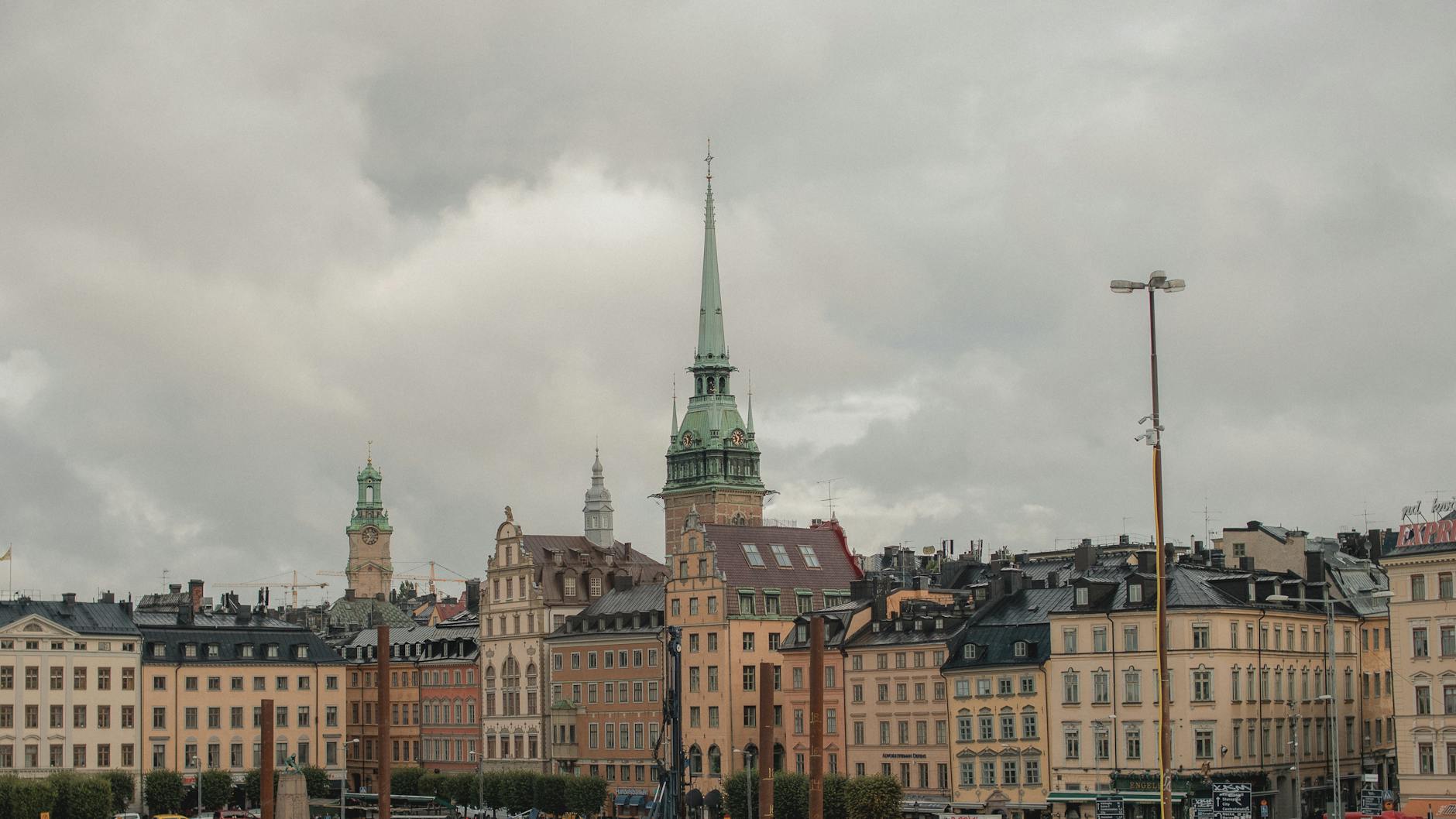
Many religious and heritage stops sit near old streets, cobblestones, narrow lanes, and crowded public squares. The traveler should route these areas with enough time to move slowly, pause, and avoid treating sacred or memorial places as rushed photo stops.
Respect shows up in pace as much as behavior.
- Plan short old-town routes with time for quiet entry, seating, and unhurried observation.
- Avoid peak crowd periods when the traveler wants reflection or prayer rather than noise.
- Be careful with photos, voices, phones, and group behavior inside worship or memorial spaces.
Build quiet time around waterfront heritage
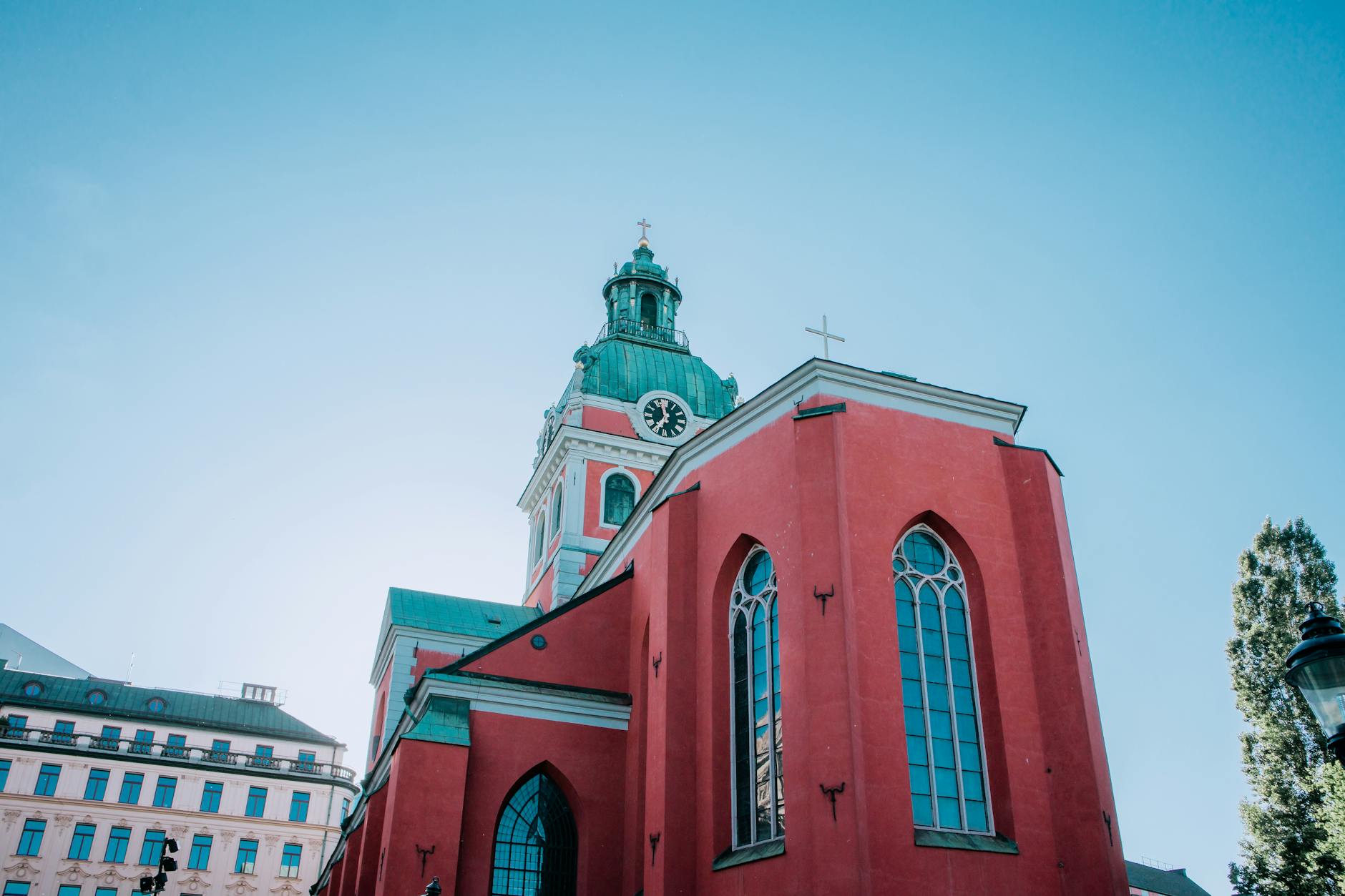
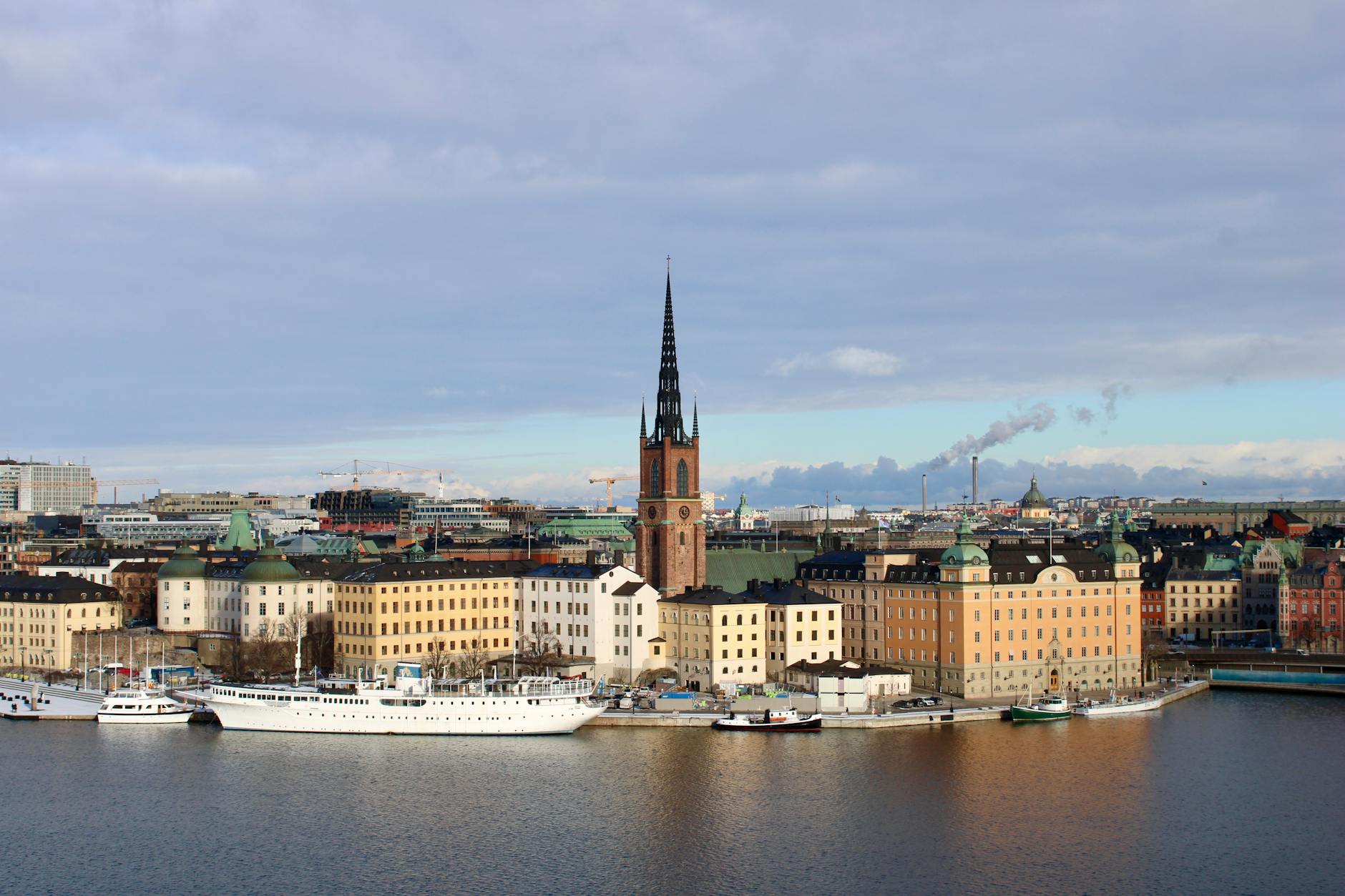
Stockholm's waterfront can support the reflective side of a pilgrimage trip. Short walks between churches, cemeteries, bridges, and old-city viewpoints can create space to process the visit without turning the day into a checklist.
The route should include silence as deliberately as stops.
- Use waterfront paths, bridges, benches, and church views as reflective pauses.
- Keep one slower route near Riddarholmen, Gamla Stan, or another meaningful area.
- Avoid long detours that turn quiet time into fatigue.
Prepare for weather, clothing, and fatigue
A short religious trip can involve standing, slow walking, steps, cold stone interiors, wet cobblestones, and outdoor pauses. Clothing, footwear, layers, water, medication, and rest need to be planned with the same care as the sacred sites.
Comfort protects attention.
- Wear shoes that work for cobblestones, church floors, waterfront paths, and wet weather.
- Carry layers for cold interiors, wind near the water, and seasonal daylight changes.
- Plan a cafe or hotel pause after the most meaningful visit if the traveler may be emotionally or physically tired.
Keep meals and lodging simple
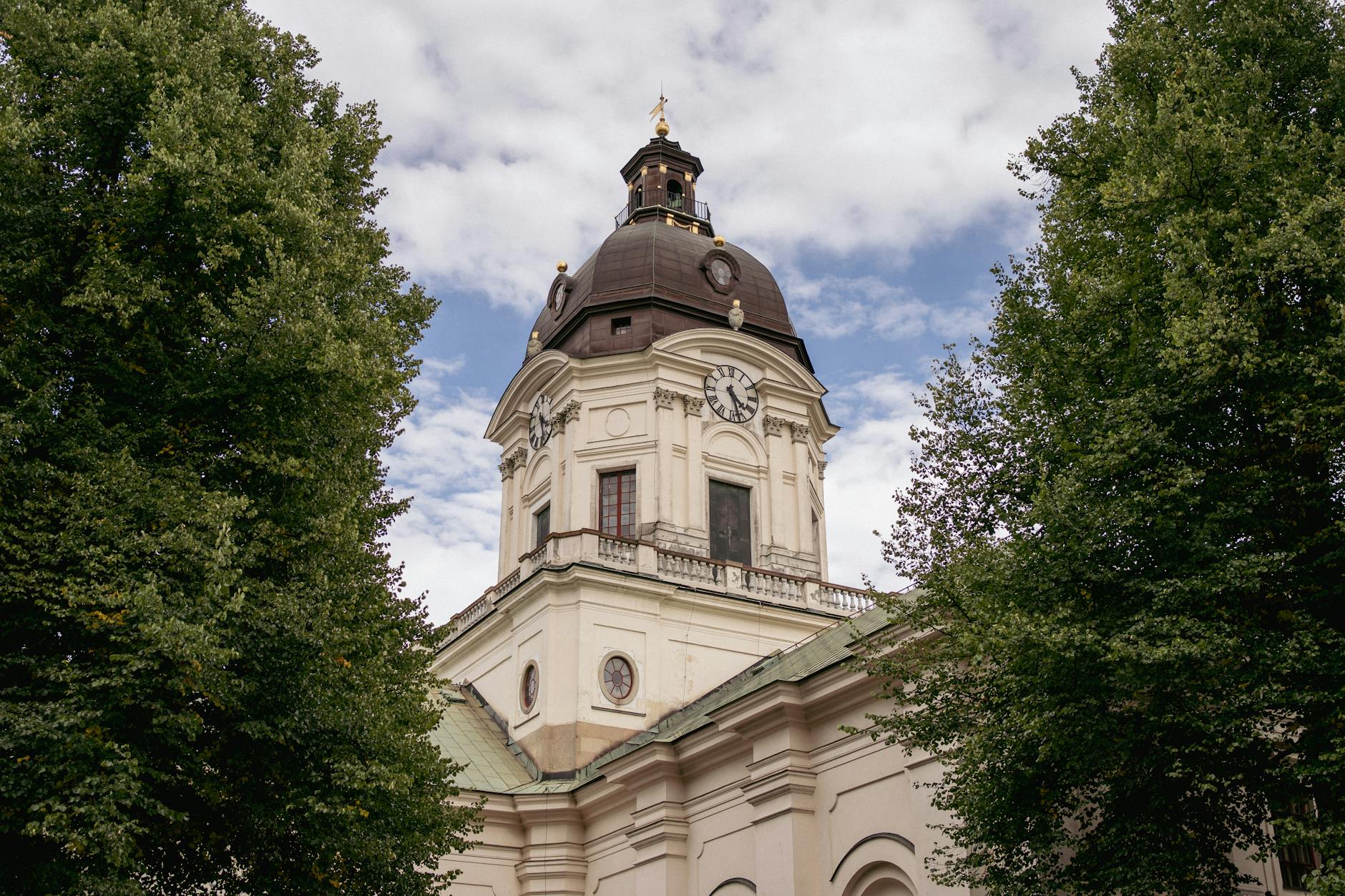
A pilgrimage-focused trip often works best when meals and lodging do not compete with the purpose of the visit. The traveler should choose a practical hotel, simple meal options, and routes that make early services or quiet evenings easy.
Support logistics should stay calm.
- Choose lodging near the main sacred or heritage stops when early or evening visits matter.
- Identify simple meals near the route instead of relying on last-minute choices while tired.
- Account for dietary needs, fasting practices, alcohol preferences, and Sabbath or holiday routines when relevant.
When to order a short-term travel report
A religious or pilgrimage traveler with one familiar site and flexible timing may not need a custom report. A report becomes useful when service times, heritage goals, access needs, lodging, weather, or quiet reflection time must fit into a short stay.
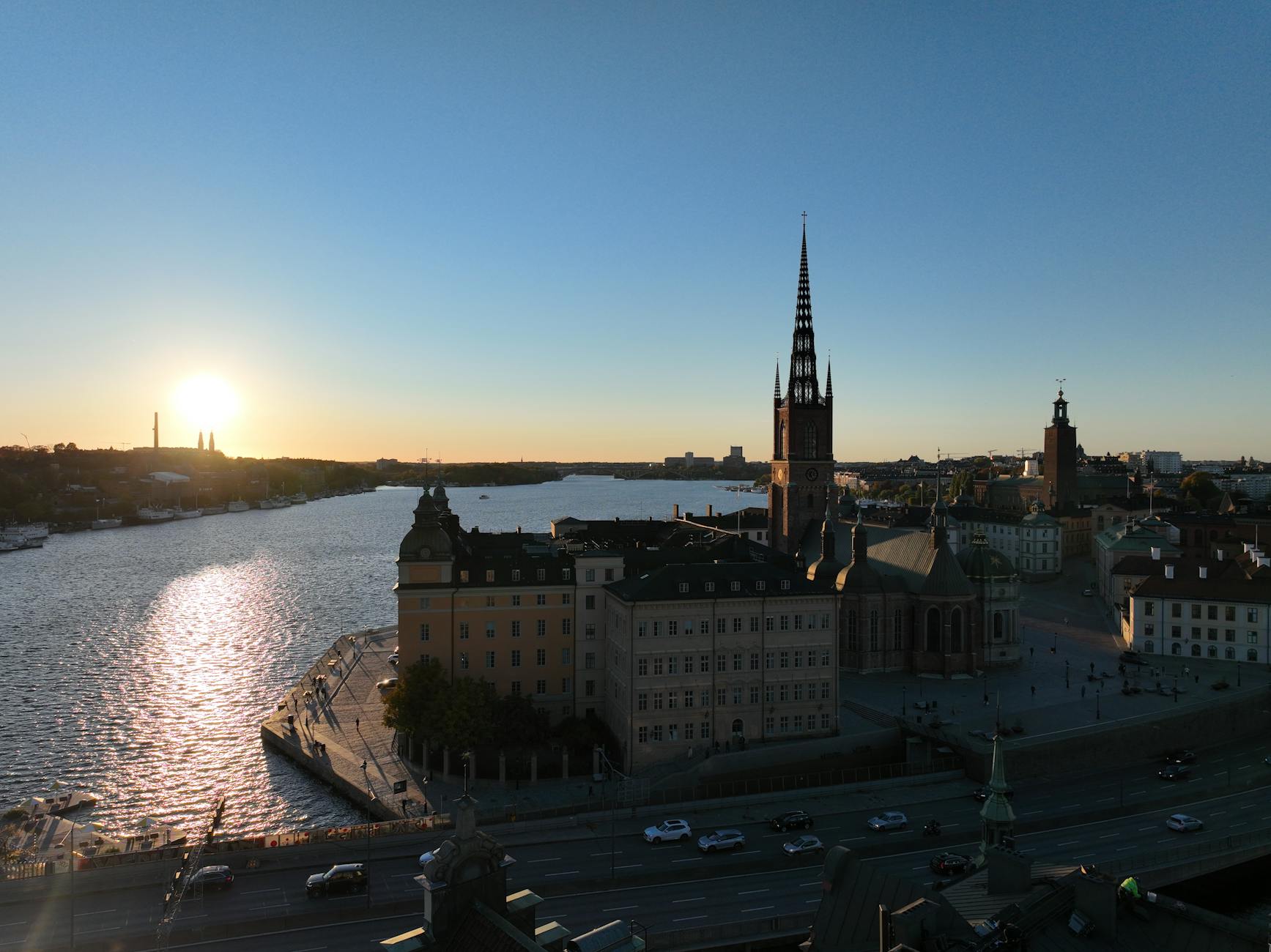
The report should test sacred-site hours, worship times, access, old-town surfaces, walking routes, lodging geography, meal needs, weather, quiet pauses, cultural etiquette, and departure buffers. The value is a Stockholm religious trip where the logistics support the purpose instead of pulling attention away from it.
- Order when worship times, sacred sites, heritage stops, lodging, access, weather, meals, or quiet time need coordination.
- Provide dates, faith or heritage priorities, mobility needs, lodging options, service interests, dietary needs, and arrival details.
- Use the report to make the Stockholm pilgrimage stay respectful, realistic, and centered on the reason for travel.