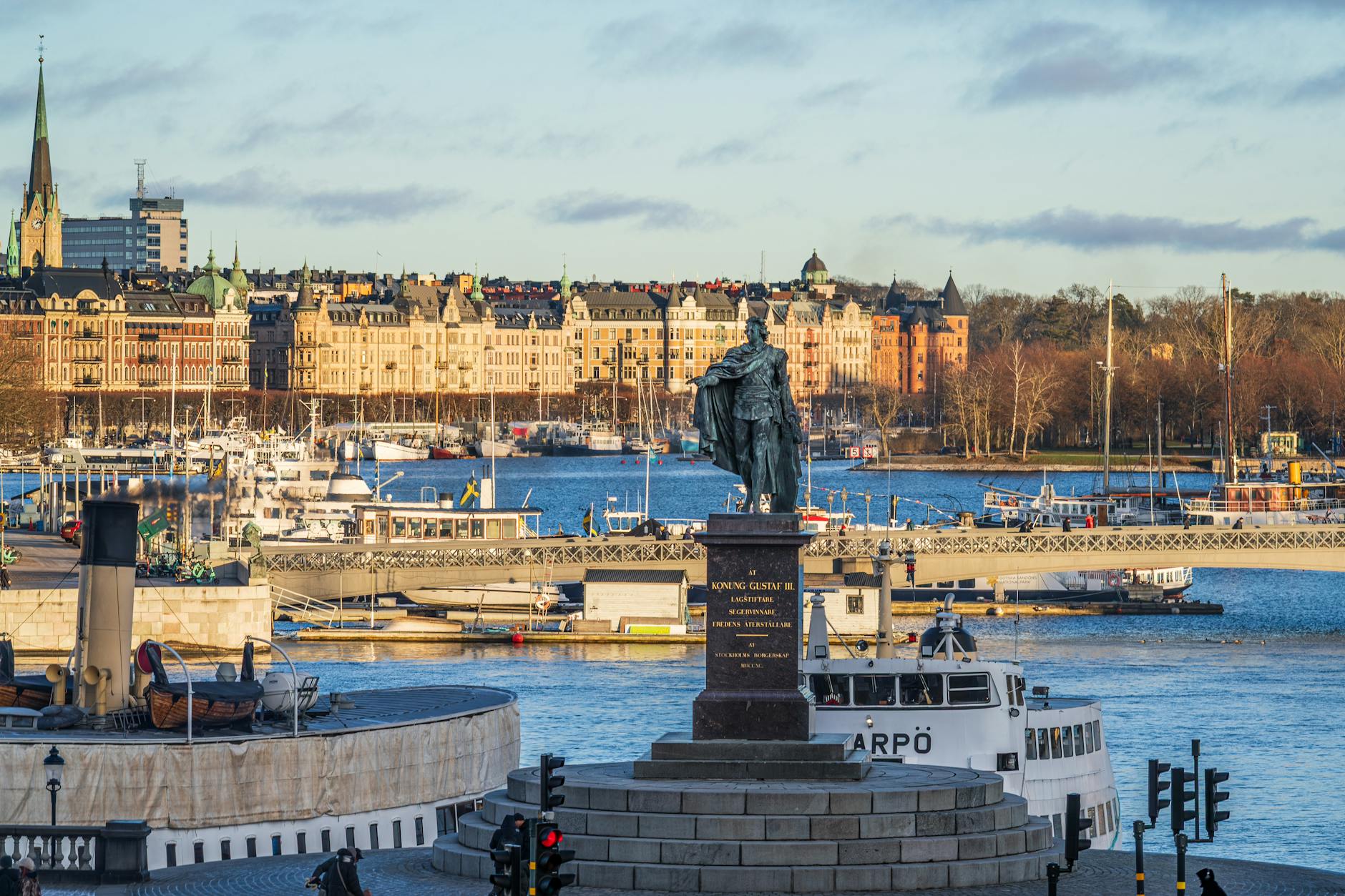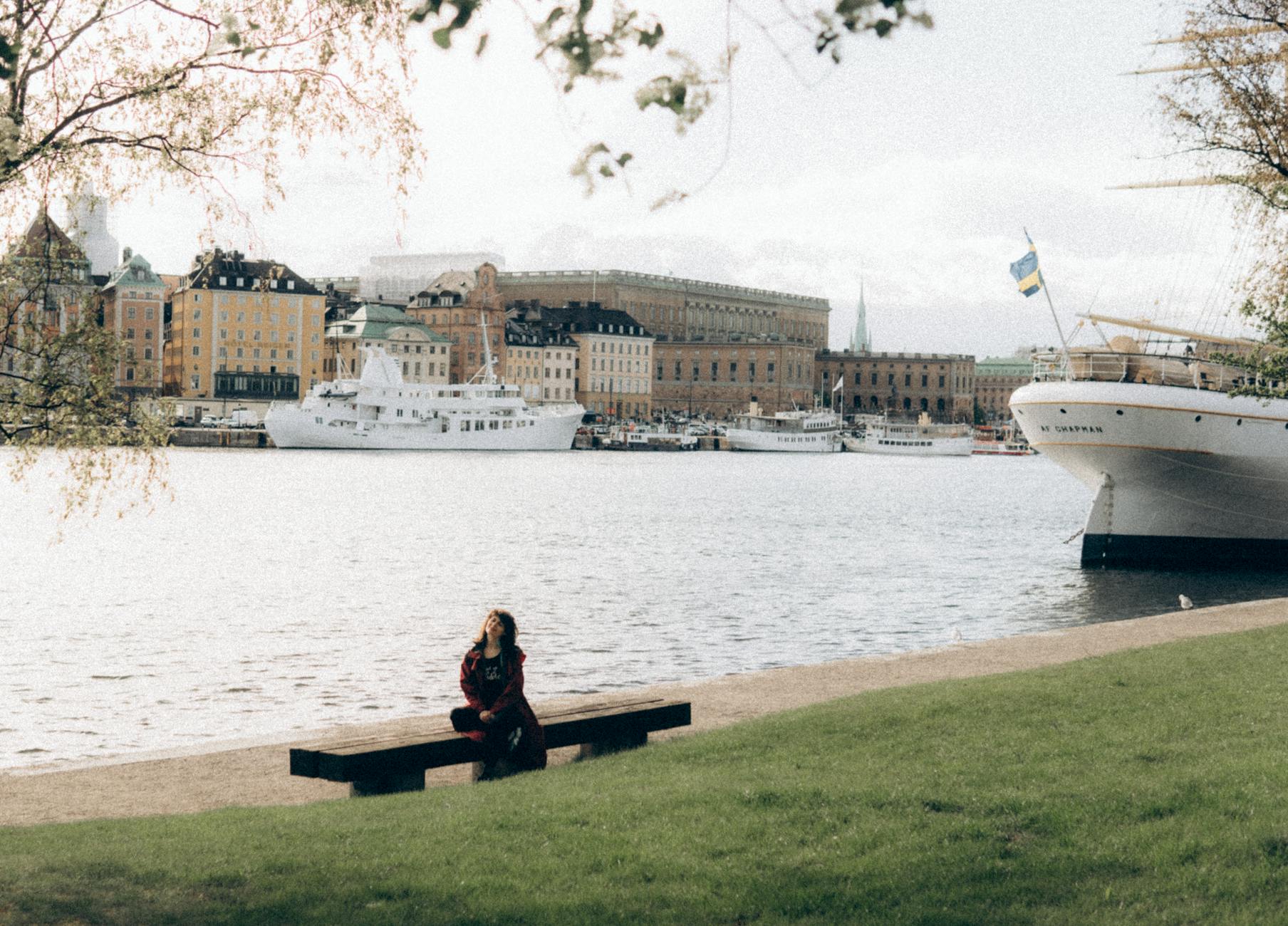
Stockholm can work very well for an older traveler when the trip is planned around comfort, access, and pacing. Hotel elevators, arrival transfer, walking surfaces, transit, benches, museums, waterfront wind, meals, medication, weather, and departure timing all shape whether the city feels graceful or tiring.
Define comfort and access needs
Older travelers vary widely, so the plan should start with real needs rather than assumptions. Walking tolerance, stairs, cobblestones, luggage, medication timing, hearing, vision, dietary needs, and rest breaks should shape the route.
Specific needs make the city easier.
- List walking limits, stairs, seating needs, medical routines, meal timing, and luggage constraints.
- Confirm whether the traveler prefers taxis, transit, short walks, or guided support.
- Avoid routes that are technically possible but likely to drain the day.
Choose lodging for elevators and returns
The hotel should reduce daily friction. Elevator access, room quiet, bathroom setup, breakfast timing, taxi pickup, nearby meals, and a simple return from the waterfront or old town can matter more than a stylish address.
The base should conserve energy.
- Ask about elevators, entrance steps, room location, shower setup, bed height, breakfast, and taxi access.
- Choose lodging near the main route rather than far from the places the traveler will actually use.
- Avoid a hotel where every outing ends with a difficult final walk.

Use transit and taxis selectively
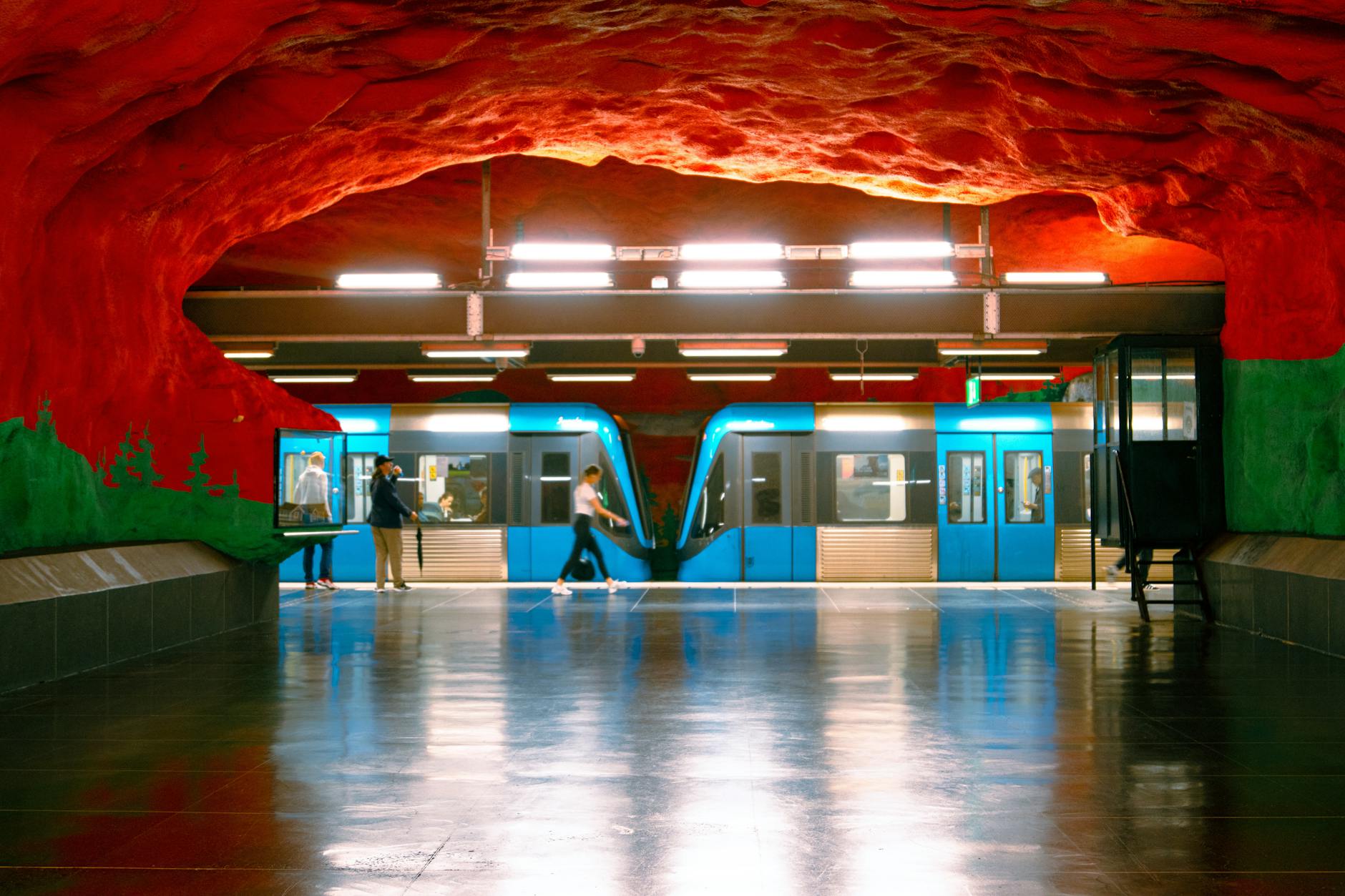
Stockholm transit can be useful, but stations, escalators, platforms, crowds, and transfers may affect comfort. Older travelers should use transit where it simplifies the day and taxis where they protect energy.
Transport should serve pacing.
- Check station access, escalators, walking distance, ticketing, and transfer complexity.
- Use taxis for weather, luggage, late returns, or routes with awkward transfers.
- Keep hotel address, payment method, and return route available offline.

Build shorter waterfront routes
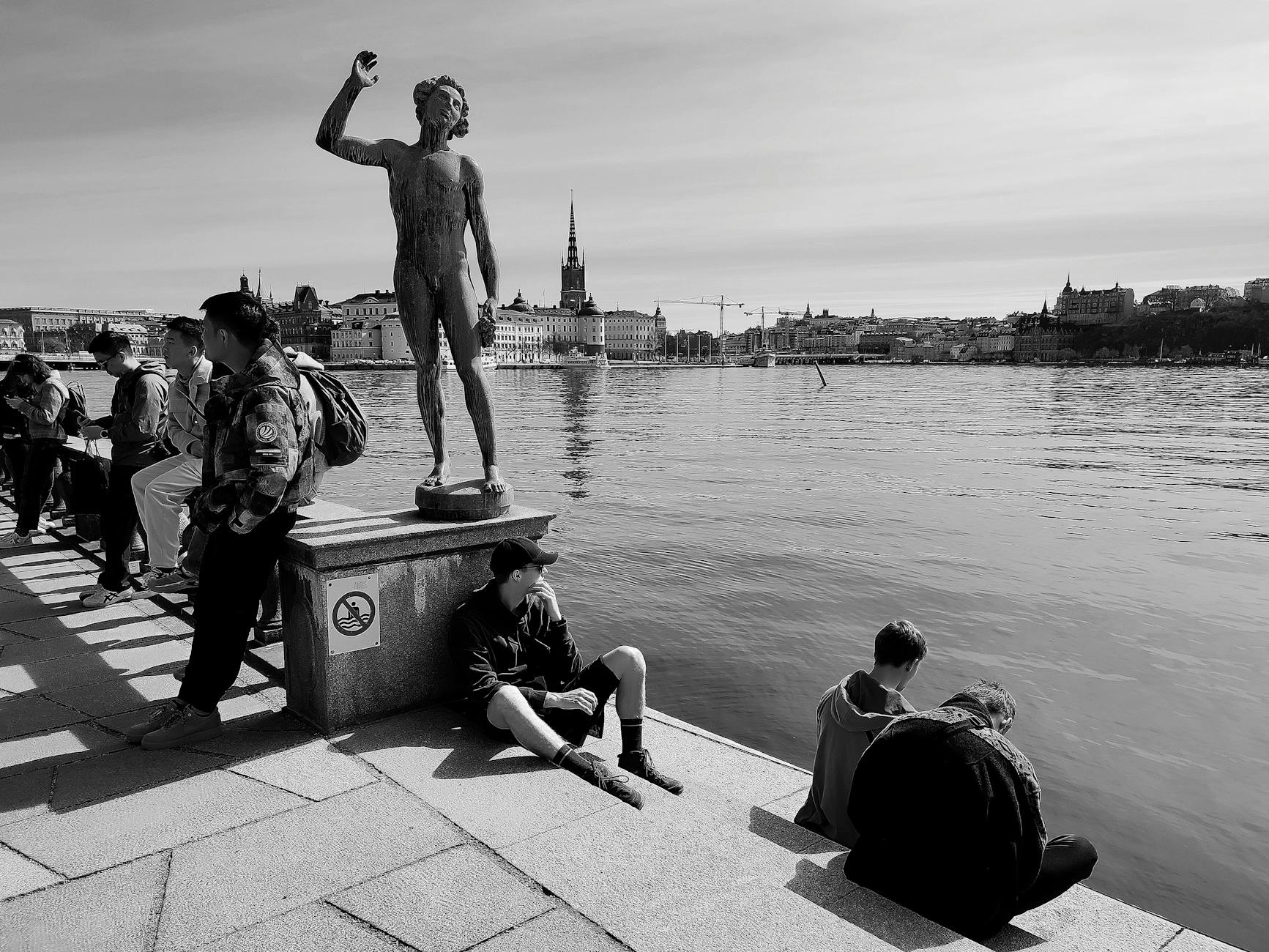
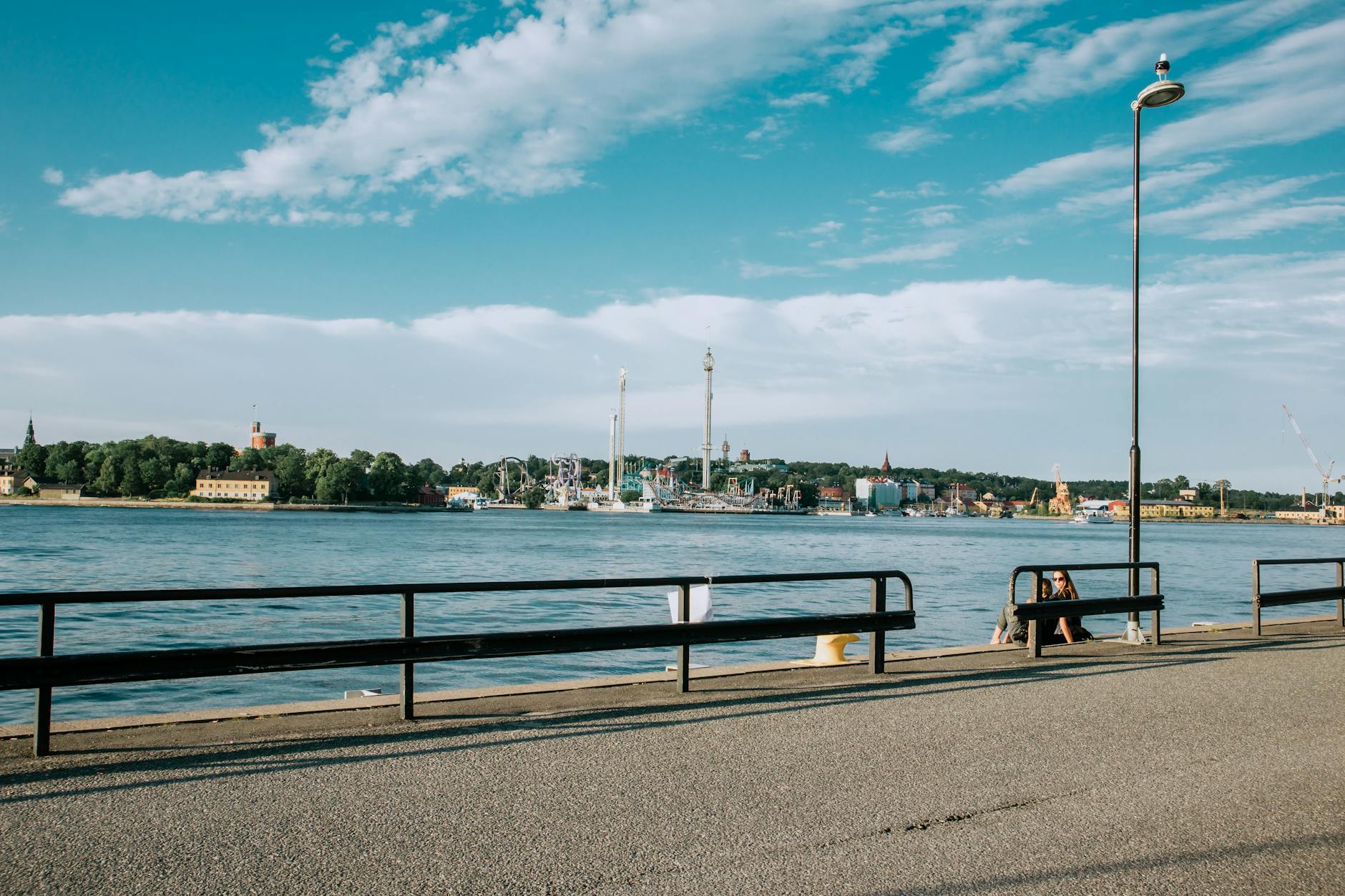
Stockholm's water is one of its strengths, but waterfront wind, bridge crossings, uneven surfaces, and long distances can make a scenic route more tiring than it looks. Shorter routes with seating and indoor pauses usually work better.
Scenery should be easy to enjoy.
- Choose one waterfront route with benches, cafes, restrooms, and a clear return option.
- Avoid combining too many islands or museums in one walking day.
- Use ferries or taxis when they reduce effort rather than adding complexity.
Place museums, meals, and rest first
Museums, cafes, lunches, and warm indoor stops should be part of the structure, not afterthoughts. Older travelers often enjoy Stockholm more when the day alternates between views, interiors, meals, and rest.
Rest is itinerary design.
- Choose one major museum or interior anchor per day when time is short.
- Reserve meals when seating, timing, dietary needs, or quiet conversation matters.
- Place restrooms, benches, cafes, and indoor pauses before the traveler needs them.

Respect weather and medical routines
Cold, rain, snow, waterfront wind, and winter darkness can affect stamina and safety. Medication, hydration, footwear, layers, and a slower morning or earlier return may be the difference between a good day and an exhausting one.
Comfort needs planning.
- Pack medication, documentation, layers, rain protection, comfortable shoes, and backup glasses or hearing supplies if needed.
- Check weather before committing to waterfront or bridge-heavy routes.
- Keep a taxi or hotel-return option available if fatigue arrives early.
When to order a short-term travel report
An older traveler with a central hotel and simple plans may not need a custom report. A report becomes useful when hotel access is uncertain, walking tolerance matters, weather could change routes, museum choices need prioritizing, or the traveler wants Stockholm's beauty without overextending.
The report should test hotel access, arrival transfer, walking surfaces, transit complexity, taxi options, waterfront routes, museum timing, meal stops, rest breaks, medical routines, weather contingencies, and departure buffers. The value is a Stockholm stay that keeps comfort visible while still making the city feel rich.
- Order when hotel access, transfers, walking, transit, museums, meals, rest breaks, weather, medical routines, or departure timing need exact planning.
- Provide dates, hotel candidates, walking tolerance, mobility needs, medical constraints, meal needs, budget, and arrival details.
- Use the report to keep the Stockholm older-traveler stay comfortable, paced, and rewarding.