Decide what nightlife means
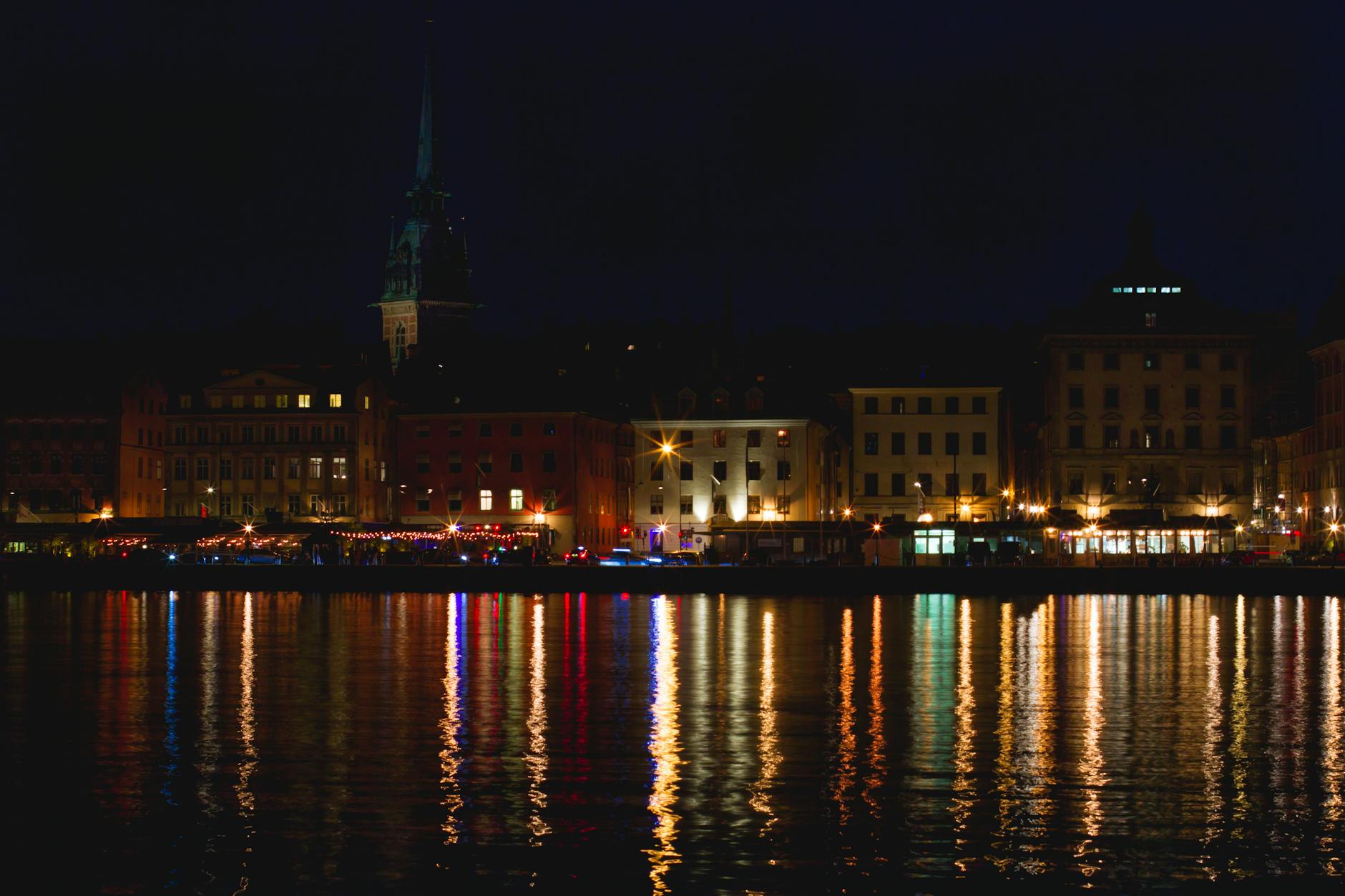
Nightlife can mean cocktail bars, clubs, live music, late dinners, waterfront walks, LGBTQ-friendly venues, design-forward hotel bars, or simply seeing the city lit up after dark. The traveler should choose the version of nightlife that matches the trip.
A clear nightlife goal avoids wasted late-night wandering.
- Separate dinner, drinks, dancing, concerts, late cafes, and night views before choosing venues.
- Check opening nights, dress expectations, age rules, cover charges, and booking requirements.
- Plan one primary evening area instead of trying to cross the city repeatedly after dark.
Choose lodging for late returns
A nightlife-focused hotel should make it easy to come back safely and rest well. The traveler should compare venue geography, late transit, taxi availability, walking routes, noise, breakfast hours, and checkout timing before booking.
The room matters most after midnight.
- Choose lodging near the main nightlife area or a reliable late-night route back.
- Check whether nearby streets feel comfortable after dark and whether taxis can stop close to the entrance.
- Consider noise, blackout curtains, breakfast timing, and late checkout when possible.
Plan reservations and evening timing
A strong Stockholm night often starts earlier than the traveler expects, especially when dinner, a show, a bar, or a club all need timing. Reservations, ticket windows, transit gaps, coat checks, and queues should be planned as part of the evening.
The night should have a sequence.
- Confirm restaurant bookings, concert times, bar hours, club entry windows, and ticket rules.
- Leave room between dinner and the next venue so one delay does not collapse the night.
- Keep a nearby backup bar or late meal option for weather, queues, or changed mood.
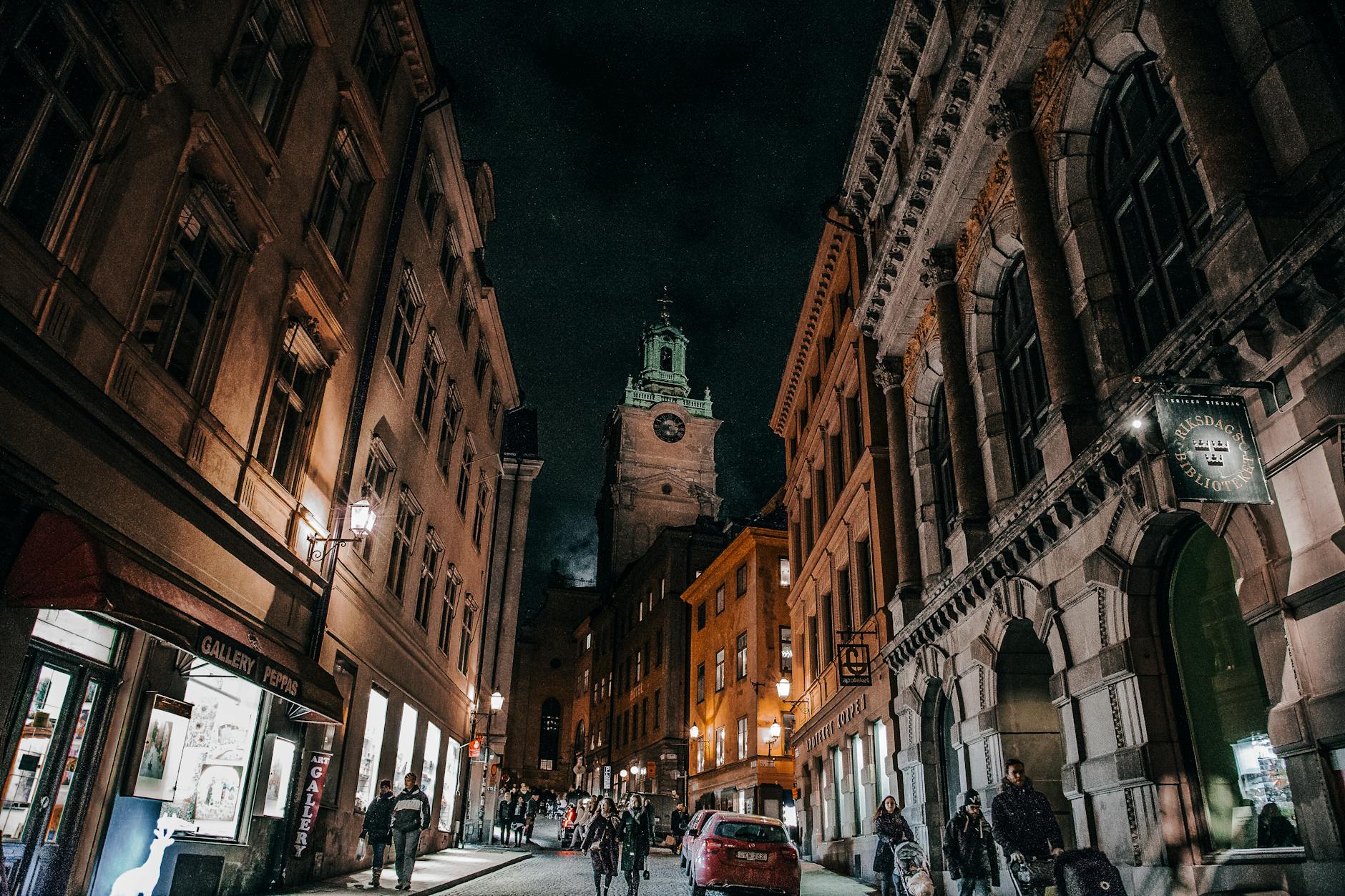
Move safely between islands and venues
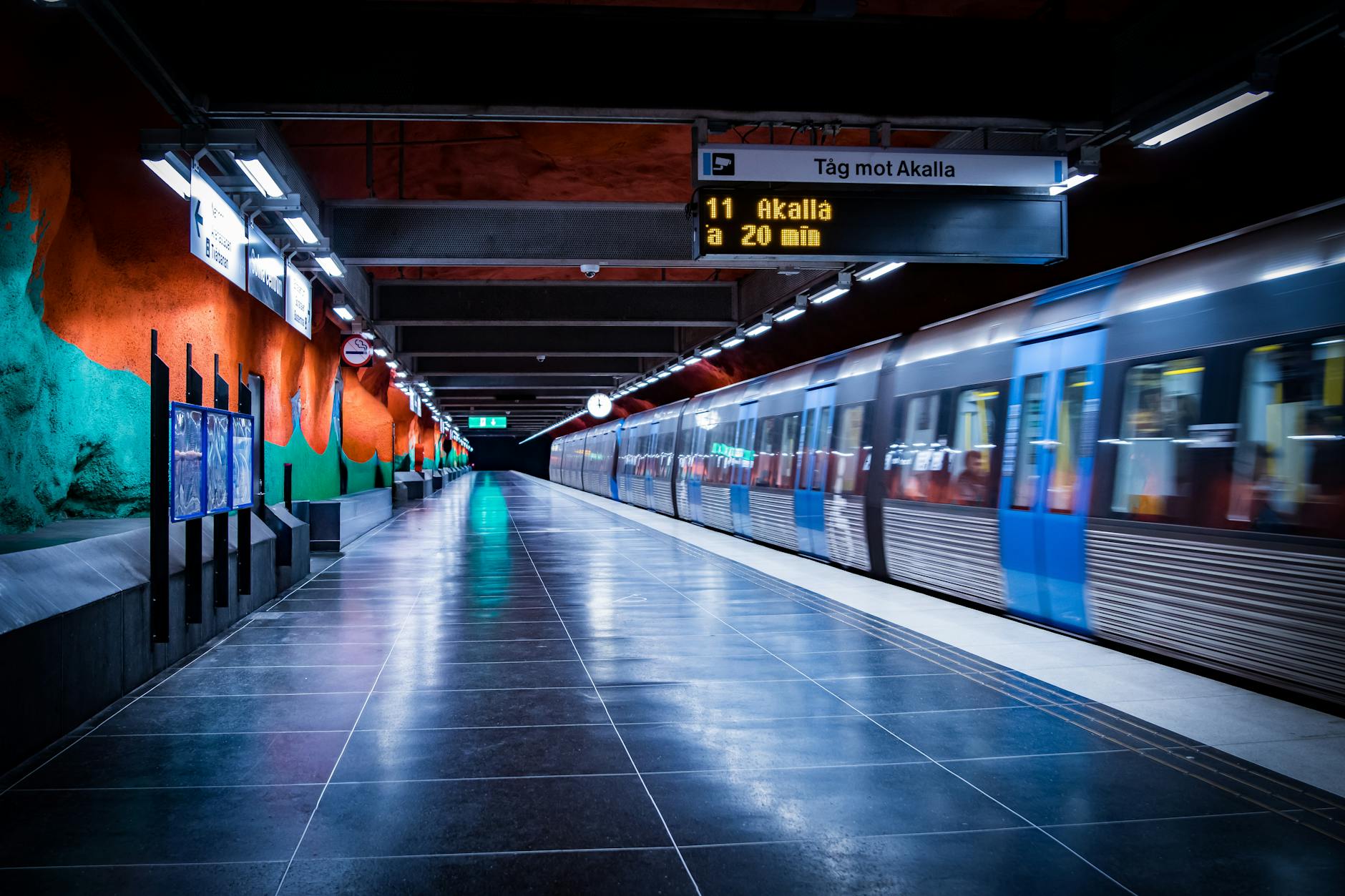
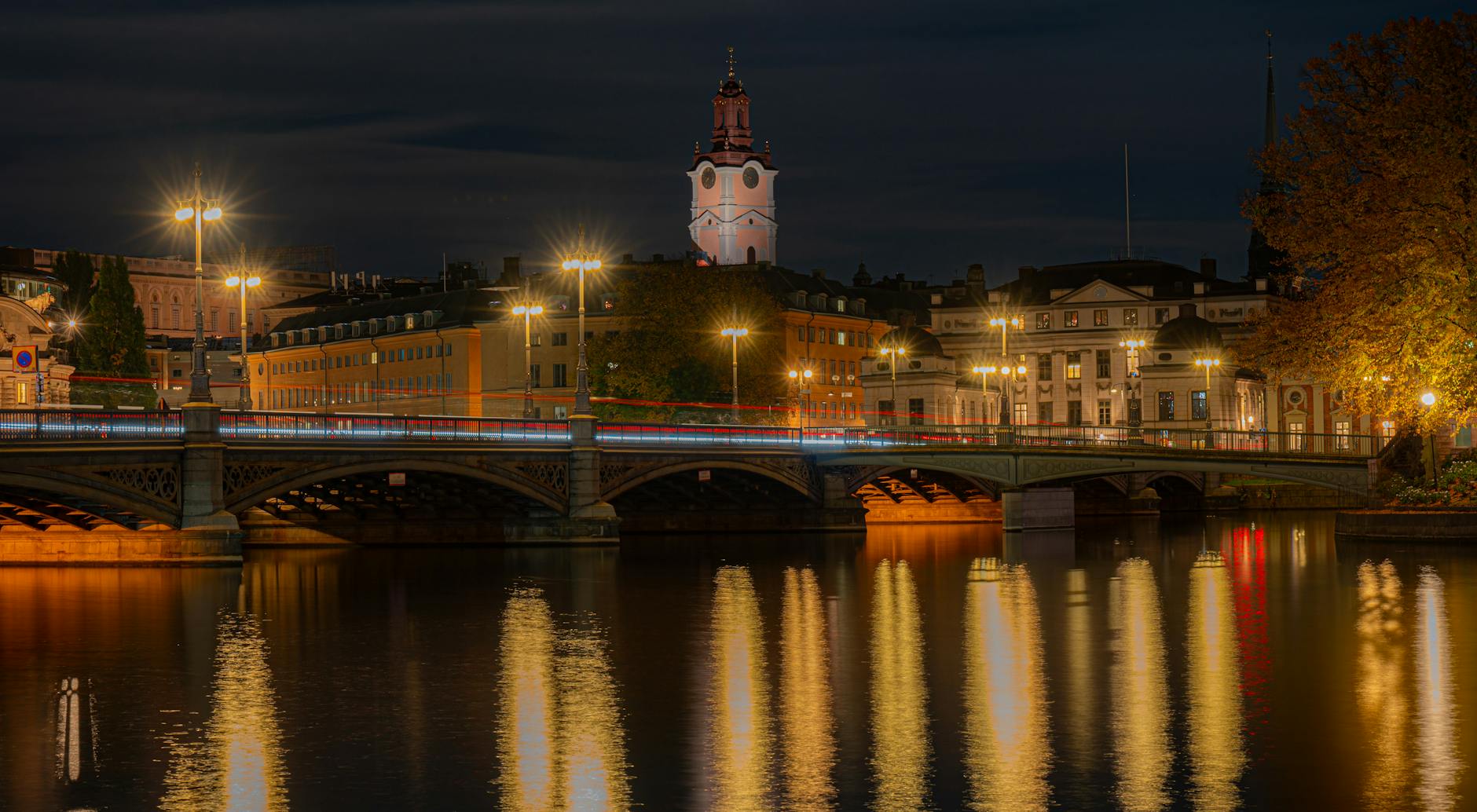
Stockholm nightlife can involve bridges, waterfronts, metro rides, taxis, and walks between districts. The traveler should know how to get from dinner to drinks and from the final venue back to lodging before the night starts.
Late movement should be simple.
- Map the route from each venue to the next and back to the hotel before going out.
- Keep phone power, offline maps, hotel address, and a taxi option available.
- Avoid long isolated walks or complicated transfers when tired, cold, or after drinking.
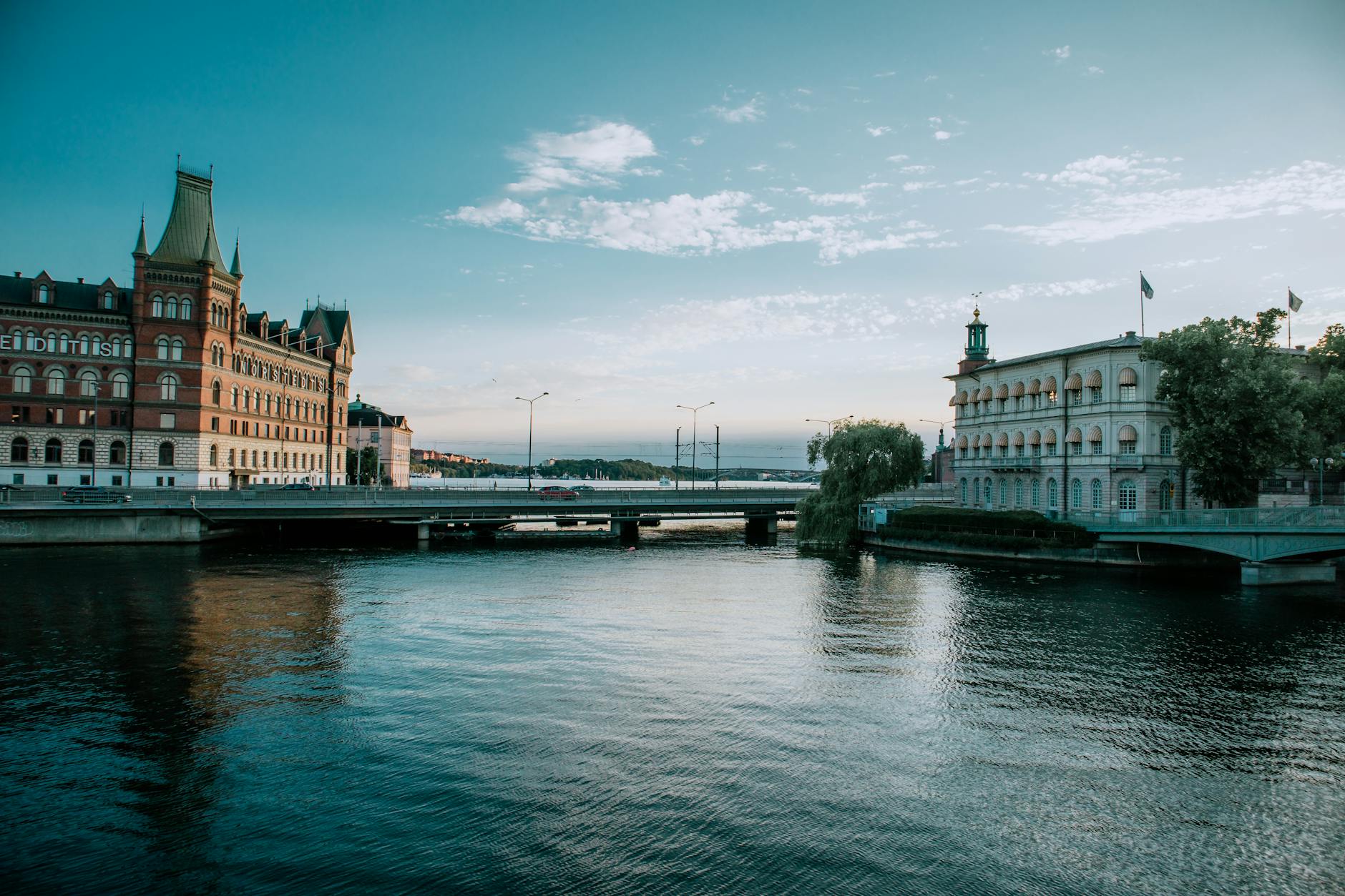
Balance alcohol, weather, and the next day
Cold weather, long walks, late meals, alcohol, and early plans can combine badly. A nightlife-focused traveler should plan hydration, food, layers, medication needs, and next-day commitments with enough honesty to avoid losing the following morning.
The best night does not ruin the next day.
- Eat before long drinking windows and keep water, warm layers, and phone power in the plan.
- Avoid scheduling early paid sights, meetings, or departures after the biggest night out.
- Use a slower next morning for sleep, coffee, waterfront air, and a realistic reset.
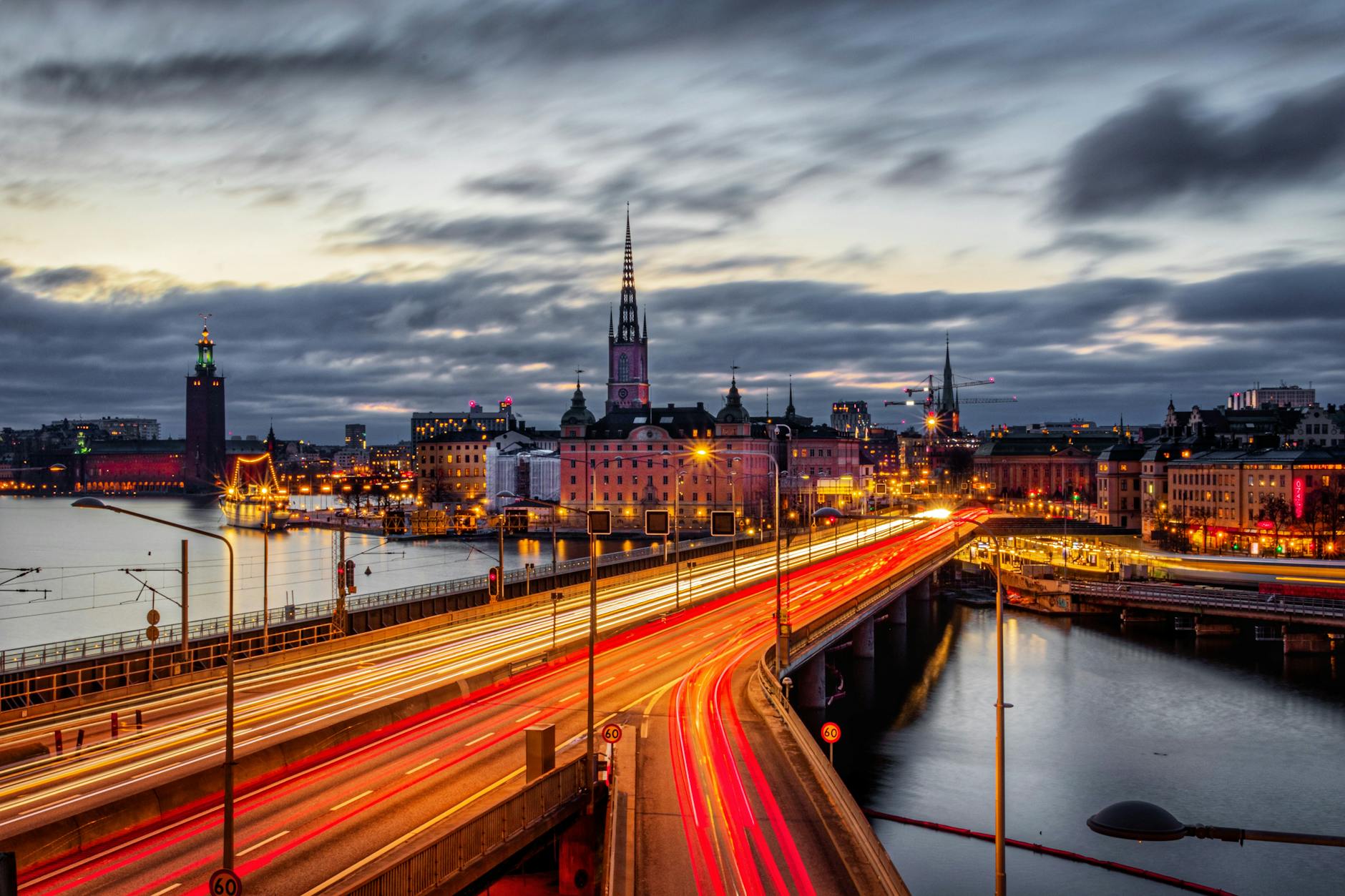
Use late transit and taxis deliberately
Public transport can be useful at night, but the traveler should know service frequency, station access, final connections, and when a taxi is the better choice. A plan that works at 8 p.m. may not work the same way much later.
Late transport should be checked by time, not just by map.
- Check late-night transit frequency, station entrances, walking distance, and final connections.
- Use taxis when weather, fatigue, venue location, or safety makes transit inefficient.
- Keep payment methods, hotel address, and backup directions ready before leaving the final venue.
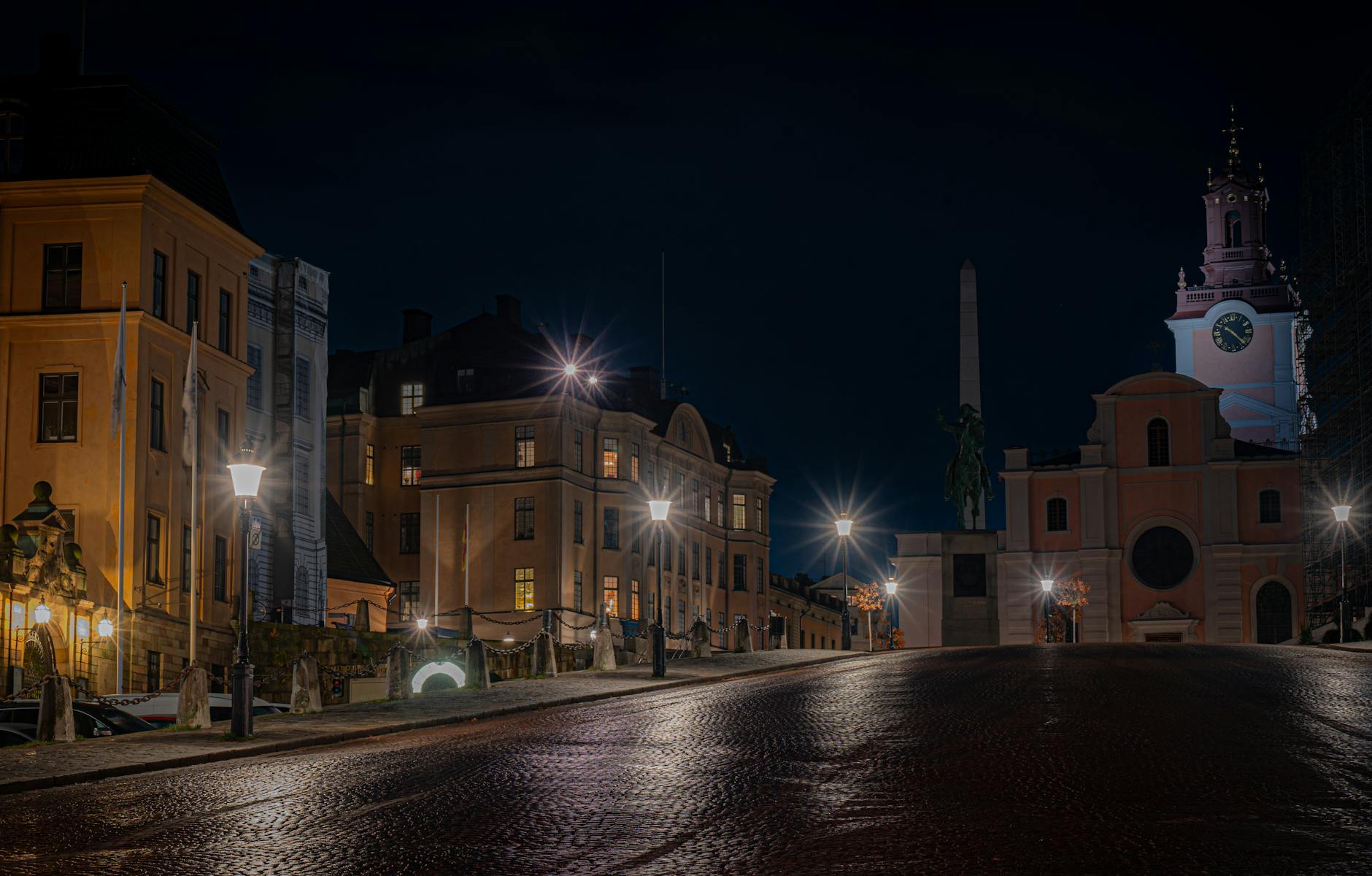
When to order a short-term travel report
A nightlife-focused traveler with one familiar venue may not need a custom report. A report becomes useful when the trip depends on reservations, late transport, several districts, special-interest venues, safety concerns, weather, or a departure that follows a late night.
The report should test venue geography, lodging, late transit, taxi fallbacks, reservation timing, dress and entry rules, weather, meal sequencing, safety habits, recovery windows, and departure buffers. The value is a Stockholm nightlife trip that feels lively without becoming logistically messy.
- Order when venues, reservations, lodging, late transport, taxis, weather, safety, recovery, or departure timing need coordination.
- Provide dates, nightlife style, lodging options, venue interests, budget, mobility needs, arrival details, and next-day obligations.
- Use the report to make the Stockholm nightlife stay efficient, safe, and easier to enjoy after dark.