Start with story geography
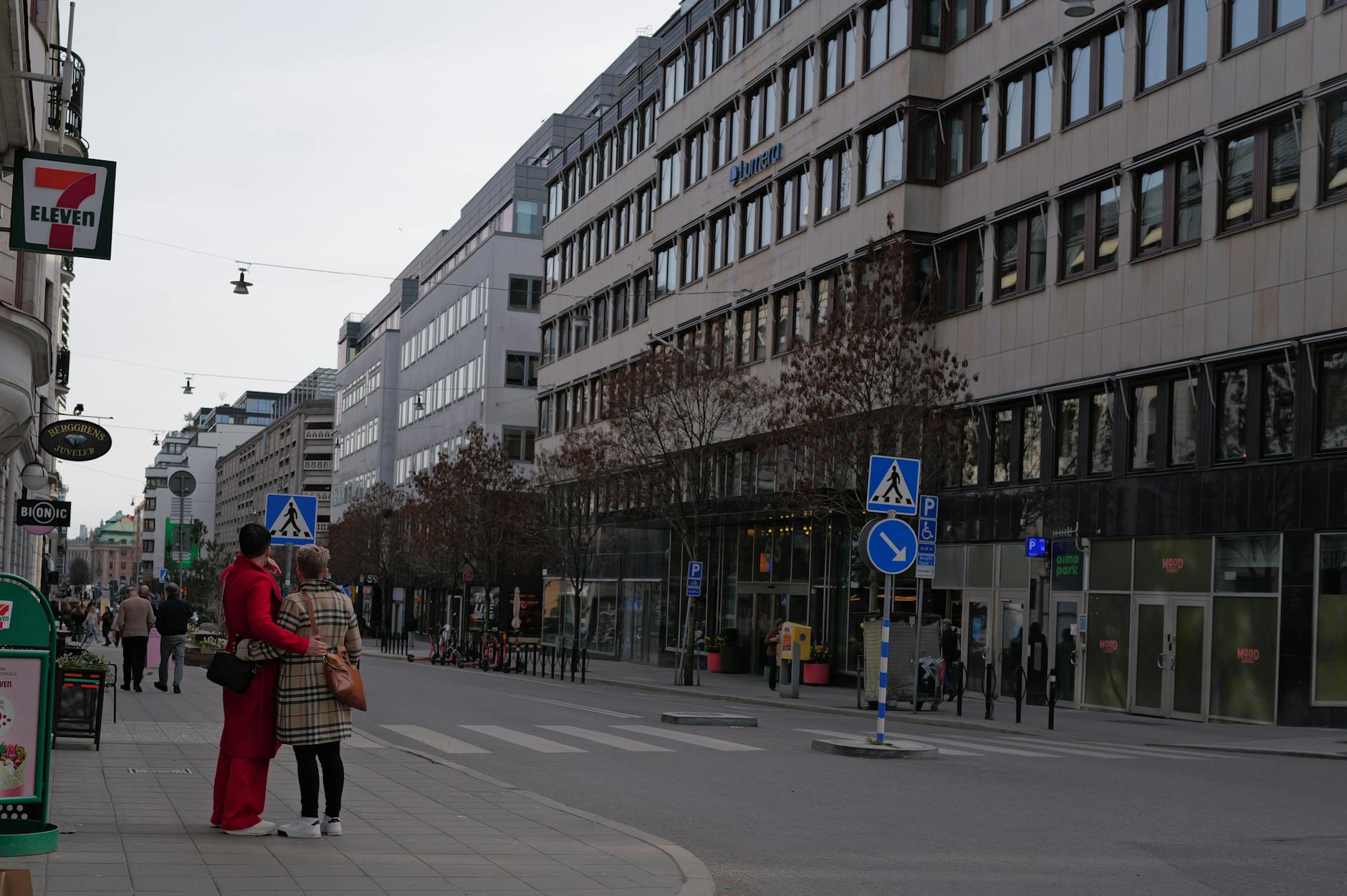
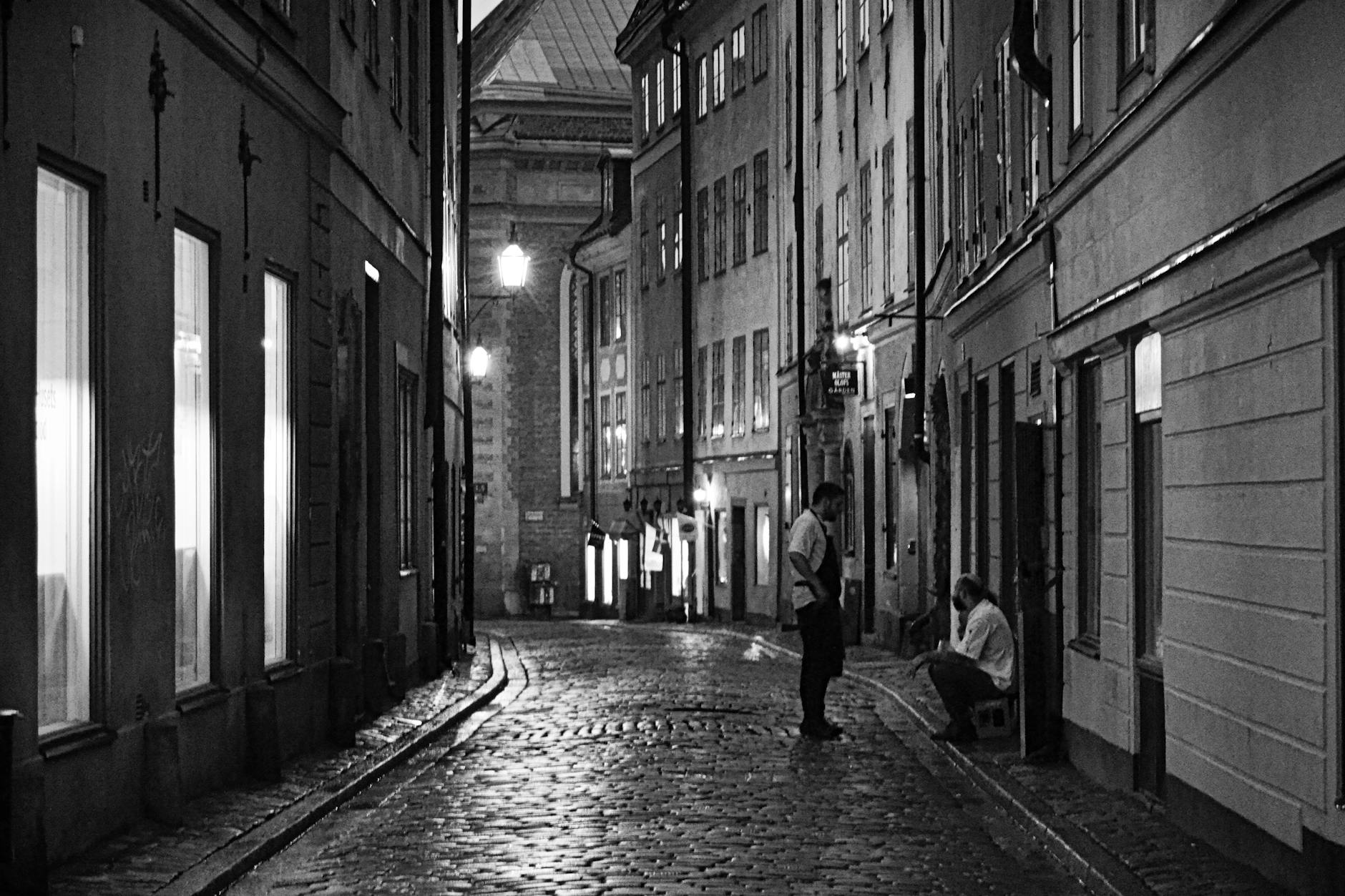
The journalist should map interviews, press events, background meetings, filming locations, public records stops, and quiet workspaces before choosing lodging or free time. Stockholm's water, islands, weather, and transit patterns can make a short distance take longer than expected.
The story should shape the route.
- Plot confirmed interviews, likely field locations, press offices, archives, and backup workspaces.
- Group reporting stops by neighborhood or transit line when the story allows.
- Keep one flexible block for a source who can only meet on short notice.
Confirm credentials and access
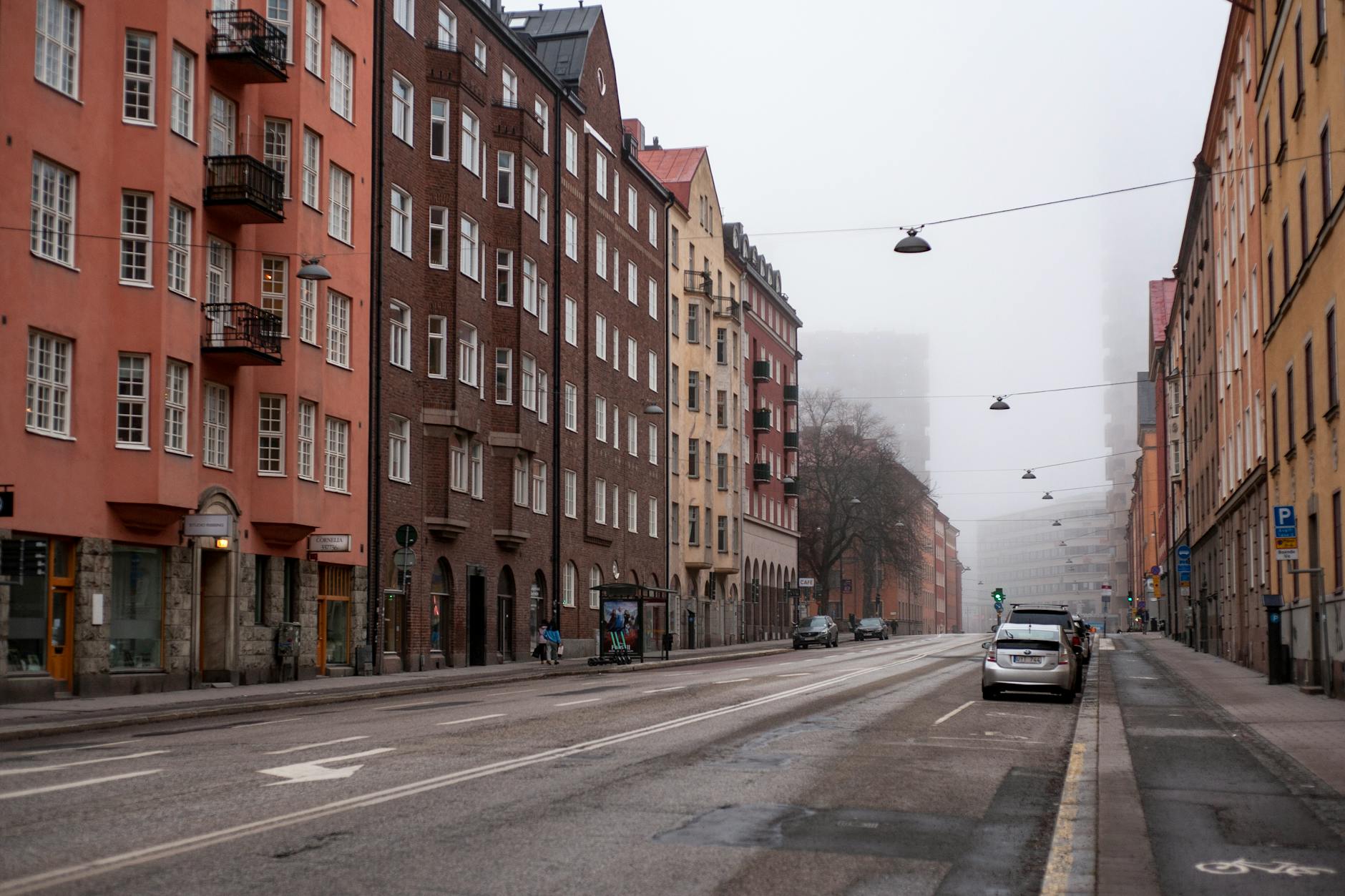
A short journalism trip can lose hours to access problems. Press credentials, event registration, embassy or institution procedures, source names, building security, and recording permissions should be handled before arrival where possible.
Access planning protects reporting time.
- Confirm credentials, registration, reception instructions, host contacts, and ID requirements.
- Ask about recording, photography, filming, security, and escort rules for each location.
- Carry digital and offline copies of assignments, passes, emails, and source confirmations.

Protect interview quality
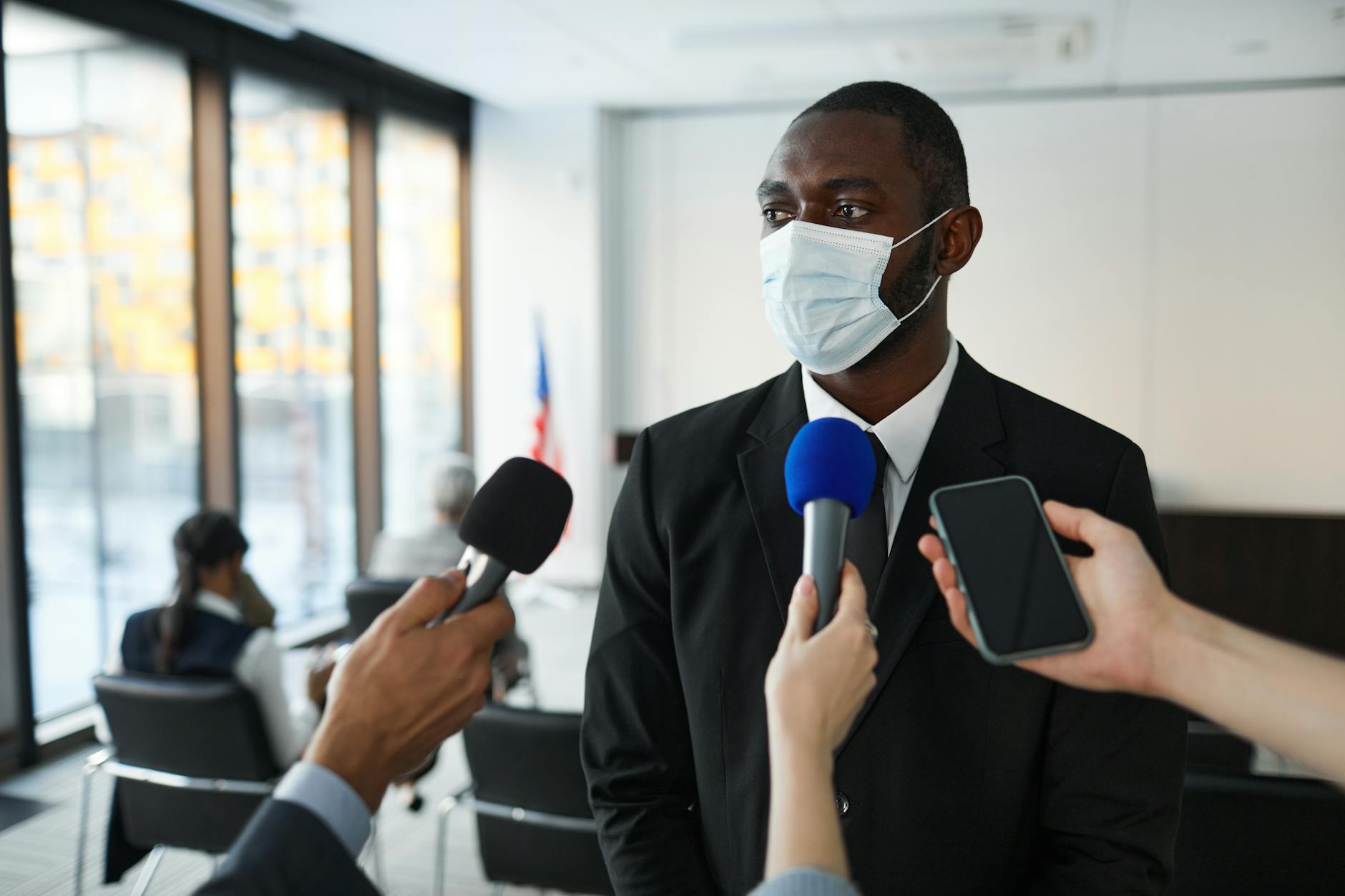
Interviews need the right setting, enough time, and reliable equipment. A journalist should think about noise, light, translation, consent, follow-up questions, source comfort, and whether a location supports audio, video, or note-taking.
The interview environment is part of the reporting.
- Choose interview locations with manageable noise, light, privacy, and transit access.
- Carry backup recorder, batteries, memory cards, charger, microphone, notebook, and headphones.
- Leave time after serious interviews to tag notes, save files, and identify missing questions.
Build routes around weather and light
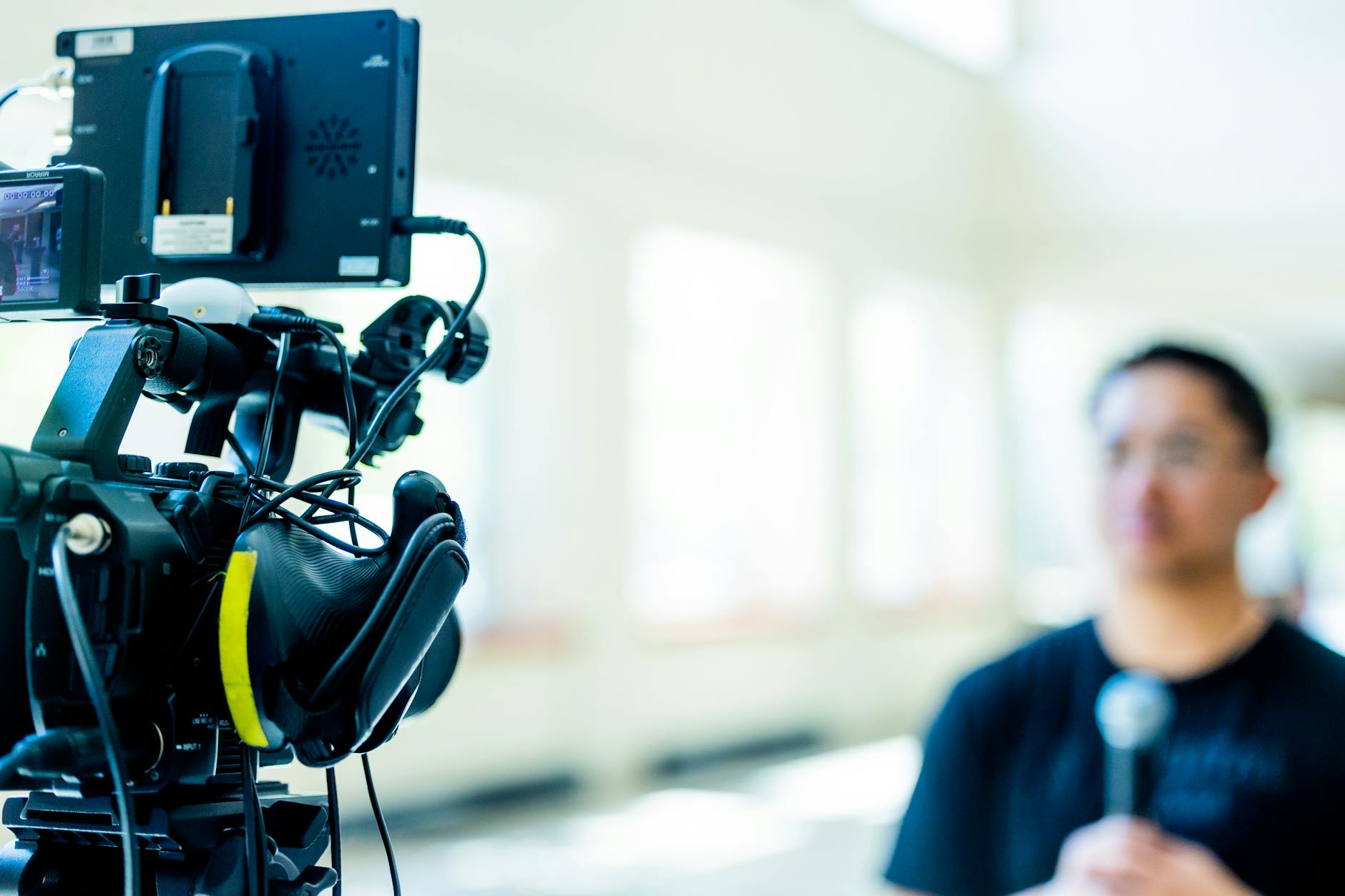
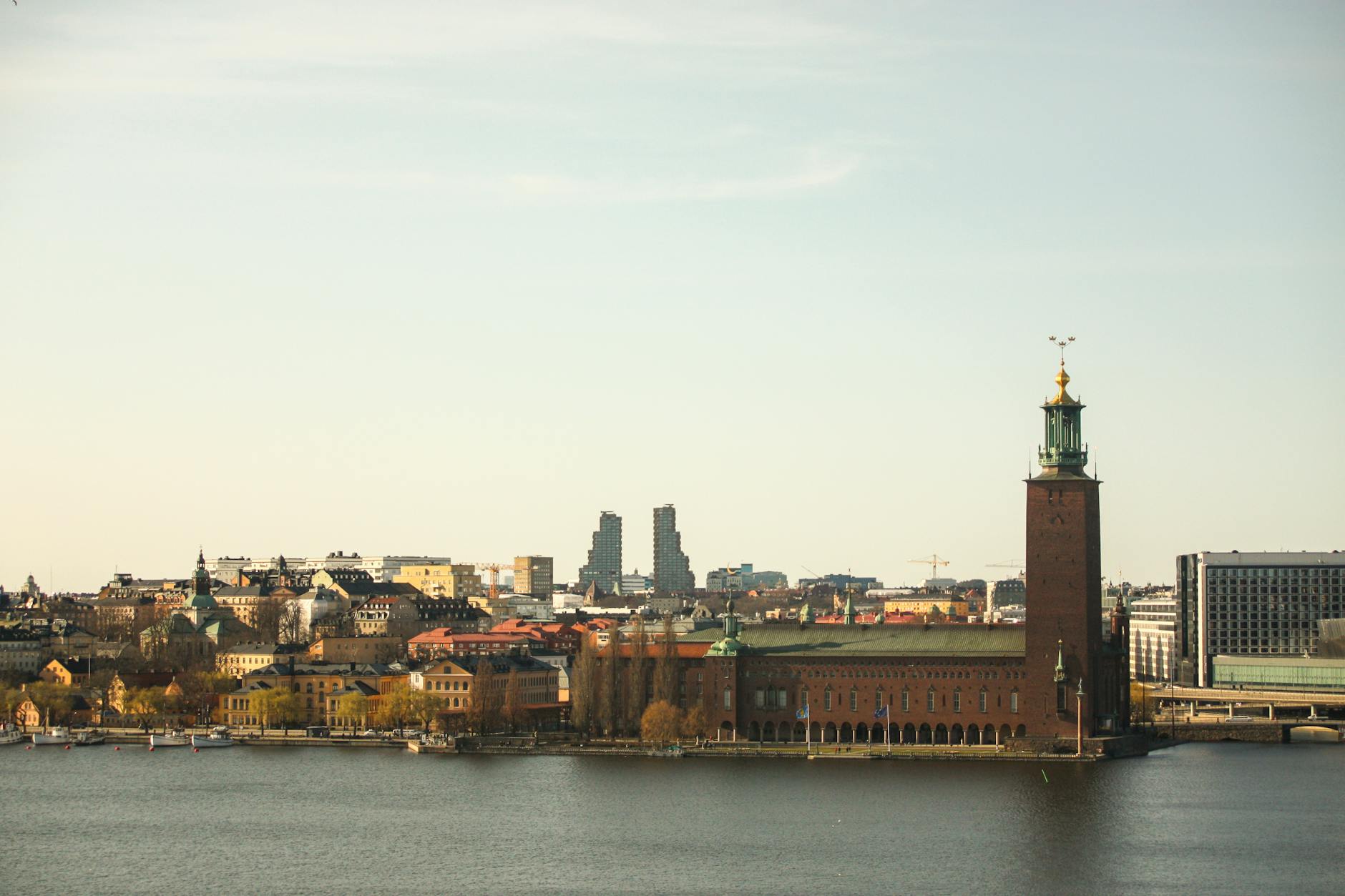
Stockholm's weather, water, winter darkness, and long summer light can change a reporting day. Outdoor standups, photos, site visits, and street reporting should be timed with realistic daylight and weather assumptions.
Fieldwork needs local conditions in the plan.
- Check daylight, wind, rain, snow, and temperature before committing to outdoor reporting blocks.
- Schedule critical visuals and location checks for the best available light.
- Keep indoor alternatives ready for calls, writing, file transfer, or source meetings.
Secure files and working time
Reporting trips produce fragile material: recordings, photos, notes, documents, contacts, and drafts. The journalist should decide where files are backed up, where sensitive calls happen, and when writing or editing time is protected.
The trip should not depend on one device or one late-night writing block.
- Use a clear routine for backups, file naming, battery charging, and secure storage.
- Avoid reviewing sensitive notes or source details in crowded shared spaces.
- Block writing, transcription, photo review, and editor check-ins before the day fills up.
Manage source care and personal safety
A journalist should consider how each meeting affects sources, bystanders, and personal safety. That includes privacy, sensitive locations, protest or police presence, late returns, and whether publishing location details could create unnecessary exposure.
Source care belongs in the travel plan.
- Clarify consent, attribution, anonymity, and photo or video boundaries before sensitive conversations.
- Use safer meeting points and transport plans for evening or high-pressure reporting.
- Keep editors or colleagues aware of field movements when the assignment warrants it.
When to order a short-term travel report
A journalist with one simple interview and a familiar city may not need a custom report. A report becomes useful when the assignment includes multiple locations, uncertain access, field visuals, time-sensitive interviews, safety concerns, or a tight filing schedule.
The report should test story geography, lodging, press access, interview locations, transit and taxi timing, weather and daylight, backup workspaces, file routines, source safety, meals, and departure buffers. The value is a Stockholm reporting trip where the journalist can spend attention on the story instead of avoidable logistics.
- Order when story geography, access, interviews, transport, weather, file security, source care, or deadlines need coordination.
- Provide assignment goals, interview addresses, credential status, lodging options, arrival details, equipment needs, and filing deadlines.
- Use the report to keep the Stockholm journalism trip focused, flexible, and ready for the story to change.