Map meetings by decision value
Deal travel can attract too many meetings because everyone is finally in the same city. The team should rank which sessions drive the decision, which are relationship maintenance, and which can happen by video after the trip.
The highest-value judgment moments need the cleanest schedule.
- Separate management meetings, adviser sessions, site visits, investor updates, and social obligations.
- Place the most important meeting away from arrival risk and end-of-day fatigue.
- Leave room for a second conversation if diligence uncovers a material issue.

Protect diligence and analysis time
A full day of meetings is not the same as a useful diligence day. The team needs protected time to compare notes, test assumptions, update the model, review documents, and decide what questions still need answers.
Analysis time should be on the calendar before the trip starts.
- Block working sessions after management meetings and before internal decision calls.
- Keep model updates, data-room review, and adviser follow-up out of transit-heavy gaps.
- Assign ownership for open questions, document requests, and next-step analysis before each day ends.
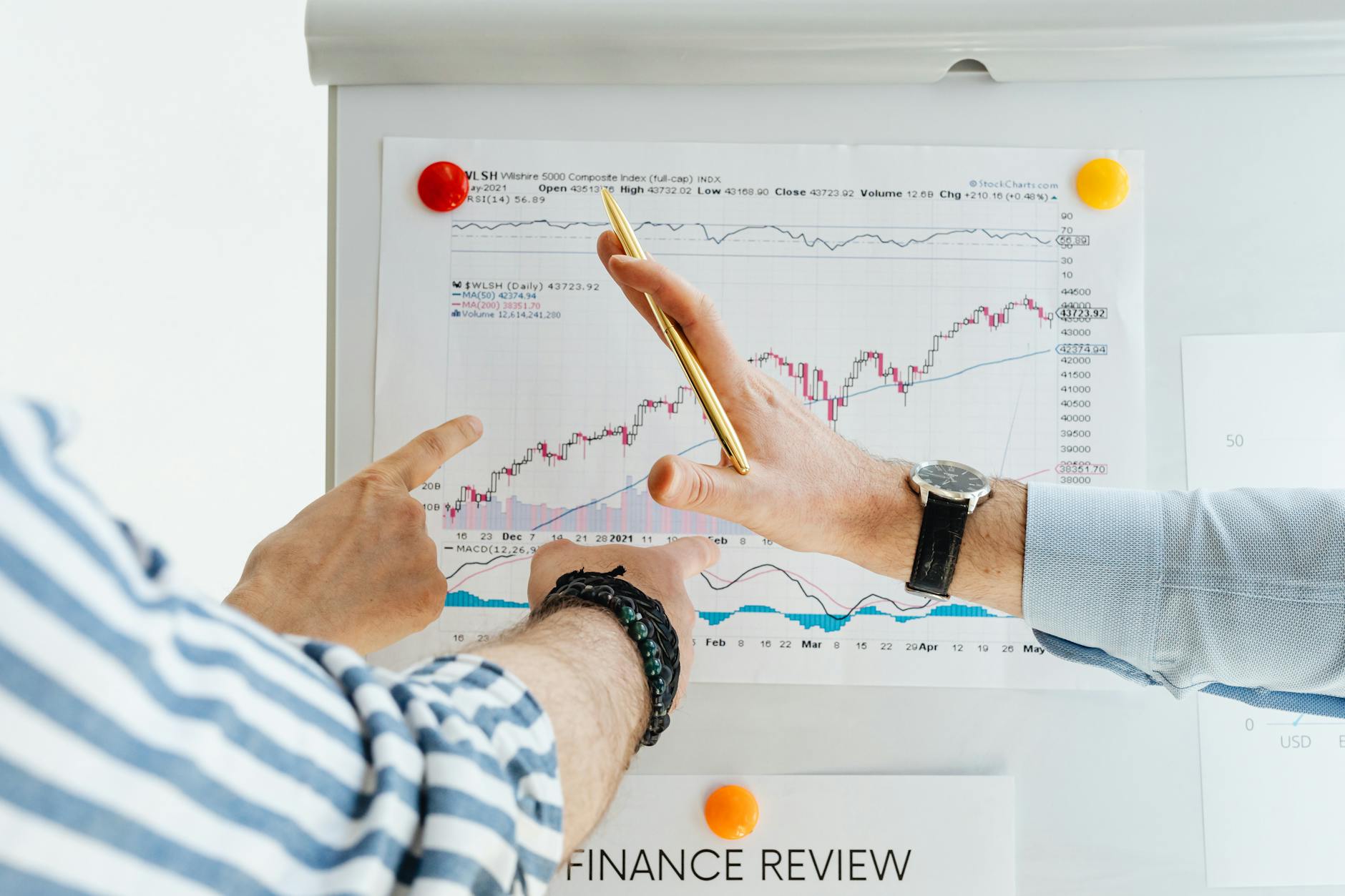
Plan negotiation and adviser logistics
Deal trips often involve lawyers, bankers, founders, operators, and internal stakeholders moving on different clocks. Meeting rooms, call links, document versions, signatures, and quiet places for sensitive calls should be confirmed early.
The logistics should support negotiation rather than interrupt it.
- Confirm room access, visitor rules, dial-in links, document versions, and who owns each meeting agenda.
- Keep backup locations for private calls and last-minute adviser conversations.
- Build space for revised terms, additional questions, or an unexpected internal approval step.
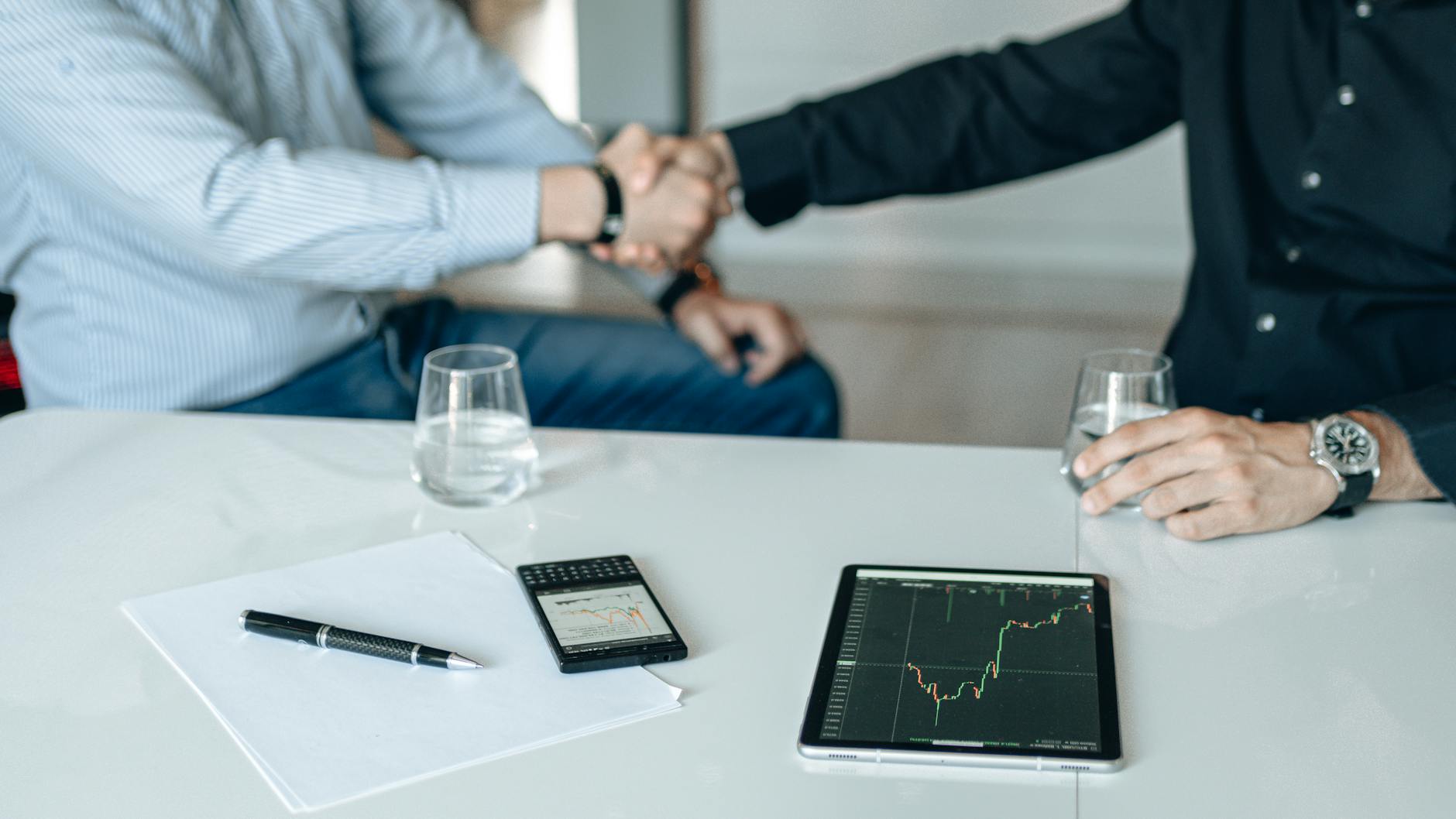
Choose lodging for confidential work
The hotel should support quiet calls, secure work, reliable Wi-Fi, receipts, and fast movement to the most important meetings. Lobby noise, weak desks, poor connectivity, or long commutes can make confidential work harder than it needs to be.
The room is part of the deal workspace.
- Check desk setup, Wi-Fi, quiet, late work comfort, breakfast timing, and invoice handling.
- Favor a location that reduces movement between the main meetings, advisers, and dinners.
- Use privacy screens, headphones, hotspot backup, and careful document handling in shared spaces.
Keep transport conservative
Investor and deal-team travel should not depend on optimistic transfer timing. Airport arrivals, train stations, taxis, weather, laptop bags, and evening dinners all need margin because being late can damage trust or compress a sensitive conversation.
Reliability is part of transaction discipline.
- Use conservative timing for airport transfers, first meetings, site visits, and dinners.
- Choose taxi, transit, or walking based on confidentiality, equipment, weather, and fatigue.
- Keep backup routes for high-stakes meetings and cross-town moves.
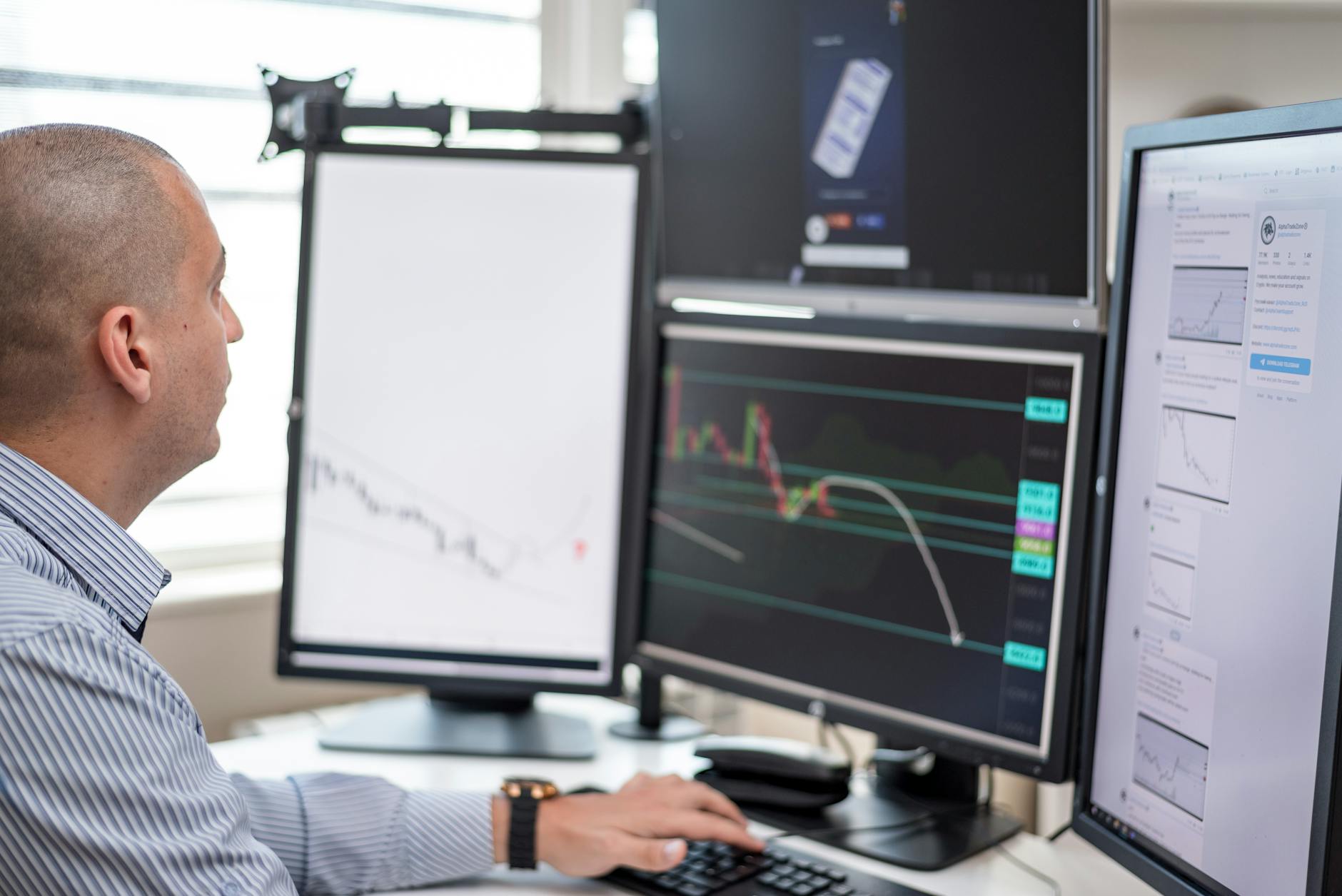
Use meals for judgment, not overload
Investor meals can reveal tone, trust, incentives, and how people behave away from the meeting room. They should be planned carefully, with the right attendees, privacy level, travel time, and next-morning schedule in mind.
A dinner should improve the read, not weaken the next day.
- Choose restaurants that fit privacy needs, relationship stage, dietary constraints, and payment rules.
- Avoid late dinners before intensive diligence sessions or early departures.
- Capture qualitative impressions after the meal while the details are still fresh.
When to order a short-term travel report
An investor or deal team member with one familiar meeting may not need a custom report. A report becomes useful when the schedule includes management meetings, adviser sessions, site visits, confidential work, investor dinners, document review, or decisions that depend on staying rested and prepared.
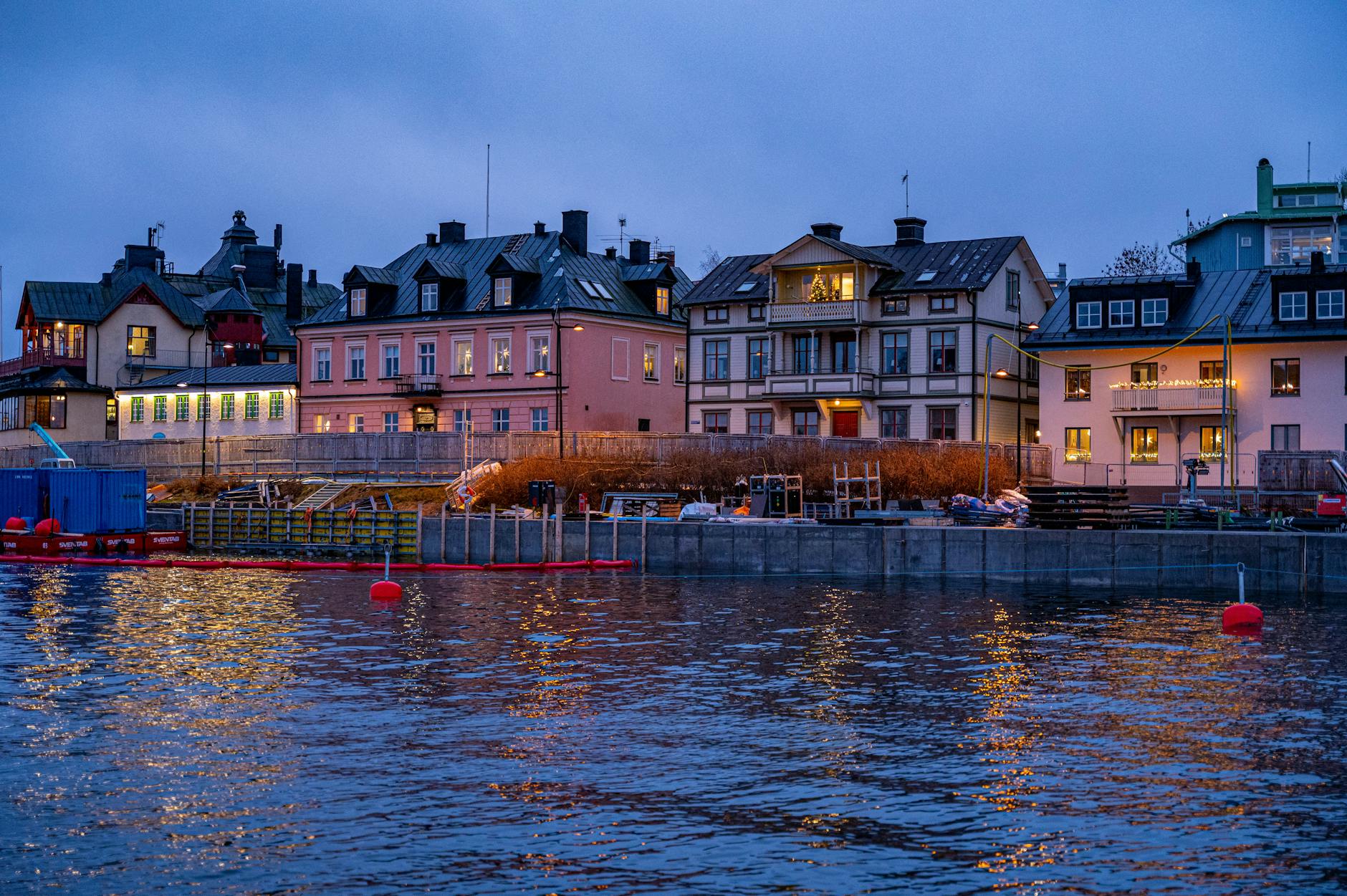
The report should test meeting geography, hotel work setup, transfer reliability, private call space, diligence blocks, meal locations, weather, time-zone conflicts, document handling, and departure buffers. The value is a Stockholm deal trip where the team can focus on evidence, judgment, and next steps.
- Order when meetings, advisers, hotel work setup, private calls, transport, meals, diligence time, or departure timing need coordination.
- Provide meeting addresses, stakeholder list, transaction stage, lodging options, arrival details, dinner plans, and work constraints.
- Use the report to keep the Stockholm deal trip disciplined, confidential, and decision-ready.