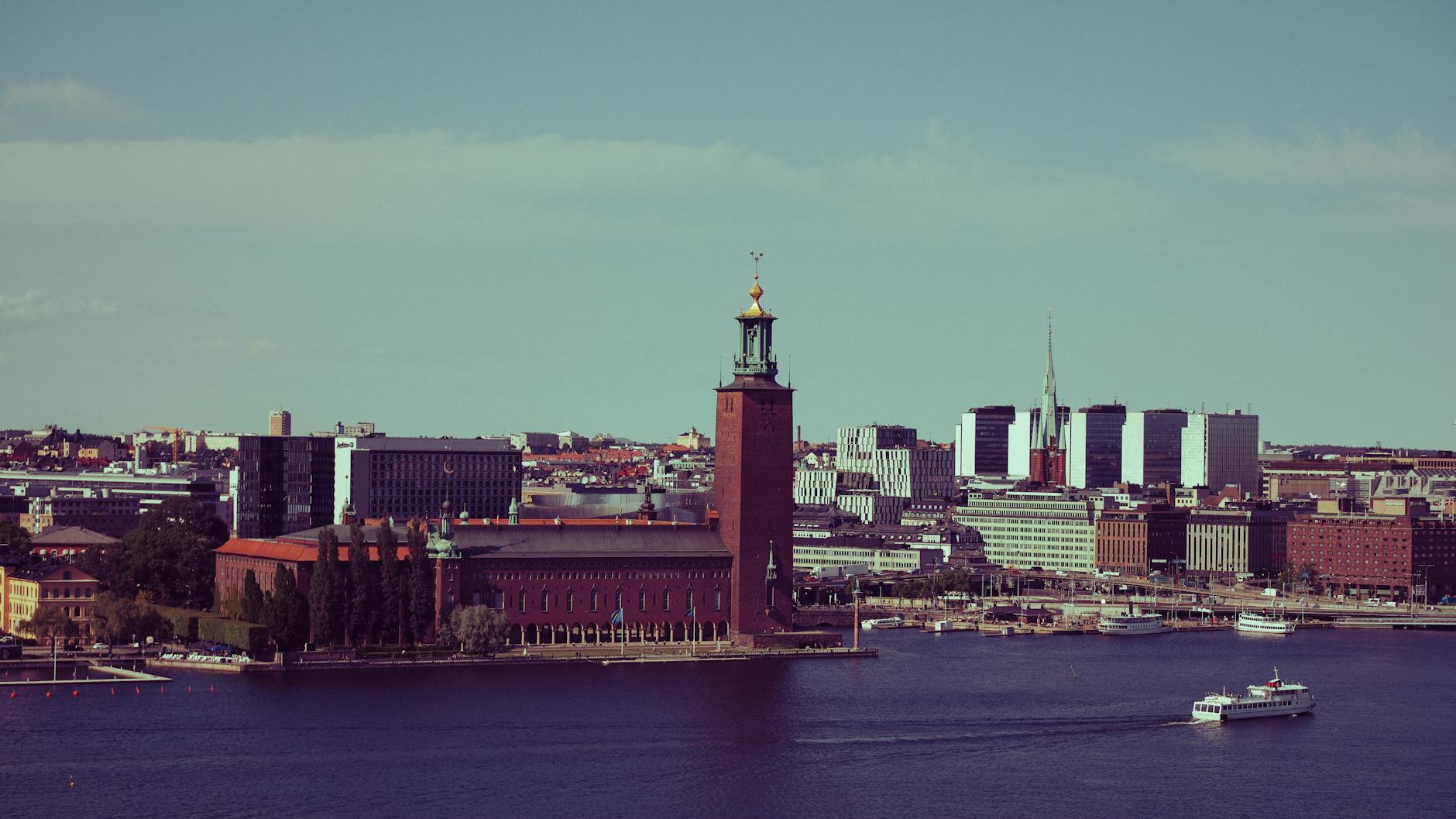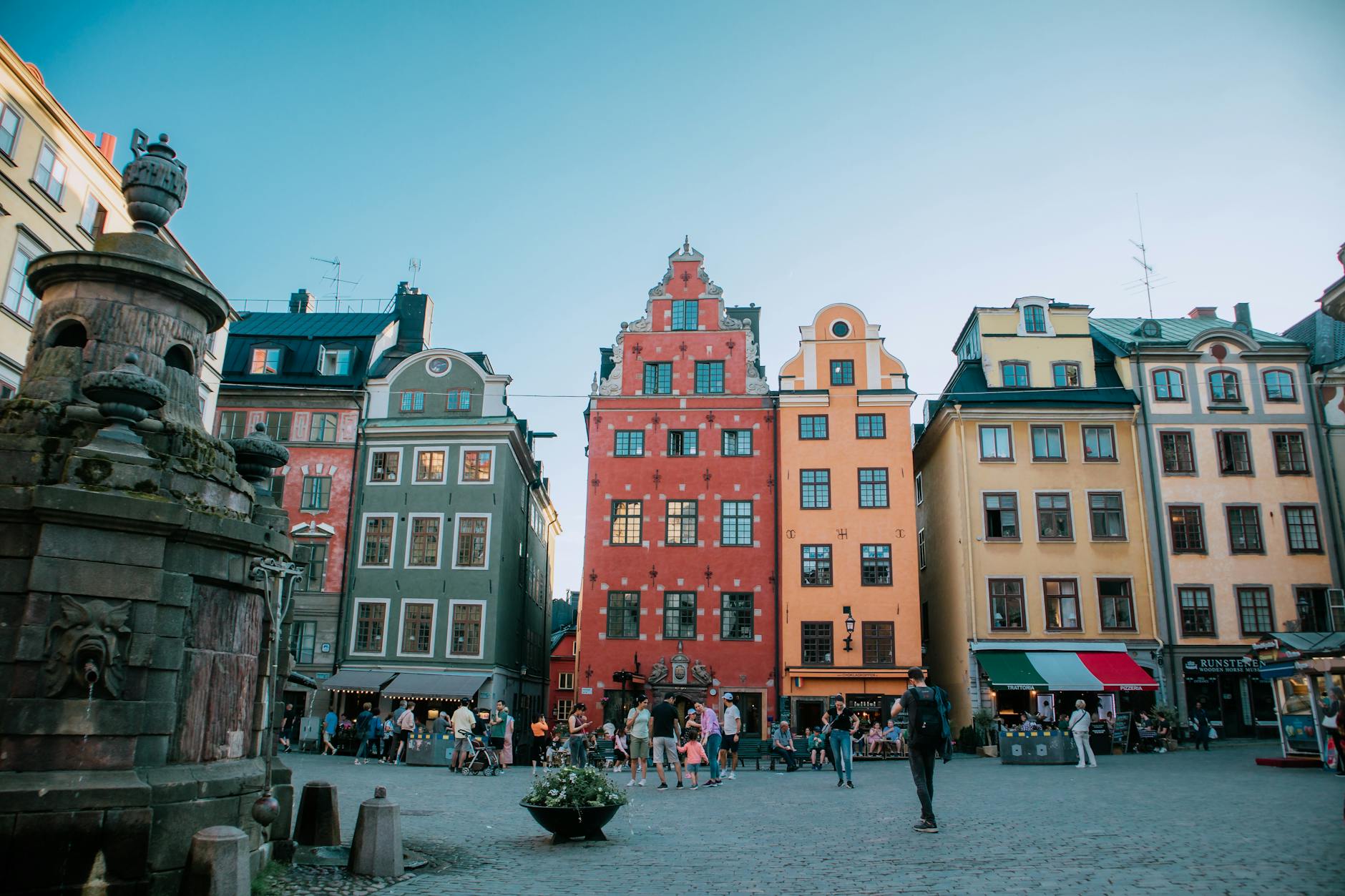
A first Stockholm trip works best when the traveler treats the city as islands, water, neighborhoods, museums, and transit rather than one simple checklist. Arrival logistics, hotel location, Gamla Stan, waterfront routes, ferries, meals, weather, daylight, and departure timing all shape whether a short first visit feels elegant or scattered.
Choose the first version of Stockholm
A first-time visitor should decide what kind of Stockholm trip this short stay can support. Old town atmosphere, waterfront views, museums, design, food, ferries, shopping, and archipelago hints all compete for time.
A first trip needs a clear shape.
- Pick the strongest two or three themes instead of trying to cover the whole city.
- Use Gamla Stan and the waterfront as orientation, not the entire trip.
- Leave distant or specialist interests for a longer return visit if time is short.
Plan arrival and hotel location together
Stockholm arrival can feel smooth when the hotel works with Arlanda, Central Station, local transit, and the first day's route. A first-time visitor should not choose lodging before understanding the arrival and daily geography.
The base sets the first impression.
- Compare airport rail, taxi, Central Station access, luggage, and the first evening's plan.
- Choose lodging that supports simple returns from the old town, museums, and meals.
- Avoid a base that looks attractive but adds avoidable transfers every day.
Use Gamla Stan with restraint
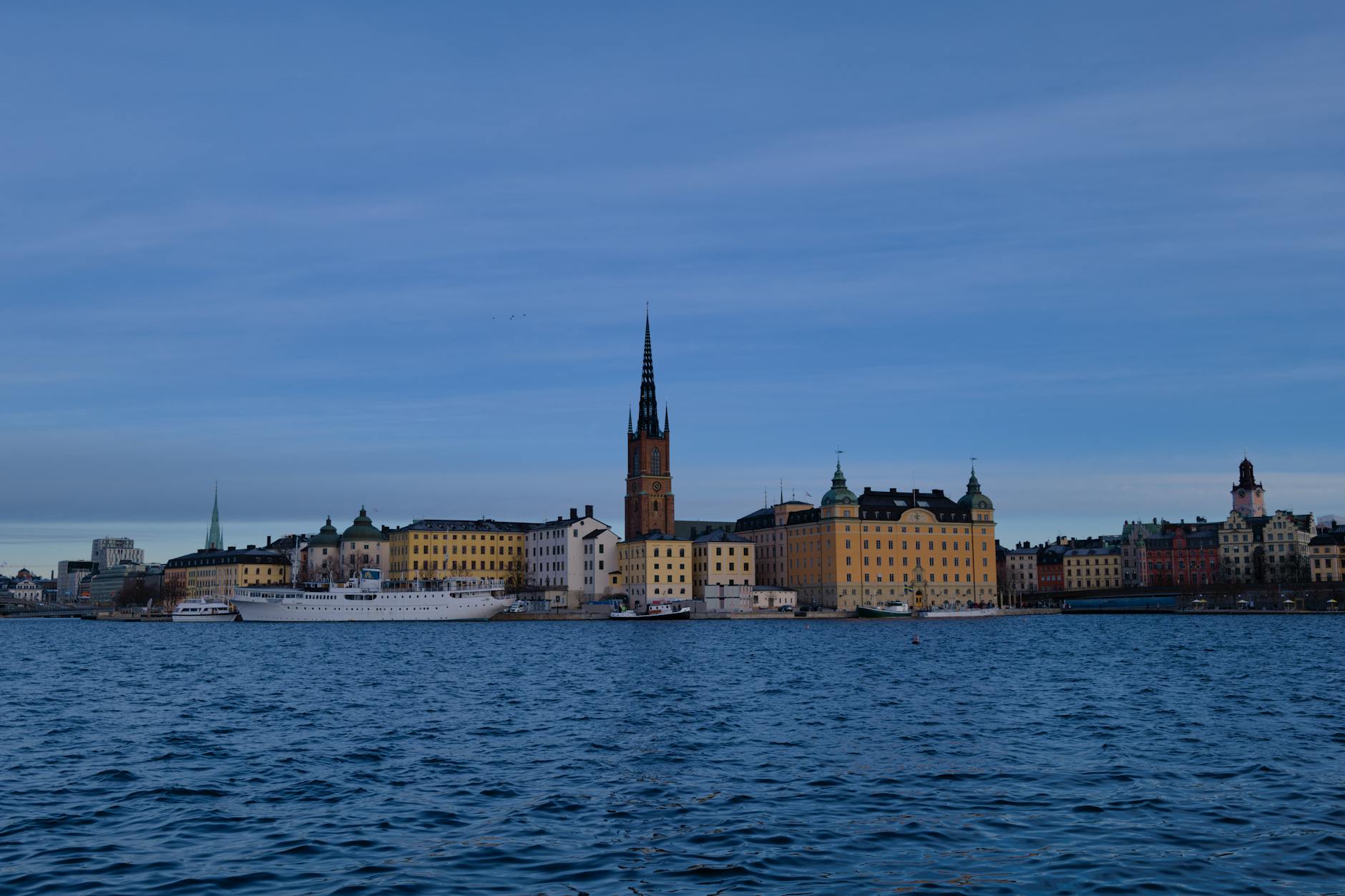
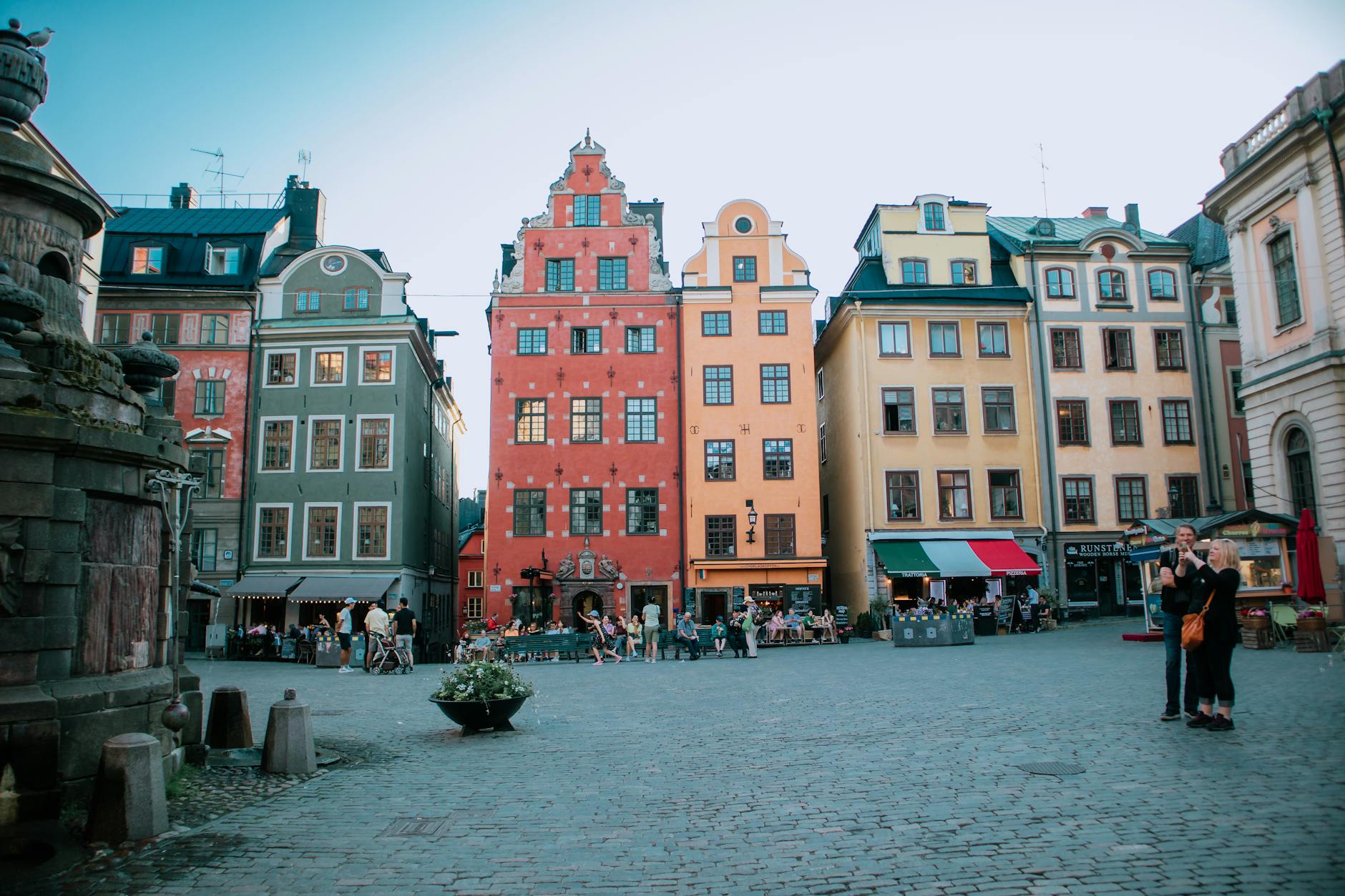
Gamla Stan is an obvious first-time stop, but it works best when the visitor treats it as a compact historic district rather than an all-day trap. Timing, meal choices, crowd levels, and route direction matter.
Old town should have rhythm.
- Visit early, late, or with a specific route if crowding matters.
- Use side streets and waterfront edges instead of only the busiest square.
- Choose meals carefully so the old town does not become an expensive default.
Build the day around water
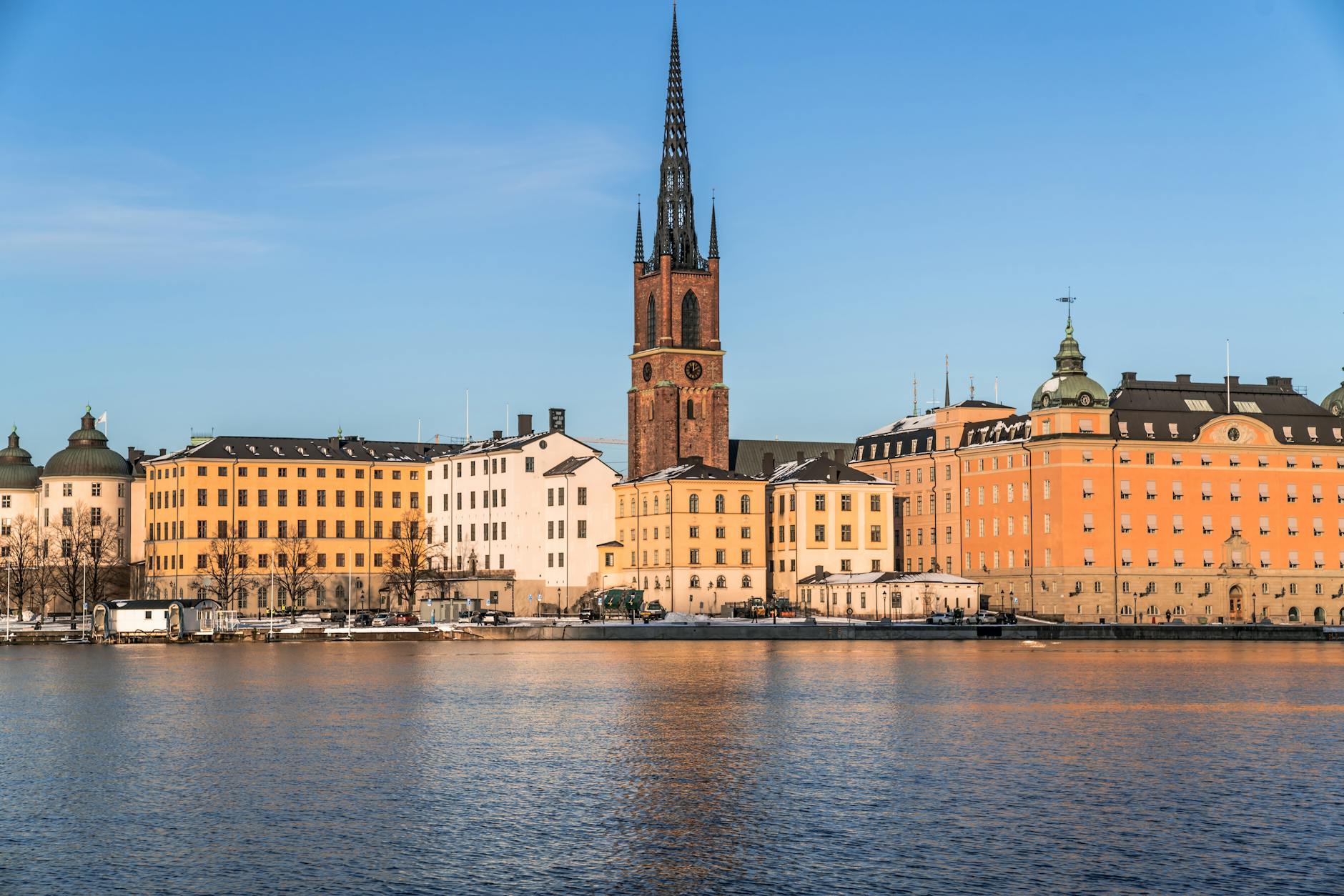
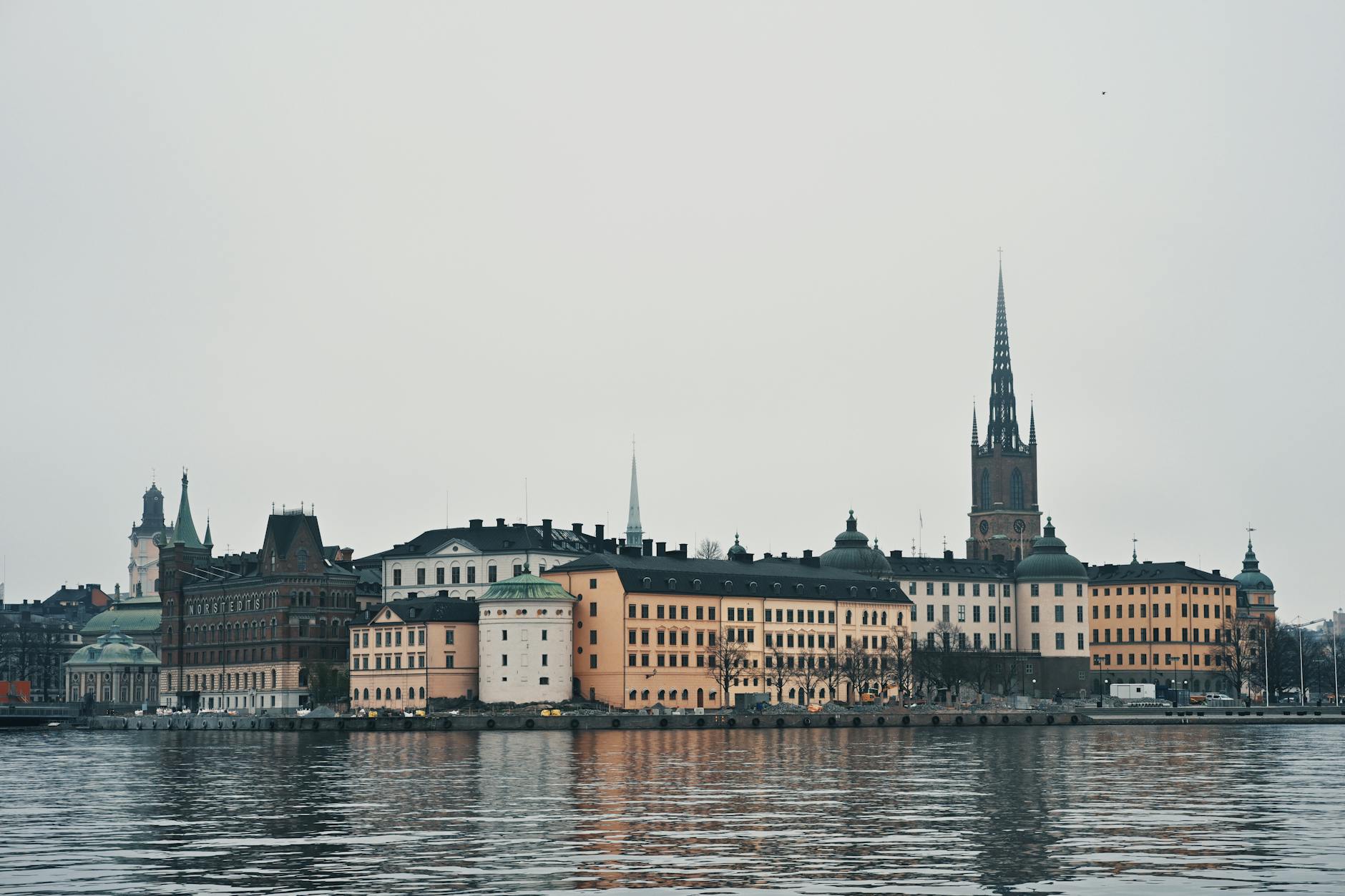
Stockholm's water is not decoration; it is part of how the city works. A first-time visitor should include waterfront walking, bridge crossings, viewpoints, ferries, or a harbor moment without letting movement become confusing.
The water can organize the day.
- Use one waterfront route to connect old town, museums, views, or a meal.
- Check ferry timing, ticketing, and weather before treating boats as simple shortcuts.
- Keep a land-based backup when wind, rain, or timing makes water movement less appealing.
Choose museums and interiors deliberately
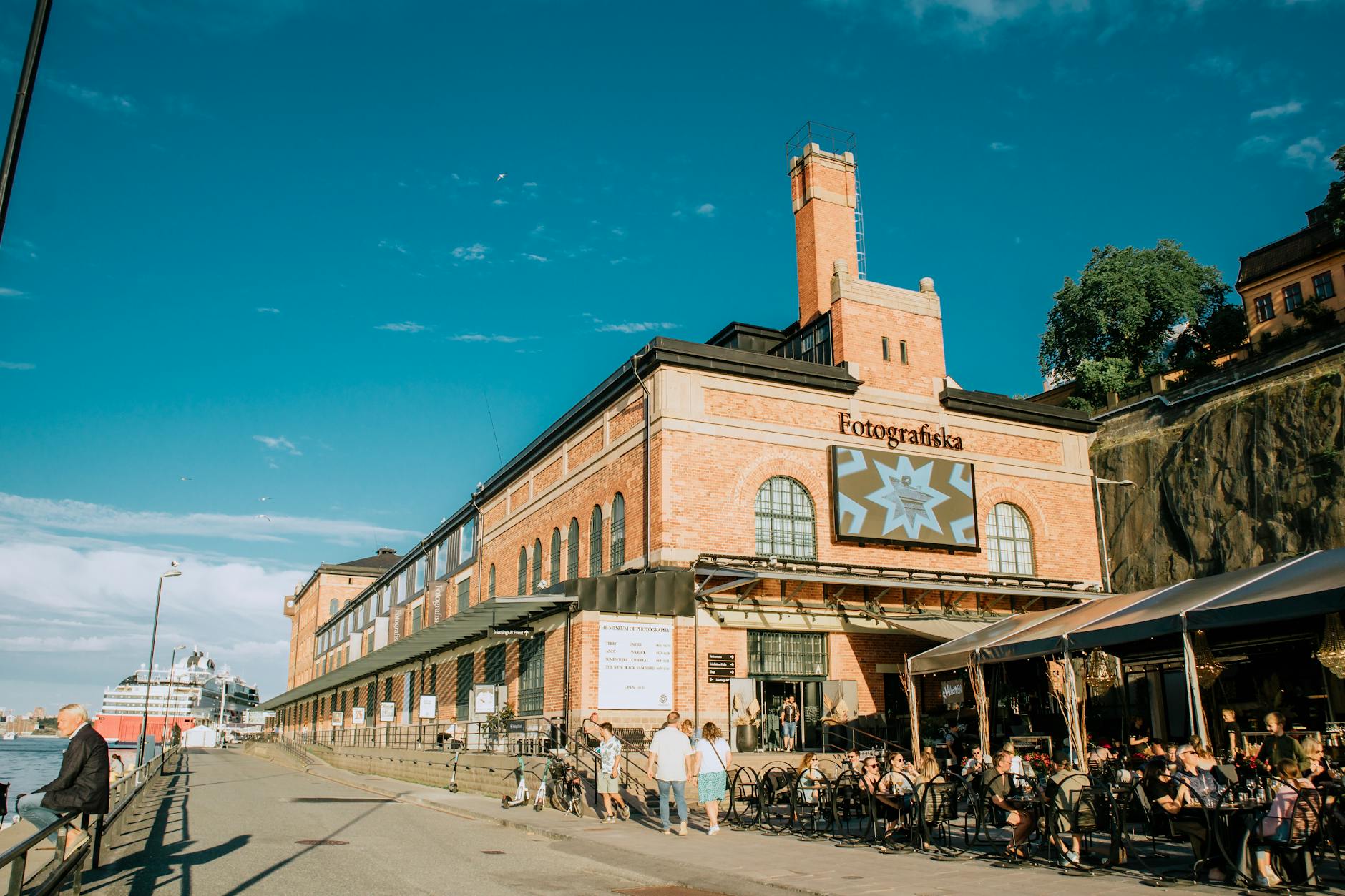
Museums, galleries, design spaces, churches, and indoor markets can make a Stockholm visit richer and more weather-resistant. The challenge is not finding options; it is choosing the ones that fit the short stay.
Interiors should support the route.
- Choose one major museum or indoor anchor rather than stacking too many timed visits.
- Use interiors as weather buffers when rain, cold, or wind changes the walking plan.
- Check opening days, ticketing, bag rules, and cafe options before arrival.
Plan meals, weather, and daylight
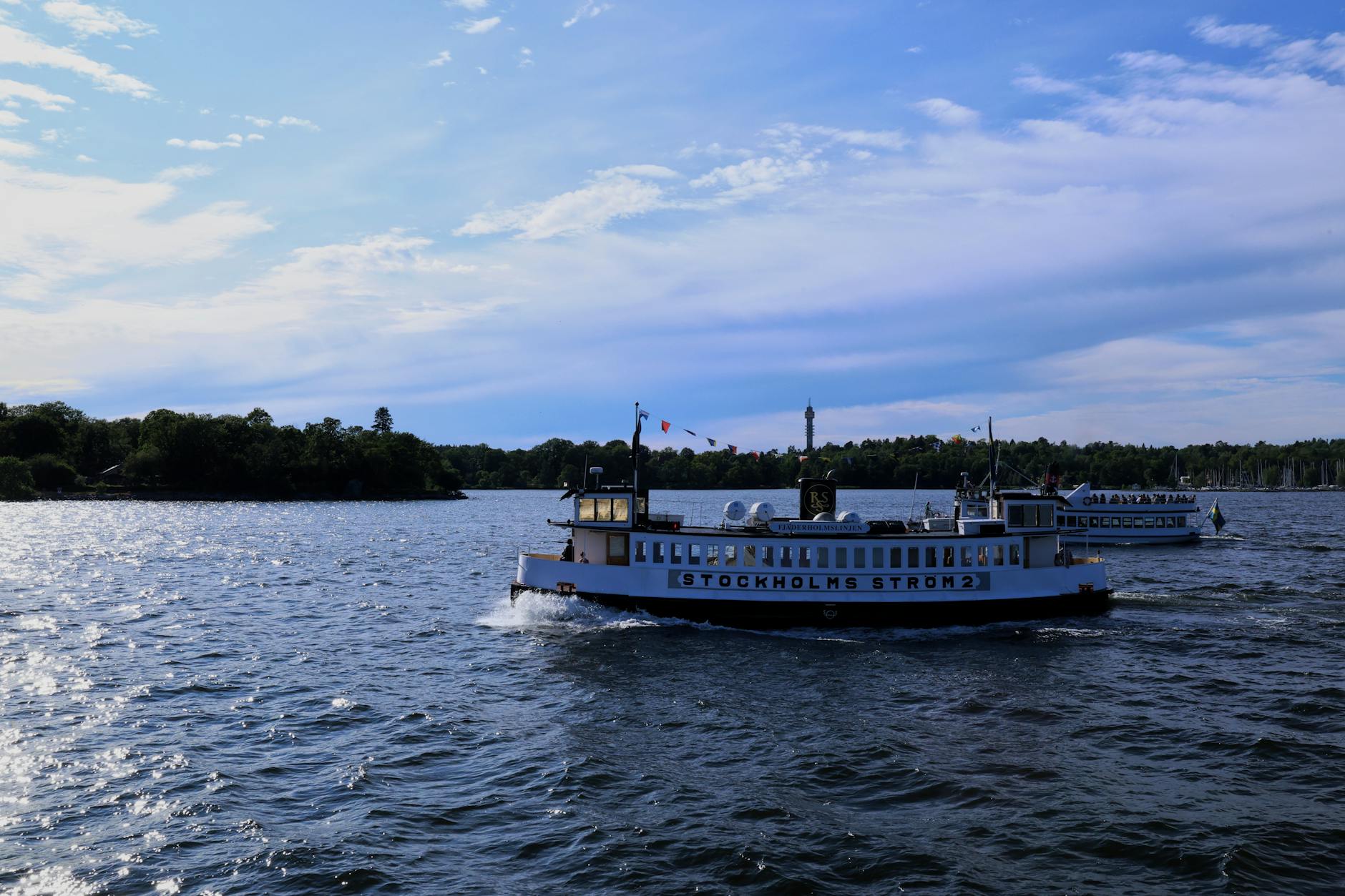
Meals can anchor a Stockholm day beautifully when they match the district and the weather. A first-time visitor should also account for winter darkness, summer pressure, waterfront wind, and the fact that scenic walking feels different in rain.
Pacing makes Stockholm feel generous.
- Reserve meals when timing, budget, dietary needs, or setting matters.
- Carry layers and rain protection, especially for waterfront routes.
- Leave time for cafes, warm pauses, and daylight-dependent viewpoints.
When to order a short-term travel report
A first-time visitor with a flexible hotel and two easy sightseeing goals may not need a custom report. A report becomes useful when arrival timing is tight, hotel geography is unclear, museum choices need prioritizing, weather may change walking, or the traveler wants a first Stockholm trip that feels complete without being overfull.
The report should test arrival transfer, hotel location, old town timing, waterfront routes, ferry options, museum choices, meal stops, weather contingencies, daylight, and departure buffers. The value is a Stockholm first visit that gives the city a clear shape.
- Order when arrival, hotel geography, old town timing, museums, ferries, meals, weather, daylight, or departure timing need exact planning.
- Provide dates, arrival details, hotel candidates, mobility needs, budget, food preferences, and must-see interests.
- Use the report to keep the Stockholm first-time visit coherent, flexible, and memorable.