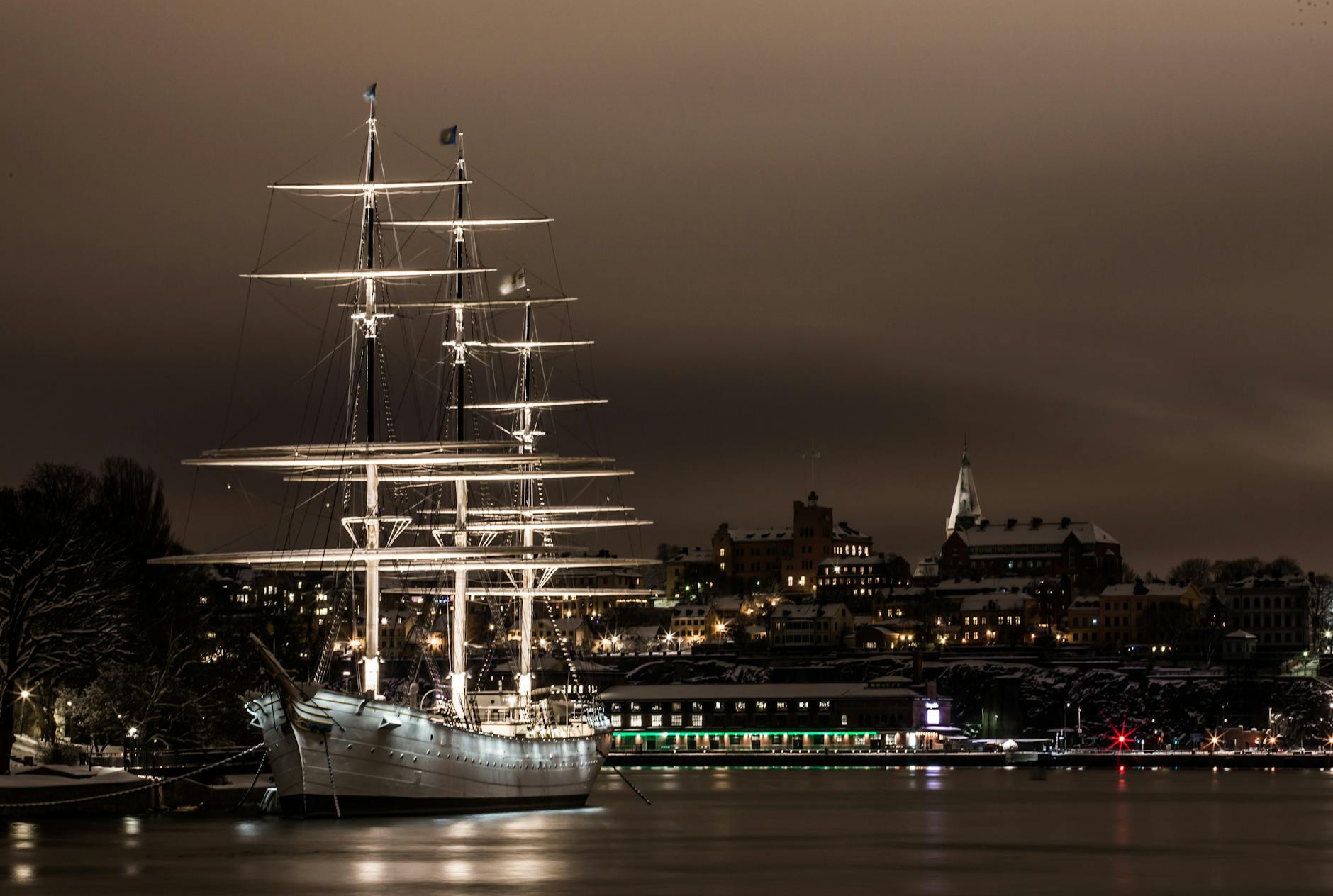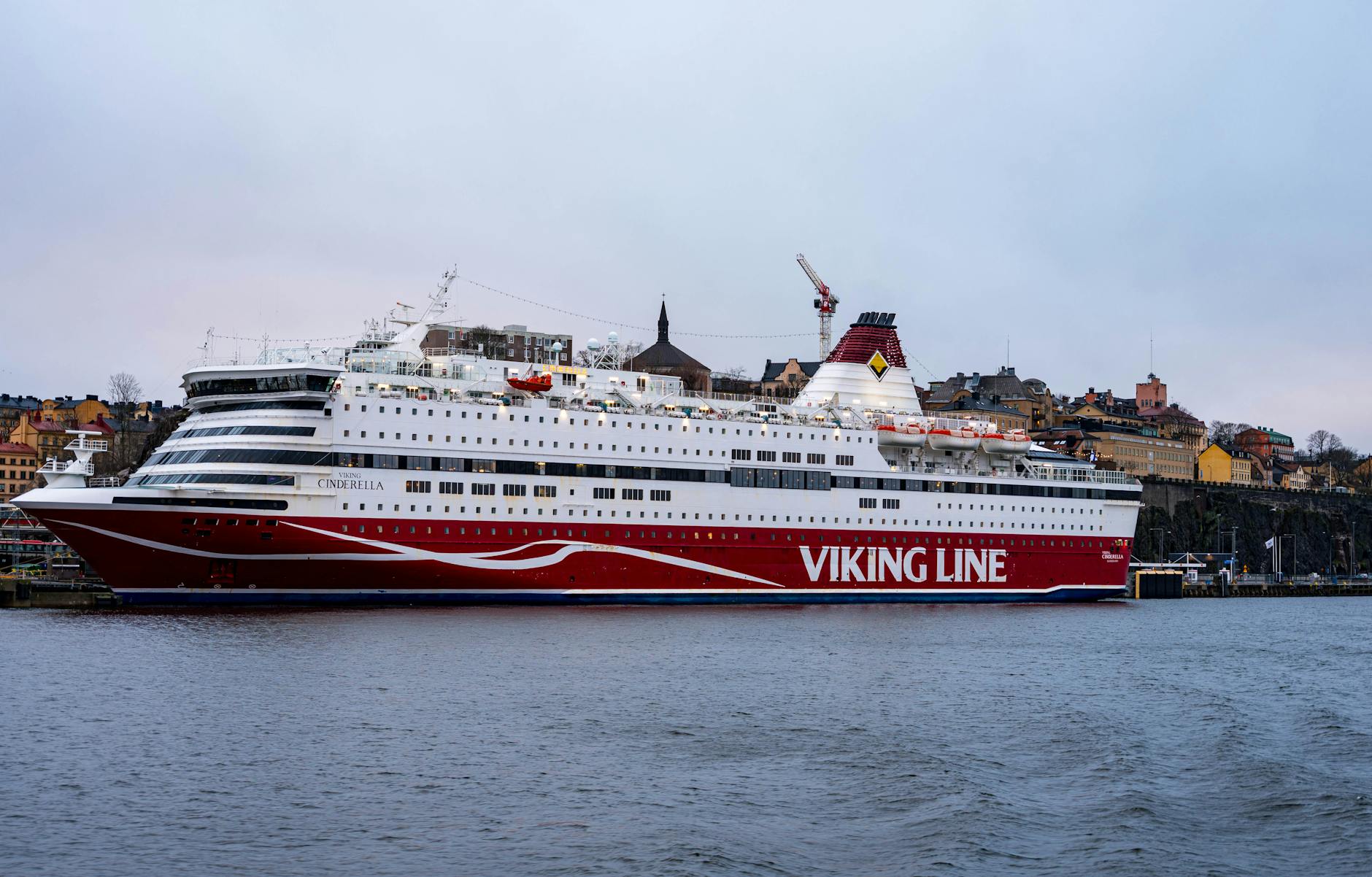
Confirm port and ship timing first
The exact port, docking time, gangway time, immigration process, shuttle arrangement, and all-aboard deadline decide what is possible. A route that works from one Stockholm terminal may be too risky from another.
The ship clock should control the plan.
- Confirm the terminal, docking time, earliest realistic exit, and all-aboard deadline.
- Separate scheduled arrival from the time passengers can actually leave the ship.
- Keep the return plan visible all day, including backup transport if the first option fails.
Plan terminal transfers and luggage
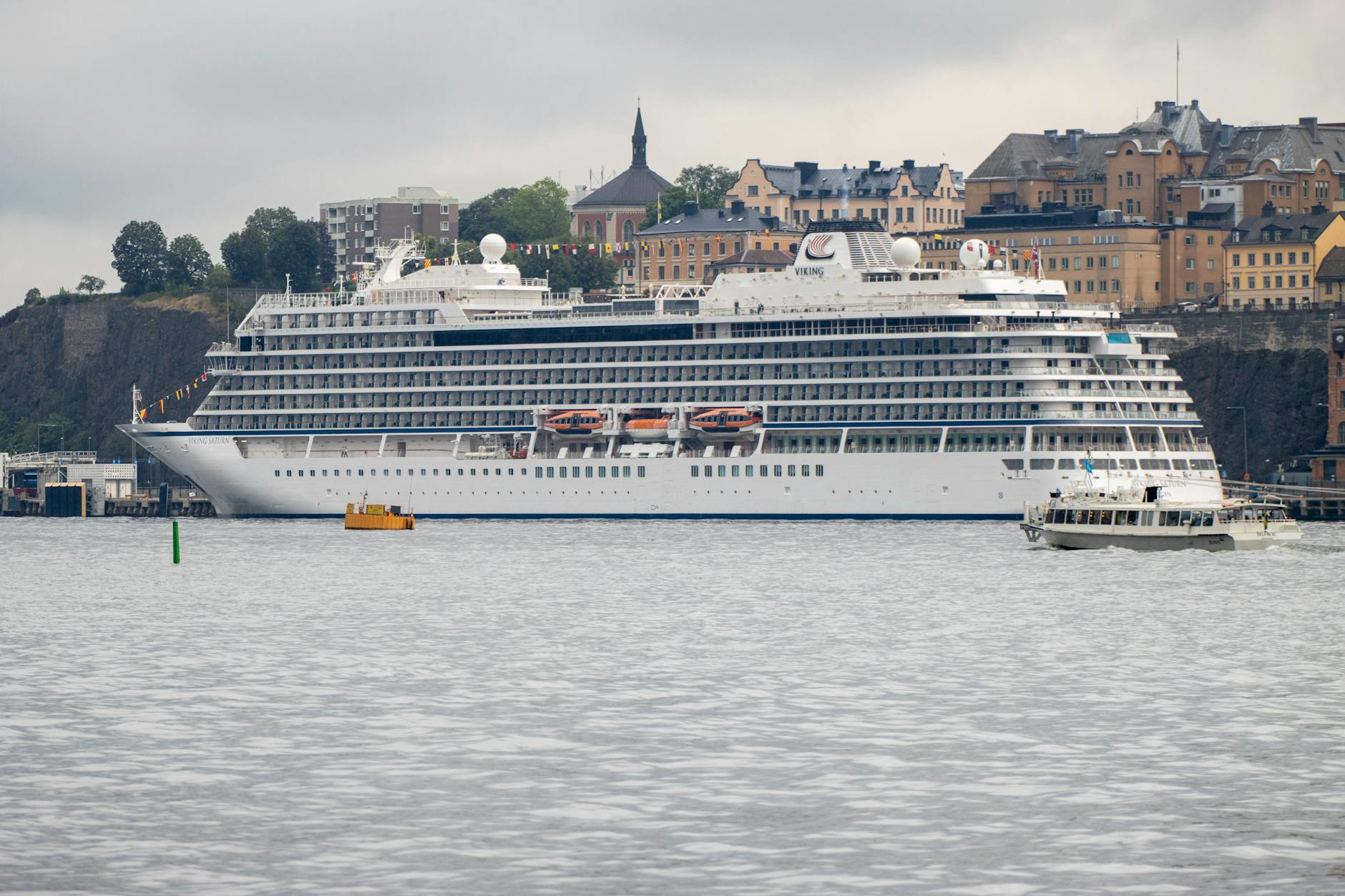
Cruise travelers should not assume the port is next to the old town or that every transfer is equally simple. Shuttle buses, taxis, ferries, public transport, walking distance, weather, and luggage all change the practical day.
The first and last mile matter most.
- Check shuttle options, taxi pickup, public transport stops, and walking distance from the terminal.
- Avoid carrying unnecessary bags if the day involves cobblestones, ferries, or museum security.
- Leave extra time for queues, ship crowds, and terminal wayfinding on the return.
Choose one compact city route
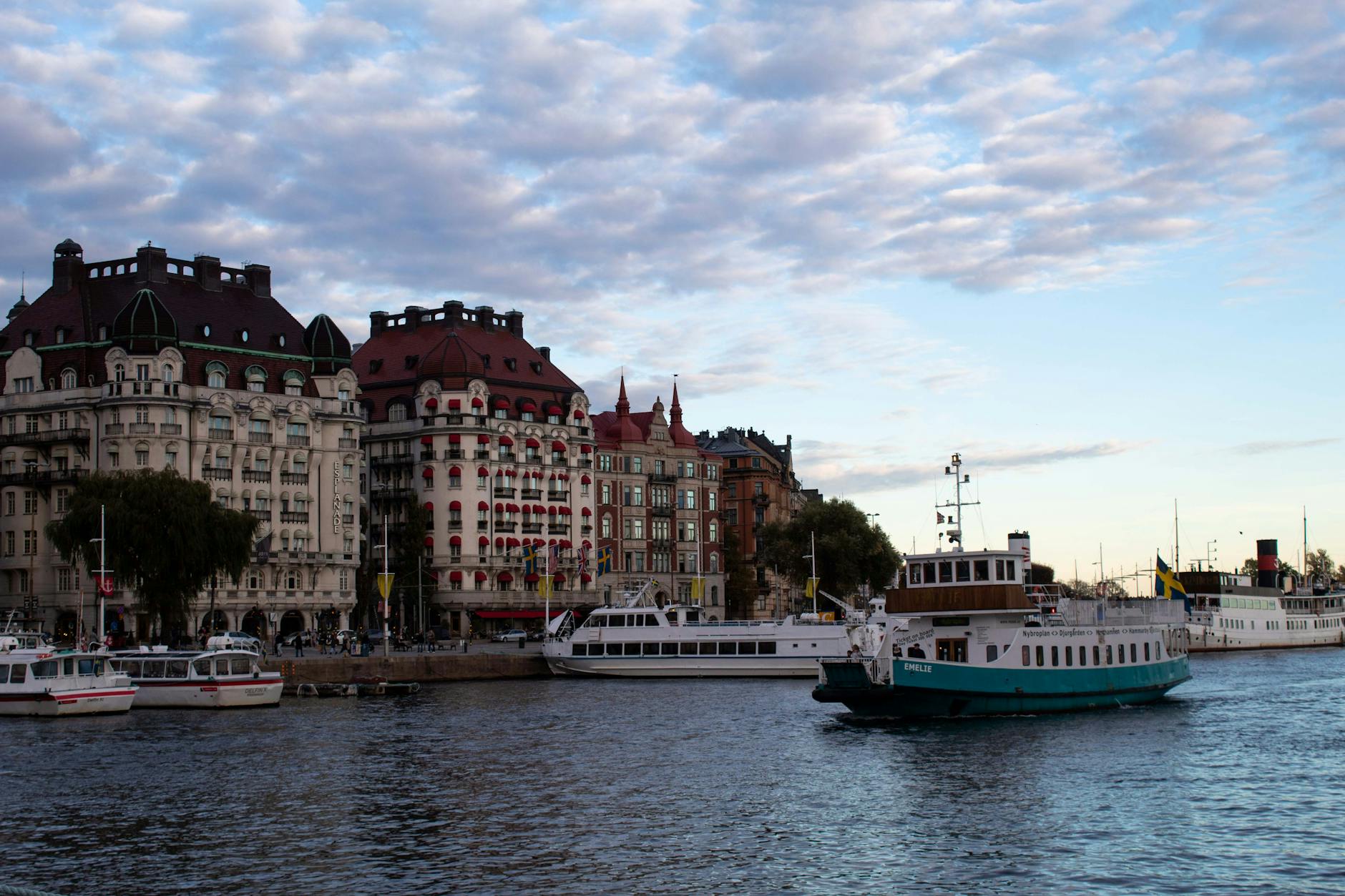
A port call is usually too short for an ambitious citywide itinerary. The traveler should choose one compact route, such as Gamla Stan, a waterfront walk, a museum anchor, or a short ferry-linked loop, then protect enough time to return calmly.
The best day is complete, not crowded.
- Pick one primary area or attraction cluster instead of crossing the city repeatedly.
- Use a route that can be shortened quickly if the ship exit is delayed.
- Keep an optional add-on nearby rather than depending on a second distant stop.
Use water routes with discipline
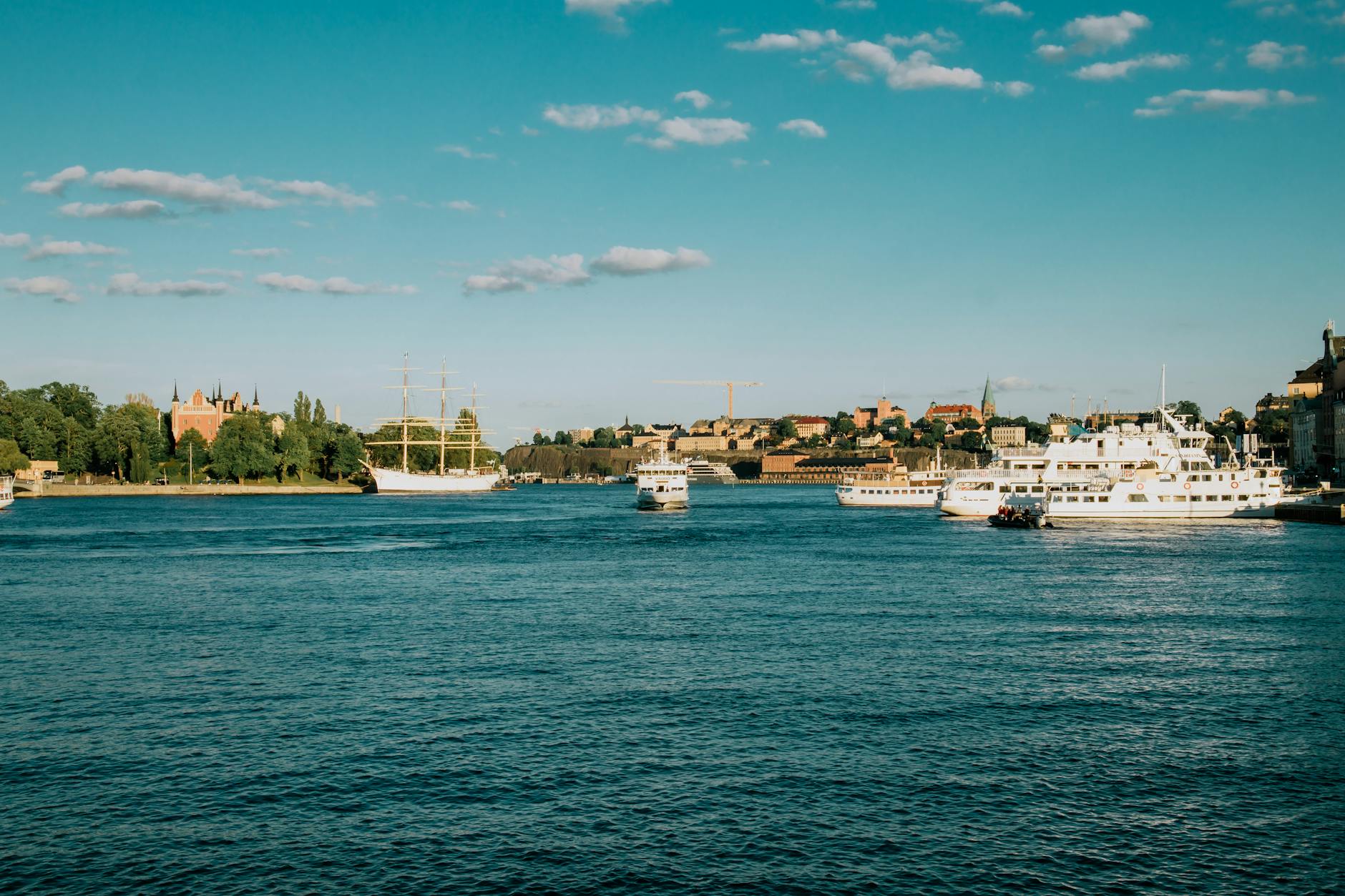
Ferries and harbor views can make Stockholm feel special during a port call, but water transport still needs schedule checks. A scenic ferry is useful only when it supports the return deadline.
Water time should be beautiful and controlled.
- Check ferry schedules, boarding points, return options, and seasonal service before relying on water transport.
- Use short water segments when they save effort or create a clear city highlight.
- Avoid late-day ferry choices that leave no easy taxi or transit fallback.
Respect weather, access, and fatigue
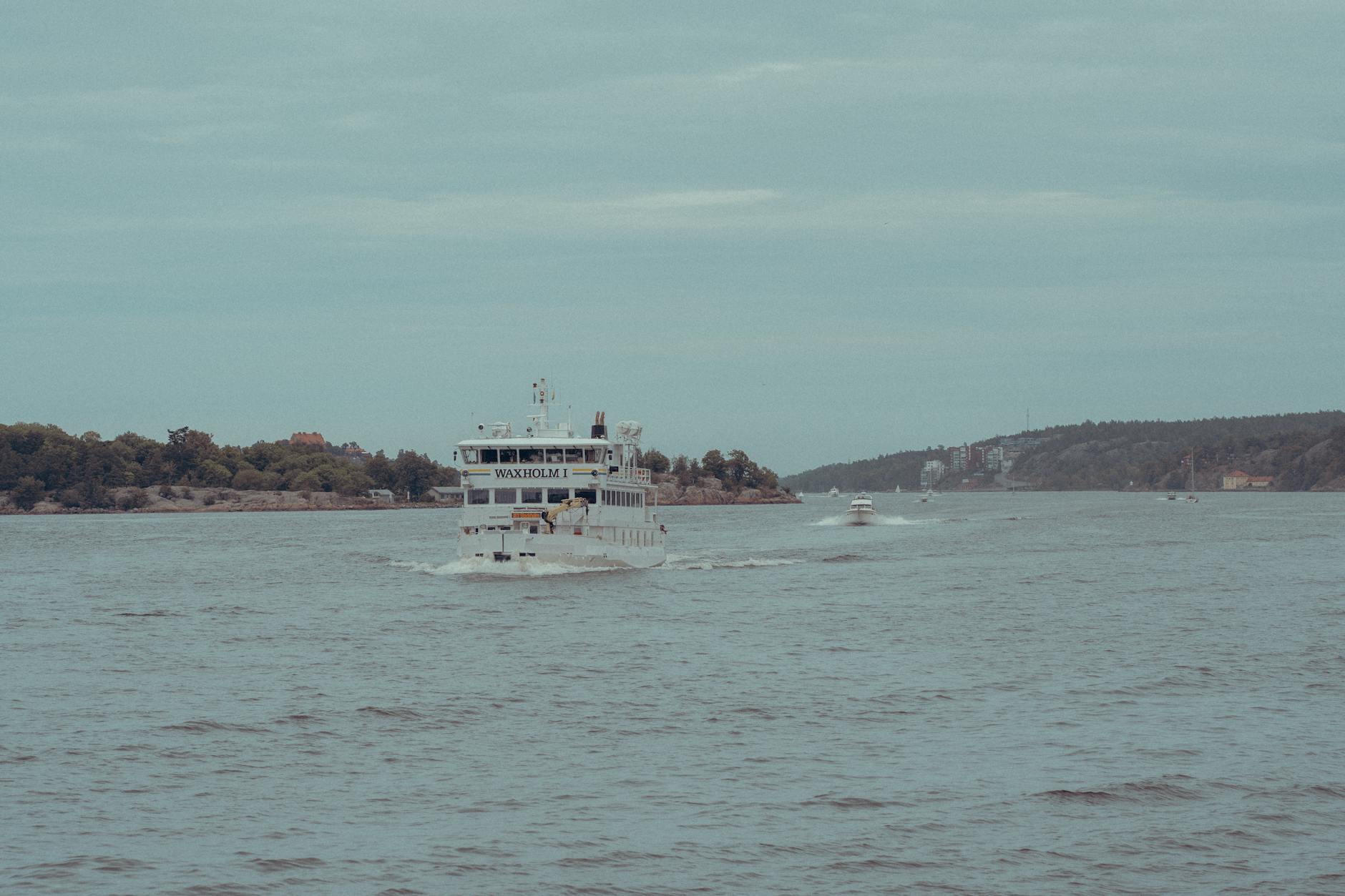
Port-call days often begin with stairs, queues, ship corridors, shuttle waits, and crowds before the traveler reaches the city. Cobblestones, wind, rain, heat, cold, and limited seating can make a short visit feel harder than expected.
The route should protect energy.
- Choose footwear and layers for cobblestones, waterfront wind, and changing weather.
- Mark cafes, restrooms, benches, taxis, and indoor stops along the route.
- Use shorter loops for travelers with mobility needs, children, older companions, or heavy fatigue.
Handle payments, connectivity, and ship rules
A cruise traveler should know how they will pay, navigate, contact companions, and return to the ship if plans change. Roaming, offline maps, ship cards, passports, medication, and local payment methods can decide whether the day stays calm.
Small practical checks prevent large port-call problems.
- Carry ship card, ID requirements, payment method, medication, phone power, and offline maps.
- Set a meeting point and return time if traveling with companions who may split up.
- Check whether the ship requires passports, shuttle tickets, or specific return procedures.
When to order a short-term travel report
A cruise traveler with a ship excursion may not need a custom report. A report becomes useful when the traveler wants an independent port day, has a tight all-aboard deadline, needs mobility-aware routing, wants to avoid weak group tours, or is unsure which terminal and transfer plan make sense.
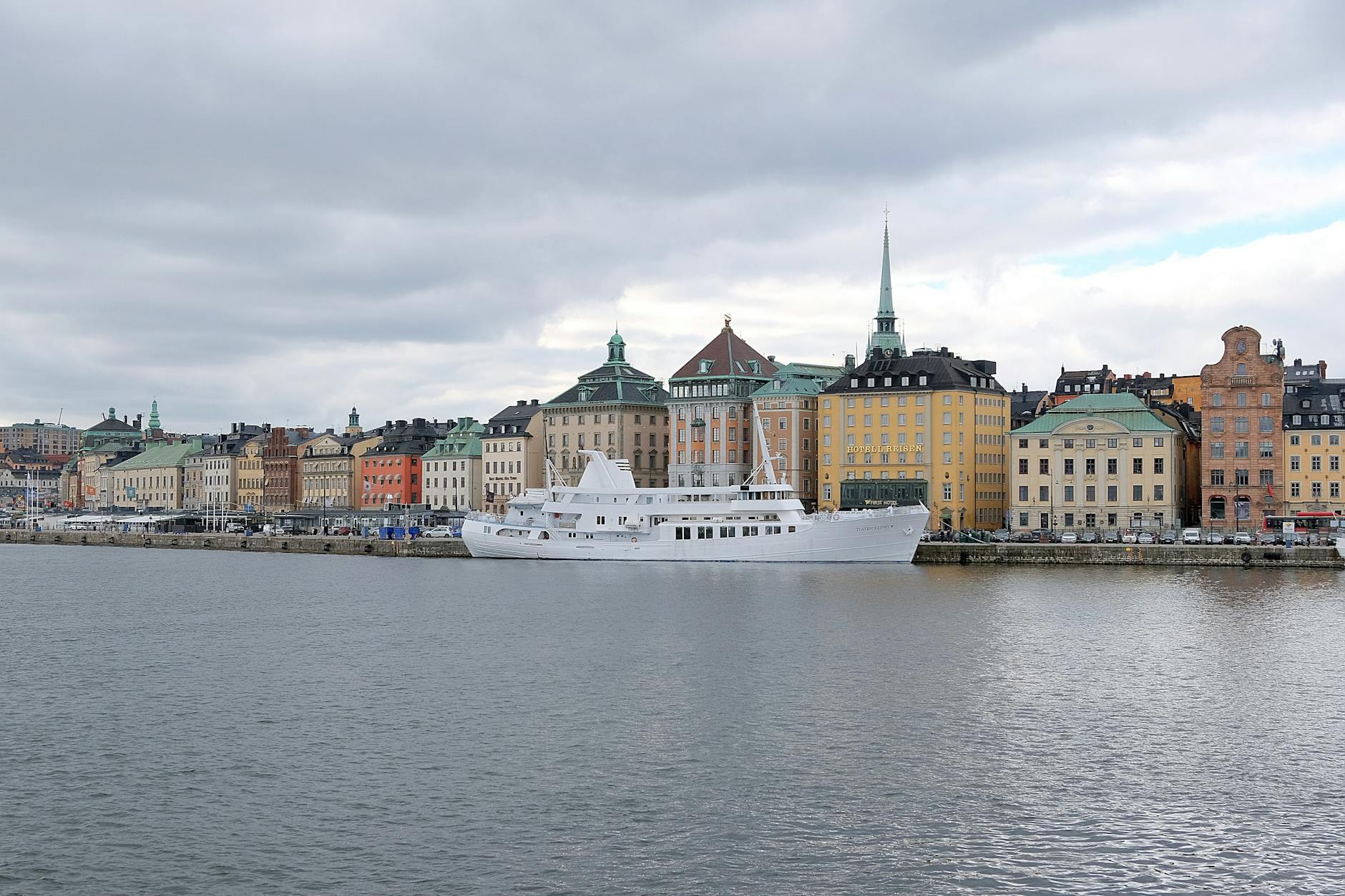
The report should test terminal geography, shuttle and taxi options, public transport, compact sightseeing routes, ferry choices, weather, restrooms, access, payment details, emergency return options, and all-aboard buffers. The value is a Stockholm port call that feels independent without gambling with the ship deadline.
- Order when terminal logistics, transfers, independent routes, ferries, access, weather, payments, or all-aboard timing need coordination.
- Provide ship name, port schedule, terminal if known, mobility needs, budget, interests, excursion options, and risk tolerance.
- Use the report to make the Stockholm cruise day focused, flexible, and return-safe.